Community sanitation shapes disease resistance more than most public health interventions because it changes the environment where infections spread, vectors breed, and people make daily hygiene decisions. In practical terms, community sanitation includes toilets, fecal sludge management, drainage, handwashing access, solid waste control, wastewater handling, and the local rules that keep each part functioning. Disease resistance, in this context, does not mean immunity created by medicine alone. It refers to a community’s ability to prevent outbreaks, reduce repeated exposure to pathogens, protect vulnerable residents, and recover quickly when disease pressure rises. In EcoSan settings, where ecological sanitation systems aim to safely separate, treat, and reuse nutrients and water, sanitation is also tied to environmental protection, food production, and occupational safety.
I have seen this relationship play out most clearly in settlements where technical upgrades failed at first, not because the toilets were badly designed, but because operation, cleaning, and user training were ignored. A urine-diverting toilet can reduce contamination, yet if ash is unavailable, vaults are overloaded, or collection routes are irregular, the health benefit drops fast. The opposite is also true. Modest infrastructure, when paired with disciplined maintenance, community oversight, and clear hygiene routines, consistently lowers diarrheal disease, parasitic infections, and exposure to flies and contaminated floodwater. That is why community sanitation and its impact on disease resistance must be understood as a systems issue, not simply a construction project.
This hub article on Safety and Wellness in EcoSan explains how sanitation affects disease transmission, what makes ecological sanitation safer, where the risks still lie, and which management practices matter most. It also serves as a foundation for related articles on toilet design, compost handling, hand hygiene, sludge treatment, school sanitation, and community health planning. If a reader asks the core question directly, the answer is straightforward: strong community sanitation improves disease resistance by interrupting pathogen pathways before people ingest, inhale, or touch them. The strongest results come when infrastructure, behavior, monitoring, and governance are designed together.
How community sanitation interrupts disease transmission
The central public health function of sanitation is to break the fecal-oral transmission cycle. Pathogens from human waste spread through contaminated water, food, hands, soil, surfaces, and flies. Cholera, typhoid, hepatitis A, rotavirus, shigellosis, many intestinal worms, and several protozoal infections all exploit these routes. When feces are safely contained, treated, transported, and kept separate from living spaces and water sources, the pathogen load in the environment falls. Lower environmental load means fewer opportunities for repeated exposure, and repeated exposure is a major reason children in poor sanitation environments suffer recurrent illness, undernutrition, and missed development milestones.
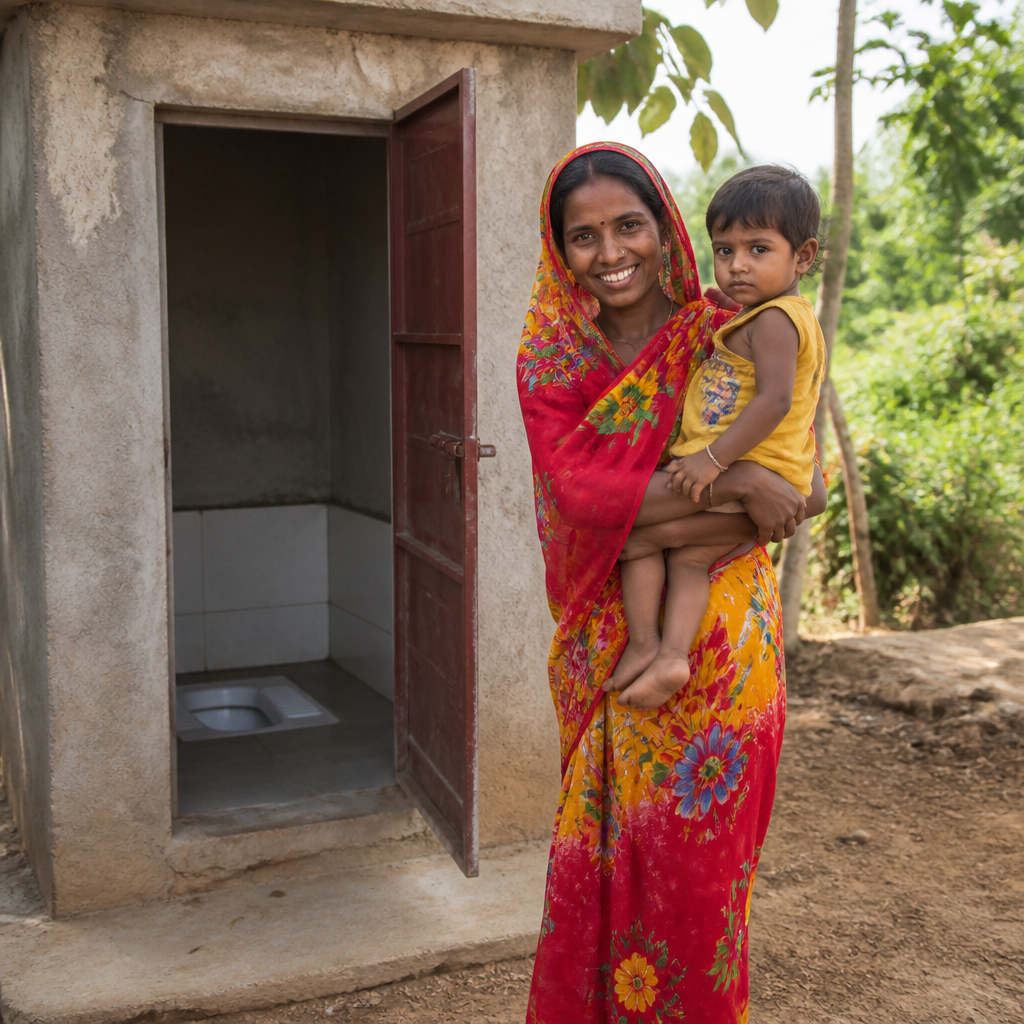
EcoSan systems are especially relevant here because they are designed around containment and resource recovery. A urine-diverting dry toilet, for example, separates urine and feces at the source. That separation reduces moisture in the fecal chamber, which discourages odor, fly breeding, and some survival conditions for pathogens. Properly managed dehydration or composting further lowers viable organisms over time. The health advantage is not automatic, but the mechanism is clear: sanitation improves disease resistance when waste leaves the exposure pathway. Communities benefit most when every step is covered, from household use to final reuse or disposal.
There is also a strong indirect effect. Cleaner surroundings reduce standing wastewater, overflowing pits, and unmanaged refuse that attract vectors. Better sanitation therefore supports lower transmission of diseases linked to contaminated environments and crowded settlements. Residents often notice the earliest gains in fewer flies, less smell, cleaner pathways, and reduced sick days among children. Those visible changes matter because they reinforce use. When people can see and smell that a sanitation system is safer and more dignified, regular adoption rises, which strengthens the public health payoff across the whole neighborhood.
What makes EcoSan safer and healthier when managed well
Safety and wellness in EcoSan depend on design discipline and routine management. Ecological sanitation systems aim to recover nutrients while protecting people from fresh waste. The safest systems keep excreta contained, reduce moisture where needed, control access by insects and animals, and create a defined treatment period before reuse. In practice, that may involve urine diversion, the addition of dry cover materials such as ash, lime, or sawdust, sealed storage containers, composting chambers, and restricted handling procedures. Each step reduces risk in a different way, and together they form a barrier approach similar to other environmental health controls.
Urine, although usually lower risk than feces from healthy individuals, can still present hazards when cross-contaminated or stored poorly. Feces carry the highest pathogen burden, including bacteria, viruses, protozoa, and helminth eggs. Helminths are often the limiting safety factor because eggs can persist in the environment and survive longer than many bacterial pathogens. For that reason, treatment targets should be conservative, especially where agricultural reuse is planned. Guidance from the World Health Organization and sanitation engineering practice consistently emphasizes multiple barriers: source separation, adequate storage time, restricted crop application, hand hygiene, and personal protective equipment for handlers.
Well-run EcoSan also supports wellness beyond infection control. It can reduce water demand in water-scarce areas, lower groundwater contamination compared with poorly lined pits, and provide treated soil amendments that improve local agriculture when regulations and treatment standards are followed. I have worked on sites where households initially accepted EcoSan for practical reasons such as water savings, then remained committed because gardens improved and maintenance schedules became predictable. That broader value matters. Sanitation systems last when they meet health, environmental, and daily convenience needs at the same time.
Key risks, failure points, and how to control them
Most sanitation failures are operational, not theoretical. The common failure points in EcoSan are incorrect user behavior, incomplete treatment, unsafe emptying, poor ventilation, lack of cover material, and weak maintenance financing. A toilet may be technically sound yet become unsafe if users put anal cleansing water into a dry vault, if children are not taught correct positioning on a urine-diverting pedestal, or if a full chamber is opened too early. Disease resistance declines quickly when treatment assumptions are violated. Public health planning must therefore account for real behavior, seasonal stress, and staffing limits.
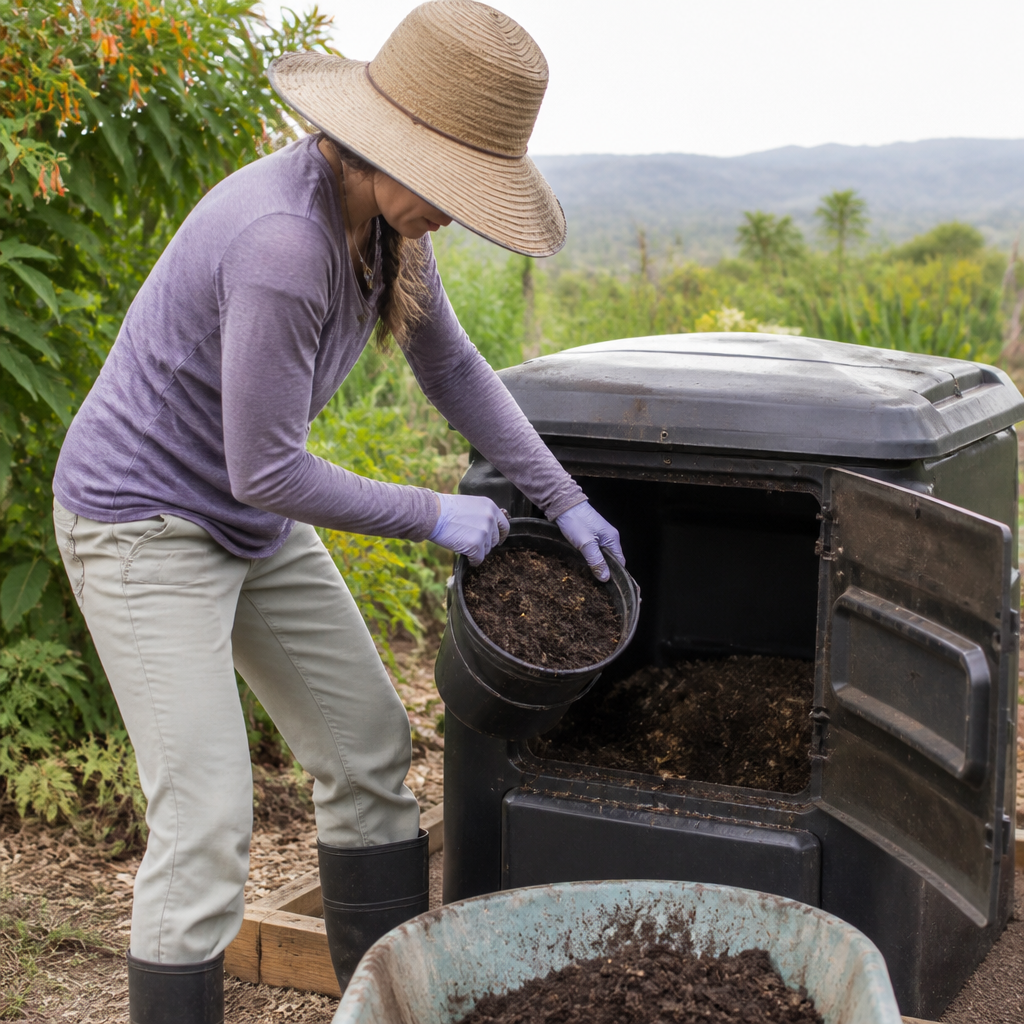
Another major risk is unsafe reuse. Resource recovery is valuable, but untreated or partially treated excreta should never be handled as if it were ordinary compost. In communities with strong agricultural traditions, there can be pressure to apply material early because crops need nutrients immediately. That shortcut is dangerous. Safe reuse requires a verified treatment interval, controlled storage, crop restrictions where needed, and worker protection. Gloves, boots, handwashing stations, and dedicated tools are basic controls. So are written emptying procedures, labeled storage dates, and supervision during transfer. Without these controls, the same system promoted as sustainable can become an exposure source.
| Risk point | What can go wrong | Control measure |
|---|---|---|
| User interface | Misuse of urine diversion or lack of cover material | Simple instructions, demonstrations, routine supply checks |
| Storage and treatment | Insufficient drying, composting, or retention time | Dated chambers, moisture control, documented treatment periods |
| Emptying and transport | Direct contact with fresh or incompletely treated waste | PPE, dedicated tools, trained crews, spill response plan |
| Reuse in agriculture | Application to high-risk crops or before full treatment | Crop restrictions, supervised application, withholding intervals |
| Site drainage | Flooding spreads contaminants into homes and paths | Raised structures, drainage channels, flood risk mapping |
Flooding deserves special attention because climate variability is making sanitation safety harder to maintain. A pit or vault that is safe in dry months can become a contamination source during intense rain. Communities in flood-prone areas need raised units, lined containment where appropriate, diversion drains, and a seasonal inspection plan before storms arrive. Disease resistance depends on these preventive measures because outbreaks often begin when sanitation systems fail under stress. Resilience is not an abstract concept; it is the ability of the sanitation chain to stay closed during the worst week of the year.
Community behaviors, governance, and public health outcomes
Sanitation works at community scale because one unsafe practice can undermine many safe households. That is why governance matters as much as infrastructure. The most successful programs establish clear ownership for cleaning, repairs, sludge removal, supply purchasing, and user education. In schools and shared facilities, the difference between clean, usable toilets and abandoned blocks is usually management, not design. I have repeatedly found that committees succeed when duties are specific, budgets are transparent, and someone is responsible for checking conditions every day. Vague ownership creates predictable decline.
Behavior change should be concrete and observable. Telling residents to practice hygiene is too broad to drive results. Better instructions are: add one cup of ash after each feces use, keep urine outlets unblocked, wash hands with soap after handling child feces, report leaks the same day, and never open the resting chamber before the marked date. These are the kinds of behaviors that reduce exposure in plain terms. Public health messaging also needs to address children, tenants, elderly users, and people with disabilities, because sanitation rules that only fit ideal adult users will fail in real households.
Monitoring should be practical. Communities do not need a laboratory to track every risk, but they do need indicators that predict breakdown early. Useful metrics include toilet usability rate, frequency of overflow or blockage, handwashing station functionality, availability of soap or ash, chamber fill levels, pest presence, and time from fault report to repair. Health teams can also watch trends in diarrhea cases, school absenteeism, and clinic visits for intestinal worms. When these sanitation and health indicators are reviewed together, communities can see whether the system is actually strengthening disease resistance rather than simply existing on paper.
Building a stronger Safety and Wellness in EcoSan hub
As a hub topic within Health and Safety, Safety and Wellness in EcoSan should connect technical sanitation guidance with household practice, environmental management, and community health planning. The strongest subtopics include safe toilet selection, urine diversion maintenance, composting and dehydration standards, hand hygiene design, child-friendly sanitation, menstrual hygiene support, pest control, flood resilience, safe agricultural reuse, and worker protection during emptying and transport. These subjects are linked because the sanitation chain is only as safe as its weakest point. Readers searching one answer often need the full system explained to make a sound decision.
For local governments, nonprofits, schools, and housing managers, the main benefit of a strong EcoSan safety framework is predictable risk reduction. When toilets are usable, treatment is respected, and maintenance is financed, communities experience fewer enteric infections, cleaner shared spaces, and stronger confidence in resource recovery. For households, the benefit is even more immediate: less odor, lower exposure, more dignity, and clearer routines. Community sanitation and its impact on disease resistance is not a narrow engineering topic. It is a practical foundation for healthier neighborhoods, better child development, and more resilient settlements.
The next step is simple. Review your sanitation system as a complete chain, identify where exposure can still occur, and improve one weak point this month. Whether that means adding handwashing stations, training emptiers, marking chamber dates, or upgrading drainage, each fix strengthens Safety and Wellness in EcoSan and helps the whole community resist disease more effectively over time.
Frequently Asked Questions
What does community sanitation include, and why does it matter so much for disease resistance?
Community sanitation refers to the full set of systems, behaviors, and local rules that prevent human waste, contaminated water, and garbage from becoming sources of infection. It includes safe toilets, fecal sludge collection and treatment, drainage that prevents standing water, handwashing stations with soap and water, solid waste management, wastewater handling, and maintenance practices that keep all of these services working over time. It also includes the less visible but equally important parts of public health: enforcement, local coordination, shared expectations, and community participation.
Its impact on disease resistance is so important because sanitation changes the environment where disease spreads. When waste is safely contained and removed, pathogens are less likely to contaminate hands, food, soil, and drinking water. When drainage works properly, mosquito breeding sites are reduced. When trash is regularly collected, pests such as flies and rodents have fewer places to feed and reproduce. In other words, sanitation lowers repeated exposure to disease-causing organisms before they can infect large numbers of people.
In this context, disease resistance does not mean immunity from vaccines or medicines alone. It also means a community becomes more resistant to outbreaks because the conditions that allow infections to circulate are reduced. A neighborhood with functioning sanitation infrastructure, good hygiene access, and consistent public cooperation is harder for many diseases to move through. That is why sanitation is often considered a foundational public health defense rather than just a convenience or infrastructure upgrade.
How does poor community sanitation increase the spread of infectious diseases?
Poor sanitation creates multiple pathways for infection to move from one person to another. If human waste is not safely contained, bacteria, viruses, and parasites can enter groundwater, surface water, food supplies, and household environments. People may then ingest these pathogens through drinking water, eating contaminated food, or touching contaminated surfaces and then touching their mouths. This is one of the main reasons poor sanitation is strongly linked to diarrheal disease, cholera, typhoid, intestinal worm infections, and other enteric illnesses.
The problem extends beyond toilets alone. Blocked drains and unmanaged wastewater can create stagnant pools where mosquitoes breed, increasing the risk of vector-borne disease transmission in some settings. Uncollected solid waste can attract flies, cockroaches, and rodents, all of which can carry contamination between waste and living spaces. In dense communities, even one sanitation failure can affect many households quickly because people share roads, markets, schools, water points, and drainage systems.
Repeated exposure is especially harmful for children, older adults, and people with existing health conditions. Frequent infections can weaken nutritional status, interrupt school attendance, reduce work productivity, and place strain on clinics and hospitals. So poor sanitation does not only trigger isolated illnesses; it can create a cycle in which disease spreads more easily, recovery is slower, and overall community health becomes more fragile. That is why sanitation failures are public health risks, not just environmental or maintenance issues.
Can better sanitation really strengthen community-level disease resistance even without new medical treatments?
Yes. Better sanitation can significantly strengthen community-level disease resistance by reducing exposure to pathogens across everyday life. Medical treatments and vaccines are essential, but they often act after risk already exists or after exposure has occurred. Sanitation works earlier in the chain. It lowers the chances that infectious agents will contaminate water, food, hands, surfaces, and public spaces in the first place. That preventive role is one of the reasons sanitation has such a broad and lasting health impact.
When a community installs and maintains reliable sanitation systems, infections have fewer opportunities to circulate. Fewer people get sick, and fewer infected individuals means fewer chances for pathogens to spread to others. This matters especially in places where people live close together and interact frequently. A cleaner shared environment reduces the overall disease burden, making the population more resilient during seasonal surges, weather disruptions, or local outbreaks.
Better sanitation also supports healthier behavior. If handwashing stations are accessible and toilets are safe and usable, people are more likely to practice hygiene consistently. If wastewater and sludge are handled properly, the health gains are not lost outside the household. Over time, these improvements create a stronger public health baseline. So while sanitation is not a substitute for medical care, it is one of the most powerful ways to make communities less vulnerable to infection before treatment is ever needed.
Which diseases are most affected by community sanitation conditions?
Community sanitation has its strongest and most direct effect on diseases spread through contaminated water, food, waste, and unhygienic environments. These include diarrheal diseases, cholera, dysentery, typhoid fever, hepatitis A and E, and many intestinal parasite infections. These illnesses often spread when fecal matter enters drinking water sources, food preparation areas, soil, or hands. In communities with inadequate toilets, unsafe sludge disposal, or poor handwashing access, these transmission routes become much more common.
Children are particularly affected because they have frequent hand-to-mouth contact and are more vulnerable to dehydration, malnutrition, and developmental setbacks caused by recurrent gastrointestinal illness. Repeated enteric infections can contribute to poor growth and reduced nutrient absorption, even when symptoms are not always severe. This means the sanitation-disease link is not limited to acute illness; it also affects long-term health, learning, and physical development.
Sanitation conditions can also influence some vector-related and environmentally mediated diseases. Poor drainage can increase standing water, which may support mosquito breeding in certain regions. Inadequate waste control can encourage pest infestations that worsen sanitation-related health risks. While not every infectious disease is equally shaped by sanitation, many of the illnesses that place the heaviest burden on low-resource and high-density communities are closely tied to how waste, water, drainage, and hygiene are managed at the community level.
What are the most effective community sanitation improvements for reducing disease risk?
The most effective sanitation improvements are those that address the entire chain of contamination, not just one isolated part of it. Safe, accessible, and well-maintained toilets are a critical starting point because they help contain human waste at the source. But toilets alone are not enough if fecal sludge is dumped untreated, drains are clogged, or wastewater flows through public areas. For sanitation to truly reduce disease risk, communities need complete systems that include safe waste collection, transport, treatment, drainage, handwashing access, and regular upkeep.
Handwashing infrastructure is one of the highest-impact additions because it interrupts transmission at key points in daily life, especially after toilet use and before preparing food or eating. Reliable soap and water access in homes, schools, markets, and clinics can sharply reduce the spread of many infections. Solid waste management is another major factor. Regular trash collection and proper disposal reduce pest breeding, lower environmental contamination, and improve the usability of streets, drains, and shared public spaces.
Long-term success also depends on governance and local ownership. Clear responsibilities for maintenance, affordable services, community education, and practical local rules are often what determine whether sanitation systems continue to protect health or fall into disrepair. The best disease-reducing sanitation strategies are therefore both physical and social: strong infrastructure, dependable operations, public accountability, and community habits that support hygiene every day. When those pieces work together, disease risk can decline substantially and consistently.