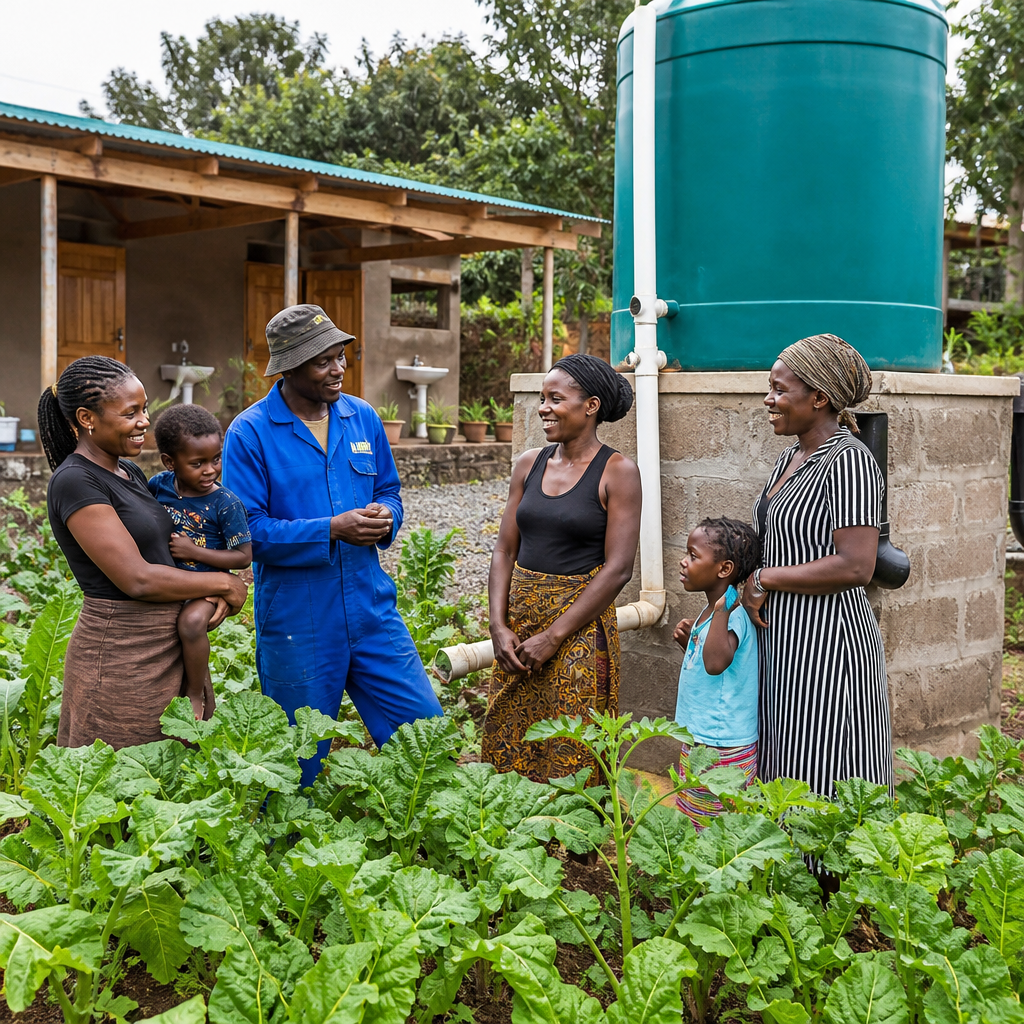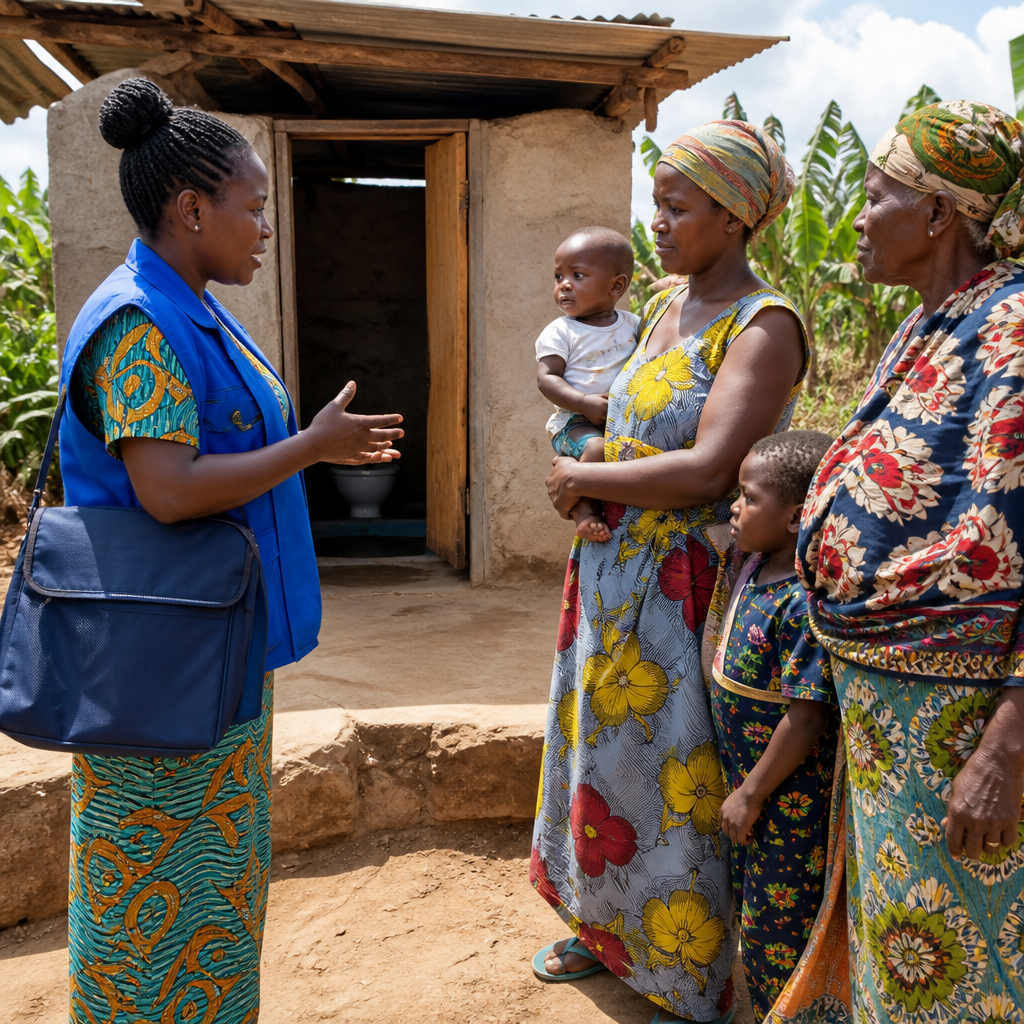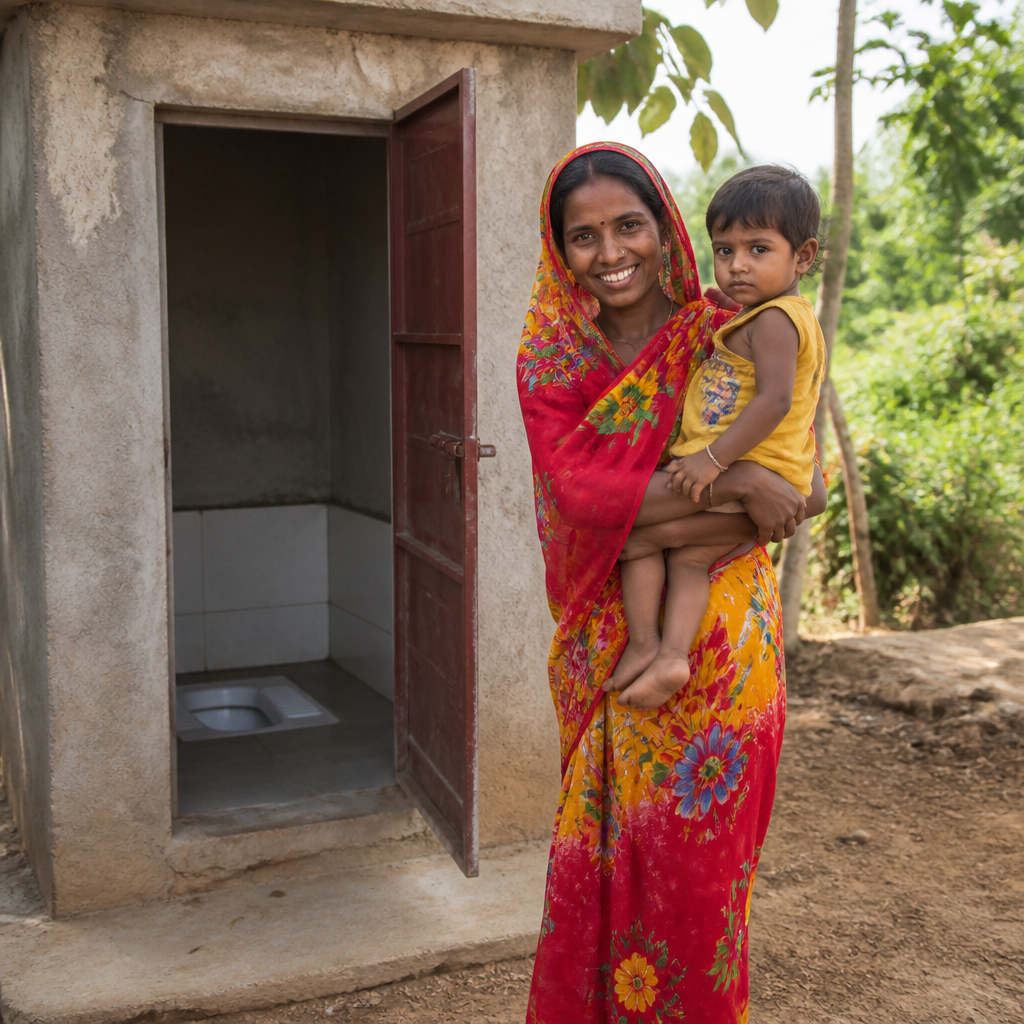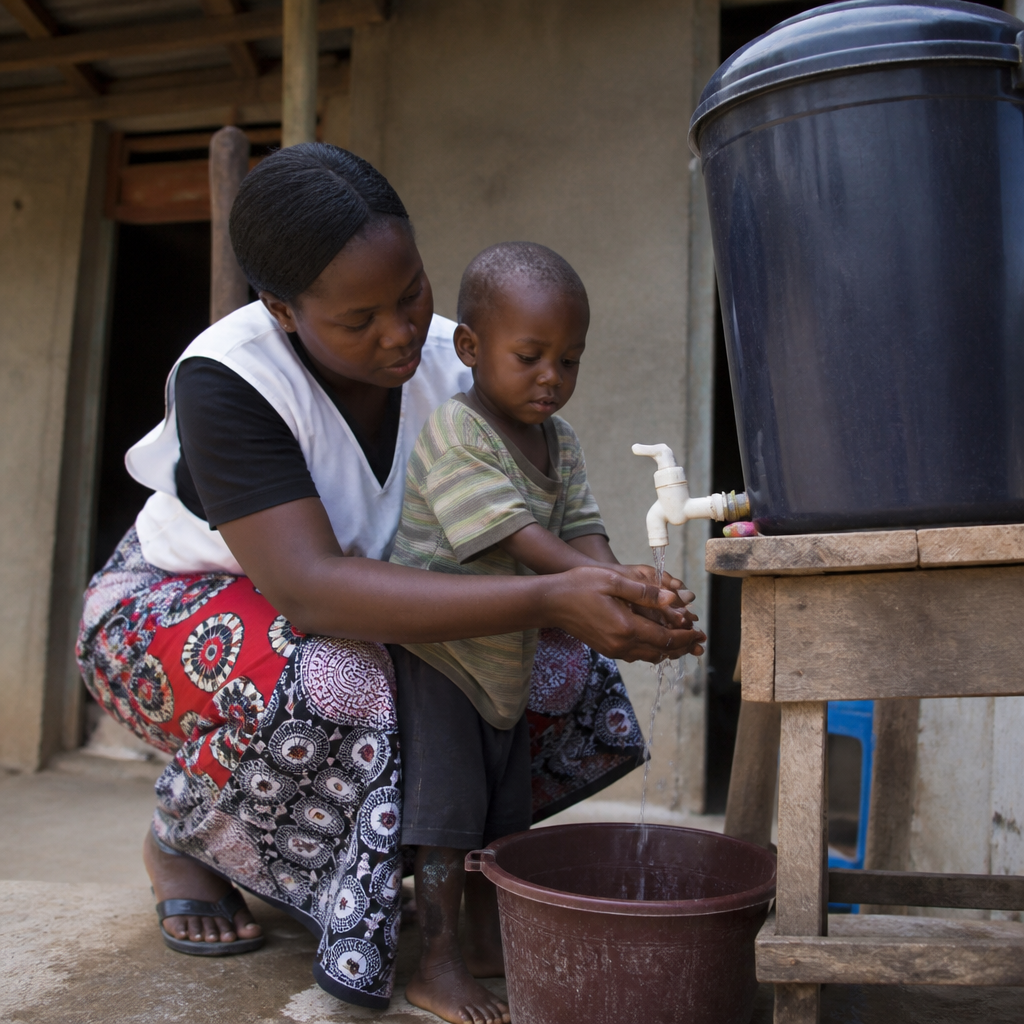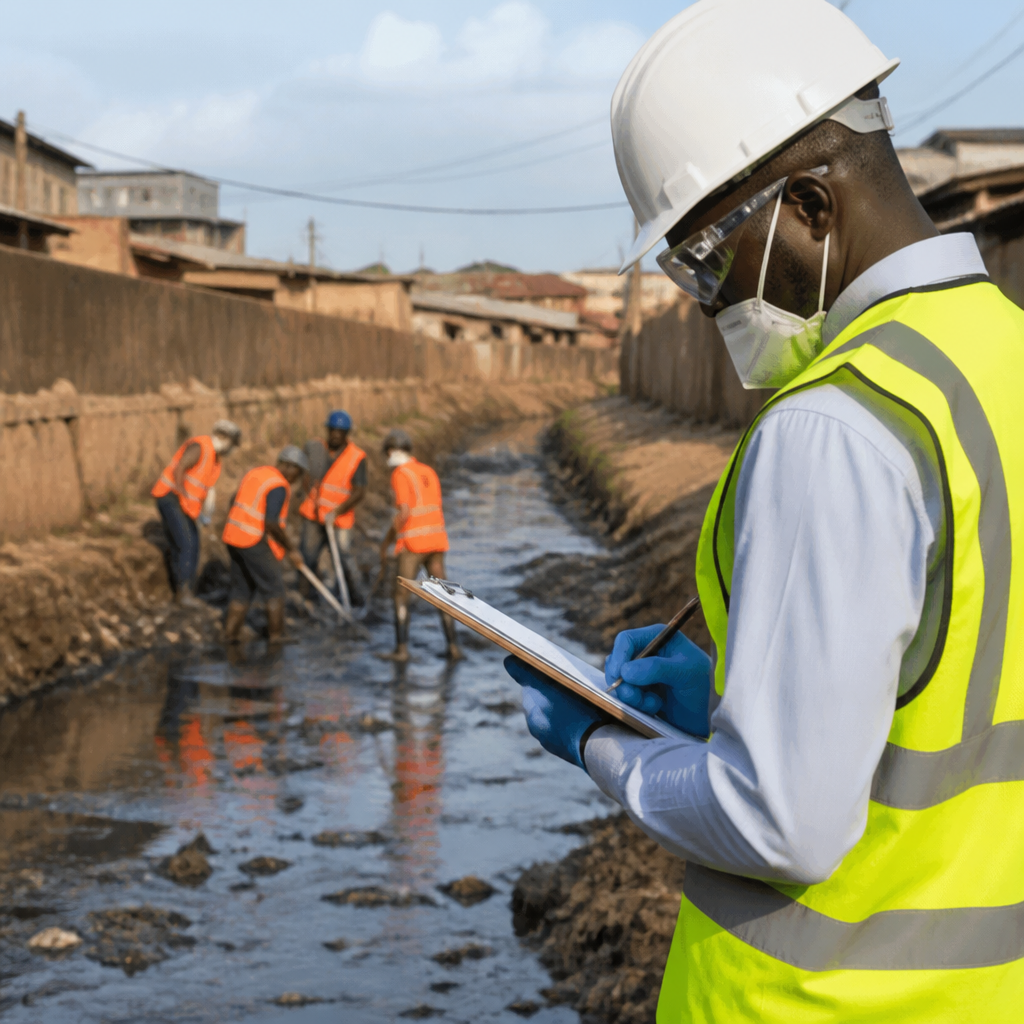
Health surveillance in sanitation is the structured process of monitoring workers’ health to detect early signs of harm from biological, chemical, ergonomic, and psychological hazards before illness becomes disabling. In sanitation, that definition matters because the job routinely involves sewage, sludge, sharps, confined spaces, heat stress, repetitive lifting, traffic exposure, and emotionally difficult work. When the setting is ecological sanitation, or EcoSan, the stakes expand further: workers may handle composted excreta, urine diversion systems, decentralized treatment units, and resource recovery processes that create benefits for water conservation and soil fertility while introducing distinct exposure pathways that must be controlled.
In practice, safety and wellness in EcoSan depends on two linked systems. The first is hazard control: safer design, ventilation, vaccination, hand hygiene, lockout procedures, mechanical aids, and personal protective equipment. The second is health surveillance: pre-placement assessments, periodic medical reviews, immunization tracking, symptom questionnaires, exposure records, biological monitoring where appropriate, and clear referral pathways when red flags appear. I have seen sanitation programs fail when they relied only on gloves and posters. I have also seen them improve quickly once supervisors started tracking dermatitis, needlestick incidents, respiratory symptoms, and heat illness in a disciplined way.
This hub article explains the tools and techniques that make health surveillance effective across EcoSan operations. It covers what should be monitored, how often, which indicators are useful, and how to connect findings to prevention. It also serves as a guide to the wider Safety and Wellness in EcoSan topic, helping teams build internal procedures, choose practical tools, and identify where a deeper article or standard operating procedure is needed. For municipalities, NGOs, utilities, and private operators, the value is straightforward: healthier staff, fewer lost-time injuries, lower turnover, stronger compliance, and more reliable sanitation service.
Why Health Surveillance Matters in EcoSan Operations
EcoSan systems are often promoted for circular economy benefits, but safe operation is what determines whether those benefits are sustainable. Urine-diverting dry toilets, fecal sludge treatment plants, composting units, biogas digesters, and container-based sanitation services all reduce pressure on sewered infrastructure. Yet each model changes how workers interact with waste streams. A pit emptier using mechanized vacuum equipment faces one risk profile; a compost attendant turning partially stabilized material faces another. Health surveillance translates those differences into a monitoring plan tailored to real exposure conditions.
The aim is not to diagnose every illness at work. It is to answer a practical question: are workers experiencing health effects that suggest current controls are insufficient? For sanitation teams, the answer often emerges from patterns rather than single events. Three workers reporting persistent cough near a dewatering area may point to inadequate dust suppression. Recurrent skin irritation among container handlers may indicate glove selection problems, poor handwashing facilities, or overuse of harsh disinfectants. A cluster of fatigue, headache, and dizziness during hot months may signal that hydration and rest schedules are failing.
There are also legal and operational reasons to formalize surveillance. Occupational safety frameworks such as the International Labour Organization’s guidance, World Health Organization sanitation safety planning principles, and national occupational health regulations all support systematic monitoring where workers face identifiable hazards. Insurance carriers, labor inspectors, and development funders increasingly expect documented risk management. In EcoSan, where decentralized sites may be small and dispersed, a documented surveillance system proves that worker protection is not being improvised site by site.
Core Hazards That Surveillance Should Track
The first category is biological exposure. Sanitation workers can encounter enteric bacteria, viruses, protozoa, helminths, and leptospira through aerosols, splashes, contaminated surfaces, or accidental ingestion. In EcoSan, treatment steps reduce pathogen load, but reduction is not elimination unless validated processing conditions are consistently achieved. Surveillance therefore should watch for gastrointestinal illness, skin infections, eye irritation, febrile episodes, and any evidence of zoonotic or vector-borne disease around storage and treatment areas.
The second category is chemical exposure. Cleaning products, disinfectants, lime, ammonia, hydrogen sulfide, methane-related asphyxiation risk, and occasionally heavy metals in waste-derived products all require attention. Workers near digesters, tanks, or enclosed vaults need gas hazard controls first, but surveillance can detect failures through symptom patterns such as headaches, mucous membrane irritation, reduced exercise tolerance, or incidents involving loss of consciousness. For sites using fuels, solvents, or pesticides for vector control, review of safety data sheets should inform what symptoms and tests are relevant.
Ergonomic strain is often underestimated in sanitation despite being one of the most common causes of absence. Repetitive lifting of containers, awkward shoveling, pushing carts over uneven ground, and climbing in and out of vehicles create cumulative trauma. Surveillance should capture back pain, shoulder strain, hand numbness, knee problems, and task-specific discomfort. Mental health also belongs in the hazard list. Stigma, public hostility, traumatic incident exposure, lone working, and chronically unpleasant conditions can contribute to stress, sleep disruption, and burnout. When these issues are ignored, productivity and retention decline long before management recognizes the cause.
Tools Used in a Strong Surveillance Program
The most effective programs use simple tools consistently. Start with a job hazard matrix that maps each role to exposures, controls, required training, vaccination needs, and medical review frequency. Pair it with confidential worker health records that document baseline status, fit-for-task considerations, prior exposures, and follow-up actions. Standardized symptom questionnaires are especially valuable because they create comparable data across sites and months. In my experience, a short monthly questionnaire with well-chosen prompts outperforms an annual generic wellness form that no one uses for prevention.
Exposure monitoring tools add objectivity. Portable multi-gas detectors are essential for confined spaces and enclosed treatment areas. Noise dosimeters may be needed where pumps, grinders, or generators run continuously. Thermometers and heat index apps support hot-weather controls. Surface hygiene checks, where appropriate, can verify cleaning effectiveness, while laboratory testing of treated outputs helps confirm whether pathogen reduction targets are being achieved. These environmental tools are not substitutes for health surveillance, but they explain why symptoms are or are not appearing.
| Tool | What it tracks | Best use in EcoSan | Typical action if findings are abnormal |
|---|---|---|---|
| Symptom questionnaire | Cough, rash, diarrhea, fatigue, pain, stress | Monthly screening for all field and plant staff | Review tasks, inspect controls, refer for medical evaluation |
| Vaccination register | Tetanus, hepatitis A or B, typhoid where indicated | Pre-placement and annual compliance review | Update immunizations and restrict high-risk tasks if needed |
| Portable gas detector | Oxygen, hydrogen sulfide, methane, carbon monoxide | Vaults, digesters, tanks, enclosed transfer points | Stop entry, ventilate, investigate source, retrain staff |
| Audiometry or noise review | Potential hearing impact from equipment | Sites with pumps, generators, grinders | Improve engineering controls and hearing protection program |
| Ergonomic assessment | Manual handling and repetitive strain risk | Container collection, compost turning, loading | Redesign tasks, add carts, lifts, or rotation schedules |
Techniques for Screening, Monitoring, and Follow-Up
Good surveillance begins before exposure starts. Pre-placement assessments should confirm that workers can safely perform essential tasks and identify any health conditions requiring accommodation, not exclude people unnecessarily. Baseline data also makes later interpretation possible. If a worker already has asthma, periodic respiratory review can focus on whether symptoms worsen around specific tasks. If hearing is normal at hire, later changes near generator rooms become more meaningful.
Periodic monitoring should be risk-based rather than identical for every role. Collection crews may need frequent review of musculoskeletal strain and sharps injuries. Treatment operators may need more attention to gases, heat, and chemical handling. Lab personnel processing samples may require strict immunization review and incident reporting. Triggered assessments matter too. A spike in diarrhea after rainfall, an unusual odor complaint near storage, or repeated near misses in a drying bed area should prompt immediate targeted surveillance instead of waiting for the next scheduled review.
Follow-up is where many programs break down. Data collection without action erodes trust. Every abnormal finding needs a decision pathway: confirm the finding, protect the worker, investigate the source, correct the control failure, and document closure. If two workers report glove-related dermatitis, compare glove material, inner liners, laundering practices, and hand cleanser choice. If fatigue rises during hot weeks, adjust schedules to earlier hours, add shaded recovery areas, increase electrolyte access, and verify that supervisors enforce breaks. Workers quickly learn whether reporting symptoms leads to solutions or silence.
Building a Safety and Wellness System Around Surveillance
Health surveillance works best when embedded in a wider safety and wellness system, not treated as a clinic exercise. Training should explain why monitoring exists, what symptoms to report, how confidentiality is protected, and what support will follow. Supervisors need practical dashboards showing trends by task and site, while occupational health staff need enough operational context to interpret the data correctly. A rash pattern means something different in a lime stabilization unit than in a vehicle maintenance bay.
EcoSan programs should also integrate sanitation safety planning and hierarchy-of-control thinking. If surveillance identifies repeated eye irritation at a compost screening station, the preferred response is to reduce dust generation or improve local exhaust, not simply issue stronger goggles. If sharps injuries occur during sorting, redesign the process to eliminate hand contact where possible. Wellness measures matter here as much as traditional safety controls. Hydration stations, toilets for staff, washing facilities with soap, rest shelters, decent shift planning, and access to psychosocial support are not extras. They are foundational controls that reduce illness and improve reporting accuracy.
Technology can support this system if used carefully. Mobile reporting forms, QR-linked inspection checklists, and digital vaccination records reduce paperwork gaps. However, surveillance data is sensitive. Access control, informed consent, anonymized trend reporting, and clear retention policies are essential. Workers must never feel that health information will be used to punish them for reporting symptoms. The most successful sanitation organizations I have worked with made this explicit in policy and backed it up in practice.
Common Challenges and Practical Solutions
The biggest challenge is underreporting. Sanitation workers often normalize discomfort, especially in settings where informal work is common or paid sick leave is weak. Counter this by making reporting easy, brief, and useful. Five targeted questions asked every month by a trained supervisor or health focal point can reveal more than a long annual survey. Language access matters too; forms should match literacy levels and local terminology for symptoms and tasks.
A second challenge is fragmented responsibility. Municipal authorities, private contractors, community enterprises, and treatment-site operators may each control part of the work. The solution is a shared surveillance protocol with minimum standards for incident reporting, immunization review, referral criteria, and recordkeeping. Include contractors in the same system as direct employees whenever exposures are comparable. Pathogens and gases do not distinguish payroll categories.
Another challenge is cost perception. Managers may assume surveillance is expensive, but the basic package is affordable: a hazard matrix, symptom logs, vaccination tracking, gas detection where entry hazards exist, periodic ergonomic review, and relationships with local clinicians who understand occupational exposure. Lost-time injuries, compensation claims, emergency responses, and worker turnover usually cost more than prevention. Start with the highest-risk tasks, review trends quarterly, and expand depth where data shows recurring problems.
How This Hub Supports the Wider Safety and Wellness in EcoSan Topic
As a sub-pillar hub, this page connects the full Safety and Wellness in EcoSan subject into one decision framework. Teams can use it to prioritize deeper guidance on personal protective equipment selection, vaccination policy, confined space entry, sharps prevention, mental health support, heat stress prevention, ergonomic redesign, and pathogen risk management for resource recovery. The central idea is simple: surveillance tells you where controls are failing, and controls determine whether EcoSan remains both environmentally sound and safe for the people who operate it.
The key takeaway is that health surveillance in sanitation is not paperwork for compliance audits. It is an operational tool that protects workers, stabilizes service delivery, and improves the credibility of EcoSan programs with regulators, funders, and communities. Start with clear hazard mapping, monthly symptom tracking, reliable exposure monitoring for the highest risks, and a follow-up process that fixes root causes quickly. If you manage EcoSan services, review your current system this month and close the biggest gap first.
Frequently Asked Questions
What does health surveillance in sanitation actually include?
Health surveillance in sanitation is a planned, ongoing system for checking whether work is affecting employees’ health and whether controls are truly working. It goes far beyond a one-time medical exam. In practice, it includes pre-placement assessments, periodic health reviews, exposure-related screening, symptom questionnaires, vaccination review, fitness-for-task evaluations, and clear referral pathways when warning signs appear. The goal is early detection: identifying effects from biological exposure, chemical contact, heat stress, noise, repetitive lifting, confined-space work, and psychological strain before they become serious or permanent.
In sanitation settings, surveillance typically focuses on hazards that are built into the work itself. That may mean tracking gastrointestinal or skin symptoms linked to sewage exposure, monitoring respiratory issues where aerosols, dusts, or gases are present, checking for musculoskeletal strain in workers who lift, drag, sweep, or handle containers repeatedly, and watching for stress, fatigue, and burnout in teams dealing with difficult public environments or emotionally demanding tasks. It also includes reviewing incidents such as needlestick injuries, splashes, near misses, and heat-related events, because these often reveal patterns that routine observations can miss.
Strong programs combine clinical information with workplace data. Occupational health providers, supervisors, safety personnel, and workers all play a role. If several employees in the same task group report similar symptoms, that can point to a problem with ventilation, PPE, hygiene facilities, work-rest schedules, manual handling methods, or training. In that sense, health surveillance is not just about the individual worker; it is also a management tool for improving the job itself.
Why is health surveillance especially important for sanitation and EcoSan workers?
Sanitation work places people in direct contact with a complex mix of hazards that can cause harm gradually, silently, and sometimes unpredictably. Workers may be exposed to pathogens in sewage and sludge, hazardous atmospheres in pits or tanks, irritant or corrosive chemicals, extreme heat, sharp objects, traffic, slips and falls, and repetitive physical strain. Some effects are immediate, but many develop over time. That is exactly why surveillance matters: it creates a structured way to spot early changes in health before illness becomes disabling, expensive, or life-altering.
For EcoSan workers, the need is even more specific because the work often involves handling, transporting, storing, or treating human waste in systems designed for resource recovery and reuse. While EcoSan can deliver major environmental and public health benefits, it can also introduce distinctive occupational risks if treatment processes, separation methods, storage times, containment, or hygiene practices are not managed consistently. Workers may interact with dried fecal matter, urine-diverting systems, composting units, collection containers, and community-level treatment processes, each with different exposure pathways. Surveillance helps verify that these systems are protecting workers as intended.
There is also a practical and ethical reason. Sanitation workers are essential to public health, yet their risks are often underestimated. A good surveillance program signals that the organization takes those risks seriously. It supports safer staffing, better training, stronger vaccination programs, more appropriate PPE, improved sanitation facilities for workers themselves, and earlier treatment when something goes wrong. In short, surveillance protects workers, strengthens operations, and supports service continuity in a sector where failure can affect whole communities.
What tools and techniques are commonly used in a sanitation health surveillance program?
The most effective sanitation health surveillance programs use a mix of medical, observational, and administrative tools rather than relying on a single test. A common starting point is a task-based risk assessment that maps specific hazards to specific jobs, such as desludging, drain cleaning, street sweeping, transfer operations, compost handling, or confined-space entry support. From that risk profile, employers can select suitable surveillance methods, including baseline medical questionnaires, targeted physical examinations, immunization review, skin checks, respiratory symptom screening, hearing checks where noise is significant, and musculoskeletal assessment for manual handling roles.
Exposure and incident tracking are equally important tools. Reliable records of splashes, cuts, punctures, heat-related complaints, gas alarms, chemical contact, absences, and near misses can reveal trends that individual medical reviews may not capture. Where relevant, environmental monitoring supports the picture by measuring things like temperature and humidity, noise, airborne contaminants, or confined-space atmospheric conditions. Health surveillance is strongest when exposure information and clinical findings are reviewed together rather than in isolation.
Worker interviews and symptom reporting systems are another essential technique. Sanitation workers often notice early warning signs first: persistent cough, rashes, back pain, fatigue, headaches, eye irritation, sleep disruption, or stress symptoms. Simple reporting channels, regular check-ins, and supervisor training can make the difference between catching a problem early and missing it until it becomes severe. In many organizations, structured return-to-work reviews, fatigue management practices, and mental health support are also part of the surveillance toolkit, especially where shifts are long, work is physically demanding, or the social environment is challenging.
Finally, a strong program includes confidentiality, competent clinical oversight, and clear action thresholds. Data should lead to decisions: reviewing PPE, changing tools, redesigning tasks, adjusting work-rest cycles, improving decontamination procedures, or referring a worker for treatment. The best technique is not simply collecting information; it is turning that information into prevention.
How often should sanitation workers undergo health surveillance?
There is no single schedule that fits every sanitation operation, because frequency should be driven by risk, legal requirements, and the nature of the work. As a general rule, surveillance begins before or at placement into the role so there is a baseline understanding of the worker’s health in relation to expected exposures. After that, periodic reviews are scheduled based on the hazards involved. High-risk tasks, such as regular exposure to sewage, chemical handling, extreme heat, heavy manual work, or work linked to confined spaces, usually justify more frequent follow-up than lower-risk support roles.
In addition to routine intervals, surveillance should also be triggered by specific events. A needlestick injury, significant splash to eyes or broken skin, heat illness episode, gas exposure alarm, unusual cluster of symptoms, or return to work after illness or injury should prompt a targeted review. This event-based approach is one of the most practical ways to keep a program responsive. It recognizes that in sanitation, conditions can change quickly due to weather, workload, equipment failure, route changes, or process breakdowns.
Employers should also remember that frequency is not just about medical appointments. Daily or weekly supervision, pre-shift checks, symptom reporting, hydration monitoring in hot conditions, and regular review of incident trends are all part of an effective surveillance rhythm. The most mature programs use annual or periodic formal assessments alongside continuous operational monitoring. That balance helps organizations catch both the slow-developing problems and the sudden ones.
What should employers do if health surveillance identifies a problem?
If health surveillance identifies a concern, the first step is to treat it as actionable evidence, not just paperwork. Employers should ensure the worker receives appropriate clinical evaluation and follow-up, while also looking closely at the job, the task, and the controls around it. A symptom in one worker may reflect a personal health issue, but similar findings across a team often indicate an exposure or process problem that needs correction. The response should therefore address both individual care and system improvement.
In practical terms, that may mean reviewing PPE selection and fit, checking whether handwashing and decontamination facilities are adequate, confirming vaccination coverage, improving tools for lifting or transporting loads, rotating tasks to reduce repetition, adjusting staffing, changing shift timing to reduce heat exposure, or strengthening confined-space procedures and atmospheric testing. If EcoSan systems are involved, employers may also need to review waste handling steps, storage conditions, treatment effectiveness, container integrity, transport methods, and worker hygiene protocols to make sure the design is functioning safely in real-world conditions.
Communication matters as well. Workers should be informed about findings in a respectful, confidential, and practical way. They need to understand what symptoms to report, what changes are being made, and how those changes reduce risk. Managers should avoid blaming workers for reporting problems; underreporting is a major reason occupational illness gets missed in sanitation. Instead, surveillance findings should feed directly into training, supervision, procurement, and job design.
Most importantly, employers should document the response and evaluate whether it worked. If health indicators improve after changes are introduced, that is strong evidence the control measures are effective. If problems continue, the program should escalate the response, reassess exposures, and seek specialist input. Health surveillance only delivers value when findings lead to prevention, not when they sit in a file.