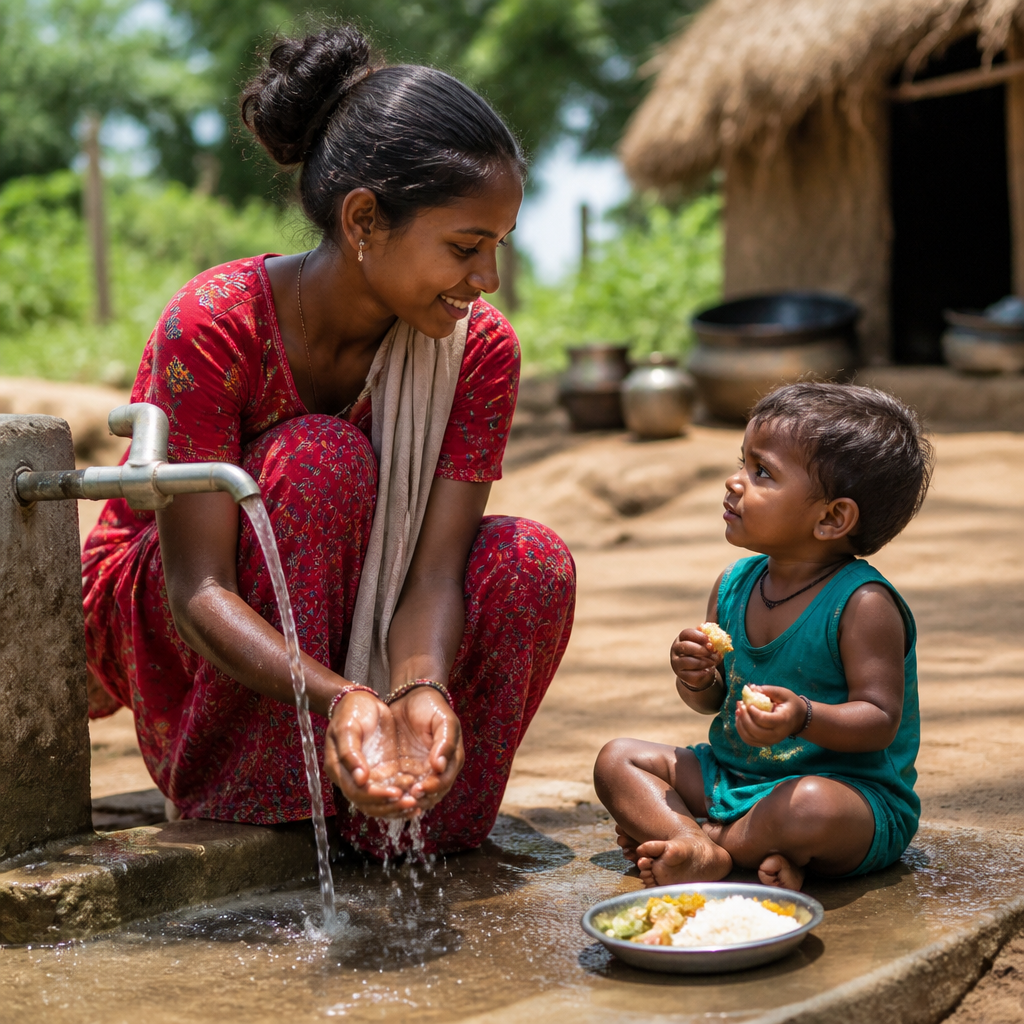
Integrating WASH and nutrition is one of the most practical ways to improve health in ecological sanitation systems, because safe water, effective sanitation, good hygiene, and adequate diets all shape how the body resists disease and uses nutrients. WASH refers to water, sanitation, and hygiene. Nutrition includes dietary intake, nutrient absorption, metabolism, and the care practices that support healthy growth. In EcoSan, or ecological sanitation, human waste is managed as a resource through approaches such as urine diversion, composting, dehydration, and nutrient recovery. That promise is valuable, but only when health protection comes first.
I have seen EcoSan projects succeed when operators designed around pathogen control, user behavior, and food safety from day one. I have also seen technically elegant systems fail because the health pathway was treated as a secondary issue. A toilet that saves water but exposes children to fecal contamination is not sustainable. A composting scheme that produces fertilizer but ignores helminth eggs, handwashing access, or storage time undermines public trust. Prioritizing health in EcoSan means asking a simple question at every stage: does this design reduce exposure to disease while supporting better nutrition outcomes?
This matters because undernutrition is not only about food quantity. Repeated diarrhea, intestinal worm infections, environmental contamination, and poor hand hygiene can reduce appetite, damage the gut, impair nutrient absorption, and increase nutrient losses. Public health literature consistently shows that children facing frequent enteric infections are more likely to experience growth faltering. At the same time, poorly managed sanitation can contaminate water sources, crops, soil, and household surfaces. When WASH and nutrition are planned together, communities can cut those risks while making safer use of recovered nutrients in agriculture. That is the core health perspective for EcoSan.
Why WASH and Nutrition Must Be Integrated in EcoSan
WASH and nutrition are often managed by separate teams, but the body does not separate them. A child can receive enough calories and still become malnourished if recurrent diarrhea prevents nutrient absorption. An adult can eat a diverse diet and still develop iron deficiency if chronic infection reduces appetite and increases inflammation. In EcoSan settings, the link is even tighter because sanitation outputs may return to farms, gardens, and local food systems. If excreta treatment is incomplete, the same pathway intended to support soil fertility can spread pathogens.
The most important health concept here is the fecal-oral transmission cycle. Pathogens from feces move through fluids, fields, flies, fingers, food, and fomites before entering another person. Effective WASH interventions break those routes. Nutrition interventions then work better because the body faces fewer infections. In practice, that means toilet containment, safe transport, treatment verification, handwashing with soap, protected water storage, and hygienic food preparation must sit alongside breastfeeding support, diet diversity, micronutrient intake, and safe complementary feeding. EcoSan is strongest when all of these are treated as one system rather than isolated activities.
For a Health and Safety hub page, this integrated view provides the logic connecting every subtopic under prioritizing health in EcoSan: pathogen reduction, user training, child safety, menstrual hygiene, occupational protection, reuse standards, and food chain risk management. Each topic answers part of the same public health question. How do we capture nutrient value without increasing exposure? That framing helps readers navigate related articles while keeping the main objective clear: ecological sanitation should improve environmental performance and human health at the same time.
Key Health Risks in Ecological Sanitation Systems
The main health hazards in EcoSan come from biological contamination, chemical exposure, and unsafe system operation. Biological hazards are usually the highest priority. Feces can contain bacteria such as Escherichia coli and Salmonella, viruses such as rotavirus and norovirus, protozoa such as Giardia, and helminths including Ascaris lumbricoides. Helminth eggs deserve special attention because they are persistent in the environment and harder to inactivate than many bacteria. If vault contents are removed too early, used on crops without adequate treatment, or handled without protective equipment, exposure risk increases quickly.
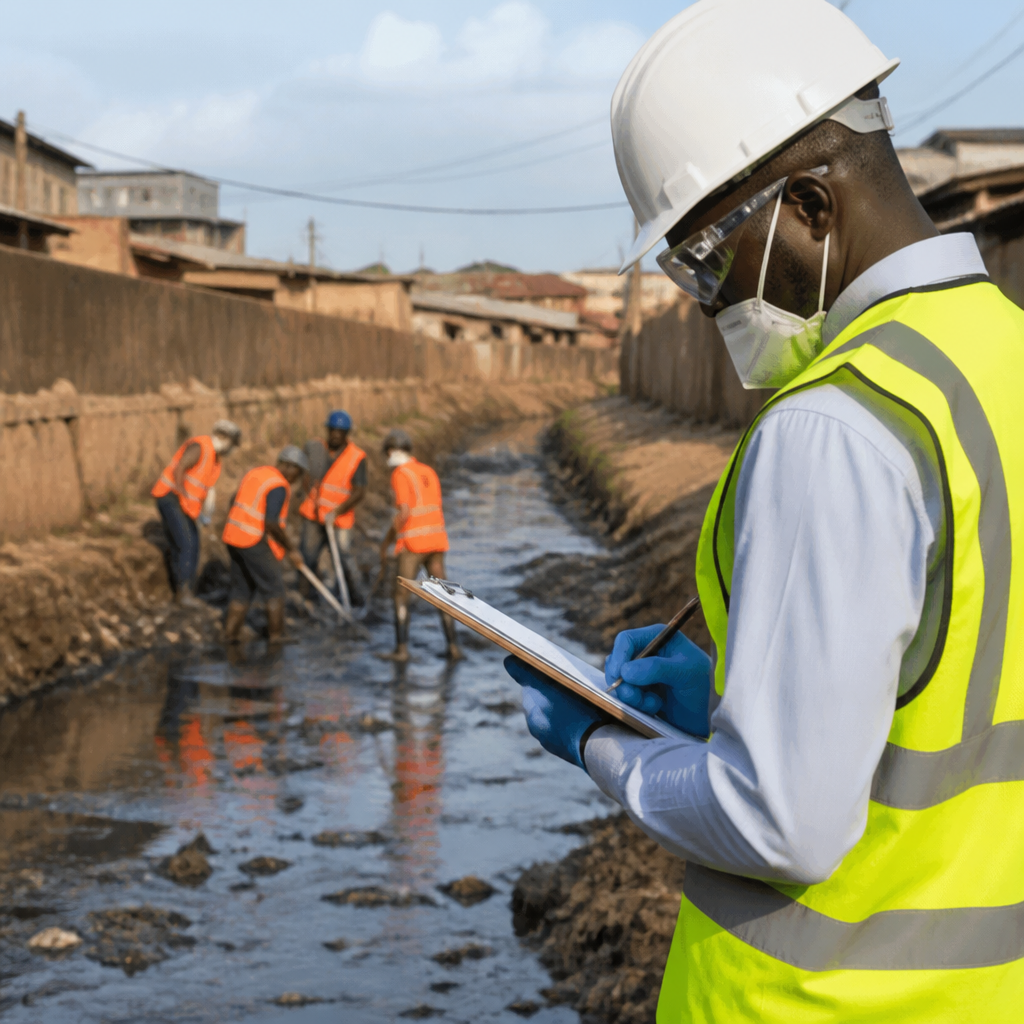
Chemical risks vary by context. Urine is usually lower risk microbiologically than feces, but contamination can occur during collection or mixing. Pharmaceuticals, household chemicals, and heavy metals may enter excreta streams, especially where waste segregation is poor or industrial contamination exists. From a nutrition perspective, this matters because reuse products may reach edible crops. Good agricultural practice therefore requires understanding source inputs, treatment performance, crop type, and application timing. Occupational risks also matter. Pit emptiers, compost handlers, farmers, and maintenance staff can face skin contact, aerosol exposure, musculoskeletal strain, and heat stress if systems are poorly designed.
| Risk area | Typical hazard | Health consequence | Priority control |
|---|---|---|---|
| Containment | Leakage from vaults or pits | Water and soil contamination | Sealed structures, drainage control, inspections |
| Handling | Contact with untreated fecal matter | Diarrhea, helminth infection | Storage time, PPE, trained emptying procedures |
| Reuse | Applying insufficiently treated material to crops | Foodborne disease | Treatment validation, crop restrictions, withholding periods |
| Hygiene | Poor handwashing after toilet use | Household transmission | Soap, water, nudges, convenient stations |
These risks are manageable, but not by assumptions. Health protection requires barrier thinking. No single barrier is perfect, so safe EcoSan uses several: containment, treatment, time, temperature, pH, dehydration, restricted access, hygienic handling, and informed reuse practices. This multiple-barrier approach is consistent with long-standing public health practice and aligns with guidance from organizations such as the World Health Organization and UNICEF on sanitation safety and risk reduction.
How Poor WASH Harms Nutrition Outcomes
The clearest answer is that poor WASH increases infection, and infection makes nutrition interventions less effective. Diarrheal disease causes direct nutrient loss through vomiting, stool losses, and reduced intake during illness. Enteric infections can also damage the intestinal lining. Researchers often discuss environmental enteric dysfunction as a probable pathway linking chronic exposure to fecal contamination with impaired growth, although measurement remains challenging and causation is not always simple. Still, the practical implication is established: children need clean environments as well as adequate food to grow well.
In EcoSan communities, exposure can occur inside and outside the household. A well-designed urine-diverting dry toilet may reduce open defecation and improve local cleanliness, but if ash addition is inconsistent, vault switching is mistimed, or handwashing is absent, risk remains. I have found that the most overlooked nutrition issue is complementary feeding. Caregivers may prepare nutrient-rich porridge, eggs, legumes, or mashed vegetables, yet contamination enters through dirty hands, flies, unsafe water, or utensils washed in contaminated containers. The result is preventable illness that erodes the benefits of improved diets.
The relationship also runs through caregiving time and household economics. When family members spend days managing diarrhea, collecting water, or seeking treatment, they have less time for breastfeeding support, kitchen gardening, and food preparation. Medical costs reduce money available for animal-source foods, fruits, and school meals. This is why integrated programming outperforms isolated hardware delivery. A healthy EcoSan approach addresses the toilet, the tap or storage vessel, the handwashing point, the household food environment, and the behaviors connecting them.
Designing EcoSan Systems Around Health Protection
Healthy EcoSan design begins with source separation and containment, but it does not end there. The system must match climate, soils, population density, user preferences, operation capacity, and intended reuse pathway. Urine-diverting dry toilets can work well in water-scarce settings because they reduce volume and support nutrient recovery. Composting toilets may be appropriate where carbon cover material is available and routine management is realistic. Container-based sanitation can improve safety in dense settlements when collection is reliable and treatment is centralized. The right option is the one that users can operate consistently without exposure.
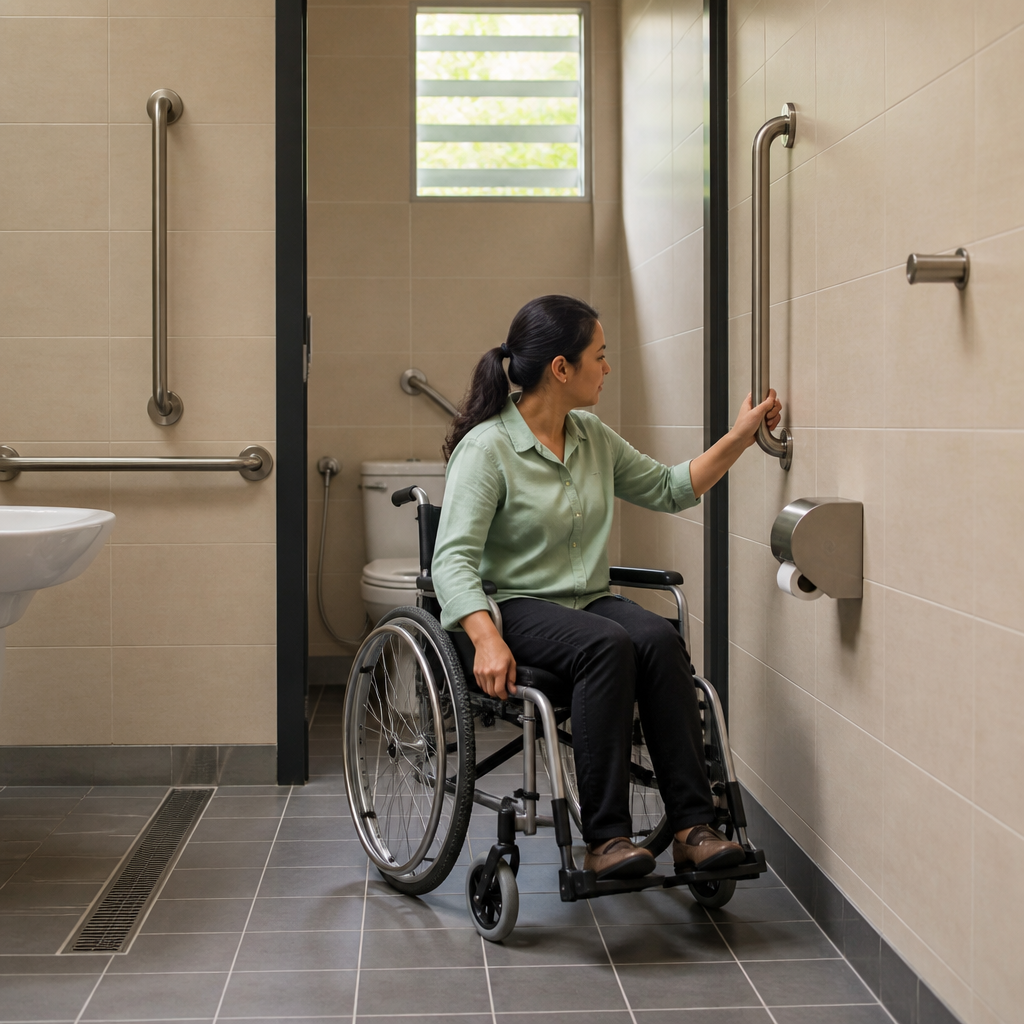
Specific design details matter. Vaults need protection from rain intrusion, pests, and runoff. Urine pipes need correct slope and diameter to reduce blockages and odor. Access doors should allow safe removal without direct hand contact with contents. Handwashing stations must be placed immediately outside or inside the sanitation area, with soap always present. Child-friendly features, such as smaller seats, stable steps, lighting, and easy-to-clean surfaces, reduce accidents and improve use. Ventilation reduces odor and encourages adoption, which is itself a health outcome because unused toilets do not interrupt disease transmission.
Treatment criteria must be explicit. Time alone can reduce pathogen levels, but performance depends on temperature, moisture, pH, and the type of organism. Ascaris eggs are notably resilient, so treatment plans should be conservative. Composting should achieve conditions that support pathogen die-off, not just visible decomposition. Dehydration systems must actually remain dry. Operators should maintain logs for fill dates, vault closure, curing duration, and final destination of materials. Where resources allow, indicator testing and sanitary inspections add confidence. Health-first EcoSan is disciplined, documented, and boring in the best possible way.
Safe Reuse, Food Safety, and Agricultural Nutrition Benefits
EcoSan often highlights nutrient recovery, and that benefit is real. Urine contains much of the nitrogen and potassium excreted by humans, while treated fecal material can contribute organic matter and some phosphorus. Used properly, these resources can support soil fertility, crop yields, and household food production. In kitchen gardens, that can translate into more leafy greens, legumes, and vegetables near the home. Better availability of these foods supports dietary diversity, especially where commercial fertilizer is expensive or unreliable.
However, the public health rule is simple: reuse is only beneficial when treatment and application practices protect the food chain. The safest approach is to match reuse products to lower-risk crops and methods. For example, applying treated material to fruit trees, timber, fodder crops, or soil before planting can be safer than top-dressing salad greens eaten raw. With urine, dilution practices vary, but avoiding direct contact with edible plant parts remains wise. With treated solids, incorporation into soil and respecting withholding periods lower exposure. Farmers also need gloves, boots, and handwashing access after application.
From experience, communities accept reuse more readily when they see clear health rules instead of vague reassurance. Explain what is treated, how long it is stored, what crops are suitable, and when harvesting is safe. Link those practices to recognized sanitation safety planning methods. This builds confidence and protects nutrition outcomes. A home garden should increase access to safe vegetables, not create a hidden contamination route. The health perspective keeps reuse grounded in food safety, not ideology.
Behavior Change, Monitoring, and Cross-Sector Coordination
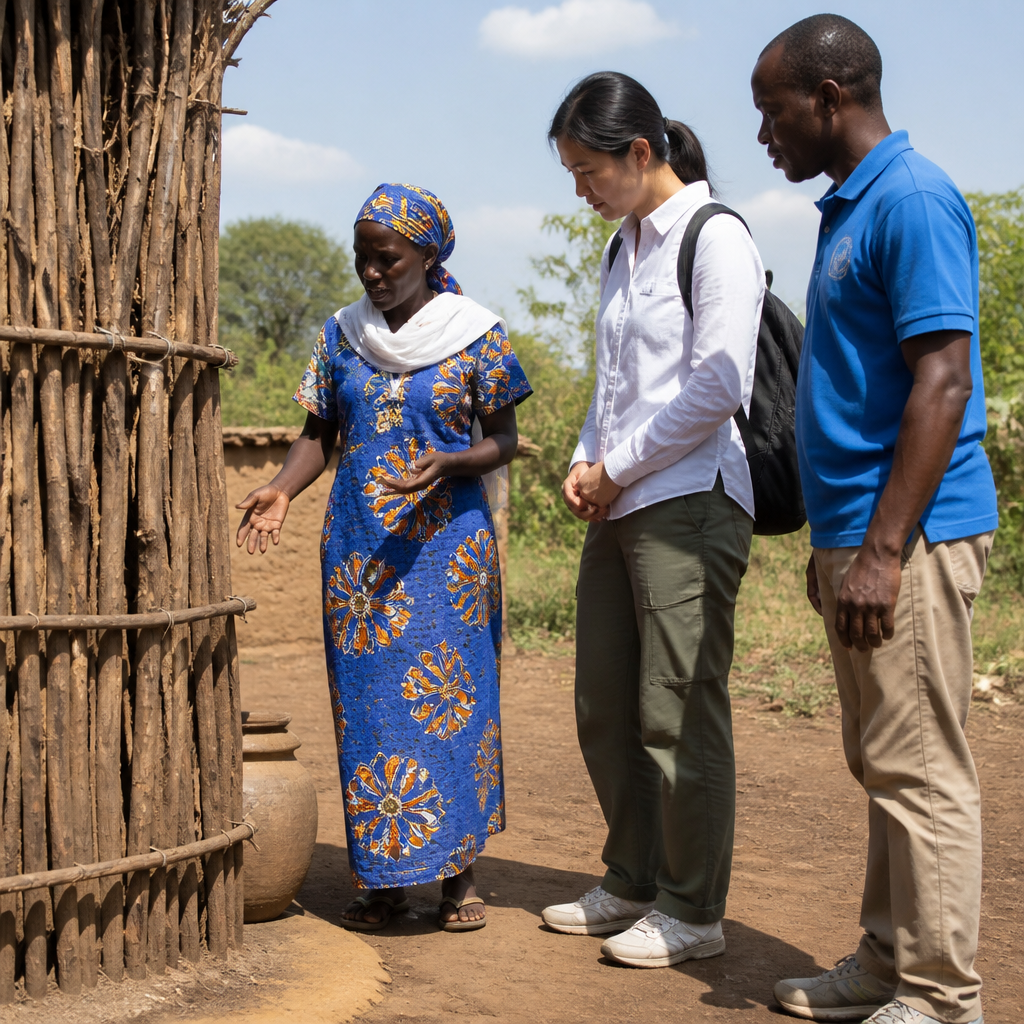
Even strong infrastructure fails without behavior change. Users need to understand why urine and feces must stay separated, why cover material matters, why children’s feces require the same care as adults’, and why soap use after toilet contact is nonnegotiable. The most effective programs use simple routines, visible cues, and repeated reinforcement. Painted instructions, school demonstrations, caretaker checklists, and local champions often work better than one-off training. In my work, the best predictor of sustained hygiene is convenience. If water, soap, and cleaning tools are within reach, compliance rises.
Monitoring should cover both technical and health indicators. Technical measures include functionality rates, fill levels, leakage, odor complaints, handwashing availability, and treatment records. Health-related indicators can include diarrhea prevalence, deworming coverage, school absenteeism, safe disposal of child feces, and the proportion of households following reuse guidance. Local clinics, agriculture officers, sanitation teams, and community groups should share information. That cross-sector coordination is essential because nutrition programs may detect repeated illness before sanitation teams notice a design or maintenance problem.
This hub topic connects naturally to related articles on menstrual hygiene management, child-safe toilet design, sludge handling protocols, water quality protection, operator training, and household food hygiene. Together, those areas form a practical roadmap for prioritizing health in EcoSan. If readers remember one principle, it should be this: ecological sanitation is not defined by reuse alone. It is defined by safe reuse built on containment, treatment, hygiene, and nutrition-aware decision making.
Integrating WASH and nutrition gives EcoSan its strongest public health foundation. When water safety, sanitation design, hand hygiene, food hygiene, and dietary quality are planned together, communities gain more than cleaner toilets or better gardens. They reduce infection pressure, protect child growth, strengthen trust in reuse systems, and make environmental gains without shifting risk onto households. That is the real measure of success in Health and Safety work.
The key takeaways are straightforward. First, sanitation and nutrition affect the same health outcomes through infection, absorption, and caregiving pathways. Second, EcoSan must be managed with multiple barriers, especially for pathogen control and food safety. Third, design details, user training, and routine monitoring matter as much as technology choice. Fourth, reuse should follow clear crop restrictions, treatment steps, and hygiene practices. Finally, cross-sector coordination between sanitation, health, and agriculture teams turns isolated interventions into durable results.
Use this page as the starting point for prioritizing health in EcoSan across your wider Health and Safety content. Review your systems with a health lens, strengthen weak barriers, and connect sanitation decisions to nutrition outcomes. If you are planning, upgrading, or managing an EcoSan program, begin with the basics: contain waste safely, treat it properly, support handwashing, protect food pathways, and monitor what people actually do. That is how EcoSan delivers both sustainability and health.
Frequently Asked Questions
1. Why is integrating WASH and nutrition so important in ecological sanitation systems?
Integrating WASH and nutrition is essential because health depends not only on having enough food, but also on the body’s ability to safely absorb and use nutrients. In ecological sanitation systems, this connection is especially important. WASH—water, sanitation, and hygiene—reduces exposure to disease-causing organisms, while nutrition supports immunity, growth, energy, and recovery. When these areas are addressed together, the health benefits are far greater than when each is handled separately.
For example, a person may eat a nutritious diet, but if they regularly drink contaminated water or live in conditions with poor sanitation, repeated diarrhea, intestinal infections, or parasite exposure can prevent proper nutrient absorption. In children, this can contribute to undernutrition, poor growth, and long-term developmental harm. In adults, it can lead to weakness, illness, reduced productivity, and increased vulnerability to infection. Good hygiene practices such as handwashing with soap, safe water storage, and proper sanitation help break this cycle.
In EcoSan systems, where human waste is managed as a resource through safe treatment and reuse, integration becomes even more practical. When fecal matter and urine are handled correctly, communities can reduce environmental contamination while also supporting agriculture and food production. However, these benefits depend on strict hygiene, safe treatment processes, and informed use. In other words, the nutritional advantages of stronger food systems can only be realized if sanitation practices protect people from pathogen exposure. That is why WASH and nutrition should be planned as one connected health strategy rather than as separate interventions.
2. How does poor WASH affect nutrition and the body’s ability to use food?
Poor WASH affects nutrition in several direct and indirect ways. The most obvious effect is infection. Unsafe water, inadequate sanitation, and poor hygiene increase the risk of diarrhea, intestinal worms, and other enteric diseases. These illnesses can reduce appetite, increase nutrient losses, damage the gut, and limit the body’s ability to digest and absorb vitamins, minerals, protein, and energy from food. Even when food intake appears adequate, repeated illness can still lead to malnutrition.
Another important issue is chronic gut stress caused by frequent exposure to contaminated environments. In settings where sanitation is poor, children in particular may experience ongoing intestinal inflammation, sometimes without obvious symptoms. This can interfere with nutrient absorption and healthy growth over time. That is one reason why nutrition programs that focus only on food supplementation may produce limited results if sanitation and hygiene conditions remain weak.
Poor WASH also affects caregiving and food preparation. If water is not safe, then washing fruits and vegetables, preparing infant foods, cleaning utensils, or mixing oral rehydration solutions can become risky. If caregivers do not have access to handwashing facilities, pathogens can move easily from hands to food, especially during feeding. In households with repeated illness, food resources may also be diverted to treatment costs, and sick family members may be less able to work, farm, shop, or prepare meals. Altogether, poor WASH undermines nutrition not just biologically, but socially and economically as well.
3. What role does EcoSan play in improving both sanitation and nutrition outcomes?
EcoSan, or ecological sanitation, can support both sanitation and nutrition outcomes when it is designed and managed safely. Its core idea is that human waste should not simply be discarded, but treated and reused in ways that protect health and support environmental sustainability. In many EcoSan approaches, urine and feces are separated, treated, and then used as agricultural inputs. This can help improve soil fertility, support local food production, and reduce reliance on chemical fertilizers.
From a nutrition perspective, this matters because healthier soils and more reliable food production can improve access to diverse, nutrient-rich foods. Households and communities may be better able to grow vegetables, fruits, and staple crops, which can strengthen diets and food security. In resource-limited settings, that can be a major health advantage. EcoSan can also help conserve water and reduce pollution of local water sources, which supports safer food preparation and better hygiene practices.
However, these benefits are only achieved when treatment, handling, storage, and reuse are done correctly. Human waste can contain pathogens, and if materials are reused before they are fully treated, they can contaminate crops, water, soil, and hands. That creates serious health risks and can cancel out nutrition gains by increasing disease. For this reason, EcoSan must include clear treatment standards, user training, protective equipment where needed, handwashing facilities, and education about safe agricultural application. Done well, EcoSan can create a powerful link between sanitation, environmental health, and improved nutrition. Done poorly, it can increase exposure. Safety is what determines the outcome.
4. What are the most important hygiene and food safety practices when linking WASH and nutrition in EcoSan settings?
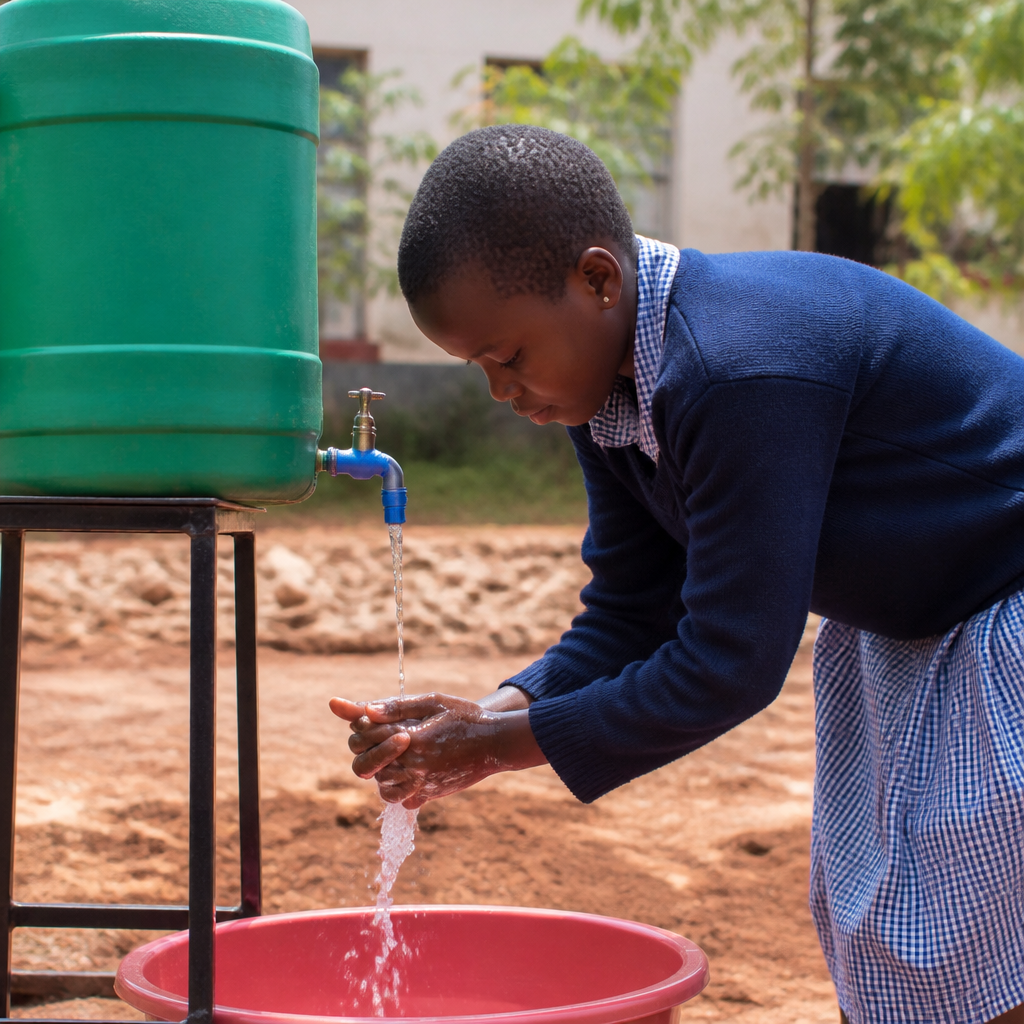
The most important practices are those that prevent pathogens from moving between waste, water, hands, food, and the household environment. Handwashing with soap at critical times is one of the most effective measures. This includes washing hands after using the toilet, after handling child feces, after working with treated sanitation products, before preparing food, before feeding children, and before eating. Hand hygiene is a simple step, but it has a major effect on reducing infection and protecting nutrition.
Safe water management is equally important. Water used for drinking, cooking, washing produce, and preparing infant foods should come from a safe source or be treated appropriately. Clean storage containers with covers and narrow openings help prevent recontamination in the home. In nutrition-sensitive settings, this is especially important for young children, pregnant women, older adults, and people with weakened immunity, who are often more vulnerable to waterborne illness.
Food safety also deserves close attention. Foods should be prepared on clean surfaces, cooked thoroughly when needed, protected from flies and animals, and stored safely. Feeding utensils should be washed with safe water, and leftover food should not be kept under unsafe conditions. In EcoSan settings, it is also important to ensure that any agricultural reuse of treated human-derived materials follows health guidance regarding treatment time, crop type, application method, and timing before harvest. Crops eaten raw may require greater caution than crops that are cooked. The overall goal is to maintain a clean barrier between sanitation materials and anything that enters the mouth, whether directly as water or food, or indirectly through contaminated hands.
5. How can communities and programs successfully integrate WASH and nutrition for better health results?
Successful integration starts with recognizing that WASH and nutrition influence the same health outcomes and should be planned together. Community programs are more effective when they combine safe water access, improved sanitation, handwashing promotion, nutrition education, maternal and child feeding support, and food security strategies rather than addressing each in isolation. This allows families to understand not just what to eat, but how to protect the body’s ability to benefit from that food.
In practice, this means linking messages and services. For example, a child nutrition program can also teach caregivers about safe disposal of feces, handwashing before feeding, water treatment, and hygienic preparation of complementary foods. An EcoSan initiative can include training on pathogen risk, treatment timelines, safe reuse in agriculture, and the importance of protecting water sources and household food areas. Health workers, agricultural extension staff, sanitation planners, and community leaders all have a role in reinforcing the same core health message.
Long-term success also depends on community ownership, cultural relevance, and ongoing monitoring. Households need systems that are affordable, practical, and easy to maintain. Programs should consider gender roles, caregiving responsibilities, local food habits, seasonal water availability, and existing sanitation behaviors. Monitoring should look beyond infrastructure alone and include actual use, hygiene behavior, child illness patterns, food safety, and dietary outcomes. When communities are supported with the right knowledge, tools, and follow-up, integrating WASH and nutrition can reduce disease, improve nutrient use, strengthen food systems, and produce more durable health gains in ecological sanitation settings.