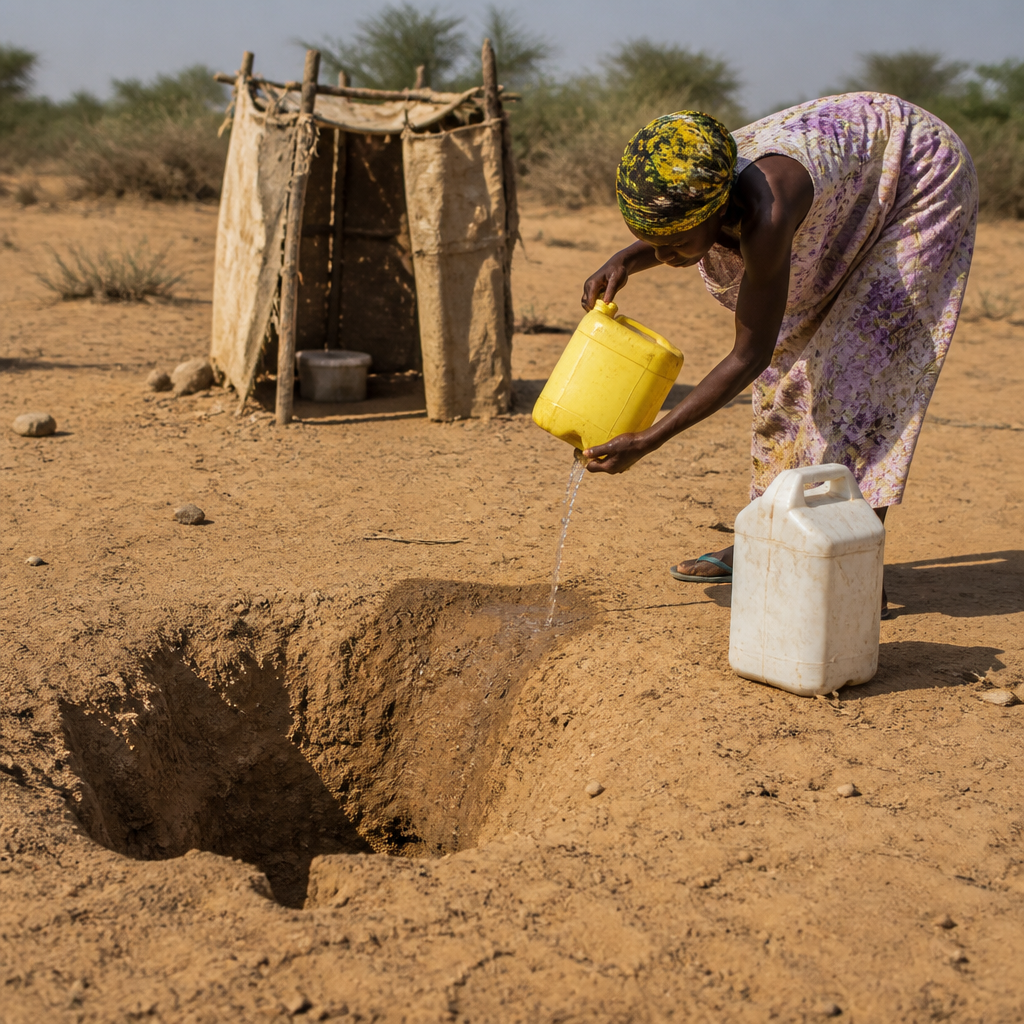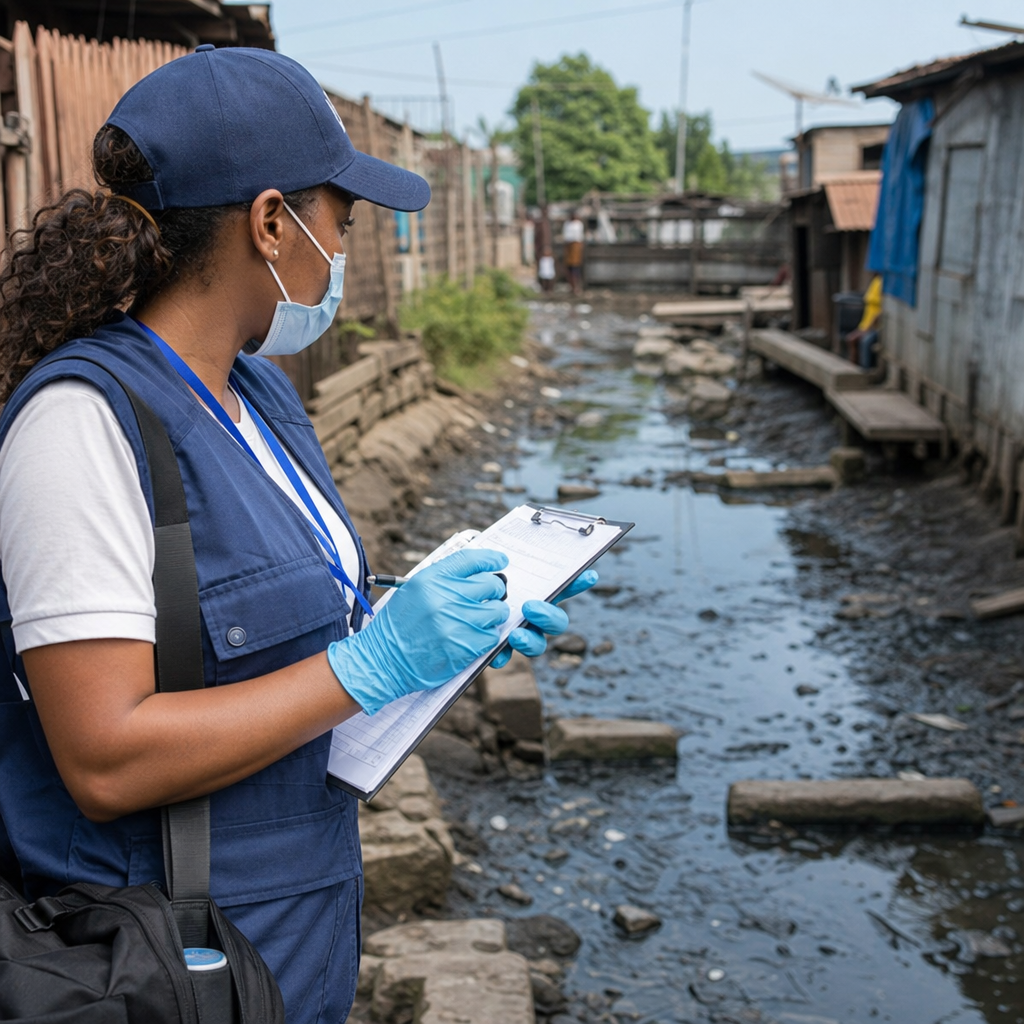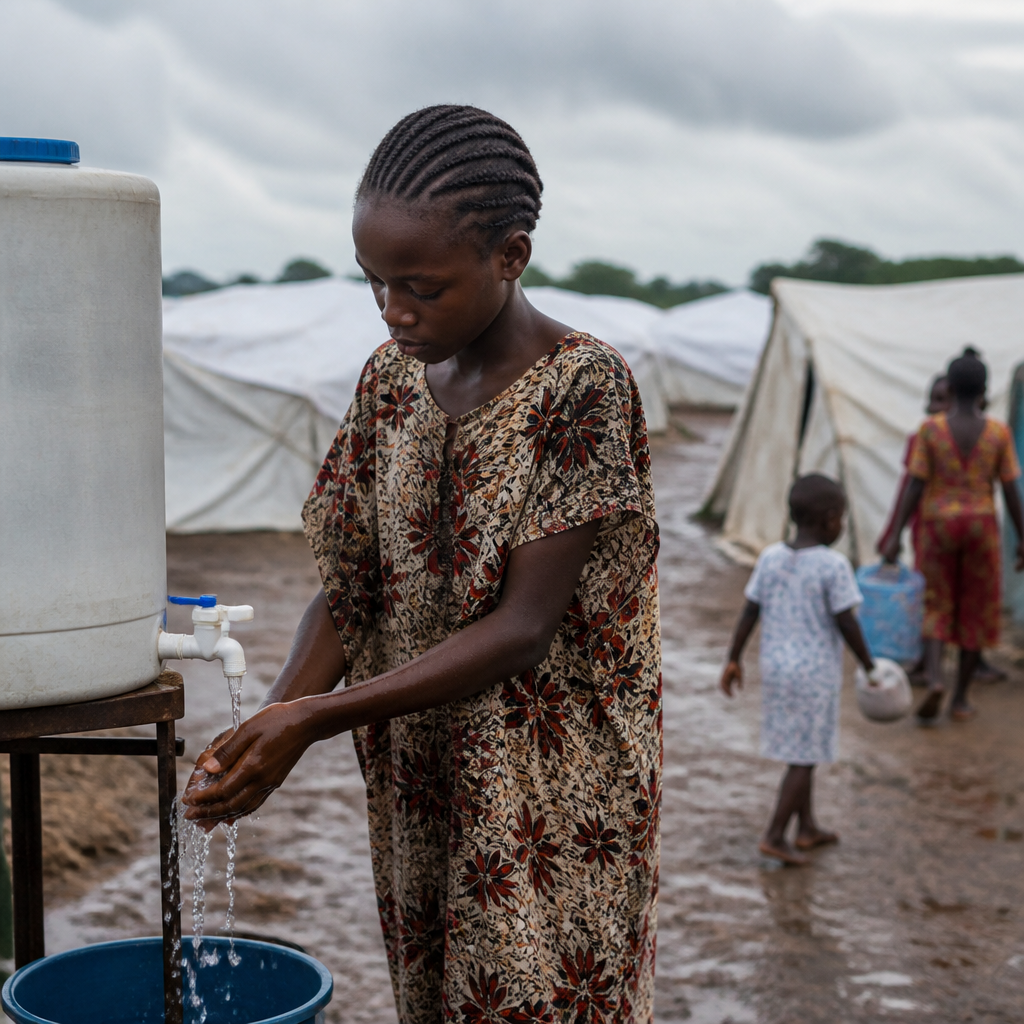
Sanitation in emergencies is the organized management of human waste, hygiene, water handling, drainage, cleaning, and infection prevention during crises that disrupt normal services. In disasters, conflict, displacement, outbreaks, and climate shocks, sanitation becomes a first-line public health intervention because unsafe excreta disposal can rapidly contaminate water, food, soil, and hands. When I have supported emergency planning discussions, the pattern has always been the same: communities can endure damaged roads and overcrowded shelters longer than they can endure uncontrolled waste, foul standing water, and the spread of diarrheal disease.
This matters even more when the goal is prioritizing health in EcoSan. Ecological sanitation, often shortened to EcoSan, is a sanitation approach that treats human excreta as a resource to be safely contained, processed, and, where appropriate, reused. The concept is built around source separation, pathogen reduction, nutrient recovery, water conservation, and protection of ecosystems. In stable settings, that can include urine-diverting dry toilets, composting toilets, dehydrating vaults, and managed reuse of treated outputs. In emergencies, however, health protection must come before resource recovery. The hub question is not whether EcoSan principles still apply; it is how to apply them without increasing disease risk under severe time pressure.
Emergency sanitation decisions determine whether responders control or amplify transmission of cholera, shigellosis, hepatitis A and E, typhoid, rotavirus, intestinal helminths, and other fecal-oral threats. The World Health Organization, UNICEF, and the Sphere Handbook all emphasize safe excreta management, hand hygiene, and equitable access as core humanitarian standards. Those standards are especially relevant to EcoSan because systems that depend on user behavior, separation of waste streams, and later-stage treatment can fail if design does not match emergency realities. A technically elegant toilet is still unsafe if children cannot use it, if anal cleansing materials clog vaults, or if collection workers lack protective equipment.
As a Health and Safety hub article, this page explains the central health priorities that should guide EcoSan in emergencies: immediate disease prevention, practical system selection, hygiene behavior support, worker safety, environmental protection, inclusion, and transition planning. It also connects the major subtopics readers usually need next, from pathogen control and toilet siting to sludge handling and community engagement. The central principle is straightforward: emergency EcoSan succeeds only when containment, treatment, and human behavior are managed as one public health system, not as separate engineering tasks.
Why health comes first in emergency EcoSan
Prioritizing health in EcoSan means designing around exposure pathways rather than around hardware alone. In the first days of an emergency, people need somewhere safe, private, accessible, and culturally acceptable to defecate. If they do not have that, open defecation rises, flies breed, runoff carries pathogens, and women and girls face greater protection risks. EcoSan can reduce water demand and preserve nutrients, but in emergencies its first value is controlled containment. The public health objective is to break the fecal-oral chain quickly: keep excreta out of drinking water, food preparation areas, living spaces, and children’s play areas.
This is why emergency teams often begin with simple, robust options, then layer in EcoSan features where they can be operated safely. In dry or water-scarce areas, urine-diverting dry toilets may be useful if users understand separation and if ash, lime, or dry cover material is reliably available. In flood zones, raised latrines or sealed container-based systems may protect groundwater better than pits. In dense camps, communal toilets may be necessary initially, but they require structured cleaning, lighting, drainage, and clear maintenance accountability. Health outcomes improve when the system chosen matches the hazard profile, soil conditions, population density, and management capacity.
One common mistake is assuming that reuse goals should shape early emergency decisions. They should not. The correct sequence is containment, hygiene, treatment, verification, then any reuse decision. If pathogen reduction cannot be assured, outputs must not enter agriculture. This is especially important because some pathogens persist for weeks or months depending on temperature, moisture, pH, and storage conditions. Helminth eggs are particularly resilient. A sanitation chain that looks sustainable on paper can become hazardous if treatment times are shortened or materials are mixed incorrectly under crisis conditions.
Choosing emergency sanitation systems that support EcoSan safely
The best emergency sanitation system is the one that can be used correctly every day by the affected population and maintained safely by workers. EcoSan options are not a single technology family; they are a set of principles that can be expressed through different systems. Decision-makers should assess five operational factors immediately: water availability, ground conditions, expected duration of displacement, capacity for operation and maintenance, and opportunities for safe treatment or off-site processing. A camp expected to operate for six months has very different sanitation requirements from an urban evacuation center used for one week.
Urine-diverting dry toilets can work well where water is scarce and communities can adapt quickly to separate use. Their strengths are low water use, reduced sludge volume, and easier nutrient management later. Their weaknesses in emergencies are user error, odor if ventilation is poor, and the need for disciplined cover material use. Composting toilets are usually harder to operate during acute response because composting requires controlled carbon balance, aeration, moisture management, and retention time. Container-based sanitation can be highly effective in unstable soils, informal settlements, and flood-prone zones because waste is sealed and removed for treatment, but the collection chain must be dependable.
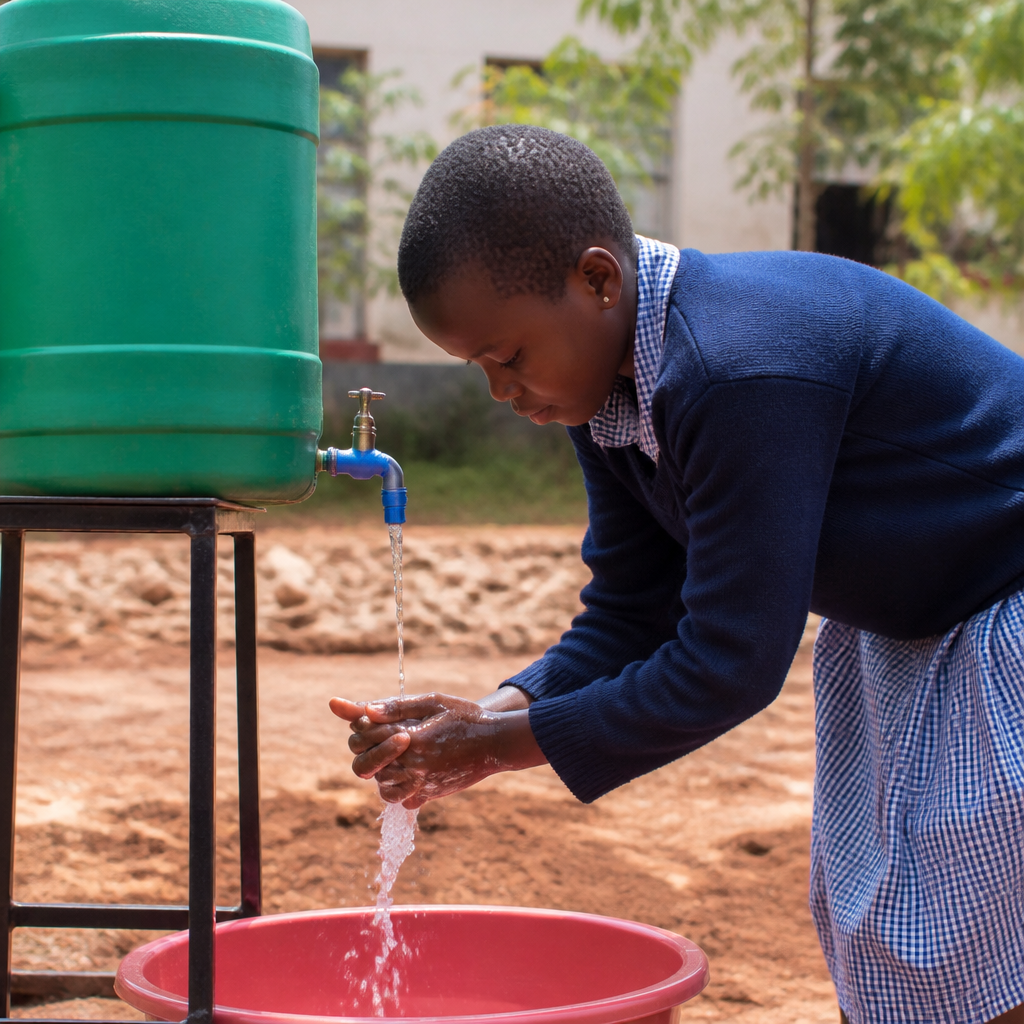
Site selection matters as much as toilet type. Toilets should be close enough for safe access yet far enough from water sources, kitchens, and shelters to reduce contamination and nuisance. Paths must remain usable at night and during rain. Facilities should include handwashing stations at points of use, not as an afterthought. In my experience, handwashing location is one of the fastest predictors of whether a sanitation program will protect health: if soap and water are inconvenient, compliance drops immediately. For EcoSan systems, user instructions must also be visual, multilingual where needed, and tested with actual users, not only assumed by engineers.
Pathogen control, treatment barriers, and safe handling
Emergency sanitation protects health when it applies multiple treatment and exposure barriers. A barrier can be physical containment, chemical treatment, dehydration, time-based storage, heat, safe transport, restricted access, or controlled reuse. EcoSan relies heavily on the logic of sequential barriers because not every pathogen is removed by one step alone. Urine can contain far fewer enteric pathogens than feces when cross-contamination is prevented, but that condition cannot be assumed in crowded emergencies. Fecal solids need treatment processes validated against local temperature, humidity, handling practices, and intended end use.
For responders, this means avoiding vague claims such as “composted” or “sanitized” unless treatment criteria are defined. Standards should specify storage duration, target moisture, pH range where alkaline treatment is used, and operational logs. Workers handling vault contents, containers, sludge, or contaminated cover material need gloves, boots, handwashing facilities, and vaccination according to risk and national policy, often including tetanus and hepatitis where indicated. They also need task-specific training on spill response, cleaning chemicals, sharps, and what to do when users dispose of menstrual products, diapers, or solid waste into excreta systems.
| Emergency context | Practical EcoSan-aligned option | Main health benefit | Key limitation to manage |
|---|---|---|---|
| Water-scarce displacement camp | Urine-diverting dry toilets with cover material | Low water use and contained feces | User training and steady ash or lime supply |
| Flood-prone settlement | Raised sealed toilets or container-based sanitation | Reduced groundwater and floodwater contamination | Reliable collection and transport chain |
| Dense urban shelter | Communal toilets with off-site treatment | Rapid scale-up and organized cleaning | High maintenance demand and queue management |
| Protracted camp with management capacity | Source-separating systems linked to controlled treatment | Nutrient recovery after verified pathogen reduction | Requires strong supervision and monitoring |
Verification is the difference between intention and safety. If treated outputs are to be reused in landscaping or agriculture, managers should follow national regulations and recognized guidance on pathogen reduction and restricted application. Where testing capacity is limited, conservative management is safer than optimistic assumptions. The health-first rule is clear: when treatment quality is uncertain, do not reuse.
Hygiene behavior, risk communication, and community trust
Emergency sanitation systems fail when users do not understand them, do not trust them, or cannot access them with dignity. EcoSan systems demand especially clear communication because they often differ from conventional flush toilets or basic pit latrines. People need to know which opening to use, whether to add ash or dry soil, where to place anal cleansing materials, how to report blockages, and why handwashing matters after every use. In practice, the most effective communication combines simple pictograms, demonstrations, community volunteers, and daily feedback from users.
Trust also depends on visible cleanliness and responsiveness. If a toilet smells bad, lacks soap, is dark at night, or is not separated by sex where appropriate, many people will avoid it regardless of technical design. That avoidance has direct health consequences. During cholera response, for example, sanitation messaging must be integrated with water chlorination, oral rehydration access, and cleaning protocols for vomit and feces. During displacement after floods, messaging often needs to emphasize keeping children away from contaminated standing water and ensuring that diapers and menstrual waste are disposed of in designated containers rather than toilet vaults.
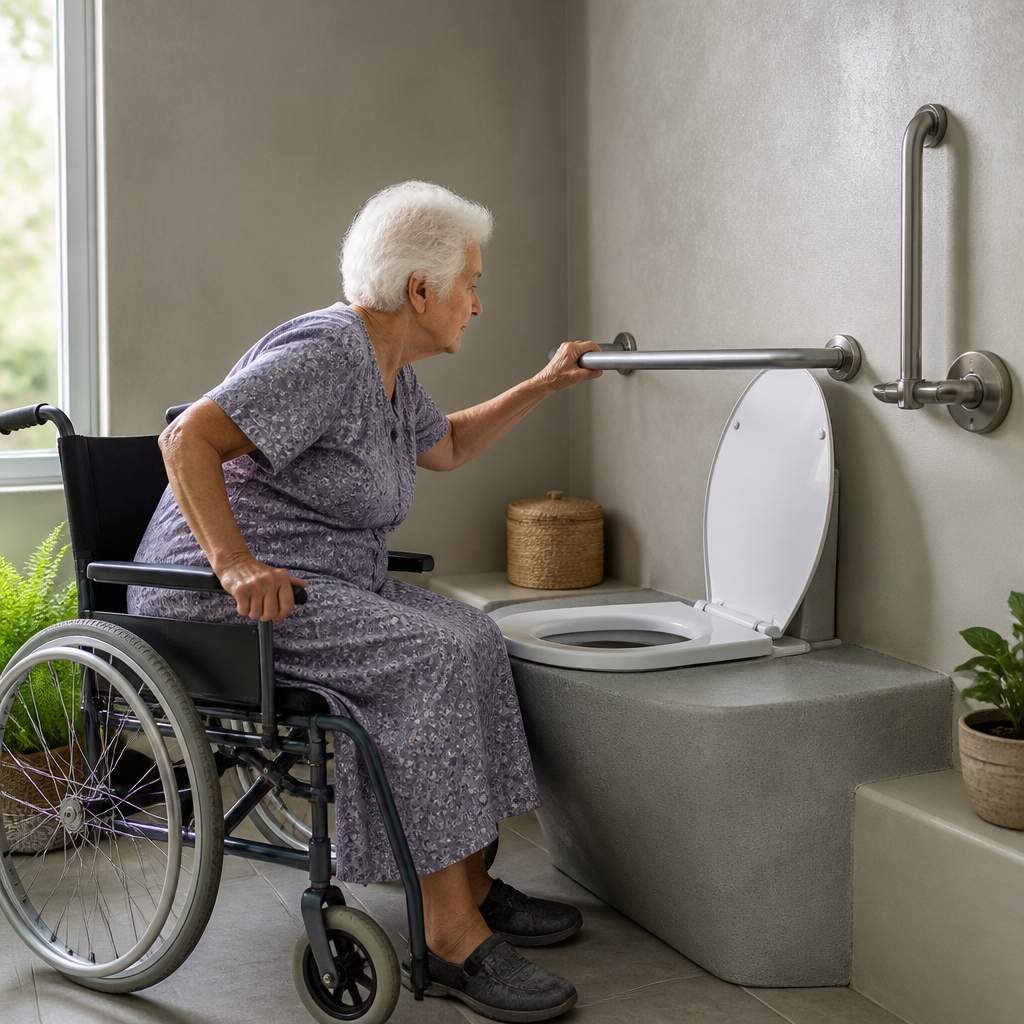
Community engagement improves performance because users identify practical barriers that planners miss. Older adults may struggle with squatting platforms. Children may be afraid of large drop holes. People with disabilities may need rails, ramps, wider doors, or assistance plans. Women and girls may prioritize internal locks, lighting, disposal bins, and washing space over features engineers rank as critical. A health-centered EcoSan program measures usage, breakage, cleanliness, waiting times, and reported safety concerns, then adjusts quickly. The feedback loop is part of disease prevention, not a separate social exercise.
Inclusion, worker protection, and environmental safeguards
Public health protection in emergencies is inseparable from inclusion and labor safety. A toilet that excludes part of the population creates contamination elsewhere. That is why universal design principles matter even in rapid response: stable floors, adequate space, privacy, menstrual hygiene support, child-friendly features, and routes that remain accessible during rain or at night. Sphere guidance reinforces that sanitation must be safe, acceptable, and accessible to all groups. In field operations, the strongest indicator of exclusion is often not formal complaints but the appearance of feces around shelters, paths, and drainage channels.
Sanitation workers face some of the highest risks in any emergency response. They handle excreta, chemicals, sharp waste, heat stress, and psychosocial strain, often while being undervalued. Protecting them is not optional. It requires formal task procedures, personal protective equipment sized for the workforce, vaccination review, paid training time, incident reporting, and safe places to wash, change, and rest. Mechanized emptying reduces direct exposure where available, but many emergencies still rely on manual handling. In those settings, reducing lifting strain, preventing splashes, and separating solid waste from excreta become immediate health priorities.
Environmental safeguards complete the health picture. Poorly sited pits can pollute groundwater. Overflowing drains can spread contamination through camps. Unmanaged graywater can create mosquito breeding sites and slippery pathways. EcoSan is often presented as environmentally friendly, and it can be, but only when containment and treatment are real. A sealed container that reaches a competent treatment facility is safer than a “green” system that leaks. Health protection, environmental protection, and long-term resource recovery are aligned only when operations are disciplined from the toilet interface to final disposal or reuse.
Building a phased strategy from acute response to recovery
The most successful emergency sanitation programs use phased planning. In the acute phase, the objective is rapid, safe access and immediate reduction of fecal exposure. In the stabilization phase, managers improve privacy, accessibility, drainage, lighting, cleaning schedules, and waste stream separation where feasible. In the recovery phase, they can expand treatment capacity, formalize reuse only after verified pathogen reduction, and strengthen local governance, supply chains, and cost recovery. This phased model is the practical bridge between emergency WASH response and longer-term EcoSan goals.
For a Health and Safety sub-pillar hub, the key takeaway is that prioritizing health in EcoSan means treating sanitation as a complete service chain with measurable public health outcomes. Safe toilets, handwashing access, trained workers, verified treatment, inclusive design, and honest risk communication all matter equally. When one link fails, disease risk rises quickly. When the chain is managed well, sanitation protects lives, preserves dignity, reduces environmental damage, and creates a safer foundation for recovery.
Use this page as your starting point for deeper work on emergency toilet design, pathogen reduction, sludge management, menstrual hygiene, accessibility, and community engagement. If you are planning, funding, or operating sanitation in emergencies, begin with the health risks people face today, choose systems your team can run safely, and build toward EcoSan benefits only after containment and treatment are secure. That is how sanitation in emergencies protects public health.
Frequently Asked Questions
What does sanitation in emergencies include, and why is it so important?
Sanitation in emergencies covers far more than toilets alone. It includes the safe collection, containment, treatment, and disposal of human waste; handwashing and hygiene support; safe water handling and storage; drainage to prevent standing water; cleaning and disinfection of shared spaces; solid waste management; and basic infection prevention measures in homes, shelters, schools, health posts, and community facilities. In any crisis that disrupts normal services—such as floods, earthquakes, conflict, displacement, disease outbreaks, or extreme weather—these systems often fail at the same time people are living in crowded, stressful, and resource-limited conditions.
That is exactly why sanitation becomes a first-line public health intervention. When excreta is not safely contained, germs can quickly move into drinking water, food, soil, household surfaces, and people’s hands. From there, diarrheal diseases, cholera, typhoid, hepatitis A and E, intestinal infections, and other health threats can spread rapidly. Poor drainage can worsen mosquito breeding and make access routes unsafe. Inadequate cleaning and waste disposal can further increase exposure risks, especially in shared shelters and health care settings.
Good emergency sanitation protects health, dignity, and safety at the same time. It helps reduce illness and death, supports the functioning of health services, lowers the burden on caregivers, and makes daily life more manageable for children, older adults, pregnant women, and people with disabilities. It also reduces fear and stress because people know they have safer places to use the toilet, wash their hands, manage menstrual hygiene, and dispose of waste. In short, sanitation in emergencies is not a secondary service to be added later—it is one of the essential foundations of outbreak prevention and public health protection from the very beginning of a response.
What are the biggest public health risks when sanitation breaks down during a crisis?
The biggest risks begin with exposure pathways that are simple but dangerous: feces contaminates hands, hands contaminate water and food, and then infection spreads from person to person or across entire communities. This is why sanitation breakdown can trigger very fast public health deterioration. The most immediate concerns are diarrheal disease outbreaks, dehydration, and increased illness among young children, older adults, and people who are already weakened by injury, malnutrition, or chronic disease.
Unsafe or overflowing latrines, open defecation, leaking sewage, and poor wastewater management can contaminate nearby wells, tanks, rivers, and household storage containers. In crowded displacement sites or damaged urban areas, that contamination can affect large numbers of people very quickly. Cholera is one of the clearest examples, but it is not the only one. Hepatitis E, dysentery, typhoid, and other fecal-oral diseases can also spread when sanitation and hygiene are inadequate. If handwashing stations are absent or not supplied with water and soap, the risk rises even more.
There are also secondary risks that are often underestimated. Poor drainage creates stagnant water that can contribute to vector breeding. Solid waste buildup attracts flies and rodents, which can further spread contamination and make living conditions more hazardous. Shared toilets that are dark, distant, or unsafe may discourage use, especially for women, girls, children, and people with limited mobility, increasing open defecation and exposure. In health care environments, weak cleaning and infection prevention practices can amplify disease transmission among patients, caregivers, and staff. Taken together, sanitation failures do not just create inconvenience—they can transform a difficult emergency into a severe public health emergency.
What are the most urgent sanitation actions in the first days of an emergency?
In the first days, the priority is to interrupt disease transmission as quickly as possible with practical, scalable measures. The most urgent actions are usually to provide immediate access to safe defecation options, establish handwashing points with soap and water, protect drinking water from contamination during collection and storage, and organize basic waste disposal and site cleaning. Even temporary measures can make a major difference if they are implemented quickly and managed consistently.
Emergency teams often begin with rapid assessments: How many people are affected? Where are they living? Are existing toilets damaged, flooded, or inaccessible? Is there open defecation? Are water points close to sanitation facilities? Is drainage causing standing water? Based on those findings, responders may install emergency latrines, trench latrines, portable toilets, or rehabilitate damaged facilities. The key is not only construction but also safe placement, regular desludging or emptying, cleaning schedules, lighting where possible, privacy measures, and separate arrangements that support women, children, and vulnerable groups.
At the same time, hygiene support has to start immediately. People need soap, water containers, information on handwashing and safe water storage, and clear guidance on how to use temporary sanitation facilities. If communities are not informed or if facilities are poorly maintained, usage drops and contamination risks rise. Drainage channels may need to be cleared, bathing areas organized, and solid waste collection points established. In outbreaks or high-risk settings, enhanced disinfection, more intensive monitoring, and stronger infection prevention protocols may also be necessary. The early phase is about speed, but it is also about organization: sanitation works best when infrastructure, hygiene behavior, maintenance, and community engagement are addressed together rather than as separate tasks.
How can emergency sanitation services be made safe, accessible, and dignified for everyone?
Safe emergency sanitation is not just a technical issue—it is also a matter of accessibility, protection, inclusion, and dignity. A toilet that exists but is too far away, unsafe at night, unusable for a person with mobility limitations, or unacceptable to the community may not actually reduce health risks. People have to be able and willing to use the facilities consistently. That means planners need to consider location, privacy, gender, security, lighting, maintenance, cultural practices, and the needs of different age groups from the very start.
Accessible design is essential. Emergency sanitation facilities should be as close as safely possible to the people using them, without risking contamination of water sources or living spaces. Paths should be stable and usable in rain or mud. Some facilities should be adapted for older adults, pregnant women, children, and people with disabilities, including features such as handrails, wider entrances, lower seats or supports, and easier access for caregivers. Facilities also need locks, privacy screens, and clear separation or management approaches that help women and girls feel secure. Menstrual hygiene needs should be considered directly, with access to washing space, disposal options, and privacy.
Dignity also depends heavily on maintenance. Clean toilets with water, soap, regular emptying, odor control, and visible management are much more likely to be used than dirty, overflowing, or damaged ones. Community participation matters here. When affected people are involved in siting, design feedback, cleaning systems, and communication, services are usually more accepted and more sustainable. The most effective emergency sanitation responses listen closely to communities, identify barriers to use, and adjust quickly. In practice, protecting public health means protecting people’s ability to use sanitation safely, privately, and with respect.
How do communities and responders work together to prevent outbreaks through sanitation?
Outbreak prevention is strongest when sanitation is treated as a shared public health responsibility rather than a service delivered to passive recipients. Responders bring technical expertise, logistics, monitoring, and coordination, but communities bring local knowledge, social networks, practical problem-solving, and day-to-day oversight that no outside team can fully replace. When these strengths are combined, sanitation systems are more likely to function well under difficult conditions.
In practical terms, this means responders should engage communities early in decisions about where facilities go, how they are managed, what barriers exist, and which hygiene messages are most useful. Local volunteers, committees, health workers, teachers, and trusted leaders can help identify high-risk areas, encourage handwashing, organize cleaning rotations, report damaged or full latrines, and support safe water handling and waste disposal. Feedback channels are especially important because conditions in emergencies change quickly. A facility that worked for one week may become inaccessible after flooding, overcrowding, or security changes.
Monitoring and communication are also central to outbreak prevention. Responders should track whether toilets are being used, whether handwashing stations are stocked, whether drainage problems are developing, and whether signs of contamination or illness are increasing. Communities can often spot these problems first. When information flows both ways, small issues can be fixed before they become major health threats. The most successful sanitation responses are not only technically sound; they are responsive, visible, and trusted. That combination helps prevent disease, strengthens resilience, and gives people greater control over their health during some of the most unstable moments they may face.