EcoSan, short for ecological sanitation, changes how communities manage human waste, water, and hygiene, and its effect on women’s health is both immediate and long term. At its core, EcoSan treats urine and feces as resources that can be safely contained, processed, and reused, usually through systems such as urine-diverting dry toilets, composting toilets, and decentralized nutrient recovery. In practice, I have seen EcoSan discussed too narrowly as a sanitation technology when it is really a health, safety, and social infrastructure strategy. For women, that distinction matters because sanitation shapes daily exposure to infection, the burden of unpaid care work, menstrual hygiene, pregnancy safety, personal security, and household economics.
Women experience sanitation differently from men because their biological needs and social roles are different. They are more likely to manage children’s toileting, wash reusable menstrual materials, care for family members with diarrhea, and adjust routines around privacy and safety. In many low-resource settings, inadequate toilets force women to delay urination or defecation, use unsafe open areas, or rely on poorly maintained shared latrines. Those patterns are associated with urinary tract irritation, constipation, stress, reduced fluid intake, and greater exposure to pathogens that cause diarrheal disease, helminth infection, skin problems, and reproductive tract discomfort. The World Health Organization and UNICEF have repeatedly linked poor sanitation and hygiene to preventable illness, school absence, and broader health inequities.
Enhancing health through EcoSan means designing sanitation that protects users at every stage: access, use, cleaning, waste handling, and reuse. A well-run EcoSan system separates waste streams, limits contact with fecal matter, controls odors and insects, saves water, and creates a predictable place for hygiene practices. That predictability is especially important for adolescent girls, pregnant women, older women, and women with disabilities, who often face the highest barriers when toilets are distant, dark, inaccessible, or unsanitary. As a hub topic, the impact of EcoSan on women’s health connects to infection prevention, menstrual hygiene management, maternal health, nutrition, mental wellbeing, climate resilience, and household livelihoods. Understanding those links helps households, health workers, schools, planners, and local governments choose sanitation approaches that improve health rather than merely relocate waste.
How EcoSan Reduces Disease Exposure for Women
The first health benefit of EcoSan is reduced exposure to disease-causing organisms. Traditional unmanaged sanitation allows fecal pathogens such as E. coli, Shigella, rotavirus, Giardia, and soil-transmitted helminths to move into hands, water, soil, surfaces, and food. Women often face repeated contact because they clean toilets, wash children, and prepare meals. EcoSan systems interrupt those transmission pathways by containing excreta close to the source and, in urine-diverting designs, separating wet and dry fractions to simplify safe treatment. When chambers stay dry, pathogen survival falls faster, odors decline, and flies have fewer breeding opportunities.
This matters in ordinary household routines. In a conventional overflowing pit latrine, a mother may escort a child, clean spills, and return to the kitchen after only partial handwashing because water is scarce. In a better EcoSan setup, the toilet surface is easier to clean, the chamber is closed, ash or dry cover material reduces moisture, and handwashing can be built into the station. Each improvement lowers cumulative exposure. The result is not just fewer diarrhea episodes; it can also mean fewer days of caregiving, less money spent on treatment, and less nutritional loss from recurrent illness.
There are limits. EcoSan only protects health when design, user training, and maintenance are correct. If urine and feces are mixed in a system meant to keep them separate, if compost is removed too early, or if hand hygiene is ignored, the health advantage drops sharply. That is why operation protocols matter as much as hardware.
Menstrual Hygiene, Privacy, and Daily Comfort
For many women, the most immediate impact of EcoSan is improved menstrual hygiene management. A usable toilet is not simply a hole or seat; it must offer privacy, water or cleaning materials, a shelf or hook, lighting, and enough space to change menstrual products safely. When those basics are absent, girls and women improvise. They may keep pads on too long, avoid school or work, restrict eating and drinking, or use isolated areas where they feel unsafe. EcoSan designs can directly solve these problems because they are often planned as complete sanitation units rather than minimum-disposal structures.
In schools and community facilities, I have seen the difference a well-designed toilet block makes. Separate stalls for girls, inside locks, disposal or washing options, and cleaning routines lead to more consistent attendance during menstruation. For women using reusable pads or cloth, an EcoSan facility with wash water, drainage, and discreet drying space reduces the risk of using damp or unclean materials that can contribute to skin irritation and discomfort. While poor menstrual hygiene is not the sole cause of reproductive tract infection, inadequate washing, prolonged use of soiled materials, and limited privacy clearly undermine comfort, dignity, and confidence.
EcoSan also helps by reducing odor and visible waste. Cleanliness affects whether women will use a toilet regularly. If a facility smells bad, is wet, or attracts insects, people avoid it and return to open defecation or unsafe coping strategies. Regular use is a health outcome in itself.
Maternal Health, Pregnancy, and Postpartum Safety
Pregnancy changes sanitation needs. As the uterus expands, urination becomes more frequent, balance may worsen, and squatting over unstable surfaces becomes harder. In late pregnancy and after birth, long walks to a toilet can be painful and risky. EcoSan systems located near the home and designed with stable flooring, handholds, seating options, and night access can significantly reduce those risks. This is not a minor convenience. Falls, dehydration from fluid restriction, and delayed urination are preventable burdens that sanitation planning often overlooks.
Poor sanitation also raises infection risk during a vulnerable period. Diarrheal disease can worsen maternal undernutrition and anemia, while inadequate hand hygiene contributes to postpartum infection risk for both mother and newborn. A hygienic toilet close to where caregiving happens supports safer recovery after delivery. For households caring for a woman after childbirth, easy waste disposal and handwashing are practical safeguards. In rural areas where health facilities are distant, these household protections matter even more.
Another overlooked issue is caretaker strain. Women recovering from birth are still often expected to manage washing and child care. If the sanitation system is cleaner, easier to maintain, and does not require hauling large quantities of flush water, physical workload falls at a time when rest is medically important.
Safety, Stress, and Mental Wellbeing
Sanitation affects mental health through fear, shame, and chronic vigilance. Women using distant or exposed toilets often plan their day around avoiding harassment, assault, or embarrassment. Many wait until dark, go in groups, or limit food and water to reduce toilet trips. I have heard women describe this as constant background stress rather than a single event. EcoSan reduces that burden when toilets are nearby, private, lockable, and usable at night.
The health effect is broader than personal security. Stress changes behavior. Women who avoid drinking water may experience headaches, fatigue, constipation, and urinary discomfort. Girls who skip school during menstruation lose learning time and social confidence. Older women may reduce movement altogether if the path to the latrine is uneven or unsafe. A sanitation system that feels secure supports healthier daily habits.
Privacy also matters for women with incontinence, pelvic floor disorders, menopause-related urgency, or disability. These conditions are common yet often hidden. EcoSan can be adapted with ramps, wider doors, handrails, seats, and containers for cleansing materials, making sanitation more humane across the life course.
Nutrition, Agriculture, and Household Economics
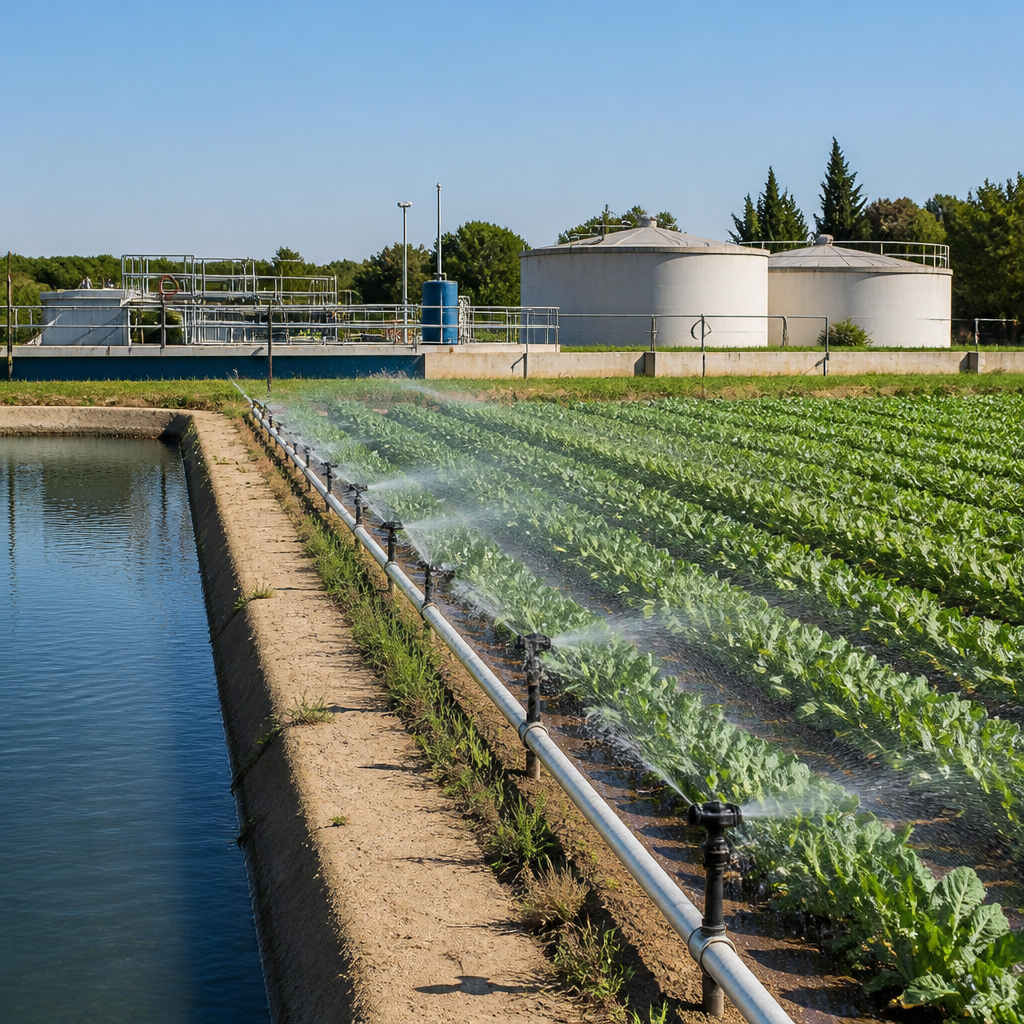
One reason ecological sanitation stands apart from conventional systems is nutrient recovery. Human urine contains much of the nitrogen, potassium, and phosphorus excreted by the body, and properly treated fecal matter can contribute organic matter to soil. For women in farming households, this can influence health indirectly but powerfully. Better soil fertility can increase kitchen garden yields, diversify diets, and reduce spending on fertilizer. When sanitation contributes to food production, the return is not symbolic; it can support household nutrition, especially for children and pregnant women.
That said, reuse must follow clear safety rules. World Health Organization guidance on safe wastewater, excreta, and greywater use emphasizes storage times, crop restrictions, handling precautions, and hygiene barriers. Women should not bear the health risk of unsafe reuse simply because they are expected to garden. When training is done well, however, EcoSan can combine sanitation improvement with livelihood gains.
| Women’s health challenge | EcoSan feature | Practical health effect |
|---|---|---|
| Frequent exposure to fecal pathogens during care work | Sealed chambers and dry cover material | Less contact with contaminated surfaces, fewer diarrheal risks |
| Poor menstrual hygiene privacy | Private stall, washing area, storage hooks | Safer changing, better comfort, fewer missed school or work days |
| Unsafe night access | Near-home location, door lock, lighting | Lower stress and reduced risk of harassment or falls |
| Heavy water collection burden | Dry or low-water toilet design | Less labor, more time for care, rest, and income activities |
| Low household food security | Nutrient recovery for gardens | Potential for improved diets and lower fertilizer costs |
What Makes EcoSan Successful for Women
Not every EcoSan project improves health. The strongest outcomes appear when women are involved from the beginning in siting, design, financing, training, and monitoring. They know whether a toilet location is safe, whether a door latch works, whether cleaning tools are realistic, and whether menstrual needs have been considered. Programs fail when they assume any toilet is good enough.
Successful systems usually share five traits: user-centered design, consistent behavior change support, maintenance planning, safe reuse protocols, and affordability. User-centered design includes privacy, accessibility, child-friendly features, and convenient handwashing. Behavior change support covers cleaning schedules, ash use, chamber switching, and hand hygiene. Maintenance planning defines who empties chambers, what protective equipment is needed, and where treated products go. Safe reuse protocols rely on time, temperature, pH, and restricted handling, not guesswork. Affordability matters because households cannot sustain systems that depend on costly imported parts or frequent specialist repairs.
For institutions such as schools, clinics, and markets, management is decisive. A technically sound facility can become unusable within months if no one budgets for soap, repairs locks, or assigns cleaning responsibility. Conversely, modest EcoSan infrastructure can perform very well when governance is clear. The lesson is simple: women’s health improves when sanitation is treated as an ongoing service, not a one-time construction project.
The Path Forward for Health and Safety Planning
The impact of EcoSan on women’s health is strongest when sanitation planning is integrated with health and safety goals. Households should evaluate whether toilets are private, easy to clean, accessible at night, and supported by handwashing. Schools should audit menstrual hygiene facilities, water access, waste disposal, and attendance patterns. Community leaders should map safety risks on routes to toilets and include women in every design decision. Local governments should align EcoSan programs with public health outreach, agricultural extension, and disability inclusion standards.
The main takeaway is clear: enhancing health through EcoSan is not only about cleaner waste management. It is about reducing infection, supporting menstruation with dignity, making pregnancy and postpartum recovery safer, lowering stress, saving labor, and strengthening household resilience. When ecological sanitation is designed around women’s real lives, it becomes a practical health intervention with social and economic benefits. Review your current sanitation setup, identify the gaps affecting women and girls, and use those findings to guide the next improvement.
Frequently Asked Questions
1. How does EcoSan directly improve women’s health?
EcoSan directly improves women’s health by making sanitation safer, cleaner, and more reliable in everyday life. Traditional sanitation gaps often expose women to contaminated water, poorly maintained latrines, open defecation areas, and long walks to unsafe toilet facilities. These conditions increase the risk of diarrheal disease, parasitic infections, urinary tract problems, reproductive tract infections, and skin irritation linked to poor hygiene. EcoSan systems, including urine-diverting dry toilets and composting toilets, are designed to contain waste more effectively, reduce human contact with fecal pathogens, and limit contamination of local water sources. That means fewer opportunities for disease transmission inside the home and across the community.
For women specifically, the health gains are often immediate. When toilets are closer, cleaner, private, and easier to use, women are less likely to delay urination or restrict food and water intake to avoid using unsafe facilities. Those coping behaviors are common in areas with inadequate sanitation and can contribute to dehydration, constipation, and urinary tract discomfort. EcoSan can also create more dignified conditions for menstrual hygiene management, pregnancy, and postpartum recovery by offering a stable and better-managed sanitation environment. Over time, the result is not just lower exposure to infection, but also improved comfort, reduced daily stress, and stronger overall well-being.
2. Why is EcoSan especially important for women and girls?
EcoSan is especially important for women and girls because sanitation affects them in ways that are deeply tied to privacy, safety, caregiving roles, and biological needs. In many communities, women are the primary managers of household water, hygiene, and care for children, older adults, and sick family members. When sanitation systems are inadequate, the burden falls heavily on them. They often spend more time cleaning, collecting water, managing illness in the household, and coping with the practical consequences of unsafe or inaccessible toilets. EcoSan can reduce that burden by creating systems that better separate waste, reduce odor, minimize flies, and support more hygienic household environments.
Girls and women also need sanitation facilities that accommodate menstruation, pregnancy, and personal privacy. A poorly designed toilet can discourage use, especially at night or during menstruation. EcoSan approaches that prioritize accessibility, lighting, privacy, handwashing integration, and maintenance can support school attendance for girls, improve menstrual dignity, and reduce stress around daily sanitation needs. Just as importantly, EcoSan should not be viewed only as a toilet technology. It is part of a broader shift in how communities think about waste, water, resource recovery, health education, and gender inclusion. When women are involved in planning and decision-making, EcoSan becomes more responsive to their actual health needs rather than treating them as an afterthought.
3. Can EcoSan help with menstrual health and hygiene?
Yes, EcoSan can play a meaningful role in improving menstrual health and hygiene, especially when systems are designed with women’s lived experiences in mind. Menstrual hygiene requires privacy, water or cleaning options where appropriate, safe disposal or management pathways, and a toilet space that feels secure and dignified. In many settings, the lack of such facilities leads women and girls to miss school, avoid public spaces, limit movement, or use unhygienic coping methods. EcoSan systems can support better menstrual health by offering private, consistently available sanitation that does not depend on unreliable sewer infrastructure or water-intensive flushing systems.
The benefit is not just physical but psychological and social as well. A woman or girl who has access to a clean, well-maintained EcoSan facility is more likely to manage menstruation confidently and safely. That can lower the risk of irritation, support better hygiene habits, and reduce shame or anxiety associated with periods. However, these outcomes depend on design and community acceptance. EcoSan facilities must include features such as adequate space, washing materials where feasible, clear maintenance routines, and culturally appropriate guidance on menstrual waste handling. When implemented well, EcoSan helps normalize menstrual health as part of public health, rather than leaving women and girls to manage it invisibly and with inadequate support.
4. What are the long-term health and social benefits of EcoSan for women?
The long-term benefits of EcoSan for women go well beyond reducing immediate exposure to disease. Over time, safer sanitation contributes to better reproductive health, lower environmental contamination, and healthier households overall. When urine and feces are safely contained, treated, and reused through controlled ecological sanitation systems, communities can reduce pathogen spread while also recovering nutrients for agriculture. That creates a stronger connection between sanitation, food systems, environmental protection, and family health. Women often feel these benefits first because they are frequently responsible for caregiving, food preparation, and managing day-to-day household hygiene.
There are also important social and economic effects. Improved sanitation can save women time that would otherwise be spent seeking safe places for defecation, collecting extra water for poorly functioning toilets, or caring for family members with sanitation-related illness. That time can shift toward income-generating work, education, community leadership, or rest. In some settings, women also participate directly in EcoSan-related enterprises such as compost management, toilet maintenance, hygiene promotion, or nutrient recovery initiatives. When that participation is safe, fairly compensated, and socially supported, EcoSan can strengthen women’s agency as well as their health. In that sense, the long-term impact of EcoSan is cumulative: fewer illnesses, greater dignity, stronger resilience, and more influence over the systems that shape everyday life.
5. What makes an EcoSan program truly effective for women’s health?
An EcoSan program is truly effective for women’s health when it is designed around women’s needs from the start, not added in later as a secondary concern. The most successful programs recognize that sanitation is not just an engineering challenge. It is also a health, social, cultural, and gender issue. That means women should be involved in site selection, toilet design, maintenance planning, hygiene education, and decisions about how recovered resources are managed. Facilities must be private, safe to access day and night, easy to clean, appropriate for menstruation and pregnancy, and usable by older women and women with disabilities. Without these elements, even technically sound systems may be underused or may fail to deliver real health benefits.
Effectiveness also depends on training, maintenance, and trust. Communities need clear information on how EcoSan systems work, why waste separation matters, how treatment protects health, and how to handle by-products safely. Women often become key educators and monitors in this process, but they should not be expected to carry the workload without recognition or support. Strong programs include behavior change communication, reliable upkeep, access to handwashing, and regular evaluation of how women actually experience the system. In other words, the best EcoSan programs improve women’s health because they address infrastructure, education, safety, dignity, and participation together. That broader approach is what turns EcoSan from a narrow sanitation intervention into a genuine public health and gender equity strategy.