Sanitation sits at the center of disease outbreak prevention because it controls how human waste, wastewater, solid waste, and contaminated surfaces interact with people, food, water, and the wider environment. In public health, sanitation means the systems and behaviors that safely contain, transport, treat, and reuse or dispose of excreta and other hazardous wastes. When those systems fail, pathogens move quickly through communities. I have seen this firsthand in facilities reviews where one blocked drain, one broken handwashing point, or one poorly managed toilet block created conditions for diarrheal clusters within days. The connection is direct: better sanitation reduces exposure pathways, lowers infectious dose, and interrupts transmission before isolated illness becomes an outbreak.
This matters across homes, schools, clinics, construction sites, refugee settlements, and rapidly growing cities. The World Health Organization and UNICEF Joint Monitoring Programme consistently links inadequate sanitation with diarrheal disease, cholera, typhoid, helminth infections, trachoma, and environmental contamination that harms long-term health. Sanitation also affects dignity, school attendance, maternal health, worker safety, and climate resilience. In this Health and Safety hub, the focus is Safety and Sustainability in EcoSan, short for ecological sanitation. EcoSan is not simply an alternative toilet design. It is a systems approach that treats human waste as a resource stream while protecting health through containment, pathogen reduction, safe handling, and environmentally sound reuse. Done well, EcoSan can reduce water demand, recover nutrients, and strengthen local resilience. Done badly, it can amplify risk.
The role of sanitation in disease outbreak prevention is therefore both practical and strategic. Practical, because clean toilets, hand hygiene stations, sludge management, and maintenance routines stop pathogens at source. Strategic, because sanitation planning shapes urban growth, agricultural reuse, groundwater protection, and emergency preparedness. Many searchers ask a simple question: does sanitation really prevent outbreaks? The answer is yes, but only when infrastructure, operations, behavior, and governance work together. A pit latrine without safe emptying is incomplete sanitation. A urine-diverting dry toilet without user training is incomplete sanitation. A sewer network without treatment can merely relocate contamination downstream.
For EcoSan, safety and sustainability must be assessed together. Safety means minimizing exposure to bacteria, viruses, protozoa, and helminths during use, storage, transport, treatment, and reuse. Sustainability means reducing water use, conserving nutrients such as nitrogen and phosphorus, lowering pollution, building systems communities can operate, and aligning with local economics and culture. This article explains how sanitation prevents outbreaks, what makes EcoSan safe, where EcoSan can fail, and how to design a hub-level understanding that supports related articles on treatment methods, maintenance, regulations, training, and reuse practices.
How Sanitation Breaks Chains of Infection
Disease outbreaks often follow the classic fecal-oral route summarized in public health by the F-diagram: feces can reach new hosts through fluids, fields, flies, fingers, and food. Sanitation disrupts these links by separating waste from people and reducing pathogen survival. Cholera is a clear example. Vibrio cholerae spreads when water or food becomes contaminated with infected feces. Where toilets are absent, wastewater leaks into shallow wells, or sewer overflows enter streets after rain, outbreaks expand rapidly. By contrast, safe containment, chlorinated water, handwashing with soap, and reliable treatment dramatically reduce transmission.
The same pattern holds for typhoid fever, hepatitis A and E, rotavirus, shigellosis, and many parasitic infections. Helminth eggs are particularly relevant in sanitation planning because some survive for months in moist environments and resist casual handling errors. That is why standards from the World Health Organization emphasize treatment barriers and exposure control, not just toilet access. In my field assessments, the most common mistake is assuming a toilet equals safety. It does not. Safety comes from the whole service chain: user interface, containment, collection, transport, treatment, final disposal, or controlled reuse.
Outbreak prevention also depends on maintenance frequency and environmental conditions. In flood-prone areas, pits can overflow and septic tanks can infiltrate surface water. In dense informal settlements, shared toilets may be overloaded by ten or twenty families, leading to fecal contamination on floors, door handles, and surrounding pathways. In healthcare settings, sanitation failures increase the spread of enteric disease and antimicrobial-resistant organisms. The lesson is simple and evidence-based: sanitation works best when systems are designed for actual use loads, monitored, and backed by cleaning, sludge handling, and hygiene behavior.
What EcoSan Means in Practice
EcoSan refers to sanitation systems designed to safely recycle nutrients and organic matter from human excreta while conserving water and limiting pollution. Common examples include urine-diverting dry toilets, composting toilets, dehydrating vault systems, and container-based sanitation linked to centralized treatment. The concept is grounded in ecological cycles. Urine contains most of the nitrogen and a large share of the phosphorus and potassium excreted by humans, while feces contain organic matter and significant pathogen loads. Separating these streams can make treatment more effective and resource recovery more practical.
In practice, EcoSan systems vary widely. A rural school may use urine-diverting toilets to reduce water demand and create fertilizer inputs for tree planting. An urban neighborhood may rely on sealed containers collected by service providers and transported to a treatment site. A farm may integrate composted biosolids into soil management under strict application rules. The design choice depends on groundwater depth, water scarcity, soil conditions, population density, user preferences, and local regulations. There is no universal EcoSan model, which is why safety planning matters more than technology branding.
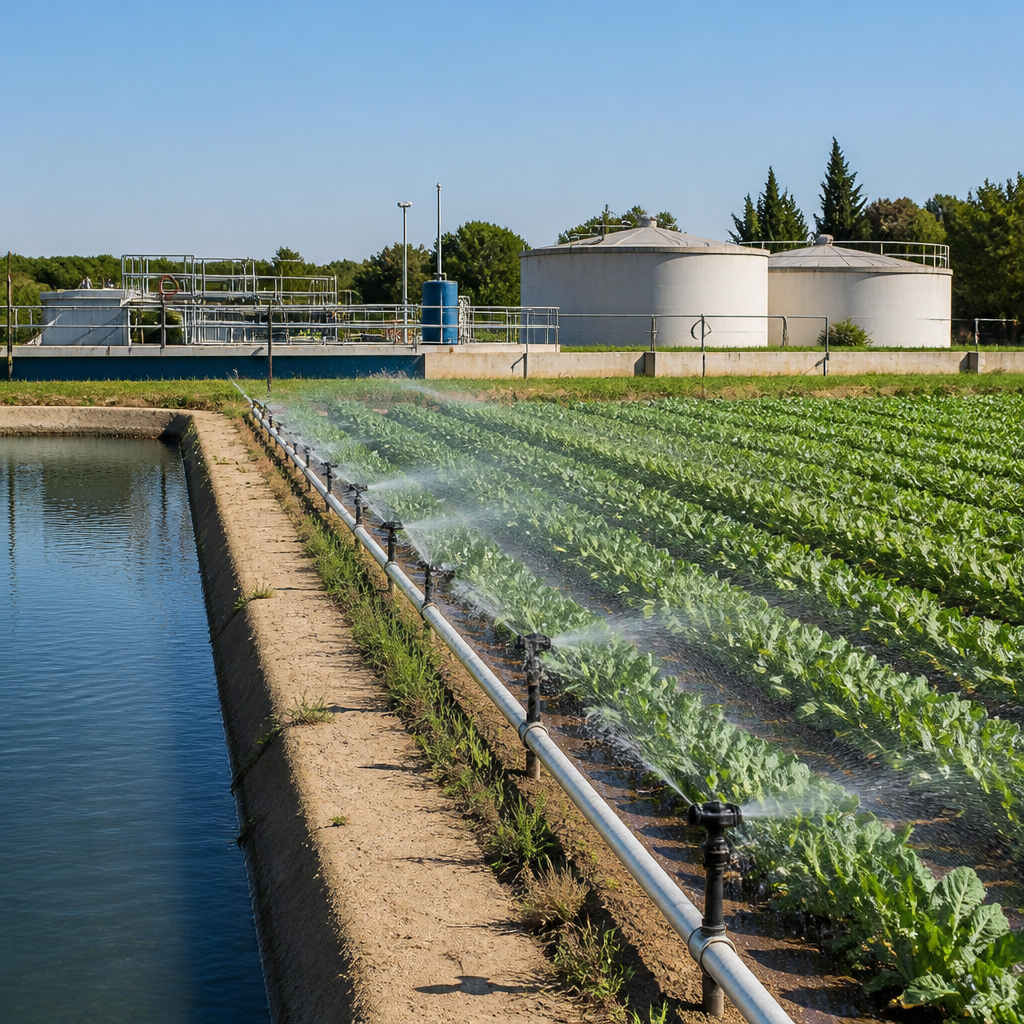
Well-run EcoSan offers distinct sustainability benefits. It can lower freshwater consumption compared with flush systems, reduce nutrient discharge into rivers, support circular economy goals, and provide sanitation where sewer expansion is unrealistic. However, the resource recovery promise must never outrun pathogen control. Untreated or inadequately treated excreta applied to crops can spread Ascaris, Salmonella, norovirus, and other hazards. The defining standard for successful EcoSan is not whether nutrients are reused; it is whether reuse occurs only after validated treatment and with exposure barriers appropriate to the crop, worker, and community setting.
Safety Risks and Control Measures in EcoSan Systems
The core safety risks in EcoSan arise at four points: user contact, storage failure, handling during emptying or transport, and unsafe reuse. User contact risks include contaminated surfaces, poor anal cleansing arrangements, and incorrect urine diversion that wets fecal chambers and slows dehydration. Storage failures include cracked vaults, insect access, runoff entry, and groundwater intrusion. Emptying risks are often underestimated; workers can inhale dust, contact fresh material because retention periods were not respected, or spread contamination with poorly cleaned tools.
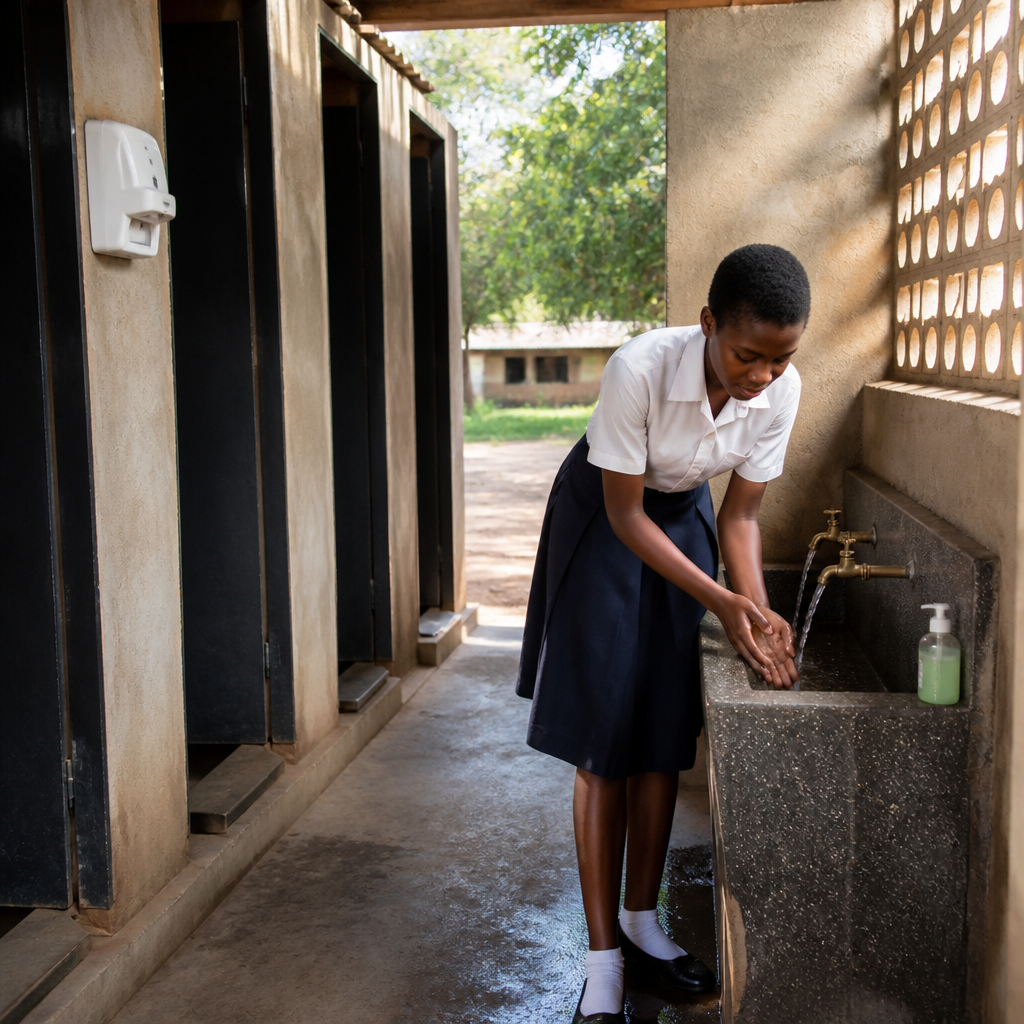
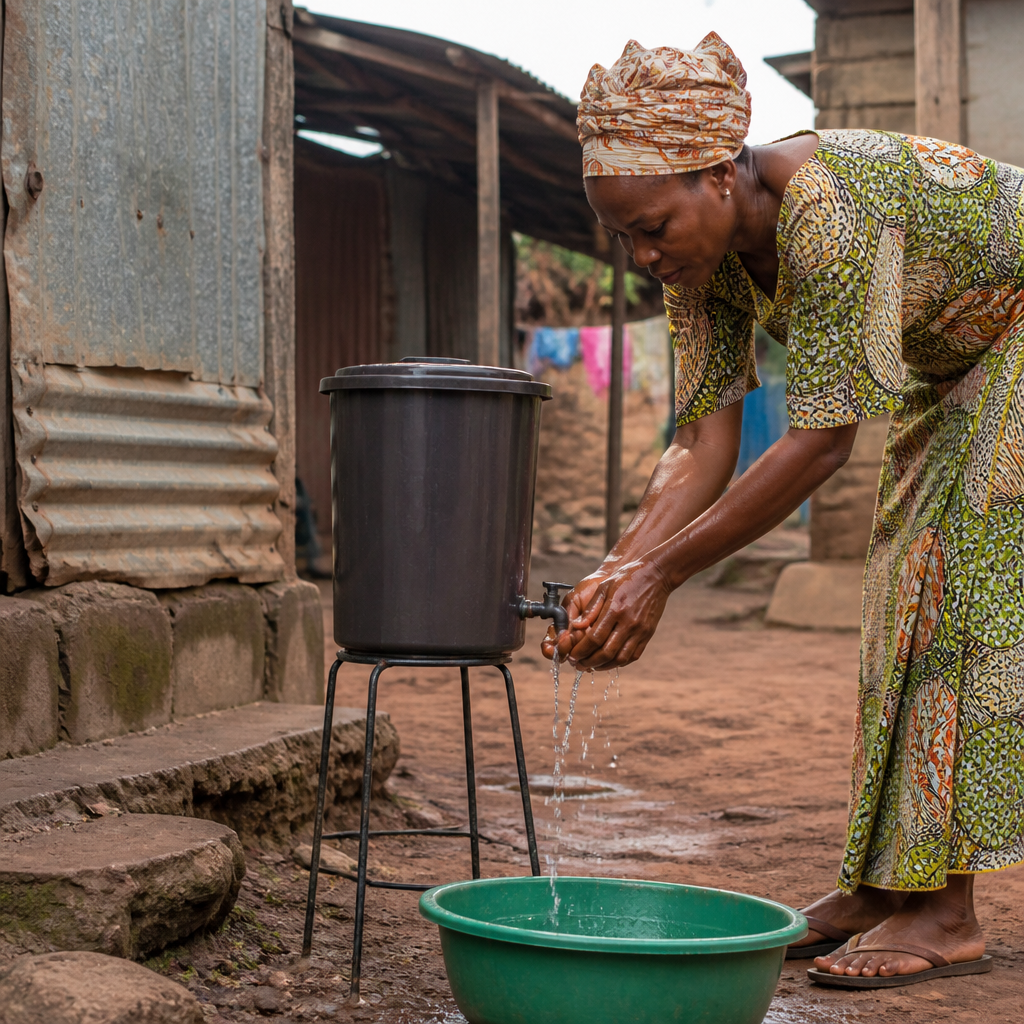
Control measures must be explicit, routine, and verifiable. Toilets need washable surfaces, clear signage, lids or covers where required, and handwashing stations with soap or ash and water nearby. Vaults or containers need weather protection, vector control, and separation from stormwater. Workers need personal protective equipment appropriate to the task, including gloves, boots, and sometimes masks or eye protection, plus vaccination policies where available and incident reporting. Most important, treatment targets need to be defined. Time, temperature, pH elevation, dehydration, and composting are not abstract ideas; they are measurable conditions that determine pathogen reduction.
| EcoSan component | Main outbreak risk | Primary control measure | Practical example |
|---|---|---|---|
| Urine-diverting toilet | Cross-contamination between urine and feces | User training and routine inspection of diversion plate | School caretaker checks bowls daily and corrects misuse signs |
| Feces vault or container | Pathogen survival due to excess moisture | Dry cover material, sealed access, retention time control | Households add ash after each use and log chamber closure dates |
| Collection and transport | Worker exposure and spills | Sealed containers, PPE, disinfection protocol | Container-based service swaps full units weekly with tracked routes |
| Treatment and reuse | Application of insufficiently treated material | Validated treatment and crop restrictions | Treated product used only for timber trees until lab results confirm safety |
Programs that perform well typically combine engineering controls with administrative controls. Engineering keeps hazards contained. Administrative measures make good practice repeatable through training, supervision, standard operating procedures, and recordkeeping. When municipalities ask whether EcoSan is safe, the correct answer is that it is safe only when these controls are funded and enforced. The toilet itself is just one component of a managed public health service.
Designing for Sustainability Without Creating New Hazards
Sustainability in EcoSan is often discussed in terms of water savings and nutrient recovery, but durable sustainability also includes affordability, usability, gender responsiveness, climate resilience, and manageable maintenance burdens. A toilet that saves water but is rejected by users will not prevent disease. A resource recovery system that depends on laboratory testing unavailable locally may not scale responsibly. During project reviews, I look first at daily operability: can users understand the interface, can caretakers clean it, can spare parts be sourced, and can treatment outputs be managed during rainy seasons?
Water efficiency is a strong advantage. Urine-diverting dry toilets and composting systems can operate with little or no flushing, which is valuable in arid regions and where piped supply is unreliable. Yet dry systems demand strong moisture management. If roofs leak or users wash pans with excess water, decomposition changes, odor rises, and pathogens may persist longer. Ventilation, roof overhangs, chamber slope, and drain detailing are therefore sustainability features and safety features at the same time.
Nutrient recovery deserves equal nuance. Human urine can be a useful fertilizer because it contains plant-available nitrogen, but storage guidance, dilution practice, local regulations, and crop choice matter. Fecal compost or dried material must meet treatment benchmarks before land application. Reuse should prioritize low-exposure uses when uncertainty remains, such as forestry, ornamentals, or soil restoration rather than raw-eaten crops. Sustainable sanitation is not a shortcut around treatment; it is a disciplined approach that matches reuse ambition to proven risk reduction and community capacity.
Implementation, Monitoring, and Governance
Outbreak prevention depends as much on management as on hardware. The most effective sanitation programs define who owns each step of the chain, how failures are reported, and what indicators trigger corrective action. For EcoSan, that means written cleaning schedules, chamber closure dates, retention times, vector inspections, sludge or container tracking, worker training logs, and community feedback channels. In schools and clinics, named custodians and backup supplies are essential. Shared accountability prevents the familiar problem where infrastructure exists but nobody maintains it.
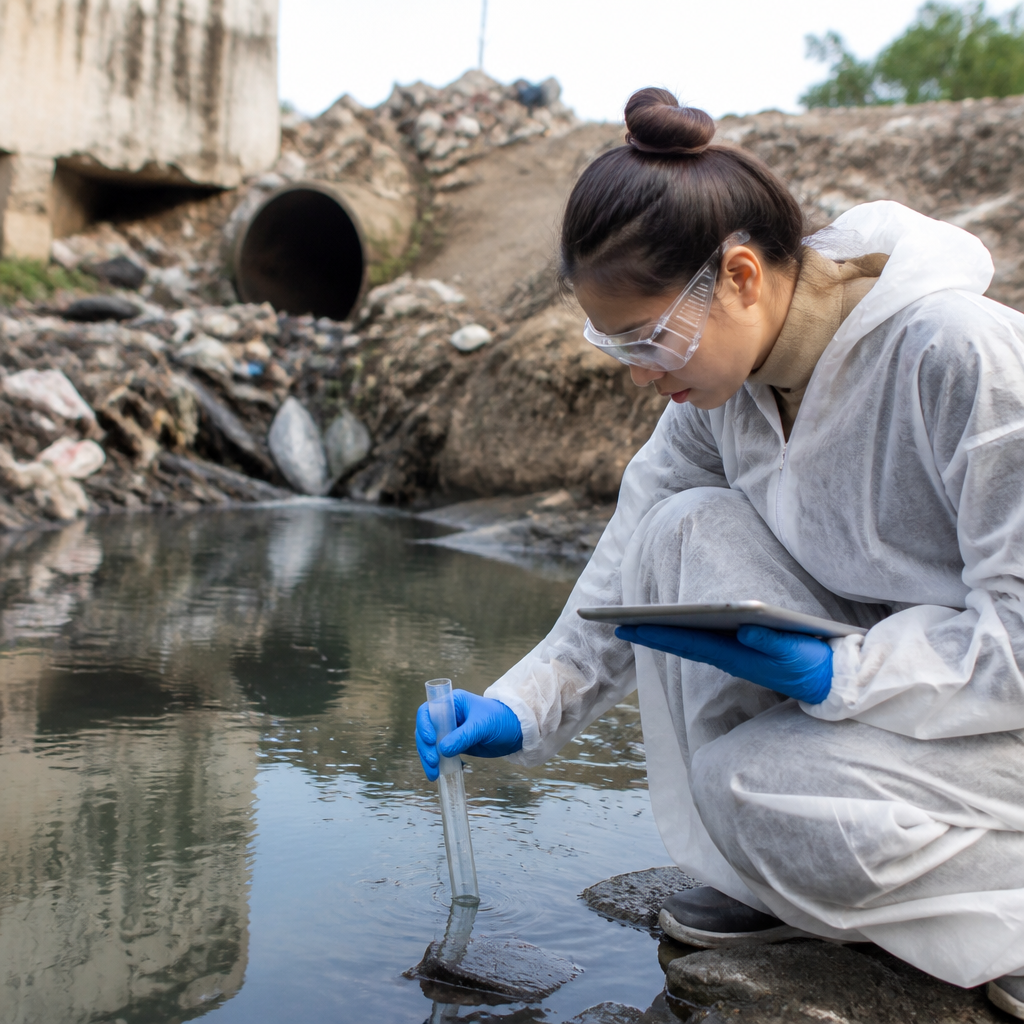
Monitoring should combine simple field checks with periodic technical review. Field checks include odor, visible moisture, fly presence, handwashing functionality, queue times, and whether users understand separation instructions. Technical review may include moisture content, temperature records for composting, pH where alkaline treatment is used, and laboratory testing when products are intended for agricultural use. Hazard Analysis and Critical Control Point thinking, sanitation safety planning, and local public health inspection protocols are useful frameworks because they force teams to identify where contamination can occur and how it will be prevented or detected.
Governance determines whether systems survive beyond pilot status. Municipal bylaws, building standards, agricultural reuse rules, occupational safety requirements, and environmental permits all shape implementation. Strong programs align sanitation departments, health authorities, schools, water utilities, and farmer groups rather than leaving EcoSan isolated as a niche innovation. Financing matters too. User fees, service contracts, results-based subsidies, and maintenance budgets should cover recurring costs, not just construction. Many sanitation failures begin when capital grants end and no one has funded cleaning materials, replacement parts, transport, or safe treatment capacity.
Where This Hub Leads Next
As a hub article under Health and Safety, this page frames the full Safety and Sustainability in EcoSan topic. The next level of content should go deeper into urine-diverting toilet design, composting and dehydration science, pathogen die-off factors, sludge and container logistics, worker protection protocols, school and healthcare sanitation, monitoring indicators, regulatory compliance, and agricultural reuse restrictions. Readers evaluating projects should also explore climate adaptation, groundwater protection, behavior change communication, and lifecycle cost analysis. Those subjects deserve their own detailed pages because each one can determine whether an EcoSan program prevents disease or unintentionally spreads it.
The main takeaway is clear. Sanitation prevents disease outbreaks by interrupting transmission routes before pathogens reach water, food, hands, soil, and surfaces. EcoSan can strengthen that protection while conserving water and recovering nutrients, but only when safety controls guide every design and operating decision. If you are planning, upgrading, or auditing a sanitation system, start with the full service chain, verify treatment and handling steps, and build sustainability around proven public health safeguards.
Frequently Asked Questions
Why is sanitation considered one of the most important defenses against disease outbreaks?
Sanitation is one of the most important defenses against disease outbreaks because it interrupts the pathways pathogens use to spread from one person to another. Bacteria, viruses, and parasites often move through human waste, wastewater, contaminated hands, unsafe surfaces, insects, food, and drinking water. When sanitation systems are strong, waste is safely contained, removed, treated, and kept away from homes, schools, healthcare spaces, and food preparation areas. That breaks the chain of transmission before an infection can spread widely through a community.
In practical public health terms, sanitation is much more than having toilets. It includes latrines, sewer systems, septic systems, drainage, wastewater treatment, safe sludge management, solid waste collection, cleaning protocols, and the daily behaviors that keep people from being exposed to contamination. If even one part of that system fails, pathogens can move quickly. A leaking pipe, overflowing toilet, blocked drain, uncollected waste pile, or poorly cleaned shared facility can create repeated exposure points that turn a local problem into a larger outbreak risk.
This is especially true for diarrheal diseases, cholera, typhoid, hepatitis A, intestinal parasites, and other infections linked to fecal contamination. Good sanitation lowers environmental contamination, reduces disease burden, protects vulnerable populations, and supports the effectiveness of other public health measures such as vaccination, safe water access, food hygiene, and infection prevention practices. In short, sanitation works as a front-line barrier that keeps dangerous organisms from circulating in the places where people live and gather.
How does poor sanitation contribute to the rapid spread of infectious diseases?
Poor sanitation contributes to rapid disease spread by allowing infectious material to remain in the environment long enough to reach new hosts. When human waste is not safely contained and treated, pathogens can contaminate soil, water sources, hands, surfaces, and food. In crowded settings, that contamination can spread very quickly. A single failure, such as wastewater backing up into living areas or fecal matter washing into a shared water source, may expose dozens or even hundreds of people in a short period of time.
The spread often follows predictable routes. People may drink contaminated water, prepare food with dirty hands, use unsanitary shared toilets, or touch contaminated surfaces and then touch their mouths. Flies and other pests can also carry pathogens from exposed waste to food and household surfaces. During heavy rain or flooding, poor drainage and unmanaged waste can widen the contamination area even further, carrying disease-causing organisms into wells, storage containers, markets, and public gathering spaces.
What makes poor sanitation particularly dangerous is that it can create repeated cycles of exposure. If a community lacks reliable toilets, safe wastewater disposal, and routine cleaning, people are not exposed just once. They may face contamination every day at home, at school, at work, or in care facilities. That repeated exposure increases infection rates and makes outbreaks harder to control. It also puts greater strain on healthcare systems, especially where resources are already limited. For that reason, sanitation failures should never be seen as simple maintenance issues; they are direct public health threats.
What sanitation measures are most effective for preventing outbreaks in communities and facilities?
The most effective sanitation measures are the ones that consistently separate people from waste and contamination at every stage. That starts with access to safe, usable toilets or latrines that are properly designed, regularly cleaned, and available to everyone who needs them. From there, waste must be safely contained and moved through systems such as sewers, septic tanks, or fecal sludge services without leaking into the environment. Treatment is equally important, because simply moving waste elsewhere does not remove the outbreak risk unless it is properly processed and disposed of or safely reused.
In community settings, outbreak prevention also depends on drainage, wastewater control, and solid waste management. Standing water, blocked drains, open dumping, and unmanaged waste piles all increase opportunities for contamination and pest activity. Reliable waste collection, safe disposal sites, and well-maintained drainage systems reduce those risks substantially. In facilities such as schools, clinics, food businesses, shelters, and workplaces, cleaning and disinfection routines are critical. High-touch surfaces, toilets, handwashing areas, and waste handling points need structured schedules, clear responsibilities, and adequate supplies.
Hand hygiene infrastructure is another essential measure because sanitation and handwashing work together. Even strong infrastructure can be undermined if people do not have soap, water, or hand-cleaning stations in the right places. The most effective programs combine physical systems with training, supervision, maintenance planning, and accountability. In outbreak prevention, success rarely comes from one intervention alone. It comes from a sanitation chain that functions reliably from containment to treatment, supported by everyday behaviors that reduce exposure.
Why are sanitation failures especially dangerous in healthcare settings, schools, and densely populated areas?
Sanitation failures are especially dangerous in these settings because they combine high exposure potential with large numbers of people who share spaces, surfaces, and facilities. In healthcare settings, patients may already be ill, immunocompromised, injured, or otherwise more vulnerable to infection. If toilets are unsanitary, wastewater systems are compromised, cleaning procedures are inconsistent, or medical and general waste are poorly handled, pathogens can spread not only among patients but also to staff, visitors, and the wider community. In those environments, sanitation is a core part of infection prevention and control, not a secondary support service.
Schools face similar risks because many children use the same toilets, sinks, classrooms, and eating spaces every day. When sanitation is poor, children may avoid toilets, fail to wash hands properly, or come into repeated contact with contaminated surfaces. That increases the spread of gastrointestinal illnesses, skin infections, and other communicable diseases. It also affects attendance, concentration, and overall wellbeing. For girls, inadequate sanitation can create additional barriers related to privacy, safety, and menstrual hygiene management, which further affects health and participation.
In densely populated areas, the main challenge is scale. More people produce more waste, use more shared infrastructure, and create more chances for system overload. A blocked sewer, broken communal toilet, or interrupted waste collection service can affect a large population very quickly. Crowding also makes it harder to isolate contamination once it appears. That is why sanitation planning in high-density environments must include maintenance capacity, emergency response procedures, backup systems, and frequent monitoring. In all of these settings, small sanitation failures can have outsized consequences.
What role do behavior, maintenance, and public health planning play in sanitation-based outbreak prevention?
Behavior, maintenance, and public health planning are what turn sanitation infrastructure into real outbreak protection. A community may have toilets, drains, and waste systems in place, but if facilities are not used correctly, cleaned routinely, repaired quickly, and monitored consistently, the protective value drops sharply. Safe sanitation depends on everyday actions such as proper toilet use, handwashing after contact with waste, safe cleaning methods, correct waste segregation, and prompt reporting of leaks, overflows, and damaged equipment.
Maintenance is often the overlooked factor. Systems fail when tanks are not emptied, pipes are not inspected, drains are not cleared, cleaning supplies run out, or shared facilities are left without oversight. Preventive maintenance is far more effective than emergency response because it addresses weaknesses before they become exposure events. This includes regular inspections, service schedules, clear roles for staff or contractors, spare equipment, and documented cleaning and repair procedures. In outbreak-sensitive environments, maintenance should be treated as a health protection function, not just an operational task.
Public health planning ties everything together by identifying risks before they escalate. Strong planning includes sanitation mapping, hazard assessments, response protocols for spills and backups, contingency plans for floods or service interruptions, and coordination between health authorities, utilities, facility managers, and waste service providers. It also includes public education so people understand how disease transmission happens and why sanitation rules matter. When infrastructure, behavior, maintenance, and planning are aligned, sanitation becomes a highly effective outbreak prevention strategy. When they are disconnected, even well-built systems can fail under pressure.