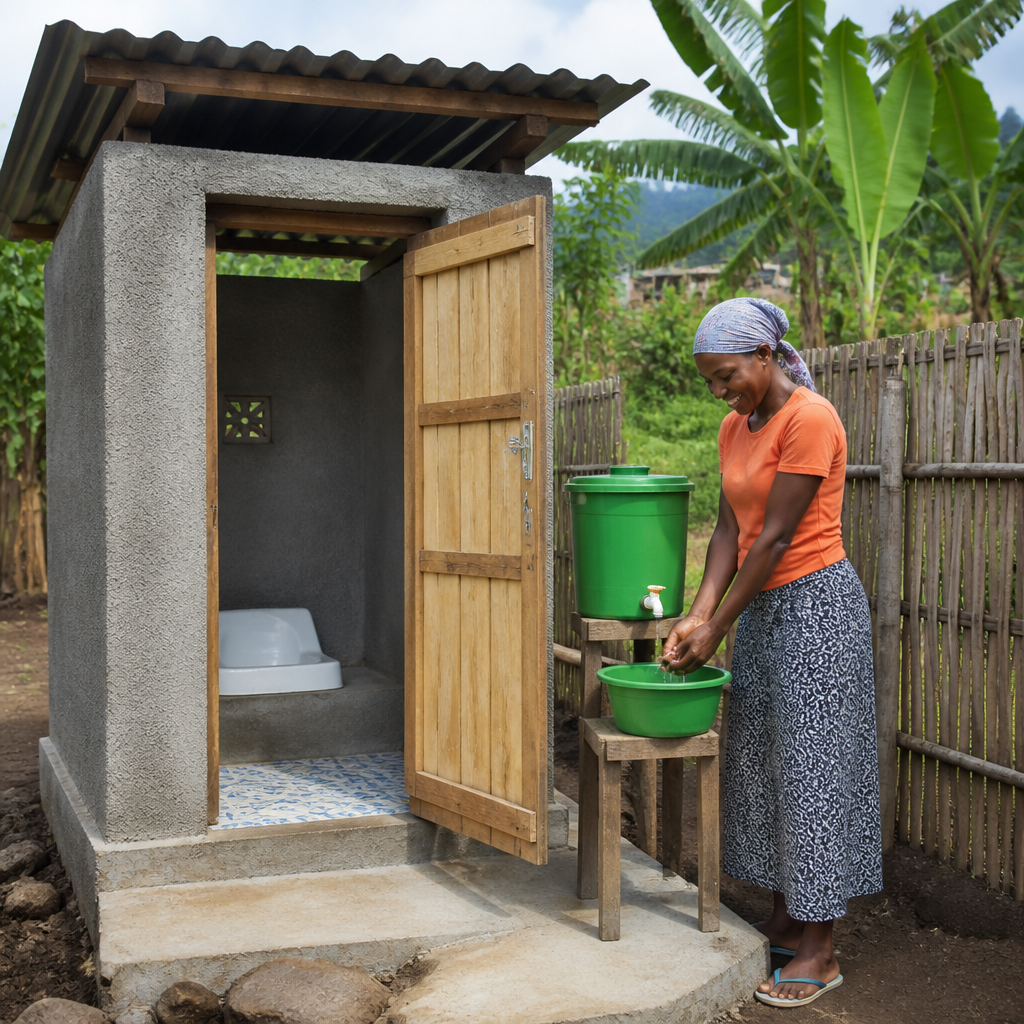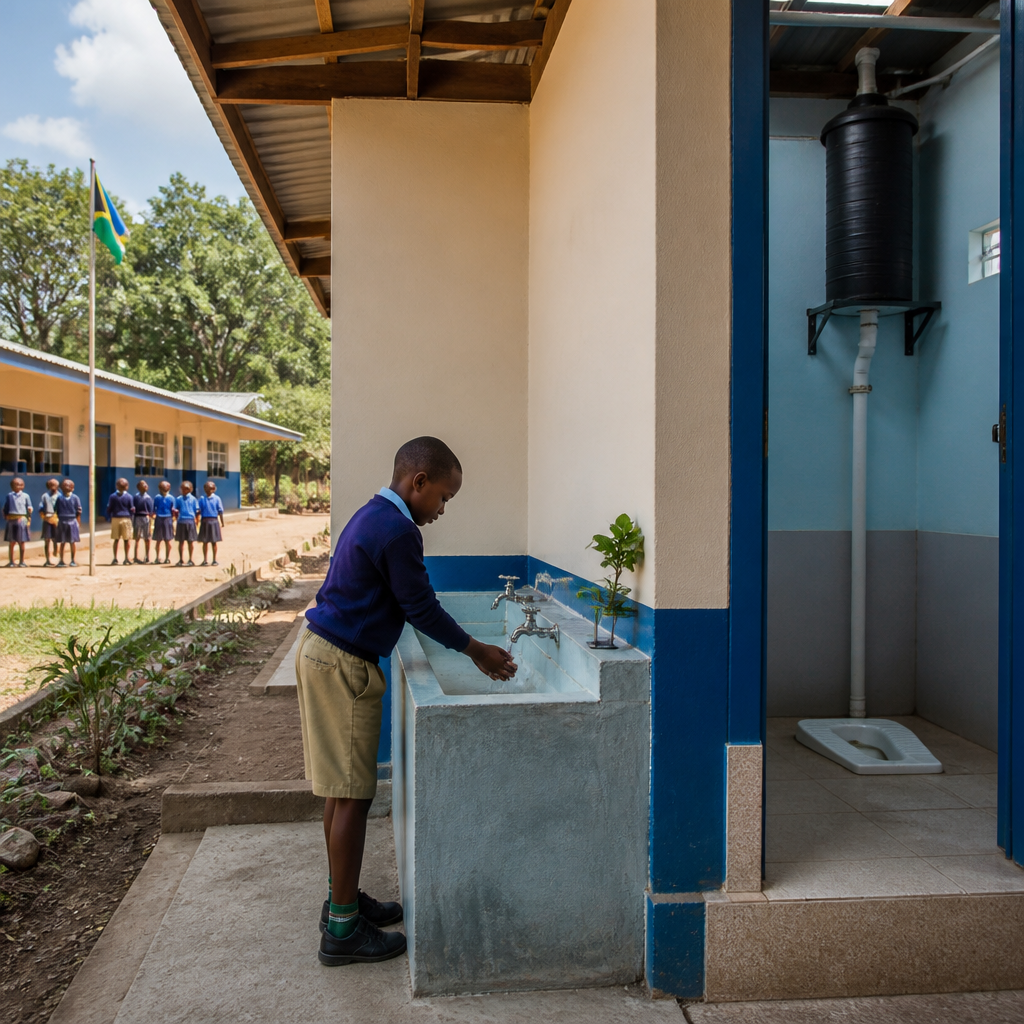
EcoSan in schools creates sanitation systems that protect student health, conserve resources, and reduce environmental harm at the same time. The term EcoSan, short for ecological sanitation, describes approaches that treat human waste as a resource to be safely managed, transformed, and reused rather than simply flushed away. In a school setting, that usually means urine-diverting toilets, composting toilets, handwashing stations, greywater reuse, and maintenance routines designed to break disease transmission. I have seen schools improve attendance, odor control, and cleaning efficiency when these systems are planned around real student behavior instead of idealized engineering drawings.
This matters because school sanitation affects far more than comfort. Unsafe toilets increase diarrheal disease, intestinal worm infections, urinary tract problems from delayed toilet use, and absenteeism, especially for girls managing menstruation. The World Health Organization and UNICEF have long tied adequate water, sanitation, and hygiene services in schools to better health and improved educational outcomes. Sustainability also matters. Conventional sewered systems demand large volumes of water, costly pipes, and stable treatment capacity that many communities cannot guarantee. EcoSan offers alternatives that can work in water-scarce, off-grid, or budget-constrained campuses while supporting soil restoration and local resilience.
As a hub topic within health and safety, safety and sustainability in EcoSan must be treated together. A toilet that saves water but exposes users to pathogens has failed. A system that is hygienic but too expensive or complex to maintain will also fail over time. Effective school EcoSan balances pathogen control, child safeguarding, accessibility, operation and maintenance, climate suitability, and community acceptance. It also requires clear policies for cleaning, waste handling, menstrual hygiene support, and reuse. When these elements align, EcoSan in schools becomes practical infrastructure for healthier learning environments, not just an environmental experiment.
What Safety Means in School EcoSan Systems
Safety in school EcoSan starts with interrupting the fecal-oral route, the main pathway through which sanitation failures spread disease. That means the toilet interface must separate users from waste, the superstructure must be easy to clean, and handwashing must be available immediately after use. In practice, the safest school systems are not always the most technologically advanced. They are the ones with simple user instructions, durable surfaces, lockable doors, ventilation that reduces flies and odor, and maintenance access that does not force staff into unsafe contact with fresh waste. Every design decision should reduce exposure points for students, cleaners, and reuse workers.
Pathogen management is the core technical issue. Feces can contain bacteria, viruses, protozoa, and helminth eggs, and some organisms remain viable for long periods if storage conditions are poor. Urine is usually lower risk than feces, but it still requires controlled handling and secure storage. Separation is therefore valuable. Urine-diverting dry toilets keep liquids and solids apart, helping reduce odor, insect activity, and excess moisture that slows treatment. For fecal material, dehydration, composting, alkaline treatment, or extended storage can lower pathogen levels when conditions are correct. However, treatment claims should never replace routine monitoring, protective equipment, and restricted access to processing areas.
Child safety includes more than microbiology. School toilets need non-slip floors, adequate lighting, privacy latches that can be opened in emergencies, and cubicle dimensions suitable for younger children. Girls need bins, washing water where culturally appropriate, and discreet menstrual hygiene facilities. Students with disabilities need accessible pathways, grab bars, sufficient turning radius, and usable handwashing points. I have found that campuses often undermine excellent sanitation hardware by neglecting these details. When students feel unsafe, embarrassed, or excluded, they avoid the toilet, and that avoidance creates both health risks and discipline problems in the classroom.
Designing EcoSan for Sustainability and Daily Use
Sustainability in school EcoSan means the system can function reliably over years with available money, skills, climate conditions, and management capacity. Water efficiency is often the first advantage. Dry or low-water systems reduce dependence on unreliable municipal supply and lower costs for pumping and storage. They also avoid overloading septic tanks or poorly managed drains. Yet long-term sustainability is broader than water savings. Schools need local access to spare parts, trained caretakers, affordable cover materials such as ash or sawdust, and realistic emptying schedules. A design that depends on imported components or specialist servicing usually becomes neglected infrastructure.
Site conditions strongly influence the right option. High groundwater areas may favor above-ground urine-diverting systems because they reduce contamination risks compared with deep pits. Arid regions often benefit from dry toilets and urine capture because every liter of water saved matters. Cooler climates may require longer composting or storage periods because biological activity slows. Dense urban schools may need sealed containment and off-site treatment because land for safe reuse is limited. Good planning starts with a sanitation mapping exercise: student numbers by age and gender, peak break-time demand, water availability, soil conditions, cleaning staff capacity, and nearby areas suitable for treatment or reuse.
User-centered design is what turns a sustainable concept into a workable school facility. Toilets must be intuitive. If students need complicated steps to separate urine, add cover material, or close lids correctly, misuse will rise. Signage with pictures helps younger users and multilingual communities. Vent pipes should be placed to maximize draft and minimize smell near classrooms. Handwashing points should be visible, supplied with soap, and connected to drainage that does not create muddy mosquito breeding zones. In several school projects, the most successful improvement was not a new toilet block alone but combining the toilet, handwashing, and cleaning store into one operational system.
Comparing Common EcoSan Approaches for Schools
School decision-makers usually choose among a small number of sanitation models, each with distinct safety and sustainability implications. The best choice depends on context, not ideology. Below is a practical comparison I use when assessing school options with administrators, engineers, and public health staff.
| System | Main Strength | Main Risk | Best-Fit School Context |
|---|---|---|---|
| Urine-diverting dry toilet | Very low water use, supports nutrient recovery | Misuse of urine separation and poor solids drying | Water-scarce or off-grid campuses with trained caretakers |
| Composting toilet | On-site stabilization of solids when managed well | Moisture imbalance, odor, incomplete pathogen reduction | Schools with space, supervision, and regular maintenance routines |
| Twin-vault system | Alternating chambers allow storage and safer removal | Incorrect switching between vaults | Medium-size schools needing predictable emptying cycles |
| Pour-flush to septic or treatment unit | Familiar user experience and easier behavior adoption | Higher water demand and sludge management failures | Schools with stable water supply but limited sewer access |
No system is self-sustaining. Urine-diverting toilets often outperform pits in cleanliness when supervision is strong, but they fail quickly if students throw solid waste into the urine bowl or if staff stop adding dry cover material. Composting toilets are often marketed as low-maintenance, yet they require consistent moisture control, aeration, and removal protocols. Pour-flush systems feel familiar to users, which can improve acceptance, but they shift the risk downstream to septic overflow, infiltration failure, or unsafe desludging. The responsible decision is to match technical complexity to actual school management capacity, not to a brochure.
Operation, Maintenance, and Risk Control
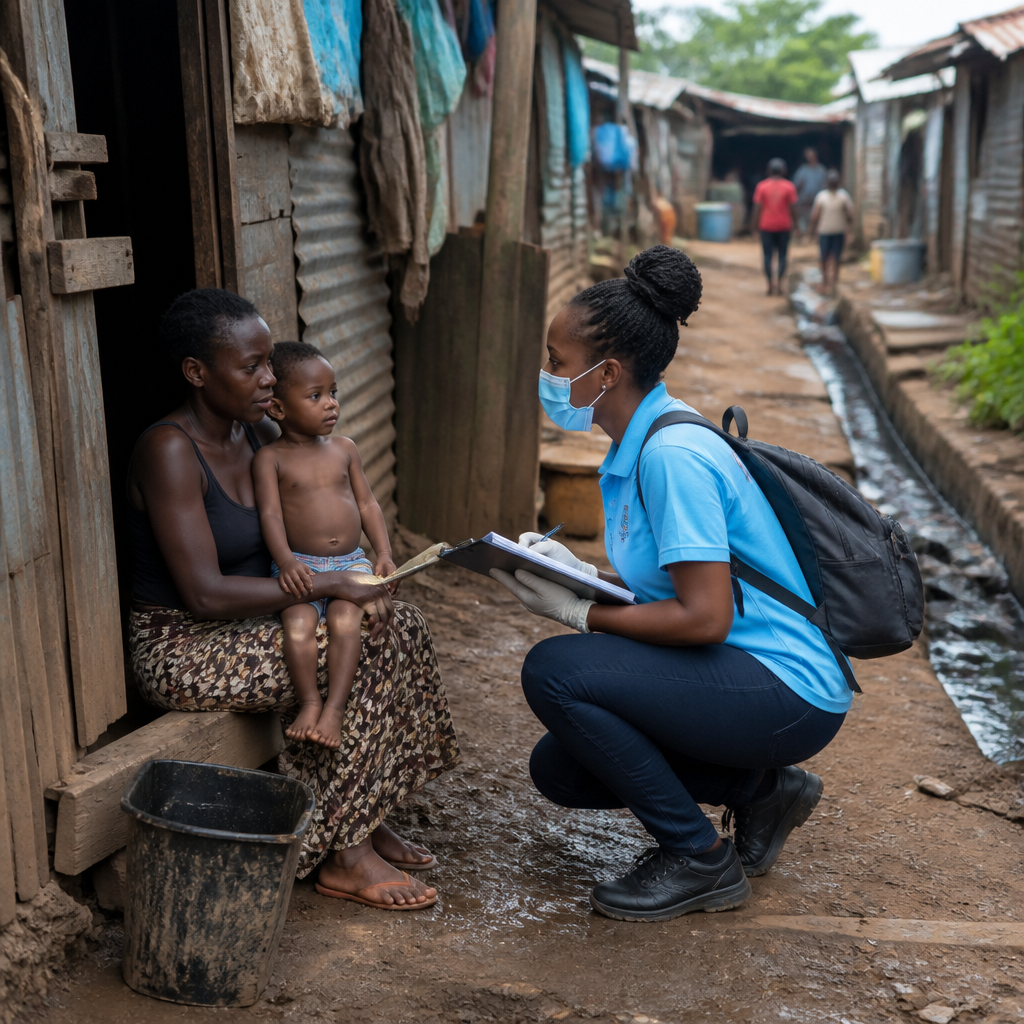
The difference between a safe school toilet and an unsafe one is usually not design alone but daily management. A written operation and maintenance plan should specify cleaning frequency, approved disinfectants, cover material restocking, inspection points, vault switching dates, pest control checks, and emergency contacts. Cleaning staff need training that covers both hygiene and system mechanics. In schools where I have audited sanitation blocks, the most common weaknesses were missing checklists, no spare gloves, no designated place to wash cleaning tools, and no one clearly responsible for monitoring fill levels. Those are management failures, not engineering mysteries.
Protecting workers is essential. Anyone handling stored waste, blocked pipes, compost chambers, or urine containers should use gloves, boots, and where splashes are possible, eye and face protection. Handwashing after maintenance is non-negotiable. Tools used for waste handling should be separated from food service or classroom cleaning tools. If fecal material is removed on site, schools should establish exclusion zones so students cannot wander into treatment or storage areas. Occupational safety rules vary by country, but the principle is universal: children should never be asked to empty pits, vaults, or compost chambers, and informal hazardous labor must be prohibited.
Monitoring turns assumptions into evidence. Schools can track toilet usability, soap availability, odor complaints, absenteeism related to gastrointestinal illness, and maintenance response time. For larger programs, local health departments or implementing partners may also inspect effluent quality, storage duration, or compost maturity depending on the system. Simple indicators are powerful. If one block is routinely out of soap, if girls avoid certain cubicles, or if urine pipes clog every month, the system is sending clear operational signals. Responding quickly prevents minor issues from becoming health hazards or expensive rehabilitation projects.
Resource Recovery, Reuse, and Environmental Protection
A defining feature of EcoSan is resource recovery, but reuse in schools must be conservative, well-controlled, and aligned with public health guidance. Urine contains nitrogen, phosphorus, and potassium that can support plant growth, while treated fecal material can contribute organic matter to soils if pathogen reduction targets are met. The logic is strong: nutrients excreted by people do not need to become pollutants in waterways. Still, school programs should never romanticize reuse. Treatment, storage time, application method, crop selection, and supervision determine whether reuse is beneficial or risky.
Safer reuse usually starts with non-food applications. Many schools use treated outputs for tree planting, ornamental landscaping, or demonstration gardens rather than crops eaten raw. This reduces exposure and makes the educational value visible. Standards differ by jurisdiction, but guidance from organizations such as WHO emphasizes multiple barriers: treatment, restricted crop choice, protective handling, controlled timing, and preventing direct student contact with untreated material. Urine may be diluted or applied directly to soil depending on local protocol and crop needs, but it should never be splashed where children play. Compost or dehydrated solids should be mature, stable, and handled with tools.
Environmental protection extends beyond reuse. Poorly designed sanitation can contaminate groundwater, create vector breeding sites, and release odors that make neighboring classrooms unusable. EcoSan reduces those risks when containment is sound and water flows are managed. Greywater from handwashing can support landscaping if soaps and drainage are considered properly, but stagnant basins invite mosquitoes. Cover materials such as ash can help dryness and odor control, yet overuse may affect compost quality. The best school EcoSan systems treat sanitation, drainage, landscaping, and waste management as one campus ecology rather than disconnected facilities.
Governance, Training, and Community Buy-In
School EcoSan succeeds when governance is clear. Administrators need budgets for consumables, repairs, and periodic emptying. Teachers need age-appropriate hygiene education built into school routines. Student clubs can support monitoring, but they should not replace adult accountability. Caretakers need authority to report faults early and request materials before stocks run out. Parents and community leaders should understand how the system works, especially where reuse or dry toilets differ from familiar sewered toilets. Resistance usually comes from uncertainty, not stubbornness. When schools explain the health rationale and show clean, functional facilities, acceptance rises noticeably.
Training should be role-specific. Younger pupils need basic toilet use, handwashing, and respect for facilities. Older students can learn why urine diversion matters, how nutrients cycle, and why littering pads or plastics into toilets causes blockages. Cleaners need procedural training and safe handling protocols. School leaders need procurement and oversight skills. Engineers and masons need quality control standards during construction, because small defects in slope, joints, or ventilation create years of maintenance trouble. Refresher training matters because staff turnover is constant. One launch-day workshop is never enough for infrastructure expected to last a decade.
EcoSan also works best when linked to broader school health and sustainability goals. A campus garden using safely treated outputs can support science lessons. Water-saving sanitation can complement drought planning. Better toilets can strengthen menstrual health programs and reduce bullying associated with poor facilities. If your school is reviewing sanitation options, start with a practical audit of user needs, risks, maintenance capacity, and local regulations. Then choose the simplest system that meets health, safety, and sustainability requirements. Done well, EcoSan in schools protects learners today while teaching responsible resource stewardship for the future.
Frequently Asked Questions
1. What is EcoSan, and why is it important in schools?
EcoSan, or ecological sanitation, is an approach to sanitation that protects health while also conserving water, recovering nutrients, and reducing pollution. Instead of treating human waste as something to be discarded immediately, EcoSan systems are designed to manage it safely, break disease transmission pathways, and in many cases transform it into useful resources such as compost or soil amendments. In schools, this matters because sanitation directly affects student attendance, concentration, dignity, and overall well-being. When toilets are unsafe, unclean, or unreliable, students may avoid using them, miss class time, or even stay home altogether.
EcoSan is especially valuable in school environments because it supports both public health and practical operations. Features such as urine-diverting toilets, composting toilets, handwashing stations, and greywater reuse systems can help schools reduce water demand, lower strain on sewer infrastructure, and create more resilient sanitation services in areas where conventional flush systems are expensive or difficult to maintain. At the same time, these systems can be used to teach students about hygiene, environmental stewardship, nutrient cycles, and sustainable resource management. In short, EcoSan helps schools create healthier learning environments while also building habits and awareness that benefit communities in the long term.
2. How do EcoSan systems help create healthier learning environments for students and staff?
EcoSan systems contribute to healthier learning environments by addressing one of the most important foundations of school health: safe sanitation and hygiene. Well-designed systems separate waste, support hygienic handling, and reduce contact with pathogens that can spread illnesses such as diarrhea, intestinal infections, and other sanitation-related diseases. When combined with handwashing stations, soap access, cleaning schedules, and clear user instructions, EcoSan can significantly reduce the risk of contamination in toilets and surrounding areas. That means fewer health disruptions for students and staff and a cleaner, safer campus overall.
Healthy school sanitation also has a strong impact on comfort, dignity, and learning outcomes. Clean, private, accessible toilets encourage regular use and reduce stress, especially for younger children and menstruating students who need dependable facilities during the school day. Better sanitation can improve attendance by removing a common reason students stay home or leave school early. It can also support staff productivity and morale by creating a more professional, safe environment. Importantly, EcoSan does not just focus on the toilet itself; it includes the full system of hygiene behavior, maintenance, water use, and waste treatment. That systems-based approach is what makes it so effective in helping schools maintain environments where students can focus on learning rather than coping with preventable sanitation problems.
3. What types of EcoSan features are commonly used in schools?
Schools often adopt a combination of EcoSan features based on their climate, water availability, budget, and maintenance capacity. One common option is the urine-diverting toilet, which separates urine and feces at the source so each can be managed more safely and efficiently. This separation can reduce odor, improve drying or composting conditions, and make nutrient recovery easier where regulations and local practices allow. Composting toilets are another widely recognized EcoSan solution, particularly in areas where water is scarce or sewer connections are unavailable. These systems are designed to contain and biologically process waste over time, helping reduce pathogen risks when they are properly managed.
Beyond toilets, school EcoSan programs often include handwashing stations located close to sanitation blocks so students can wash their hands immediately after use. Greywater reuse systems may also be installed to capture water from handwashing or other low-contamination sources for uses such as irrigation, depending on local safety guidelines. Ventilation features, drainage improvements, durable cleaning surfaces, and organized maintenance routines are equally important parts of an effective EcoSan setup. In many schools, the best results come from combining hardware with management practices such as student hygiene education, caretaker training, regular inspections, supply tracking, and clear rules for safe operation. EcoSan is not one single technology; it is a practical framework that brings together infrastructure, behavior, and resource-conscious design.
4. Are EcoSan school toilets difficult to maintain?
EcoSan school toilets are not necessarily difficult to maintain, but they do require consistent, informed management. The key difference is that maintenance must match the system design. For example, a urine-diverting or composting toilet cannot be treated exactly like a conventional flush toilet. Staff and users need to understand how the system works, what materials should and should not go into it, how often chambers should be checked, and how cleaning should be performed without disrupting treatment processes. When maintenance routines are clearly defined and staff are properly trained, EcoSan systems can be reliable and efficient.
In fact, many maintenance challenges are preventable through planning. Schools benefit from assigning specific responsibilities, setting cleaning and inspection schedules, keeping spare parts and supplies on hand, and monitoring issues such as odor, moisture, drainage, and user compliance. Student orientation also matters, because misuse can create avoidable problems. Signage, teacher reinforcement, and age-appropriate hygiene education can make a big difference in day-to-day performance. The most successful school EcoSan programs treat maintenance as an essential service rather than an afterthought. With regular oversight and realistic management plans, these systems can remain clean, safe, and cost-effective over time while delivering strong health and environmental benefits.
5. Can EcoSan in schools support sustainability and environmental education at the same time?
Yes, one of the strongest advantages of EcoSan in schools is that it supports both operational sustainability and hands-on learning. From an environmental perspective, EcoSan systems can reduce water consumption, lower wastewater discharge, minimize nutrient loss, and help prevent pollution of soil and water bodies. In places facing water scarcity, aging infrastructure, or limited sanitation access, these benefits are especially important. By managing waste more thoughtfully and recovering value where appropriate, schools can reduce their environmental footprint while improving sanitation resilience.
At the same time, EcoSan can serve as a practical teaching tool. Students can learn how sanitation affects health, how natural resource cycles work, why water conservation matters, and how communities can turn waste into safely managed resources through science-based systems. These lessons can connect with subjects such as biology, environmental science, public health, geography, and civic responsibility. When students see sustainability built into everyday school life, the concepts become more real and memorable. That educational value can also extend beyond the classroom, as students often share what they learn with families and communities. In this way, EcoSan helps schools do more than improve facilities; it helps them model responsible environmental practice and cultivate the next generation of informed, health-conscious citizens.