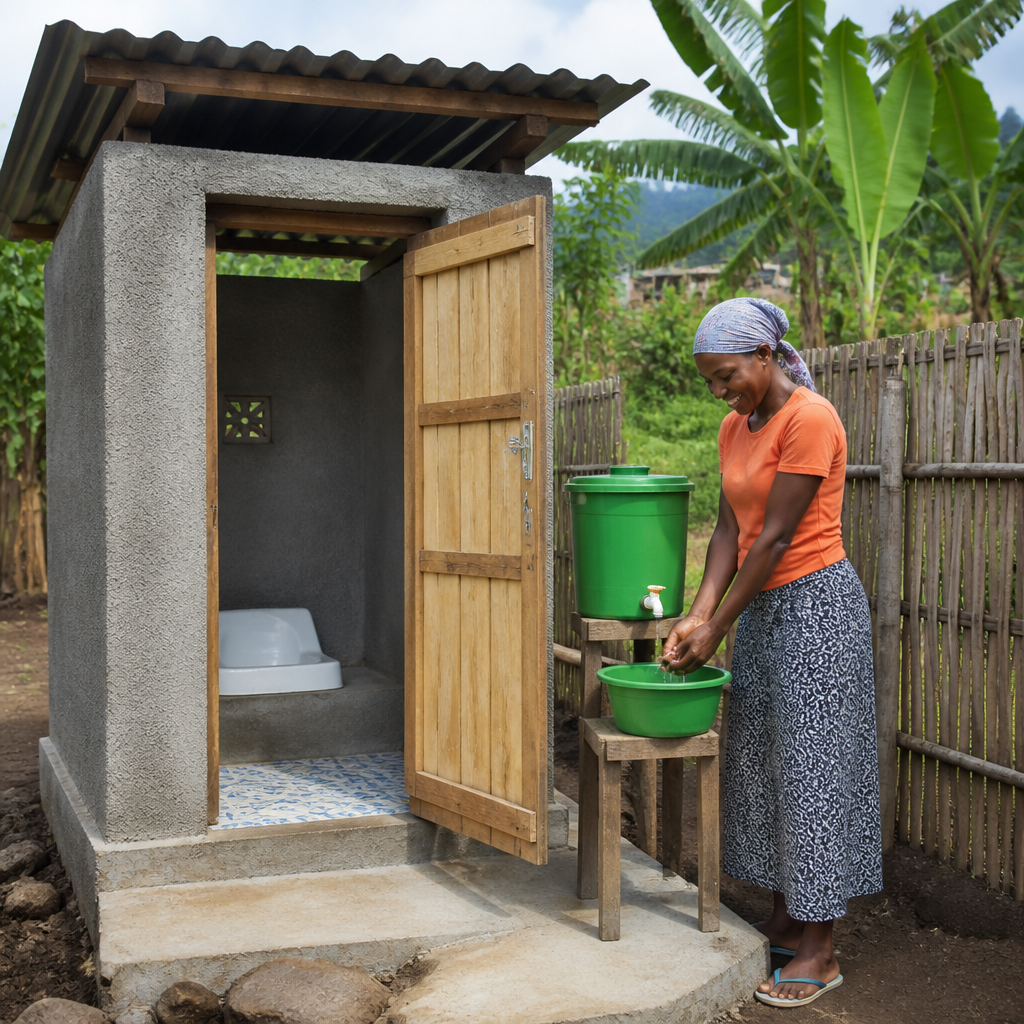
Building sustainable sanitation for disease prevention starts with a simple public health truth: when human waste is not safely contained, treated, and reused or disposed of, pathogens move quickly through water, soil, food, hands, insects, and air. In EcoSan, short for ecological sanitation, the goal is not only to isolate excreta but to manage nutrients, water, and hygiene in ways that protect people and ecosystems at the same time. Safety and wellness in EcoSan therefore covers toilet design, urine and feces separation, pathogen reduction, handwashing, cleaning practices, sludge handling, menstrual hygiene support, ventilation, worker protection, and community behavior. I have seen sanitation projects succeed only when these elements are planned together rather than as isolated hardware choices. This matters because diarrheal disease, helminth infections, cholera, typhoid, hepatitis A, and environmental contamination are still strongly linked to poor sanitation. Sustainable sanitation reduces exposure pathways, lowers long term operating costs, strengthens water security, and creates systems communities can actually maintain over years instead of months.
EcoSan is often misunderstood as any “green toilet.” In practice, it refers to sanitation systems designed around resource recovery and risk control. Common examples include urine-diverting dry toilets, composting toilets, dehydrating vaults, container-based sanitation, and carefully managed fecal sludge treatment linked to agricultural reuse. The health objective is always the same: break the chain of infection. That requires more than installing a toilet. It requires safe user interfaces, reliable collection or on-site treatment, clear maintenance routines, and verified end-use standards. Organizations such as the World Health Organization, UNICEF, and the International Organization for Standardization have all emphasized that sanitation safety depends on a full service chain, from containment to transport, treatment, and final use or disposal. As a hub topic, safety and wellness in EcoSan brings those layers together so households, schools, clinics, farms, and municipalities can choose systems that are environmentally sound without increasing disease risk. The strongest EcoSan programs treat sanitation as daily health infrastructure, not one-time construction.
What makes EcoSan safe and sustainable
A safe EcoSan system protects users at the point of use and protects communities after waste leaves the toilet. At the user level, good design means stable flooring, privacy, lighting, child-friendly access, handwashing with soap, anal cleansing support, menstrual hygiene disposal or washing facilities, and surfaces that can be cleaned without retaining moisture. At the system level, it means separating liquid and solid streams where appropriate, preventing leakage to groundwater, controlling vectors such as flies, and treating waste for enough time, temperature, pH, or dryness to reduce pathogens. Sustainability adds another test: the system must be operable with local skills, affordable over its full life cycle, and compatible with water availability, climate, and cultural practice.
For example, a urine-diverting dry toilet can perform well in water-scarce areas because it reduces flushing demand and keeps feces drier, which helps suppress odor and fly breeding. But it is only safe when users understand correct positioning, cover material is available, and vault emptying is scheduled and protected. By contrast, a flush toilet connected to a failing septic tank may feel modern yet still contaminate wells and drains. I have audited sites where the visible toilet looked acceptable while the true hazard sat ten meters away in an overflowing soak pit. Sustainable sanitation asks a harder question than “Is there a toilet?” It asks whether the entire chain keeps pathogens away from people consistently in normal operation, during rain, during maintenance, and when systems age.
Disease prevention through the sanitation service chain
The most useful way to understand safety and wellness in EcoSan is through the sanitation service chain: capture, contain, empty, transport, treat, and reuse or dispose. Failure at any point can reintroduce disease. Capture starts with a hygienic interface that keeps excreta off floors and away from hands. Containment means sealed or lined pits, watertight tanks where required, raised systems in flood zones, and urine channels that do not clog. Emptying is a major exposure point, especially for workers; it requires tools, gloves, boots, masks when aerosols are likely, and routes that minimize spills. Transport needs closed containers or vacuum systems. Treatment must match intended end use. Reuse must follow crop restrictions, withholding periods, and application methods that limit contact with edible plant parts.
Public health evidence supports this chain approach. WHO sanitation safety planning and wastewater use guidance are built around hazard identification and barrier controls, not assumptions. In plain terms, one barrier is rarely enough. A dehydrating vault may reduce moisture, but if storage time is too short, helminth eggs can persist. Composting may generate heat, but if the pile is too small or poorly managed, temperatures may never reach lethal levels throughout the mass. Urine is often lower risk than feces, yet it can still become contaminated through cross mixing. Strong programs therefore use multiple barriers: source separation, storage, treatment, safe handling, hand hygiene, and controlled application. When these are documented and checked, disease prevention becomes measurable rather than aspirational.
Choosing the right EcoSan technology for health outcomes
No single EcoSan technology is best everywhere. The safest option depends on population density, soil type, groundwater depth, flood risk, user preferences, land tenure, financing, and who will maintain the system. In dense informal settlements, container-based sanitation can outperform pits because waste is removed in sealed containers before flooding or collapse becomes a risk. In peri-urban areas, urine-diverting dry toilets may work well if there is reliable service for vault emptying and agricultural reuse nearby. In institutions such as schools, the priority is often robust cleaning, menstrual hygiene accommodation, and high peak-use capacity rather than maximum nutrient recovery.
| Setting | EcoSan option | Main health advantage | Primary risk to manage |
|---|---|---|---|
| Water-scarce rural area | Urine-diverting dry toilet | Low water use and drier feces reduce odor and flies | User error, poor cover material supply, unsafe emptying |
| Dense settlement | Container-based sanitation | Sealed removal lowers environmental contamination | Collection reliability and worker protection |
| Flood-prone zone | Raised, sealed containment system | Reduces overflow into homes and water sources | Structural failure and storm access for service |
| School or clinic | Simplified separated-stream system with handwashing | Supports hygiene at high user volumes | Cleaning lapses and inadequate supervision |
Technology choice should be based on a risk assessment, not ideology. I recommend mapping the nearest water sources, asking who empties the system, checking seasonal flooding, and calculating annual operating costs before selecting hardware. If these questions are ignored, even well-intentioned “eco” systems can fail quickly. Sustainable sanitation succeeds when the technology matches the management capacity around it.
Safe operation, maintenance, and worker protection
Most sanitation-related infections do not come from the toilet structure itself; they come from poor operation and maintenance. Daily tasks include cleaning contact surfaces, replenishing soap and water, checking urine diversion pans for blockage, adding dry cover material where required, and keeping doors, roofs, and vents functional. Weekly or monthly tasks include inspecting vault fill levels, looking for insect activity, confirming drainage pathways, and recording any odor, leakage, or user complaints. These routines sound basic, but they determine whether a system remains protective or becomes a hazard.
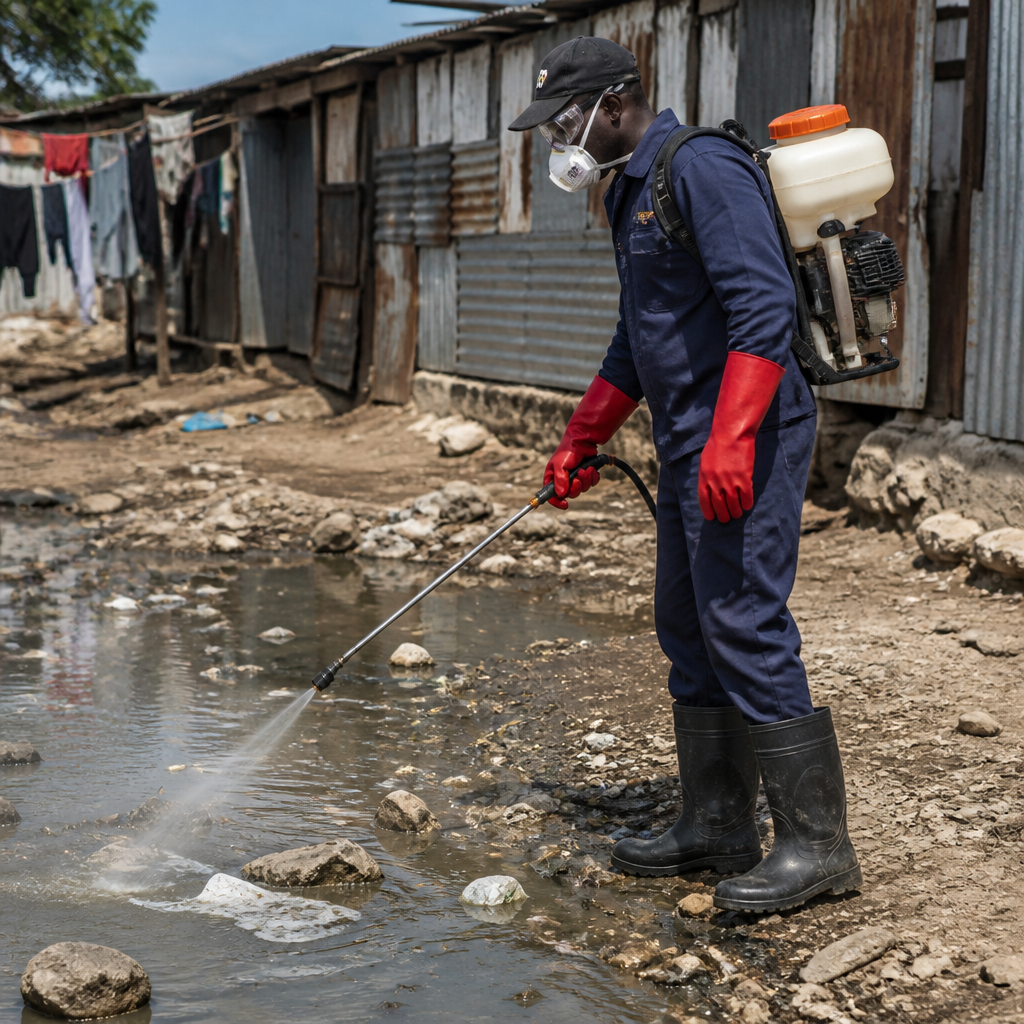
Worker safety deserves equal attention. Emptiers, cleaners, and transport operators face the highest exposure to pathogens, sharps, chemicals, and heat stress. Minimum protection includes heavy-duty gloves, washable boots, clothing that covers arms and legs, handwashing facilities, vaccination where available, and clear decontamination procedures for tools. In some contexts, face shields or respirators are appropriate, especially during sludge agitation or spraying. I have worked with teams that reduced spills simply by changing container design and loading height, proving that ergonomics is part of infection control. Formalizing sanitation labor through training, contracts, and supervision improves service quality and dignity at the same time.
Reuse, resource recovery, and the limits of “safe enough”
Resource recovery is a major reason communities adopt EcoSan, but reuse is where optimism can outpace biology. Nutrients in urine and treated feces can support agriculture, landscaping, or tree crops, yet pathogen risk must govern every reuse plan. Safe reuse depends on treatment performance, storage duration, crop type, application method, and who may contact the material. For instance, treated urine applied close to the soil surface of non-leafy crops generally poses lower contact risk than untreated sludge handled by hand around vegetables eaten raw. Compost appearance alone is not proof of safety.
Standards and guidance matter here. WHO guidelines for safe use of wastewater, excreta, and greywater emphasize health-based targets and multiple barriers. In practical terms, that can mean restricting use to orchards, incorporating material into soil rather than broadcasting it, observing time intervals between application and harvest, and preventing children from playing in treatment areas. Nutrient value should never override exposure control. Where treatment quality cannot be verified, disposal may be safer than reuse. That is not a failure of EcoSan; it is responsible risk management. The sustainable choice is the one that reliably protects health first and recovers resources second.
Behavior change, inclusion, and community trust
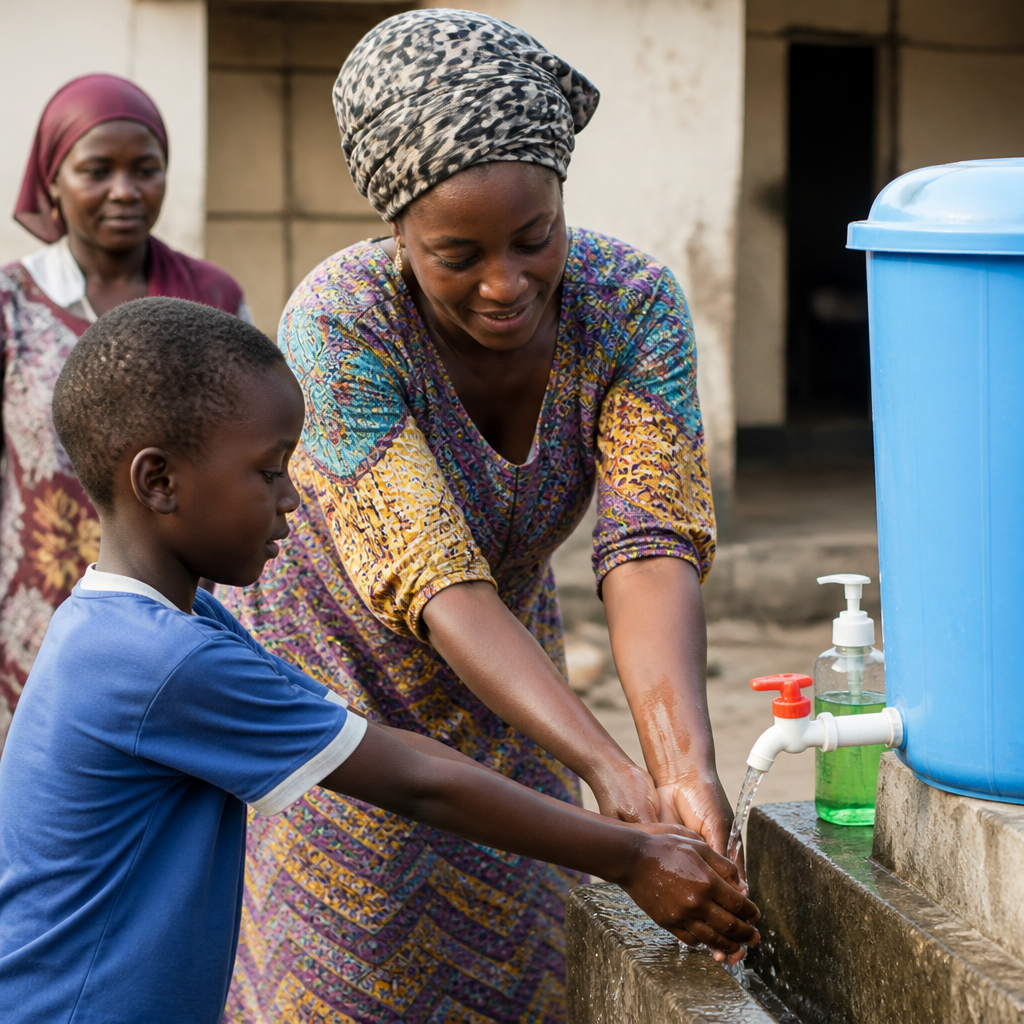
Sanitation systems fail when users are blamed for design flaws, but user behavior still matters greatly. Correct toilet use, handwashing with soap, safe child feces disposal, and reporting faults early all reduce disease transmission. The most effective programs explain not just what to do but why it matters. When households understand that flies can carry pathogens from feces to food, or that urine diversion improves treatment performance, compliance rises. Demonstrations, caretaker training, and visible cleaning schedules consistently outperform one-time awareness campaigns.
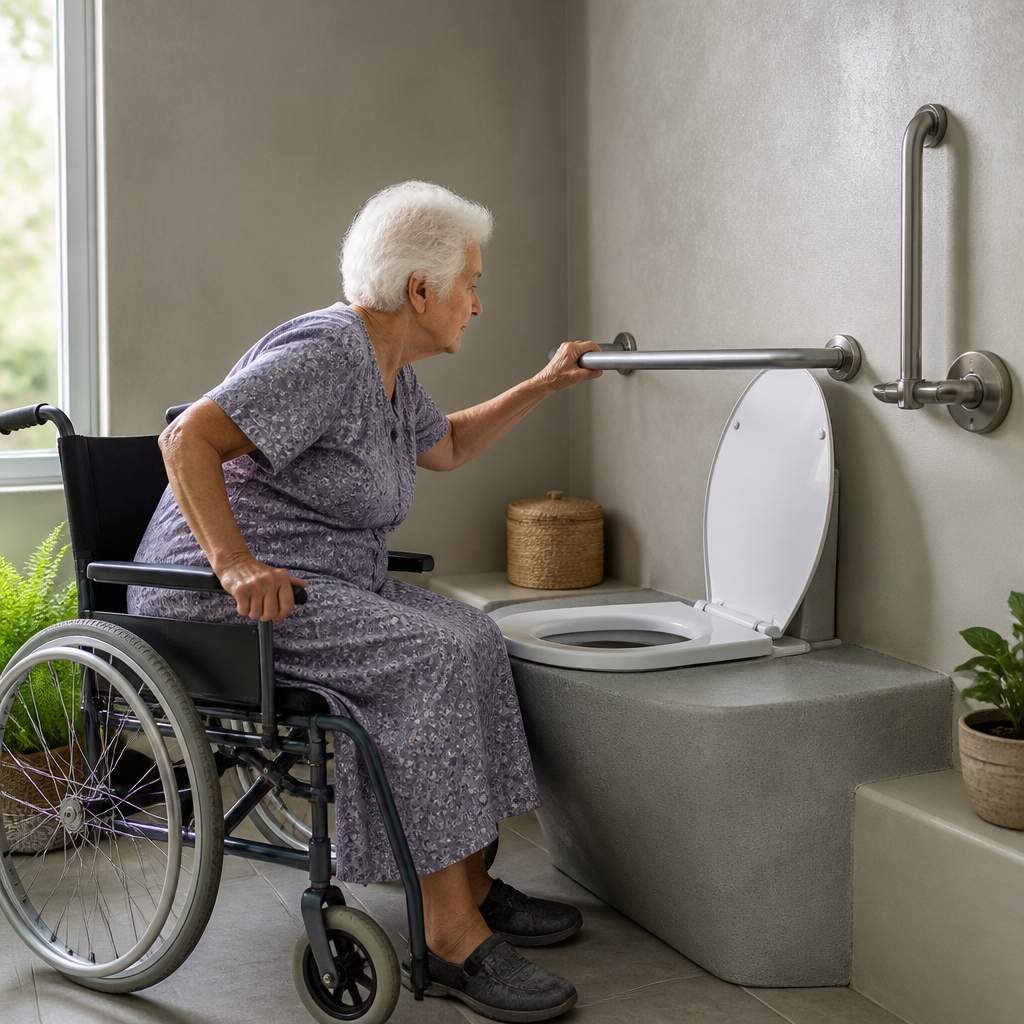
Inclusion is also a health issue. A toilet that excludes children, older adults, pregnant users, or people with disabilities will push some users back to unsafe practices. Features such as handrails, wider doors, lower seat options, non-slip floors, and disposal routes for menstrual materials improve both dignity and infection prevention. Privacy and safety from harassment are equally important, especially in schools and shared facilities. Community trust grows when operators publish service rules, fee structures, maintenance contacts, and response times. People maintain systems they believe are fair, useful, and dependable.
Monitoring performance and linking EcoSan to broader health systems
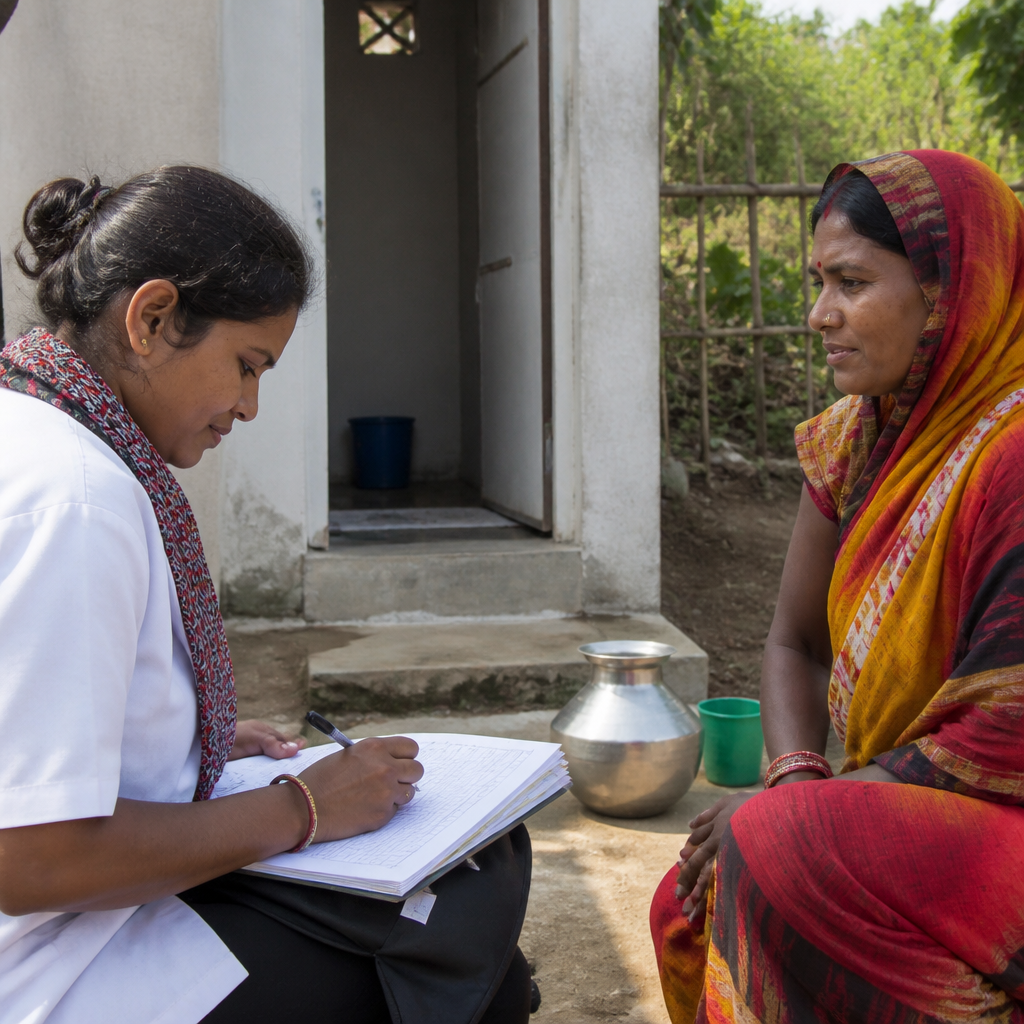
Safe EcoSan is not judged by installation counts alone. It is judged by outcomes: fewer overflows, cleaner surroundings, lower fly density, consistent handwashing supplies, safe emptying records, and reduced exposure complaints. Practical monitoring can include fill-level logs, cleaning checklists, groundwater inspections where relevant, user feedback, and periodic testing of treatment outputs when reuse is planned. Digital tools such as mobile maintenance reporting, GIS mapping of service routes, and barcode tracking for containers can improve accountability, but paper systems also work when responsibilities are clear.
EcoSan should also connect to wider health and safety systems. Clinics can help track sanitation-linked disease trends. Schools can integrate hygiene education with facility maintenance. Municipalities can align EcoSan services with solid waste collection, drainage management, and occupational health programs. During outbreaks or floods, contingency plans should specify disinfection procedures, emergency emptying arrangements, and communication protocols. This hub topic ultimately points to one principle: sustainable sanitation is public health infrastructure. When every stage is designed for safety and wellness, EcoSan can prevent disease, conserve resources, and support resilient communities. Use this framework to assess your current system, identify weak links, and prioritize improvements that keep exposure low every day, not only when inspections are scheduled.
Frequently Asked Questions
What is sustainable sanitation, and why is it so important for disease prevention?
Sustainable sanitation is a public health approach that goes beyond simply providing a toilet. It focuses on safely containing, treating, and reusing or disposing of human waste in ways that protect human health, conserve natural resources, and reduce environmental harm over the long term. This matters because untreated or poorly managed excreta allows bacteria, viruses, parasites, and other pathogens to spread quickly through drinking water, surface water, soil, food crops, hands, flies, and shared household surfaces. Once that chain of transmission is established, communities face higher risks of diarrheal disease, cholera, typhoid, intestinal worm infections, hepatitis, and other sanitation-related illnesses.
In the context of disease prevention, sustainable sanitation interrupts those transmission routes at multiple points. A well-designed system prevents waste from entering the living environment, reduces contact between people and pathogens, supports safe handwashing and cleaning practices, and ensures that any treated outputs are managed responsibly. In ecological sanitation, or EcoSan, the goal is even broader: sanitation systems are designed to protect health while also managing nutrients, water use, and ecological impacts. That means sanitation becomes part of a larger strategy for community wellness, environmental stewardship, and resilience rather than a short-term infrastructure fix.
How does EcoSan help stop the spread of pathogens in homes and communities?
EcoSan helps prevent disease by treating sanitation as a complete safety system rather than a single structure. The first line of protection is toilet design that keeps urine and feces contained and separates people from fresh waste. Depending on the system, this may involve urine-diverting dry toilets, composting toilets, dehydration vaults, or other containment methods that reduce moisture, improve treatment, and limit pathogen survival. By preventing leakage, overflow, and direct exposure, EcoSan systems reduce the chances that infectious organisms will move into water sources, household compounds, crops, or children’s play areas.
The second line of protection is treatment and handling. EcoSan emphasizes that excreta should not be considered safe simply because it is out of sight. Waste must be stored, dehydrated, composted, or otherwise treated for enough time and under the right conditions to reduce pathogens to safer levels. Safe handling procedures, protective equipment, and clear guidance for emptying, transport, and reuse are essential. When these steps are followed correctly, EcoSan can transform a major disease risk into a managed resource stream while lowering contamination of rivers, groundwater, and agricultural land. The result is a sanitation model that actively breaks the fecal-oral transmission cycle instead of shifting the problem elsewhere.
What makes a sanitation system truly safe and sustainable over time?
A sanitation system is truly safe and sustainable when it consistently works in real-world conditions, not just on paper. That starts with appropriate design. Toilets and containment systems need to match local climate, soil conditions, water availability, population density, user preferences, and maintenance capacity. For example, an option that performs well in a dry rural area may not be suitable in a flood-prone settlement or a dense urban neighborhood. Accessibility also matters. Systems must be usable by children, older adults, people with disabilities, and anyone responsible for cleaning or maintenance. If a toilet is difficult to use or unsafe to maintain, people are less likely to use it consistently, and health benefits decline.
Long-term sustainability also depends on operations, maintenance, education, and governance. Households and service providers need clear routines for cleaning, monitoring fill levels, managing odor and insects, and handling waste safely after collection or storage. Reliable supply chains for spare parts, cleaning materials, and protective gear are critical. Community acceptance matters just as much as engineering: users need to understand why certain practices, such as adding dry cover material, separating waste streams, or waiting before reuse, are necessary for health protection. Finally, sustainable sanitation requires accountability. Local authorities, institutions, and sanitation managers must support standards, inspection, training, and financing so that systems continue to protect people and ecosystems year after year.
Can treated human waste be safely reused in EcoSan systems?
Yes, but only when reuse is based on proper treatment, timing, and risk management. One of the key ideas in EcoSan is that human excreta contains nutrients such as nitrogen, phosphorus, and potassium that can be valuable for agriculture. However, those benefits do not cancel out the health risks of fresh or incompletely treated waste. Untreated feces can carry dangerous pathogens, and even urine may pose risks if handling and storage are poor. Safe reuse depends on following established treatment processes that reduce pathogen levels, along with storage periods and application methods designed to minimize human exposure.
In practice, this means reuse should never be casual or improvised. Materials need to be treated according to system-specific guidance, and users should avoid direct contact during collection, transport, and field application. Protective equipment, handwashing, restricted crop use where appropriate, and careful timing before harvest all help reduce remaining risks. Many programs also recommend applying treated products to non-leafy crops, trees, or soils in ways that limit contamination of edible plant surfaces. When managed correctly, reuse can support soil fertility and resource recovery while maintaining strong disease prevention standards. The public health principle is simple: reuse is beneficial only if safety comes first at every step.
What role do hygiene, behavior, and community education play in sustainable sanitation success?
They play a central role. Even the best sanitation technology cannot deliver full disease prevention benefits if hygiene practices are weak or if people do not understand how to use the system safely. Handwashing with soap after toilet use, after handling child feces, and before preparing food remains one of the most effective ways to stop pathogens from moving from waste to mouths. Regular toilet cleaning, safe disposal of children’s feces, menstrual hygiene support, and proper management of anal cleansing materials are all part of a complete sanitation strategy. In EcoSan systems especially, user behavior affects performance directly. If people do not separate waste correctly, fail to add cover material when required, or empty storage chambers too early, treatment quality and safety can be compromised.
Community education helps turn sanitation infrastructure into lasting health protection. Good education programs explain not just what to do, but why it matters, linking daily habits to disease prevention, environmental protection, and household wellbeing. Training should reach all users, including caregivers, school staff, maintenance workers, farmers, and local leaders. It should also address stigma and cultural concerns around excreta handling and reuse, because public acceptance strongly influences whether a system is used consistently and maintained properly. When communities understand the health logic behind sustainable sanitation and feel ownership over the system, they are more likely to protect facilities, follow safe practices, and support improvements that benefit everyone.