Promoting safe sanitary practices in community settings is essential when communities adopt ecological sanitation, because the system only works when health protection and resource recovery are managed together. Ecological sanitation, often shortened to EcoSan, is an approach that treats human waste as a resource stream rather than something to flush away and forget. In practice, that means separating urine and feces, reducing water use, supporting composting or dehydration, and returning safely treated nutrients to soils. I have worked on sanitation planning where the most successful EcoSan programs were not the ones with the newest toilets, but the ones that built routines people could follow every day.
Safety and sustainability in EcoSan matter for three reasons. First, poorly handled waste spreads disease through pathogens such as bacteria, viruses, protozoa, and helminths. The World Health Organization has long emphasized sanitation as a frontline public health defense, especially in schools, dense settlements, and peri-urban communities. Second, conventional sanitation can strain water supplies, energy systems, and municipal budgets. A pour-flush or sewered system may be appropriate in some locations, but it is not always feasible where water is scarce, electricity is unreliable, or treatment infrastructure is weak. Third, well-managed EcoSan can support soil fertility by recovering nutrients, especially nitrogen, phosphorus, and potassium, while reducing pollution from untreated discharge.
Community settings raise the stakes. A household can adapt to its own toilet routine, but shared compounds, schools, clinics, markets, temporary shelters, and public facilities need clearer rules, stronger maintenance, and visible accountability. Safe sanitary practices include handwashing with soap, correct toilet use, separation of waste streams where relevant, secure storage, cleaning schedules, protective equipment for handlers, and treatment steps that reliably reduce pathogens before reuse or disposal. Sustainability adds another layer: durability, affordability, water efficiency, user acceptance, odor control, and practical links to agriculture or municipal waste services. This hub explains how to make EcoSan safe, workable, and sustainable across community settings.
Understanding Safety and Sustainability in EcoSan
EcoSan is not one technology. It is a sanitation philosophy supported by several system types, including urine-diverting dry toilets, composting toilets, dehydrating vaults, container-based sanitation, and blackwater reuse systems where treatment quality is carefully controlled. The common goal is to prevent disease while recovering useful materials. Safety in EcoSan means interrupting transmission pathways identified in the classic fecal-oral exposure model: hands, water, soil, food, surfaces, and flies. Sustainability means the system can keep functioning with local skills, realistic budgets, accessible spare parts, and community acceptance over time.
In field implementation, the biggest misunderstanding is assuming a toilet alone delivers safety. It does not. Safety comes from the entire service chain: user behavior, containment, cleaning, collection, transport, treatment, storage, and end use. For example, a urine-diverting dry toilet may reduce smell and support nutrient recovery, but if feces are removed too early or storage chambers let in rainwater, pathogen die-off may be incomplete. Likewise, a composting system can perform well, yet fail if carbon cover material is unavailable or users mix in solid waste that blocks ventilation and attracts pests.
Sustainability also depends on design choices matching context. In a water-scarce settlement, dry systems can reduce pressure on groundwater and eliminate the need for costly sewer expansion. In a flood-prone area, however, raised units, sealed containers, and protected storage may be more important than nutrient recovery efficiency. Social sustainability is equally decisive. If women and girls feel unsafe using a facility at night, if people with disabilities cannot access it, or if cleaning responsibility falls unfairly on one group, the system will be underused or misused. Strong EcoSan programs treat sanitation as both infrastructure and behavior.
Core Health Risks and How Communities Control Them
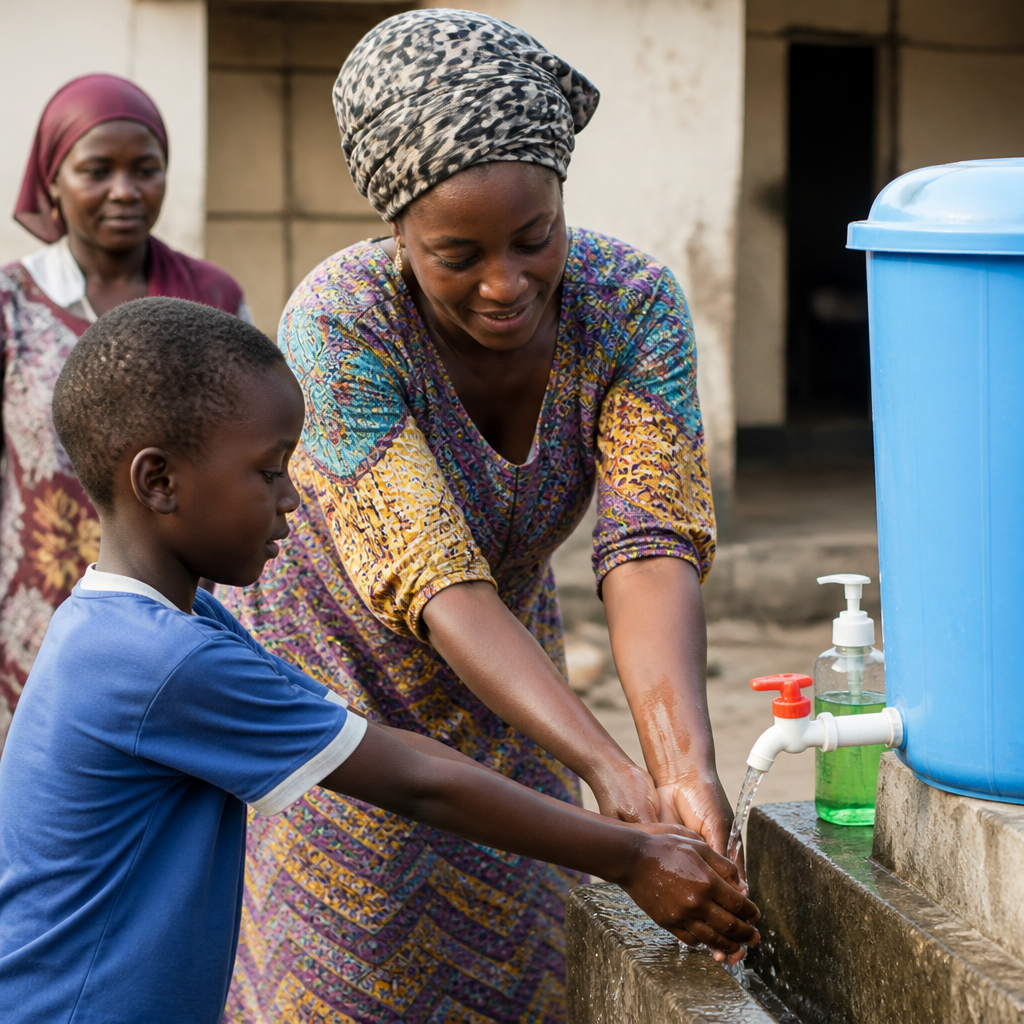
The primary health risk in EcoSan is exposure to pathogens in fresh excreta or insufficiently treated products. Feces may contain enteric pathogens that survive for days, weeks, or longer depending on temperature, moisture, sunlight, and pH. Helminth eggs are especially persistent, which is why treatment time and handling protocols matter. Urine generally carries a lower pathogen load than feces, but cross-contamination is common if separation is poor or collection vessels are dirty. Communities need simple, repeated messages: treat all excreta as potentially infectious, avoid direct contact, wash hands with soap after toilet use and cleaning, and never apply untreated fecal matter to crops.
Odor and insect control are not cosmetic issues; they are operational signals. Strong smell often points to moisture imbalance, poor ventilation, or urine entering the feces chamber. Flies suggest exposed waste, missing covers, or infrequent cleaning. In school settings I have seen a toilet block stay clean for months once caretakers had a checklist covering ash or sawdust supply, door latches, vent pipe screens, and handwashing station refill times. Those low-cost controls reduce contamination more effectively than periodic deep cleaning alone because they prevent problems at the source.
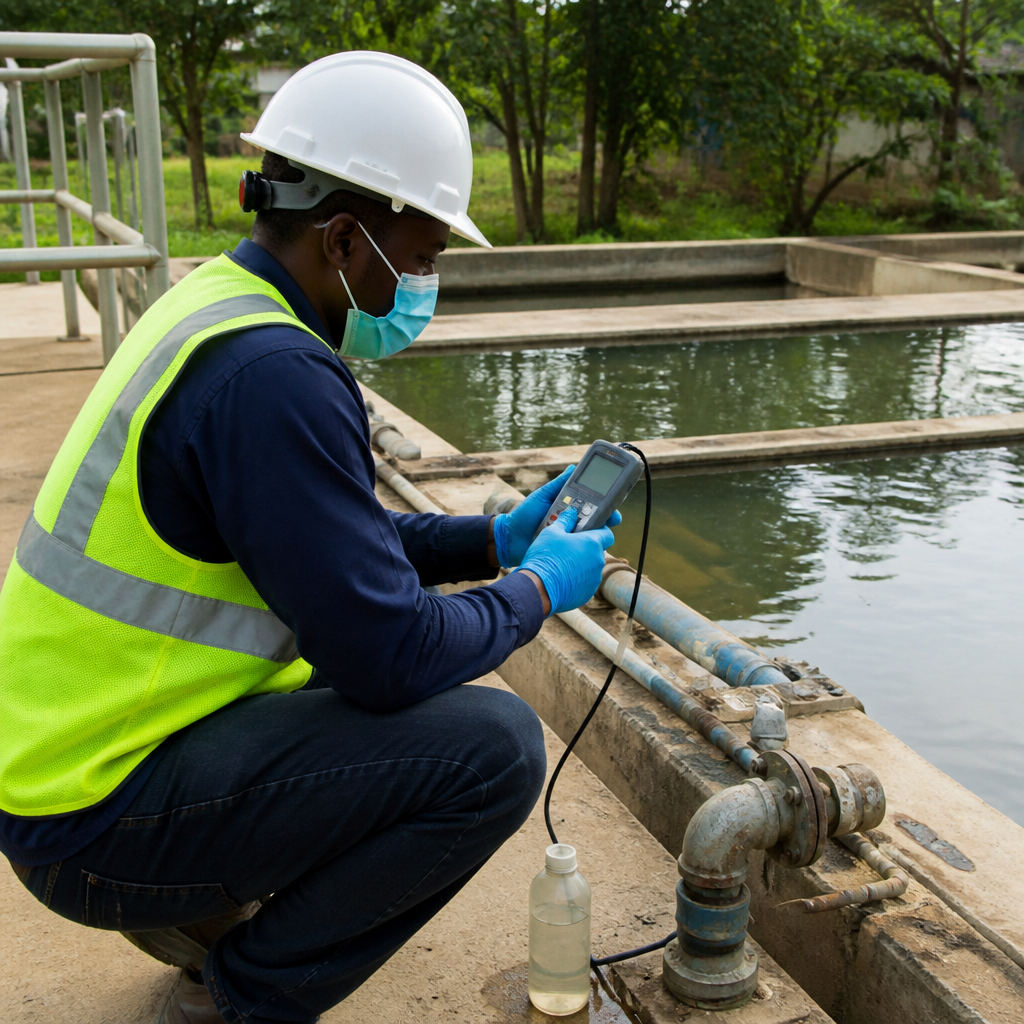
Protective practices for workers are equally important. Anyone emptying vaults, transporting containers, or maintaining treatment areas should use gloves, boots, and where splashing is possible, masks and eye protection. Vaccination policies and access to soap, clean water, and first-aid supplies should be part of operations, not afterthoughts. Written procedures help: who empties chambers, at what interval, how material is labeled, where it is stored, and when it is considered safe for reuse. Community sanitation committees work best when these rules are visible, practical, and reinforced by training rather than posted and ignored.
Designing Community Facilities That People Will Use Correctly
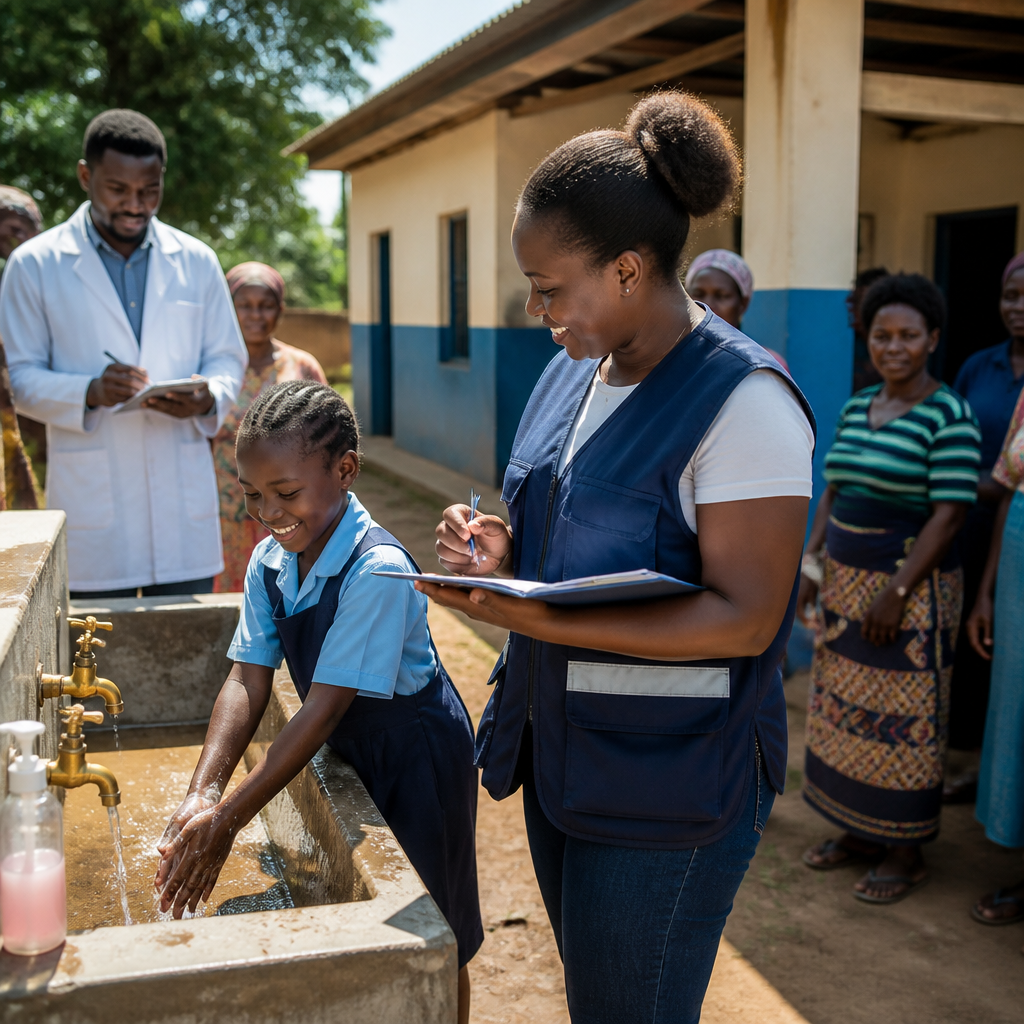
Good EcoSan design reduces the chance of unsafe behavior. The toilet should make the right action the easy action. For urine-diverting systems, the pedestal or squat pan must clearly guide separation, including for children and older adults. Chambers should be easy to access for maintenance without exposing users to stored material. Handwashing stations must sit within sight of the exit, not across a courtyard where compliance drops. Lighting, privacy, menstrual hygiene accommodations, and accessible paths are all part of sanitary safety because they determine whether people use the facility as intended.
Material selection matters. Smooth, nonabsorbent interior surfaces are easier to clean and less likely to harbor contamination. Ventilation pipes need correct diameter and placement to create upward airflow. Roof overhangs and drainage channels protect chambers from stormwater, which can reactivate pathogens and create leakage. In public or institutional settings, hardware should tolerate misuse: durable hinges, easy-to-wash floors, lockable maintenance doors, and simple signage using pictures as well as text. A well-designed facility lowers operating costs because it prevents recurring failures instead of constantly responding to them.
| Community setting | Key EcoSan design priority | Safety reason | Sustainability benefit |
|---|---|---|---|
| Schools | Child-friendly urine diversion and handwashing nearby | Improves correct use and reduces contamination | Less maintenance from misuse |
| Markets | High-durability surfaces and frequent cleaning access | Controls heavy-traffic exposure risks | Longer asset life under constant use |
| Health posts | Strict waste segregation and protected emptying routes | Limits contact with infectious materials | Supports compliance and reliable service |
| Flood-prone settlements | Raised units and sealed storage | Prevents overflow and environmental spread | Reduces climate-related damage |
| Shared compounds | Clear cleaning ownership and secure lighting | Improves hygiene and night access | Higher user acceptance and retention |
Treatment, Storage, and Safe Resource Recovery
The environmental promise of EcoSan depends on treatment discipline. Urine can often be stored for a defined period before agricultural use, with the exact approach shaped by local regulations, crop type, and possible cross-contamination. Fecal material requires stricter controls because pathogen persistence is higher. Common treatment barriers include dehydration, time-based storage, composting with adequate temperature and carbon balance, alkaline treatment, and in some systems thermophilic processing. The key principle is multiple barriers: no single step should carry the full burden of safety when several risk reductions can be combined.
Composting is frequently misunderstood. A pile is not safe simply because it looks like soil. Effective composting requires oxygen, the right moisture range, sufficient carbon-rich bulking agents, mixing where appropriate, and temperatures that support pathogen reduction. If those conditions cannot be maintained consistently, extended storage and restricted end use are safer than assuming complete sanitization. I advise communities to match treatment ambition to operational capacity. A modest, well-run dehydration and storage system is safer than a technically advanced composting process that nobody monitors.
Resource recovery should focus on crops and uses with manageable risk. Treated urine is often suitable for non-leafy crops, tree crops, or soil application near the root zone, depending on local guidance. Treated composted solids may be better directed to forestry, ornamentals, or land restoration before food crops, especially where monitoring is limited. Application timing also matters; adding material well before harvest reduces exposure. Communities gain trust when they document treatment dates, storage periods, and destination fields. Traceability turns reuse from an informal practice into a managed public health activity.
Operations, Behavior Change, and Community Governance
Even excellent facilities fail without disciplined operations. Every community setting needs a service plan that assigns tasks by day, week, month, and season. Daily tasks may include sweeping, replenishing soap and cover material, checking urine pipes for blockage, and wiping high-touch surfaces. Weekly tasks often include deeper washing, inspecting vent screens, and recording usage problems. Monthly or seasonal tasks may include chamber rotation, container collection, preventive repairs, and treatment-site inspection before rains. Simple logs are powerful because they reveal whether recurring odor, overflow, or cleanliness issues stem from design flaws or skipped routines.
Behavior change should answer the practical questions users actually have: Where do I put anal cleansing materials? Why is ash needed? Can children use the front section of the pan? Why should I wash hands if the toilet looks clean? In successful EcoSan programs, orientation happens repeatedly through demonstrations, peer monitors, school clubs, market associations, and landlord meetings. Messages are short and specific. “Use one scoop of dry cover material after each feces use” works better than “keep the toilet hygienic.” Communities respond when instructions are observable and linked to comfort as well as health.
Governance determines whether standards survive staff turnover and funding gaps. Shared facilities need named custodians, fee or budget mechanisms, supply procurement plans, and complaint channels. In municipalities, EcoSan works best when local health officers, water departments, schools, and agriculture extension services coordinate instead of operating in silos. Regulations should define acceptable treatment and reuse, but they also need to be realistic for low-resource contexts. Enforcement alone rarely improves sanitation. Supportive supervision, refresher training, and transparent reporting produce better results because they build competence alongside accountability.
Environmental Performance, Costs, and Long-Term Resilience
EcoSan is often chosen for environmental reasons, but those benefits depend on management quality. A dry or low-water system can cut water demand substantially compared with flush toilets, a major advantage in arid regions or settlements dependent on tanker supply. Nutrient recovery can also reduce the need for synthetic fertilizer, particularly where phosphorus is costly or imported. At the same time, poorly managed reuse can contaminate soil, shallow groundwater, or produce handling chains. Sustainability therefore means measuring outcomes, not assuming them. Communities should track water use, emptying frequency, maintenance costs, user satisfaction, and incidents such as leakage or fly outbreaks.
Cost comparisons must include full life-cycle expenses. Conventional sewerage may appear cleaner from the user perspective, yet connection charges, pumping energy, pipe maintenance, and centralized treatment can be prohibitive. EcoSan often lowers infrastructure costs, but it shifts responsibility toward local operation, training, and treatment oversight. That tradeoff is acceptable only if institutions commit to recurring management. In my experience, the most resilient systems use modest technology, local materials, and a service model people can finance. A robust urine-diverting toilet with predictable collection is preferable to a sophisticated unit that fails when imported parts run out.
Climate resilience should now be part of every sanitation plan. Heat can accelerate drying, but extreme rain, flooding, and storm damage can quickly turn containment failures into public health emergencies. Site toilets above flood level where possible, protect treatment areas from runoff, and maintain contingency plans for safe temporary storage during disasters. Communities that review these risks before construction avoid expensive retrofits later. The main benefit of safe sanitary practices in EcoSan is not only cleaner toilets. It is a system that protects health, conserves resources, and keeps working under real community conditions. Use this hub to assess your current setup, close safety gaps, and build a sanitation program people will trust for years.
Frequently Asked Questions
1. What does ecological sanitation mean, and why is it important in community settings?
Ecological sanitation, or EcoSan, is a sanitation approach that treats human waste as a resource that can be safely managed, transformed, and reused rather than simply disposed of. In community settings, this is especially important because sanitation systems affect not only individual households, but also shared health outcomes, local water quality, environmental conditions, and long-term infrastructure costs. EcoSan systems typically involve separating urine and feces, minimizing water use, and processing waste through methods such as composting or dehydration so nutrients can be safely returned to the soil.
The importance of EcoSan in community environments comes down to balance. A well-managed system helps protect public health while also recovering valuable nutrients such as nitrogen, phosphorus, and potassium. This can reduce pressure on freshwater resources, lower dependence on chemical fertilizers, and offer a practical sanitation option in areas where sewer networks are expensive, unreliable, or unavailable. In schools, housing developments, rural settlements, informal communities, and public institutions, EcoSan can support cleaner surroundings and more resilient sanitation services when everyone understands and follows safe sanitary practices.
That said, EcoSan only works as intended when health protection is built into daily use, maintenance, and community oversight. If separation, collection, storage, treatment, and reuse are not handled correctly, the risks of contamination increase. That is why promoting safe sanitary practices is central to the success of ecological sanitation. Communities need clear guidance, good facility design, regular monitoring, and shared responsibility so resource recovery never comes at the expense of hygiene or safety.
2. What are the most important safe sanitary practices communities should follow when using EcoSan systems?
The most important safe sanitary practices begin with correct use of the toilet or collection system itself. Community members should understand how to separate urine and feces where the system requires it, what materials can and cannot be placed into the toilet, and how to keep the facility clean and dry. For example, users may need to avoid adding excessive water, plastics, sanitary products, or non-biodegradable waste that can disrupt treatment processes. Clear instructions, visible signage, and user education are essential, especially in shared or public settings where many different people use the same facilities.
Handwashing is one of the most critical protective steps. Every EcoSan facility should be paired with accessible handwashing stations supplied with soap and safe water or another effective hand-cleaning option. Handwashing after toilet use, after cleaning facilities, and before handling food helps break the chain of disease transmission. This simple practice remains one of the strongest defenses against diarrheal illness, intestinal infections, and contamination that can spread through surfaces, tools, and shared contact points.
Routine cleaning and maintenance are equally important. Community facilities should have a schedule for cleaning toilet seats or slabs, floors, door handles, collection containers, and surrounding areas. Those responsible for emptying chambers or handling stored material should use personal protective equipment such as gloves, boots, and masks where appropriate. Waste should only be removed according to the system’s treatment timeline, and untreated material should never be applied directly to fields or gardens. Safe storage periods, proper composting temperatures, dehydration standards, and restricted access to treatment areas all help reduce pathogen risks. In short, EcoSan systems depend on everyday discipline: correct use, reliable hygiene, safe handling, and consistent maintenance.
3. How can communities safely reuse nutrients from human waste without putting health at risk?
Safe nutrient reuse depends on one principle above all: untreated waste should never be used directly in ways that expose people, crops, water sources, or animals to harmful pathogens. Before reuse, materials must go through a controlled treatment process designed to reduce disease-causing organisms to safer levels. Depending on the EcoSan system, this may include dehydration, extended storage, composting, alkaline treatment, or a combination of methods. The treatment process should follow established technical guidance for time, temperature, moisture control, and storage conditions.
Urine and feces should be managed differently because they present different characteristics and risks. Urine is often lower in pathogen content than feces, especially when kept separate, but it still requires careful storage, controlled application, and avoidance of direct contact. Fecal matter generally carries greater health risks and therefore requires more robust treatment before any agricultural use. Communities should create simple but strict protocols for collection, labeling, storage, transport, and final application so treated materials are never confused with fresh waste.
Even after treatment, reuse should be done responsibly. Applying recovered nutrients to non-food crops, trees, fiber crops, or soil improvement projects may be a safer and more acceptable starting point in some communities. Where food crops are involved, timing and application methods matter. Material should be applied to soil rather than edible plant surfaces, and harvest intervals should be respected. Workers should wear protective gear, wash thoroughly afterward, and keep children away from treatment and application sites. With good management, nutrient reuse can support agriculture and soil health, but only when communities prioritize pathogen reduction, training, and oversight at every stage.
4. What challenges do communities face when promoting safe sanitary practices, and how can they overcome them?
One of the biggest challenges is behavior change. Even when EcoSan facilities are available, people may be unfamiliar with source separation, unsure how to use the system correctly, or resistant to handling sanitation differently from conventional flush-and-forget models. Misunderstandings can lead to incorrect use, unpleasant odors, blocked systems, or contamination that undermines confidence in the entire approach. Communities can overcome this by offering practical education, live demonstrations, orientation for new users, and simple instructions in local languages. The more people understand why the system works the way it does, the more likely they are to use it properly.
Another challenge is social acceptance. In some places, discussing human waste is culturally sensitive, and the idea of reusing treated sanitation products may face skepticism or stigma. This is where trusted local leadership becomes especially valuable. Health workers, teachers, community-based organizations, religious leaders, farmers, and sanitation committees can help normalize the conversation and reinforce that safe treatment and reuse are grounded in health protection, environmental stewardship, and resource efficiency. When communities see clear standards, successful examples, and visible cleanliness, acceptance usually improves.
Operational challenges also matter. EcoSan systems require ongoing maintenance, monitoring, and accountability. If there is no plan for cleaning, supplying soap, repairing components, managing treatment chambers, or training replacement staff, the system can quickly decline. A strong response includes assigning responsibilities, setting maintenance schedules, creating community rules, budgeting for supplies, and tracking performance over time. Communities that succeed with EcoSan typically treat sanitation as a shared service that needs management, not as a one-time construction project. Strong governance, consistent communication, and local ownership are what turn good sanitation design into safe everyday practice.
5. How can schools, public facilities, and neighborhood groups encourage long-term adoption of safe sanitary practices?
Long-term adoption starts with making safe sanitary behavior easy, visible, and routine. In schools and public facilities, that means toilets should be clean, clearly labeled, functional, and designed for the actual users, including children, older adults, and people with disabilities. Handwashing stations must be conveniently located and regularly stocked. If a facility is difficult to use, poorly maintained, or lacks privacy, people are much less likely to follow the intended sanitary practices. Good infrastructure supports good behavior.
Education should be ongoing rather than one-time. Schools can include sanitation, hygiene, and resource recovery in health or environmental lessons. Community groups can organize workshops, demonstration gardens, and facility tours that show how treated outputs are managed safely. Posters, reminder signs, peer educators, and sanitation champions can help reinforce proper habits over time. In shared housing or neighborhood settings, resident committees can create practical rules for cleaning schedules, reporting problems, and ensuring everyone understands how to use the system correctly.
Perhaps most importantly, long-term success depends on trust and accountability. People are more likely to adopt safe practices when they see that the system is monitored, maintained, and producing real benefits such as cleaner surroundings, reduced water use, fewer sanitation failures, and useful soil nutrients. Regular inspections, community feedback, transparent management, and prompt repairs all help build confidence. When communities connect sanitation with health, dignity, environmental protection, and local resilience, safe sanitary practices become part of daily culture rather than a temporary campaign.