EcoSan and the prevention of parasitic diseases are tightly linked because sanitation determines whether human waste becomes a resource managed safely or a source of infection returned to water, soil, food, and hands. EcoSan, short for ecological sanitation, is an approach that treats excreta and wastewater as materials to be contained, sanitized, and reused with minimal environmental harm. In practical terms, it includes urine-diverting dry toilets, composting toilets, dehydrating vaults, safe sludge treatment, handwashing stations, and rules for storage and agricultural reuse. I have seen communities improve both hygiene and crop productivity when these systems were designed correctly and operated consistently. The reason this matters is simple: many parasites depend on poor sanitation to complete their life cycle. Break that pathway, and infection rates fall.
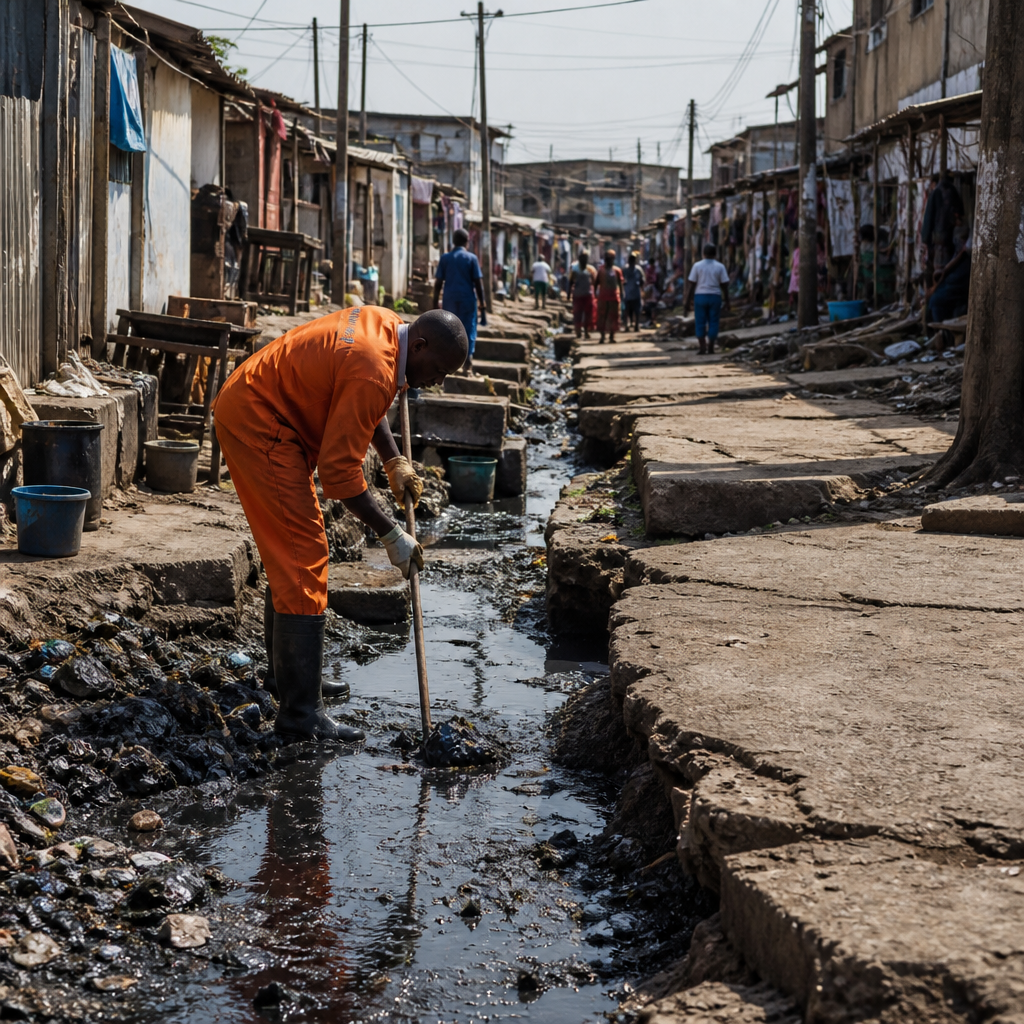
Parasitic diseases include infections caused by helminths such as Ascaris lumbricoides, Trichuris trichiura, hookworms, and Taenia species, as well as protozoa such as Giardia duodenalis and Entamoeba histolytica. Some parasites spread when eggs or cysts from feces contaminate drinking water, vegetables, soil, or fingers. Others, including schistosomes, rely on water contaminated with urine or feces and intermediate hosts such as freshwater snails. Open defecation, leaking pits, overflowing septic tanks, and untreated sludge create ideal transmission conditions. Children are affected most severely because repeated infections contribute to anemia, stunting, poor school attendance, and impaired cognitive development. Adults lose work time, face chronic intestinal symptoms, and may develop long-term complications such as malnutrition or organ damage.
Enhancing health through EcoSan means more than installing a toilet. It means interrupting exposure at several points: isolating excreta from people, treating waste until pathogens die, reducing vector access, protecting water sources, and making safe behaviors easy to maintain. Strong programs combine engineering, hygiene education, operations, and monitoring. Standards from the World Health Organization support a multiple-barrier approach, especially when treated excreta is reused in agriculture. That combination is what makes EcoSan relevant as a health and safety hub topic. It addresses infectious disease prevention, environmental protection, climate resilience, and resource recovery at the same time, provided the system is selected for local conditions and managed with discipline.
The core public health question is direct: how does EcoSan prevent parasitic disease? The answer is that it breaks the fecal-oral and water-based transmission routes that parasites need. By collecting waste in sealed or controlled units, separating urine where appropriate, promoting dehydration or composting, and enforcing safe emptying and reuse intervals, EcoSan reduces viable eggs, larvae, and cysts. When paired with handwashing, water protection, and food hygiene, it can reduce exposure dramatically. The sections below explain the mechanisms, the system options, the design choices that matter most, and the implementation practices that turn sanitation hardware into measurable health gains.
How Parasites Spread and Where EcoSan Intervenes
Most sanitation-related parasites move through predictable routes. Soil-transmitted helminths are the clearest example. People infected with roundworm, whipworm, or hookworm excrete eggs in feces. In warm, moist environments, those eggs mature in soil or on contaminated surfaces. New hosts are infected when they ingest microscopic eggs on unwashed produce or dirty hands, or, in the case of hookworm, when larvae penetrate bare skin. Giardia and Entamoeba cysts survive in contaminated water and spread through drinking, food preparation, or person-to-person contact. Schistosomiasis differs slightly: parasite eggs enter freshwater through human excreta, infect snails, and then release larvae that penetrate skin during contact with infested water.
EcoSan targets each step. Containment prevents eggs and cysts from entering the open environment. Diversion and dehydration lower moisture, which sharply reduces the survival of many pathogens. Composting raises temperature and encourages microbial activity that accelerates die-off. Sealed storage gives time for inactivation, a critical factor for hardy organisms such as Ascaris eggs, which are among the most resistant indicators in sanitation work. Properly lined structures and careful siting protect groundwater from seepage. Safe sludge handling keeps workers and farmers from direct exposure. In my experience, programs fail when they assume one barrier is enough. The effective model is layered control: toilet use, hand hygiene, treatment, storage, transport safety, and restricted reuse until pathogen targets are met.
This preventive logic aligns with established sanitation risk management. If feces never reach fields, drains, floodwater, or household compounds, parasites lose the routes they need to reinfect people. The health value is especially high in dense settlements, peri-urban farming zones, schools, and flood-prone areas where conventional sewers are absent or unreliable. EcoSan is not a niche concept for environmentalists; it is a practical disease-control strategy when designed around transmission pathways rather than hardware alone.
EcoSan Systems That Support Better Health Outcomes
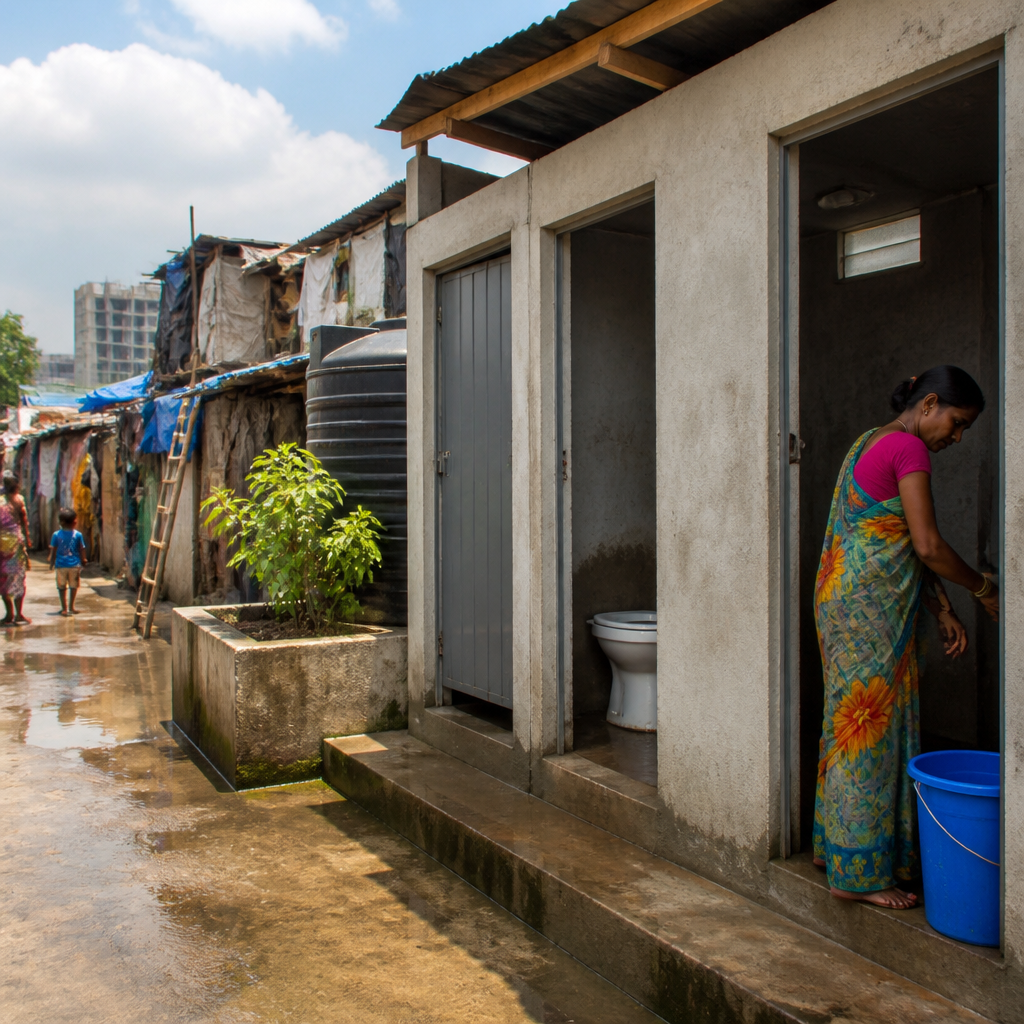
Several EcoSan technologies can reduce parasitic disease risk, but they are not interchangeable. Urine-diverting dry toilets separate urine and feces at the source. Because feces remain relatively dry, odor drops and pathogen die-off improves during storage. Composting toilets add bulking material such as sawdust or ash and rely on aerobic decomposition. Double-vault systems allow one chamber to rest while the other is used, giving stored material time to sanitize before removal. Container-based sanitation collects excreta in sealable cartridges that are transported to treatment facilities, a strong option for dense informal settlements where pits flood or space is limited. Septage and fecal sludge treatment plants can also form part of an EcoSan strategy when they stabilize waste for safe reuse.
Selection depends on climate, population density, water availability, user preference, agricultural demand, and maintenance capacity. In arid regions, urine diversion and dehydration work well because low moisture supports pathogen reduction. In high-rainfall zones, keeping water out of vaults becomes a critical design requirement; otherwise storage conditions fail. In schools, the best system is often the one that custodial staff can maintain daily and students can use correctly without confusion. In farming communities, acceptance rises when treated outputs are demonstrably safe and useful, especially for non-leafy crops, tree crops, or soil conditioning under controlled guidelines. However, no system should promise direct health benefits without a treatment and operations plan.
| EcoSan option | Main health mechanism | Best use case | Key limitation |
|---|---|---|---|
| Urine-diverting dry toilet | Separates streams, reduces moisture, supports storage die-off | Water-scarce homes and institutions | Needs correct user behavior and dry cover material |
| Composting toilet | Biological decomposition and temperature-driven pathogen reduction | Low-density sites with trained maintenance | Performance varies if moisture and carbon balance are poor |
| Double-vault dehydrating toilet | Extended resting period in sealed chamber | Rural households using soil amendments | Requires disciplined vault switching and safe emptying |
| Container-based sanitation | Sealed collection prevents environmental release | Dense settlements and flood-prone areas | Depends on reliable service logistics and treatment chain |
Across these options, the public health rule is constant: a toilet is only the front end of a sanitation system. The back end—storage time, treatment quality, transport controls, operator protection, and user education—determines whether parasites are truly prevented or merely relocated. Communities that understand this are far more likely to sustain health gains.
Critical Design and Operational Controls
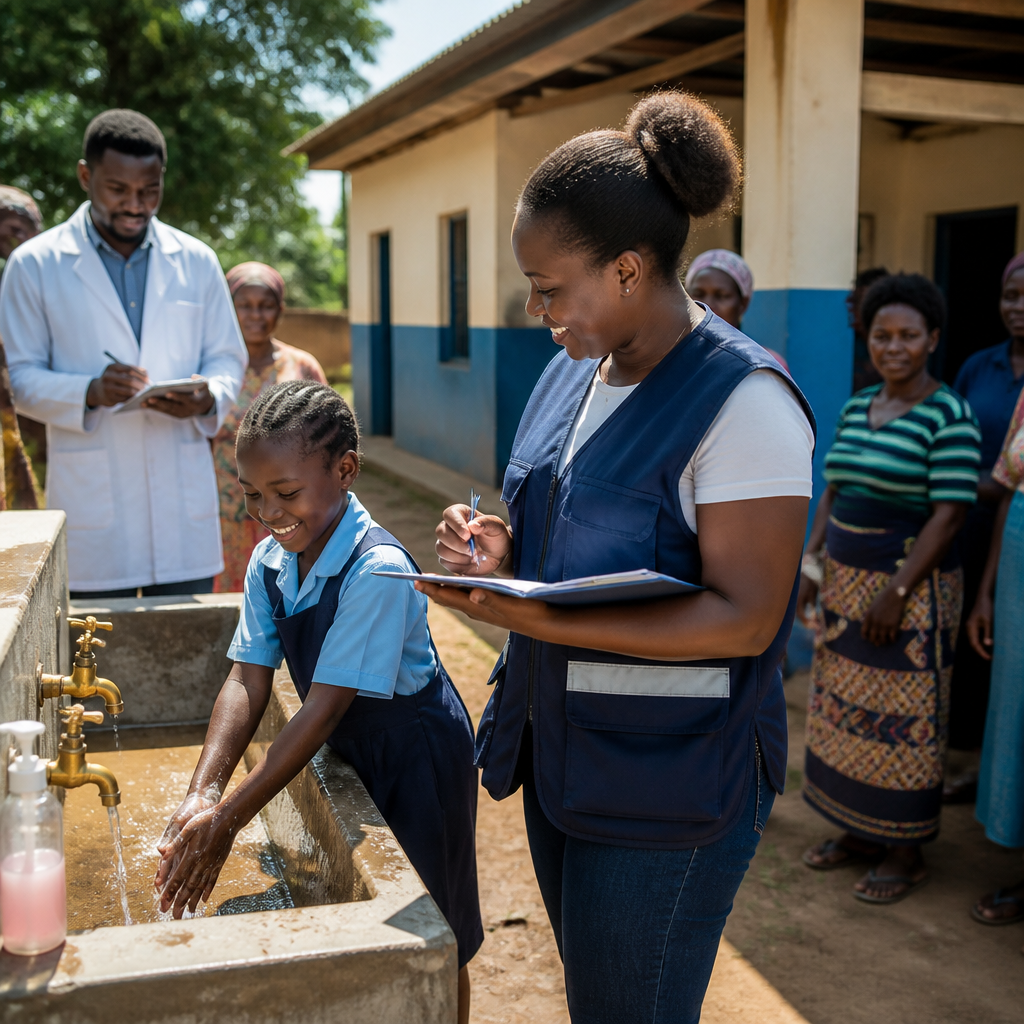
The strongest EcoSan projects pay attention to small details because small failures create large exposure risks. First, systems must exclude stormwater and groundwater. A dehydrating toilet that floods during the rainy season quickly loses its pathogen-reduction advantage. Second, vaults, containers, and access hatches must be sealed against flies, rodents, and cockroaches, which can mechanically spread fecal matter. Third, handwashing with soap must sit within easy reach of the toilet; distance is one of the most common reasons compliance drops. Fourth, toilet surfaces must be easy to clean, and the superstructure must feel safe, private, and usable for children, older adults, and people with disabilities. When users avoid a toilet because it is dark, unstable, or dirty, open defecation returns.
Treatment targets matter. Ascaris eggs are widely used as a benchmark because they persist under conditions that kill many other pathogens sooner. If a process can inactivate Ascaris reliably, it is generally performing at a meaningful sanitary level. Time, temperature, pH, and moisture determine the result. Adding ash or lime can raise pH and support inactivation in some systems, while composting needs correct carbon-to-nitrogen balance and aeration to generate heat. Yet operators should not guess. Routine inspection, moisture control, fill-level tracking, and documented emptying schedules are basic management tasks. Larger programs increasingly use sanitation safety planning to identify hazards from toilet to end use and assign controls at each step.
Worker protection is equally important. Emptying crews need gloves, boots, eye protection, masks appropriate to the task, vaccination where advised, and washing facilities after handling waste. Tools should minimize direct contact, and transport containers must not leak. I have seen health messaging directed only at households while the highest exposure actually fell on cleaners and waste handlers. A credible EcoSan program protects the entire chain, not just end users.
Safe Reuse, Agriculture, and Remaining Risks
One reason EcoSan receives attention is its potential to recover nutrients. Urine contains much of the nitrogen and potassium excreted by humans, while treated fecal matter can contribute organic carbon and phosphorus. For farmers facing high fertilizer prices, this is attractive. Health protection, however, depends on strict reuse rules. Treated outputs should be applied to crops and soils in ways that minimize human contact and avoid contamination of edible portions. Subsurface application, application before planting, and preference for tree crops, fodder, fiber crops, or crops that are cooked before eating are safer than direct use on raw salad vegetables. Storage periods, withholding intervals, and local regulations must be respected.
Reuse is where advocates sometimes overstate benefits. Not all treated material is safe for all uses, and laboratory verification is ideal where resources allow. Helminth eggs can survive inadequate treatment, especially in cool or wet conditions. Heavy metals and chemical contaminants may also matter where industrial wastewater mixes with domestic waste streams. The balanced position is clear: reuse can be safe and valuable, but only when treatment performance, crop restrictions, application methods, and worker hygiene are actively managed. Where those controls are weak, disposal or centralized treatment may be the safer short-term choice.
Even with strong EcoSan systems, sanitation alone does not eliminate every parasitic disease. Mass drug administration may still be needed in high-burden areas for soil-transmitted helminths or schistosomiasis. Safe water treatment, footwear use, drainage improvements, snail control in specific schistosomiasis settings, and food hygiene remain essential complements. The advantage of EcoSan is that it reduces reinfection pressure. Deworming without sanitation often produces a predictable cycle: treatment lowers worm burden, then contaminated environments rebuild it. Sanitation changes the environment itself, which is why health gains become more durable.
Implementation Strategies for Communities, Schools, and Cities
Successful EcoSan adoption starts with behavior, not concrete. Communities need a clear explanation of how parasites spread locally, what the toilet changes, and what daily practices keep the system safe. Demonstration units help because people can inspect odor levels, cleanliness, vault switching, and emptying procedures before accepting a new technology. In schools, teacher training and student hygiene clubs improve correct use. Separate facilities for girls and boys, menstrual hygiene provisions, and a maintenance budget are not optional extras; they directly influence whether toilets are consistently used. In healthcare facilities and emergency settings, stronger infection-prevention protocols and professionalized waste handling are required.
For municipalities, the hub question is service delivery. Who empties units, where is waste taken, how is treatment verified, and who pays for operations over ten years? Cities that answer those questions early outperform places that focus only on construction targets. Digital service logs, scheduled inspections, and performance-based contracts can improve reliability. Public health teams should track indicators such as toilet usage, handwashing availability, helminth prevalence in schoolchildren, diarrhea trends, and the proportion of waste safely treated. When those data are reviewed together, decision-makers can see whether EcoSan is functioning as a health intervention rather than merely a sanitation asset.
EcoSan and the prevention of parasitic diseases come down to disciplined interruption of transmission. The most effective systems contain excreta, inactivate pathogens, protect workers, and enforce safe reuse or disposal. They work best when paired with handwashing, water protection, deworming where needed, and ongoing monitoring. As a health and safety strategy, EcoSan offers a practical route to fewer infections, cleaner surroundings, and more resilient resource use. If you are building a healthier sanitation program, start by mapping exposure routes in your setting and choosing the EcoSan controls that close them completely.
Frequently Asked Questions
What is EcoSan, and how does it help prevent parasitic diseases?
EcoSan, or ecological sanitation, is a sanitation approach designed to keep human waste from contaminating the environment while allowing nutrients and organic matter to be recovered safely. Instead of treating feces, urine, and household wastewater as useless waste, EcoSan systems aim to contain, sanitize, and reuse them in ways that reduce health risks and environmental damage. This matters greatly for parasitic disease prevention because many parasites spread when eggs, larvae, cysts, or oocysts from human waste reach drinking water, soil, crops, food, or hands.
When sanitation is poor, parasite transmission becomes easy. Roundworm, whipworm, hookworm, Giardia, Entamoeba, and other intestinal parasites can spread through open defecation, leaking pits, unsafe sludge handling, and the use of untreated waste in agriculture. EcoSan interrupts these pathways by separating waste streams, reducing direct human contact, encouraging proper storage and treatment, and supporting safer final use or disposal. For example, urine-diverting dry toilets keep feces drier, which can make survival harder for some disease-causing organisms and improve conditions for safer handling after treatment. Composting and dehydration methods can further reduce pathogen loads when they are properly managed over sufficient time.
In short, EcoSan helps prevent parasitic diseases by breaking the cycle that returns infectious material from people back into the environment and then back into people. Its public health value comes not just from the toilet itself, but from the full system: containment, treatment, hand hygiene, safe emptying, safe reuse, and community education.
Which parasitic diseases are most affected by sanitation, and why is EcoSan especially relevant to them?
EcoSan is especially relevant to parasites that spread through the fecal-oral route or through contact with contaminated soil and water. These include soil-transmitted helminths such as roundworm, whipworm, and hookworm, as well as protozoan infections such as giardiasis and amoebiasis. In many settings, poor sanitation allows parasite eggs or cysts to pass from infected individuals into the environment, where they can survive long enough to infect others through dirty hands, unsafe food, contaminated water, or exposure to polluted soil.
Soil-transmitted helminths are a major example. Their eggs are shed in feces, and if defecation occurs in fields, near homes, or in poorly managed pits, the surrounding environment becomes a reservoir of infection. Children playing in contaminated areas, farmers handling contaminated soil, and families consuming produce grown with untreated human waste all face greater risk. EcoSan systems are designed to prevent this by ensuring excreta are contained and treated before any agricultural reuse occurs. That reduces the chance that viable parasite eggs will reach gardens, fields, or water sources.
Water-related parasitic infections are also affected by sanitation quality. If untreated excreta enter streams, ponds, shallow wells, or irrigation systems, parasites can spread widely across communities. EcoSan reduces this risk by minimizing uncontrolled waste discharge and promoting safer management of both excreta and wastewater. While no sanitation system works in isolation, EcoSan is particularly valuable because it addresses environmental contamination at the source and supports long-term disease prevention when combined with handwashing, safe water, food hygiene, and deworming programs.
Are EcoSan toilets and reuse systems safe, or can they still spread parasites if managed incorrectly?
EcoSan systems can be very safe, but only when they are correctly designed, used, maintained, and monitored. This is an important point. EcoSan is not simply about reusing waste; it is about safe reuse after adequate treatment. If excreta are handled too early, stored for too short a time, kept too wet, or applied directly to crops without proper treatment, parasites may still survive and spread. The greatest concern is often with helminth eggs, which can be more resistant in the environment than many bacteria or viruses.
Safety depends on several factors: the type of system, moisture levels, temperature, pH conditions, storage duration, user behavior, and the final use of treated material. Urine-diverting systems help by separating liquids and solids, making fecal matter easier to dry or compost. Dehydration and composting can reduce pathogen survival, but they must be done properly and given enough time. Safe handling procedures are also essential. Anyone emptying vaults or moving treated material should use gloves, tools, and protective practices, and should wash hands thoroughly afterward.
Reuse adds another layer of responsibility. Even after treatment, material intended for agriculture should be applied according to local health guidance, with care taken to avoid contamination of edible plant parts, especially crops eaten raw. Many programs recommend restricting use to trees, fuel crops, or crops where the edible portion does not contact the fertilizer directly. So yes, EcoSan can prevent parasitic disease very effectively, but only if the entire chain of sanitation is managed with discipline and health safeguards.
What are the most important practices that make EcoSan effective against parasite transmission?
The most important practices are consistent containment, correct treatment, hygienic handling, and informed reuse. First, excreta must be kept out of open environments. That means using the toilet every time, preventing leakage, keeping rainwater out of the system, and ensuring that children’s feces are also safely disposed of. A well-built EcoSan system loses much of its health value if waste is still dumped nearby or if overflow reaches drains, soil, or water sources.
Second, treatment conditions matter. In urine-diverting and dehydrating systems, keeping feces dry is a major goal because moisture can support pathogen survival and make handling less safe. In composting systems, correct balance of materials, aeration, and enough time are essential. Additives such as ash, lime, or dry cover material may be used in some systems to reduce smell, improve drying, and support safer treatment, depending on local design. Users need clear instructions because poor operation can undermine the disease-prevention benefits.
Third, hygiene behavior is critical. Handwashing with soap after toilet use and after handling sanitation materials is one of the strongest defenses against parasite transmission. Safe emptying, transport, storage, and application practices are equally important. Finally, education and local oversight make a major difference. EcoSan works best when households understand why the steps matter, communities accept the system, and local institutions provide guidance on treatment times, maintenance schedules, and safe agricultural use. The technology helps, but behavior and management are what turn EcoSan into a reliable public health intervention.
Can EcoSan alone eliminate parasitic diseases in a community?
EcoSan can greatly reduce the risk of parasitic diseases, but it should not be seen as a stand-alone solution. Parasitic transmission is shaped by many connected factors, including drinking water quality, hand hygiene, food preparation, housing conditions, drainage, animal management, footwear use, and access to healthcare. Even an excellent sanitation system cannot fully protect a community if people still drink contaminated water, irrigate vegetables with unsafe wastewater, walk barefoot on contaminated soil, or lack treatment for existing infections.
For that reason, EcoSan is most effective as part of an integrated public health strategy. In areas with high worm burdens, deworming programs can reduce the number of infected people shedding eggs into the environment. Safe water infrastructure reduces exposure to protozoan parasites. Hygiene education lowers hand-to-mouth transmission. Better waste management and food safety practices reduce cross-contamination in homes and markets. Together, these measures reinforce one another and make sanitation gains more durable.
That said, EcoSan can play a central role because sanitation is one of the main barriers between infection and re-infection. Without safe sanitation, other interventions often have limited lasting impact. A community may treat infections successfully, only to become exposed again through contaminated fields, water, or household surroundings. EcoSan helps stop that cycle by addressing the environmental stage of transmission. So while it is not a complete answer by itself, it is one of the most important foundations for long-term prevention of parasitic diseases.