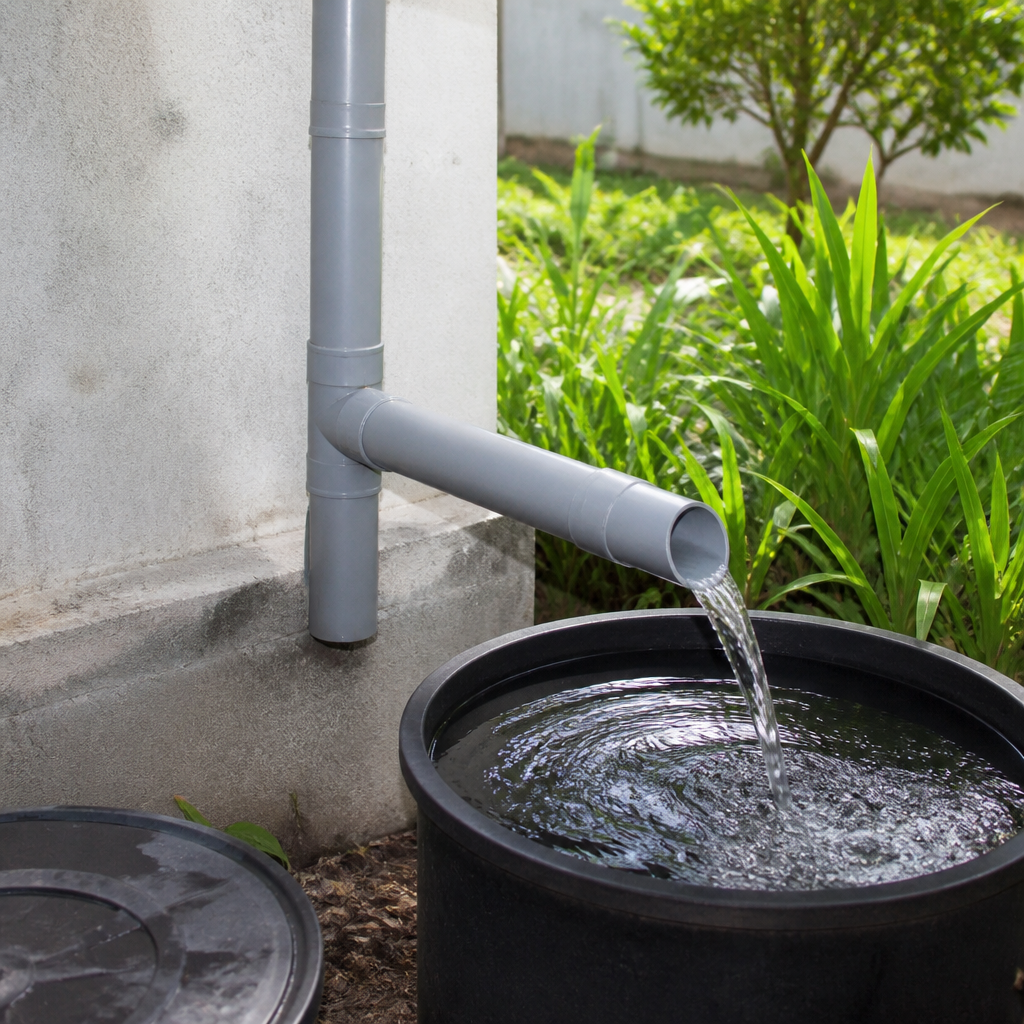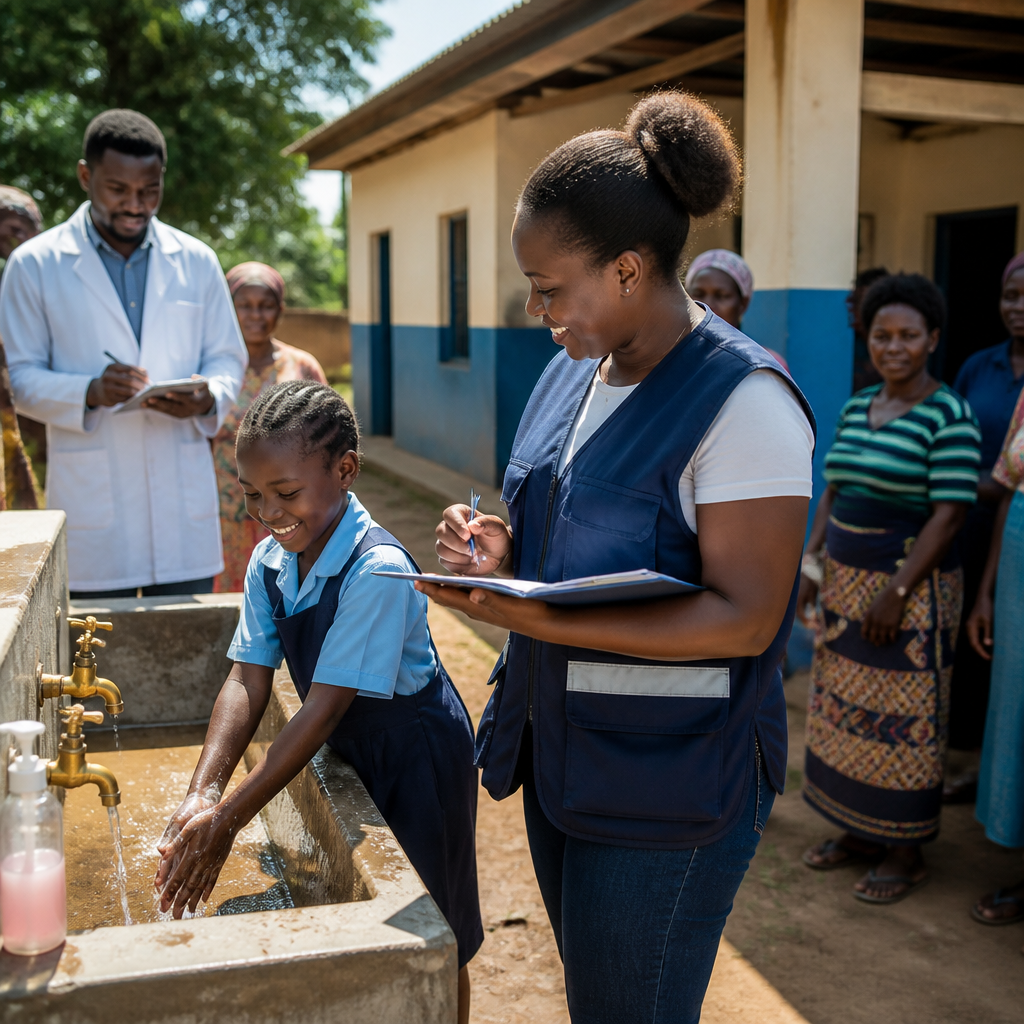
Integrating WASH and public health strategies is essential to making ecological sanitation systems safe, acceptable, and genuinely beneficial for communities. WASH refers to water, sanitation, and hygiene, while public health strategies include surveillance, risk communication, infection prevention, behavior change, and environmental health regulation. In EcoSan, or ecological sanitation, the goal is not only to separate, treat, and reuse human waste responsibly, but also to protect people from disease across the entire sanitation chain. When these fields are planned together, communities gain toilets that do more than contain waste: they reduce pathogen exposure, preserve water, improve dignity, and support agricultural reuse under controlled conditions.
I have seen EcoSan projects succeed technically yet struggle because health safeguards were treated as an afterthought. A urine-diverting dry toilet can be well built, but if handwashing is missing, ash is not added consistently, storage times are too short, or users are not trained in safe emptying, exposure risks remain. Conversely, a simple system with strong hygiene habits, clear maintenance routines, and health monitoring often performs far better. That is why safety and wellness in EcoSan must be approached as a public health system, not merely a toilet design choice.
This hub article explains how to integrate WASH and public health strategies across EcoSan planning, operation, reuse, and community engagement. It defines the key hazards, outlines practical controls, and shows where supporting articles should go deeper, such as pathogen reduction, hand hygiene, sludge handling, menstrual health, occupational safety, and safe agricultural reuse. The central message is straightforward: EcoSan delivers its promise only when sanitation engineering, user behavior, environmental protection, and health governance work together from the start.
Why EcoSan Safety Requires a Systems Approach
EcoSan systems are designed around resource recovery, especially the reuse of nutrients from urine and feces. Common technologies include urine-diverting dry toilets, composting toilets, dehydrating vaults, arborloos, and container-based sanitation models adapted for recovery. Unlike conventional sewerage, these systems often rely on source separation, on-site storage, periodic emptying, and decentralized treatment. Each step creates both an opportunity and a hazard. The opportunity is nutrient recycling, lower water demand, and reduced pollution. The hazard is that excreta can carry enteric pathogens such as rotavirus, norovirus, Shigella, Salmonella, helminth eggs, and protozoa if treatment barriers fail.
A systems approach means mapping every point where exposure can occur: during toilet use, child assistance, cleaning, pit or vault emptying, transport, storage, treatment, reuse, and final contact with soil, crops, or water. Public health practice calls this exposure pathway analysis. It is closely aligned with sanitation safety planning promoted by the World Health Organization. In practical terms, teams identify hazards, estimate who is exposed, select control measures, define monitoring checks, and assign responsibility. This is the most reliable way to move from a well-intended EcoSan project to a safe and sustainable service.
The systems perspective also recognizes wellness, not only infection control. Safety and wellness in EcoSan includes privacy, odor control, thermal comfort, menstrual hygiene support, accessibility for children and older adults, and stress reduction for workers handling waste. If users perceive a toilet as unsafe, inconvenient, or degrading, correct use drops quickly. Misuse then undermines pathogen control. Health protection and user acceptance are therefore inseparable.
Core Health Risks Across the EcoSan Service Chain
The principal public health concern in EcoSan is fecal-oral disease transmission. Human excreta may contain bacteria, viruses, protozoa, and helminths, and some organisms survive for long periods in cool, moist conditions. Ascaris eggs are especially persistent and are often used as a conservative indicator when evaluating treatment performance. Urine is usually lower risk than feces, but cross-contamination can occur in poorly used or poorly maintained urine-diverting systems. Greywater mismanagement can also create standing water, vector breeding, and localized contamination.
Risk levels vary by context. In dense informal settlements, the main hazards may be unsafe emptying, shared toilet cleanliness, and child feces disposal. In rural agricultural settings, the key challenge may be safe storage and crop application. In schools, risks often center on inadequate handwashing, menstrual hygiene barriers, and inconsistent cleaning. In flood-prone areas, vaults and pits may be inundated, spreading contamination into surface water and shallow groundwater. A proper WASH-public health strategy adjusts controls to the setting instead of assuming one standard solution fits all.
Chemical and physical risks matter too. Cleaning products stored unsafely can harm children. Ammonia from urine treatment can irritate workers without ventilation. Sharp objects discarded into toilets can injure emptiers. Slippery slabs, poor lighting, and unstable superstructures create accident risks independent of infection. Effective EcoSan safety plans include these hazards because communities experience sanitation quality through the total environment, not through pathogen metrics alone.
Designing EcoSan for Hygiene, Dignity, and Consistent Use
Good design prevents predictable failures. For urine-diverting dry toilets, that means correct slope and smooth surfaces in the urine channel, clear separation between urine and feces, easy-to-clean pans, insect screens on vent pipes, and watertight vaults protected from rain intrusion. If feces stay dry and covered with ash, lime, or dry soil, odor and flies decline, and dehydration improves. But if users find the interface confusing, feces and wash water end up in the wrong compartment, rapidly reducing treatment performance. I have found that simple pictorial instructions posted inside the cubicle often improve correct use more than long training sessions delivered only at launch.
Inclusive design is equally important. Toilets should support children, pregnant users, older adults, and people with disabilities. Features may include handrails, lower seats, child-friendly adaptors, inside locks that are easy to operate, shelves for soap and menstrual products, and lighting for nighttime use. In shared or institutional settings, separate facilities by sex and age can improve safety and attendance, especially in schools. Menstrual hygiene support is not optional. Covered bins, water where appropriate, private changing space, and cleaning protocols directly influence whether girls and women can use a facility with confidence.
Public health outcomes improve when the toilet environment makes healthy behavior the easiest behavior. Handwashing stations should be directly adjacent, visible, and reliably stocked with soap or ash and water. Surfaces should be smooth enough for daily cleaning. Maintenance tools need dedicated storage so they are not improvised or shared with food areas. Small design choices, such as footrests, splash reduction, and drainage away from entrances, strongly affect cleanliness and user compliance over time.
Operational Controls, Treatment Barriers, and Monitoring
Safe EcoSan depends on multiple barriers rather than a single treatment claim. These barriers include source separation, moisture control, cover material use, storage time, restricted access, safe emptying, personal protective equipment, post-treatment verification, and crop-use restrictions where needed. The exact combination depends on the technology and climate. Dehydration vaults may require extended storage, while composting systems need controlled carbon balance, aeration, temperature, and curing. Urine intended for reuse may require sealed storage before application, with duration influenced by temperature and the target crop.
Operations and maintenance routines should be written, scheduled, and supervised. That includes daily cleaning, weekly checks for urine diversion blockages, inspection of vent screens, verification that cover material is available, and recording when vaults are sealed and reopened. Facilities without logs tend to drift into unsafe practice because no one notices small failures accumulating. For larger programs, digital tools such as KoboToolbox, mWater, or simple QR-coded inspection forms can improve accountability and trend tracking.
| EcoSan stage | Main hazard | Key control measure | What to monitor |
|---|---|---|---|
| Toilet use | Cross-contamination and poor hygiene | Clear user instructions and nearby handwashing | Soap availability, cleanliness, correct separation |
| Storage | Insufficient pathogen reduction | Dry conditions, sealed vaults, required storage time | Moisture, dates, signs of leakage or pests |
| Emptying | Worker exposure to fecal matter and dust | PPE, tools, trained staff, restricted access | PPE use, spill response, worker vaccination status |
| Transport and reuse | Environmental spread and unsafe crop contact | Covered containers, application controls, crop restrictions | Route cleanliness, application method, withholding periods |
Monitoring should mix process indicators and outcome indicators. Process indicators include cleaning frequency, stock of cover material, percentage of functioning handwashing stations, or proportion of workers trained. Outcome indicators include reduced fly presence, fewer spills, lower user complaints, and, where feasible, laboratory verification of treatment performance. Programs rarely need expensive testing everywhere, but they do need enough verification to prove that claimed safety barriers are actually working.
Behavior Change, Community Trust, and Health Communication
Even excellent infrastructure fails without user understanding and trust. EcoSan asks households to adopt behaviors that may differ from flush sanitation norms: keeping feces dry, diverting urine, adding cover material, storing products before reuse, and handling outputs according to rules. These behaviors are easier to sustain when communication is practical, respectful, and repeated. One-off sensitization meetings are not enough. The strongest programs use demonstrations, household follow-up, school engagement, caretaker coaching, and simple messages linked to visible benefits such as reduced smell, fewer flies, safer compounds, and fertilizer value.
Health communication should answer common concerns directly. Is reused urine safe? Only when stored and applied correctly. Can composted excreta go on all crops? Not automatically; use depends on treatment quality and local guidance. Why must children wash hands even if the toilet looks clean? Because invisible pathogens can remain on surfaces. Direct answers build trust more effectively than promotional slogans. Communities are quick to detect when implementers avoid discussing risk.
Social norms shape success. In some places, handling excreta is deeply stigmatized; in others, nutrient reuse is familiar and accepted. Public health teams should work with local leaders, farmers, school staff, and frontline health workers to adapt messages without diluting safety rules. When communities help define maintenance roles, payment arrangements, and acceptable reuse practices, compliance improves because the system feels governed rather than imposed.
Protecting Workers, Households, and the Wider Environment
Sanitation workers are the backbone of safe EcoSan, and their protection must be nonnegotiable. Emptying dried fecal matter, handling containers, and transporting stored products can expose workers to pathogens, dust, and musculoskeletal strain. A professional program provides gloves, masks or respirators suited to the task, boots, tools that reduce direct contact, vaccination where recommended, handwashing supplies, and training in spill management. It also establishes fair pay, medical referral pathways, and procedures for heat stress, cuts, and chemical exposure. Worker safety is a public health measure because outbreaks often begin where routine safeguards are weak.
Household protection extends beyond the toilet itself. Safe child feces disposal, separate storage of cleaning tools, keeping cover material dry, and preventing animal access to treatment areas all matter. Agricultural reuse should follow exposure-reduction practices such as soil incorporation, application close to the ground, avoiding spray methods that generate aerosols, and observing waiting periods before harvest when relevant. Where treatment reliability is uncertain, use on non-food crops, trees, or soil rehabilitation may be more appropriate than direct application to vegetables eaten raw.
Environmental protection ties the whole system together. EcoSan should reduce nutrient losses to waterways, not shift pollution from one location to another. Site selection must consider flood levels, drainage, soil conditions, and groundwater vulnerability. Programs should track leakage, overflow, and illegal dumping just as seriously as they track toilet coverage. The best Safety and Wellness in EcoSan strategies protect users, workers, food systems, and ecosystems at the same time.
Building a Strong Health and Safety Hub for EcoSan
As a hub topic under Health and Safety, Safety and Wellness in EcoSan should connect readers to specialized guidance while keeping the core framework clear. Supporting articles should include pathogen risks in ecological sanitation, handwashing design for dry toilets, safe handling and storage of urine and fecal solids, menstrual health in EcoSan facilities, school and institutional EcoSan management, sanitation worker occupational health, emergency planning for floods and outbreaks, agricultural reuse standards, and monitoring methods for decentralized sanitation. Internal links to those pages help readers move from overview to implementation.
The main benefit of integrating WASH and public health strategies is reliability. Communities do not need toilets that are merely innovative; they need systems that stay safe every day, under real operating conditions, with real human behavior. EcoSan can deliver water savings, nutrient recovery, climate resilience, and improved sanitation access, but only when health safeguards are designed in, monitored, and reinforced over time. If you are building this content hub, start with the full service chain, identify each exposure point, and make every supporting article answer one practical safety question completely.
Frequently Asked Questions
What does it mean to integrate WASH and public health strategies in ecological sanitation systems?
Integrating WASH and public health strategies in ecological sanitation means designing, operating, and promoting sanitation systems in a way that protects health at every stage, not just at the point of waste collection. WASH focuses on water, sanitation, and hygiene, while public health adds the systems needed to identify risks, prevent disease transmission, guide community behavior, communicate clearly during outbreaks, and enforce environmental health standards. In an EcoSan approach, this integration is especially important because human waste is being separated, treated, stored, and in some cases reused. That creates valuable opportunities for nutrient recovery and sustainability, but it also requires strong safeguards to prevent exposure to pathogens, contaminated surfaces, vectors, and unsafe handling practices.
In practice, integration means more than installing toilets. It includes safe containment, handwashing access, operator training, routine cleaning, monitoring of treatment processes, community education on hygienic use, surveillance for diarrheal disease and other sanitation-related illnesses, and local regulation to ensure systems are functioning as intended. It also means considering how people actually interact with the system: whether they understand how to use it, whether they trust it, whether maintenance is reliable, and whether children, older adults, and people with disabilities can use it safely. When WASH and public health are planned together, ecological sanitation becomes not only environmentally responsible but also safe, acceptable, and genuinely beneficial for communities.
Why is public health oversight so important when implementing EcoSan projects?
Public health oversight is critical because ecological sanitation systems can only deliver their promised benefits when health risks are actively managed. EcoSan systems often involve urine diversion, feces dehydration or composting, storage, transport, and agricultural reuse. Each of these steps has potential exposure points if treatment is incomplete, containment is poor, or users and workers do not follow safe practices. Public health oversight helps ensure that sanitation does not unintentionally create new disease pathways through unsafe handling, contaminated water, flies, odors, or misuse of treated or untreated materials.
Strong oversight includes risk assessment before installation, ongoing inspection after deployment, and clear standards for treatment, storage time, handling, and end use. It also includes surveillance systems that track trends in sanitation-related illness, helping officials detect whether a system is improving health outcomes or whether corrective action is needed. Public health teams also play a central role in outbreak preparedness and response. If there is an increase in diarrheal disease, helminth infections, cholera risk, or environmental contamination, they can investigate the sanitation chain and communicate practical protective measures quickly.
Equally important, public health oversight supports public confidence. Communities are more likely to adopt and sustain EcoSan systems when they see that safety is being taken seriously, instructions are consistent, and there is accountability for maintenance and monitoring. In that sense, oversight is not a bureaucratic extra; it is part of what makes ecological sanitation credible, scalable, and protective of both people and the environment.
How do hygiene and behavior change influence the success of integrated WASH and public health strategies?
Hygiene and behavior change are often the deciding factors between a technically sound sanitation system and one that fails to protect health in real-world use. Even the best-designed EcoSan system can become unsafe if users do not wash hands after contact, if waste is placed in the wrong chamber, if treatment protocols are skipped, or if reused materials are handled without protection. Because integrated WASH and public health strategies focus on both infrastructure and human behavior, they recognize that disease prevention depends on daily habits as much as on engineering.
Effective behavior change goes beyond simply telling people what to do. It involves understanding local beliefs, cultural norms, gender roles, literacy levels, and practical constraints such as water access, soap affordability, privacy, and time burdens. For example, if households are expected to separate waste streams or maintain dry toilet conditions, they need clear instructions, practical demonstrations, and follow-up support. If workers are expected to handle stored waste safely, they need gloves, training, supervision, and protocols they can realistically follow. Public health messaging must be specific, respectful, and repeated through trusted channels so that good hygiene practices become routine rather than optional.
Handwashing with soap, safe cleaning procedures, use of personal protective equipment where appropriate, proper storage times, child feces management, and safe agricultural application practices are all examples of behaviors that directly affect system safety. Sustained behavior change also depends on system usability. When toilets are convenient, clean, dignified, and easy to maintain, people are more likely to use them correctly. That is why integrated strategies link hygiene promotion and risk communication with practical service design, making it easier for communities to adopt habits that support long-term public health protection.
What are the main health risks in ecological sanitation, and how can they be reduced?
The main health risks in ecological sanitation come from human exposure to pathogens before waste has been adequately treated, as well as from failures in handling, storage, transport, or reuse. Fecal material can contain bacteria, viruses, protozoa, and helminths that cause significant disease if they enter the mouth, contaminate food or water, or come into contact with people during system maintenance. Risks can also arise from poor facility hygiene, insect breeding, runoff, groundwater contamination, and occupational exposure among sanitation workers. If ecological sanitation products are reused in agriculture without proper treatment and application controls, there is potential for contamination of crops, soil, and surrounding environments.
Risk reduction begins with a multiple-barrier approach. First, the system must safely contain waste and reduce opportunities for direct contact. Second, treatment processes such as dehydration, composting, alkaline treatment, or prolonged storage must be carried out correctly and consistently. Third, anyone handling materials should follow hygiene and safety protocols, including handwashing, protective equipment where needed, and cleaning of tools and surfaces. Fourth, reuse should only take place under defined conditions, such as meeting storage or treatment requirements and applying materials in ways that minimize human contact and contamination of edible plant parts.
Additional protections come from regular inspections, environmental monitoring, community education, and clear local regulations. Health surveillance can help identify whether sanitation-related illness patterns are changing, while risk communication can quickly address unsafe practices before they become widespread. In short, the goal is not to assume EcoSan is automatically safe because it is sustainable; the goal is to make it safe through disciplined public health management, informed user behavior, and consistent operational control.
How can communities and local governments make integrated WASH and public health strategies sustainable over time?
Long-term sustainability depends on treating ecological sanitation as an ongoing public service rather than a one-time construction project. Communities and local governments need systems for financing, maintenance, training, monitoring, and accountability. A toilet or treatment unit may be installed successfully, but if no one is responsible for upkeep, no budget exists for repairs, and no health authority checks whether treatment standards are being met, the public health benefits can quickly erode. Sustainable integration means embedding WASH and public health responsibilities into local governance, service delivery, and community routines.
One of the most effective approaches is to define roles clearly. Local government can set standards, inspect systems, support public health surveillance, and coordinate environmental health enforcement. Community leaders and user groups can promote correct use, report problems, and help build trust and acceptance. Health workers can reinforce hygiene behaviors, monitor disease patterns, and support risk communication. Operators and service providers can manage collection, treatment verification, and safe transport or reuse. When each actor understands their role and has the tools to perform it, systems are much more likely to remain safe and functional.
Sustainability also requires ongoing learning and adaptation. Communities may need refresher training, behavior change campaigns may need updating, and technical designs may need adjustment based on climate, population density, water availability, or user feedback. Data matters as well. Tracking usage, maintenance issues, treatment performance, and health indicators helps decision-makers improve programs over time. Most importantly, successful integration respects community priorities: cleanliness, convenience, dignity, affordability, and visible health benefits. When ecological sanitation is managed through both a WASH lens and a public health lens, it becomes more resilient, more acceptable, and far more likely to deliver lasting results.