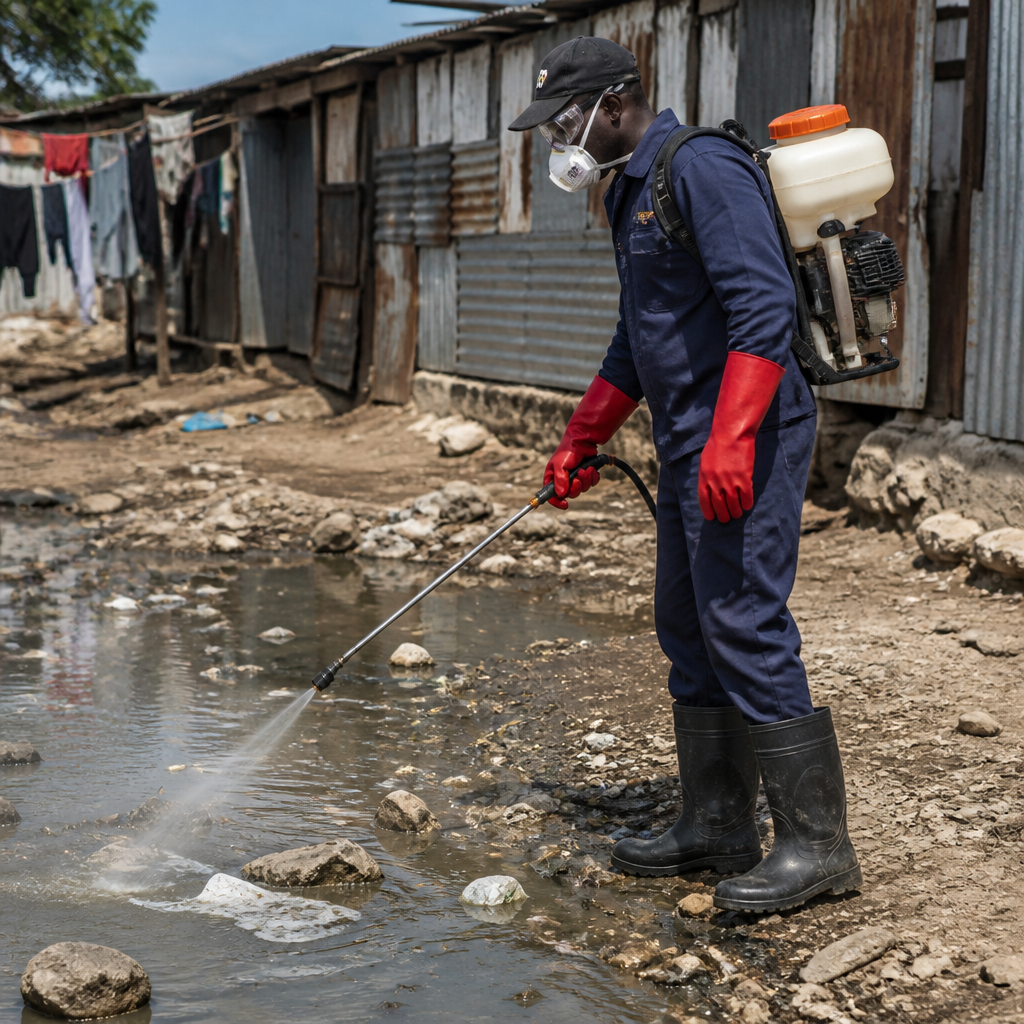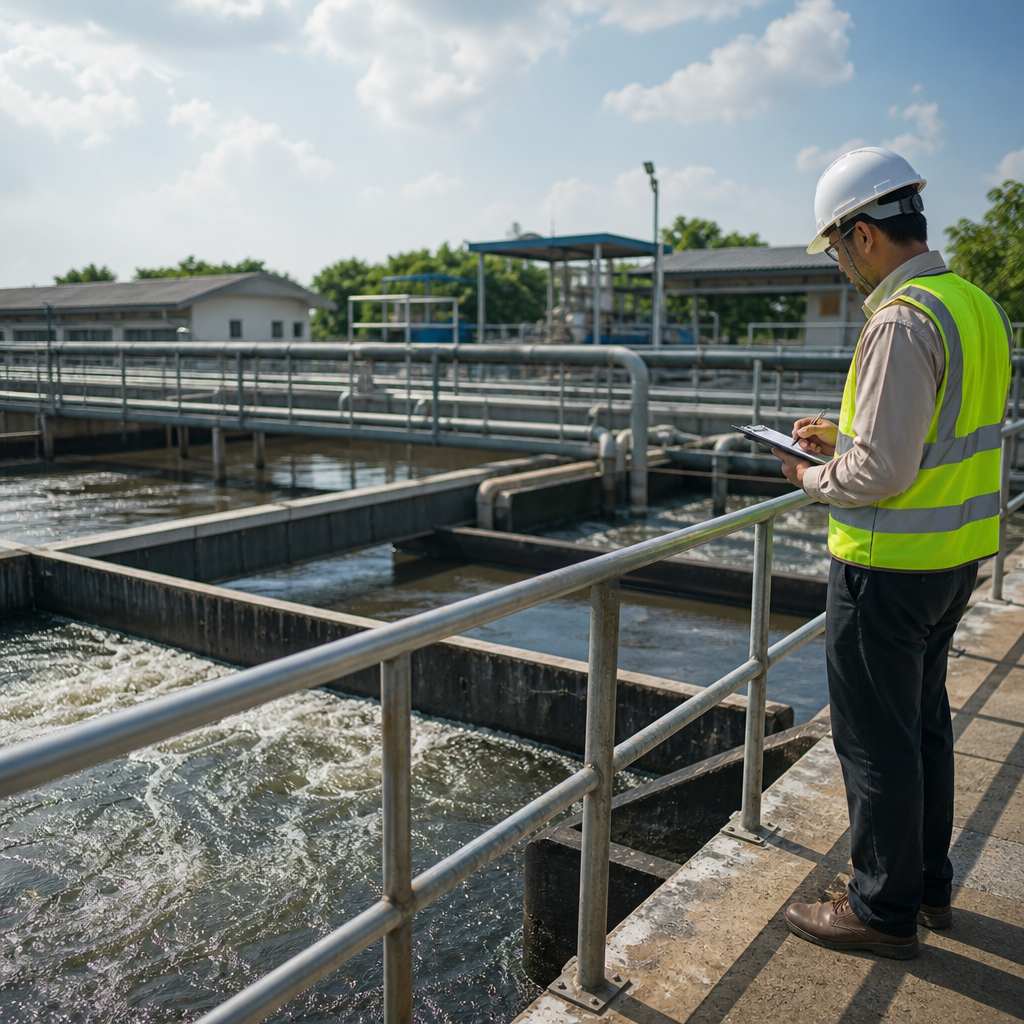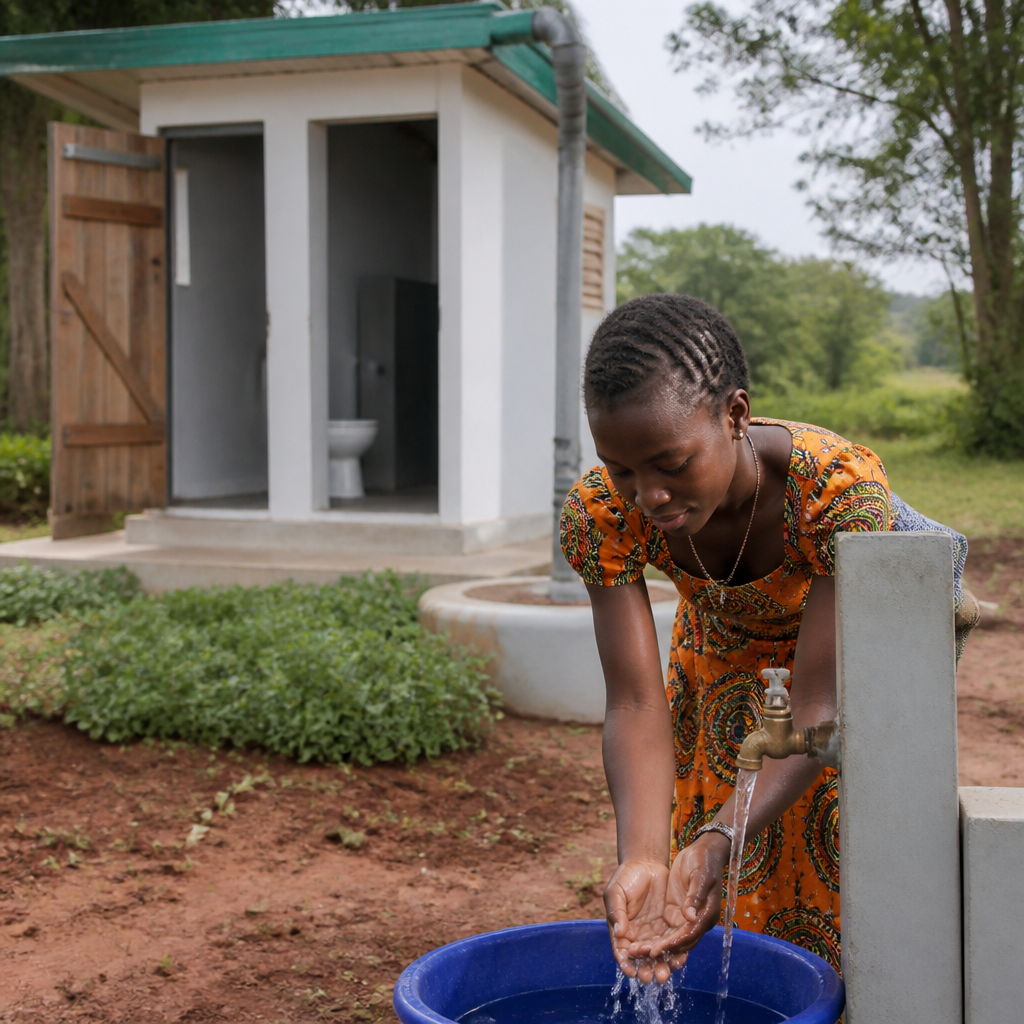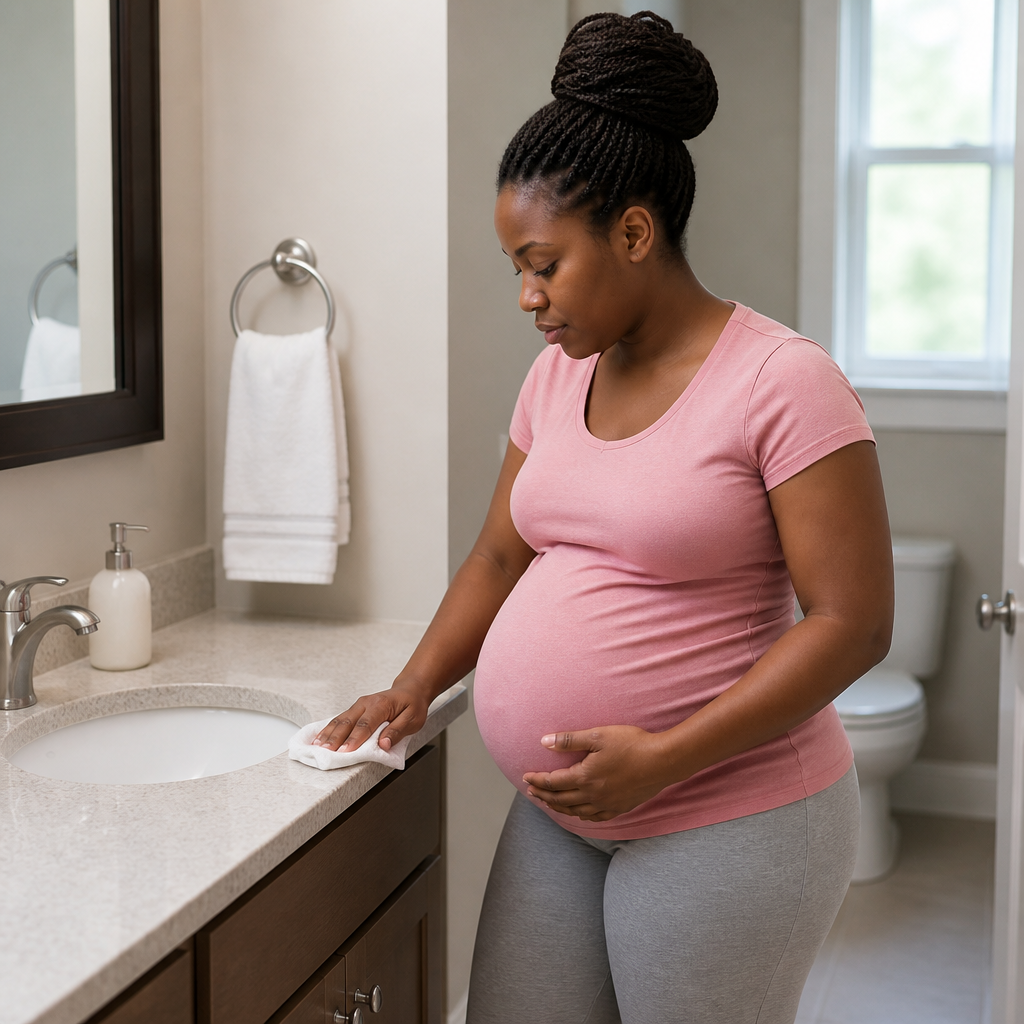
Pregnancy and sanitation are inseparable because a mother’s daily environment directly shapes her risk of infection, stress, dehydration, and poor nutrition during one of the body’s most demanding phases. In public health, sanitation means the systems and practices that safely manage human waste, wastewater, menstrual materials, handwashing, and household hygiene. When these basics fail, pregnant women face greater exposure to diarrheal disease, urinary tract infections, soil-transmitted parasites, and unsafe water, all of which can affect fetal growth and maternal wellbeing. I have worked on household sanitation planning and community hygiene programs, and the same pattern appears everywhere: when toilets are safer, handwashing is easier, and waste is managed properly, pregnancy outcomes improve. EcoSan, short for ecological sanitation, matters here because it treats sanitation not only as waste disposal but as a health-protection system that can conserve water, reduce contamination, and recover nutrients safely when managed correctly. For families, clinics, schools, and communities, that approach is practical, especially where sewer networks are incomplete or water supplies are unreliable.
Enhancing health through EcoSan requires understanding both the medical and environmental stakes. Pregnancy changes immunity, circulation, bladder pressure, and nutritional needs. A pregnant woman may need to urinate more often, may be more vulnerable to dehydration after diarrhea, and may struggle with nausea in foul-smelling or poorly ventilated latrines. Falls are also a real hazard; uneven paths, slippery slabs, and nighttime toilet access become more dangerous as balance changes. Meanwhile, sanitation systems that contaminate groundwater or attract flies create broader household risks, affecting older children and caregivers too. EcoSan systems, including urine-diverting dry toilets, composting toilets, and well-designed greywater reuse setups, can reduce these exposures when they are built to standard, maintained consistently, and paired with strict hand hygiene. This article serves as a hub for the full subtopic by explaining the main health risks, core EcoSan methods, design requirements for pregnant users, household routines, community implementation, and the practical limits that decision-makers must respect.
Why sanitation is a pregnancy health issue
Pregnancy increases the consequences of poor sanitation because common infections can become more serious more quickly. Diarrheal illness can lead to dehydration, electrolyte loss, reduced food intake, and in severe cases hospitalization. Repeated gastrointestinal infection is also linked with undernutrition and anemia, both of which raise pregnancy risks. Urinary tract infections are another concern. While poor toilet hygiene does not cause every UTI, limited access to clean toilets, delayed urination, inadequate washing water, and contaminated hands can increase exposure to bacteria and worsen symptoms. In areas with open defecation or unsafe fecal sludge disposal, hookworm and other parasites remain important because they contribute to blood loss and iron deficiency. The World Health Organization and UNICEF Joint Monitoring Programme have long shown that safely managed sanitation and handwashing facilities are foundational public health measures, not optional amenities.
There is also a safety dimension that often gets missed in technical discussions. Pregnant women may avoid drinking enough water if toilet access is distant, dark, dirty, or shared with many users. That behavior increases constipation, headaches, and dehydration. In settlements with insecure sanitation, women may wait until early morning or late night for privacy, which raises the risk of falls, harassment, or assault. From a design perspective, these are sanitation failures, not personal coping issues. A toilet that technically exists but is inaccessible, unsafe, or unusable during pregnancy does not protect health. EcoSan planning must therefore begin with the user pathway: distance from the home, lighting, drainage, handwashing location, odor control, cleaning method, and the privacy needed to use the facility without stress.
How EcoSan protects health
EcoSan improves health by breaking the chain of contamination between excreta, hands, water, food, soil, and flies. Conventional systems often focus on transport and disposal. Ecological sanitation starts earlier by separating waste streams, containing them at source, supporting pathogen reduction, and allowing safe reuse where regulations permit. The most widely discussed system is the urine-diverting dry toilet, which keeps urine and feces separate. Because feces stay drier, smell decreases, flies are easier to control, and composting or dehydration processes work more effectively. In water-scarce settings, this reduces dependence on flushing and helps households maintain sanitation during shortages. Less standing wastewater around the toilet also means fewer breeding opportunities for insects and fewer slippery surfaces.
The health benefits depend on disciplined management. Safe EcoSan is not simply a toilet style; it is a full operating system. Users need ash, lime, or dry cover material if the design requires it. Storage chambers must remain dry and protected from rain intrusion. Ventilation pipes must be screened. Handwashing stations need soap and reliable water. Collected materials must be handled with gloves or tools, stored for the required treatment period, and applied according to local standards for pathogen reduction. I have seen excellent EcoSan systems fail because handwashing was omitted, and simple pit latrines outperform them in practice because cleaning routines were clear. The lesson is straightforward: the health value of EcoSan comes from correct design plus consistent behavior, not from branding a toilet as sustainable.
EcoSan options for households and clinics
Different settings require different ecological sanitation solutions, and pregnancy-safe choices prioritize cleanliness, stability, privacy, and ease of maintenance. Households often choose between improved ventilated pit latrines, urine-diverting dry toilets, and composting toilets. Clinics and maternity waiting homes may use pour-flush systems linked to septic tanks where water is dependable, but they can still adopt ecological principles through source separation, greywater treatment, and fecal sludge management. The best option is the one that users will maintain every day without compromising infection prevention. For pregnant users, features such as handrails, low step height, wide doorways, washable surfaces, and nearby handwashing are as important as the treatment technology itself.
| System | Main advantage | Key limitation | Pregnancy-related design note |
|---|---|---|---|
| Urine-diverting dry toilet | Low water use and good source separation | Needs correct user behavior and dry cover material | Stable seat, clear instructions, and easy cleaning reduce misuse |
| Composting toilet | Potential nutrient recovery and reduced sludge volume | Requires careful moisture and temperature management | Odor control and safe emptying protocols matter during frequent use |
| Improved pit latrine | Simple construction and familiar operation | Groundwater risk in poor siting conditions | Non-slip slab and short walking distance improve safety |
| Pour-flush with septic tank | Comfortable use and easier cleaning | Needs reliable water and scheduled desludging | Night access, lighting, and grab bars support later pregnancy |
For facilities serving pregnant women, standards from WASH in health care settings are useful benchmarks. Toilets should be separated from food areas, cleaned on a documented schedule, supplied with soap, and designed for disability access where possible. Waste bins for menstrual and incontinence materials should have lids and liners. Floors should slope to drains without pooling. In small rural clinics, low-cost improvements such as solar lighting, elbow-operated taps, and chlorine solution stations can dramatically improve safety. EcoSan works best when integrated into this broader hygiene system rather than treated as a stand-alone structure at the edge of the compound.
Designing sanitation around pregnancy needs
Pregnancy-safe sanitation design starts with access. The toilet should be close enough to reduce long walks, especially at night, but far enough from wells and kitchens to protect water and food areas. Siting depends on hydrogeology, yet a common rule is to avoid locations where pits or seepage can contaminate shallow groundwater, particularly on fractured rock or in flood-prone ground. The path should be level, drained, and illuminated. I recommend a firm handhold from the last step to the door in any household where the user is in the second or third trimester. A seat is usually easier than a squat slab late in pregnancy or after delivery, and if squatting is culturally preferred, a support rail still helps.
Ventilation and cleaning chemistry also matter. Strong odors can worsen nausea, so vent pipes, screened openings, and dry floor surfaces are not cosmetic upgrades. They directly affect whether the toilet is used consistently. Cleaning products should remove pathogens without creating dangerous fumes in enclosed spaces. Soap and detergent are sufficient for routine cleaning of many surfaces; stronger disinfectants such as diluted chlorine have a role when contamination is visible or when someone in the household has infectious diarrhea. Mixing bleach with acids or ammonia is unsafe and should never happen. Water storage for handwashing must be covered and refilled daily. If the household uses urine diversion, the interface should be easy to understand; confusion leads to wet feces chambers, more smell, and harder maintenance.
Daily household practices that make EcoSan effective
Even the best sanitation hardware fails without routine habits. The first nonnegotiable practice is handwashing with soap after toilet use, after handling child feces, before food preparation, and before eating. Alcohol hand rub can supplement but not replace soap when hands are visibly dirty. The second practice is keeping the toilet dry, supplied, and clean. In a urine-diverting system, that means checking the diversion pan, adding cover material if required, and wiping splashes promptly. In any system, users should clean high-touch points such as door latches and seat surfaces regularly. Shared household schedules help. In one program I supported, families who posted a simple cleaning roster maintained facilities better than families given more advanced hardware but no routine.
Pregnant women also benefit from sanitation habits linked to hydration and nutrition. Safe water should be available near the toilet and sleeping area so women do not restrict drinking. Oral rehydration salts should be kept at home where diarrheal disease is common. If vomiting or diarrhea lasts more than a day, or if there is fever, blood in stool, reduced fetal movement, dizziness, or signs of dehydration, clinical care is necessary. EcoSan can reduce disease exposure, but it does not replace antenatal care, deworming where indicated, iron supplementation, tetanus vaccination, blood pressure checks, or screening for urinary and reproductive tract infections. The strongest maternal health results come when sanitation improvements are paired with routine prenatal services and clear referral pathways.
Community systems, behavior change, and nutrient reuse
At community level, enhancing health through EcoSan depends on governance as much as engineering. Someone must be responsible for supply chains, user training, sludge handling, and repairs. This is why successful projects usually include masons trained on toilet interfaces, local vendors supplying ash or lime, and health workers reinforcing hygiene messages during antenatal visits. Behavior change should be practical and specific. Telling people to value sanitation is less effective than showing how to keep chambers dry, how long treated material must be stored, and how to wash hands without contaminating the water vessel. Monitoring should include usage, cleanliness, odor, availability of soap, and whether pregnant users actually feel safe accessing the facility after dark.
Nutrient reuse is often the headline EcoSan benefit, but it must be handled carefully. Human urine contains nitrogen, phosphorus, and potassium and can be useful in agriculture when collected and applied according to public health guidance. Treated fecal matter can improve soil organic content if pathogen reduction has been achieved through dehydration, composting, or storage, and if local law permits reuse. However, this is not a shortcut for raw waste application. For households with pregnant members, I advise separating roles so the pregnant woman is not the one emptying chambers or handling partly treated material. Gloves, dedicated tools, boots, and handwashing are mandatory. Food crops eaten raw deserve extra caution, and many programs limit reuse to trees, fodder, or nonleafy crops. Done correctly, reuse supports food security; done poorly, it recreates the contamination EcoSan is meant to stop.
Limits, tradeoffs, and what good implementation looks like
EcoSan is powerful, but it is not ideal everywhere. High water tables, flooding, dense urban compounds, and weak maintenance systems can make some designs risky or impractical. A poorly managed urine-diverting toilet can smell worse than a standard latrine and discourage use. Composting systems can fail if moisture control is weak. Source-separated systems also demand training, and households under severe time or financial pressure may struggle to keep up with supplies and maintenance. These tradeoffs should be stated plainly. The right sanitation choice depends on soil conditions, climate, user preference, tenure security, affordability, and local regulations for fecal sludge and reuse.
Good implementation is therefore evidence-led. Start with a sanitation risk assessment, including groundwater mapping, flood history, user mobility, and distance to water sources. Build or upgrade the toilet with pregnancy-friendly access, then pair it with soap, lighting, cleaning tools, and written maintenance steps. Train every user, not only the household head. Review the system after several weeks to see whether it is actually being used and whether odors, flies, or leakage are appearing. Pregnancy and sanitation demand this level of seriousness because small failures have outsized health consequences. If you are building a healthier home or program under the Health and Safety topic, use EcoSan as a complete hygiene strategy: choose an appropriate system, make it safe for pregnancy, maintain it consistently, and connect it to antenatal care. That is how sanitation protects both mother and child.
Frequently Asked Questions
Why is sanitation especially important during pregnancy?
Sanitation is especially important during pregnancy because a pregnant woman’s body is working harder to protect both her own health and the development of the baby. During this time, exposure to unsafe water, poor toilet conditions, unclean surfaces, inadequate handwashing, and improper waste disposal can increase the risk of infections that may otherwise have been preventable. These include diarrheal illnesses, urinary tract infections, skin infections, intestinal parasites, and other hygiene-related diseases that can lead to dehydration, inflammation, weakness, and difficulty absorbing nutrients.
Poor sanitation can also affect pregnancy indirectly. If a woman avoids drinking water because toilets are unsafe or unavailable, she may become dehydrated, which can worsen fatigue, constipation, dizziness, and urinary problems. If she feels stressed or unsafe using sanitation facilities, that daily strain can affect her mental well-being and her ability to rest properly. In settings where hygiene is limited, even routine tasks such as bathing, managing menstrual materials in early pregnancy, cleaning food utensils, or washing hands after toilet use can become health risks. Good sanitation reduces exposure to harmful microbes, supports comfort and dignity, and helps create a safer environment for both mother and baby throughout pregnancy.
What sanitation-related health risks can pregnant women face?
Pregnant women can face several sanitation-related health risks when hygiene systems and practices are inadequate. One major concern is diarrheal disease, which can result from contaminated water, poor hand hygiene, or food prepared in unsanitary conditions. Diarrhea can quickly lead to dehydration and loss of essential minerals, both of which are particularly concerning during pregnancy. Another common issue is urinary tract infection, which may become more likely when toilet facilities are dirty, inaccessible, or do not allow proper cleaning after urination. If left untreated, some urinary infections can spread and become more serious.
Pregnant women may also be exposed to soil-transmitted parasites in environments where human waste is not safely contained or disposed of. These parasites can contribute to anemia, poor appetite, weakness, and reduced nutrient absorption, which can affect maternal health and fetal growth. Skin and reproductive tract infections may also become more likely when bathing water is unsafe, laundry cannot be cleaned properly, or menstrual and personal hygiene materials are not handled hygienically. In addition, poor household sanitation can attract insects and rodents, increasing the overall disease burden in the home. The combination of infection risk, dehydration, nutritional stress, and emotional strain makes sanitation a critical part of prenatal health protection.
What are the most important hygiene and sanitation practices to follow during pregnancy?
The most important hygiene and sanitation practices during pregnancy begin with consistent handwashing. Hands should be washed thoroughly with soap and safe water after using the toilet, after cleaning a child, before preparing food, before eating, and after handling waste, dirty laundry, or animals. Safe toilet use is also essential. Toilets or latrines should be kept as clean as possible, with regular cleaning of surfaces that are touched often. If possible, a pregnant woman should have access to a toilet that is nearby, well lit, ventilated, and easy to use without slipping or excessive squatting.
Safe water practices matter just as much. Drinking water should come from a trusted source or be treated when necessary by boiling, filtering, or using approved disinfection methods. Water should be stored in clean, covered containers to prevent recontamination. Food hygiene is another key area: fruits and vegetables should be washed well, food should be cooked thoroughly, and utensils and preparation surfaces should be kept clean. Household hygiene also supports pregnancy health, including regular cleaning of frequently touched surfaces, safe disposal of garbage, prompt management of wastewater, and washing clothes, towels, and bedding in clean water. These practices may seem basic, but together they create a strong barrier against infections that can complicate pregnancy.
How can poor sanitation affect nutrition, hydration, and overall pregnancy outcomes?
Poor sanitation can have a serious effect on nutrition and hydration during pregnancy, even when food is available. Repeated exposure to germs through contaminated water, food, or unclean hands can cause diarrhea and intestinal infections, which reduce the body’s ability to absorb nutrients effectively. This means a woman may be eating enough but still not getting the full benefit from her diet. Infections and parasites can also suppress appetite, increase inflammation, and contribute to iron deficiency and anemia, leaving the mother tired and physically stressed at a time when her body needs extra energy and nourishment.
Hydration can also suffer when sanitation conditions are poor. Some pregnant women intentionally drink less water because they want to avoid using unsafe, distant, or uncomfortable toilets. This can increase the risk of dehydration, constipation, headaches, and urinary tract infections. Over time, the combined burden of poor hydration, repeated illness, and inadequate nutrient absorption can undermine maternal strength and resilience. While pregnancy outcomes depend on many factors, sanitation plays a foundational role by helping women maintain fluid balance, digest and absorb nutrients, and avoid preventable infections that may interfere with healthy fetal development and maternal well-being.
What practical steps can families and communities take to support sanitation and safety for pregnant women?
Families can support pregnant women by making sanitation access easier, safer, and more consistent every day. This may include ensuring there is a clean toilet available, keeping soap and water within easy reach, improving lighting around sanitation areas, reducing slipping hazards, and making sure drinking water is clean and accessible. Family members can also help by taking on physically demanding chores such as carrying water, deep cleaning toilets, or disposing of waste, especially later in pregnancy when mobility may be reduced. Small changes, such as providing a covered water container, a clean towel, and a dedicated handwashing station, can make a meaningful difference.
At the community level, support means investing in sanitation systems that are inclusive and reliable. This includes safe latrines, wastewater management, handwashing infrastructure, waste collection, drainage, and hygiene education that addresses the needs of pregnant women directly. Health workers and local leaders can reinforce the importance of early treatment for diarrhea, urinary symptoms, and suspected parasitic infection. Communities should also consider safety, privacy, and dignity by ensuring sanitation facilities are not too far away, are secure to use at night, and are suitable for women with changing physical needs during pregnancy. When homes, clinics, and public spaces prioritize sanitation, they reduce preventable health risks and create conditions that better protect mothers and babies alike.