Infectious disease control through improved sanitation is one of the most practical, measurable, and cost-effective public health strategies available. Sanitation means the systems and behaviors that safely manage human waste, wastewater, solid waste, drainage, hand hygiene, and the cleanliness of shared environments. When those systems fail, pathogens move quickly from feces, contaminated water, unwashed hands, food surfaces, insects, and flooded surroundings into human bodies. When sanitation improves, disease transmission drops, child survival rises, school attendance improves, and communities gain a healthier foundation for work and daily life.
Within this broader field, Enhancing Health Through EcoSan refers to ecological sanitation approaches that treat human waste as a resource to be safely contained, processed, and reused rather than simply discarded. In practice, EcoSan includes urine-diverting dry toilets, composting toilets, decentralized treatment, safe sludge handling, nutrient recovery, and household or community systems designed to protect groundwater and reduce environmental contamination. I have worked on sanitation planning discussions where the most important lesson was simple: toilets alone do not control disease. What matters is the full sanitation chain, from user behavior and containment to treatment, reuse, maintenance, and monitoring.
This topic matters because infectious diseases linked to poor sanitation remain a major burden, especially diarrheal disease, cholera, typhoid, hepatitis A and E, intestinal worm infections, trachoma, and some skin and vector-borne illnesses worsened by standing wastewater. The World Health Organization and UNICEF repeatedly show that safely managed sanitation is strongly associated with lower exposure to pathogens. EcoSan deserves special attention in the Health and Safety category because it can address disease control, water scarcity, soil fertility, and resilience in places where sewer expansion is too expensive, too water-intensive, or technically unsuitable. As a hub article, this guide explains how improved sanitation interrupts transmission, where EcoSan works best, what standards and safeguards matter, and which subtopics deserve deeper reading next.
How improved sanitation breaks the chain of infection
Improved sanitation controls infectious disease by interrupting the fecal-oral route, the best known pathway captured in public health by the classic “F-diagram”: fluids, fields, flies, fingers, food, and future hosts. Human feces can contain bacteria such as Vibrio cholerae, Shigella, and pathogenic Escherichia coli; viruses such as rotavirus and norovirus; protozoa such as Giardia; and helminths including Ascaris. If waste is left in the open, stored in leaking pits, flushed into broken drains, or spread untreated, these organisms can persist and spread through water, soil, surfaces, and insects. Effective sanitation creates barriers at multiple points, which is why it works even before advanced clinical care is available.
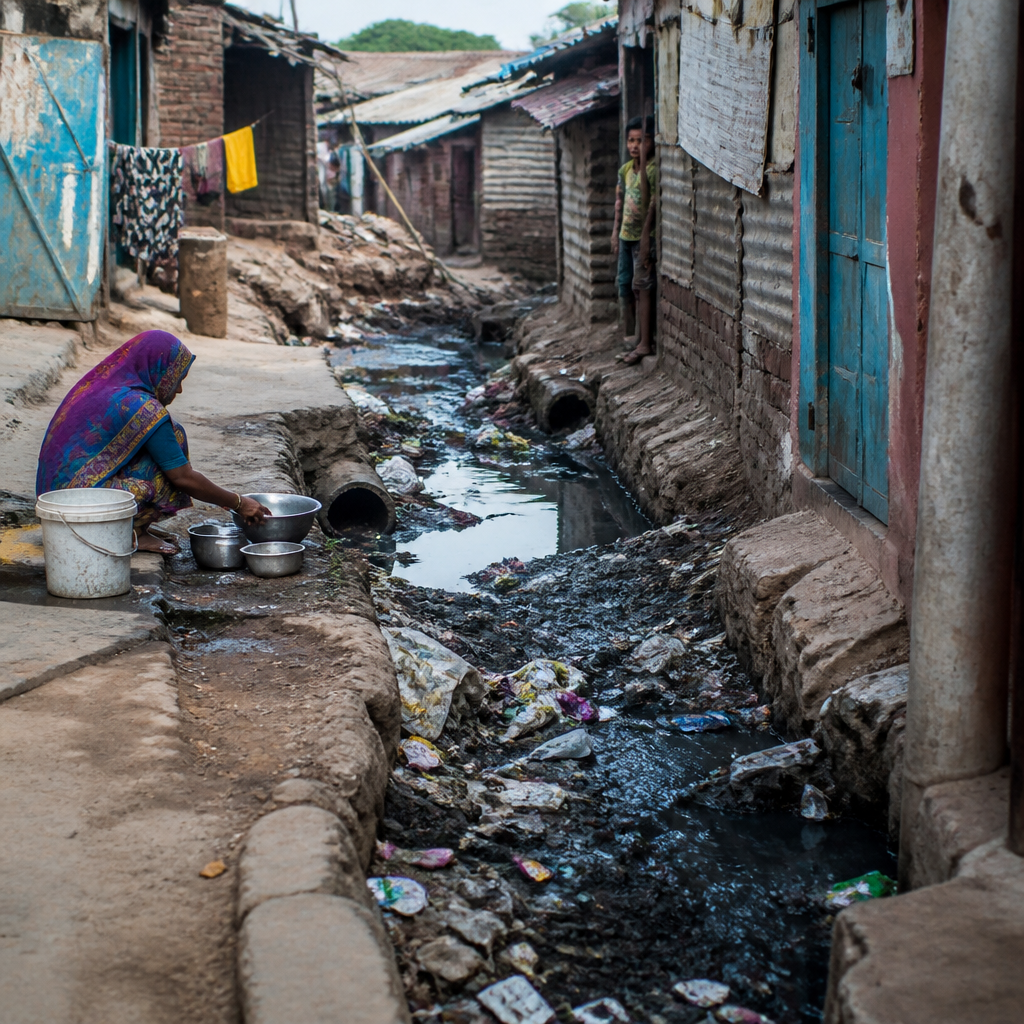
Direct health gains appear when people consistently use hygienic toilets, wash hands with soap after contact with feces, keep wastewater away from homes, and prevent contamination of drinking water sources. In dense settlements, the difference between a lined, ventilated, maintained toilet and overflowing waste in lanes can determine whether one case of diarrhea stays isolated or becomes a neighborhood outbreak. During field assessments, I have seen communities focus first on toilet construction and later discover that unsafe emptying and sludge dumping recreated the same health risk downstream. Disease control requires every step to be safe, not just the user interface.
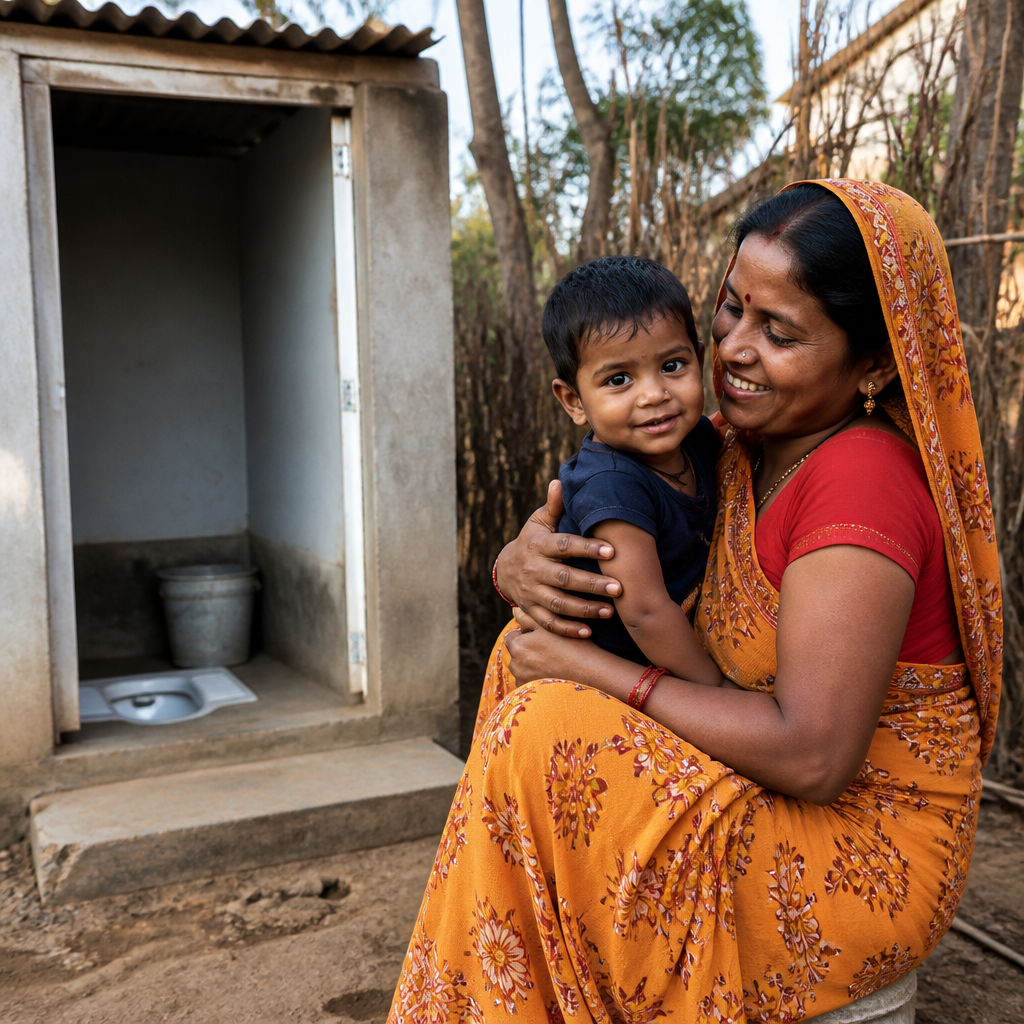
EcoSan strengthens this model by designing sanitation systems around containment and treatment. Urine-diverting dry toilets separate urine and feces, reducing moisture and odor while making treatment more controllable. Composting systems create conditions that inactivate pathogens over time through heat, microbial competition, drying, elevated pH, or storage intervals, depending on the technology. The goal is not simply reuse. The first goal is pathogen reduction to a level consistent with accepted health protection practices.
What EcoSan means in practical public health terms
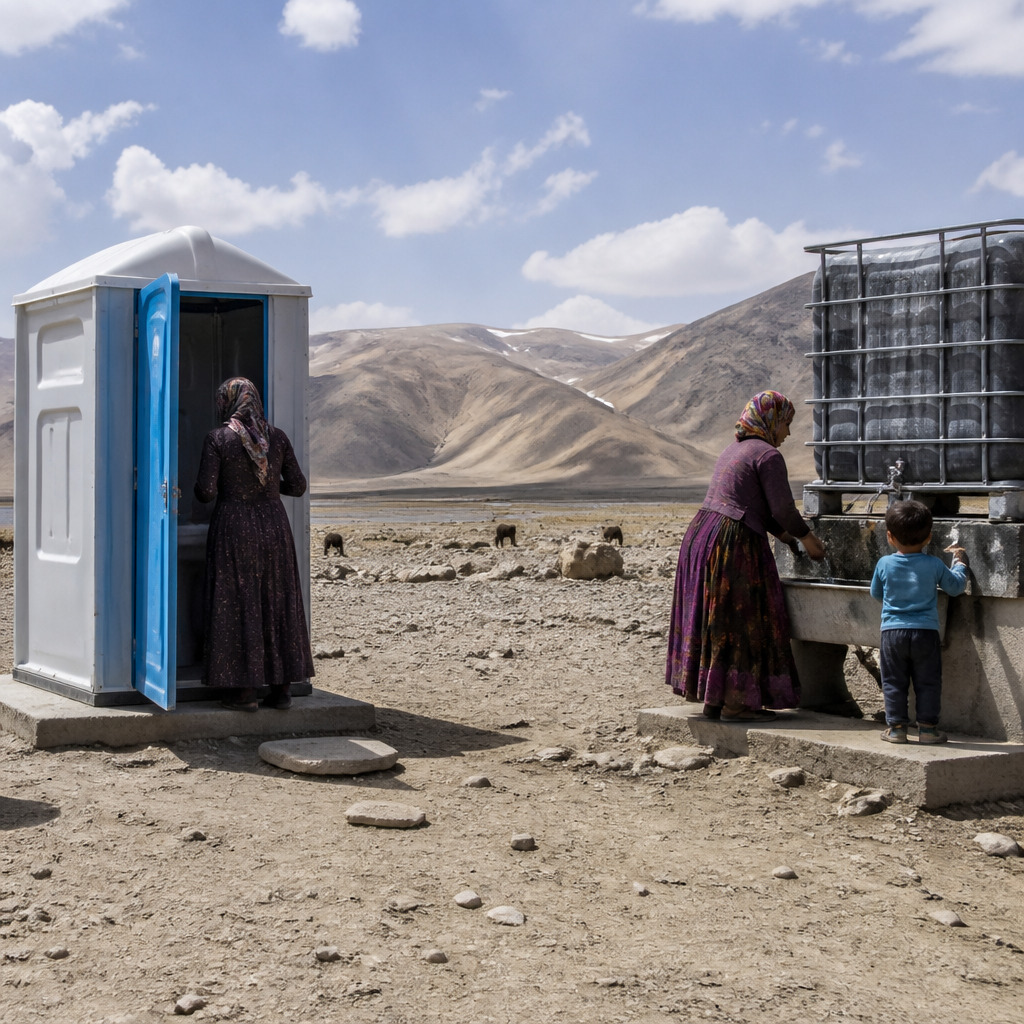
EcoSan is often misunderstood as a niche environmental idea, but in public health terms it is a sanitation framework built on source separation, safe treatment, resource recovery, and local system management. Instead of using large volumes of water to move waste away, EcoSan technologies often contain waste near the point of generation and treat it in a controlled way. That makes them especially relevant in arid regions, informal settlements, flood-prone areas, rocky terrain, and peri-urban zones where centralized sewerage is financially or physically unrealistic.
The best known EcoSan option is the urine-diverting dry toilet. Urine is collected separately because it is typically lower in pathogens than feces and contains most of the nitrogen and a substantial share of phosphorus and potassium valuable for agriculture. Feces are collected in a separate chamber and covered with dry material such as ash, lime, or sawdust to reduce moisture, odors, and insect access. With proper storage and handling, pathogen levels decline significantly. Another EcoSan option is the composting toilet, which relies on managed biological decomposition. At larger scales, container-based sanitation, decentralized wastewater treatment, and fecal sludge treatment plants can all fit EcoSan principles if they emphasize safe containment and beneficial reuse.
Public health value depends on design quality and disciplined operation. A poorly maintained dry toilet can spread disease just as easily as a broken flush toilet. That is why standards, user training, emptying schedules, and protective equipment are central. The WHO Sanitation Safety Planning framework is useful here because it maps hazards across the sanitation chain and identifies controls. For agriculture reuse, WHO guidelines on wastewater and excreta use, along with national regulations, help determine required treatment levels, crop restrictions, worker protection, and withholding periods.
Which diseases sanitation affects most
Sanitation improvements have the strongest and most immediate effect on diseases transmitted through contact with feces or contaminated water and food. Diarrheal disease is the clearest example. Children under five are especially vulnerable because dehydration develops quickly and repeated infections contribute to undernutrition and stunting. Cholera spreads explosively where water and sanitation systems fail, particularly after floods, conflict, or displacement. Typhoid fever persists in settings with unsafe fecal management and contaminated food handling. Hepatitis A and E are also closely tied to poor sanitation and can trigger severe outbreaks.
Soil-transmitted helminths, including roundworm, whipworm, and hookworm, are another major target. Their eggs or larvae survive in contaminated soil where open defecation or unsafe sludge use occurs. Sanitation reduces environmental contamination, while deworming programs reduce the current infection burden; the strongest control comes from combining both. Trachoma prevention also depends partly on sanitation because better waste management and face-washing reduce fly breeding and eye infection transmission. In health facilities, sanitation failures contribute to healthcare-associated infections when toilets, handwashing stations, and wastewater systems are inadequate.
Not every infectious disease responds equally. Malaria, for example, is not caused by poor sanitation, but drainage and wastewater mismanagement can create mosquito breeding sites that worsen local vector pressure. That distinction matters. Good sanitation is not a cure-all, yet it remains one of the most reliable upstream interventions because it reduces exposure across entire populations rather than treating cases one by one.
Comparing sanitation options for disease control
Different sanitation systems fit different geographies, budgets, and risk profiles. The right choice depends on groundwater depth, population density, water availability, flood risk, soil conditions, user preferences, local service capacity, and safe end-use or disposal options. A sewered network with effective treatment can deliver strong health protection in dense urban areas, but it requires major capital, water supply reliability, energy, and ongoing technical management. Pit latrines can be affordable and fast to deploy, yet unlined pits near shallow wells create contamination risks, and pit emptying is often neglected.
EcoSan systems become especially competitive where water is scarce, soils are unsuitable for infiltration, or reuse has economic value. Their limitation is that they demand more active management and stronger behavior change than a simple flush system. In my experience, adoption rises when households understand not only the environmental logic but also the immediate practical benefits: less smell, fewer flies, lower water use, safer yards, and valuable compost or urine fertilizer where regulations allow.
| System | Best fit | Main health advantage | Key limitation |
|---|---|---|---|
| Conventional sewerage | Dense urban areas with utilities | Removes waste from households rapidly when treatment works | High capital, water, and maintenance needs |
| Pit latrine | Low-cost rural or peri-urban settings | Reduces open defecation quickly | Groundwater contamination and unsafe emptying risk |
| Septic system | Low-density areas with suitable soils | On-site containment and partial treatment | Fails without desludging and drainfield care |
| Urine-diverting dry toilet | Water-scarce, rocky, flood-prone settings | Excellent containment with low water demand | Requires consistent user practice and safe handling |
| Composting toilet | Households or institutions with trained management | Pathogen reduction plus resource recovery potential | Treatment performance depends on operation conditions |
Safe reuse, fecal sludge management, and environmental protection
Any serious hub on Enhancing Health Through EcoSan must emphasize that reuse is beneficial only when safety controls are real. Untreated or partly treated excreta can spread helminths, enteric bacteria, and viruses to farmers, market vendors, and consumers. Safe reuse depends on treatment barriers and non-treatment barriers used together. Treatment barriers include storage time, dehydration, composting, alkaline treatment, thermal treatment, and engineered sludge processing. Non-treatment barriers include crop selection, drip irrigation instead of spray application, withholding periods before harvest, personal protective equipment, handwashing, and market washing practices.
Fecal sludge management is the operational backbone. Even the best toilet design fails if collection, transport, treatment, and final use or disposal are unsafe. Cities increasingly use scheduled desludging programs, transfer stations, geospatial service mapping, and licensed emptiers to reduce illegal dumping. Treatment plants may include drying beds, settling-thickening tanks, co-composting, anaerobic digestion, planted drying beds, or mechanical dewatering. For pathogen reduction verification, operators often monitor temperature, moisture, pH, retention time, and where feasible indicator organisms. Resource recovery can include compost, soil conditioner, biogas, black soldier fly larvae processing of suitable organics, or nutrient concentrates, but public health protection must come first.
Environmental protection is not separate from infectious disease control. When nitrates, pathogens, and pharmaceutical residues seep into groundwater, household wells become chronic exposure points. When stormwater mixes with sewage, children playing in flooded lanes face direct contact risks. EcoSan can reduce these burdens by minimizing leachate, reducing water demand, and localizing treatment, but only if systems are designed for climate conditions and monitored over time.
Implementation: what makes sanitation programs succeed
Successful sanitation programs combine engineering, behavior change, financing, and governance. Hardware-first projects often underperform because they assume people will automatically use and maintain unfamiliar systems. In reality, uptake depends on privacy, convenience, menstrual hygiene needs, odor control, cleaning effort, cultural acceptability, and trust in the service chain. Community engagement should start before construction, not after. Households need clear guidance on use, cover materials, storage periods, maintenance steps, child feces disposal, and what to do when chambers fill.
Institutions matter as much as households. Schools need age-appropriate toilets, handwashing stations with soap, menstrual hygiene facilities, and maintenance budgets. Clinics need reliable sanitation because immunocompromised patients face higher infection risks. Municipal governments need regulatory authority, tariff structures, inspection routines, and trained operators. Development banks and NGOs can support pilots, but long-term success depends on local ownership and recurring finance for operations and maintenance.
Measurement should track outcomes beyond toilet counts. Useful indicators include open defecation prevalence, safe emptying coverage, handwashing access, wastewater drainage, contamination of nearby water sources, diarrheal incidence, helminth prevalence, school attendance, and user satisfaction. Sanitation safety plans, hazard analysis, and routine audits create accountability. If you are building a Health and Safety content cluster, the next articles linked from this hub should cover toilet technology selection, fecal sludge management, hand hygiene integration, sanitation in schools and clinics, wastewater reuse safeguards, and climate-resilient design.
Improved sanitation controls infectious disease because it stops pathogens before they reach people. That principle is simple, but effective practice is comprehensive: safe containment, reliable treatment, careful handling, clean water protection, and consistent hygiene behavior. EcoSan strengthens this public health approach by turning sanitation from a disposal problem into a managed system that can conserve water, recover nutrients, and reduce environmental contamination without sacrificing health protection.
The main takeaway from Enhancing Health Through EcoSan is that disease prevention depends on the whole sanitation chain, not just the presence of a toilet. Urine diversion, composting, decentralized treatment, and safe reuse can all support healthier communities when they follow recognized safeguards, fit local conditions, and are backed by training, maintenance, and oversight. Where sewerage is impractical, EcoSan is not a compromise. Done well, it is a robust disease-control strategy with added environmental and economic value.
Use this hub as your starting point for deeper Health and Safety planning. Review your local sanitation risks, compare system options, and prioritize solutions that protect users, workers, water sources, and food systems at the same time. Better sanitation is not only infrastructure. It is infectious disease prevention in action, and the benefits begin as soon as exposure pathways are closed.
Frequently Asked Questions
How does improved sanitation help control infectious diseases?
Improved sanitation breaks the chain of infection by reducing the ways harmful bacteria, viruses, parasites, and other pathogens move from waste and contaminated environments into the human body. Many infectious diseases spread through what public health experts call the fecal-oral route, meaning germs from human waste can reach drinking water, food, hands, household surfaces, or soil and then be swallowed. Poor drainage, unmanaged wastewater, overflowing toilets, open defecation, and uncollected solid waste also create conditions where insects and other disease vectors thrive, increasing exposure even further.
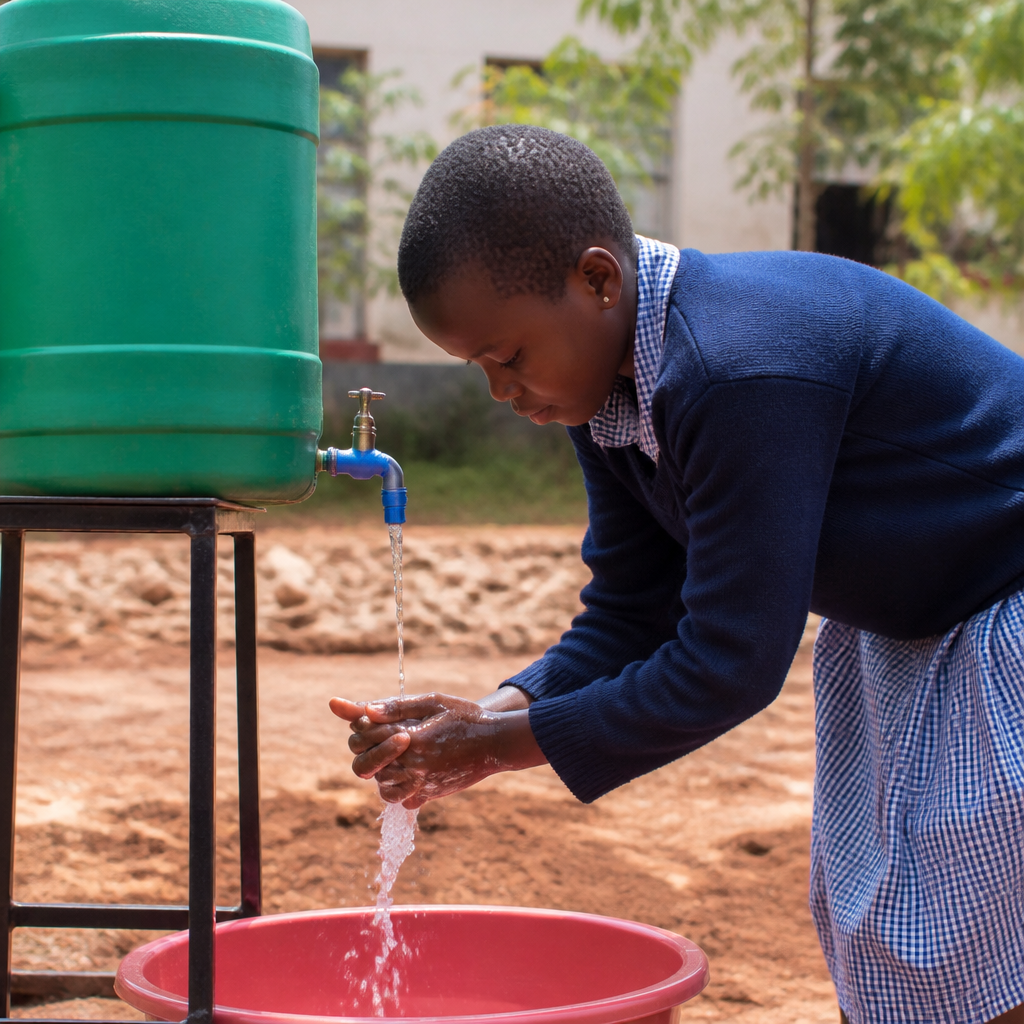
When sanitation systems are reliable, human waste is safely contained, transported, treated, and kept away from people, water sources, and food preparation areas. Handwashing with soap after toilet use and before handling food adds another powerful layer of protection by removing germs before they can spread. Clean shared spaces, safe wastewater disposal, proper waste collection, and flood-resilient drainage all work together to reduce contamination in homes, schools, healthcare facilities, markets, and neighborhoods.
The result is fewer diarrheal illnesses, lower transmission of intestinal worms, reduced risk of cholera and typhoid outbreaks, and improved overall community health. Better sanitation also supports stronger immune resilience indirectly by helping children avoid repeated infections that contribute to undernutrition and poor growth. In practical terms, sanitation is not just about cleanliness. It is a core disease prevention system that protects entire populations every day.
Which infectious diseases are most affected by sanitation conditions?
Sanitation has a direct influence on a wide range of infectious diseases, especially those linked to contaminated water, food, surfaces, and poor hygiene. Diarrheal diseases are among the clearest examples. Illnesses caused by organisms such as rotavirus, Shigella, E. coli, Giardia, and Cryptosporidium often spread where human waste contaminates water supplies or where hand hygiene is inconsistent. Cholera is another major sanitation-related disease, because it can spread rapidly in places where sewage and drinking water systems are not adequately separated.
Typhoid fever and hepatitis A are also closely associated with poor sanitation and unsafe handling of fecal waste. Intestinal worm infections, including roundworm, whipworm, and hookworm, are common where sanitation systems are weak and soil becomes contaminated. In many settings, children are especially vulnerable because they have frequent contact with floors, shared play areas, and objects that may carry germs.
Sanitation can also affect diseases in less obvious ways. Stagnant wastewater and blocked drainage may contribute to breeding conditions for insects, while overcrowded and poorly cleaned sanitation facilities can increase exposure to multiple pathogens at once. In healthcare settings, inadequate sanitation raises the risk of healthcare-associated infections by allowing resistant organisms and other dangerous microbes to persist on surfaces or spread through contaminated waste streams. Overall, the diseases most affected by sanitation are those that exploit environmental contamination, weak waste management, and inconsistent hygiene behaviors.
What are the most important sanitation measures for preventing disease in communities?
The most important sanitation measures are those that stop contamination at the source and prevent it from reaching people. Safe toilets or latrines that effectively contain human waste are foundational. These facilities need to be accessible, functional, private, and regularly maintained, because infrastructure only works when people can and will use it consistently. Once waste is contained, there must also be a safe system for emptying, transporting, treating, and disposing of or reusing fecal sludge and wastewater so pathogens are not simply moved from one place to another.
Handwashing with soap is equally essential. Even when sanitation infrastructure exists, disease can still spread if hands are not washed after toilet use, after cleaning a child, before preparing food, and before eating. Reliable access to safe water supports every other sanitation practice, from flushing toilets to cleaning surfaces and washing hands properly. Solid waste management matters as well, because garbage accumulation can contaminate shared spaces, clog drainage, attract pests, and worsen flooding.
Environmental cleanliness should not be overlooked. Regular cleaning and disinfection of toilets, food preparation areas, school facilities, markets, and healthcare environments can significantly reduce pathogen loads. Good drainage systems help prevent standing water and the spread of contamination during storms. Community education is also critical, because lasting disease prevention depends on daily behaviors such as toilet use, child feces disposal, menstrual hygiene management, surface cleaning, and food safety. The strongest results usually come from combining infrastructure, services, and behavior change rather than relying on a single intervention.
Why is sanitation considered one of the most cost-effective public health interventions?
Sanitation is considered highly cost-effective because it prevents illness before treatment is needed, reducing both direct medical costs and wider social and economic losses. Treating infectious diseases can be expensive for families and health systems, especially when outbreaks lead to hospitalizations, dehydration, long recovery periods, or lost wages. Preventing those illnesses through safe waste management, clean facilities, hand hygiene, and improved drainage often costs less over time than responding repeatedly to disease outbreaks and chronic transmission.
The benefits extend well beyond healthcare savings. Children who avoid repeated diarrheal infections are more likely to attend school consistently and maintain better nutrition and development. Adults miss fewer workdays, caregivers spend less time managing preventable illness, and communities face fewer disruptions from disease surges. Healthcare facilities also function more effectively when sanitation standards are high, because they are less burdened by preventable infections and less likely to amplify transmission within their own walls.
Sanitation investments also produce measurable returns in resilience and dignity. Well-designed systems protect communities during heavy rain, population growth, displacement, and emergencies, all of which can increase contamination risks. They improve safety and usability for women, children, older adults, and people with disabilities. Because sanitation addresses multiple disease pathways at once, it delivers broad population-level benefits rather than targeting only one illness. That combination of prevention, measurable impact, and cross-sector value is what makes sanitation one of the smartest long-term public health investments available.
What challenges can limit the success of sanitation programs, and how can they be addressed?
Sanitation programs often face a mix of infrastructure, financing, governance, and behavior-related challenges. One common problem is focusing only on toilet construction without planning for long-term maintenance, waste collection, sludge treatment, reliable water access, and user education. A toilet that is broken, unsafe, inaccessible, or culturally unacceptable may go unused, which means disease risks remain. In rapidly growing urban areas, informal settlements, and flood-prone regions, the technical and logistical demands are even greater because dense populations and weak drainage can spread contamination very quickly.
Affordability is another major barrier. Households, schools, clinics, and local governments may struggle to pay for construction, repairs, cleaning supplies, trained workers, and treatment systems. Weak regulation and fragmented responsibilities can also lead to gaps in service delivery, especially when wastewater, solid waste, drainage, and hygiene promotion are managed separately. In some communities, stigma, lack of privacy, gender-related safety concerns, or limited understanding of disease transmission can reduce adoption of healthier sanitation behaviors.
Addressing these challenges requires a systems approach. Successful programs usually combine technical design, sustained financing, community engagement, clear institutional responsibility, and regular monitoring. Facilities should be designed for real local conditions, including climate risks, soil conditions, population density, and accessibility needs. Behavior change efforts should be practical and respectful, helping people understand not just what to do, but why it matters for family health. Stronger sanitation outcomes also depend on tracking whether services are functioning over time, not just whether they were installed. When sanitation is treated as an ongoing public health service rather than a one-time construction project, disease control results are far more durable and effective.