Health education is the difference between a sanitation system that exists on paper and one that protects people every day. In EcoSan settings, where human waste is treated as a resource through ecological sanitation methods, safety and wellness depend as much on behavior, training, and communication as on toilets, containers, and treatment units. I have seen technically sound sanitation programs fail because households were never taught hand hygiene, vault resting times, urine handling, child feces management, or when protective equipment is truly necessary. I have also seen modest systems perform well because users understood the health logic behind every step.
Health education, in this context, means the structured process of helping people understand disease transmission, safe sanitation practices, risk reduction, hygiene routines, and their own role in maintaining a healthy environment. EcoSan refers to sanitation approaches that separate, contain, treat, and in some cases safely reuse human excreta, often by recovering nutrients and reducing water use. Safety and wellness in EcoSan therefore covers pathogen control, occupational safety, dignity, menstrual hygiene, child health, odor control, vector reduction, mental acceptance, and community trust.
This topic matters because sanitation outcomes are not produced by infrastructure alone. The World Health Organization and UNICEF Joint Monitoring Programme consistently tie sanitation performance to hygiene behavior, safe management, and equity of access. A urine-diverting dry toilet can reduce water demand and improve nutrient recovery, but if anal cleansing materials block the diversion system, if ash is not added correctly, or if compost is removed too early, the health benefit drops quickly. Communities need clear explanations of what makes an EcoSan system safe, what can go wrong, and how to prevent those failures without fear or confusion.
As a hub topic under Health and Safety, Safety and Wellness in EcoSan brings together the practical questions people ask first: Is this toilet safe for children? How do we stop smells and flies? What personal protective equipment is required? When is treated material safe to handle or use? How do we train schools, operators, and households? A strong sanitation program answers these questions before problems appear. The central lesson is simple: health education is not an accessory to sanitation programs. It is the operating system that turns ecological sanitation into a reliable public health service.
Why health education is foundational in EcoSan programs
Every sanitation program tries to interrupt the same basic chain: pathogens leave one person, survive in the environment, and reach another person through hands, water, food, soil, insects, or surfaces. Health education makes that chain visible. When users understand fecal-oral transmission, they are more likely to wash hands with soap at critical times, keep collection chambers dry, separate urine correctly, supervise children, and report faults early. In field implementation, that knowledge changes daily decisions more effectively than posters alone. People protect what they understand.
EcoSan especially requires education because many designs ask users to do specific actions consistently. These may include sitting or positioning correctly over a urine-diverting pan, adding dry cover material after defecation, keeping wash water out of dehydration chambers, resting vaults for prescribed periods, or transporting products only after treatment targets are met. Without training, users may think these are arbitrary rules. With training, they recognize them as pathogen reduction steps. That shift matters because informed users comply more reliably and can teach others.
Education also protects program credibility. The fastest way to lose community confidence is to introduce an unfamiliar sanitation technology and leave people to learn by trial and error. Smells, flies, visible wetness, and confusion about reuse quickly become “proof” that a system is unsafe, even when the root cause is poor orientation. Good health education counters stigma by explaining how treatment barriers work, what normal operation looks like, and which warning signs require action. It replaces rumor with observable standards.
Core health risks and the messages every program must teach
The first duty of a sanitation educator is to identify real risks accurately. In EcoSan systems, the primary hazards are biological: bacteria, viruses, protozoa, and helminths from feces. Secondary risks include ammonia exposure in enclosed spaces, cuts from damaged slabs or containers, ergonomic strain during emptying, slips on wet surfaces, and psychosocial risks such as fear, disgust, or loss of privacy. Effective training does not exaggerate these hazards, but it never minimizes them either. It teaches people what causes exposure, where exposure happens, and how each risk is controlled.
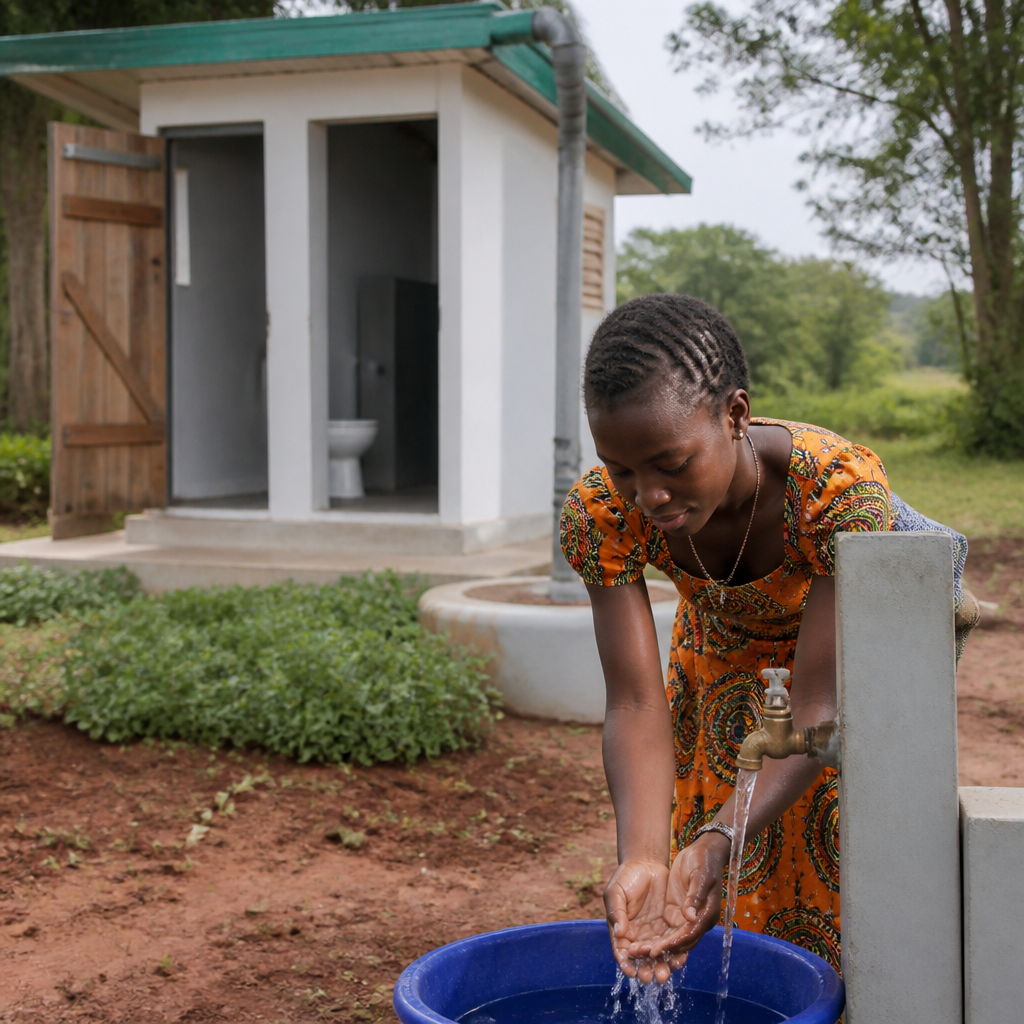
Every program should teach a standard set of messages. Hands must be washed with soap after toilet use, after cleaning a child, before preparing food, and before eating. Child feces are never harmless and must be disposed of safely. Chambers or containers should remain as dry as the design requires because excess moisture can increase odor, flies, and pathogen survival. Maintenance tools should be cleaned and stored separately from household utensils. Treated products should only be handled according to documented treatment conditions and local regulations. If a user has diarrhea, the need for hygiene and correct containment increases, not decreases.
Programs also need to explain uncertainty honestly. Not all treated excreta products are equally safe, and safety depends on time, temperature, pH, dryness, storage, and handling practices. The WHO Sanitation Safety Planning approach is useful here because it focuses on identifying hazards and applying multiple barriers rather than promising absolute zero risk. When communities learn that safety is managed through layered controls, they make better decisions than when they are told a single step makes everything safe.
How to design education for households, schools, and workers
Health education fails when one script is used for everyone. Households, schoolchildren, caretakers, desludging workers, farmers, and supervisors face different tasks and therefore need different guidance. In practice, I build training around user journeys: first use, daily use, cleaning, minor troubleshooting, temporary closure, emptying, transport, treatment verification, and reuse or disposal. This method prevents the common mistake of teaching general hygiene without teaching the exact operational behaviors a specific EcoSan design requires.
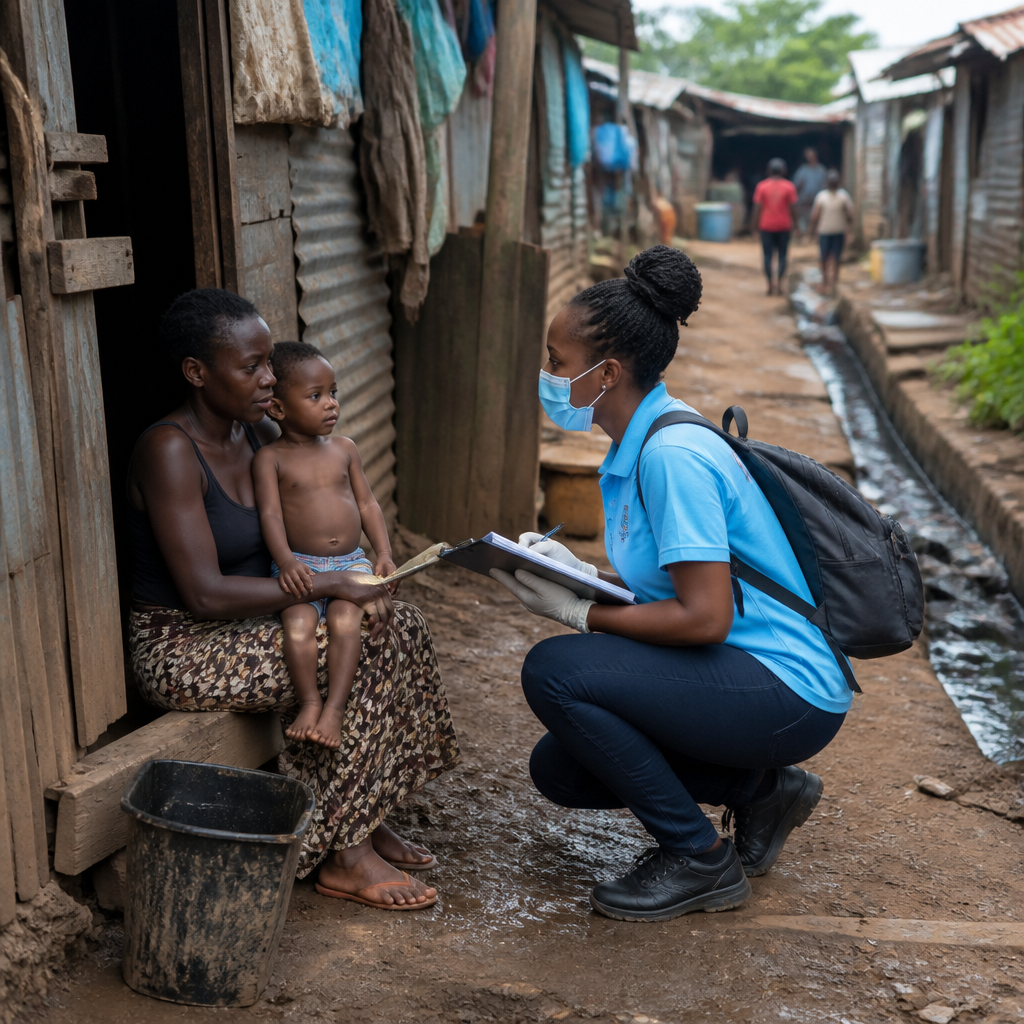
For households, the goal is routine competence. Users should know how to use the toilet correctly, what materials may enter the system, how to keep the area clean and dry, how to support children and older adults, and whom to contact if something fails. For schools, education must combine child-friendly instructions with adult management protocols. School systems need separate guidance on cleaning schedules, menstrual hygiene support, water for handwashing, privacy, and safe supervision during break periods. For workers, the focus shifts to task-based safety: hazard recognition, safe lifting, exposure prevention, vaccination policies where applicable, incident reporting, and decontamination of tools and vehicles.
| Audience | Main risks | Essential education topics | Useful tools |
|---|---|---|---|
| Households | Incorrect use, poor hygiene, child exposure | Handwashing, cover material use, child feces disposal, cleaning, reporting faults | Demonstrations, pictorial guides, reminder stickers |
| Schools | High traffic, poor supervision, menstrual hygiene gaps | Correct toilet use, handwashing routines, cleaning rosters, privacy, waste bin management | Teacher training, student clubs, visual signage |
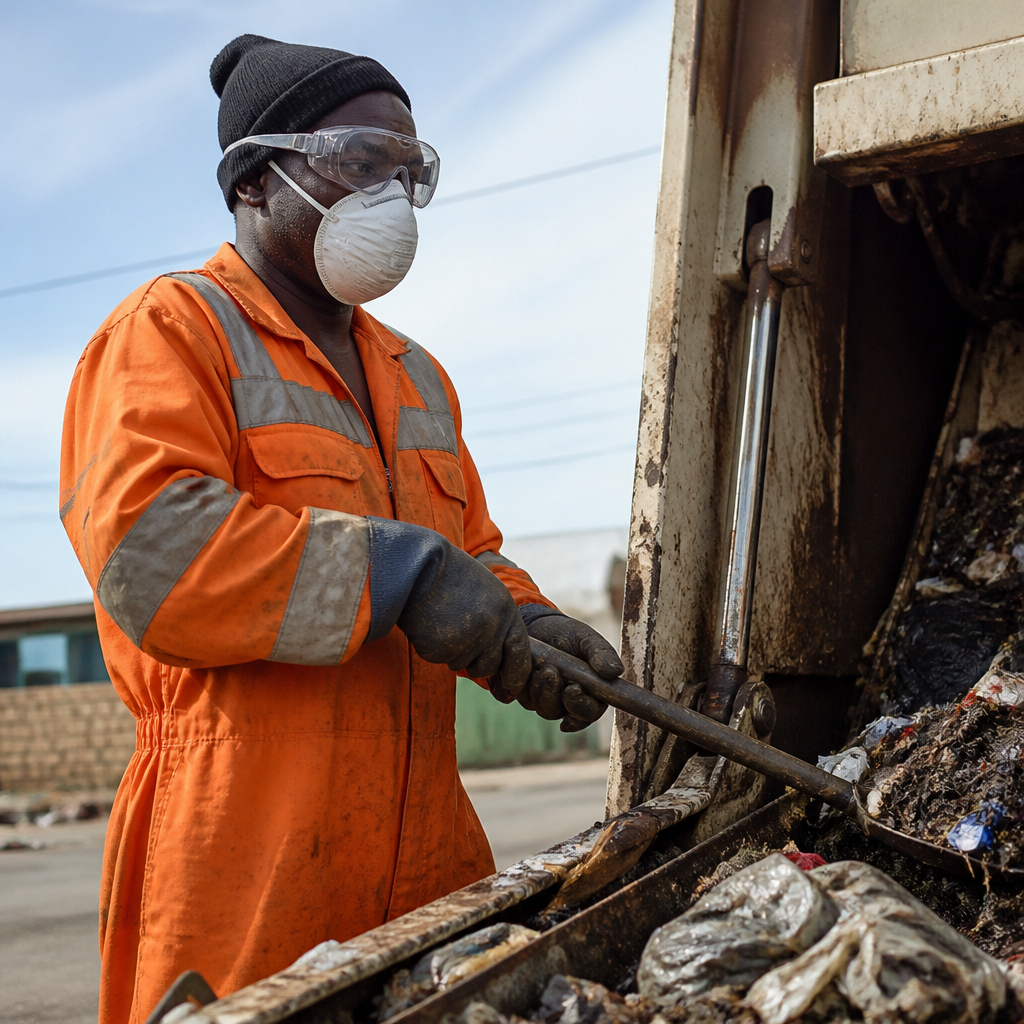
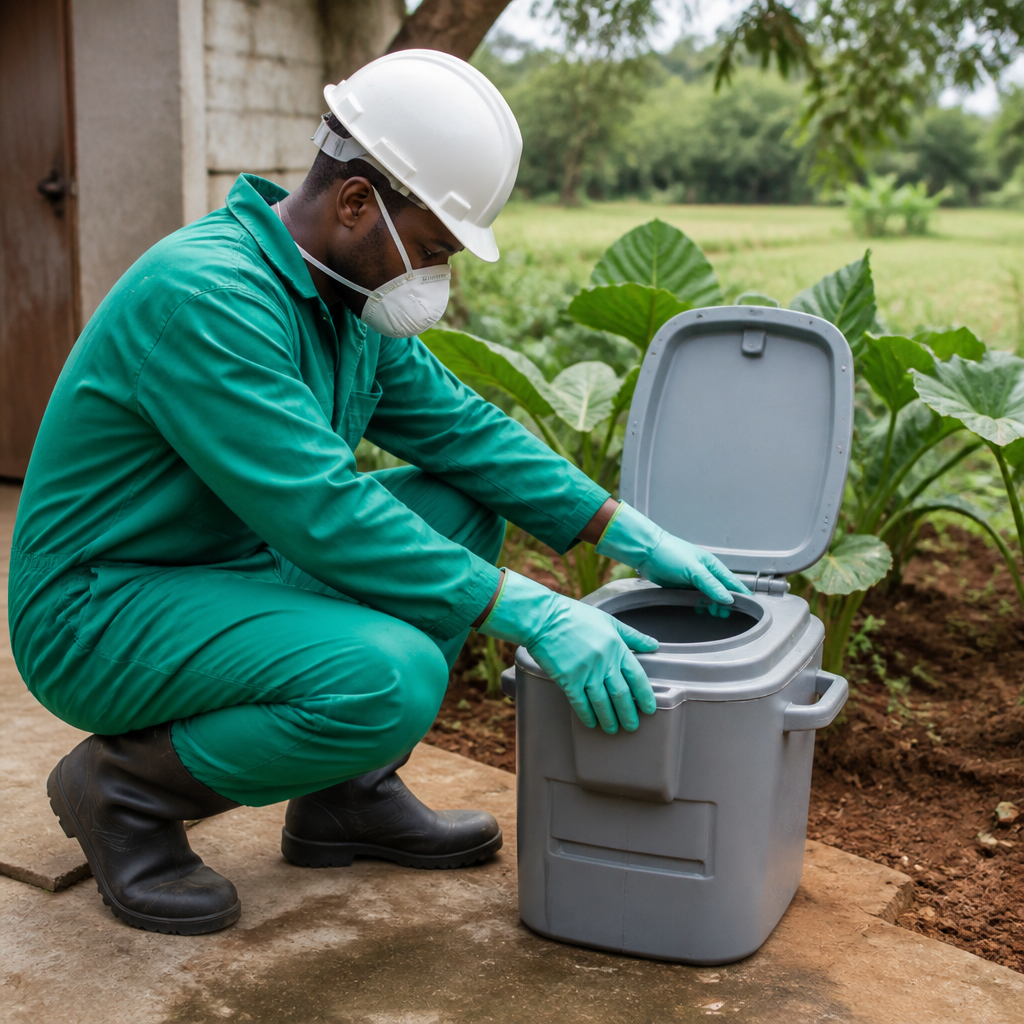
| Operators and emptiers | Direct contact, aerosols, lifting injuries, spills | PPE selection, safe emptying, disinfection, transport procedures, incident response | SOPs, drills, checklists, supervisor audits |
| Farmers or end users of products | Premature handling, poor application methods | Treatment verification, crop restrictions, storage, hand hygiene, application timing | Field demonstrations, logbooks, extension support |
Behavior change, communication, and community trust
Information alone does not change sanitation behavior. People adopt new practices when messages are clear, repeated, socially reinforced, and matched to what is physically possible. If a program teaches handwashing but provides no soap station, it creates frustration, not compliance. If it promotes safe reuse but never explains why urine dilution ratios or storage times matter, it invites improvisation. Good communication links each behavior to an immediate benefit users can observe: fewer smells, fewer flies, cleaner slabs, less blockage, safer children, and lower maintenance costs.
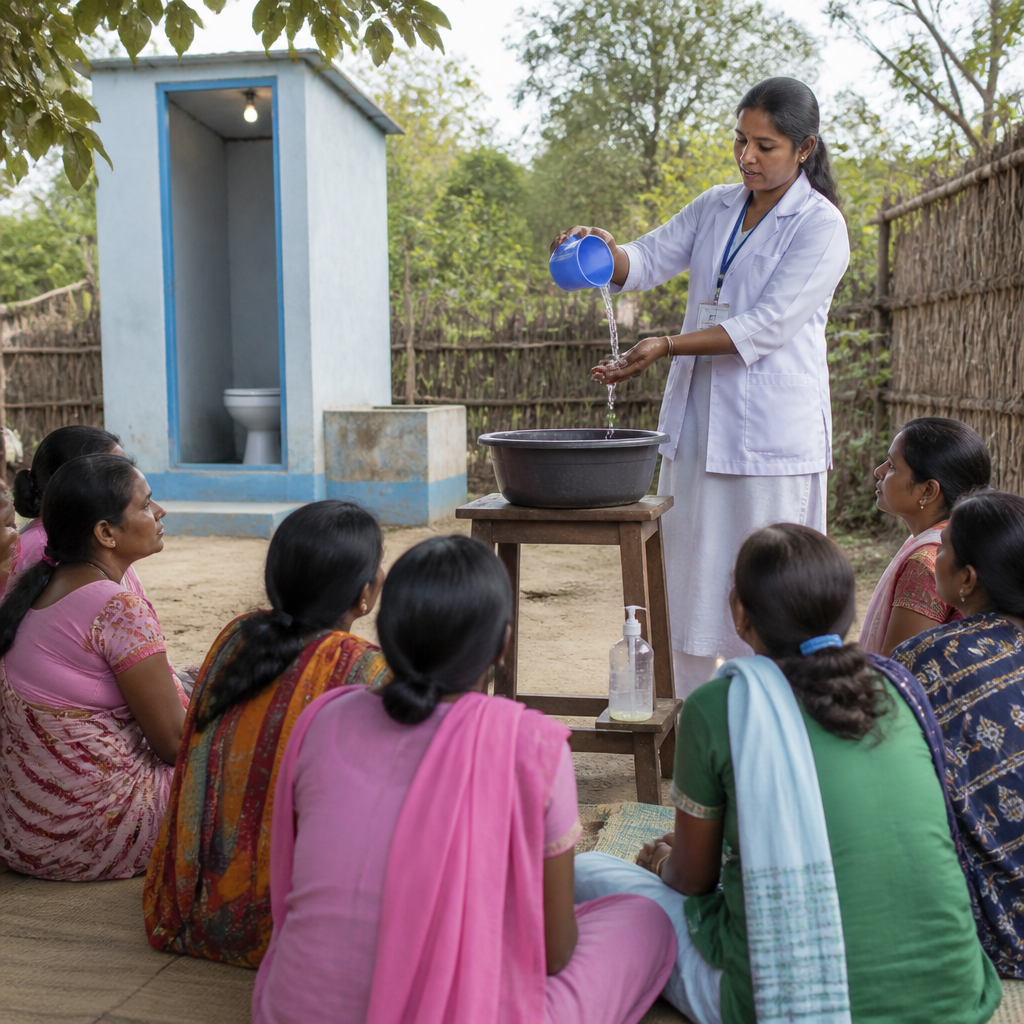
Community trust grows when educators speak plainly and address sensitive questions directly. People want to know whether EcoSan is disgusting, whether it attracts insects, whether it is safe in rainy weather, and whether crops grown with recovered nutrients are acceptable. These are reasonable questions, not resistance. Programs should answer them with demonstrations, not slogans. Show a properly maintained unit next to a poorly maintained one. Let users compare odor levels, fly presence, and cleanliness. Demonstration sites, peer educators, and household champions consistently outperform one-time lectures because they make good practice visible and local.
Language also matters. Terms like “treated material,” “storage period,” “barrier,” and “safe handling” are more useful than vague assurances. In multilingual settings, pictograms are essential, especially for cleaning staff and children. Messaging should be positive but exact: what to do, what not to do, why it matters, and what to do if conditions change. The best education plans are built into operations, with reminders at the point of use and refresher sessions after the first months of adoption.
Safety protocols, treatment verification, and everyday wellness
Safety and wellness in EcoSan is broader than infection control. A well-run program protects comfort, dignity, and usability while maintaining technical standards. That starts with standard operating procedures. Every site should define cleaning frequency, approved cover materials, chamber switching rules, emptying schedules, PPE requirements, spill response, handwashing arrangements, and documentation responsibilities. Where reuse is part of the model, treatment verification needs objective criteria based on the system design and local authority guidance. In dehydration or composting systems, storage duration alone is not enough unless it is tied to moisture control and other validated conditions.
Wellness includes design and education choices that make safe behavior easy. Toilets need stable flooring, lighting where possible, accessible paths, and privacy locks that do not trap users. Menstrual hygiene support should be integrated through disposal options, washing privacy, or reusable product guidance, depending on the setting. Children need age-appropriate interfaces and supervision plans. Older adults and people with disabilities may need handrails, raised seats, transfer space, or clear signage. These are not side issues. If a facility is difficult or humiliating to use, people avoid it, misuse it, or return to unsafe alternatives.
Operational teams should monitor leading indicators, not just disease outcomes. Useful indicators include handwashing station functionality, soap availability, cleanliness scores, fly presence, user complaints, fill levels, moisture problems, PPE use during emptying, and completion of refresher training. These measures help managers act before exposure occurs. In sanitation, prevention is the performance metric that matters most.
Building the EcoSan health and safety hub into a practical program
As a hub topic, Safety and Wellness in EcoSan should connect users to the full set of decisions that determine whether a system succeeds. The practical subtopics are clear: hand hygiene, toilet user training, menstrual hygiene in ecological sanitation, child-safe toilet practices, occupational health for emptiers and operators, odor and vector control, cleaning protocols, treatment and storage standards, safe transport, product reuse guidelines, school sanitation management, and monitoring tools. Organizing these subjects under one hub helps readers move from broad understanding to task-specific guidance without losing the public health thread that connects them.
In implementation, the hub becomes a management framework. Start with a risk assessment, map each point where exposure could happen, assign controls, and translate those controls into education messages and operating procedures. Then train the people closest to each task, verify understanding through demonstration, and refresh training at predictable intervals. Link every article or module to a simple question the reader needs answered: How do I keep this toilet safe? How do I clean it? When is material safe to move? What do I do if there are flies, odors, or leaks? What protections do workers need? This structure improves internal linking, but more importantly it mirrors how real users solve sanitation problems.
The strongest EcoSan programs treat health education as permanent infrastructure. Concrete and containers degrade over time, staff turnover happens, and community memory fades unless knowledge is renewed. When education is built into onboarding, supervision, signage, maintenance visits, and community meetings, sanitation quality becomes more resilient. That is the core benefit of making health education central rather than optional.
Health education is the core element of sanitation programs because it converts sanitation hardware into daily protective behavior. In EcoSan, that conversion is especially important: users must understand pathogen pathways, correct toilet use, dryness and cover material requirements, safe emptying, treatment limits, and the human factors that shape dignity and acceptance. Without that understanding, even well-designed systems can create avoidable exposure, complaints, and mistrust. With it, communities gain a sanitation approach that is safer, more stable, and easier to sustain.
The main takeaway from this Safety and Wellness in EcoSan hub is that safe sanitation depends on layered controls. Technical design matters. Treatment standards matter. Worker protection matters. But education ties all of them together by showing each person what to do, when to do it, and why it protects health. Programs that invest in training, demonstrations, supervision, and clear communication consistently perform better than programs that rely on installation alone. That is true for households, schools, institutions, and reuse systems alike.
If you are building or improving an EcoSan program, start by auditing your education system with the same seriousness you apply to the toilet design itself. Review user instructions, cleaning protocols, worker training, school guidance, signage, monitoring indicators, and treatment verification rules. Then strengthen the weak points first. A safer sanitation system begins with informed people, and the next practical step is simple: make health education the first line item in your sanitation plan, not the last.
Frequently Asked Questions
Why is health education considered a core element of sanitation programs rather than an optional add-on?
Health education is what turns sanitation infrastructure into real public health protection. A toilet, urine-diverting unit, composting vault, storage container, or treatment system can be well designed on paper, but if people do not understand how to use it safely and consistently, the health benefits quickly break down. In practice, sanitation success depends on everyday behaviors: handwashing with soap at the right times, correct separation of urine and feces where required, safe cleaning routines, proper storage and resting times, child feces management, and knowing what to do when something goes wrong. These are learned behaviors, not automatic ones.
In ecological sanitation, or EcoSan, the role of education becomes even more important because the system often asks households and operators to do more than simply “flush and forget.” Users may need to understand why ash or dry cover material is added, why vaults must rest for a defined period, how treated products should be handled, and why urine or compost must be used according to clear safety guidance. Without that knowledge, people may mix waste streams incorrectly, handle material too early, contaminate hands or surfaces, or lose confidence in the system entirely. That can lead to disease transmission, foul odors, poor adoption, and eventual abandonment of otherwise technically sound facilities.
Good health education also builds trust. People are more likely to use and maintain sanitation systems when they understand the health reasons behind the rules and feel respected during the learning process. Strong programs do not just deliver messages once; they create ongoing communication, practical demonstrations, reminders, and feedback loops. That is why health education is not a side activity. It is the operational bridge between engineering design and healthier daily life.
What health education topics should every sanitation program teach households and communities?
Every sanitation program should cover a core set of practical topics that directly reduce disease risk and improve correct system use. First is hand hygiene. People need clear instruction on when and how to wash hands with soap or ash and safe water, especially after using the toilet, after handling child feces, after cleaning sanitation areas, and before preparing food or eating. This sounds basic, but it is one of the highest-impact behaviors in any sanitation program.
Second, users need training on correct toilet use and maintenance. That includes what can and cannot be put into the system, how to keep slabs, seats, pans, and surrounding areas clean, how to prevent flies and odors, and how to recognize early maintenance issues before they become health hazards. In EcoSan settings, this training should go further and explain source separation, use of cover material, moisture control, vault switching, and why treatment timelines matter.
Third, safe handling of waste and by-products must be taught in plain language. Households and workers should understand storage periods, vault resting times, use of protective equipment where appropriate, safe emptying methods, transport precautions, urine handling, compost maturity indicators, and safe application practices if treated materials are reused in agriculture. If children are part of the household, special attention must be given to child feces disposal, potty cleaning, and supervision, since child feces are often mistakenly treated as less dangerous than adult feces.
Fourth, sanitation education should address water, food, and household environmental hygiene. Communities benefit when sanitation messages are linked to safe drinking water storage, surface cleaning, drainage, menstrual hygiene management, and prevention of contamination around the home. Finally, programs should include communication on why these practices matter. People are more likely to adopt protective habits when they understand the connection between behavior and disease prevention, dignity, convenience, and family wellbeing. The most effective sanitation education is concrete, repeated, locally relevant, and built around daily routines rather than abstract health theory.
How does health education improve the safety and effectiveness of EcoSan systems?
EcoSan systems rely on a simple but essential idea: human waste can be managed safely and, after proper treatment, used as a resource. That promise depends on disciplined operation. Health education is what helps users understand the difference between safe reuse and risky exposure. It teaches the reasons behind urine diversion, dehydration, composting, vault resting, and controlled handling. When people know not just what to do but why they are doing it, they are much more likely to follow procedures correctly and consistently.
For example, one common point of failure in EcoSan systems is premature handling of stored fecal material. If households are not taught the required resting period or treatment standard, they may empty vaults too early, creating exposure to pathogens. Another frequent issue is incorrect moisture management. Users may add inappropriate materials, allow water intrusion, or fail to use dry cover matter, which can compromise treatment performance, increase odors, and attract insects. Education helps prevent these mistakes by making operation steps routine and understandable.
Health education also reduces stigma and confusion around resource recovery. In many communities, the idea of reusing treated urine or composted excreta may raise concerns or strong cultural reactions. A good education program addresses those concerns honestly. It explains treatment barriers, safe application methods, crop restrictions where relevant, and the evidence behind recommended practices. This helps communities make informed decisions while protecting health. It also improves long-term acceptance, which is critical because an EcoSan system only works when people continue using it properly over time.
Just as important, education strengthens the capacity of local operators, community health workers, teachers, and households to identify problems early. They can notice signs of misuse, contamination risks, maintenance gaps, or misunderstandings before those issues turn into outbreaks or system failure. In that sense, health education is both a preventive measure and a quality-control tool for EcoSan programs.
What are the most common reasons sanitation programs fail when education and behavior change are neglected?
Many sanitation programs fail not because the hardware is poor, but because the human side was underestimated. One of the most common reasons is incorrect use of facilities. Toilets may be treated as storage spaces, filled with unsuitable materials, used inconsistently, or avoided altogether if users were never shown how they function or why certain practices matter. In EcoSan systems, misuse can be even more damaging because treatment performance depends on user behavior. A small misunderstanding, repeated daily, can undermine the entire safety chain.
Another major reason is weak hygiene practice around the sanitation system. If households do not wash hands after toilet use or after handling waste-related materials, disease transmission can continue even when improved facilities are present. Similarly, if people are not taught how to manage child feces safely, clean potties, or disinfect contact surfaces, exposure pathways remain open. This is why infrastructure coverage alone does not always produce the expected health gains.
Poor communication also leads to low ownership. When communities are not engaged respectfully, they may see the sanitation system as an external project rather than a shared public health tool. That often results in weak maintenance, slow reporting of problems, and eventual abandonment. In some cases, rumors and misconceptions spread because no one provided clear answers about odor, safety, reuse, maintenance costs, or responsibilities. Once confidence is lost, adoption becomes much harder to rebuild.
Programs also fail when training is treated as a one-time event instead of an ongoing process. Staff turnover, seasonal changes, new users, and evolving household conditions all create fresh education needs. Without follow-up, refresher sessions, monitoring, and reinforcement, even a well-launched program can drift into unsafe practice. The lesson is consistent across settings: sanitation systems are sustained by informed behavior, not construction alone.
How can sanitation programs deliver health education in a way that leads to lasting behavior change?
Lasting behavior change comes from education that is practical, repeated, and tailored to how people actually live. The most effective programs avoid relying only on posters or one-off lectures. Instead, they combine clear messages with demonstrations, household visits, community discussions, school-based learning, visual reminders, and hands-on coaching. People remember and adopt behaviors more easily when they can see the practice, try it themselves, ask questions, and receive feedback in their own language and cultural context.
Sanitation education should also be specific rather than generic. Telling people to “practice hygiene” is far less effective than showing exactly when to wash hands, where to store soap, how to add cover material correctly, when to switch a vault, how long stored material must rest, and how to keep children safe around sanitation areas. Good programs define responsibilities clearly for each group: household members, caregivers, school staff, pit or vault emptiers, farmers using treated products, and local maintenance teams. When roles are clear, compliance improves.
Another key factor is trust. Communities respond better when educators listen as well as teach. That means addressing fears, correcting misconceptions respectfully, and adapting messages for local beliefs, literacy levels, and social norms. In EcoSan programs especially, discussions about waste reuse, odor, safety, and dignity need to be open and evidence-based. People are far more likely to follow guidance when they feel their concerns are taken seriously and when the messenger is credible.
Finally, strong programs measure whether education is working. They do not assume that because training was delivered, behavior changed. They check for handwashing stations with soap, observe facility cleanliness, review whether vault cycles are being followed, assess whether urine and feces are being handled properly, and identify recurring mistakes. That information allows the program to adjust