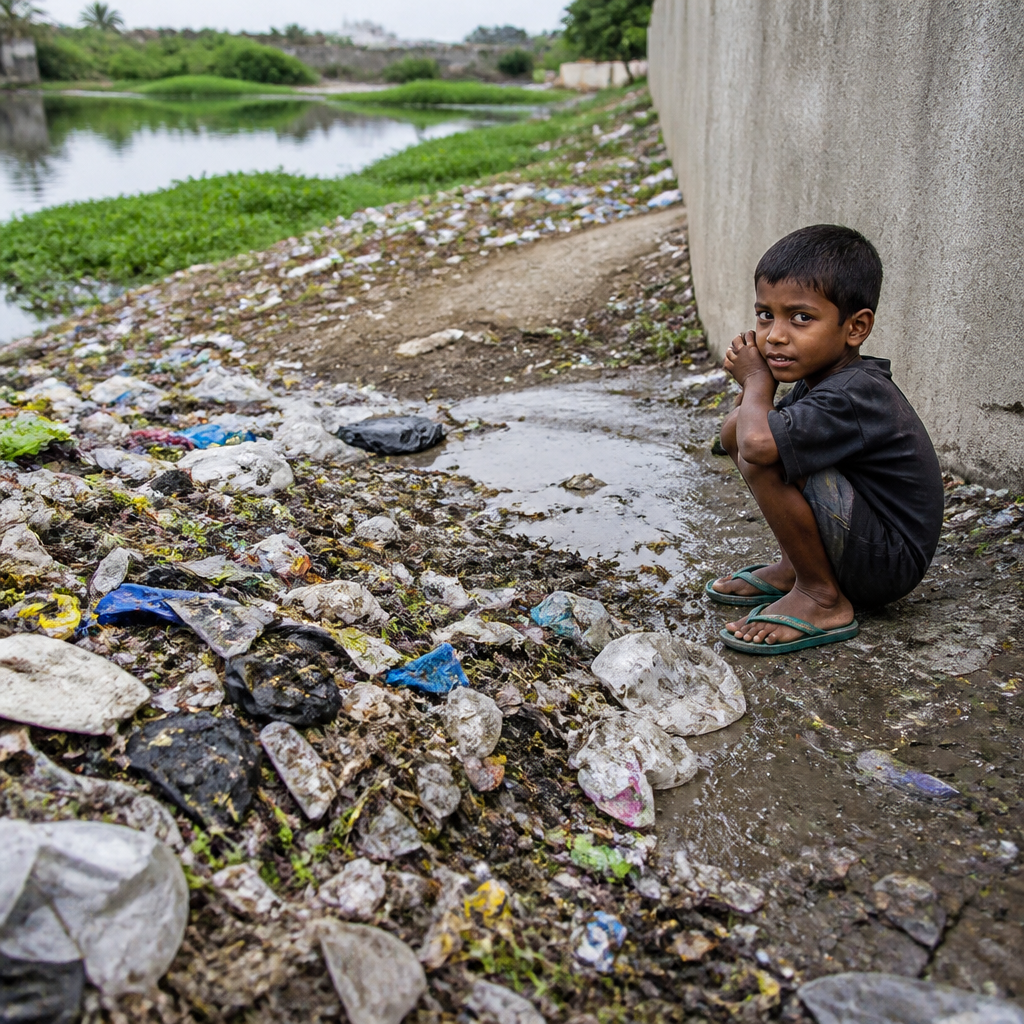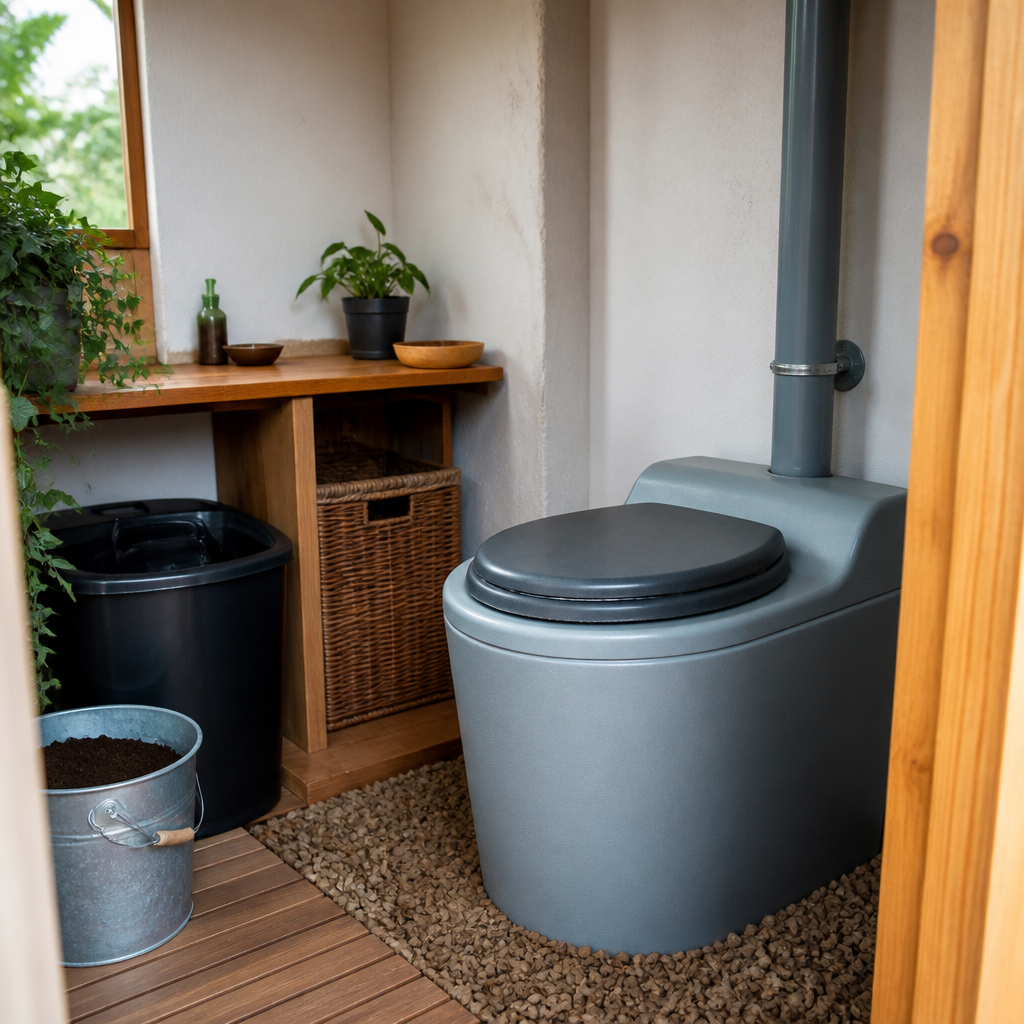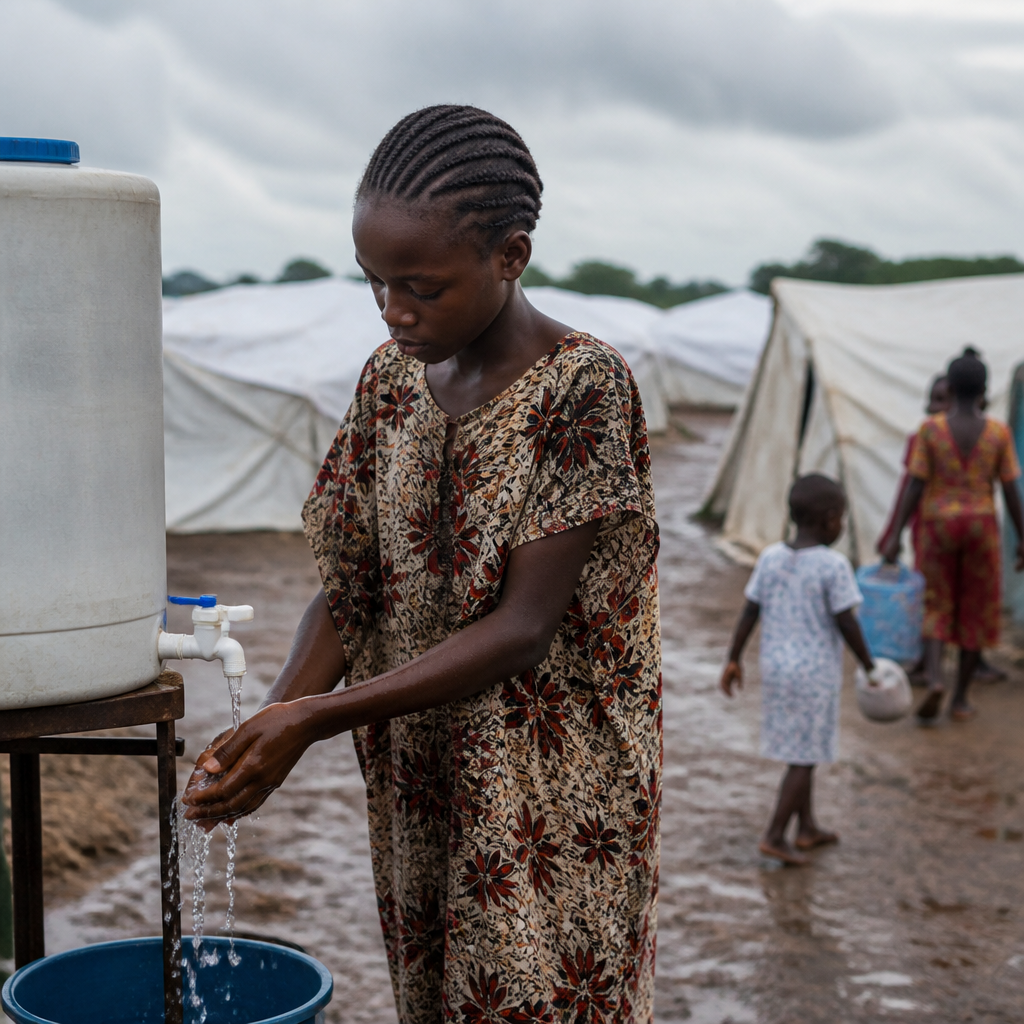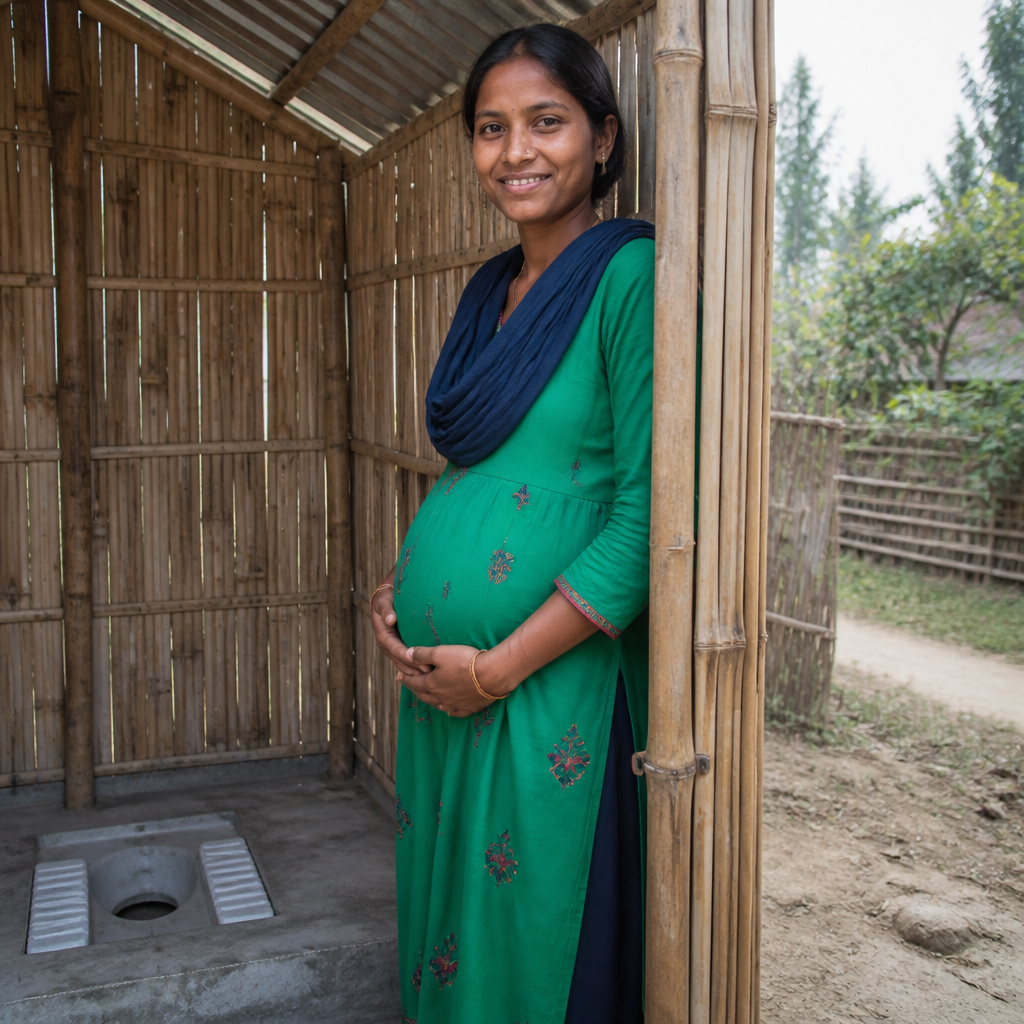
EcoSan solutions for improving maternal health begin with a simple reality: pregnancy and childbirth are far safer when women have clean toilets, safe water, hygienic waste management, and private places to wash. Ecological sanitation, usually shortened to EcoSan, is a sanitation approach that treats human waste as a resource while protecting public health, water sources, and the surrounding environment. In practice, EcoSan can include urine-diverting dry toilets, composting toilets, fecal sludge treatment, handwashing stations, greywater reuse, menstrual hygiene facilities, and site designs that reduce contamination. In maternal health settings, those elements are not optional infrastructure details. They directly influence infection risk, dignity, nutrition, newborn survival, and whether women seek care early enough.
I have worked on sanitation planning for clinics and community facilities, and the pattern is consistent across regions: when sanitation is poorly designed, maternal care suffers at every stage. Antenatal visits become harder for women who cannot find private, accessible toilets. Birth attendants struggle with hygiene when water supply is unreliable. Postpartum women face greater exposure to urinary tract infections, diarrheal disease, and contaminated surfaces. Newborns, with immature immune systems, are then exposed to pathogens carried through hands, water, bedding, waste containers, and drainage failures. The World Health Organization and UNICEF have repeatedly linked inadequate water, sanitation, and hygiene services in health facilities with preventable maternal and neonatal infections.
Safety and wellness in EcoSan matters because maternal health is broader than delivery. It includes pregnancy nutrition, mental wellbeing, mobility, menstrual hygiene, continence support, safe recovery after birth, and protection from gender-based risks such as harassment near remote toilets. A well-designed EcoSan system supports all of those needs. It reduces open defecation and standing wastewater around homes and clinics, lowers fecal-oral disease transmission, improves privacy, and can turn treated waste into soil amendments that strengthen household food production when local regulations and treatment standards are met. For a health and safety hub, the central question is not whether sanitation affects maternal outcomes. It is how to design EcoSan systems so that women are safer, healthier, and more likely to use them consistently.
This hub article explains the full safety and wellness picture in EcoSan for maternal health. It covers the pathways linking sanitation to pregnancy outcomes, the design features that matter most, operational safeguards, behavior change, monitoring, and common implementation mistakes. It also serves as a foundation for related articles on clinic sanitation, menstrual health, fecal sludge management, hand hygiene, and climate-resilient WASH planning.
How EcoSan Affects Maternal Health Outcomes
EcoSan improves maternal health by interrupting the pathways through which pathogens, stress, and unsafe environments harm pregnant women and newborns. The first pathway is direct infection control. Fecal pathogens spread through contaminated hands, water, food, surfaces, soil, and insects. During pregnancy and the postpartum period, infections can escalate quickly because women may be anemic, recovering from delivery trauma, or caring for infants while sleep deprived. In clinics, poor sanitation contributes to healthcare-associated infections, including puerperal sepsis, one of the major causes of maternal mortality globally. At household level, repeated diarrheal illness and helminth exposure can worsen undernutrition and iron deficiency, both associated with poor pregnancy outcomes.
The second pathway is access to care. Women avoid facilities that lack privacy, lighting, locks, water, or acceptable menstrual hygiene arrangements. I have seen primary care centers with technically functional latrines that were rarely used because the cubicles were dark, smelled strongly of ammonia, and had no place to wash or change. Utilization increased only after operators added venting, regular cleaning schedules, covered bins, solar lighting, and water access near the point of care. The lesson is straightforward: sanitation quality affects service uptake, not just cleanliness.
The third pathway is safety and dignity. A pregnant woman walking long distances to a remote toilet at night faces risks that range from falls and snake bites to assault. Design choices such as proximity, non-slip flooring, handrails, ramps, lighting, and visible access routes are therefore maternal health interventions. They reduce injuries, support women with pelvic pain or reduced balance, and make it easier to use toilets frequently, which matters because many pregnant women experience urgency and increased urination.
Core EcoSan Design Features for Safety and Wellness
Good EcoSan design for maternal health starts with source separation and containment. Urine-diverting systems can reduce odor, moisture, and fly breeding when used correctly, while also producing a nutrient stream that may be reused under regulated conditions. Dry systems are especially useful where water is scarce or groundwater protection is critical. However, they only protect health if vaults are sealed, surfaces are cleanable, ash or cover material is consistently available, and users understand correct positioning and maintenance. A poorly managed dry toilet can become less hygienic than a conventional pour-flush latrine.
For maternal settings, privacy and usability must be specified, not assumed. Cubicles need internal locks, adequate width for assistance during late pregnancy, hooks or shelves for clothing and bags, and enough space for changing pads or postpartum absorbent materials. Handwashing stations should be placed at the exit point with soap and reliable water. Where water is limited, alcohol-based hand rub can supplement but should not replace soap and water when hands are visibly soiled. Surfaces should be non-porous, easy to disinfect, and sloped to prevent pooling. Vent pipes, fly screens, and proper superstructure ventilation reduce odor and vectors, improving user acceptance.
| EcoSan feature | Maternal health benefit | Common failure point |
|---|---|---|
| Urine diversion | Lower moisture, less odor, fewer flies | Incorrect use causing mixing and smell |
| Handwashing station with soap | Reduces fecal-oral and contact transmission | Empty soap dispenser or intermittent water |
| Solar lighting and door locks | Improves safety, privacy, and nighttime access | Broken fixtures not repaired promptly |
| Ramps, rails, wide doors | Supports pregnancy mobility and assisted access | Retrofits omitted from small sites |
| Sealed storage or treatment vaults | Contains pathogens and limits exposure | Premature emptying or leakage |
Location also matters. Toilets should be close enough for safe access but positioned to protect water points and food preparation areas. Separation distances depend on soil type, slope, groundwater depth, and local regulation. In flood-prone zones, raised units, lined containment, and protected drainage are essential. Climate resilience is not a side issue in maternal health planning. Heavy rainfall can spread fecal contamination through compounds and clinic grounds, while drought can disable flush systems and handwashing if storage is undersized.
Clinical and Community Applications of EcoSan
In maternity wards and birthing centers, EcoSan principles are applied through waste segregation, safe excreta containment, placental waste handling, linen washing controls, and point-of-care hygiene infrastructure. The minimum standard is not simply having a toilet on site. Facilities need functional sanitation in delivery rooms, postnatal areas, staff zones, and waiting spaces. WHO guidance on WASH in health care facilities emphasizes water availability, sanitation usability, environmental cleaning, healthcare waste management, and hand hygiene at points of care. EcoSan strengthens these systems by making waste flows visible and manageable. Instead of sending contamination into failing sewers or pits that overflow, facilities can use contained, monitored treatment pathways suited to local conditions.
At community level, the strongest maternal benefits often come from integrated household sanitation. A pregnant woman’s risk does not begin or end at the clinic gate. If household members practice open defecation, if toddlers’ feces are left in the yard, or if greywater stagnates near cooking areas, exposure remains high. Community-led sanitation programs, women’s groups, and home visits by health workers can align toilet use, handwashing, safe child feces disposal, and water storage practices. In one rural program model, antenatal counseling included a sanitation checklist: toilet access, soap availability, drinking water treatment, waste disposal, and nighttime lighting. That simple addition made sanitation part of routine maternal risk screening.
Schools, markets, and transport hubs also influence maternal wellness. Pregnant vendors and travelers need safe facilities during the day, and adolescent girls who become pregnant still need menstrual and continence-supportive sanitation in educational settings. A true hub approach connects these environments rather than treating sanitation as a single-building problem.
Menstrual, Postpartum, and Newborn Hygiene Considerations
Maternal sanitation planning often fails because it ignores what women actually manage before and after birth. Menstrual hygiene remains relevant during pregnancy for women with irregular bleeding and after birth when lochia requires frequent changing and washing. Facilities need covered bins, washing water, discreet drying options where reusable materials are common, and cleaning protocols that protect staff. Telling women to improvise increases infection risk and deters attendance.
Postpartum hygiene is even more specific. Women recovering from episiotomy, cesarean birth, tears, or heavy bleeding need toilets that are easy to reach and easy to clean. Squatting may be painful or unsafe for some users, so seat options, support rails, and space for an assistant can be decisive. If wastewater drains poorly, contaminated wash water can remain on floors where mothers stand barefoot while weak or dizzy. Newborn hygiene requires a nearby handwashing point, clean water for cord care and surface cleaning, and strict separation between infant bathing areas and waste streams. Infection prevention starts with design, then depends on disciplined daily operations.
Menstrual health, postpartum care, and newborn safety are often handled by different teams, but they share one sanitation platform. When managers consolidate these functions into one facility plan, costs usually fall because storage, drainage, lighting, and cleaning systems can be standardized.
Operations, Maintenance, and Worker Protection
No EcoSan system is safe if operations are weak. The highest-risk moments are often during cleaning, pit emptying, vault handling, and transport of untreated waste. Workers need gloves, masks or respirators when dust or aerosols are generated, boots, aprons, handwashing access, vaccination where indicated, and clear standard operating procedures. Tools for removing waste should be dedicated, cleanable, and stored separately from clinical equipment. If composting or dehydration is part of the treatment chain, retention time, temperature, moisture, and storage conditions must follow validated protocols and national guidance. Untreated or partially treated waste should never be promoted for agricultural use.
Routine maintenance is what preserves maternal safety. That means cleaning schedules with accountability, refill systems for soap and cover material, inspection of vent screens, rapid repair of locks and lights, desludging plans before overflow, and monitoring odors as an early warning signal. I advise facilities to track a short monthly dashboard: toilet usability, handwashing functionality, cleaning compliance, waste containment status, and user complaints. Small operational failures compound quickly, especially in high-volume maternity units.
Training should include respectful care. Cleaners and attendants often know which toilets are avoided and why, and their observations should shape redesigns. Women also need simple instructions, especially for urine-diverting pedestals and dry additive use. If the interface is confusing, misuse is predictable.
Measuring Results and Building a Safer Maternal Health System
The best EcoSan programs measure both infrastructure and outcomes. Useful indicators include the percentage of toilets that are functional, private, lit, and accessible; handwashing compliance; safe waste treatment completion; patient satisfaction; clinic-acquired infection trends; and service utilization by pregnant and postpartum women. Household surveys can add data on time to toilet access, nighttime safety, soap availability, and disposal of child feces. When these indicators improve together, maternal health usually improves through multiple channels at once.
Decision-makers should also assess tradeoffs. Dry systems save water and can work well off-grid, but they demand strong user training and maintenance discipline. Flush systems may be more familiar, yet they fail where water supply, sewers, or sludge services are unreliable. The right choice depends on hydrogeology, budget, staffing, culture, climate, and regulatory oversight. There is no universal sanitation technology, but there are universal maternal safety requirements: privacy, hygiene, accessibility, containment, and dependable operation.
EcoSan solutions for improving maternal health work best when sanitation is treated as core health infrastructure rather than a peripheral construction task. If you manage a clinic, plan a community program, or develop health and safety policy, start with a practical audit of toilets, handwashing, drainage, menstrual hygiene support, and waste handling. Then prioritize the fixes that most affect women during pregnancy, childbirth, and recovery. Safer sanitation protects mothers, strengthens newborn care, and builds a healthier community from the ground up.
Frequently Asked Questions
1. What are EcoSan solutions, and why do they matter for maternal health?
EcoSan, or ecological sanitation, refers to sanitation systems designed to protect human health and the environment while managing human waste safely and productively. Instead of treating waste only as something to dispose of, EcoSan approaches focus on containing, separating, treating, and in some cases reusing nutrients in ways that reduce contamination risks. For maternal health, this matters because pregnancy, childbirth, and the postnatal period all increase a woman’s need for safe, nearby, and private sanitation. When women do not have access to clean toilets, safe water, hygienic waste handling, and dignified washing spaces, their risk of infection, stress, dehydration, and delayed care rises significantly.
In practical terms, EcoSan solutions may include urine-diverting dry toilets, composting toilets, handwashing stations, systems for safe fecal sludge management, menstrual hygiene facilities, and protected spaces for bathing and postpartum care. These features help reduce exposure to disease-causing organisms that can lead to diarrhea, urinary tract infections, skin infections, and other health complications that are especially dangerous during pregnancy and after delivery. They also support healthcare facilities and households by improving cleanliness, reducing odors, limiting flies, and lowering the likelihood that waste will contaminate local water sources. When sanitation is designed with women’s needs in mind, EcoSan becomes more than an environmental strategy; it becomes a practical maternal health intervention.
2. How can poor sanitation and unsafe water affect pregnant women and new mothers?
Poor sanitation and unsafe water can affect maternal health in several direct and indirect ways. Pregnant women are more vulnerable to infections, and repeated exposure to contaminated environments can contribute to gastrointestinal illness, dehydration, poor nutrition, and general physical stress. If a woman must use an unsafe or distant toilet, she may reduce food and water intake to avoid going, which can worsen dehydration and discomfort during pregnancy. Unsanitary conditions can also increase the risk of urinary and reproductive tract infections, which may become serious if left untreated. After childbirth, when the body is healing and the immune system may be strained, exposure to contaminated surfaces, water, or waste raises the risk of postpartum infections.
The effects are not only medical but also behavioral and emotional. A lack of privacy, lighting, and secure sanitation can discourage women from using facilities regularly, especially at night. Fear of harassment or unsafe access routes can lead women to delay toilet use, handwashing, or bathing. In health centers, poor waste management and inadequate toilets can undermine safe delivery practices and infection prevention efforts. For mothers caring for newborns, the absence of reliable sanitation also makes it harder to maintain hygiene during breastfeeding, cord care, and postpartum recovery. Altogether, unsafe sanitation creates conditions that can compromise both maternal and newborn well-being, making improved WASH conditions a foundational part of safer pregnancy and childbirth.
3. Which EcoSan features are most helpful in supporting safe pregnancy, childbirth, and postpartum recovery?
The most helpful EcoSan features for maternal health are those that combine safety, hygiene, accessibility, and privacy. A well-designed toilet that is close to the home or maternity ward, easy to use, stable underfoot, and simple to clean can make a major difference for pregnant women and new mothers. Urine-diverting dry toilets and composting toilets can be especially useful in water-scarce or flood-prone areas because they reduce reliance on water-intensive sewer systems and help keep waste contained. What matters most is that the system is correctly built, routinely maintained, ventilated, and paired with clear hygiene practices.
Beyond the toilet itself, several supporting features are essential. Handwashing stations with soap and safe water should be located immediately nearby. Private bathing and perineal washing areas are important for comfort, menstrual care, and postpartum hygiene. Safe disposal systems for menstrual materials, pads, and other absorbent products are also critical. In healthcare settings, proper segregation and treatment of waste, including infectious materials, support safer deliveries and reduce environmental contamination. Accessibility features such as handrails, adequate lighting, non-slip floors, wider doors, and seating or squatting options adapted for reduced mobility are particularly valuable during late pregnancy and recovery after childbirth. When all of these elements work together, EcoSan infrastructure supports dignity, infection prevention, and consistent use.
4. Are EcoSan toilets safe to use around mothers, babies, and households if waste is reused?
Yes, EcoSan systems can be safe for mothers, infants, and families when they are properly designed, used, and managed. The key principle is that human waste must be fully contained and treated before any reuse is considered. Safe EcoSan systems rely on separation, storage time, composting, dehydration, or other treatment methods that reduce pathogens to safer levels. Reuse should never happen casually or without guidance. When treatment protocols are followed correctly, nutrient recovery can support agriculture while protecting water bodies and reducing open dumping or uncontrolled discharge.
For maternal health, the priority is always protection from exposure. That means users should not come into contact with fresh feces or untreated sludge, and caretakers should have training, tools, and protective equipment for handling sanitation materials. In homes and clinics, toilets should be kept clean, dry where appropriate, and well maintained so they remain acceptable and safe to use. If compost or treated by-products are part of the system, they should be handled according to public health guidance and kept away from areas where babies crawl, play, or are bathed. The safety of EcoSan depends less on the label and more on the quality of implementation, routine maintenance, user education, and local oversight. When those pieces are in place, EcoSan can support both public health and environmental sustainability.
5. What should communities and health facilities consider when adopting EcoSan solutions to improve maternal health outcomes?
Communities and health facilities should begin by focusing on women’s real needs across pregnancy, delivery, and postpartum recovery. This means asking practical questions: Are toilets close enough to use frequently? Are they private and secure? Can a woman use them safely at night? Is there water and soap for handwashing? Are washing areas available for menstrual and postpartum hygiene? Are facilities accessible for women with pain, fatigue, disability, or complications after childbirth? EcoSan planning works best when pregnant women, mothers, midwives, community health workers, and facility managers are included in the design and decision-making process.
They should also consider long-term operation, not just installation. A successful EcoSan system needs regular cleaning, reliable supply chains for soap and maintenance materials, defined responsibilities for waste handling, and training for users and staff. In healthcare facilities, sanitation improvements should align with infection prevention and control standards, placental and medical waste protocols, and broader water and hygiene services. In community settings, education is essential so households understand how to use toilets correctly, why handwashing matters, and how safe waste treatment protects families. Cost, cultural acceptance, climate conditions, soil and groundwater risks, and available technical support should all be evaluated before choosing a specific EcoSan model. When communities invest in systems that are practical, maintained, and designed around maternal dignity and safety, EcoSan can contribute meaningfully to healthier pregnancies, safer births, and stronger postpartum care.