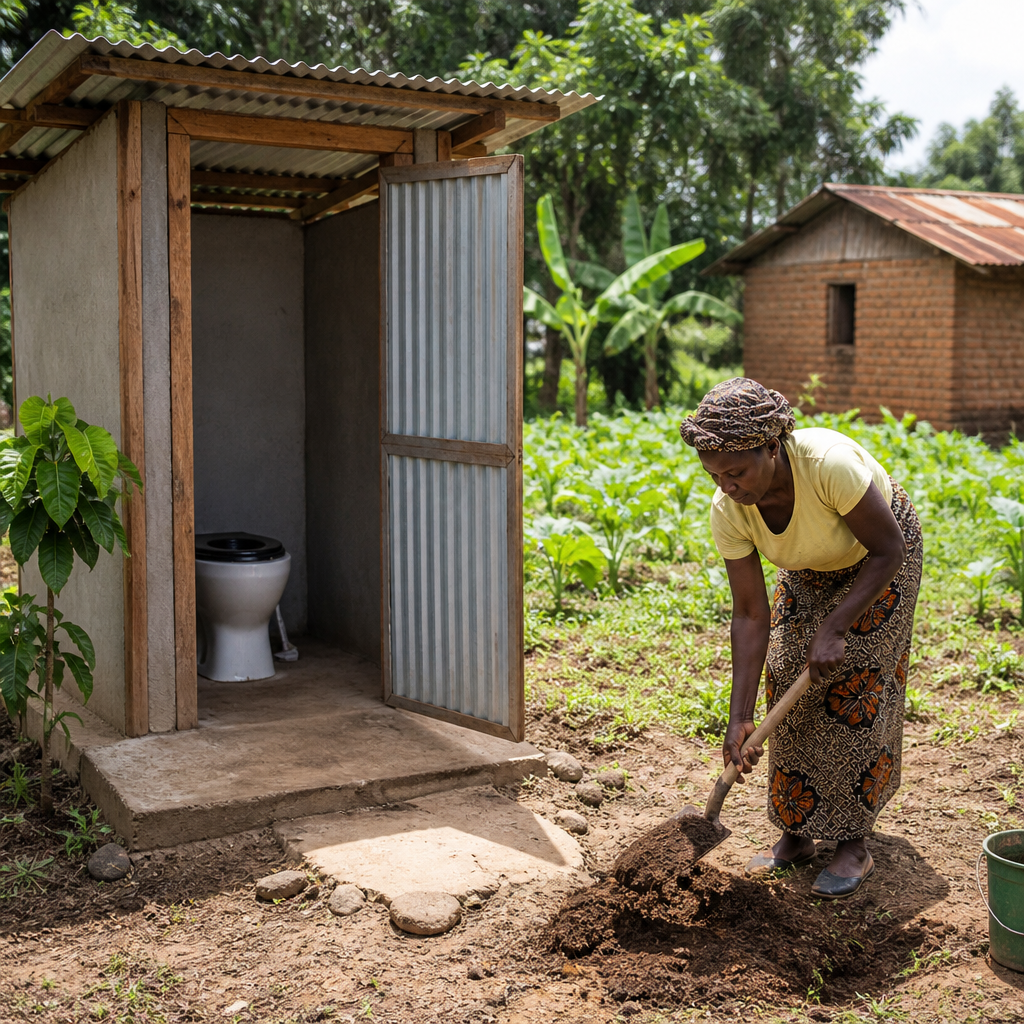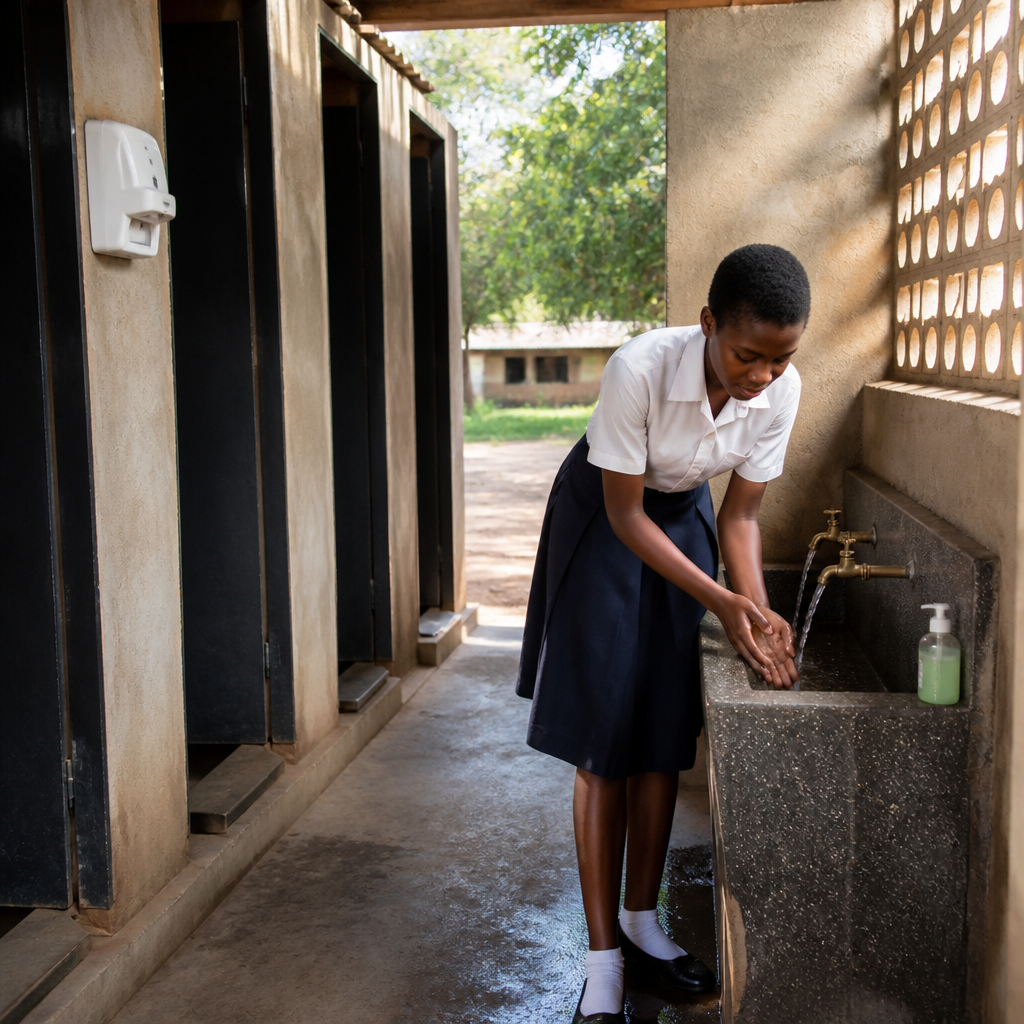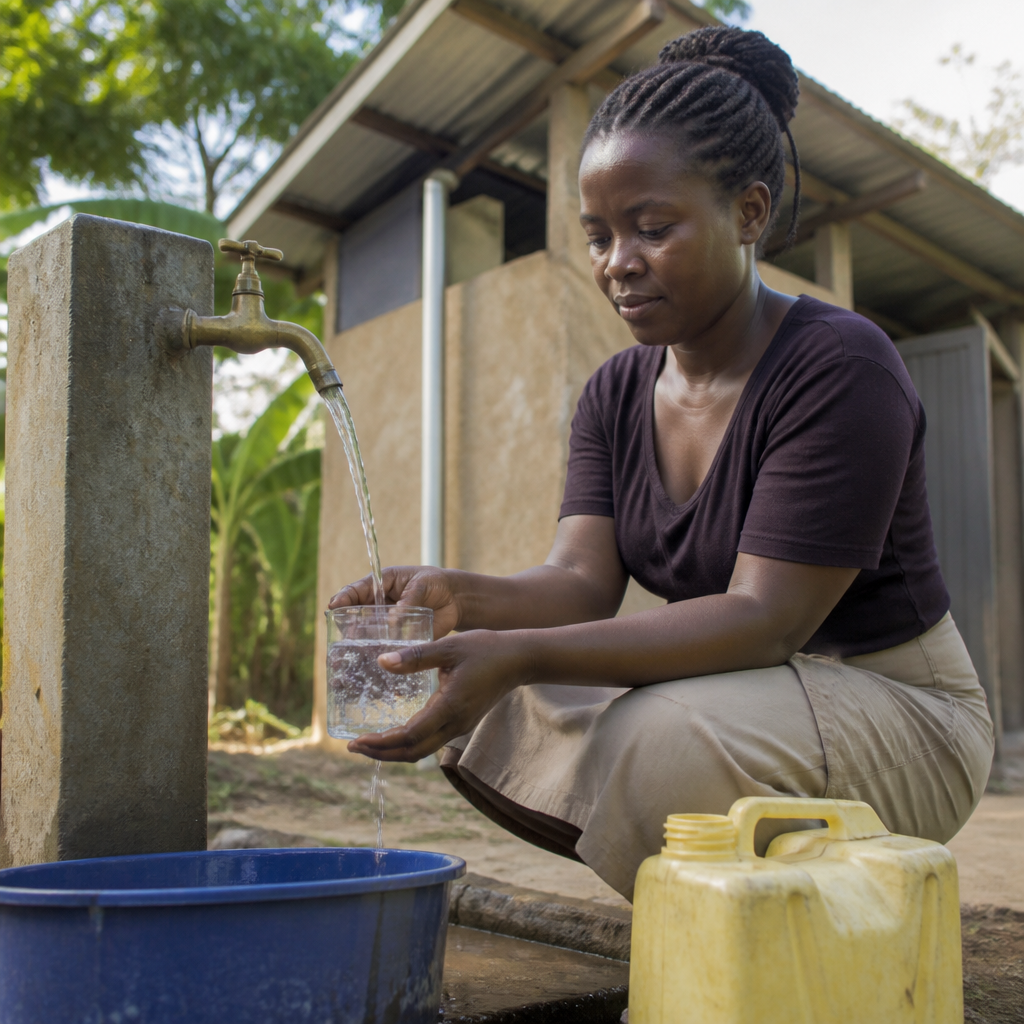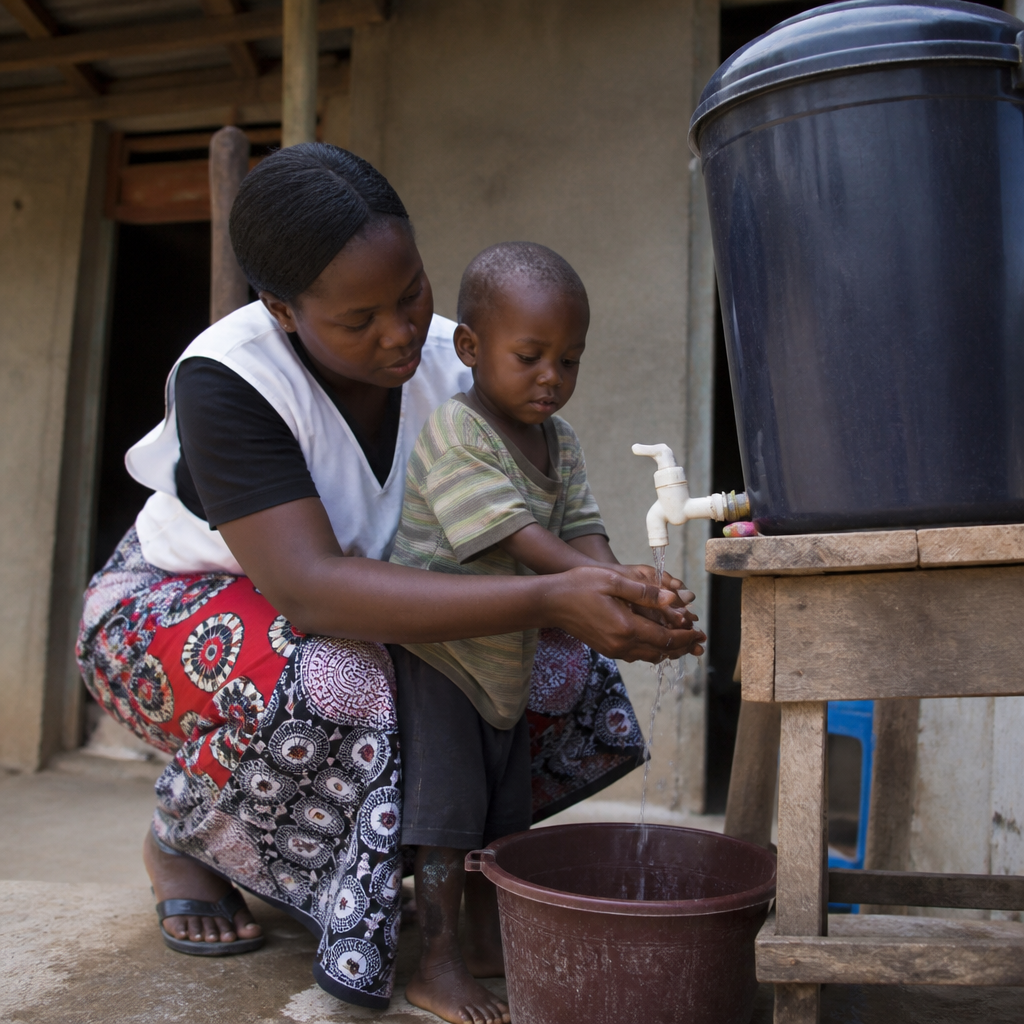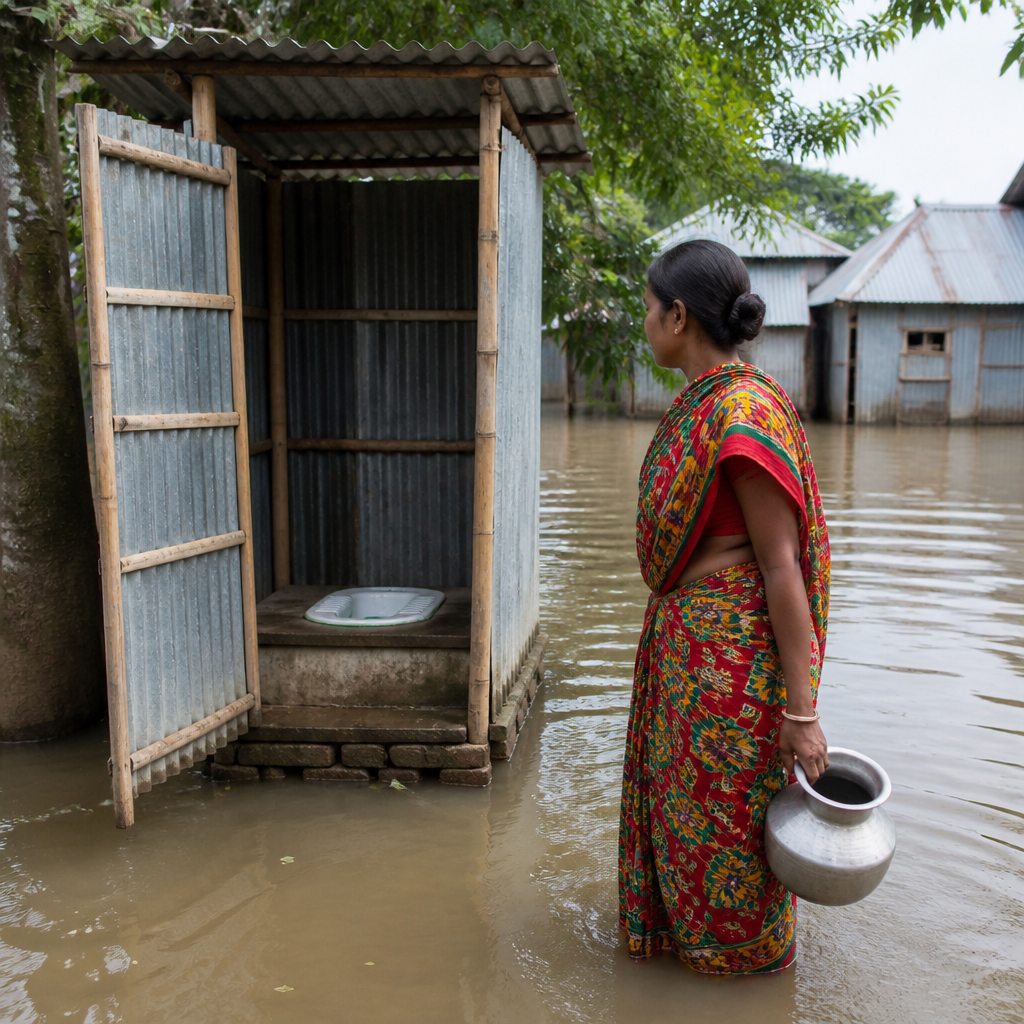
Sanitation safety in flood-prone areas is a public health, engineering, and environmental management challenge that becomes more urgent as heavier rainfall, sea-level rise, and rapid urban growth place more people at risk. In practical terms, sanitation safety means keeping human waste contained, treated, and managed so pathogens do not reach people, homes, water supplies, crops, or ecosystems, even when land is saturated or inundated. In flood-prone settings, conventional pit latrines, poorly sealed septic tanks, and damaged sewer lines can fail quickly. When that happens, fecal bacteria, viruses, protozoa, helminths, and chemical contaminants spread through floodwater and soil, creating conditions for diarrhea, cholera, hepatitis A and E, typhoid, leptospirosis, and skin infections. I have seen facilities that worked adequately in dry months become direct exposure points after one storm because siting, containment height, sludge management, and emergency planning were ignored.
This matters because sanitation is not only about toilets. It includes containment, conveyance, treatment, safe reuse, and final disposal. It also includes hygiene behaviors, drainage, handwashing access, and the systems that keep workers safe when pits, vaults, tanks, and urine-diverting units need service. Within that broader field, Safety and Sustainability in EcoSan refers to ecological sanitation approaches that separate waste streams, reduce water use, recover nutrients, and protect health through controlled treatment and reuse. Typical examples include urine-diverting dry toilets, composting toilets, dehydrating vault systems, and container-based sanitation linked to off-site treatment. These systems can perform well in flood-prone areas, but only if they are designed for inundation risk, user behavior, maintenance capacity, and safe end-use. The hub article below explains the core principles, design choices, and operational safeguards that make sanitation safer and more sustainable where floods are a recurring reality.
Why flood-prone areas create unique sanitation risks
Flood-prone areas amplify every weakness in a sanitation system. Water infiltrates pits and tanks, buoyancy can shift light structures, access roads become impassable for desludging vehicles, and users may abandon damaged facilities and resort to open defecation. The result is not just inconvenience. It is a rapid breakdown in containment. The World Health Organization sanitation safety planning approach emphasizes mapping hazards from source to exposure point, and flood settings usually have multiple exposure pathways at once: contaminated standing water in compounds, shallow groundwater pollution, overflow into drains, and contact during cleanup. In dense settlements, one failing toilet can affect many households because plots are small and drainage is shared.
Risk is highest where sanitation infrastructure sits below expected flood level, where groundwater is shallow, and where systems rely on unlined pits. Coastal zones add salinity and storm surge. River floodplains add prolonged saturation and high sediment loads. Informal settlements often add another constraint: households build incrementally with little room to elevate or relocate facilities. In these conditions, the safe sanitation question becomes straightforward: can the system keep excreta isolated from floodwater and users during the flood, and can it be restored quickly afterward without exposing workers or the community? If the answer is no, the design is not resilient enough.
Core principles of Safety and Sustainability in EcoSan
EcoSan is most effective when it is treated as a complete risk-managed service, not a niche toilet type. The safety side depends on source separation, controlled storage, pathogen reduction, restricted exposure, and informed use. The sustainability side depends on low water demand, reduced pollution, nutrient recovery, durable materials, and service models that households can maintain. In flood-prone areas, both goals converge. A well-sealed urine-diverting system reduces the volume stored on site, which lowers overflow risk. Off-ground vaults reduce groundwater contamination. Planned collection of containers or dehydrated solids reduces emergency emptying during the rainy season.
However, EcoSan is not automatically safe or sustainable. Urine is usually low risk when fresh, but can still carry pathogens in some contexts and should be stored or applied according to local guidelines. Fecal solids need sufficient dehydration, composting, or other treatment time before handling or reuse. Ash, lime, or dry cover material can improve moisture control and odor reduction, but poor dosing can discourage correct use. I have found that systems fail less from technology limits than from mismatches between design assumptions and daily habits. If anal cleansing water, menstrual products, child feces, or wash water have no clear management route, users improvise, and improvised practices often undo the safety benefits the system was supposed to provide.
Choosing sanitation systems that perform during floods
The best sanitation system in a flood-prone area is the one that matches flood depth, duration, soil conditions, settlement density, maintenance access, and user preferences. Raised urine-diverting dry toilets are often strong options because they place storage chambers above likely water levels and separate urine from feces, reducing moisture and improving treatment. Sealed container-based sanitation can also work well where plots are tiny or groundwater is very high, because excreta are stored in removable cartridges or containers and transported to a treatment site. In contrast, deep pits are usually poor choices where flooding is frequent, because they fill with water, collapse, or leach directly into groundwater.
For peri-urban homes with enough space, a raised twin-vault dehydrating toilet can provide resilience and a clear resting period between vaults. For schools or evacuation centers, robust shared blocks with elevated slabs, handwashing stations, lighting, and defined cleaning protocols are often better than multiple small household units. Where users strongly prefer flush interfaces, elevated septic or biodigester systems can be considered, but only if tanks are watertight, vented properly, protected against infiltration, and linked to reliable sludge management. Every option involves tradeoffs, which is why selection should be based on serviceability as much as engineering.
| System type | Main flood resilience advantage | Key limitation | Best-fit context |
|---|---|---|---|
| Raised urine-diverting dry toilet | Above-ground containment reduces floodwater intrusion | Requires consistent user separation and dry cover use | Households with moderate space and high water tables |
| Twin-vault dehydrating toilet | Alternating vaults allow resting and safer handling | Needs careful moisture control and user training | Peri-urban or rural plots with planned maintenance |
| Container-based sanitation | Sealed removable containers avoid pit flooding | Depends on dependable collection logistics | Dense settlements, informal areas, rental compounds |
| Elevated septic or biodigester system | Allows familiar flush use above flood level | Higher cost and sludge service requirements | Institutions or homes with water access and budgets |
Design features that prevent contamination
Good flood-resilient sanitation design is specific. Elevate slabs, vaults, and access hatches above the highest practical flood level using local flood records, not guesswork. Use watertight joints, durable doors, and corrosion-resistant fittings. Anchor lightweight superstructures and tanks so they do not float or shift when soils are saturated. Direct stormwater away from the facility with grading, shallow diversion drains, splash aprons, and roof gutters. Separate greywater from excreta handling areas so wash water does not flood vaults or pits. Provide a handwashing point close to the exit with soap or ash and drainage that does not create stagnant puddles.
Ventilation matters too. Proper vent pipes reduce odor and flies, which supports user acceptance and lowers disease transmission pathways. Access for maintenance is another overlooked safety feature. If service staff cannot remove containers, empty vaults, or inspect seals without entering a hazardous space or standing in wastewater, the design is not safe. For reuse-focused systems, include secure storage for treated products, signage, and application guidance. The ISO 30500 standard for non-sewered sanitation systems and WHO guidance on safe wastewater and excreta use both reinforce the same principle: treatment claims must be matched by physical barriers, operating procedures, and verification, not assumed because a toilet looks modern.
Operation, maintenance, and worker protection
A sanitation system in a flood-prone area is only as safe as its maintenance routine. Households need simple instructions on what goes into the system, how often cover material is added, what to do when a chamber is full, and how to report damage before the rainy season. Operators need preventive checklists: inspect seals, verify urine pipes are not blocked, confirm drainage channels are clear, restock soap and cover material, and schedule collection or vault switching before peak rains. In my experience, pre-flood maintenance campaigns are one of the cheapest and most effective interventions because they prevent avoidable overflow events.
Worker safety deserves equal attention. Emptying pits, tanks, or containers exposes staff to pathogens, sharp waste, toxic gases, and slips in unstable terrain. Personal protective equipment should include gloves, boots, eye protection, and task-appropriate masks. Confined space entry into tanks should be avoided unless formal procedures, gas monitoring, rescue plans, and trained teams are in place. Mechanical emptying is preferable where access allows. If manual tasks are unavoidable, use long-handled tools, disinfection protocols, vaccination programs where available, and clearly separated clean and dirty zones for transport and storage. Safe sanitation protects users and workers together; leaving service staff unprotected simply moves the risk downstream.
Safe reuse, resource recovery, and environmental gains
One reason EcoSan remains important is that it can turn a disposal problem into a resource stream. Urine contains most of the nitrogen and much of the potassium excreted by humans, while treated fecal matter can contribute organic matter and some nutrients to depleted soils. In water-scarce areas or places where synthetic fertilizer prices are volatile, these benefits are practical, not theoretical. Yet resource recovery only supports health and sustainability when treatment barriers are respected. Stored urine should be applied to soil, not edible leaves, and ideally incorporated or covered to reduce nitrogen loss and odor. Treated fecal products should be used according to crop restrictions, contact precautions, and local regulations.
Environmental gains are significant when systems function properly. Less water is used for flushing. Less nutrient pollution reaches rivers, wetlands, and groundwater. Households may spend less on fertilizer or desludging. Municipalities may reduce pressure on overloaded drains and sewage networks. But there are limits. Acceptance can be low if products look or smell unsafe, if handling requirements are burdensome, or if land for reuse is unavailable. Sustainable sanitation therefore depends on market and service design as much as treatment science. Farmers, households, local health officers, and waste service providers all need a role in making reuse safe and routine.
Planning, community engagement, and links across the Health and Safety topic
The most resilient sanitation programs in flood-prone areas start with planning at community level. Hazard maps, seasonal calendars, and simple sanitary inspections reveal where toilets flood, where children play in contaminated water, and where emergency access fails. That information should guide siting, elevation targets, cleaning plans, and backup service routes. Schools, clinics, landlords, and local governments need different responsibilities, but they all need one operating picture before the rainy season starts. Funding should cover not just construction, but replacement parts, training, monitoring, and sludge or container logistics.
This hub sits within the broader Health and Safety topic because sanitation cannot be separated from hygiene, water safety, vector control, and emergency preparedness. Readers building out this subtopic should also examine handwashing system design, flood-safe drinking water storage, occupational safety for sanitation workers, drainage management, and household risk communication. Together, those pieces create a layered defense against disease outbreaks. If you are improving sanitation safety in a flood-prone area, start by auditing exposure pathways, then choose an EcoSan or hybrid system that can be serviced reliably, used correctly, and restored quickly after floods. That is how safer sanitation becomes lasting public health protection and a credible sustainability strategy.
Frequently Asked Questions
Why is sanitation safety especially important in flood-prone areas?
Sanitation safety matters everywhere, but in flood-prone areas the consequences of failure are much more immediate and widespread. When heavy rainfall, rising groundwater, storm surge, or river flooding inundate land, fecal waste from toilets, pits, septic tanks, drains, and informal disposal sites can be carried directly into homes, streets, schools, wells, surface water, and agricultural land. That creates a fast-moving pathway for bacteria, viruses, parasites, and other disease-causing organisms to reach people. In practical terms, this means a sanitation system that may function acceptably in dry weather can become a serious public health hazard during floods.
The risks extend beyond direct contact with dirty floodwater. Flooding can damage containment structures, cause pits to collapse, force septic tanks to overflow, and overwhelm treatment systems that were not designed for saturated soil or extreme rainfall. Once contamination spreads, communities may see increases in diarrheal disease, cholera, typhoid, hepatitis, skin infections, and other waterborne and sanitation-related illnesses. Children, older adults, pregnant women, and people with weakened immune systems are often the most vulnerable.
There is also an environmental and infrastructure dimension. Floodwaters can transport waste into rivers, wetlands, fisheries, and coastal ecosystems, harming biodiversity and reducing water quality over a much larger area than the original sanitation site. Recovery can be expensive because sanitation failures often affect drinking water systems, road access, drainage channels, and public facilities at the same time. That is why sanitation safety in flood-prone areas is not just about toilets; it is about protecting health, preserving water resources, maintaining dignity, and reducing disaster-related losses across the whole community.
What sanitation systems work best in places that flood regularly?
There is no single best solution for every flood-prone location, because the right system depends on flood depth, duration, soil type, groundwater level, population density, available land, maintenance capacity, and budget. However, the most reliable approaches all follow the same principle: keep human waste securely contained above likely flood levels or in sealed systems that are less vulnerable to infiltration, overflow, and structural failure. Systems should be selected only after a local risk assessment, not copied from drier settings where conditions are completely different.
In many cases, elevated or raised latrines are a practical improvement over conventional pits. By lifting the toilet platform and containment structure above expected flood levels, communities can reduce the chance that floodwater will enter the system and spread waste. In areas with high groundwater or frequent inundation, sealed tanks, watertight holding systems, or specially designed septic units may perform better than unlined pits, which are prone to leakage and collapse. Urine-diverting dry toilets, container-based sanitation, and other non-sewered systems can also be appropriate where water tables are high or where safe emptying services are available.
For urban or peri-urban areas, decentralized wastewater treatment, simplified sewer networks designed for local conditions, or cluster-based systems may be preferable if they can be protected from stormwater inflow and supported by strong operation and maintenance. What should generally be avoided is relying on poorly built pit latrines, damaged septic tanks, or drainage channels that mix stormwater with fecal waste. A technically sound sanitation system in a flood-prone area must consider containment, accessibility during emergencies, safe emptying, transport, treatment, and final disposal or reuse. In other words, success depends on the full sanitation service chain, not just the toilet itself.
How can households reduce the risk of toilet and septic system failure before a flood happens?
Preparation before the rainy season is one of the most effective ways to reduce sanitation-related health risks. Households should start by identifying whether their toilet, pit, or septic tank is located in a low-lying area, close to a well, near a drain, or in soil that stays saturated for long periods. If so, the system may need reinforcement, relocation, elevation, or more frequent maintenance. Septic tanks and pits should be inspected for cracks, leaks, damaged covers, blocked pipes, and signs of overflow. Small defects that seem manageable in dry weather often become major failure points during flooding.
Another important step is desludging or emptying tanks and pits before heavy rains begin, using safe and approved services where available. A nearly full pit or septic tank is much more likely to overflow when rainwater infiltrates the ground or enters through faulty connections. Households should also make sure access covers are secure, vent pipes are stable, and surface runoff is directed away from sanitation structures. Simple site improvements, such as bunds, raised platforms, graded soil, or drainage diversion, can reduce the amount of floodwater reaching the facility.
Preparedness also includes hygiene and emergency planning. Families should store soap, water treatment supplies, disinfectants, gloves, and if possible a backup sanitation option in case their primary toilet becomes unsafe to use. They should know not to use floodwater for cleaning cooking utensils or washing produce, and they should be ready to protect drinking water storage from contamination. If a toilet floods, overflows, or shows signs of structural instability, it should be treated as unsafe until assessed and cleaned appropriately. The key message is straightforward: routine inspection, timely maintenance, and modest physical upgrades can prevent much larger health and repair problems during a flood event.
What are the biggest health risks after floodwaters contaminate sanitation systems?
The main health danger is exposure to pathogens from fecal contamination. When sanitation systems fail, germs can spread through floodwater, mud, surfaces, hands, food, drinking water, and household items. People may be exposed by wading through water, cleaning affected homes, touching contaminated objects, or consuming unsafe water and food. This can lead to diarrheal diseases, cholera, dysentery, typhoid, hepatitis A and E, intestinal worm infections, and a range of skin, eye, and wound infections. In crowded or low-resource settings, outbreaks can escalate quickly if safe water, hygiene materials, and medical care are limited.
Contamination of drinking water sources is one of the most serious secondary impacts. Wells, boreholes, springs, and piped systems may become unsafe if floodwater carrying sewage enters them directly or seeps in through damaged infrastructure. Even if water looks clear, it may still contain harmful microorganisms. That is why testing, disinfection, and temporary household treatment methods such as boiling, chlorination, or filtration are often necessary after flooding. Food safety is also a concern, especially for crops irrigated or washed with contaminated water, or produce stored where floodwater entered the home or market area.
There are also longer-term risks that are sometimes overlooked. Repeated contamination can keep disease levels high for weeks or months after the visible flood has receded, especially if sludge remains in homes, drains, and public spaces. Mental stress, school disruption, and loss of livelihood may further weaken community resilience and make recovery harder. Effective response therefore requires more than cleanup alone. It includes rapid sanitation assessment, safe sludge and waste removal, disinfection of affected areas, restoration of clean water, public health communication, and support for vulnerable households so they can return to safe sanitation practices as quickly as possible.
What should local governments and planners do to improve sanitation safety in flood-prone communities?
Local governments and planners have a central role because sanitation safety at flood scale cannot be solved by households alone. The first priority is risk-informed planning. Authorities need accurate mapping of flood zones, groundwater conditions, drainage patterns, settlement density, and sanitation coverage so they can identify where existing systems are likely to fail. That information should shape land-use policy, building standards, sanitation design requirements, and infrastructure investment. Approving sanitation systems without considering flood frequency and severity almost guarantees future health and repair costs.
Regulation and service delivery are just as important as engineering design. Governments should establish and enforce standards for raised toilets, sealed containment, septic tank construction, setback distances from water sources, and safe fecal sludge emptying and disposal. They should also support reliable desludging services, protected treatment facilities, and emergency response plans for sanitation failures during storms. In dense settlements, this may mean investing in shared or decentralized systems that can be maintained professionally rather than depending entirely on household-managed pits. In rural areas, it may involve technical support for climate-resilient on-site sanitation and better monitoring of groundwater contamination.
Strong sanitation safety also depends on coordination across sectors. Flood management, drainage, water supply, housing, solid waste, health, and environmental agencies need to work from the same risk picture. Blocked drains, unmanaged waste, informal settlement growth, and weak water services can all undermine sanitation performance during floods. Community engagement is equally essential. Residents often understand local flood behavior in detail and can help identify chronic overflow points, inaccessible facilities, and barriers to maintenance. The most effective public strategies combine sound engineering, realistic financing, routine maintenance, emergency preparedness, and community participation so sanitation systems remain protective not only in normal weather, but also during the increasingly severe flood conditions many regions now face.