Preventing soil-transmitted helminth infections through EcoSan starts with a simple public health truth: when human waste is safely contained, treated, and reused, the chain of infection is broken at its source. Soil-transmitted helminths are intestinal parasitic worms, chiefly roundworm, whipworm, and hookworm, that spread through contact with fecally contaminated soil, food, water, hands, and surfaces. EcoSan, short for ecological sanitation, is an approach that treats human excreta as a resource rather than a waste product, using systems such as urine-diverting dry toilets, composting toilets, and dehydrating vaults to protect health while recovering nutrients. This matters because helminth infections still affect hundreds of millions of people, especially in places where sanitation coverage, drainage, and waste treatment remain incomplete. I have seen in sanitation planning work that deworming campaigns help in the short term, but reinfection returns quickly when contaminated feces continue entering the household environment. A health and safety strategy that focuses only on medicine misses the route of exposure. EcoSan addresses that route directly by separating people from pathogens, creating safer handling procedures, and reducing contamination of soil around homes, schools, and farms. As a hub topic, Enhancing Health Through EcoSan connects toilet design, waste treatment, hygiene behavior, agricultural reuse, maintenance, and community acceptance into one practical disease prevention framework.
Understanding the transmission pathway is essential for choosing the right intervention. Roundworm and whipworm eggs leave the body in feces and become infective after maturing in soil; hookworm larvae hatch in soil and can penetrate skin, often through bare feet. Infection is associated with anemia, impaired growth, reduced school performance, abdominal symptoms, and lost productivity. Children are especially vulnerable because they play on the ground, put unwashed hands near their mouths, and may use unsafe toilets or open defecation sites. The central sanitation challenge is therefore not only disposal, but interruption of environmental contamination over time. Effective EcoSan systems support that goal when they are properly built, consistently used, and managed with clear treatment periods that inactivate pathogens before reuse.
How EcoSan breaks the helminth transmission cycle
EcoSan prevents soil-transmitted helminth infections by controlling where feces go, how long pathogens survive, and whether people come into contact with untreated material. In conventional unsafe settings, feces are deposited on open ground, in overflowing pits, or in poorly sealed latrines that leak into surrounding soil. Eggs of Ascaris lumbricoides and Trichuris trichiura are notably resilient and can persist for months in moist, shaded environments. Hookworm larvae thrive in warm, damp soil. EcoSan systems reduce these survival conditions through containment, dehydration, composting, alkalization with ash or lime, and protected storage. The public health benefit is immediate at the household level: cleaner compounds, lower hand and foot exposure, fewer flies, and less direct contact with fecal matter during rainfall or flooding.
In practice, the strongest protection comes from multiple barriers used together. A urine-diverting dry toilet keeps feces dry by separating urine, which reduces moisture needed for egg development and larval survival. Adding dry cover material such as ash, lime, or sawdust after each use raises pH, discourages vectors, controls odor, and improves handling conditions. Sealed vaults keep children, animals, and runoff away from feces during the treatment period. When vault contents are removed only after adequate storage, the risk of introducing viable eggs into gardens drops sharply. This is why EcoSan should be understood as a managed system, not just a toilet model. The toilet is only the front end; health protection depends equally on treatment, storage, transport, reuse rules, cleaning routines, and user training.
Which EcoSan systems are most relevant for health and safety
Not every sanitation technology marketed as sustainable provides the same level of helminth control. For this hub page, the most relevant systems are urine-diverting dry toilets, double-vault dehydrating toilets, composting toilets, arborloos where conditions are suitable, and container-based sanitation models with off-site treatment. Each works differently, and that difference affects infection risk. In my experience reviewing sanitation options for schools and peri-urban settlements, the best choices are usually the ones that local users can operate correctly every day, not the ones that look most innovative on paper.
| EcoSan option | How it reduces helminth risk | Main limitation | Best use case |
|---|---|---|---|
| Urine-diverting dry toilet | Keeps feces dry, supports ash or lime addition, enables sealed storage | Needs correct urine separation and user training | Water-scarce homes, schools, rocky ground |
| Double-vault dehydrating toilet | One vault rests while the other is used, allowing pathogen die-off | Requires disciplined switching and emptying schedules | Permanent household installations |
| Composting toilet | Biological decomposition lowers pathogen load when temperature and moisture are managed | True thermophilic composting is hard to maintain at small scale | Institutions with trained operators |
| Container-based sanitation | Limits user contact and moves waste to controlled treatment sites | Depends on reliable collection service | Dense informal settlements |
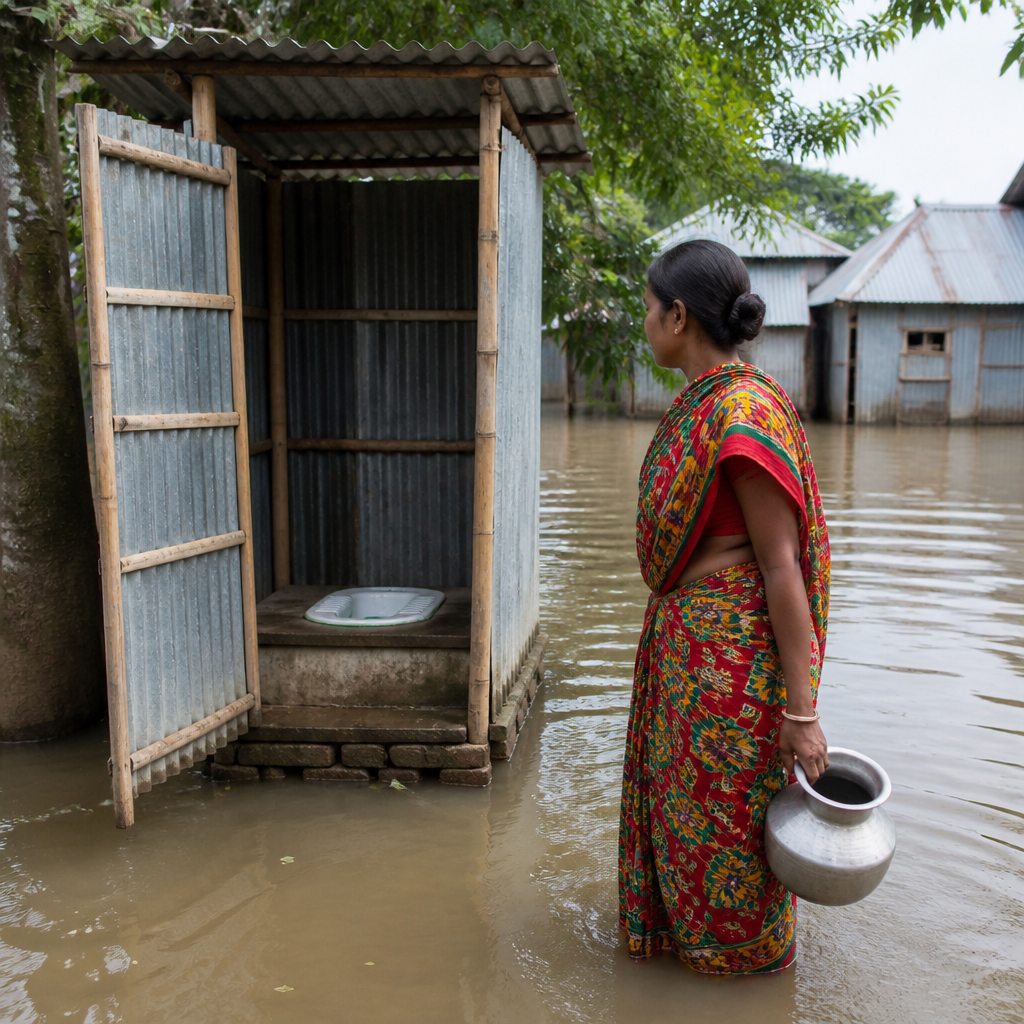
These options should be selected according to climate, groundwater conditions, population density, land availability, and management capacity. In flood-prone areas, raised dry systems can outperform pits because they avoid fecal overflow into surrounding yards. In dense settlements, container-based systems may be safer than household composting because treatment quality can be standardized. In rural farming communities, double-vault systems often align well with seasonal reuse of treated soil-like material, but only if storage time and protective handling are respected.
Treatment standards, pathogen die-off, and safe reuse
The hardest helminth to control in reused excreta is usually Ascaris because its eggs are highly resistant and widely used as an indicator organism in sanitation science. That means safe reuse decisions should be based on the most persistent pathogen, not on appearance, smell, or user confidence. Guidance from the World Health Organization and long-standing ecological sanitation practice supports a barrier approach: extended storage, desiccation, pH elevation, composting conditions where feasible, crop restrictions, and protective handling. If feces remain moist, cool, and freshly handled, the system is not delivering full health protection.
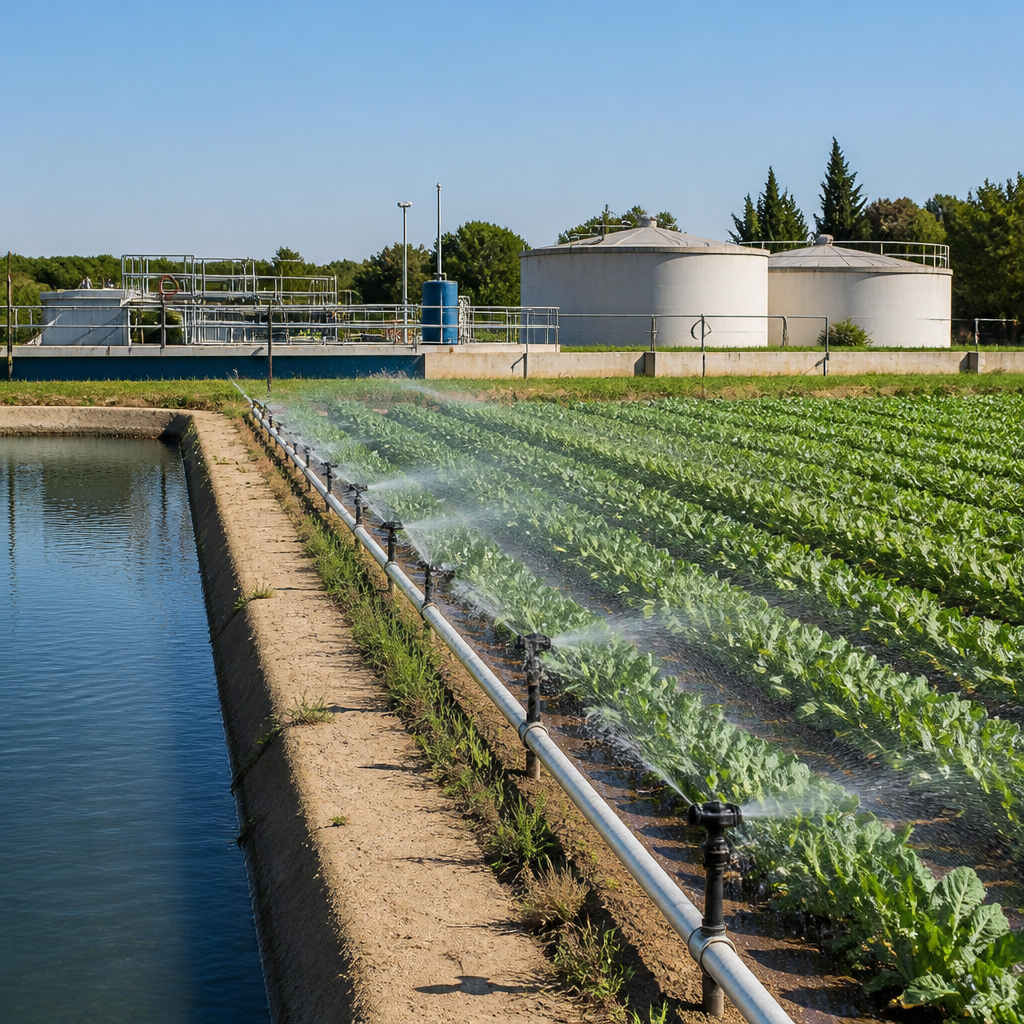
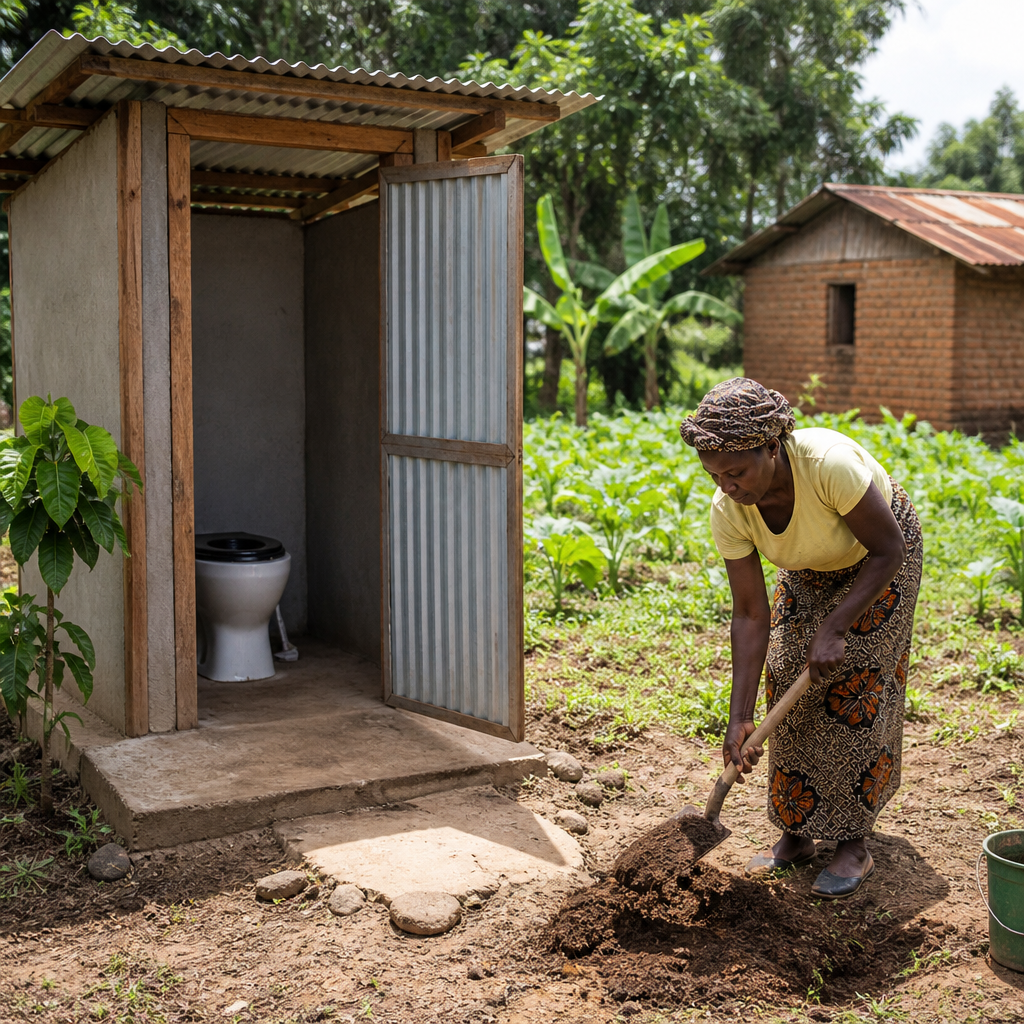
For dehydrating toilets, storage periods commonly range from many months to a year or more depending on temperature, moisture, and additives. Hot, dry conditions improve die-off; cool or humid conditions slow it significantly. For composting toilets, merely calling material compost does not make it safe. A genuine pathogen-reducing compost process needs controlled moisture, aeration, and sustained heat, yet many household units never reach temperatures associated with rapid helminth inactivation. That is why conservative storage rules matter. Where treatment certainty is low, the safest recommendation is to apply treated material only to trees, non-food crops, or crops where the edible portion does not contact soil, and to incorporate it into soil well before harvest.
Urine presents a different risk profile. Fresh urine from healthy individuals is usually low risk for helminth transmission because these parasites are shed in feces, not urine. Still, urine should be stored and applied carefully to avoid splash, odor complaints, and nutrient losses. Fecal material requires the strictest controls. Workers and household members should use gloves, tools dedicated to handling, and handwashing with soap after emptying vaults or moving containers. If a program cannot guarantee treatment times, training, and protective equipment, it should not promote direct agricultural reuse of fecal products.
Design and operational features that determine real-world success
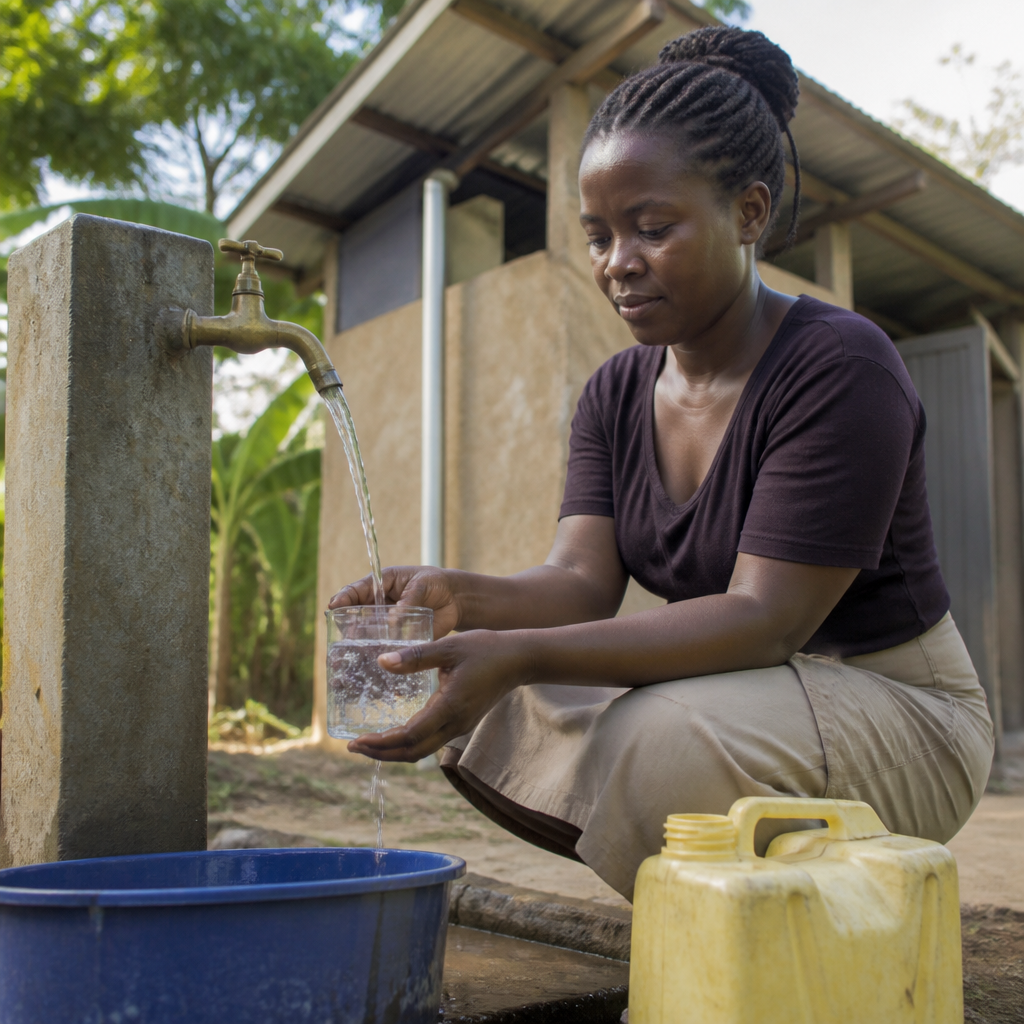
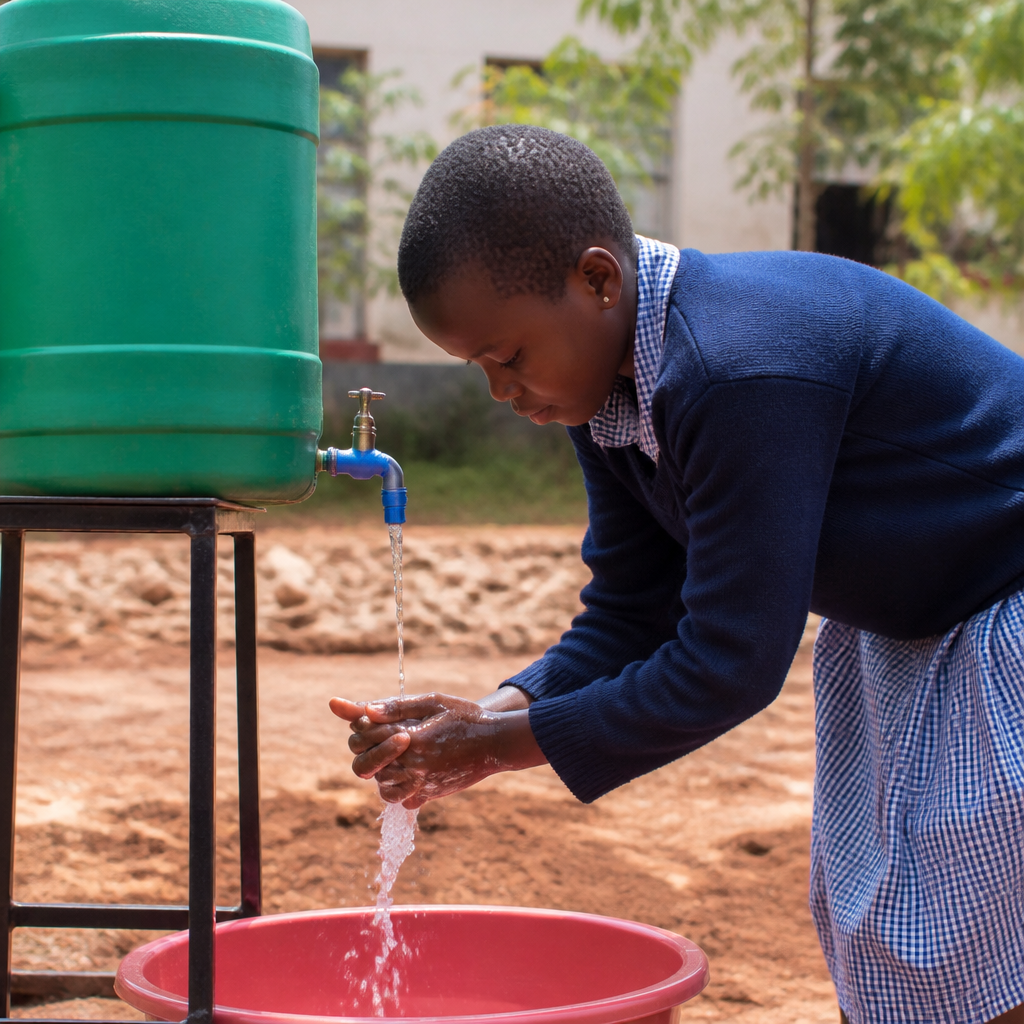
Health gains from EcoSan depend less on brochure claims than on the details of design and daily operation. A well-built slab or pedestal that is easy to clean increases consistent use. Child-friendly seats or squat holes reduce accidents and open defecation among younger users. Good ventilation lowers odor and fly nuisance, which improves acceptance. Tight-fitting vault doors, roofs that prevent rain entry, and drainage controls keep contents dry. Handwashing stations placed directly beside the toilet create a stronger hygiene routine than distant taps. In schools, separate facilities for girls and boys, menstrual hygiene provisions, and cleaning schedules determine whether toilets are actually used.
Operation rules should be simple enough to follow without constant supervision. Users need clear instructions: divert urine correctly, add a cup of ash or other cover material after each defecation, keep water out of the feces vault unless the system is designed for composting, and report blockages early. Maintenance staff need a calendar for vault switching, inspection, and emptying. I have seen otherwise sound systems fail because no one decided who would replenish ash, who held the key to the empty vault, or where treated material would be stored before reuse. Those are not minor management issues; they are the difference between sanitation and exposure.
Behavior change, community adoption, and child protection
Even the best EcoSan hardware will not prevent helminth infections if household behavior stays the same. Open defecation, unsafe child feces disposal, barefoot walking in contaminated areas, and poor hand hygiene can maintain transmission despite improved toilets. Community engagement should therefore explain the infection cycle in plain language: worm eggs leave the body in feces, mature in soil, and return through hands, food, or feet. When people understand that the toilet protects children from invisible contamination around the home, adoption improves.
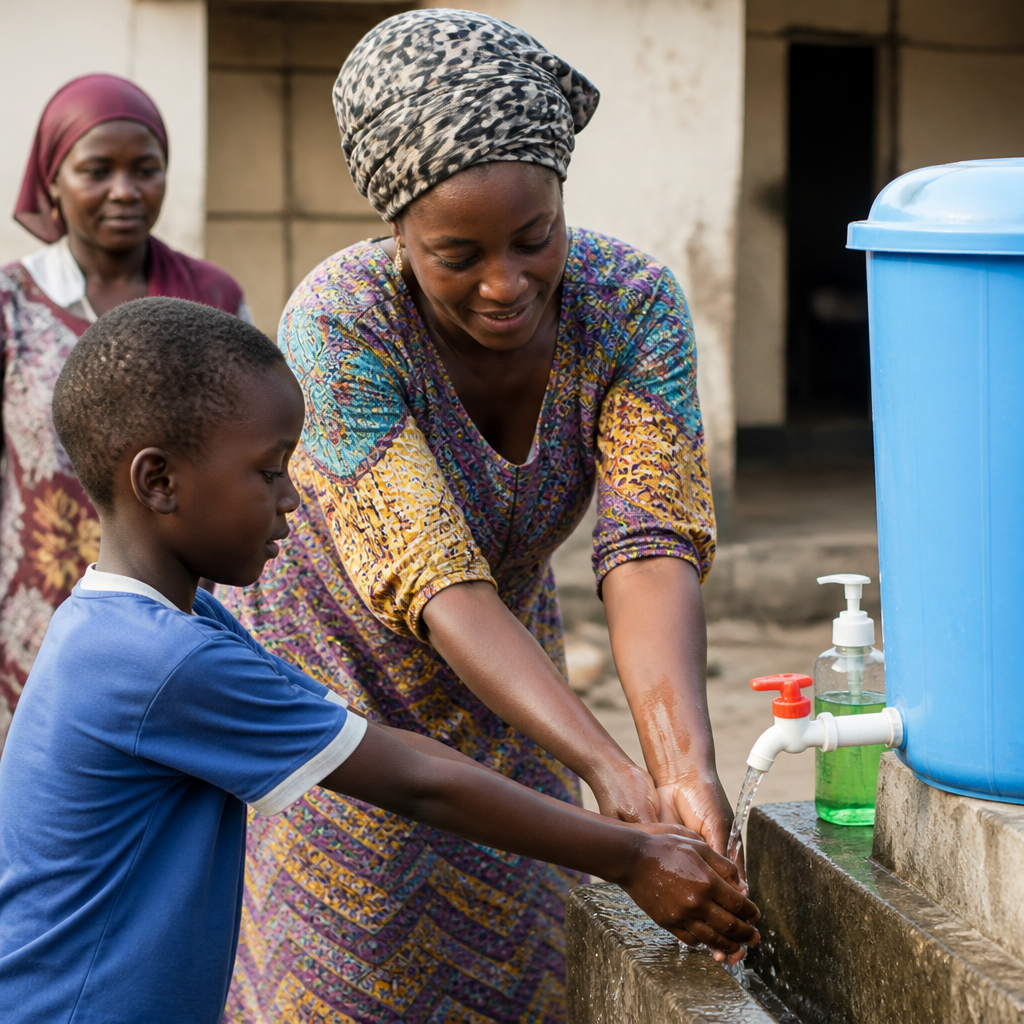
Child feces deserve special emphasis because families often underestimate their hazard. From a helminth standpoint, children’s feces are not safer than adults’ feces. Potties should be emptied into the toilet immediately, rinsed in a designated area, and never discarded into drains or yards. Shoes or sandals reduce hookworm exposure where soil may be contaminated. Nail trimming, soap-based handwashing after defecation and before eating, and washing produce with safe water are practical companion measures. School programs work best when deworming, hygiene education, and sanitation upgrades are synchronized rather than delivered as isolated activities.
Monitoring health outcomes and integrating EcoSan into public health programs
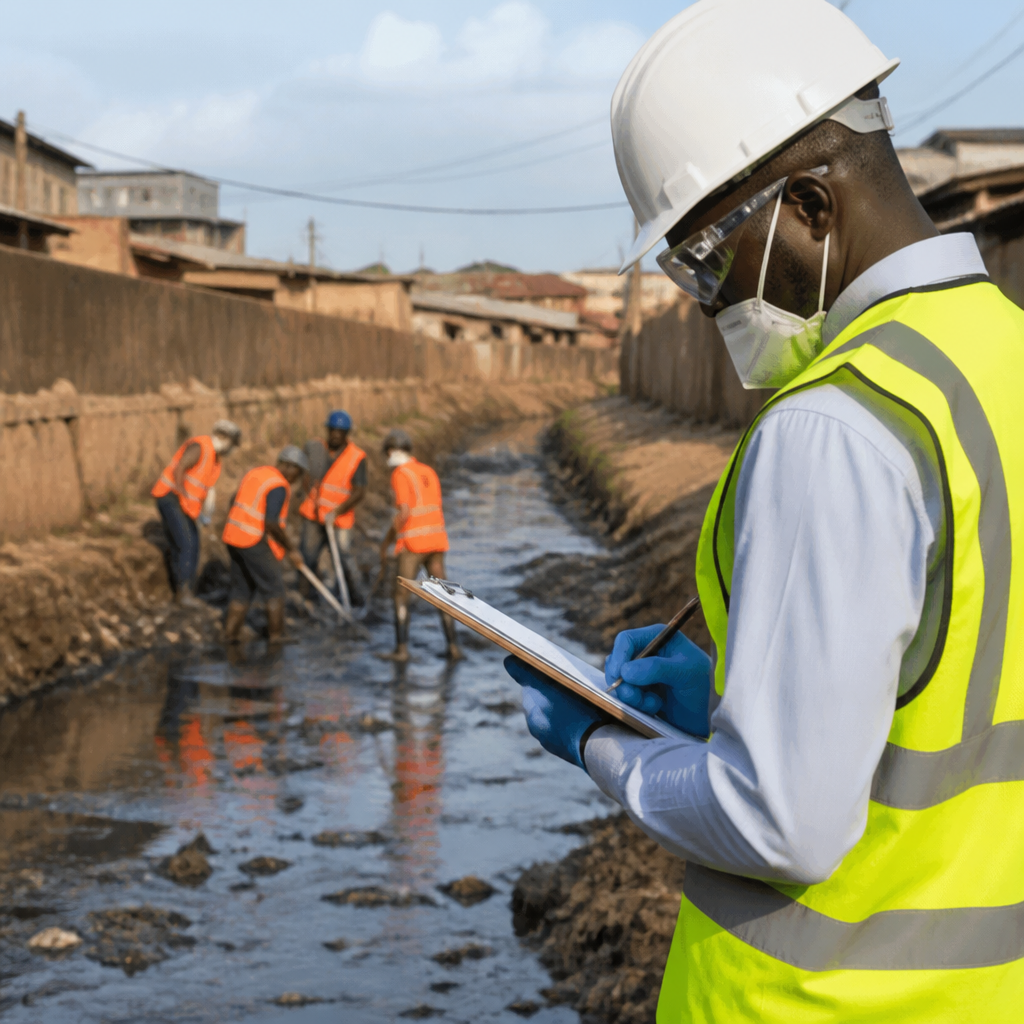
A strong EcoSan program tracks more than toilet coverage. It monitors use, maintenance quality, environmental cleanliness, treatment compliance, and health indicators. Useful metrics include the percentage of households consistently adding cover material, vault moisture status, emptying intervals, handwashing station functionality, visible fecal contamination in compounds, and safe reuse practices. Public health teams can pair these indicators with stool survey data, school absenteeism, anemia screening, or deworming records to understand whether exposure is actually declining.
Integration with wider health and safety systems makes EcoSan more effective. Deworming remains important, particularly in high-burden areas, because it reduces immediate worm loads while sanitation improvements reduce reinfection pressure. Water supply, drainage, solid waste management, and food hygiene also matter. A household cannot maintain a clean toilet environment if stormwater routinely floods the compound with waste from nearby plots. Local governments, NGOs, and school administrators should treat EcoSan as part of environmental health infrastructure, with budgets for training, inspection, repairs, and fecal product management. When these pieces come together, EcoSan becomes more than a sanitation technology. It becomes a durable prevention strategy that protects children, supports safer nutrient recovery, and strengthens community health.
Preventing soil-transmitted helminth infections through EcoSan is ultimately about controlling exposure before it becomes disease. The evidence and field experience point in the same direction: safe containment, adequate treatment, disciplined operation, and informed user behavior reduce fecal contamination of soil and interrupt the life cycle of roundworm, whipworm, and hookworm. For the Health and Safety reader, the main lesson is clear. EcoSan works best when it is planned as a complete system linking toilet design, pathogen reduction, hygiene practice, child protection, and monitored reuse. It is not a shortcut, and it is not self-managing, but it offers a practical route to healthier homes, safer schools, and cleaner environments where conventional sewerage is unavailable or unsuitable.
As the hub for Enhancing Health Through EcoSan, this page provides the foundation for deeper articles on toilet selection, vault management, compost safety, school sanitation, behavior change, and agricultural reuse. If you are designing a household program, upgrading a school, or shaping a community health initiative, start by mapping where exposure occurs and which EcoSan barriers can stop it. Then build the system that people can use correctly every day. That is how sanitation moves from infrastructure to prevention, and from waste handling to lasting health protection for the communities that need it most.
Frequently Asked Questions
What are soil-transmitted helminths, and why are they a sanitation problem?
Soil-transmitted helminths are intestinal parasitic worms that infect people when microscopic eggs or larvae from human feces enter the environment and later make their way back into the body. The main groups are roundworm, whipworm, and hookworm. Roundworm and whipworm infections usually happen when eggs from contaminated soil, food, water, hands, or household surfaces are swallowed. Hookworm can also spread when larvae in contaminated soil penetrate the skin, especially through bare feet. This is why sanitation plays such a central role: these infections do not persist because worms appear spontaneously, but because human waste is not safely contained and treated.
In communities without effective sanitation, open defecation, leaking pits, poorly managed latrines, and unsafe waste handling allow worm eggs to contaminate yards, fields, pathways, school grounds, and water sources. Once this contamination becomes widespread, repeated exposure is common, particularly for children. The result can be chronic infection, anemia, poor nutrient absorption, fatigue, stunting, reduced school performance, and broader public health burdens. Framing soil-transmitted helminths as a sanitation problem is important because it shifts attention from treatment alone to prevention at the environmental source. Medicines can remove worms from infected individuals, but if sanitation remains unsafe, reinfection often happens quickly. That is exactly where EcoSan becomes highly relevant.
How does EcoSan help prevent soil-transmitted helminth infections?
EcoSan, or ecological sanitation, helps prevent soil-transmitted helminth infections by interrupting the fecal-oral and soil-based transmission pathways that these parasites depend on. Its basic principle is straightforward: human excreta should be safely contained, treated, and managed as a resource rather than discarded as unmanaged waste. When feces are isolated from people, animals, soil, and water, worm eggs and larvae are far less likely to spread into the environment. That means fewer opportunities for contamination of food, hands, surfaces, groundwater, household surroundings, and agricultural land.
Well-managed EcoSan systems are specifically valuable because they emphasize separation, containment, treatment, and safe reuse. Depending on the design, urine and feces may be separated, feces may be dried or composted, and storage periods may be used to reduce pathogen survival. This matters for helminths because their eggs can be persistent in the environment, and simple disposal without treatment is not enough. EcoSan aims to create conditions that inactivate pathogens before any reuse takes place. In practical terms, that means reducing direct contact with fresh feces, limiting contamination of surrounding soil, and improving oversight of how excreta is handled from the toilet all the way through final use or disposal.
Just as important, EcoSan supports behavior change. A toilet alone does not stop transmission if people still defecate in the open, fail to wash hands, or use untreated waste in farming. Effective EcoSan programs usually work best when infrastructure is paired with hygiene education, routine maintenance, clear treatment protocols, and community participation. In that setting, EcoSan becomes more than a toilet technology; it becomes a prevention system that helps break the infection cycle at its source.
Can treated human waste really be reused safely in agriculture without spreading worms?
Yes, but only when treatment and handling are done correctly and consistently. The key public health principle is that untreated or insufficiently treated human waste should never be applied in ways that expose people to pathogens. Soil-transmitted helminth eggs, especially some species, can survive for long periods under favorable conditions, so “reuse” is not automatically safe simply because waste has been stored or moved elsewhere. Safe agricultural reuse depends on proven treatment steps, enough time for pathogen reduction, protection from recontamination, and strict adherence to handling guidelines.
EcoSan systems are designed to support this safer pathway by promoting controlled treatment before reuse. Depending on the system, treatment may involve dehydration, composting, alkaline conditions, long-term storage, or combinations of these methods. These approaches are intended to reduce pathogen viability so that the final material poses much less risk. However, local climate, moisture, storage conditions, system design, and management quality all affect whether treatment is adequate. That is why technical guidance, monitoring, and user training are so important. Communities should rely on validated treatment practices and public health recommendations rather than assumptions.
Even after treatment, safe reuse should include precautions such as using protective equipment when handling material, applying it in ways that minimize direct human contact, observing waiting periods where appropriate, and avoiding contamination of edible crops that are eaten raw unless safety standards are clearly met. In many settings, the safest approach is to prioritize application to trees, non-food crops, or crops where the edible portion does not come into contact with the treated material. When EcoSan reuse is carefully managed, it can improve soil fertility and nutrient recovery while still protecting health. The critical distinction is not whether waste is reused, but whether it is hygienically treated and responsibly managed before reuse occurs.
Is EcoSan enough on its own to control soil-transmitted helminth infections?
EcoSan is a powerful prevention strategy, but it is usually not enough on its own, especially in areas where helminth infections are already widespread. These infections are best controlled through an integrated public health approach. EcoSan addresses one of the biggest drivers of transmission by reducing environmental contamination with human feces, but long-term control also depends on hygiene, safe water, health education, deworming programs where appropriate, and sustained community adoption. If even a portion of the population continues open defecation or unsafe waste handling, transmission can continue.
Handwashing with soap after toilet use and before preparing or eating food remains essential because many infections occur when worm eggs are transferred from contaminated hands to the mouth. Safe food washing and preparation are also important, particularly where produce may be exposed to contaminated soil or irrigation water. Wearing shoes can reduce exposure to hookworm larvae in contaminated ground. In schools and childcare settings, regular cleaning of toilets, handwashing stations, and shared surfaces helps reduce ongoing exposure. These simple behaviors work together with EcoSan to close the remaining gaps in the transmission chain.
In high-burden settings, deworming may still be needed to reduce the number of people carrying infection while sanitation improvements take effect. This is important because environmental control and medical treatment solve different parts of the problem. Treatment reduces the human reservoir of infection, while EcoSan reduces the contamination that allows reinfection. When both are implemented together, results are far stronger and more sustainable. So EcoSan should be seen as foundational, but most effective when combined with broader water, sanitation, hygiene, and public health measures.
What makes an EcoSan program successful in communities trying to reduce worm infections?
A successful EcoSan program depends on much more than installing toilets. The strongest programs are built around correct design, reliable maintenance, user acceptance, clear treatment procedures, and ongoing education. Toilets must be practical for the local setting, affordable to maintain, culturally acceptable, and easy for households to use correctly every day. If systems are confusing, inconvenient, poorly ventilated, hard to empty, or not well suited to climate and soil conditions, people may revert to open defecation or unsafe disposal methods. That immediately weakens the program’s ability to reduce helminth transmission.
Community engagement is especially important. People need to understand how soil-transmitted helminths spread, why safe containment matters, and what steps are required to make excreta reuse safe. Training should cover everyday actions such as using the toilet consistently, keeping feces dry when required by the system design, adding recommended materials where applicable, storing treated material for the full required period, washing hands with soap, and using protective measures during handling. Local leaders, health workers, schools, and farmer groups can all reinforce these practices. When users understand the health reason behind each step, compliance is usually much better.
Monitoring and follow-up also matter. Successful programs check whether toilets are functioning, whether treatment chambers are being used as intended, whether households are emptying and handling material safely, and whether open defecation has actually decreased. In some settings, support for repairs, spare parts, and refresher training can make the difference between long-term success and gradual system failure. Ultimately, the most effective EcoSan programs treat sanitation as a managed public health service, not a one-time construction project. When that happens, communities are much better positioned to reduce environmental contamination, cut reinfection risk, and make real progress against soil-transmitted helminth infections.