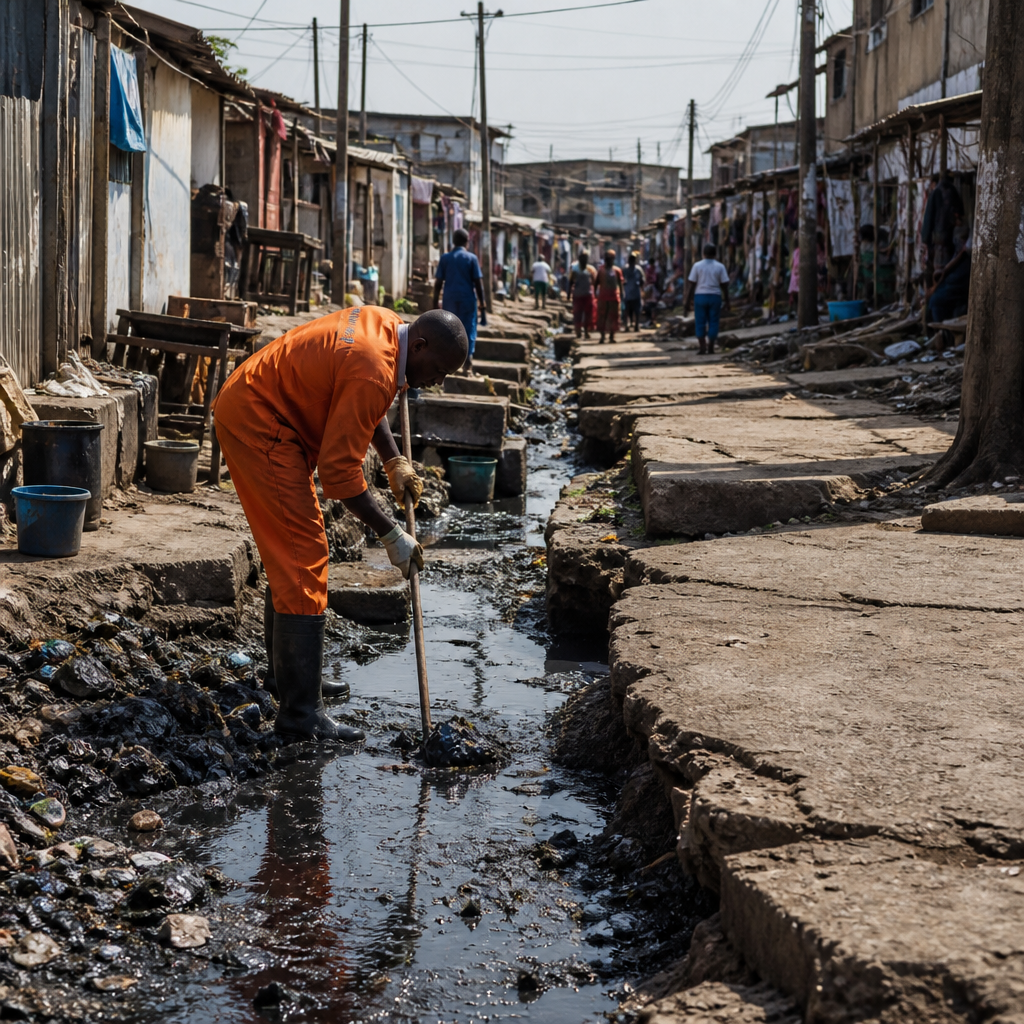
Sanitation in high-density areas is one of the most decisive public health challenges in modern cities, informal settlements, refugee camps, and rapidly growing peri-urban communities. When many people share limited land, water points, toilets, drains, and waste services, even small failures can trigger outbreaks of diarrhea, cholera, typhoid, hepatitis A, intestinal parasites, and skin infections. In this context, “high-density areas” refers to places where population concentration outpaces infrastructure capacity, while “EcoSan,” short for ecological sanitation, refers to sanitation systems designed to safely recover nutrients, conserve water, reduce pollution, and protect human health. I have worked on sanitation planning discussions where the core problem was never just toilet coverage; it was containment, collection, treatment, maintenance, user behavior, and the institutional ability to keep the whole chain functioning. That is why enhancing health through EcoSan matters. It offers a practical framework for managing health risks while addressing water scarcity, soil depletion, and the cost of conventional sewer expansion. For a Health and Safety hub, this topic is central because sanitation directly affects disease transmission, child growth, school attendance, worker productivity, environmental quality, and community dignity.
Good sanitation prevents pathogens in human excreta from reaching mouths, hands, food, flies, soil, and water. That simple principle underpins guidance from the World Health Organization, UNICEF, and the concept of safely managed sanitation used in the Joint Monitoring Programme. In crowded neighborhoods, however, sanitation systems are under constant stress: shared latrines fill quickly, septic tanks are poorly designed, drains carry greywater and fecal sludge, and flooding spreads contamination across living areas. EcoSan approaches respond by treating waste as a resource, separating waste streams where useful, and designing for safe reuse only after adequate treatment. This article serves as a hub for enhancing health through EcoSan by explaining the main risks, the system components that matter most, the technologies available, and the management practices that determine whether sanitation protects people or exposes them to danger.
Why sanitation risks increase in high-density areas
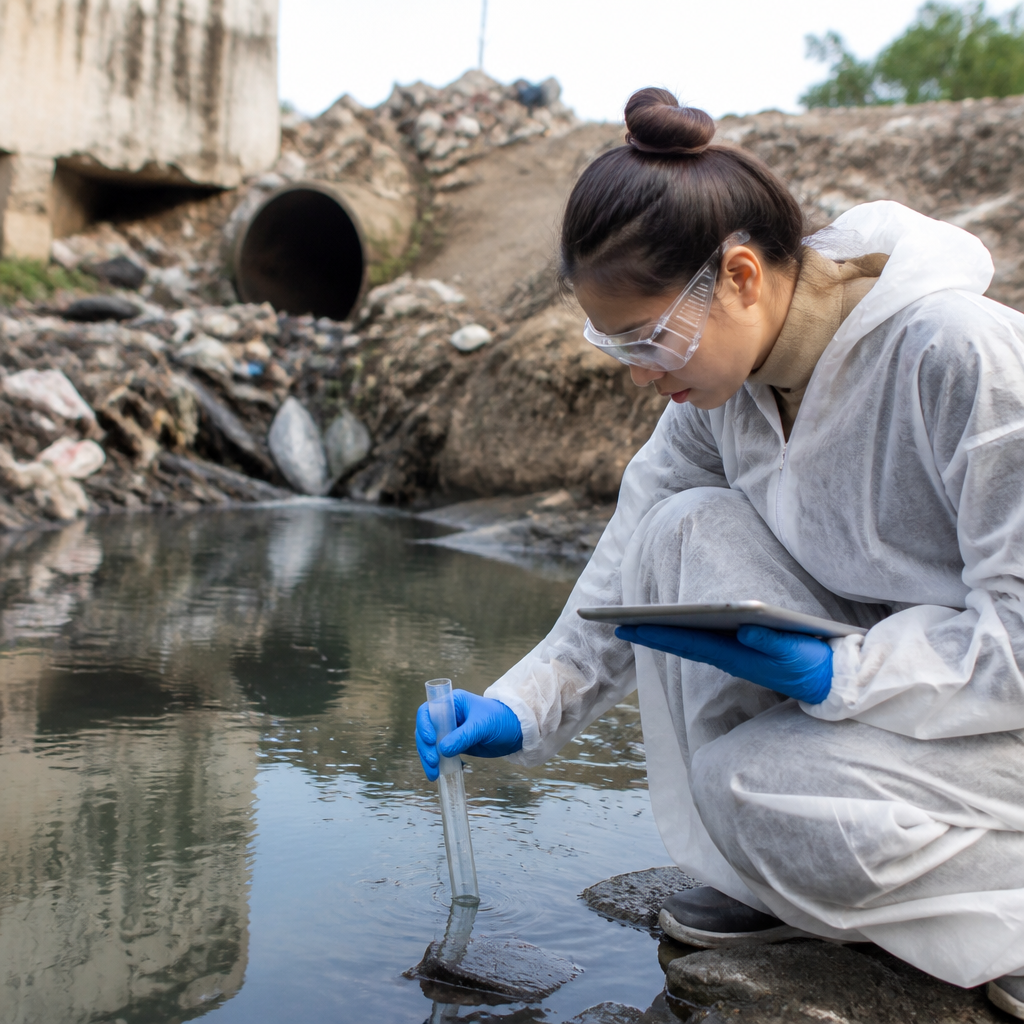
Health risks rise in dense settlements because exposure pathways multiply. A single overflowing toilet can affect dozens of households. One broken handwashing point can leave hundreds without a barrier against fecal-oral transmission. Where plots are small and homes are close together, there is little room for setback distances, replacement pits, or vehicle access for desludging. During site assessments, I have repeatedly seen toilets built over shallow groundwater, discharge pipes emptied into storm drains, and children playing near wastewater channels because there was no other open space. These are not isolated defects; they are system failures created by density, poverty, insecure tenure, and weak municipal service delivery.
Another reason risk increases is that sanitation chains are often incomplete. A toilet may look acceptable at the household level but still be unsafe if pits leak, if sludge is manually removed without protective equipment, or if treatment plants are absent or overloaded. Shared facilities add further pressure. They can work, but only with cleaning schedules, lighting, locks, water, menstrual hygiene provisions, and clear user accountability. Without those controls, facilities become unusable, pushing residents toward open defecation, unsafe child feces disposal, or dumping into drains. High-density sanitation management therefore requires thinking beyond infrastructure and focusing on containment, operation, and public health surveillance.
How EcoSan improves health outcomes
EcoSan improves health by interrupting transmission routes while reducing dependence on scarce water and expensive sewer networks. The most important principle is safe separation and treatment. Urine-diverting dry toilets, composting toilets, container-based sanitation, and decentralized treatment systems can all reduce pathogen spread when they are properly designed and managed. Urine is usually far lower in pathogens than feces, so separating it can simplify treatment and nutrient recovery. Feces, meanwhile, can be dehydrated, composted, or otherwise treated to reduce pathogen loads before reuse or disposal. Greywater can be managed separately to lower hydraulic loading on toilets and pits.
The health value of EcoSan is not theoretical. In water-stressed settlements, dry or low-water systems prevent the frequent flush failures that make toilets unusable. In flood-prone zones, above-ground or sealed container systems avoid the pit overflow that contaminates compounds and shallow wells. In farming communities at the urban edge, treated biosolids and sanitized urine can support soil fertility, closing nutrient loops that conventional systems waste. That does not mean every EcoSan model fits every location. The public health gains depend on treatment time, moisture control, user training, collection logistics, and occupational safety. The lesson from field implementation is clear: EcoSan succeeds when it is treated as a managed service, not just a toilet product.
Core EcoSan system options for dense communities
Choosing the right sanitation system in a high-density area depends on water availability, soil conditions, tenure, flood risk, road access, local acceptance, and the presence of a treatment and reuse market. No single technology is best everywhere. The right question is which system can reliably keep excreta contained and safely managed across the full chain.
| System | Best-fit context | Main health advantage | Main limitation |
|---|---|---|---|
| Urine-diverting dry toilet | Water-scarce areas with trained users | Reduces water use and enables nutrient recovery | Needs consistent operation and dry cover material |
| Composting toilet | Institutions or compounds with maintenance capacity | Treats waste on site and reduces sludge volumes | Temperature and moisture must be controlled |
| Container-based sanitation | Very dense settlements with poor pit access or flooding | Provides sealed containment and scheduled collection | Requires dependable service operator and transfer chain |
| Simplified sewer with decentralized treatment | Dense neighborhoods with organized layout | Removes waste quickly from living areas | Needs capital investment and strong maintenance |
| Shared pour-flush toilet linked to septic or biodigester | Compounds with water access and desludging services | High user acceptance and odor control | Fails if tanks leak or sludge is not safely managed |
In practice, container-based sanitation has been especially promising in informal settlements where trucks cannot reach pits and floodwaters make underground systems unsafe. Operators collect sealed containers on a schedule, transport them to treatment, and maintain service standards. Urine-diverting systems are useful where agricultural reuse is realistic and households can manage dry operation. Simplified sewers can work in regularized dense areas, but they are not inherently ecological unless treatment and reuse are incorporated. The selection process should include hydrogeological assessment, user consultation, life-cycle cost analysis, and a review of who will own, finance, regulate, and maintain the service over time.
Managing the full sanitation chain safely
The most important concept in urban sanitation is the service chain: capture, containment, emptying, transport, treatment, reuse, or final disposal. Health protection depends on every link. In many high-density areas, investment stops at the toilet interface, yet that is where only a fraction of the risk is controlled. Fecal sludge management determines whether pathogens are concentrated and neutralized or simply moved from one neighborhood to another. I have seen well-built toilet blocks become liabilities because no desludging contract existed and no transfer station or treatment capacity was available.
Safe emptying requires trained workers, mechanical equipment where possible, personal protective equipment, vaccination, and procedures that prevent spills. Transport needs leak-proof containers and designated discharge points. Treatment options include composting, co-composting with organic waste, drying beds, waste stabilization ponds, anaerobic digestion, and thermal processes. Each option has operational conditions that must be respected. For example, composting requires sufficient retention time, aeration, carbon balance, and moisture control to reduce helminths and bacterial pathogens. Anaerobic digestion can recover biogas but usually needs post-treatment before agricultural reuse. The end use also matters. Products should meet national standards where available, and users need guidance on crop restrictions, application timing, and worker hygiene. If reuse markets are weak, storage can accumulate and systems fail financially, so business planning is part of health protection.
Behavior, hygiene, and community management
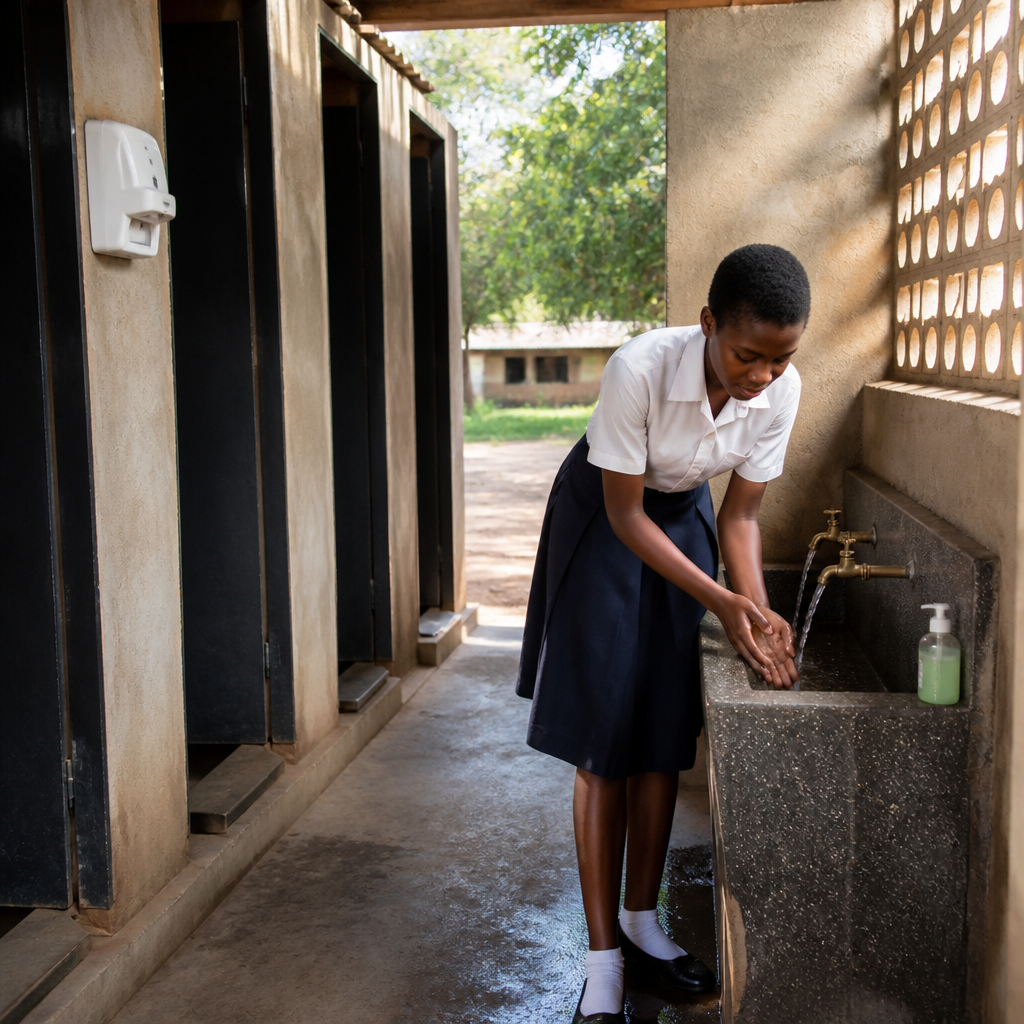
Even the best-designed sanitation system will underperform if daily behaviors do not support it. In dense areas, user practices have immediate consequences because many households share the same facilities and contamination spreads quickly. Handwashing with soap after toilet use, safe child feces disposal, regular cleaning, menstrual hygiene management, and proper use of diversion features are not secondary issues; they are core risk controls. This is particularly important for EcoSan systems, which may require users to add cover material, keep urine and feces separate, or understand why certain items cannot be thrown into vaults or containers.
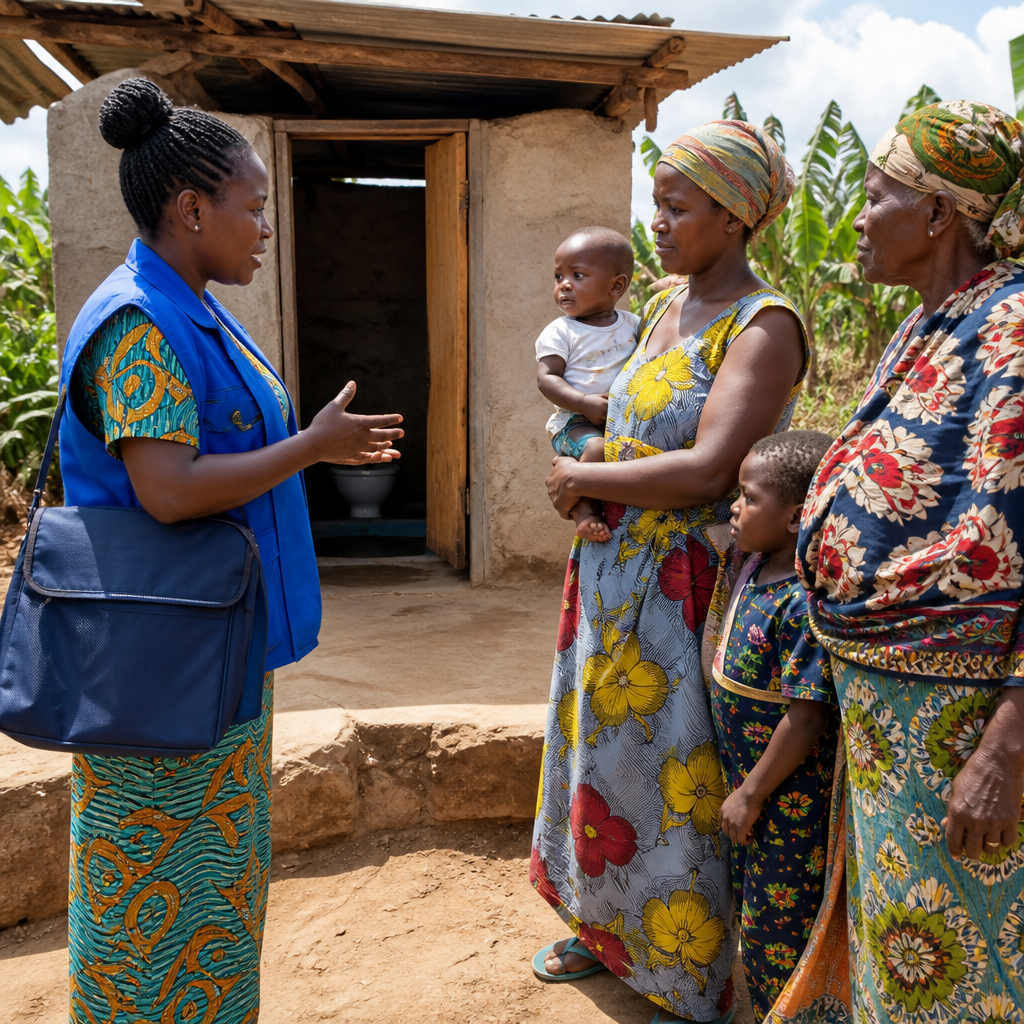
Community management works when responsibilities are specific. Cleaning rosters, paid caretakers, digital payment systems for shared toilets, resident committees, and visible reporting channels all improve performance. Schools, markets, and transit hubs need separate management models because traffic is higher and accountability is diffuse. Gender and safety also matter. Women and girls avoid distant or poorly lit toilets, and that avoidance increases both health and protection risks. Inclusive design means accessible cubicles, child-friendly interfaces, handrails, disposal bins, ventilation, and facilities that can be cleaned easily. Public health messaging should be practical, repeated, and linked to actual facility conditions. Telling residents to wash hands is ineffective if soap is absent and water points are broken.
Policy, financing, and data for long-term success
Sanitation in high-density areas improves sustainably only when policy, financing, and regulation support service delivery. Municipalities need sanitation plans that include non-sewered systems, fecal sludge management, licensing of private operators, land for transfer stations and treatment plants, and monitoring of effluent and reuse products. Building codes should reflect realities on the ground. In unplanned settlements, strict standards copied from low-density suburbs often block safe interim solutions and leave residents with illegal, unsafe facilities instead.
Financing should cover both capital costs and recurring operations. EcoSan systems often look affordable at installation but fail when no budget exists for collection, supervision, spare parts, or treatment. Blended finance models are usually stronger: household payments, municipal subsidies, donor support for infrastructure, and revenue from compost, energy, or nutrient products where markets exist. Data is equally important. Cities should map toilets, desludging demand, flood exposure, groundwater risk, and treatment capacity. Service indicators should track functionality, not only construction numbers. A neighborhood with one hundred toilets and no safe sludge pathway is not served. Digital tools such as GIS mapping, mobile maintenance logs, and scheduled collection software make management more predictable. For a Health and Safety hub, the practical takeaway is that EcoSan becomes protective at scale only when institutions treat sanitation as an essential public service with measurable standards.
Sanitation in high-density areas demands more than building toilets; it requires managing disease risk across a complete, functioning system. The central health lesson is straightforward: human waste must be safely contained, moved, treated, and either reused or disposed of without exposing residents, workers, food systems, or water sources. EcoSan strengthens that goal by conserving water, supporting nutrient recovery, and offering flexible options where conventional sewers are too costly, too slow to expand, or poorly suited to dense informal environments. When designed around local conditions, EcoSan can reduce flooding-related contamination, lower groundwater pollution, improve toilet reliability, and create useful by-products such as compost, biogas, or sanitized fertilizer.
The main benefit of enhancing health through EcoSan is resilience. Communities gain sanitation systems that can work under water stress, limited space, and rapid urban growth while still protecting public health. The most reliable results come from combining appropriate technology with strong service chains, trained operators, inclusive design, hygiene promotion, and realistic financing. If you are planning, upgrading, or managing sanitation in a dense community, start by assessing the full chain, not just the toilet. Identify the exposure points, choose a system that fits the site, and build the management structure needed to keep it safe every day. That is how sanitation becomes a durable health and safety asset rather than a recurring public health risk.
Frequently Asked Questions
Why is sanitation in high-density areas such a serious public health issue?
Sanitation becomes especially critical in high-density areas because large numbers of people are sharing a very limited sanitation environment. Toilets, handwashing points, drains, water sources, and waste collection systems are used more often, wear out faster, and are more likely to fail when maintenance and investment do not keep pace with population growth. In these settings, contamination can spread quickly through multiple pathways at once, including unsafe drinking water, overflowing latrines, uncollected solid waste, standing wastewater, and contaminated surfaces. Once germs enter the local environment, the close proximity of households and the high frequency of person-to-person contact can accelerate transmission dramatically.
This is why outbreaks of diarrheal disease, cholera, typhoid, hepatitis A, intestinal worm infections, and certain skin conditions are more common where sanitation systems are overstretched. The problem is not simply crowding by itself. The real danger comes from crowding combined with inadequate infrastructure, limited drainage, irregular water supply, poor fecal sludge management, and weak public services. Even a minor breakdown, such as a blocked drain or a damaged communal toilet, can affect hundreds or thousands of residents very quickly. Effective sanitation in high-density areas therefore protects not only individual households, but the entire community by interrupting disease transmission at its source.
What are the biggest sanitation risks in informal settlements, refugee camps, and rapidly growing urban communities?
The biggest sanitation risks usually come from a combination of shared facilities, limited safe water, poor drainage, and inadequate waste management. In many high-density communities, too many people rely on too few toilets, which leads to long waiting times, unsafe night-time access, poor cleaning, and increased open defecation or improper disposal of child feces. Where toilets are poorly designed or not safely emptied, fecal matter can leak into soil, floodwater, pathways, and nearby water points. This creates ideal conditions for waterborne and fecal-oral diseases to spread.
Another major risk is stagnant wastewater and blocked drainage. In tightly packed areas, even small amounts of wastewater can accumulate around homes, cooking areas, schools, and markets. That standing water attracts insects, creates foul conditions, and increases contact with harmful bacteria and parasites. Solid waste adds another layer of risk. When trash is dumped in open spaces or drains, it blocks water flow, worsens flooding, and contributes to rodent and fly infestations. During heavy rain, these failures often combine, mixing sewage, floodwater, and refuse into living areas. In emergency settings such as refugee camps, the speed of population growth can outpace service delivery, making these risks even more acute unless sanitation planning, water supply, hygiene promotion, and waste management are coordinated from the beginning.
How can communities and local authorities reduce sanitation-related disease outbreaks in crowded areas?
Reducing disease outbreaks in crowded settings requires a practical, layered approach rather than a single intervention. First, there must be enough safe, accessible, and well-maintained toilets for the population, located close enough to homes to be usable but designed to avoid contaminating nearby water sources. Shared toilets need regular cleaning, lighting, privacy, and clear responsibility for upkeep. Safe fecal sludge management is equally important. Containment is not enough if pits overflow or waste is emptied unsafely into drains, open land, or waterways. Collection, transport, treatment, and final disposal all need to be managed as part of one sanitation chain.
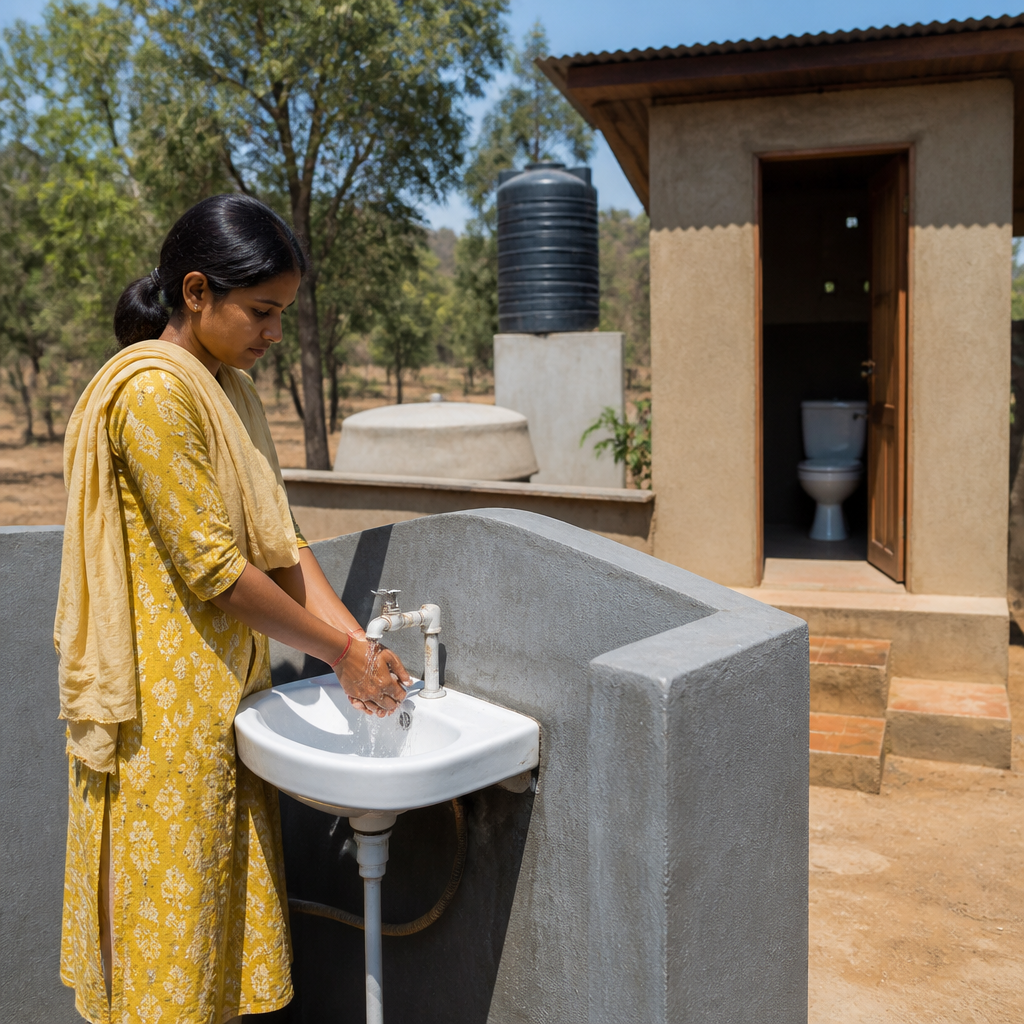
Second, reliable access to water and handwashing facilities is essential. Handwashing with soap after toilet use, before eating, and before food preparation is one of the most effective ways to cut disease transmission, but it only works when water is available and handwashing stations are convenient. Third, drainage and solid waste systems must be improved to prevent wastewater buildup and drain blockages. Regular waste collection, community clean-up routines, and emergency drain clearing before rainy seasons can significantly reduce contamination risks. Finally, outbreak prevention works best when authorities, health workers, community leaders, landlords, and residents share responsibility. Surveillance for disease trends, rapid repair of sanitation failures, public health education, and targeted investment in the highest-risk zones can stop small sanitation problems from becoming major public health emergencies.
What makes shared toilets and communal sanitation facilities effective or ineffective?
Shared toilets are often a practical reality in high-density areas, and they can protect health when they are properly planned and managed. The most effective communal sanitation facilities are easy to reach, safe to use at all hours, separated appropriately by gender where needed, accessible for children, older adults, and people with disabilities, and supported by dependable water for cleaning and handwashing. They also need a routine system for cleaning, waste removal, repairs, and user accountability. When residents know who is responsible for maintenance and when service schedules are predictable, communal toilets are far more likely to remain hygienic and functional.
Shared facilities become ineffective when demand greatly exceeds capacity or when no one is clearly responsible for operations. In those situations, toilets become dirty, fill too quickly, lose privacy, and may become unsafe for women and girls, especially at night. Residents may then avoid using them, leading to open defecation, disposal of waste in drains, or use of buckets and plastic bags that are later dumped in the environment. Poorly located facilities can also discourage use if they are too far away or require crossing unsafe areas. In short, communal sanitation is not judged only by whether a toilet structure exists. Its true effectiveness depends on cleanliness, safety, convenience, maintenance, and whether it consistently prevents human waste from entering the surrounding environment.
What long-term strategies are most important for improving sanitation in high-density areas?
Long-term improvement depends on moving beyond temporary fixes and treating sanitation as a core urban health system. One of the most important strategies is investing in infrastructure that matches actual population density, not outdated assumptions about how many people live in an area. That includes more toilets, stronger drainage networks, reliable water supply, organized solid waste collection, and safe systems for fecal sludge emptying, transport, treatment, and reuse or disposal. Urban planning also matters. When settlements grow faster than roads, sewers, and service access, sanitation problems become structurally embedded and much harder to reverse.
Equally important is governance. High-density sanitation systems work better when responsibilities are clearly divided among municipalities, utilities, service providers, landlords, and communities, and when financing exists for routine maintenance rather than only emergency response. Data-driven targeting can help decision-makers identify hotspots where flooding, toilet shortages, or repeated disease outbreaks show the greatest unmet need. Public health education should continue alongside infrastructure improvements so that safe hygiene practices, child feces disposal, household water storage, and waste handling are reinforced at the community level. The most successful long-term strategy is an integrated one: combining engineering, health surveillance, behavior change, regulation, and inclusive service delivery so that even the most crowded neighborhoods can become safer, cleaner, and more resilient.