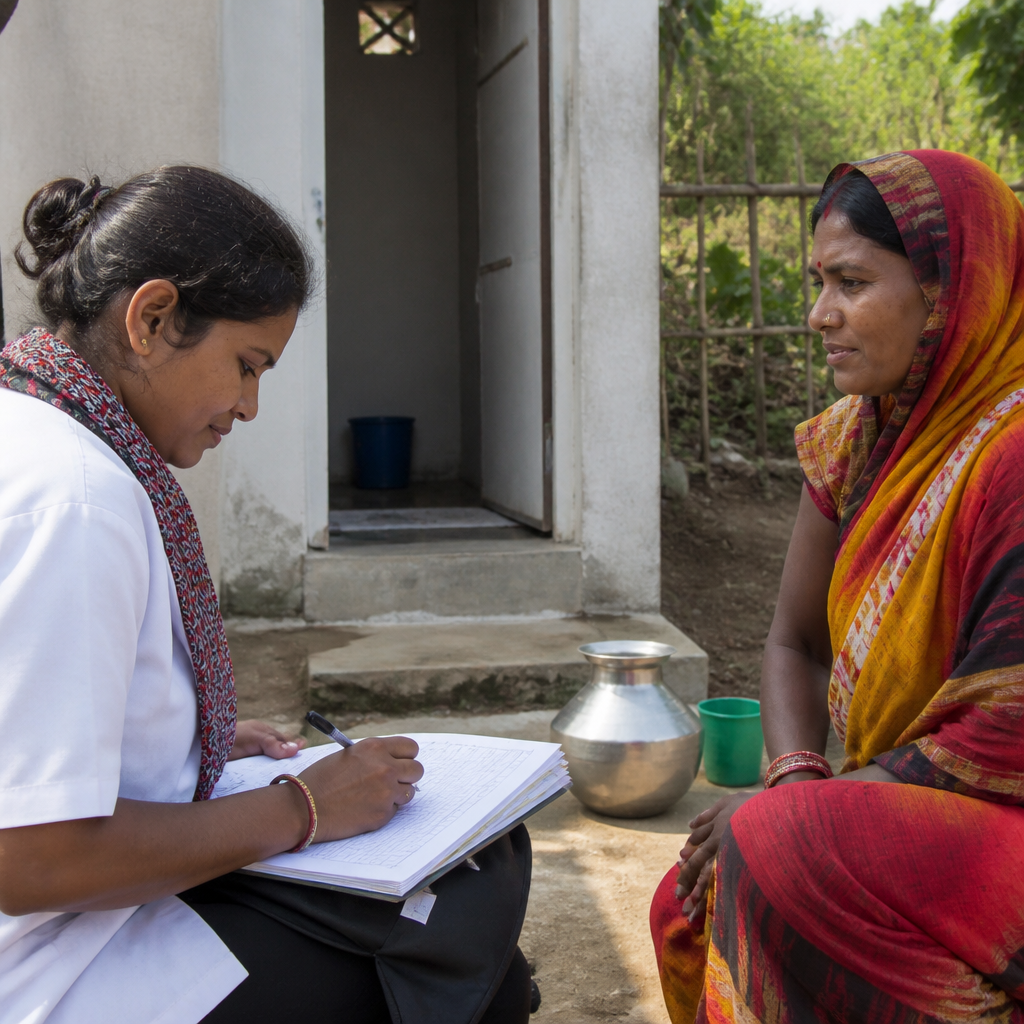
Health impact assessment of sanitation interventions is the systematic process of predicting how toilets, fecal sludge systems, wastewater treatment, handwashing infrastructure, and hygiene behaviors affect disease patterns, injury risk, nutrition, dignity, and long-term community wellbeing. In the context of enhancing health through EcoSan, or ecological sanitation, the assessment goes beyond counting toilets built. It asks whether a urine-diverting dry toilet reduces diarrheal disease, whether composted excreta is handled safely, whether women feel safer using facilities at night, and whether nutrient recovery creates measurable gains for food security. I have worked on sanitation planning reviews where impressive construction numbers hid poor outcomes because pits flooded, sludge was dumped untreated, or facilities were inaccessible to older adults. A rigorous health impact assessment corrects that blind spot by connecting engineering decisions to actual human health results.
EcoSan matters because sanitation failures remain a major global health burden. The World Health Organization has long linked unsafe sanitation to diarrheal disease, helminth infections, undernutrition, and environmental contamination. Children are especially affected through repeated enteric infections that contribute to stunting and impaired cognitive development. Yet conventional sewer expansion is not always feasible in water-scarce, flood-prone, informal, or low-income settings. EcoSan systems are designed to safely contain, treat, and reuse nutrients from human waste, often using low-water or dry technologies. That creates a different risk profile from flush-and-forget systems. Properly designed EcoSan can conserve water, reduce pathogen exposure, and support agriculture. Poorly managed EcoSan can create occupational hazards, odor issues, vector breeding, or unsafe reuse. Health impact assessment is therefore essential for choosing interventions, setting safeguards, and proving whether enhancing health through EcoSan is more than a sustainability claim.
For a hub article, the key concept is simple: sanitation changes health through exposure pathways. Human excreta contains bacteria, viruses, protozoa, and helminths. Those pathogens move through water, soil, hands, food, flies, surfaces, and direct contact. Sanitation interventions interrupt those pathways at different points. A sealed containment system may reduce household exposure. Safe transport and treatment protects workers and downstream users. Handwashing stations reduce fecal-oral transmission. Reuse standards determine whether nutrients can return to farms without transmitting Ascaris, Salmonella, or other hazards. A complete assessment therefore reviews baseline disease burden, engineering performance, user behavior, climate conditions, equity effects, and regulatory compliance. It also compares intended benefits with unintended consequences, such as ammonia exposure in enclosed storage areas or groundwater risks from poor siting. When decision-makers understand those mechanisms, they can design sanitation interventions that deliver reliable public health gains instead of isolated infrastructure outputs.
How health impact assessment works for sanitation interventions
A health impact assessment begins by defining the intervention and the population affected. In sanitation, that usually includes households, schoolchildren, healthcare patients, sanitation workers, nearby farmers, and communities downstream of discharge or reuse sites. The baseline profile should capture diarrheal incidence, helminth prevalence, child growth indicators, groundwater quality, handwashing access, menstrual hygiene barriers, and injury risks linked to unsafe facilities. In practice, I look first at who is exposed, how they are exposed, and where contamination travels during rainy and dry seasons. That often reveals critical differences between urban informal settlements, peri-urban farming zones, and dispersed rural villages.
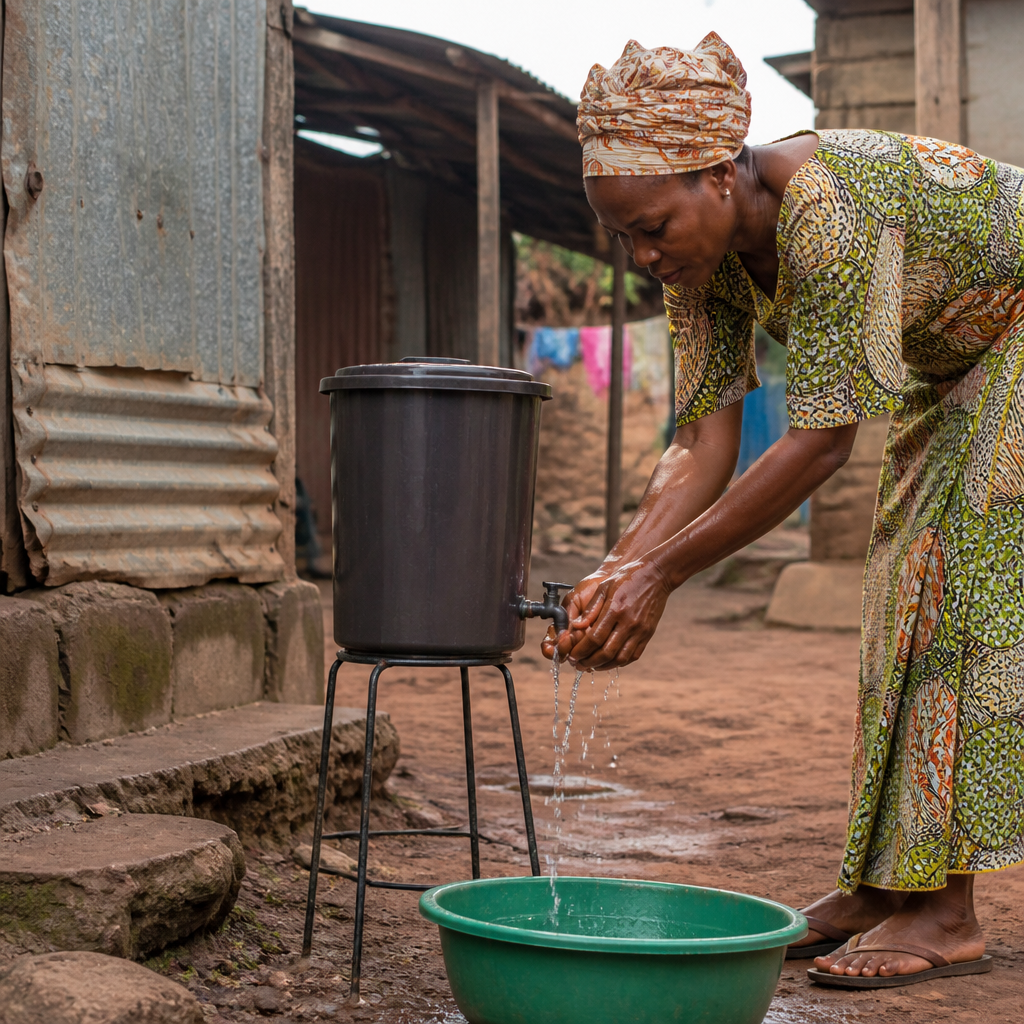
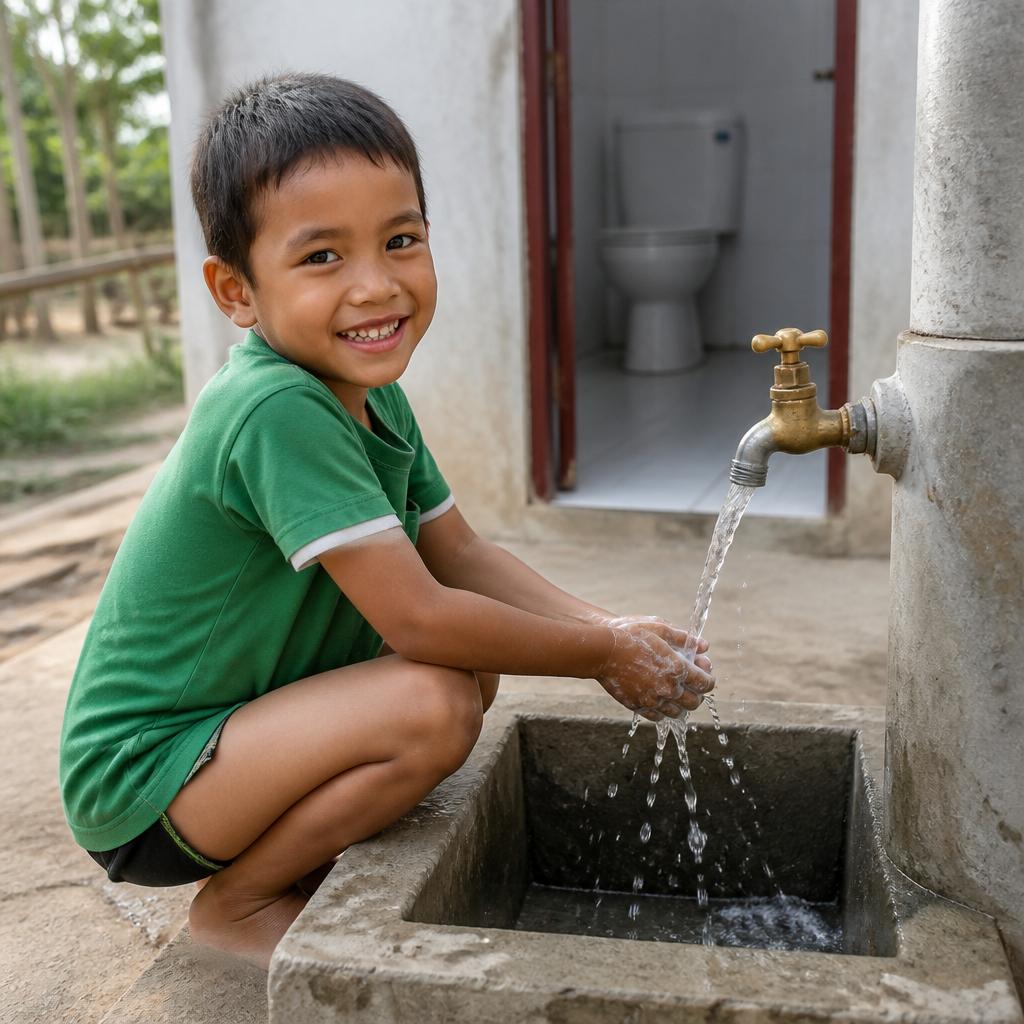
The next step is pathway analysis. Sanitation professionals often use fecal exposure frameworks similar to the classic routes of fluids, fields, flies, fingers, food, and fomites. EcoSan adds reuse pathways: urine collection, dehydration, compost curing, transport, storage, and field application. The assessment asks direct questions. Does urine diversion reduce moisture enough to suppress pathogen survival? Are vault emptying intervals long enough to meet treatment targets? Can children or animals access stored material? Is there a handwashing point immediately outside the cubicle? Clear answers matter more than broad claims. If a toilet is technically improved but sludge removal requires workers to enter confined spaces without protective equipment, the intervention may reduce household exposure while raising occupational danger.
Methods combine quantitative and qualitative evidence. Quantitative data can include disease surveillance, stool testing for soil-transmitted helminths, water quality sampling for E. coli, and environmental measurements such as nitrate concentration in groundwater. Operational metrics are equally important: fill rates, downtime, emptying frequency, user compliance, and safe reuse volumes. Qualitative methods explain why systems succeed or fail. Focus groups may uncover privacy concerns, smell complaints, or cultural resistance to excreta reuse. Structured observation can show whether soap is actually present or whether users bypass a urine diversion pedestal and contaminate solids storage. Strong assessments combine both kinds of evidence because sanitation performance depends as much on human behavior and maintenance as on hardware.
EcoSan systems and the specific health benefits they can deliver
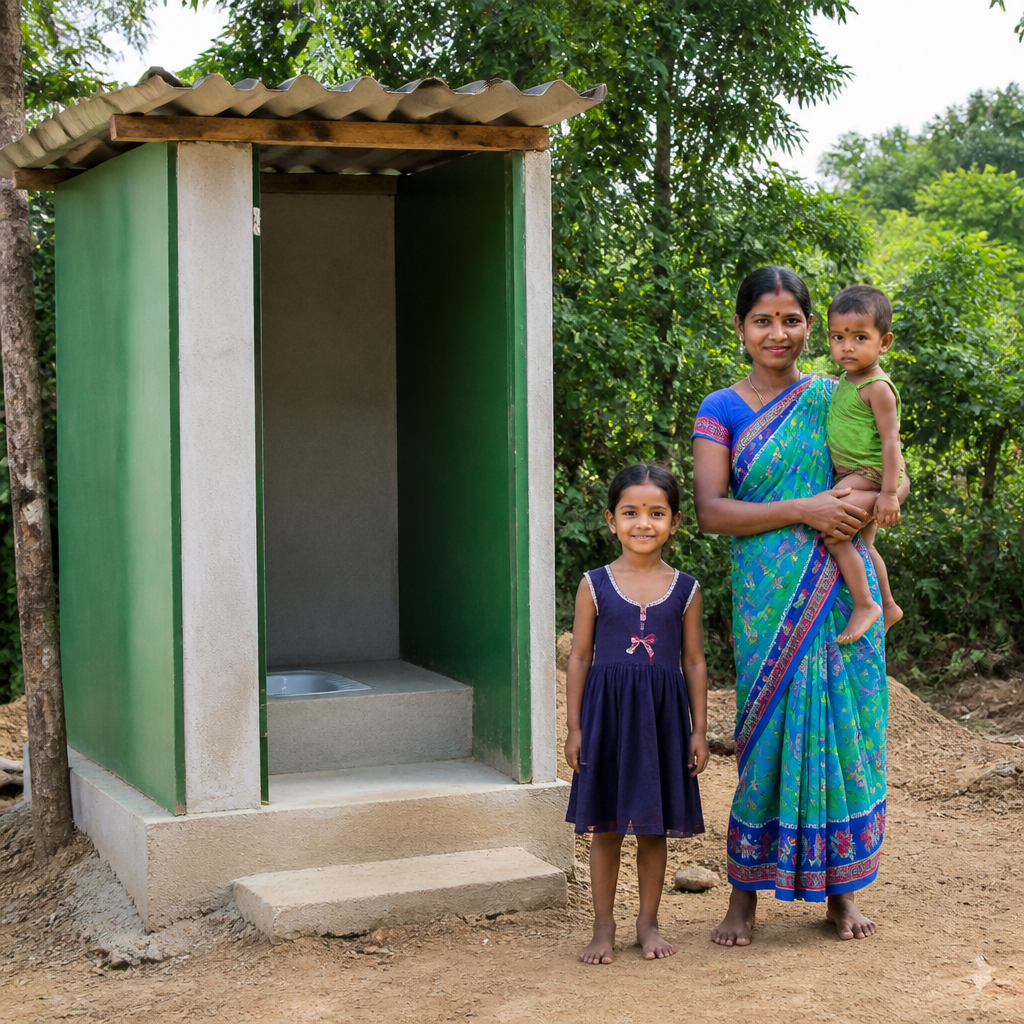
EcoSan is not a single technology but a family of sanitation approaches built on resource recovery and source separation. Common examples include urine-diverting dry toilets, composting toilets, arborloos, container-based sanitation models with off-site treatment, and decentralized systems that process fecal sludge into compost or fuel. Their public health value depends on safe containment and verified treatment. Where water scarcity limits flushing or sewerage is unaffordable, EcoSan can outperform poorly maintained pit latrines by reducing leakage, overflow, and direct contact with fresh feces. In schools and clinics, dry systems can also maintain functionality during water outages that would disable pour-flush toilets.
The strongest direct health benefit is reduced pathogen exposure. When urine and feces are separated, pathogen load concentrates mainly in the fecal fraction, making treatment more targeted. Correct dehydration and storage can substantially reduce viable pathogens, especially bacteria and some viruses, although helminth eggs are more persistent and require stricter controls. The World Health Organization guidelines for safe use of wastewater, excreta, and greywater emphasize multiple barriers, including treatment, withholding periods, protective equipment, and crop restrictions. That framework fits EcoSan well because it recognizes that no single barrier is sufficient. In field projects I have reviewed, the best health outcomes came from systems that paired source-separating toilets with locked storage, scheduled emptying, farmer training, and hand hygiene reinforcement.
EcoSan can also improve broader determinants of health. Water-saving toilets reduce pressure on scarce household water supplies, which can increase water available for drinking and handwashing. Safe nutrient recovery supports soil fertility and local food production, especially where fertilizer prices are volatile. Better sanitation access improves dignity, school attendance for girls, and safety for women who would otherwise seek isolated open defecation sites after dark. These are real health impacts, not peripheral benefits, because stress, dehydration from toilet avoidance, assault risk, and lost education all affect health trajectories. The public health case for enhancing health through EcoSan is strongest when these wider effects are measured alongside infection outcomes.
Key hazards, failure points, and the limits of poorly managed systems
EcoSan is beneficial only when the full service chain is safe. The most common failure point is assuming treatment has occurred when in fact storage conditions were too wet, too short, or too accessible. Pathogens survive longer than many users expect. Ascaris eggs, for example, are notably resistant and often treated as the critical indicator for excreta reuse safety. If fecal matter is removed early and spread on crops eaten raw, the intervention can shift contamination from household compounds to fields and markets. Another frequent problem is cross-contamination inside the toilet. Poor pedestal design, inadequate user instruction, or lack of child-friendly interfaces can send urine into feces chambers, increasing moisture and slowing pathogen die-off.
Occupational health is another major issue. Sanitation workers and informal emptiers may face direct contact with fresh excreta, sharps, cleaning chemicals, and confined spaces with toxic gases. Even dry systems generate dust and ammonia exposure during vault emptying if ventilation is poor. A credible assessment must include worker vaccination status, gloves and boots, face protection, mechanical emptying options, and protocols for spill response. I have seen projects rated successful by construction metrics while workers handled incompletely treated material with no soap or designated washing area. That is not a health success. It is a hidden transfer of risk to a less visible population.
Environmental limits also matter. In dense settlements, decentralized storage and reuse require space, disciplined management, and secure transport. In flood-prone areas, raised structures and sealed chambers are essential. In rocky or high-water-table locations, some containment approaches work better than pits, but storage and access design become more important. Social acceptability can be decisive. If users dislike the posture, smell, cleaning burden, or appearance of an EcoSan toilet, they may revert to open defecation or illegal discharge. Health impact assessment should therefore treat user adherence as a primary variable, not an afterthought.
What to measure: indicators that show whether health is improving
Choosing the right indicators prevents vague conclusions. Output indicators, such as number of toilets installed, matter for program tracking but say little about health. Outcome indicators are stronger: percentage of feces safely contained, percentage of households with soap and water at the point of handwashing, prevalence of open defecation, sludge treated to defined standards, and proportion of reuse activities following withholding periods or crop restrictions. Health indicators can include reported diarrhea in children under five, laboratory-confirmed helminth infection, school absenteeism linked to sanitation, and incidence of sanitation-related injury. Environmental indicators often include E. coli in drinking water sources, nitrate levels, and evidence of vector breeding.
| Indicator | Why it matters | Useful tools |
|---|---|---|
| Safely managed containment | Shows whether fecal waste is isolated from people and the environment | Sanitation inspections, service chain mapping |
| Handwashing availability | Directly affects fecal-oral transmission after toilet use | Structured observation, household surveys |
| Helminth prevalence | Captures persistent exposure where reuse or soil contact occurs | Stool microscopy, school deworming records |
| Worker protection compliance | Reveals whether risk is shifted to emptiers and transport staff | PPE audits, training logs, incident reports |
| Reuse safety compliance | Tests whether nutrient recovery follows barrier measures | Storage records, farm inspections, WHO-based checklists |
Good monitoring mixes short-term operational indicators with longer-term health outcomes. Diarrhea data can be noisy because of seasonality and reporting bias, so pairing it with water quality, helminth testing, and direct observation strengthens interpretation. Digital tools such as KoboToolbox, mWater, DHIS2, and GIS dashboards help teams map risks and track service reliability over time. The best programs also disaggregate data by gender, age, disability, tenancy, and neighborhood so hidden inequities are visible.
Using assessment findings to design better EcoSan programs
The purpose of assessment is action. Findings should guide technology selection, user training, financing, and regulation. If water scarcity is the dominant constraint, urine-diverting dry toilets may be appropriate, but only with reliable ash or cover material supply, clear cleaning guidance, and secure storage. If the main gap is sludge treatment, container-based services with centralized processing may outperform household-managed composting. In schools, adolescent-friendly cubicles, menstrual hygiene provisions, lighting, and maintenance contracts often deliver more health value than simply adding stalls. In farming communities, crop choice and application timing can reduce risk as effectively as additional treatment steps.
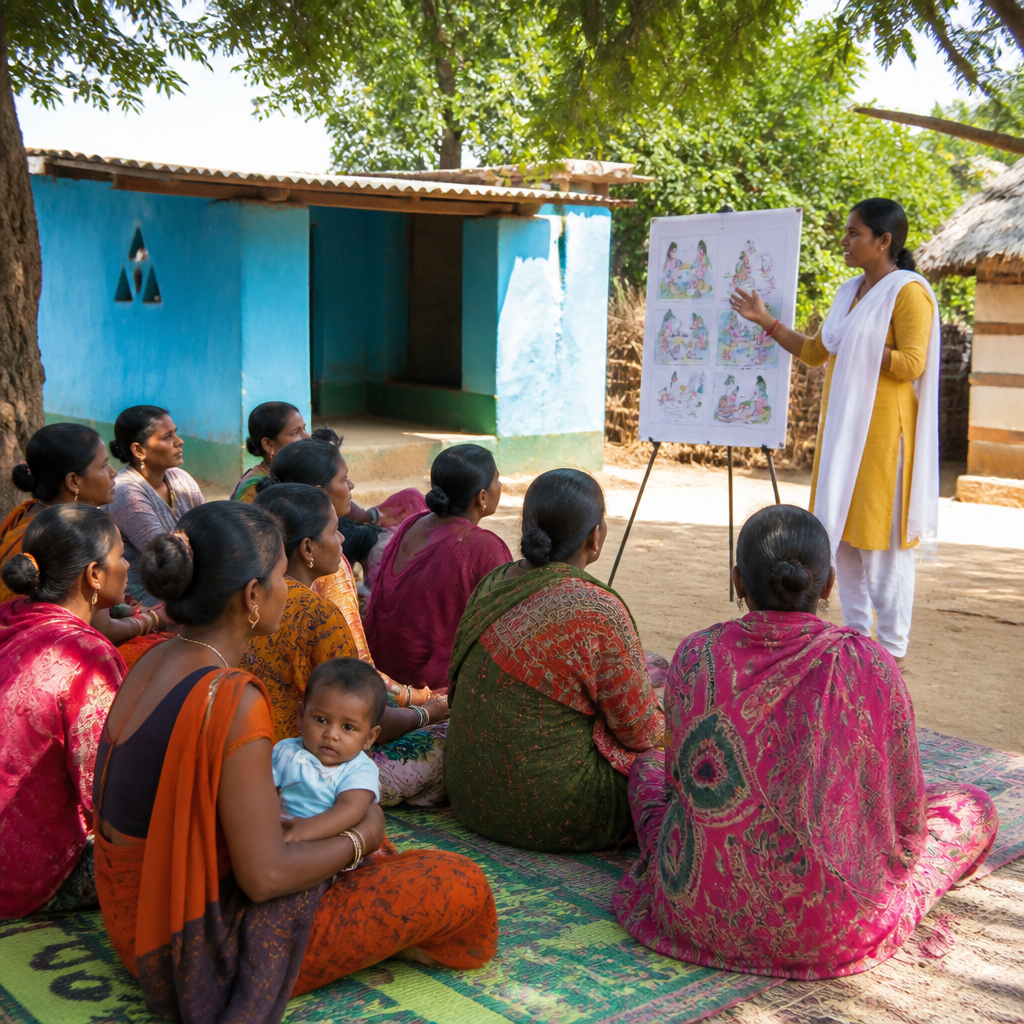
Policy alignment matters. Health ministries, local governments, utilities, and agriculture departments often regulate separate parts of the same sanitation chain. Effective EcoSan programs use common safety standards, licensing for transport and treatment, and routine verification rather than one-time certification. Hazard Analysis and Critical Control Point principles are increasingly useful here because they identify where contamination is most likely and where monitoring should be strictest. Communication is equally important. Communities need plain-language explanations of what is safe to touch, when stored material is ready, and why handwashing remains mandatory even when waste looks dry and harmless.
For organizations building a health and safety content hub, the central lesson is that enhancing health through EcoSan requires system thinking. A toilet alone is not the intervention. The intervention is the entire chain from user interface to treatment to final reuse or disposal, supported by behavior change and worker protection. Assess it that way, design it that way, and monitor it that way.
Health impact assessment of sanitation interventions turns sanitation from an infrastructure count into a public health discipline. It defines the pathways that matter, measures whether exposure is actually reduced, and identifies where risk has merely been moved. For EcoSan, that perspective is especially important because the same features that create environmental value, such as source separation and nutrient recovery, also introduce distinct handling and reuse considerations. The evidence is clear: well-managed ecological sanitation can reduce pathogen exposure, conserve water, support safer livelihoods, and improve dignity and safety. The opposite is also true: unmanaged storage, unsafe emptying, and premature reuse can undermine those gains.
The most effective EcoSan programs share several traits. They start with a clear baseline, map every exposure route, and select indicators that show safe management across the whole chain. They protect workers, verify treatment, and account for user behavior instead of assuming compliance. They also acknowledge context. What works in a drought-prone rural district may fail in a dense floodplain settlement unless the design, service model, and oversight change. That is why health impact assessment should be embedded at planning stage, not added after construction.
If you are developing sanitation policy, managing a facility, or planning a community project, use this hub as your starting point for enhancing health through EcoSan. Review each intervention through the lens of exposure reduction, operational reliability, equity, and safe reuse. Then turn findings into design standards, training plans, and monitoring routines that can be sustained. Better sanitation is not just built. It is assessed, managed, and improved continuously.
Frequently Asked Questions
What is a health impact assessment of sanitation interventions?
A health impact assessment of sanitation interventions is a structured way to evaluate how sanitation systems and related hygiene measures may influence human health before, during, and after implementation. Rather than focusing only on infrastructure outputs, such as the number of toilets installed, it examines whether the intervention actually changes exposure to pathogens, improves safety, and strengthens overall wellbeing. In practice, this means looking at how toilets, fecal sludge management, wastewater treatment, drainage, handwashing stations, and hygiene behaviors affect outcomes such as diarrheal disease, intestinal worm infections, child growth, environmental contamination, injury risk, and mental and social health.
The assessment is especially valuable because sanitation affects health through multiple pathways. A poorly designed toilet may reduce open defecation but still allow contamination of water, soil, food, or hands. A fecal sludge system may protect one neighborhood while shifting risks to workers or downstream communities if transport and treatment are unsafe. A health impact assessment helps identify these intended and unintended consequences, compare options, and improve design decisions. In the context of ecological sanitation, or EcoSan, it also asks whether systems such as urine-diverting dry toilets are safely used, properly maintained, and capable of delivering measurable health protection over time.
Why is sanitation health assessment about more than simply counting toilets built?
Counting toilets built is useful for tracking delivery, but it does not show whether health risks have actually decreased. A toilet can exist and still fail to protect health if it is inaccessible, poorly maintained, unsafe for women and children, too expensive to use, culturally unacceptable, or disconnected from effective waste treatment. Health outcomes depend on the entire sanitation chain, from containment to emptying, transport, treatment, reuse, or disposal. If any point in that chain breaks down, harmful organisms can continue circulating in the environment even when toilet coverage appears high on paper.
A broader assessment also recognizes that health is shaped by user behavior and local conditions. For example, handwashing facilities may be present but lack water or soap. Wastewater treatment may be installed but overloaded. EcoSan systems may offer strong environmental benefits, yet their health benefits depend on correct separation, storage, handling, and reuse practices. A meaningful health assessment therefore examines real-world use, maintenance quality, equity, exposure reduction, and downstream effects. This gives policymakers, engineers, and public health teams a more accurate picture of whether the intervention is truly improving community health and dignity.
What health outcomes are usually measured when evaluating sanitation interventions?
Sanitation interventions are commonly assessed against a wide range of health outcomes because their effects extend beyond infection control alone. The most frequently measured outcomes include diarrheal disease, cholera and other enteric infections, intestinal worm transmission, and exposure to fecal contamination in household and community environments. In children, assessments may also look at nutrition-related indicators such as stunting, underweight, and repeated infection burdens that can interfere with growth and development. Where wastewater and sludge exposure are major concerns, evaluations may include skin disease, vector-related risks, and occupational hazards for sanitation workers.
Good assessments also consider broader forms of wellbeing. Safe sanitation can reduce falls, assault risks, stress, shame, and loss of privacy, especially for women, girls, older adults, and people with disabilities. It may improve school attendance, support menstrual hygiene management, and reduce the time burden associated with seeking a place to defecate or collect water for hygiene. For EcoSan and resource-recovery systems, health assessments may additionally examine whether treated waste products are reused safely in agriculture without introducing contamination into food systems. In short, the strongest evaluations combine disease data with environmental, behavioral, social, and equity indicators to capture the full public health effect.
How are EcoSan systems such as urine-diverting dry toilets assessed for health impact?
EcoSan systems are assessed by examining whether they safely interrupt the transmission of pathogens while remaining practical and acceptable for users over the long term. With urine-diverting dry toilets, evaluators typically look at correct separation of urine and feces, safe storage conditions, moisture control, cleaning practices, odor management, vector control, and the way excreta are handled during emptying and reuse. The central question is not only whether the technology was installed, but whether it consistently reduces human contact with infectious material in day-to-day use.
Because EcoSan often involves resource recovery, health assessment also pays close attention to what happens after collection. If feces are composted or otherwise treated for agricultural reuse, the assessment asks whether treatment duration, temperature, storage time, and handling practices are sufficient to reduce pathogens to safer levels. If urine is reused, it examines storage, dilution, application methods, and worker protection. User training is a major factor, since even well-designed systems can create risk if households do not understand proper operation and maintenance. A thorough EcoSan health assessment therefore combines technical performance, user behavior, environmental monitoring, and health outcome evidence to determine whether the system delivers both sanitation and public health benefits.
What makes a sanitation intervention successful from a public health perspective?
From a public health perspective, a sanitation intervention is successful when it consistently reduces harmful exposure and does so in a way that is safe, equitable, sustainable, and acceptable to the community. Success means people actually use the facilities, waste is effectively contained and treated, handwashing is feasible, and the system protects not only users but also sanitation workers, neighbors, and downstream populations. It also means the intervention functions over time, with realistic operation and maintenance arrangements, clear responsibilities, and financing that supports long-term service delivery rather than short-term construction targets.
Equally important, successful sanitation interventions produce benefits that can be seen across multiple dimensions of health and wellbeing. They lower disease risk, improve environmental cleanliness, reduce fear and indignity, support school and workplace participation, and serve vulnerable groups without creating new hazards. In health impact terms, the best interventions are those that perform reliably under local conditions, fit cultural practices, and are integrated with water, hygiene, drainage, and waste management systems. Whether the solution is a sewered network, a fecal sludge treatment chain, or an EcoSan approach, the ultimate measure of success is not infrastructure alone but measurable, lasting improvement in community health.