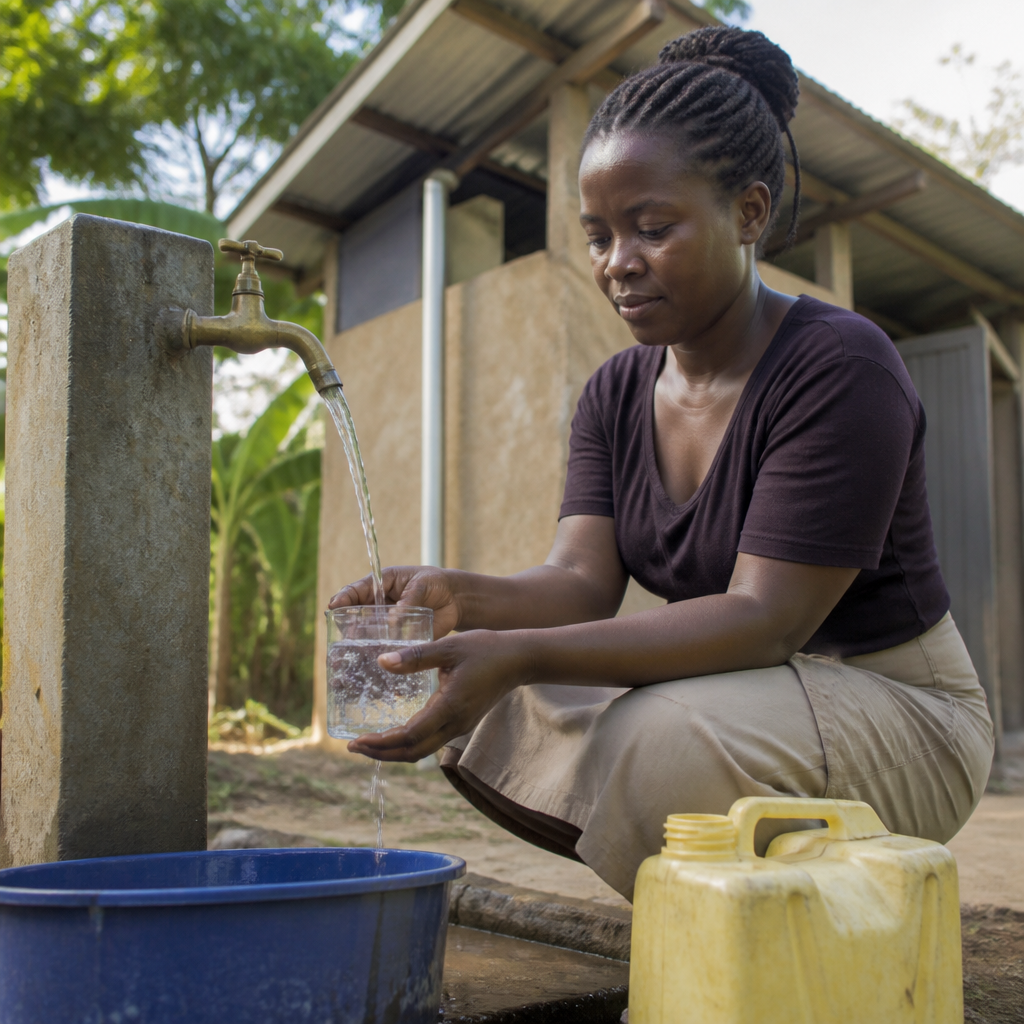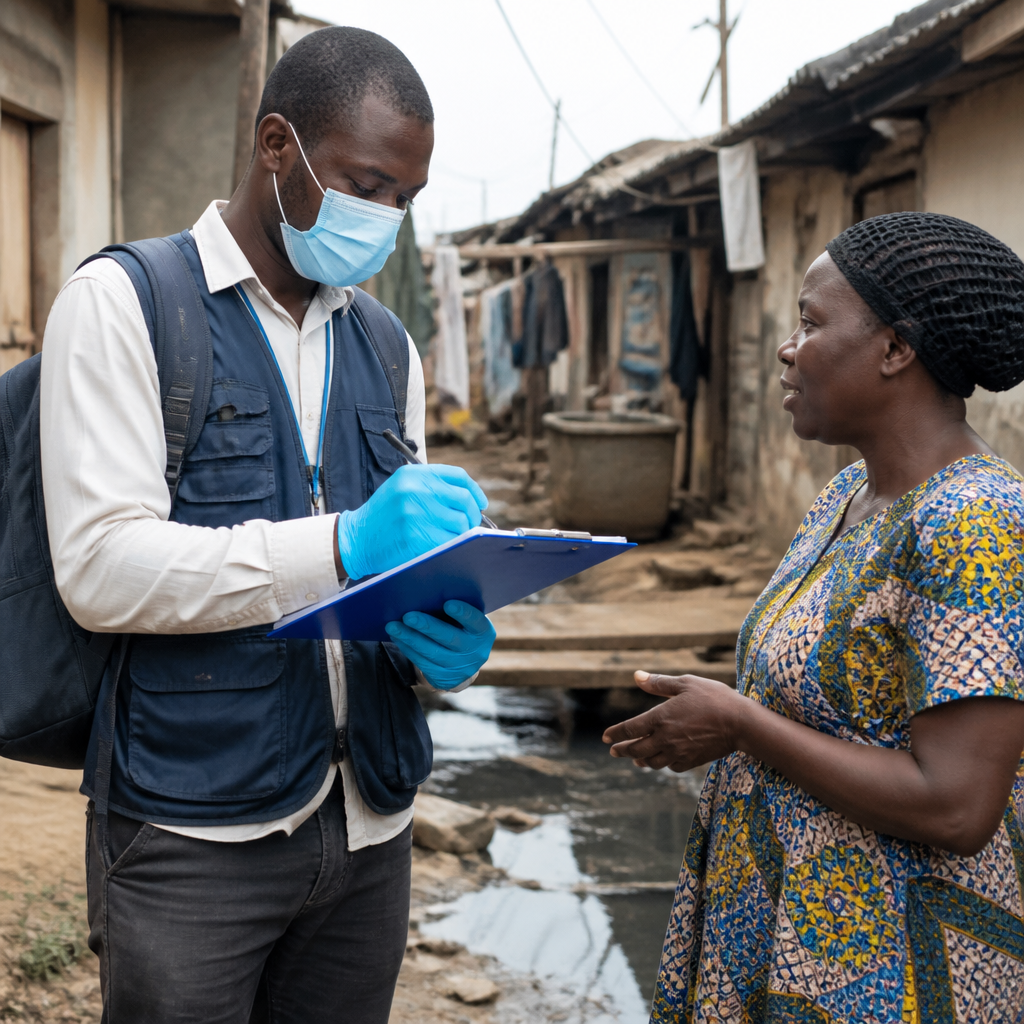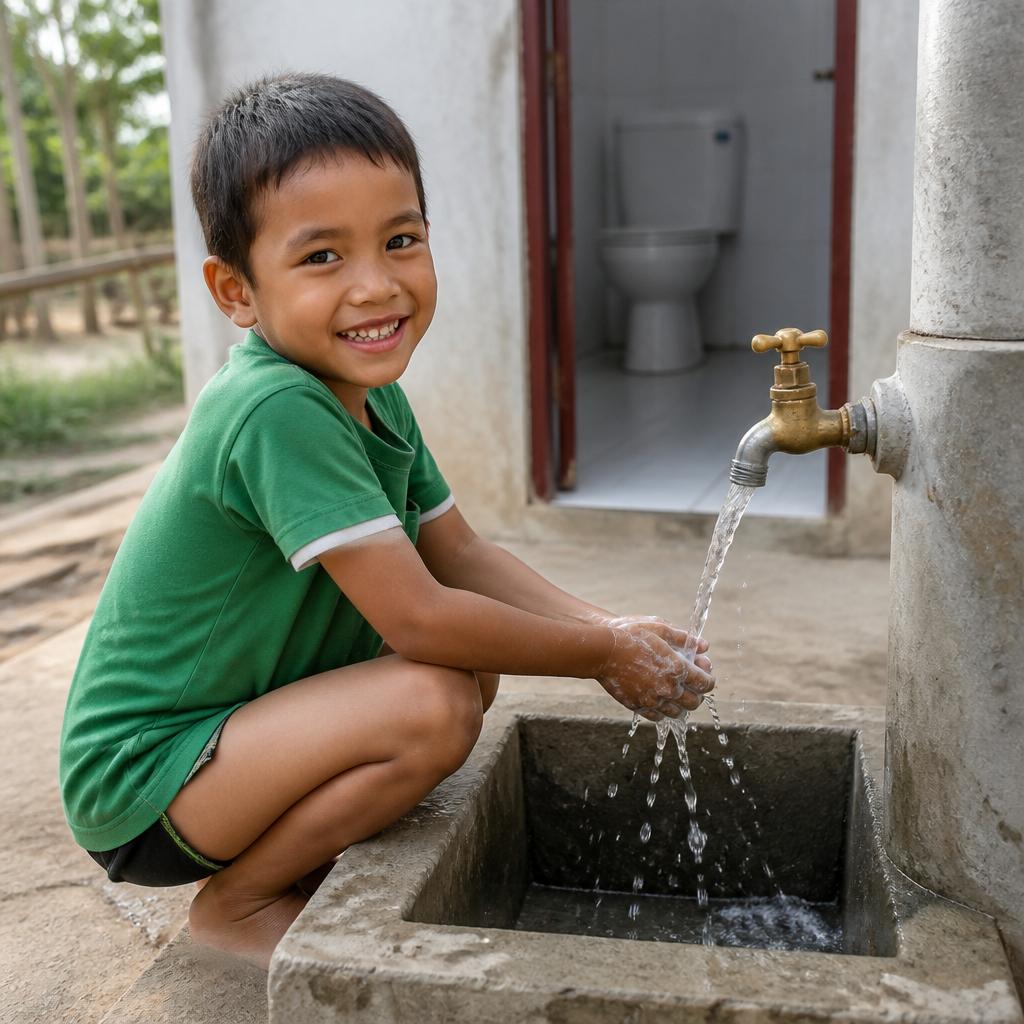
Improved sanitation is one of the most powerful drivers of children’s health, yet it is often discussed too narrowly as a construction issue rather than a full public health system. In practice, sanitation includes the safe capture, containment, treatment, and reuse or disposal of human waste, along with hygiene behaviors, clean water access, drainage, and the management of child feces. When families, schools, clinics, and neighborhoods improve these systems, children experience fewer infections, better nutrition, safer growth, and stronger learning outcomes. In the EcoSan context, prioritizing health means designing ecological sanitation solutions that protect people first while also recovering nutrients, conserving water, and reducing environmental contamination. That balance matters because a toilet that saves water but exposes children to pathogens is not a health solution.
I have worked on sanitation content and field-informed health communication long enough to see the same pattern repeatedly: communities focus on visible infrastructure, while the biggest child health gains often come from less visible details such as handwashing stations, safe feces handling, drainage around facilities, regular pit emptying, and behavior change. The World Health Organization and UNICEF Joint Monitoring Programme consistently show that inadequate sanitation is linked to diarrheal disease, parasitic infection, stunting, and school absence. Children are especially vulnerable because they crawl, play on contaminated ground, put their hands in their mouths, and have developing immune systems. Infants and toddlers are at risk even when adults assume their feces are harmless; medically, child feces often carry high pathogen loads and require the same safe disposal standards as adult waste.
This article serves as a hub for prioritizing health in EcoSan by connecting the core issues that every parent, practitioner, school manager, and planner should understand. It explains how improved sanitation affects children’s health directly and indirectly, what safe EcoSan systems look like, why operation and maintenance determine outcomes, and where tradeoffs appear. It also addresses practical questions people ask first: Which diseases decline when sanitation improves? How do toilets influence growth and nutrition? What makes school sanitation child-friendly? How can urine-diverting dry toilets, composting systems, septic tanks, and sewer connections be managed safely? The central point is clear: improved sanitation protects children only when the entire chain, from toilet use to final treatment or reuse, is managed with health as the nonnegotiable priority.
How Improved Sanitation Directly Reduces Disease in Children
Improved sanitation reduces disease by interrupting fecal-oral transmission, the route through which pathogens in human waste reach children through water, hands, food, soil, flies, and surfaces. The classic public health model, often summarized through contamination pathways, is still the best plain-language explanation. If feces are not safely contained, microbes such as rotavirus, Shigella, enterotoxigenic Escherichia coli, Vibrio cholerae, Giardia, and soil-transmitted helminths spread into the places where children eat, play, and sleep. A well-sited, well-maintained toilet with safe sludge management cuts those pathways sharply. The result is fewer diarrheal episodes, lower parasite exposure, and reduced environmental contamination around homes and schools.
Diarrhea is the most visible sanitation-related illness, but it is only part of the burden. Repeated intestinal infections can weaken nutrient absorption, trigger inflammation, and contribute to environmental enteric dysfunction, a chronic intestinal condition associated with poor growth. In communities with open defecation or failing sanitation infrastructure, children may face daily low-dose exposure rather than a single dramatic outbreak. That steady exposure is why sanitation improvements often deliver benefits beyond the obvious drop in acute diarrhea. In field programs, I have seen families report that children “just fall sick less often” after sanitation and hygiene upgrades, even before they can name the medical mechanisms. Their observation is accurate: cleaner environments reduce cumulative pathogen contact.
Improved sanitation also lowers the spread of helminths such as roundworm, whipworm, and hookworm when combined with deworming and hygiene promotion. These infections can cause anemia, poor appetite, abdominal pain, and reduced concentration in school-age children. Safe disposal of feces prevents parasite eggs from building up in soil. Likewise, better drainage around sanitation facilities decreases stagnant wastewater, which reduces exposure to contaminated mud and limits fly breeding near children’s play areas. In flood-prone settlements, raised toilets, sealed containment, and protected emptying points are especially important because seasonal flooding can rapidly spread fecal contamination through entire neighborhoods. Sanitation is therefore not an isolated intervention; it is a foundational disease prevention measure.
Sanitation, Nutrition, and Child Growth in EcoSan Planning
The link between sanitation and nutrition is stronger than many households realize. A child does not need to have severe diarrhea to suffer health consequences from poor sanitation. Frequent infections, intestinal parasites, and chronic gut inflammation can all reduce appetite, interfere with digestion, and limit the body’s ability to use nutrients. This is why sanitation is routinely discussed alongside breastfeeding, immunization, safe water, and complementary feeding in child survival programs. When EcoSan systems are planned well, they support nutrition by reducing the pathogen burden that quietly undermines growth during the first five years of life.
Stunting is a complex condition driven by multiple factors, but sanitation is one of the recognized environmental contributors. Where children live in highly contaminated settings, even careful feeding practices may not produce expected gains because repeated exposure keeps damaging the gut. This is one reason community-wide coverage matters. A single household toilet helps, but if neighboring compounds still practice open defecation or discharge waste into drains, children remain exposed. Effective EcoSan planning therefore looks beyond individual units and considers settlement layout, drainage, sludge transport, treatment capacity, and user behavior. The health goal is not merely toilet adoption; it is lower pathogen circulation across the whole environment.
EcoSan adds another dimension: the potential safe reuse of treated excreta and urine in agriculture. That can support food security and soil fertility, but only when treatment barriers are followed rigorously. From a child health perspective, the rule is straightforward. Untreated or insufficiently treated materials should never be handled casually, stored near play areas, or applied in ways that contaminate food crops eaten raw. Recognized safety practices include adequate storage times, pathogen reduction through composting or dehydration as appropriate to the system, use of personal protective equipment, and crop restrictions when needed. In successful projects, health safeguards are built into the design from day one rather than added later after contamination risks appear.
What Safe EcoSan Systems Require to Protect Children
Safe EcoSan systems protect children when they combine sound engineering, routine maintenance, and realistic user behavior. The most common options include urine-diverting dry toilets, composting toilets, septic systems with proper soakaway design, simplified sewers in dense settlements, and container-based sanitation in space-constrained areas. No single technology is universally best. The correct choice depends on groundwater depth, soil type, flood risk, population density, water availability, maintenance capacity, and affordability. What matters most for children’s health is whether the chosen system consistently keeps feces away from hands, feet, food, and drinking water sources.
Design details have outsized health effects. Child-friendly toilets need stable slabs, small drop holes or child seats, handrails where necessary, doors that close securely, and handwashing stations with soap and water nearby. If a toilet is dark, dirty, distant, or unsafe, children avoid it. If the squat hole is too large, young children can fall or fear falling, leading caregivers to let them defecate in the yard. I have reviewed many sanitation projects where usage problems were blamed on “culture” when the real issue was basic usability. A toilet that works for adults but not for a four-year-old will not deliver full health benefits to the household.
Operation across the entire sanitation service chain is equally important. Storage chambers must be sealed from runoff, pits must be emptied before overflow, septic tanks must be desludged on schedule, and transport workers need equipment that prevents direct exposure. The health failures I see most often are not dramatic design collapses but routine management gaps: leaking joints, broken taps, full pits, absent soap, and unsafe manual emptying. EcoSan succeeds when planners treat maintenance as core infrastructure, not an afterthought. The following comparison highlights what strong health-focused sanitation management looks like in child-centered settings.
| Sanitation element | Health-protective practice | Common failure | Likely impact on children |
|---|---|---|---|
| Toilet access | Clean, nearby, child-friendly toilet with lighting and privacy | Distant or unsafe facility | Open defecation, delayed use, contaminated play areas |
| Handwashing | Soap and water at point of use | No soap or broken station | Pathogens transferred to food and mouths |
| Containment | Sealed pit, vault, or tank above flood line | Leaks, overflow, groundwater intrusion | Water and soil contamination |
| Emptying and transport | Scheduled, mechanized, protected handling | Unsafe manual emptying | Direct household and neighborhood exposure |
| Treatment or reuse | Validated storage, composting, or treatment steps | Premature agricultural use | Exposure through crops, soil, and surfaces |
Schools, Childcare Settings, and the Wider Safety Environment
School sanitation has immediate and measurable effects on attendance, dignity, and infection control. Children spend many hours at school, so inadequate toilets there can erase gains made at home. Effective school sanitation includes separate facilities for girls and boys where appropriate, menstrual hygiene support, reliable water supply, soap, regular cleaning, disability access, and enough toilets for the number of students. Teachers and caretakers also need clear maintenance roles. When these basics are missing, children may avoid using toilets all day, drink less water to avoid urination, or practice open defecation near school grounds, all of which increase health risks.
For younger children in daycare or informal childcare settings, safe feces management is even more specific. Potties, diapers, training seats, and child stools must be cleaned and emptied into a safe toilet, then disinfected and dried away from food preparation areas. Floors should be washable, and caregivers need handwashing after every cleaning task. A common mistake is rinsing potties into yard drains or leaving diapers in open bins. Those practices spread pathogens quickly. Health-focused EcoSan guidance treats childcare sanitation as a separate operational need, not a minor extension of adult toilet use.
The wider safety environment also matters. Sanitation facilities should be placed where children can reach them safely without crossing traffic, open drains, or isolated areas. Ventilation, odor control, and lighting improve use and reduce fear. In emergency settings and informal settlements, shared sanitation may be necessary, but shared systems only protect health when cleaning schedules, water access, accountability, and sludge removal are organized. The public health lesson is consistent across settings: sanitation outcomes depend on management quality as much as on hardware. Communities that pair infrastructure with supervision, cleaning supplies, and local responsibility achieve much better child health results.
Limits, Tradeoffs, and How Families Can Prioritize Health First
Improved sanitation does not solve every child health problem by itself, and honest planning requires saying that clearly. Children still need safe drinking water, vaccination, food security, vector control, clean household surfaces, and access to care. Some sanitation interventions also show mixed results when coverage is incomplete or behavior change is weak. That does not mean sanitation is ineffective; it means partial systems produce partial benefits. In EcoSan, tradeoffs can include higher user training needs, more frequent attention to chamber management, or concerns about handling recovered products. These are manageable issues, but they must be addressed directly.
For families, the practical priorities are straightforward. Use a toilet that safely contains waste. Dispose of child feces in the toilet every time. Keep soap and water at the handwashing point. Clean the toilet regularly. Prevent children from playing near pits, sludge, drains, or stored excreta. Repair leaks quickly. If your system involves reuse, follow storage and treatment guidance exactly and keep untreated material away from children and food crops. For schools and communities, assign clear maintenance responsibilities and budget for cleaning, repairs, and safe emptying. Health gains are sustained by routines, not by construction alone.
Prioritizing health in EcoSan means judging every sanitation choice by a simple standard: does it reduce children’s exposure to fecal pathogens across daily life? When the answer is yes, the benefits extend far beyond fewer stomach illnesses. Children grow better, miss fewer school days, and live in cleaner, safer environments. That is why improved sanitation remains a cornerstone of child health and safety policy worldwide. If you are planning, upgrading, or evaluating an EcoSan system, start with child protection requirements and build outward from there. The strongest sanitation solutions are the ones children can use safely every day, with confidence, dignity, and lasting health protection.
Frequently Asked Questions
How does improved sanitation directly affect children’s health?
Improved sanitation protects children’s health by reducing their exposure to disease-causing germs found in human waste. When feces are safely captured, contained, treated, and disposed of or reused appropriately, harmful bacteria, viruses, and parasites are less likely to contaminate hands, floors, food, drinking water, soil, and play areas. This matters especially for infants and young children, who frequently crawl, touch contaminated surfaces, and put their hands or objects into their mouths.
In practical terms, better sanitation lowers the risk of diarrheal disease, intestinal worm infections, and other illnesses that can repeatedly weaken a child’s body. Fewer infections often mean better nutrient absorption, improved appetite, healthier growth, and fewer missed days of school. Good sanitation also supports stronger immune function over time because children are not constantly fighting preventable infections. The overall result is not just fewer episodes of illness, but a healthier environment that allows children to grow, learn, and develop more safely.
Why is sanitation considered more than just building toilets?
Sanitation is often misunderstood as a simple construction project, but in reality it is a complete public health system. A toilet or latrine is only one part of that system. For sanitation to improve children’s health, waste must be safely managed from the moment it is produced to its final treatment, reuse, or disposal. If waste leaks into the environment, floods into yards, contaminates drains, or is emptied unsafely, children can still be exposed to serious health risks even when toilets exist.
Effective sanitation also depends on related factors such as handwashing with soap, safe water access, drainage, regular maintenance, menstrual hygiene support, and the proper management of child feces. Schools and clinics need clean, functioning facilities, and households need services they can use consistently and safely. This broader view is important because children benefit most when the entire chain works together: toilets are accessible, waste is contained, hygiene is practiced, water is clean, and the surrounding environment stays free of contamination.
What illnesses and long-term problems can poor sanitation cause in children?
Poor sanitation is strongly linked to diarrheal diseases, intestinal parasite infections, skin and eye infections, and other conditions spread through fecal contamination. Repeated diarrhea can quickly become dangerous for young children because it causes dehydration and can interfere with the body’s ability to absorb nutrients. Worm infections may contribute to fatigue, poor appetite, anemia, and slowed physical development. In areas where sanitation conditions are especially weak, children may also face higher exposure to environmental contamination that keeps them in a cycle of frequent illness.
The long-term effects can be just as serious as the immediate ones. Children who are repeatedly sick may experience growth faltering, undernutrition, reduced energy, and difficulty concentrating in school. Chronic exposure to unsanitary conditions can quietly undermine development even when illness is not always dramatic or visibly severe. Over time, this can affect educational attendance, learning outcomes, and overall well-being. That is why sanitation is not only about preventing a single disease episode; it is about reducing repeated exposure that can shape a child’s health trajectory for years.
How do hygiene, clean water, drainage, and child feces management work together with sanitation?
These elements work together because children are protected only when multiple routes of contamination are addressed at the same time. Safe sanitation limits where human waste goes, but hygiene helps stop germs from spreading after contact. Handwashing with soap after toilet use, after cleaning a child, and before preparing food is one of the most important behaviors for breaking transmission. Clean water is equally important because even well-designed sanitation systems cannot protect health if the water used for drinking, cooking, or washing becomes contaminated.
Drainage also plays an essential role, especially in dense settlements or flood-prone areas where wastewater and standing water can spread contamination through homes, paths, and play spaces. Child feces management is another critical issue that is often overlooked. Many people wrongly assume that the feces of infants and young children are harmless, but they can carry dangerous pathogens. Safe disposal into a toilet or latrine, followed by proper cleaning and handwashing, is necessary to protect everyone in the household. When these pieces are combined, the health gains for children are much stronger and more reliable than when any one measure is used alone.
What kinds of sanitation improvements make the biggest difference for children at home, in schools, and in communities?
The most effective improvements are the ones that reduce daily exposure to waste and make safe practices easy to maintain. At home, this includes having access to a clean, usable toilet or latrine, safe disposal of child feces, reliable handwashing facilities with soap, and water that is safe for drinking and household use. It also includes systems for emptying and treating waste safely so contamination does not simply move from one place to another. Small practical changes, such as keeping toilets clean, making them accessible for young children, and ensuring caregivers can wash hands immediately after cleaning a child, can have a meaningful impact.
In schools and clinics, children benefit when sanitation facilities are safe, private, functional, and designed for consistent use. This means separate and well-maintained toilets where appropriate, accessible stations for handwashing, adequate water supply, and regular cleaning. At the community level, stronger drainage, fecal sludge management, waste treatment, and public health education are all important. The biggest difference comes when sanitation is treated as shared infrastructure and shared behavior, not just an individual household responsibility. When families, schools, health services, and local systems improve together, children face fewer infections, healthier growth conditions, and a much safer everyday environment.