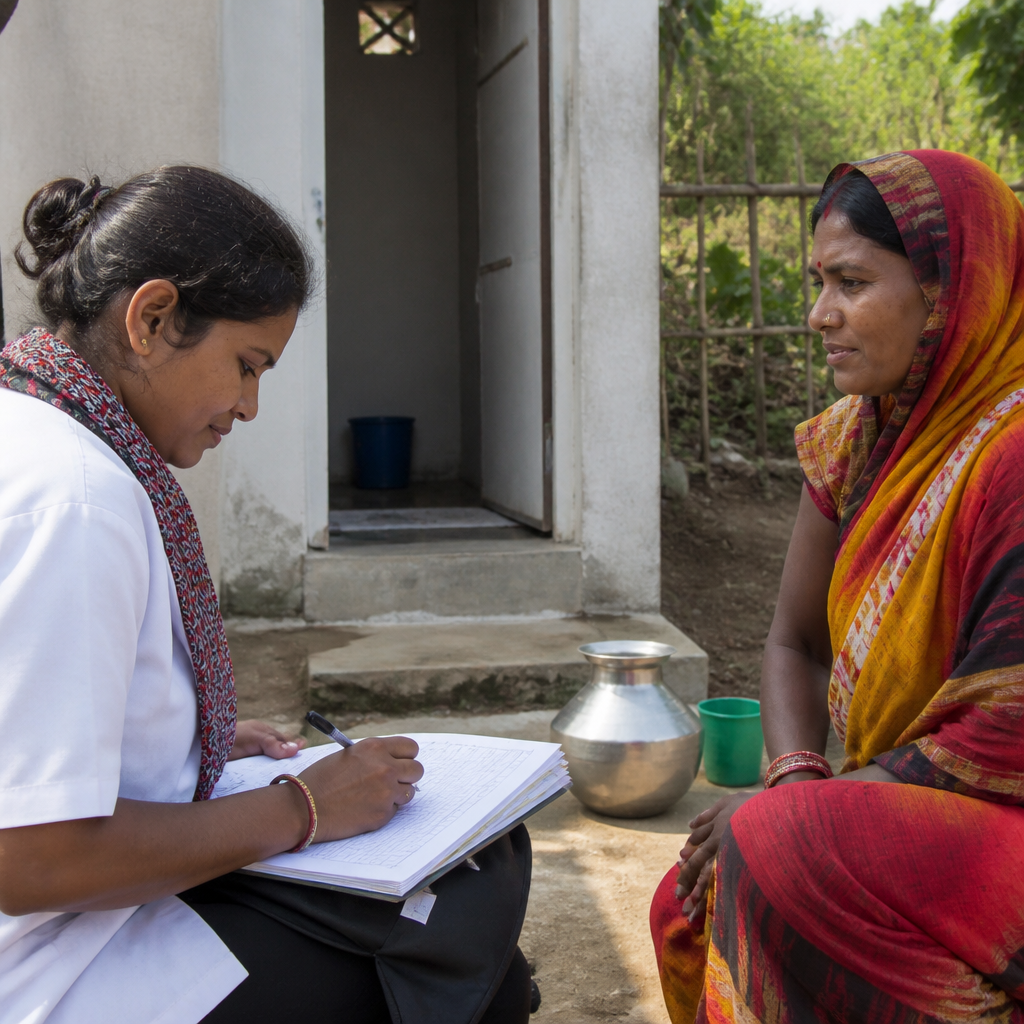
Picture a world where every community has access to clean water and proper sanitation. Sounds ideal, right? This is the goal of sustainable sanitation, commonly referred to as EcoSan. In this article, we’ll dive into the myriad health benefits that EcoSan brings to the table, and why it’s more than just a trend – it’s a necessity.
What is EcoSan?
Before we jump into the benefits, let’s define EcoSan. EcoSan or Ecological Sanitation focuses on the recycling of waste and wastewater to preserve valuable nutrients and water, ultimately contributing to a healthier environment and public health. It’s a holistic approach that considers the entire cycle of sanitation, from usage to disposal and reuse.
Enhancing Public Health
1. Reducing Waterborne Diseases
One of the standout benefits of EcoSan is its ability to significantly reduce waterborne diseases. Traditional sanitation often leads to the contamination of water sources, which can spread diseases like cholera, dysentery, and typhoid. EcoSan, by safely recycling waste, limits this risk, ensuring cleaner water and healthier communities.
2. Improved Nutrient Recycling
EcoSan practices promote the safe recycling of human waste into fertilizer. This process converts potential health hazards into a resource, enriching soil with nutrients necessary for robust plant growth. Healthier plants mean healthier food, contributing to better overall nutrition and health.
3. Reduced Chemical Usage
Regular sanitation methods often rely on harsh chemicals for waste treatment, which can be detrimental to both the environment and human health. EcoSan’s natural processing methods, in contrast, minimize the use of such chemicals, leading to a safer and more sustainable environment.
Empowering Communities
1. Sustainable Development
EcoSan is more than just a health initiative; it’s a tool for sustainable development. By implementing these practices, communities become more self-reliant and less dependent on external resources for waste management. This autonomy not only boosts community morale but also leads to a cleaner, healthier living environment.
2. Education and Awareness
Implementing EcoSan often involves educating communities about sanitation and hygiene. This education is invaluable, as it leads to more informed decisions about health and sanitation, creating a ripple effect of benefits across various aspects of community life.
Environmental Benefits
1. Conservation of Water Resources
EcoSan’s approach to recycling waste water is a game-changer in terms of water conservation. By treating and reusing water, we significantly reduce the strain on our limited freshwater resources, a benefit that’s becoming increasingly crucial in our rapidly changing climate.
2. Reduced Pollution and Habitat Preservation
Traditional waste management often results in pollution and habitat destruction. EcoSan, with its focus on recycling and natural processing, greatly minimizes these environmental impacts. Cleaner environments lead to healthier wildlife and ecosystems, which in turn support human health.
Personal Health and Hygiene
1. Improved Sanitation Facilities
EcoSan promotes the use of improved sanitation facilities, which are crucial in preventing contact with human waste. This direct benefit leads to a decrease in the spread of disease and an overall improvement in personal hygiene and health.
2. Safer Living Environments
By reducing the contamination of water sources and soil, EcoSan creates safer living environments. This change is particularly beneficial for vulnerable groups like children and the elderly, who are more susceptible to diseases caused by poor sanitation.
Challenges and Solutions
While EcoSan presents numerous health benefits, there are challenges to its implementation, such as cultural acceptance and initial investment costs. Addressing these challenges involves community engagement, education, and demonstrating the long-term economic benefits of EcoSan systems.
Addressing Key Challenges
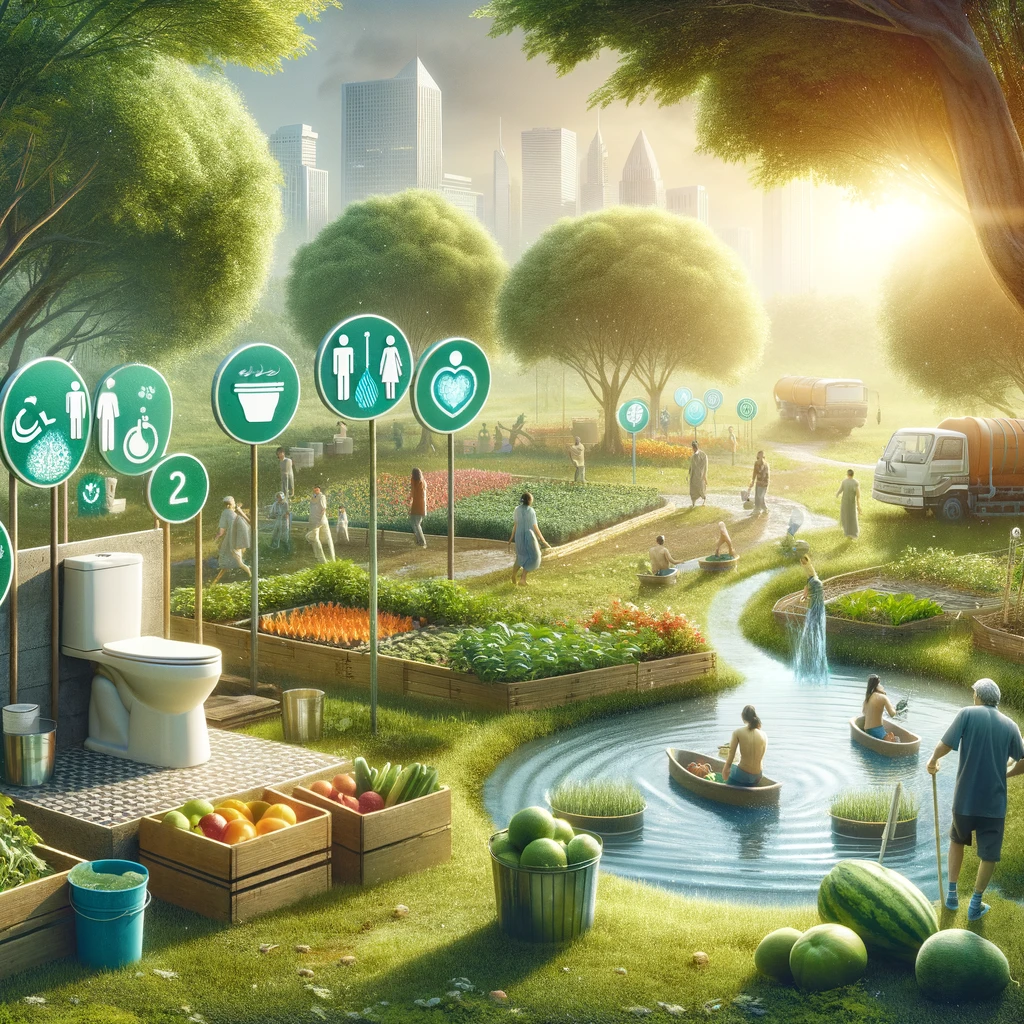
Adopting EcoSan isn’t without its hurdles. The two main challenges faced are cultural acceptance and the initial costs involved in setting up these systems. Let’s break these down and explore practical solutions.
Cultural Acceptance
Changing long-held beliefs and practices around sanitation isn’t easy. It requires sensitizing communities to the benefits of EcoSan and addressing any misconceptions. Solution? Engage in community dialogues, use success stories as examples, and involve local leaders to champion the cause.
Initial Investment Costs
The upfront costs for setting up EcoSan systems can be daunting for many communities. However, the long-term savings and health benefits far outweigh these initial expenses. Governments and NGOs can play a crucial role here, providing financial support and incentives for adopting these systems.
The Economic Angle
Cost Savings
While the initial setup of EcoSan systems may seem costly, they offer significant cost savings in the long run. Reduced medical expenses due to improved health, savings on water bills, and the economic value of recycled nutrients all contribute to the cost-effectiveness of EcoSan.
Boost to Agriculture
The nutrient-rich compost produced through EcoSan systems can be a boon to agriculture. This not only improves soil health but also reduces the dependency on chemical fertilizers, promoting sustainable farming practices.
Global Perspective
Meeting Sustainable Development Goals
EcoSan aligns perfectly with several of the United Nations’ Sustainable Development Goals, particularly those related to health, clean water, and sustainable cities. By adopting EcoSan, countries make strides toward achieving these global objectives.
Learning from Success Stories
Various countries have successfully implemented EcoSan, offering valuable lessons. For instance, Sweden’s progress in EcoSan provides a blueprint for effective waste recycling and community involvement. Learning from such examples can guide other countries in their EcoSan journey.
Personal and Public Involvement
Individual Contribution
Each one of us can contribute to the success of EcoSan. Simple measures like conserving water, being mindful of what we dispose of, and advocating for sustainable sanitation in our communities can make a big difference.
Public Policy and Advocacy
Governments play a crucial role in the adoption of EcoSan. Formulating policies that encourage sustainable sanitation practices and investing in public awareness campaigns are essential steps towards wider EcoSan adoption.
Looking Forward
The future of sanitation is sustainable, and EcoSan is at the forefront of this revolution. Embracing these practices means committing to a healthier, more sustainable world. It’s an investment in our planet and in our collective future.
Conclusion
The journey towards sustainable sanitation is both exciting and essential. EcoSan isn’t just about managing waste; it’s about transforming it into a resource that benefits our health, our environment, and our economies. By embracing EcoSan, we take a significant step towards a future where sustainability and health go hand in hand – a future that’s not only possible but necessary.