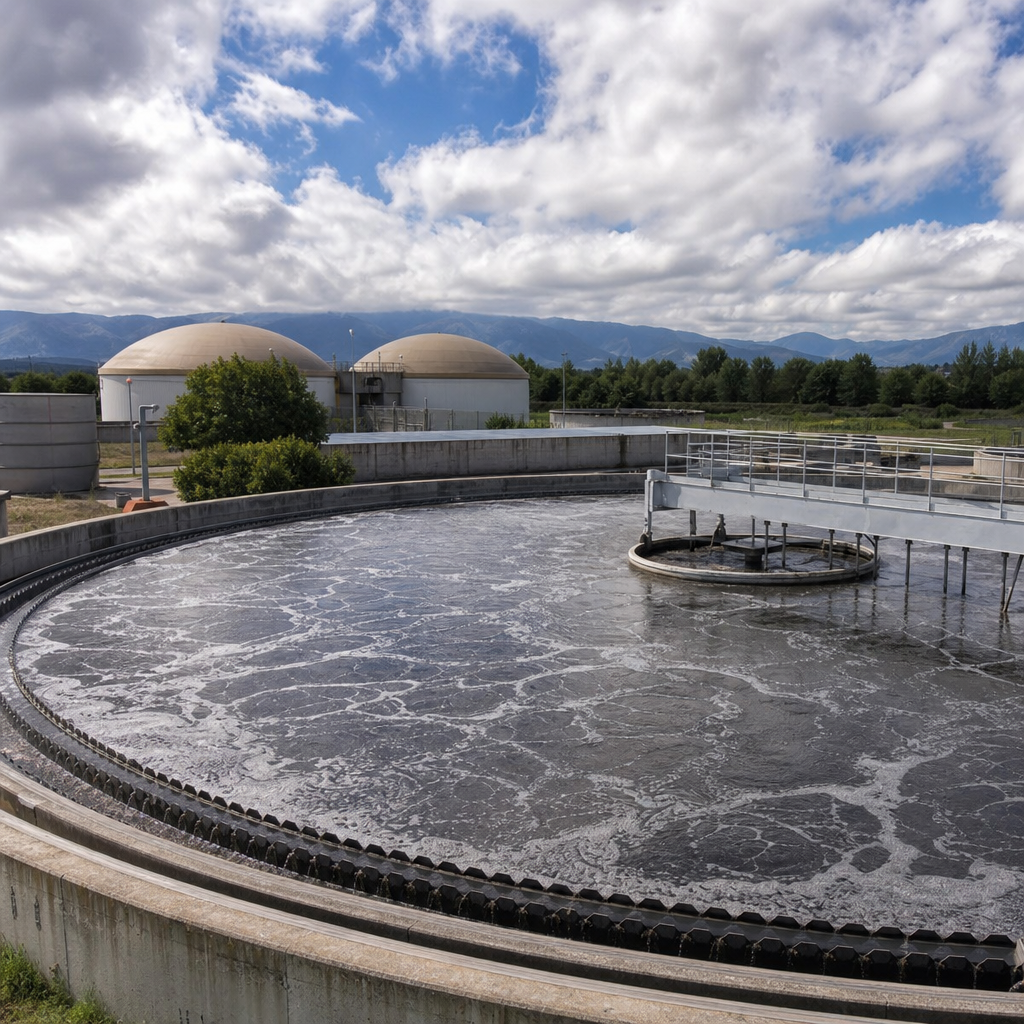
In our quest to build a sustainable future, the role of Ecological Sanitation (EcoSan) has become increasingly significant. As we grapple with environmental challenges, it’s essential to understand how our choices, particularly in sanitation, impact the broader ecosystem. This article sheds light on the pivotal role of EcoSan in biodiversity conservation, an aspect crucial for maintaining ecological balance.
What is EcoSan?
Ecological Sanitation, or EcoSan, is a sustainable approach to managing human waste. It focuses on recycling and safe reuse, rather than mere disposal. EcoSan systems treat waste as a resource, turning it into compost or biogas, thus reducing environmental contamination and conserving natural resources.
The Biodiversity Crisis
Biodiversity, the variety of life on Earth, is under severe threat. Habitat destruction, pollution, overexploitation, and climate change are decimating species at an alarming rate. Preserving biodiversity is not just about protecting species; it’s about maintaining the intricate web of life that supports our planet’s health and our survival.
EcoSan and Habitat Preservation
One of the primary benefits of EcoSan is its role in habitat preservation. Traditional sanitation systems often lead to habitat destruction due to the need for large infrastructure and sewage treatment plants. EcoSan systems, on the other hand, are low-impact and can be integrated into natural landscapes without disrupting local ecosystems.
Reducing Pollution
Conventional sewage systems can be a significant source of water pollution, a leading threat to aquatic biodiversity. EcoSan systems, by recycling waste onsite, prevent pollutants from entering water bodies. This safeguarding of aquatic habitats is vital for species conservation and maintaining water quality.
Promoting Soil Health
Healthy soils are the bedrock of terrestrial ecosystems. Chemical fertilizers and pesticides, often used in conventional agriculture, harm soil biodiversity. EcoSan products, like compost, enrich soil without the adverse effects of chemicals, promoting a diverse and healthy soil ecosystem.
Mitigating Climate Change
Climate change is a global threat to biodiversity. EcoSan contributes to climate change mitigation by reducing greenhouse gas emissions from waste treatment processes and decreasing reliance on chemical fertilizers, which are energy-intensive to produce.
EcoSan in Action: Case Studies
Several communities worldwide have successfully implemented EcoSan, demonstrating its positive impact on biodiversity. For instance, in rural areas of developing countries, EcoSan toilets have prevented deforestation for farmland expansion by improving soil fertility through compost. In urban settings, EcoSan has reduced the strain on overburdened sewage systems, directly benefiting local waterways and the species that inhabit them.
Challenges and Opportunities
While EcoSan presents numerous benefits for biodiversity conservation, its widespread adoption faces challenges. These include public perception, initial costs, and the need for tailored solutions in different contexts. However, the opportunities it offers, like reduced infrastructure costs and improved public health, are substantial incentives for its integration into mainstream sanitation policies.
Public Education and Engagement
Educating the public about the benefits of EcoSan is essential for its broader adoption. Dispelling myths and misconceptions and highlighting its role in preserving biodiversity can foster community support and participation.
Policy and Governance
For EcoSan to have a significant impact, supportive policies and governance structures are necessary. Governments and organizations can play a pivotal role by promoting EcoSan through incentives, regulations, and public awareness campaigns.
The Future of EcoSan
Looking ahead, the potential of EcoSan in biodiversity conservation is immense. With technological advancements and increased awareness, EcoSan could become a cornerstone of sustainable development, harmonizing human health and environmental health.

Continuing the Journey: EcoSan and Sustainable Agriculture
A significant aspect of EcoSan’s role in biodiversity conservation lies in its contribution to sustainable agriculture. By providing a natural alternative to chemical fertilizers, EcoSan helps maintain agricultural biodiversity. This is crucial, as modern agriculture practices often lead to genetic erosion and a reduction in crop varieties. EcoSan’s nutrient-rich compost supports the growth of a wide range of crops, preserving seed diversity and promoting a resilient agricultural ecosystem.
Water Conservation and EcoSan
In regions facing water scarcity, EcoSan is a game-changer. Traditional sanitation systems require significant amounts of water, a resource that is becoming increasingly precious. EcoSan systems, by reducing water usage in waste management, contribute to water conservation, ensuring that this vital resource remains available for diverse ecosystems and human needs alike.
EcoSan and Urban Biodiversity
The importance of EcoSan extends to urban areas, where biodiversity is often overlooked. Urban ecosystems are unique and vital for various species, including pollinators like bees and butterflies. EcoSan’s reduced space and resource requirements make it ideal for urban settings, where it can help create green spaces and support urban wildlife, contributing to the ecological health of cities.
Collaboration with Conservation Initiatives
EcoSan’s potential is amplified when combined with broader conservation initiatives. For example, EcoSan can be part of reforestation efforts, with compost used to enrich soil, promoting the growth of native vegetation and supporting habitat restoration. These integrated approaches are critical for addressing complex ecological issues, showcasing how human-made systems can coexist and even aid natural environments.
Research and Development in EcoSan
Continued research and development in EcoSan technologies are key to maximizing their ecological benefits. Innovations in composting toilets, urine-diverting systems, and biogas plants can enhance the efficiency and adaptability of EcoSan, making it a viable option in diverse contexts, from remote rural areas to bustling urban centers.
EcoSan as a Community Movement
The success of EcoSan often hinges on community involvement and ownership. Grassroots movements, local NGOs, and community leaders play a pivotal role in implementing EcoSan projects. By involving communities in the design, installation, and maintenance of EcoSan systems, we ensure not only their functionality but also their acceptance and longevity.
The Global Impact of Local Action
EcoSan’s role in biodiversity conservation is a perfect example of how local actions can have a global impact. Each EcoSan system contributes to a larger collective effort to preserve the planet’s biodiversity. This interconnectedness of local and global scales underscores the importance of widespread adoption of EcoSan practices.
Embracing Technology and Tradition
In some communities, traditional practices align closely with the principles of EcoSan. Recognizing and valuing these traditional knowledge systems can enhance EcoSan implementation. Blending modern technology with traditional wisdom can lead to innovative, culturally appropriate, and effective sanitation solutions.
The Economic Benefits of EcoSan
EcoSan is not only an ecological solution but also an economic one. By turning waste into a resource, EcoSan can provide financial benefits, such as savings on fertilizers and improved crop yields. This economic incentive is crucial for its acceptance and sustainability, particularly in resource-limited settings.
EcoSan in Education and Awareness
Educational programs and awareness campaigns about EcoSan and its environmental benefits are vital. Schools, community centers, and media can play a significant role in disseminating information, changing perceptions, and encouraging eco-friendly practices. Educating the younger generation about sustainable sanitation is a step towards a more conscious and responsible society.
Looking Towards a Sustainable Future
As we forge a path towards a sustainable future, the role of EcoSan in biodiversity conservation cannot be overstated. It represents a shift in how we view and manage our waste, seeing it not as a problem, but as part of a solution to some of our most pressing environmental challenges.
Conclusion
EcoSan stands as a beacon of hope in our efforts to conserve biodiversity. Its principles of sustainability, resource recovery, and ecological harmony encapsulate a vision of a world where human progress and environmental stewardship go hand in hand. By adopting EcoSan, we take a decisive step towards nurturing and preserving the rich tapestry of life that makes our planet unique. It is a commitment to future generations, ensuring that they inherit a world as diverse and vibrant as the one we have been privileged to enjoy.