Behavior change communication for healthier sanitation habits is the practical discipline of helping people adopt, maintain, and normalize safer toilet use, handwashing, fecal sludge handling, and resource recovery practices through clear messages, trusted channels, and supportive community systems. In the context of safety and sustainability in EcoSan, it matters because ecological sanitation only works when technical design and daily human behavior reinforce each other. A urine-diverting dry toilet can be engineered correctly, yet still fail if users mix waste streams, neglect ash application, store treated material too briefly, or handle compost without protection. I have seen well-built systems underperform for exactly these reasons, while simpler systems delivered excellent public health results when households understood the routines and believed the benefits were worth the effort.
EcoSan, short for ecological sanitation, treats human waste as a resource that can be safely transformed into nutrients, organic matter, or water savings rather than being viewed only as something to dispose of. Safety in EcoSan means interrupting disease transmission, limiting exposure to pathogens such as helminths, bacteria, and viruses, and protecting groundwater, food crops, and users. Sustainability means systems that communities can afford, operate, repair, and accept over time while reducing water demand, chemical fertilizer dependence, and unmanaged waste. Behavior change communication sits at the center of both goals because sanitation is repetitive, intimate, and shaped by habit, gender roles, convenience, local beliefs, and infrastructure constraints. People do not change because of information alone; they change when messages fit lived realities, barriers are reduced, and social expectations shift.
For a health and safety hub page, the key point is straightforward: healthier sanitation habits are not a side issue in EcoSan; they are the operating system. Communication must explain what to do, why it matters, how to do it correctly, and what common mistakes look like. It must also address difficult questions directly. Is dried fecal matter safe to handle? When should compost be applied to soil? Why does odor occur? What personal protective equipment is necessary? How should children, elderly users, and tenants be trained? This article answers those questions, maps the core behavior areas, and provides a practical framework for building safer, more sustainable EcoSan programs in households, schools, health facilities, and dense settlements.
Why behavior change determines EcoSan safety outcomes
Sanitation hardware reduces risk only when people use it consistently and correctly. That principle is established across WASH practice, and it is especially important in EcoSan because operation often depends on user actions rather than hidden sewer functions. In a pour-flush toilet connected to a managed sewer, many treatment steps happen away from the user. In EcoSan, users may separate urine, add dry cover material, monitor vault fill levels, seal chambers, observe storage times, and move end products for reuse. Every one of those steps affects exposure risk.
The most important health objective is breaking fecal-oral transmission. The World Health Organization sanitation guidance and the broader sanitation safety planning approach both stress multiple barriers: containment, treatment, safe handling, and safe end use. Communication should therefore focus on behaviors linked to those barriers. For example, if households understand that adding ash or dry soil after defecation lowers moisture, reduces smell, discourages flies, and improves treatment conditions, compliance rises. If they only hear that it is a rule, compliance falls when ash is inconvenient or seasonal fuel use changes. Good communication ties each action to an observable benefit and a health consequence.
Behavior also affects system longevity. I have worked on sites where urine-diversion pans clogged because users discarded wash water, wipes, or menstrual materials into the wrong chamber. The engineering fix was minor, but the lasting solution required retraining, clearer signage, separate bins, and demonstration sessions with cleaners and caregivers. This illustrates a recurring truth: operational problems often look technical on the surface but are behavioral underneath. Programs that budget for construction without budgeting for repeated communication usually face odor complaints, abandonment, or unsafe handling within the first year.
Core sanitation behaviors that must be taught and reinforced
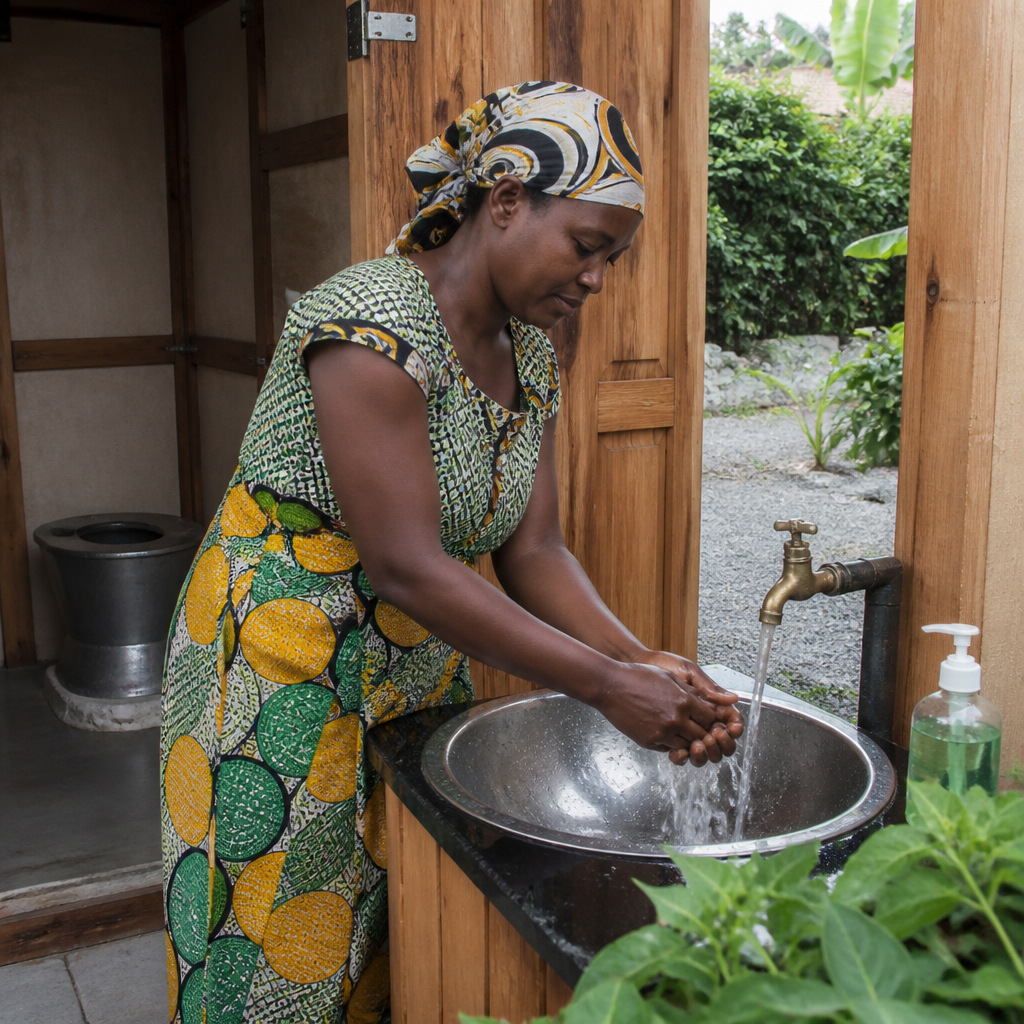
Healthy sanitation habits in EcoSan can be grouped into a manageable set of priority practices. First is correct toilet use, including urine diversion where applicable, consistent use by all family members, and keeping non-fecal solid waste out of the system. Second is moisture control through ash, lime, sawdust, or dry soil according to the toilet design. Third is hand hygiene with soap or ash and water after toilet use, child feces handling, and contact with treatment chambers or tools. Fourth is safe emptying and transport after recommended storage or treatment periods. Fifth is controlled agricultural reuse based on crop type, application method, and withholding periods. Sixth is routine cleaning, inspection, and repair.
These behaviors sound simple, but each contains common failure points. Children may fear a toilet drop hole or not understand urine separation. Tenants may never receive orientation from landlords. Caregivers may put child feces into open drains because they see infants as low risk, even though child feces can contain high pathogen loads. Farmers may value compost nutrients but underestimate the importance of curing time. Cleaners may sweep around a toilet daily yet avoid chamber checks because the task feels unfamiliar or stigmatized. Effective communication identifies these gaps before they become health hazards.
A useful practice is to convert technical instructions into behavior statements. Instead of saying, “Maintain low moisture content in the fecal vault,” say, “After every use, add one cup of dry ash or sawdust until feces are fully covered.” Instead of saying, “Apply personal protective measures during sludge handling,” say, “Wear gloves and boots, use a shovel, avoid hand contact, and wash hands with soap immediately after emptying.” People follow visible actions more reliably than abstract objectives. Visual cues, wall stickers, painted icons, and short scripts in local languages work particularly well in schools and shared facilities.
How to design communication that people actually follow
Behavior change communication succeeds when it is audience-specific, repeated, and grounded in local motives. Fear-based messages alone rarely sustain sanitation habits. In practice, the strongest drivers are often dignity, cleanliness, convenience, child protection, odor reduction, cost savings on fertilizer, and social approval. A mother may adopt safer child feces disposal because she wants a cleaner compound and fewer diarrheal episodes. A farmer may follow compost maturation rules because stable product quality protects crops and market trust. A school janitor may maintain an EcoSan block better when training reduces confusion and administrators provide tools and recognition.
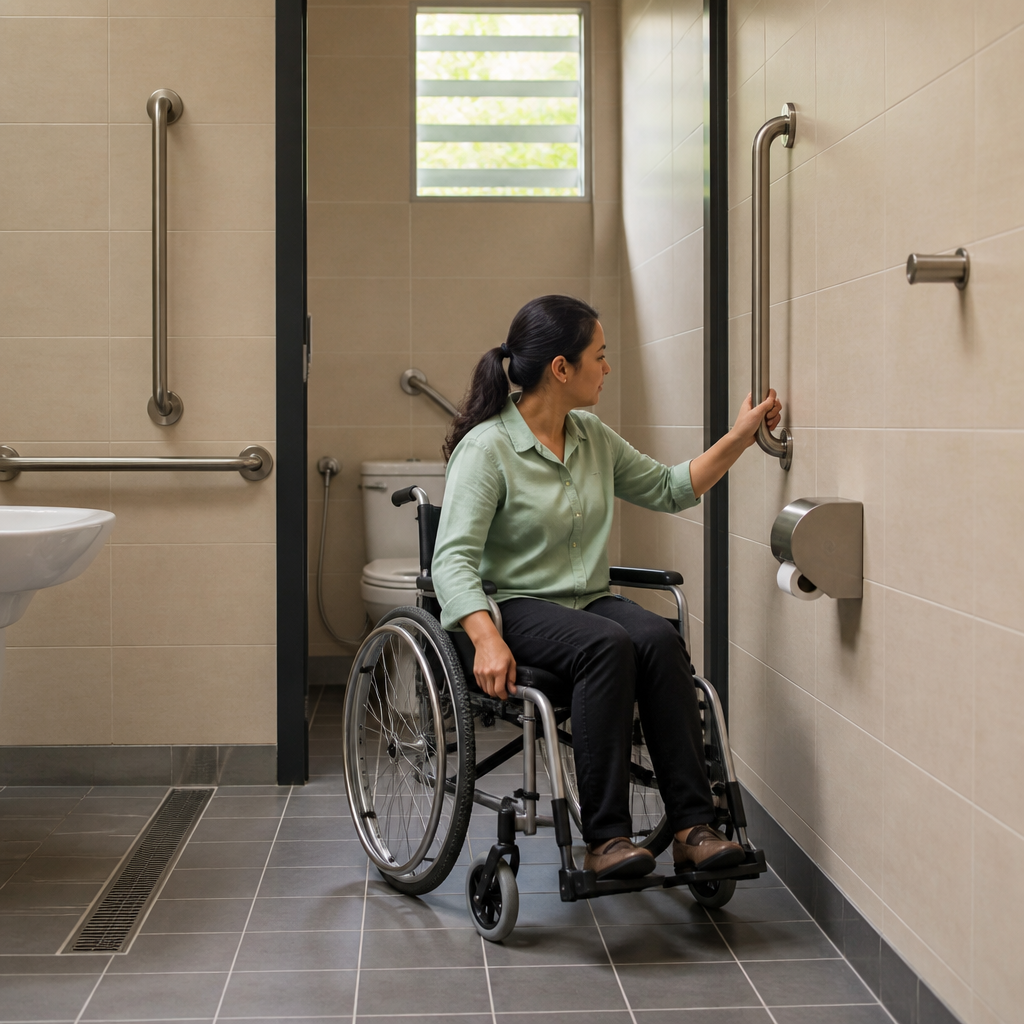
Audience segmentation is essential. Households, schoolchildren, teachers, masons, agricultural extension officers, landlords, market managers, and municipal emptiers need different messages. Shared toilets require communication about queue management, cleaning roles, and reporting faults. Rural farming communities need guidance on reuse pathways. Urban low-income settlements may prioritize storage safety, container handling, and landlord accountability. Gender and disability considerations must be explicit. Women and girls need safe menstrual waste options and privacy. Older adults may need handrails and easier instructions. People with limited literacy benefit from pictorial messages and demonstration rather than printed manuals.
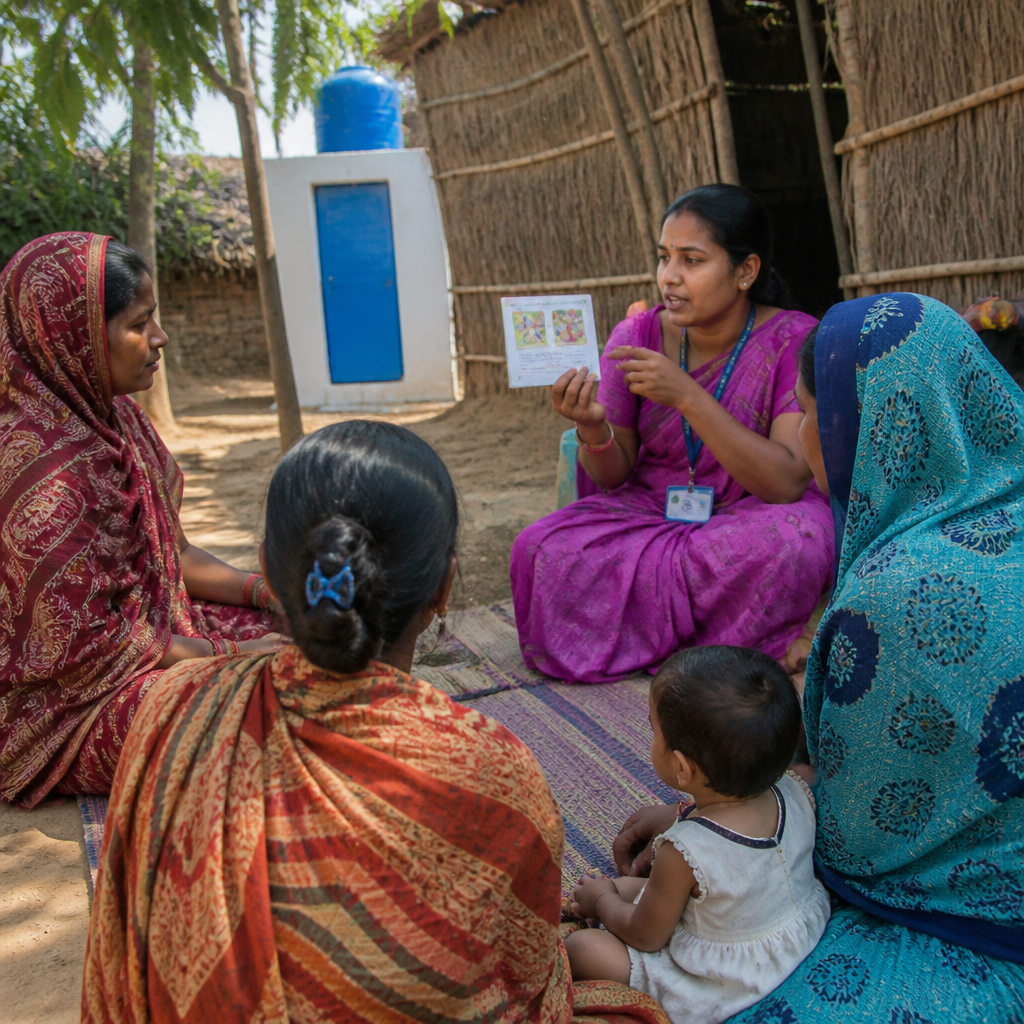
The most reliable approach combines interpersonal communication, environmental cues, and community reinforcement. During implementation, I prefer a sequence of pre-installation meetings, live demonstrations at handover, follow-up household visits in the first month, and refresher visits at three and six months. Community health workers are often effective messengers because they can answer practical questions in homes. Religious leaders, farmer champions, and school health clubs can strengthen legitimacy. Radio spots can broaden reach, but on their own they rarely correct user errors inside the toilet. The closer the message is to the behavior setting, the better the result.
Safety practices across the EcoSan chain
Safety and sustainability in EcoSan depend on managing risks from toilet use to final reuse. The table below summarizes priority behaviors, the reason they matter, and how communication should frame them in plain language.
| Stage | Critical behavior | Why it matters | Plain-language message |
|---|---|---|---|
| Toilet use | Separate urine and feces correctly | Supports drying, treatment, and easier reuse | Use the front for urine and the rear for feces every time |
| After use | Add ash, lime, sawdust, or dry soil | Reduces smell, flies, and moisture | Cover feces completely with one scoop of dry material |
| Hand hygiene | Wash hands with soap after toilet use and cleaning | Prevents fecal-oral transmission | Hands that look clean can still spread germs |
| Vault management | Seal full chambers and respect storage time | Allows pathogen die-off | Do not open a resting chamber before the full waiting period |
| Emptying | Use gloves, boots, and tools | Reduces direct exposure | Never empty by hand; use tools and protective gear |
| Reuse | Apply treated product to appropriate crops and soils | Protects food safety and soil health | Use fully treated compost on trees or non-leafy crops first if unsure |
| Maintenance | Repair cracks, leaks, and blocked pipes quickly | Prevents contamination and abandonment | Fix small faults before they become health risks |
Storage time and treatment quality are frequent points of confusion. There is no universal one-size-fits-all number because safety depends on temperature, pH, dryness, system design, and what material entered the vault. However, every program must provide a clear local protocol based on recognized guidance rather than leaving households to guess. Where regulations are weak, partner with public health authorities, agricultural extension services, and experienced EcoSan practitioners to define conservative handling and reuse rules. Ambiguity creates unsafe shortcuts.
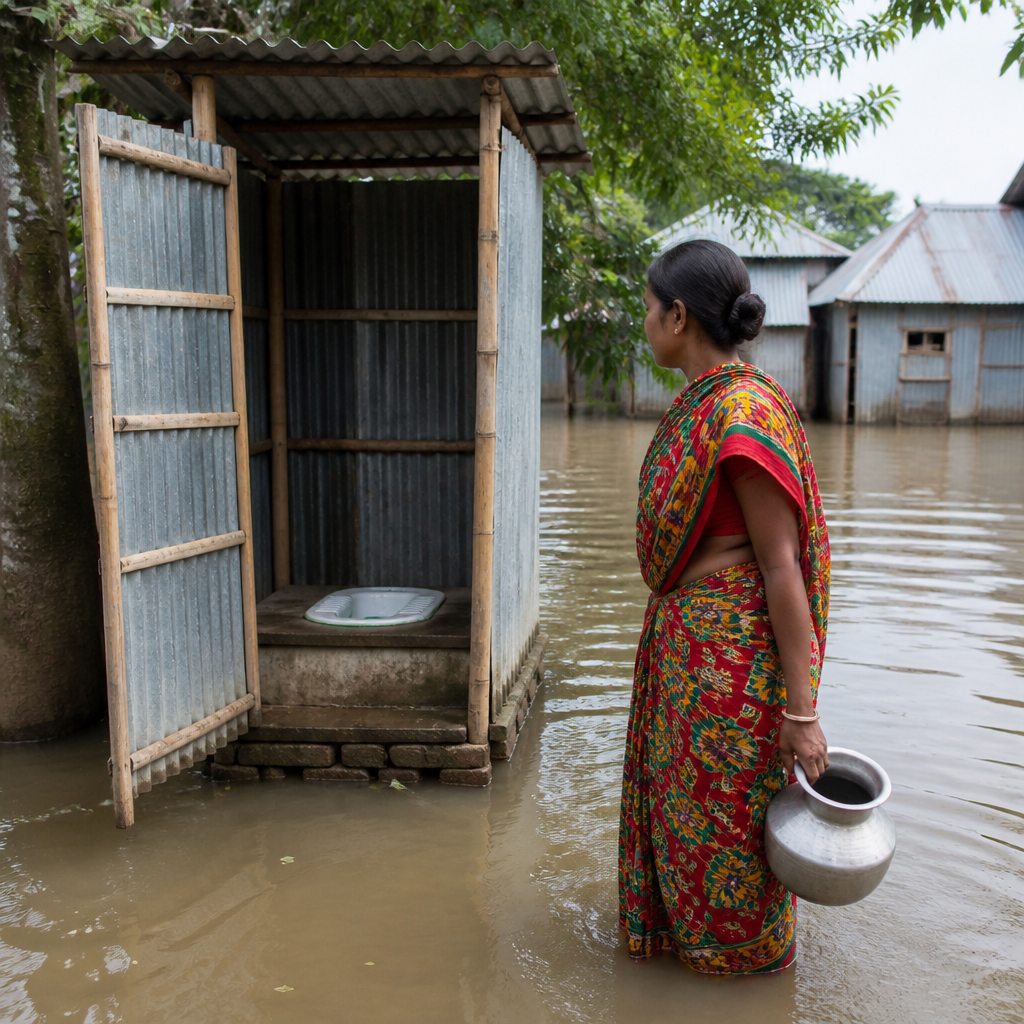
Another nonnegotiable issue is groundwater protection. EcoSan is often promoted for water savings, but poor siting or damaged containment can still contaminate shallow aquifers. Communication for masons and property owners should cover flood risk, lining, above-ground options in high-water-table areas, and diversion of stormwater away from vaults. Sustainability is not just about nutrient recovery; it is also about preventing new environmental hazards.
Community adoption, monitoring, and long-term habit formation
Habits last when systems make the safe action the easy action. That means behavior change communication must be paired with service design. If ash is required but no convenient storage container sits inside the cubicle, adherence drops. If handwashing stations lack water or soap, reminders achieve little. If collection or emptying services are absent, households may open chambers early. The lesson from successful sanitation programs is consistent: communication works best when infrastructure, supplies, and accountability are in place.
Monitoring should focus on observable behaviors and outcome proxies, not only attendance at training sessions. Useful indicators include visible cover material in the toilet, absence of odor and flies, handwashing station functionality, correct use of urine pipes, sealed resting chambers, use of protective gear during emptying, and safe storage of agricultural tools used for compost handling. In schools, include cleaning schedules, soap replenishment, and student knowledge checks. In communities, spot checks and short interviews reveal whether people understand not just what to do, but why and when to do it.
Social norms matter more than many technical teams expect. When respected households maintain clean, odor-free EcoSan toilets and show productive gardens using safely treated outputs, neighbors become more open to adoption. Demonstration plots can be powerful, especially when paired with transparent explanations about treatment time and crop selection. Public recognition also helps. Villages, compounds, or schools that meet sanitation safety benchmarks can be acknowledged through local councils or health committees. Recognition is not a gimmick; it creates visible standards and reinforces shared expectations.
Finally, long-term success requires feedback loops. Users need a way to report smell, insects, clogging, confusion, or fear around product handling. Programs should plan for refresher training because habits drift, family members change, and facilities age. The most sustainable EcoSan sites I have seen are not those with the most complex designs, but those with the clearest routines, strongest local ownership, and most practical communication. When people understand the connection between daily habits, family health, and environmental benefit, EcoSan becomes safer, more acceptable, and more durable.
Behavior change communication for healthier sanitation habits is the hinge that connects EcoSan promise to EcoSan performance. Safe toilets, safe handling, and safe reuse do not happen automatically because a facility was built or a manual was distributed. They happen when users know the exact behaviors required, believe those behaviors matter, and have the supplies, reminders, and social support to repeat them every day. For health and safety planning, the essential behaviors are consistent correct toilet use, moisture control, handwashing, chamber management, protected emptying, and careful agricultural reuse guided by local standards.
The main benefit of this approach is not only lower disease risk, though that is the first priority. Strong communication also protects infrastructure, reduces odor and fly nuisance, improves user acceptance, supports nutrient recovery, and makes EcoSan systems more sustainable financially and environmentally. Communities are more likely to maintain toilets that feel clean, understandable, and useful. Farmers are more likely to trust reused products when treatment and handling rules are clear. Local governments are more likely to support EcoSan when programs can demonstrate safe operation instead of isolated installations with mixed results.
If this page is your starting point for safety and sustainability in EcoSan, use it as a checklist for every related article and project decision. Build messages around specific actions, tailor them to each audience, verify that facilities make the safe choice easy, and monitor real behavior over time. When communication is treated as core infrastructure rather than an optional add-on, healthier sanitation habits become normal, and EcoSan can deliver the public health and environmental gains it was designed to achieve.
Frequently Asked Questions
What is behavior change communication in the context of healthier sanitation habits?
Behavior change communication, often shortened to BCC, is the practical process of helping people understand, accept, and consistently practice safer sanitation behaviors in daily life. In sanitation, that includes correct toilet use, regular handwashing with soap, safe child feces disposal, proper cleaning routines, responsible fecal sludge handling, and where relevant, safe resource recovery practices such as the reuse of treated urine or composted material. It is not just about giving information. Many people already know that hygiene matters, but habits are shaped by convenience, social norms, emotions, privacy, dignity, trust, affordability, and what other people in the household or community do.
In EcoSan systems, behavior change communication is especially important because the technology depends on correct user behavior to function safely. A urine-diverting dry toilet, for example, only performs as intended when users understand which compartment to use, how to keep urine and feces separated, when to add dry cover material if required, and why moisture control matters. If those actions are skipped or misunderstood, the system can become smelly, harder to maintain, less hygienic, and less acceptable to users. BCC helps close that gap by translating technical instructions into clear, practical, memorable actions people can follow every day.
Effective behavior change communication also uses trusted messengers and channels. That may include community health workers, local leaders, school programs, women’s groups, sanitation entrepreneurs, posters, radio spots, demonstrations, and household visits. The goal is to make safer sanitation feel normal, achievable, and worthwhile, rather than confusing or burdensome. When done well, BCC builds confidence, reinforces routines, addresses myths, and helps communities connect sanitation habits with health, convenience, environmental protection, and long-term sustainability.
Why does behavior change communication matter so much for EcoSan safety and sustainability?
EcoSan systems are designed to safely manage human waste while recovering nutrients and protecting water, soil, and public health. But even strong technical design cannot deliver those benefits on its own. The system depends on people using it correctly and consistently. That is why behavior change communication is central to both safety and sustainability. It helps ensure that everyday user actions support the intended performance of the sanitation system instead of undermining it.
For safety, BCC reduces risky practices that can lead to contamination or disease exposure. Users need to know how to keep toilets clean, where to place different types of waste, when and how to wash hands, how to handle storage containers, and what protective measures are needed during emptying, transport, treatment, or reuse. Clear communication can prevent common problems such as mixing liquids into dry systems, unsafe contact with untreated material, poor maintenance, or disposal shortcuts that expose families or workers to pathogens. In short, it turns health protection from an abstract goal into a set of visible, repeatable behaviors.
For sustainability, communication supports long-term adoption. People are more likely to continue using and maintaining an EcoSan system when they understand its purpose, believe it works, find it acceptable, and see benefits in their own lives. These benefits may include reduced odor, lower water use, cleaner surroundings, safer farming inputs after proper treatment, or lower pressure on conventional sewage infrastructure. Without ongoing reinforcement, even well-built toilets can fall into disuse, be misused, or be abandoned for less safe alternatives. BCC helps create new norms so proper sanitation is not seen as a special project behavior, but as the ordinary and expected way to live.
Just as importantly, BCC supports the wider service chain. Households, pit emptiers, transporters, treatment operators, and agricultural users all need messages tailored to their roles. Safety and sustainability in EcoSan come from the entire chain functioning together. Communication is what aligns user behavior, maintenance routines, community expectations, and technical procedures into one system that people can trust and sustain over time.
What sanitation behaviors should communication efforts focus on first?
The most important sanitation behaviors to prioritize are the ones that have the greatest impact on health, system performance, and daily user experience. In many settings, the first priorities are consistent toilet use by all household members, handwashing with soap at critical times, safe child feces disposal, regular cleaning, and correct operation of the specific sanitation technology being promoted. These are foundational habits because they directly affect disease prevention, toilet acceptability, and whether people continue using the system.
In an EcoSan setting, communication should also focus on behaviors specific to the technology. For a urine-diverting dry toilet, users may need clear guidance on separating urine and feces correctly, keeping the feces chamber as dry as possible, adding ash, خاک-like dry material, or other recommended cover material if the design requires it, not disposing of trash into the system, and closing lids or access points properly. Households also need to know when storage containers are full, what safe emptying intervals look like, and how treated material should and should not be handled. These details matter because small mistakes can create odor, attract insects, increase moisture, or compromise pathogen reduction.
Programs should also prioritize behaviors that remove barriers to adoption. For example, if people avoid using a toilet because they do not understand it, dislike the smell, or worry about cleaning, communication should address those concerns directly with practical demonstrations and simple routines. If the challenge is social, such as men refusing to sit when necessary for correct urine diversion or children being excluded from use, the messages should target those specific audiences rather than relying on generic hygiene advice.
A useful rule is to focus first on behaviors that are specific, observable, doable, and easy to repeat. “Improve sanitation” is too broad. “Wash hands with soap after toilet use and before eating,” “put only the correct waste in the correct chamber,” and “use dry cover material after each defecation when required” are much more actionable. Once these core practices are established, communication can expand into maintenance planning, safe transport, resource recovery, and community-level norms that support lasting sanitation improvements.
How can communities encourage lasting sanitation behavior change instead of short-term compliance?
Lasting sanitation behavior change happens when safe practices become easy, socially supported, and part of normal daily routines. Communities can encourage that shift by combining clear communication with practical support systems. Information alone rarely changes habits for long. People need reminders, convenient facilities, positive reinforcement, local role models, and a shared understanding that healthier sanitation behaviors benefit everyone.
One of the strongest approaches is to build social norms around visible, achievable actions. When respected leaders, teachers, health workers, and early adopters demonstrate proper toilet use, handwashing, and maintenance behaviors, others are more likely to follow. Community meetings, household visits, school activities, peer learning groups, and public demonstrations can all help turn sanitation from a private technical issue into a shared social commitment. This is especially valuable in EcoSan programs, where unfamiliar systems may initially face skepticism. Seeing neighbors use them successfully and safely can be more persuasive than any poster or brochure.
Communities also sustain change better when facilities are designed around real user needs. Toilets should feel safe, private, accessible, and manageable for women, men, children, older adults, and people with disabilities. Communication works best when it is paired with supportive infrastructure: handwashing stations with water and soap, easy access to cover material where needed, clear signage, affordable maintenance options, and a realistic plan for emptying and treatment. If safe behavior is inconvenient or confusing, even motivated users may fall back into old habits.
Feedback and follow-up matter as well. Programs that check in with households, answer questions, correct mistakes early, and celebrate progress usually see better results than one-time campaigns. Small improvements such as cleaner facilities, fewer odors, or reduced illness can be highlighted to reinforce the value of the new behavior. Over time, these positive experiences help transform compliance into ownership. That is the real goal: not getting people to temporarily follow instructions, but helping them adopt sanitation practices they understand, trust, and choose to continue.
What are common mistakes in sanitation behavior change communication, and how can they be avoided?
One of the most common mistakes is assuming that awareness automatically leads to action. Many sanitation campaigns provide facts about germs or health risks but do not address why people behave the way they do in real life. Habit, convenience, cost, privacy, disgust, shame, time pressure, gender roles, and local beliefs often influence sanitation decisions more than technical knowledge alone. To avoid this mistake, communication should be based on local research that identifies what motivates people, what discourages them, and what practical obstacles stand in the way of safer habits.
Another frequent mistake is using messages that are too general or too technical. Telling people to “practice good hygiene” is vague, while overwhelming them with engineering details can be equally ineffective. The strongest messages are simple, role-specific, and action-focused. For example, users of a urine-diverting dry toilet need direct guidance on how to use the toilet correctly, how to keep the system dry, what materials can and cannot go inside, and what to do when storage compartments fill. Sanitation workers need different guidance focused on protective equipment, containment, transport, treatment steps, and exposure prevention.
Programs also fail when they ignore trust and cultural acceptance. If messages come from outsiders with little local credibility, or if they dismiss local concerns about smell,