First aid and emergency response in sanitation projects are central to enhancing health through EcoSan because the people who build, operate, empty, transport, and maintain sanitation systems face hazards that can become life threatening within minutes. EcoSan, short for ecological sanitation, refers to sanitation approaches that safely recover nutrients, conserve water, and reduce environmental contamination through systems such as urine-diverting dry toilets, composting toilets, dehydration vaults, container-based sanitation, and fecal sludge treatment with resource recovery. In field programs I have supported, the strongest EcoSan outcomes came when health and safety planning was treated as part of system design rather than an afterthought added during construction. That means identifying predictable emergencies, training teams in first aid, equipping sites properly, and establishing response procedures that fit local conditions, roads, climate, referral hospitals, and communication networks.
This matters because sanitation work combines biological, chemical, physical, and psychosocial risk. Workers may handle fecal sludge carrying enteric pathogens such as E. coli, Salmonella, Shigella, hepatitis A virus, and intestinal helminths. They may enter or work around confined spaces where hydrogen sulfide, methane, ammonia, and oxygen deficiency can rapidly cause collapse. They can suffer cuts from sheet metal and broken concrete, heat stress in protective clothing, musculoskeletal injuries from lifting containers, burns from lime or disinfectants, road crashes during sludge transport, and violence or harassment when working in public spaces or informal settlements. Communities are affected too. A failed emergency response can turn a single worker injury into secondary exposures for coworkers, household members, or untrained rescuers. By contrast, a well-run EcoSan program protects workers, keeps services running, and builds public trust in reuse-based sanitation systems.
The core terms are straightforward. First aid is the immediate care given to an injured or suddenly ill person until trained medical help takes over. Emergency response is the organized set of actions used to assess danger, protect responders, stabilize the casualty, summon assistance, and transfer the person to appropriate care. In sanitation projects, emergency response also includes spill control, isolation of hazardous areas, decontamination, and incident reporting. Enhancing health through EcoSan therefore depends on practical readiness: knowing what can go wrong, preventing avoidable incidents, and responding effectively when prevention fails.
Why sanitation projects need a dedicated emergency plan
Sanitation projects need a dedicated emergency plan because ordinary construction safety plans often miss the unique exposure profile of human waste management. A mason building a urine-diverting toilet and a desludging crew emptying a fecal vault do not face identical risks, but both can be harmed quickly if planning is generic. I have seen projects with excellent civil drawings but no rescue protocol for a worker overcome by gas near a pit opening. That gap is dangerous. Most sanitation emergencies are foreseeable, and foreseeable emergencies should have written controls, assigned responsibilities, and drilled actions.
A strong plan begins with task-based risk assessment. Break work into steps: excavation, slab casting, toilet installation, vault emptying, container transfer, transport, compost turning, storage, and land application of treated products. For each task, identify hazards, likely injury mechanisms, and the time sensitivity of treatment. For example, hydrogen sulfide exposure can incapacitate a worker within breaths at high concentrations, so response depends on atmospheric testing, non-entry rescue methods, and rapid oxygen support by trained personnel. A deep laceration from corrugated metal requires bleeding control and tetanus follow-up. Splash exposure to fecal sludge into the eyes needs immediate irrigation with clean water for at least fifteen minutes and medical assessment if symptoms persist.
Dedicated planning also aligns with established occupational safety practice. The hierarchy of controls applies directly: eliminate hazards where possible, substitute safer methods, use engineering controls, implement administrative controls, and rely on personal protective equipment as the last line. In EcoSan, elimination may mean avoiding pit entry entirely by redesigning access for mechanical emptying. Engineering controls include guardrails, forced ventilation where appropriate, gas monitors, handwashing stations, eyewash capacity, and vehicle reversing alarms. Administrative controls include vaccination policies, permit-to-work systems, buddy checks, traffic plans, and emergency contact trees. PPE includes gloves, boots, eye protection, respirators selected for the hazard, and high-visibility clothing. First aid sits alongside these controls, not in place of them.
Common emergencies in EcoSan work and the right first response
The most common emergencies in EcoSan work are trauma, toxic exposure, heat illness, infection-related illness, and transport incidents. The right first response starts with scene safety. Do not rush into a pit area, vault, tanker, or treatment bay until hazards are assessed. Protecting the rescuer prevents additional casualties. Then check responsiveness, breathing, and severe bleeding, activate local emergency services or the referral clinic, and provide targeted care within training limits.
Bleeding from cuts, punctures, or crush injuries is frequent during construction and maintenance. Apply direct pressure with a clean dressing, add more dressings if blood soaks through, elevate the injured limb when feasible, and monitor for shock signs such as pale skin, rapid pulse, confusion, or weakness. Tourniquets can be lifesaving for severe limb bleeding if trained staff and proper devices are available. Fractures and sprains from slips around wet slabs or uneven paths should be immobilized; avoid moving the casualty unnecessarily if head, neck, or spinal injury is suspected.
Gas exposure demands a different response. Hydrogen sulfide is especially dangerous in sanitation settings because it can deaden the sense of smell, making odor an unreliable warning. Never attempt an unprotected entry rescue in a confined space. Remove the casualty only if it can be done without entering the hazard, for example with retrieval systems already in place. Once in fresh air, trained responders should support airway and breathing and begin cardiopulmonary resuscitation if needed. Oxygen administration can be critical where protocols, equipment, and training permit. Methane adds explosion risk, so ignition sources must be controlled immediately.
Chemical burns and irritation may result from lime stabilization, concentrated disinfectants, fuel, or battery acid from equipment. Flush affected skin or eyes with copious clean water, remove contaminated clothing, and seek product-specific guidance from the safety data sheet. Heat exhaustion and heat stroke are common where crews work in hot climates while wearing impermeable gloves, aprons, and boots. Move the person to shade, cool aggressively, give water only if conscious and not vomiting, and treat confusion, collapse, or very high body temperature as medical emergencies.
| Emergency | Immediate signs | First response | Key mistake to avoid |
|---|---|---|---|
| Severe bleeding | Visible blood loss, weakness, pale skin | Direct pressure, dress wound, urgent referral | Removing soaked dressings instead of adding more |
| Gas exposure | Collapse, headache, dizziness, breathing difficulty | Keep rescuers out of hazard, move victim to fresh air if safe, call for advanced care | Entering a pit or tank without protection |
| Eye splash from sludge or chemicals | Pain, tearing, redness, blurred vision | Flush with clean water for at least 15 minutes | Delaying irrigation to look for medicine first |
| Heat illness | Heavy sweating, cramps, confusion, collapse | Cool rapidly, rest in shade, urgent help for altered mental status | Sending the worker back after symptoms improve briefly |
| Needlestick or sharps injury | Puncture wound, bleeding | Wash with soap and water, report immediately, assess for tetanus and bloodborne exposure protocol | Squeezing the wound aggressively |
Building a site-ready first aid system for workers and communities
A site-ready first aid system is more than a box of bandages. It is a management system that matches resources to risk. Start with staffing. At least one trained first aider should be present for each active work crew, and higher-risk operations such as vault emptying, transport, and treatment handling should have redundancy so response does not depend on one person. Training should cover wound care, CPR where appropriate, heat illness, eye irrigation, exposure reporting, manual handling injuries, and when not to attempt rescue. Refresher drills matter because emergency skills decay quickly without practice.
Equipment should reflect actual field conditions. Standard contents include gloves, absorbent dressings, triangular bandages, elastic wraps, antiseptic, splints, burn dressings, scissors, oral rehydration salts, a thermometer, instant cold packs, a CPR barrier, saline or clean water for irrigation, and a sharps container where needles are possible. In sanitation operations, add heavy-duty gloves for responder protection, spare eye protection, body fluid cleanup materials, flashlights, communication devices, and clearly labeled emergency wash water. If teams work far from paved roads, include a stretcher or carry sheet and plan how a casualty reaches a vehicle.
Community-facing EcoSan projects also need public readiness. Caretakers of school toilets, market toilets, container collection points, and community compost sites should know who to call, how to isolate a spill, and where children or bystanders should be kept during an incident. In one decentralized sanitation project, we reduced response times simply by posting laminated emergency cards with local ambulance numbers, the nearest twenty-four-hour clinic, GPS coordinates, and simple instructions in the local language. That low-cost step prevented confusion during two separate injury events.
Documentation is part of readiness. Maintain first aid logs, exposure reports, vaccination records, and equipment inspection checklists. Patterns emerge when records are reviewed monthly. If most injuries occur during container lifting at the end of long shifts, the solution may be route redesign, lighter loads, or hand trucks rather than more plasters. Good records also support contractor management, insurance claims, and regulator engagement.
Prevention measures that make emergency response easier and rarer
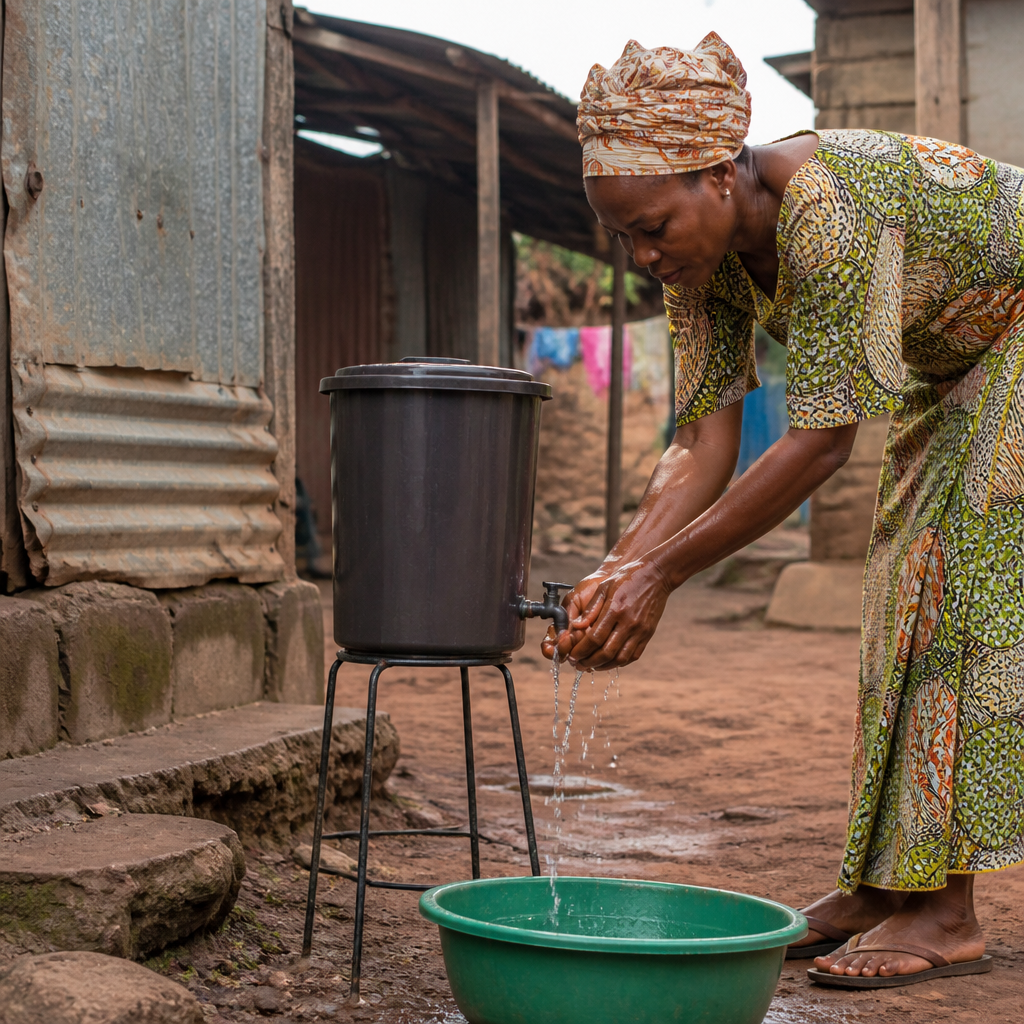
The best emergency response in sanitation projects starts long before an incident happens. Prevention reduces frequency and severity, and it makes first aid more effective because fewer events escalate. Vaccination is one of the clearest examples. Workers handling fecal matter should be evaluated for tetanus immunization and, depending on local epidemiology and policy, hepatitis A, hepatitis B, typhoid, and other relevant vaccines. Hand hygiene, safe drinking water, designated eating areas away from waste handling zones, and changing facilities reduce gastrointestinal illness and cross-contamination to families.
Engineering and workflow design are equally important. EcoSan systems should be designed for safe access, stable footing, ventilation, and minimal manual contact with excreta. Urine-diverting dry toilets need user instructions to prevent blockage and overflow. Composting and dehydration units need controlled moisture, adequate retention time, and clear separation of fresh and treated material to reduce pathogen risk. Container-based systems need sealed containers, leak-resistant transfer methods, and vehicle layouts that prevent tipping. At treatment sites, traffic routes for pedestrians and vehicles should be separated wherever possible.
Manual handling is a major but underappreciated hazard. Repeated lifting of sludge containers or bags of cover material leads to back injury, hernia risk, and chronic pain. Use mechanical aids, set weight limits, train crews in team lifts, and schedule enough staff for peak loads. Heat controls are also essential: work-rest cycles, shade structures, cooled drinking water, and acclimatization for new workers can prevent collapse. According to long-established occupational health guidance, acclimatization significantly improves tolerance to hot environments, yet many sanitation contractors still overlook it.
Finally, prevention depends on culture. Workers must be able to stop a task when conditions are unsafe without fearing punishment. Near-miss reporting should be encouraged because a near miss around a pit edge or tanker hatch is often the last warning before a fatality. Supervisors set the tone by wearing PPE correctly, enforcing lockout and traffic controls, and reviewing incidents for root causes instead of blaming individuals.
Coordinating referrals, recovery, and continuous improvement
Emergency response does not end when the casualty leaves the site. Referral pathways must be mapped in advance: which clinic handles trauma, which hospital manages eye injuries, where oxygen and advanced airway support are available, and how transport is arranged at night or during floods. Every site should have updated phone numbers, route maps, and a decision tree for who authorizes transport. In remote projects, agreements with motorcycle taxis, community drivers, or private ambulances can save critical time when public services are limited.
Aftercare protects both the injured worker and the program. Follow-up should include medical clearance, modified duty when needed, mental health support after frightening events, and review of exposure outcomes. Needlestick and splash incidents require prompt occupational health assessment. If bloodborne exposure is plausible, time-sensitive post-exposure management may be necessary under local clinical protocols. For fecal exposure illnesses, stool testing and outbreak investigation may be relevant if multiple workers become sick after the same task or site condition.
Continuous improvement turns incidents into safer systems. Conduct a structured review within twenty-four to seventy-two hours, while facts are fresh. Ask what happened, what barriers failed, what conditions made the event more likely, and what corrective actions will be tracked to completion. Then update standard operating procedures, training, and equipment lists. The hub approach is useful here: link emergency planning with related guidance on PPE selection, confined space safety, safe sludge handling, worker vaccination, heat stress, and sanitation transport safety so teams can move from this overview to detailed procedures.
First aid and emergency response in sanitation projects are not side topics; they are the backbone of enhancing health through EcoSan. Ecological sanitation succeeds when it protects the people delivering the service as carefully as it protects soil, water, and public health. The practical formula is clear: identify sanitation-specific hazards, build a task-based emergency plan, train crews repeatedly, stock the right equipment, strengthen referral networks, and use every incident and near miss to improve the system. When those pieces are in place, EcoSan projects become safer, more reliable, and more credible for workers, communities, and partners. Use this hub as the starting point for your health and safety program, then review your sites, kits, training records, and referral contacts today.
Frequently Asked Questions
Why is first aid and emergency response especially important in sanitation and EcoSan projects?
First aid and emergency response are especially important in sanitation and EcoSan projects because many of the hazards involved can escalate very quickly from minor exposure to serious illness, injury, or death. People working in ecological sanitation systems may handle human waste, operate in hot and poorly ventilated spaces, lift heavy containers, use tools and chemicals, and come into contact with sharp objects or contaminated surfaces. In projects that include urine-diverting dry toilets, composting toilets, dehydration vaults, storage chambers, collection points, transport routes, or treatment areas, workers and community members can face risks such as cuts, punctures, falls, eye splashes, respiratory irritation, heat stress, dehydration, musculoskeletal injuries, and exposure to infectious material.
What makes emergency readiness so critical is that some sanitation incidents become life threatening within minutes. A worker who collapses from heat exhaustion can progress to heat stroke. Someone exposed to toxic gases or oxygen-deficient air in a pit, tank, or enclosed chamber can lose consciousness rapidly. A deep cut contaminated with waste can lead to severe infection if not treated promptly. Even a seemingly small splash to the eye can become a serious medical issue without immediate rinsing. In community-based and decentralized sanitation settings, professional medical help may not always be nearby, so the first few minutes often determine the outcome.
Strong first aid and emergency response systems also protect the broader goals of EcoSan. Ecological sanitation is designed to safely recover nutrients, conserve water, and reduce environmental contamination, but those benefits depend on safe human practices. A project cannot be considered sustainable if workers, operators, pit emptiers, transporters, or users are regularly placed in preventable danger. By planning for emergencies, training teams, equipping sites, and practicing response procedures, project managers reduce harm, build worker confidence, improve compliance with safe operating procedures, and strengthen public trust in the sanitation system.
What are the most common emergencies that can happen during sanitation work, and how should teams prepare for them?
The most common emergencies in sanitation work typically include cuts and puncture wounds, slips and falls, eye and skin exposure to waste or chemicals, heat exhaustion and dehydration, back strains and crush injuries from lifting or moving containers, breathing difficulties caused by dust or poor air quality, and loss of consciousness in confined or poorly ventilated spaces. Depending on the setting, teams may also face dog bites, traffic incidents during waste transport, electrical shock from pumps or equipment, burns from disinfectants or treatment materials, and psychological stress after traumatic incidents.
Preparation starts with a site-specific risk assessment. Every sanitation project should identify exactly where emergencies are most likely to occur: during toilet construction, vault emptying, fecal sludge transfer, compost handling, maintenance inside service chambers, cleaning with chemicals, or transport over uneven terrain. Once those risks are mapped, the team should create a practical emergency plan that clearly answers who does what, where first aid supplies are stored, how to contact medical care, which route is fastest to a clinic or hospital, and what steps must be taken if a worker is injured or exposed.
Teams should also maintain well-stocked first aid kits suited to sanitation work. These usually include clean water or saline for flushing eyes and skin, disposable gloves, heavy-duty gloves, dressings, bandages, antiseptic supplies, wound coverings, scissors, a CPR barrier device, oral rehydration supplies, and emergency contact information. In many settings, additional supplies such as stretchers, eye wash bottles, soap, disinfectant for surfaces, and clean replacement clothing are highly useful. Preparation is not complete without training. Workers should know how to control bleeding, clean and cover wounds, respond to fainting or heat illness, recognize signs of dangerous exposure, and avoid becoming secondary victims during a rescue.
Finally, preparedness must be reinforced through drills and supervision. It is one thing to have a written emergency procedure and another to carry it out under pressure. Regular practice helps workers respond calmly, communicate clearly, and avoid impulsive actions such as entering a hazardous space without protection to rescue a coworker. The best-prepared sanitation teams treat emergency response as part of daily operations, not as an afterthought.
What should workers do immediately if someone is injured or exposed to fecal matter, chemicals, or hazardous air during sanitation operations?
The first priority is always to make the scene safe before helping the injured person. In sanitation work, well-intentioned rescuers can easily become casualties themselves if they rush into a contaminated pit, sealed chamber, or chemical exposure area without proper protection. Workers should stop the task, assess the hazard, and remove ongoing danger if it can be done safely. For example, turn off equipment, move away from traffic, improve ventilation from a safe position, or isolate the area from other workers and bystanders. If there is any suspicion of toxic gas, oxygen deficiency, or confined-space danger, no one should enter the space without proper rescue procedures and equipment.
For cuts, punctures, or abrasions contaminated with waste, the wound should be allowed to bleed slightly if minor, then washed thoroughly with clean running water and soap, covered with a clean dressing, and referred for medical evaluation, especially if the wound is deep, dirty, or caused by a sharp object. Bleeding that is heavy should be controlled with firm direct pressure using a clean cloth or dressing. Workers should wear gloves while assisting and dispose of contaminated materials safely afterward. Tetanus risk and other infection concerns should always be taken seriously.
If fecal matter, urine, composted material, or chemicals splash into the eyes, the eyes should be flushed immediately with clean water or sterile saline for at least 15 minutes. Contact lenses should be removed if easy to do. If the exposure affects skin, contaminated clothing should be removed and the area washed thoroughly with soap and water. If a worker inhales irritating fumes, dust, or hazardous air, they should be moved to fresh air right away, provided it is safe for responders to do so. If they are not breathing normally, emergency medical help should be called immediately and trained personnel should begin appropriate life support measures.
Any worker who becomes dizzy, confused, weak, short of breath, or unconscious requires urgent assessment. If heat illness is suspected, move the person to shade, loosen clothing, cool the body with water or wet cloths, and give fluids only if the person is fully conscious and able to swallow. If chemical exposure is involved, responders should follow the product safety instructions and seek poison or medical guidance if available. Most importantly, every significant exposure or injury should be documented and medically reviewed, even if the worker seems to recover quickly. Early symptoms can fade while more serious complications develop later.
How can sanitation projects build an effective emergency response plan for workers and communities?
An effective emergency response plan for sanitation projects begins with realistic planning around actual working conditions. The plan should cover the full sanitation chain, including construction, operation, cleaning, collection, emptying, transport, treatment, storage, reuse, and maintenance. In EcoSan systems, this is especially important because different stages present different hazards. A person sweeping a dry toilet area faces different risks than a worker emptying a dehydration vault, transporting sealed containers, or handling partially treated material. A strong plan accounts for each scenario instead of relying on generic safety language.
The plan should define roles and responsibilities very clearly. Workers need to know who is trained in first aid, who calls emergency services, who secures the area, who guides responders to the site, and who documents the incident. Contact numbers for ambulance services, local clinics, supervisors, project leaders, and referral hospitals should be posted visibly and carried by team leaders. If mobile coverage is unreliable, backup communication methods should be arranged. The plan should also identify the nearest facilities able to treat trauma, severe dehydration, eye injuries, infections, or chemical exposure, because not every clinic is equipped for every emergency.
Good emergency planning also includes equipment, access, and logistics. First aid kits should be easy to reach, clearly labeled, regularly inspected, and replenished after use. Personal protective equipment should be matched to tasks and always available in the correct sizes. Vehicles, handcarts, or other transport arrangements for evacuating injured workers should be considered in advance, especially in rural or informal settlements where ambulance access may be delayed. Projects should ensure that pathways, gates, and work zones are accessible enough for rapid assistance.
Just as important, the emergency response plan should be taught, practiced, and improved over time. Training should use plain language and practical demonstrations, not only written manuals. New workers, contractors, and temporary laborers must be included. After any incident or drill, the team should review what happened, what worked, what failed, and what needs to change. This process turns emergency response into a living system. In the strongest sanitation projects, safety planning is woven into operations, supervision, budgeting, and community engagement from the start.
What training, equipment, and safety measures help prevent emergencies before first aid is needed?
The best emergency response in sanitation projects is prevention. High-quality training, proper equipment, and disciplined safety procedures dramatically reduce the number and severity of incidents. Training should cover hazard recognition, hygiene practices, correct use of personal protective equipment, safe lifting and handling techniques, heat stress prevention, cleaning and disinfection procedures, sharp-object awareness, safe transport methods, and clear rules for entering or