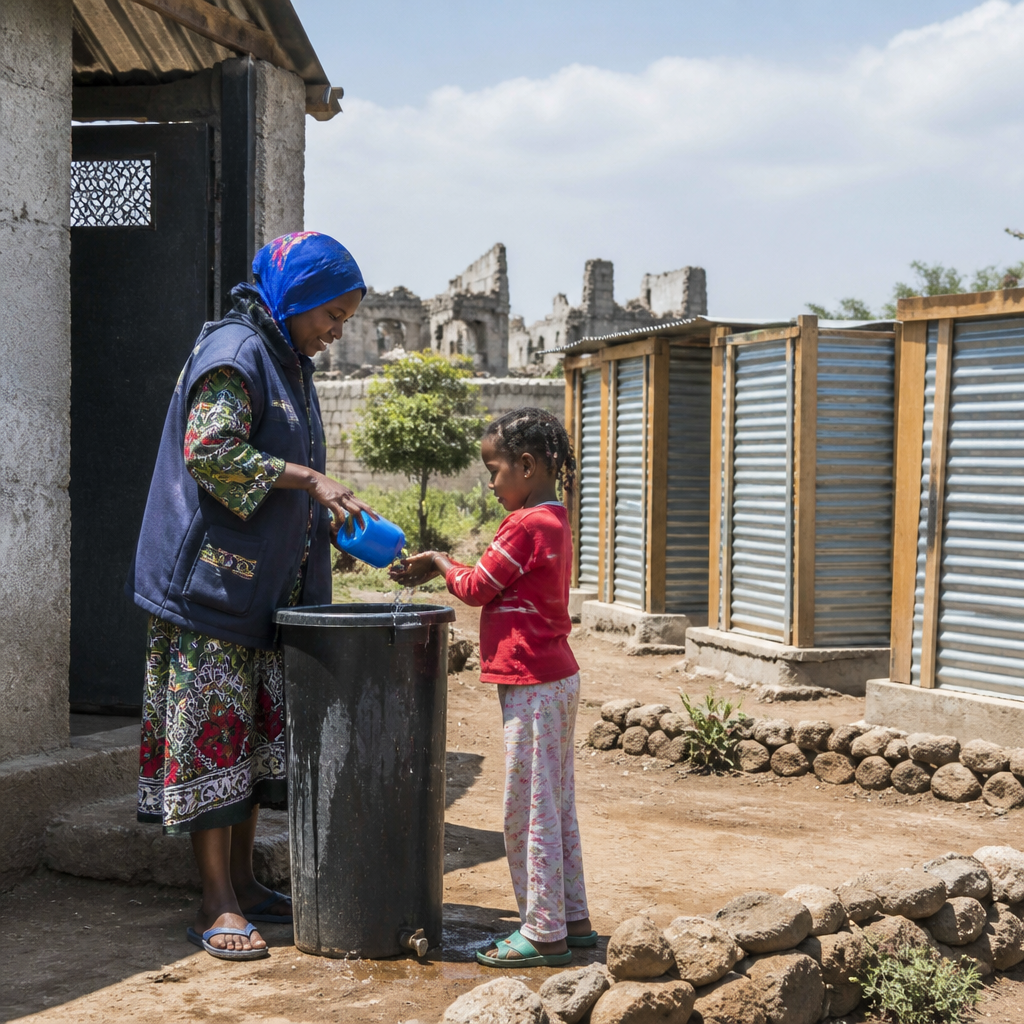
Hygiene promotion in post-conflict areas is not a side issue in recovery; it is one of the first conditions for protecting life, restoring dignity, and preventing a fragile humanitarian situation from turning into a public health emergency. In communities emerging from violence, sanitation systems are often destroyed, water networks are unreliable, health services are overwhelmed, and families return to homes, camps, or temporary settlements where safe waste management barely exists. In that environment, ecological sanitation, commonly shortened to EcoSan, offers a practical framework for safety and wellness because it treats human waste as a resource to be managed safely rather than a hazard to be hidden until infrastructure catches up.
EcoSan refers to sanitation approaches designed to protect human health, conserve water, reduce environmental contamination, and enable the safe recovery of nutrients or organic matter from excreta. Common EcoSan systems include urine-diverting dry toilets, composting toilets, dehydration vaults, handwashing stations linked to low-water facilities, and treatment chains that reduce pathogen loads before reuse or disposal. In post-conflict settings, the value of EcoSan is not only technical. It supports hygiene promotion by creating a clear set of behaviors around toilet use, hand hygiene, menstrual health, child feces management, cleaning routines, and community monitoring. I have seen projects succeed when engineers, hygiene promoters, and local leaders treated these behaviors as part of one system instead of separate tasks.
This matters because poor sanitation after conflict sharply increases the risk of diarrheal disease, cholera, typhoid, intestinal worm infection, hepatitis E, and skin and eye infections. According to long-standing guidance from the World Health Organization, UNICEF, and the Sphere Handbook, safe excreta management, hygiene behavior change, and water access must be addressed together. EcoSan can help where water is scarce, sewerage is impossible, soils are unstable, or groundwater must be protected. Yet EcoSan is not automatically safe. If users do not understand separation, ash or cover material use, cleaning methods, vault resting times, or reuse restrictions, the system can fail quickly. That is why hygiene promotion in post-conflict areas must place safety and wellness at the center of every EcoSan decision.
Why hygiene promotion is critical after conflict
Post-conflict sanitation work begins with risk, not hardware. Damaged latrines, unexploded ordnance near former facilities, overcrowded shelters, flooding, interrupted waste collection, and fear of using isolated toilets all shape hygiene behavior. Women and girls may avoid toilets at night because of harassment risk. Children may defecate in open areas because adults are focused on shelter, food, or security. People displaced several times may distrust unfamiliar toilet designs. In these conditions, simply installing units does not produce safe use.
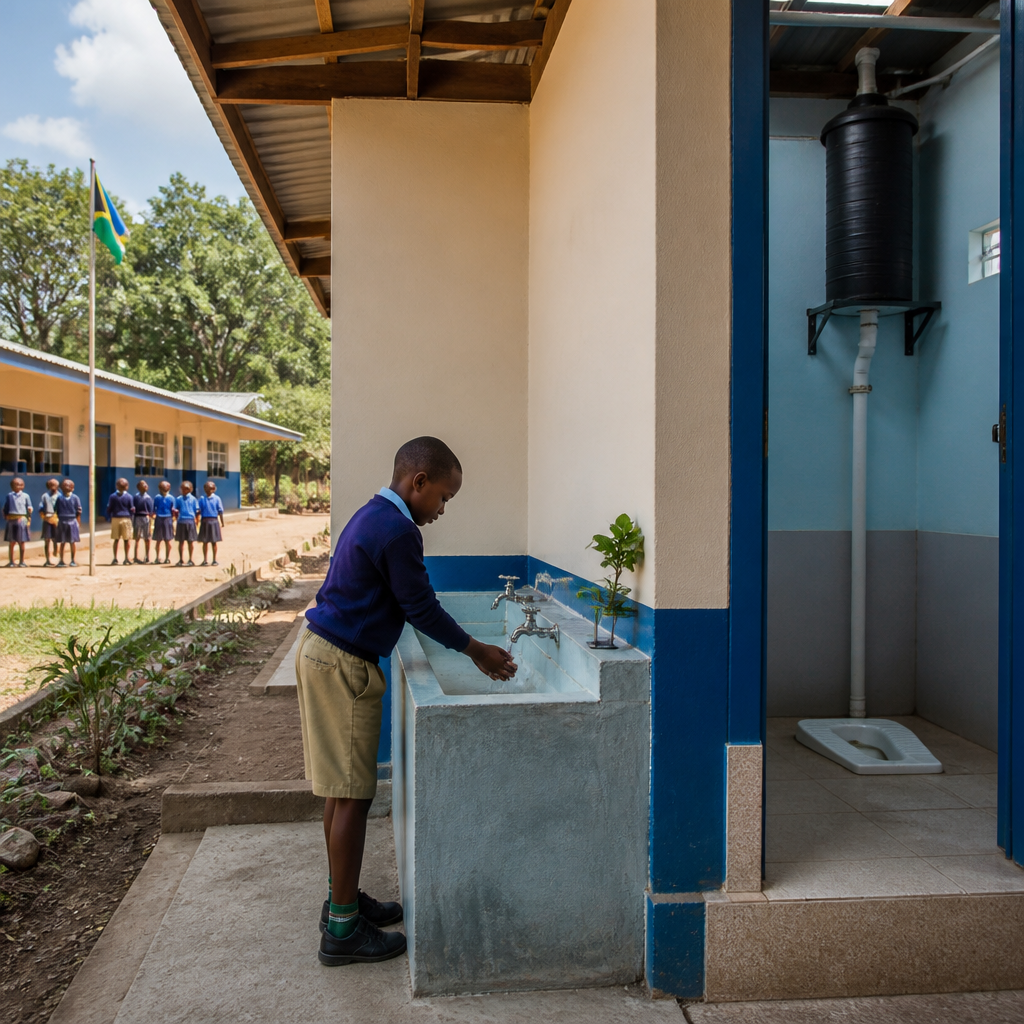
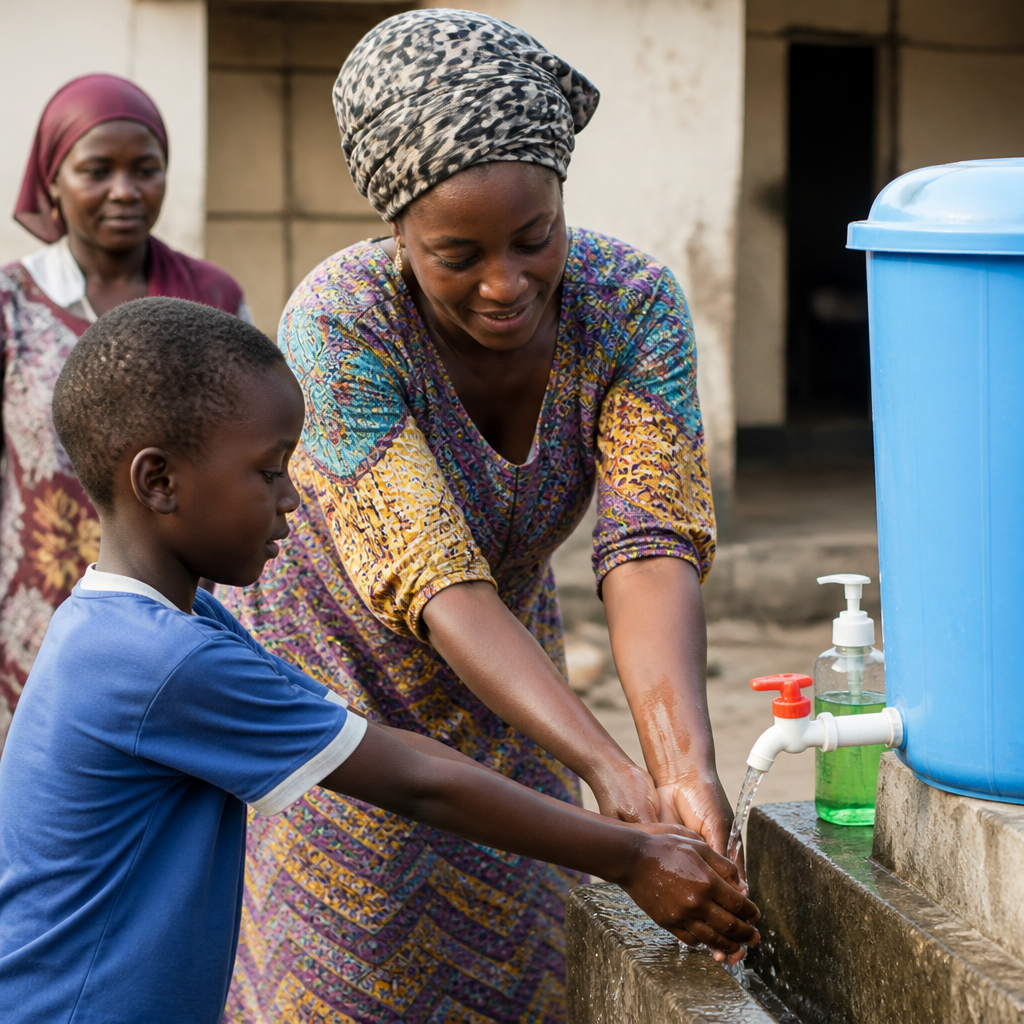
Effective hygiene promotion identifies the highest-risk behaviors and addresses them with direct, repeated messaging and practical support. The priority messages are usually simple: always use the toilet, wash hands with soap or ash after defecation and before food handling, dispose of child feces safely, keep the toilet slab and contact surfaces clean, manage menstrual materials discreetly and safely, and report damage immediately. In my fieldwork reviews, communities responded best when promoters demonstrated exactly how to use the facility provided, rather than giving generic sanitation education. A urine-diverting toilet needs one set of instructions; a communal trench latrine needs another.
Behavior change also depends on timing. The first seventy-two hours of return or resettlement are different from the next three months. At first, communication must be direct and operational: where to defecate safely, where to wash hands, who cleans, what to do when the pit or vault is full, and how children will be supported. Later, the focus can expand to maintenance committees, school hygiene clubs, household cleaning norms, and reuse training where culturally acceptable.
How EcoSan supports safety and wellness
EcoSan is especially relevant in post-conflict areas because it can function without extensive water infrastructure and can be adapted to dense settlements, rocky ground, flood-prone zones, and areas with high water tables. Urine-diverting dry toilets separate urine and feces at source, reducing odor and moisture and making downstream treatment easier. Composting or dehydration systems can lower pathogen survival when correctly managed with drying, time, pH control, or thermophilic composting. This improves user acceptability and reduces environmental contamination compared with unmanaged open defecation or overflowing pits.
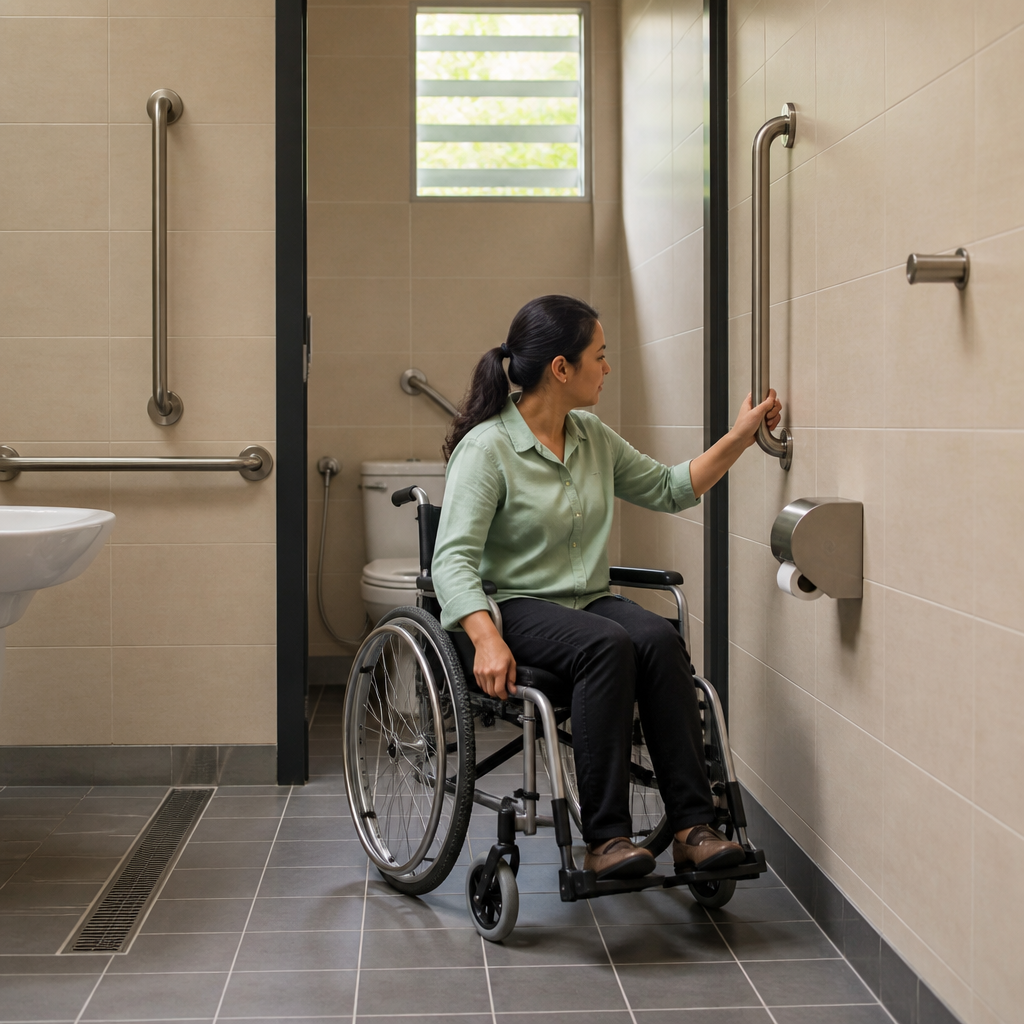
From a wellness perspective, a good EcoSan program improves more than disease prevention. It creates privacy, reduces the stress of searching for isolated defecation sites, lowers exposure to fecal contamination around living areas, and can make sanitation access easier for older adults or people with disabilities when designed with handrails, wider doors, and stable flooring. Safe facilities also support menstrual health by providing a place to wash, change, and dispose of or clean materials. These benefits are central in post-conflict recovery because dignity and predictability are part of psychological stabilization.
EcoSan also helps protect water sources. In damaged towns where piped supply is intermittent and people depend on shallow wells, excreta infiltration from broken pits or open defecation can contaminate local groundwater. Dry or low-water systems reduce leaching risks when sited correctly. They can also cut demand on scarce trucking or desludging services. However, the protection only holds if vaults are sealed from stormwater, urine containers are managed, and fecal material is stored or treated according to recognized health safeguards.
Core safety and wellness practices for EcoSan systems
Safety in EcoSan depends on routine operations that users and managers can actually sustain. The most important practices are source separation where applicable, consistent use of dry cover material, regular cleaning of user contact surfaces, handwashing with soap or ash and water, vector control, safe emptying procedures, and clear restrictions on handling partially treated waste. Programs that skip one of these links often see smell, flies, misuse, or abandonment within weeks.
For household systems, every user needs a practical orientation. People must know where urine goes, where feces go, how much ash, lime, or dry soil to add after each use, what cleaning agents are safe for pans and slabs, and what items should never enter the vault. Menstrual pads, cloth, plastics, and stones can block urine channels or complicate composting. Child-friendly guidance is equally important. Caregivers need potties or scoops, and they must be told explicitly that child feces carry pathogens and must go into the toilet or designated treatment system.
| Safety area | Recommended EcoSan practice | Why it matters in post-conflict settings |
|---|---|---|
| Hand hygiene | Place a handwashing station with soap beside every toilet block | Reduces fecal-oral transmission when clinics and antibiotics are limited |
| Toilet use | Give live demonstrations for urine diversion, cover material use, and child support | Prevents misuse that causes odor, flies, and rapid facility rejection |
| Cleaning | Use written and visual cleaning schedules for slabs, handles, and door latches | Creates accountability in communal shelters and schools |
| Waste treatment | Respect storage times and treatment steps before reuse or removal | Limits exposure to viable pathogens during recovery and agriculture |
| Protection | Install lighting, locks, gender separation, and accessible pathways | Improves use by women, children, older adults, and disabled users |
For communal systems, management rules should be posted with symbols as well as text because literacy levels vary after displacement. Cleaning kits, spare containers, ash storage, and contact numbers for repairs need to be visible and secure. I have found that assigning named caretakers works better than general volunteer appeals. Where committees rotate, handover checklists prevent a rapid decline in hygiene standards. Monitoring should include smell, visible feces on surfaces, handwashing availability, user feedback, and signs of unsafe emptying.
Design choices that protect users
Safe EcoSan design begins with location and access. Toilets must be close enough for regular use but far enough from cooking and sleeping areas to manage odor and privacy. Paths should be level, drained, and lit. Doors should lock from the inside, and communal blocks should include separate units for women and men where culturally appropriate. In schools or camps, ratios matter; insufficient units lead to queues, open defecation, and poor cleaning. Sphere guidance remains a useful benchmark for planning adequate access and inclusive design.
Inside the structure, user safety depends on details often missed in rapid construction. Stable slabs, non-slip floors, screened vent pipes, washable surfaces, handrails, and child-safe drop holes reduce accidents and increase use. For urine-diverting systems, the interface must clearly show positioning to avoid cross-contamination. Where anal cleansing with water is standard, the design must accommodate that practice; otherwise feces become too wet, dehydration fails, and users abandon the facility. This is one reason imported toilet models often perform poorly when not adapted to local habits.
Accessibility is part of wellness, not an optional add-on. People with mobility limitations, injuries, trauma-related weakness, or temporary disability after conflict need ramps, seating options, support rails, and enough turning space. Menstrual hygiene needs covered bins, water access, hooks, shelves, and privacy. If these features are missing, intended users may revert to unsafe alternatives. The safest sanitation facility is the one people can and will use consistently.
Community engagement, trust, and behavior change
Hygiene promotion in post-conflict areas succeeds when communities help shape the sanitation system from the start. Returnees, host communities, camp residents, teachers, health volunteers, and religious leaders all influence whether EcoSan is accepted. Early discussions should map local defecation practices, cleansing methods, taboos around handling excreta, concerns about reuse, and safety issues linked to gender or insecurity. This information guides messaging, design, and management. It also prevents costly mistakes such as placing communal facilities in locations people fear after dark.
Behavior change works best when messages are concrete and linked to visible benefits. Rather than saying EcoSan is sustainable, explain that dry cover material reduces smell and flies today, that handwashing protects children from diarrhea this week, and that keeping urine separate makes the toilet easier to maintain. Demonstrations, household visits, school sessions, and peer educators are more effective than posters alone. In several programs I have reviewed, mothers’ groups and schoolchildren became the most reliable advocates because they noticed quickly when handwashing water or cleaning supplies were missing.
Trust grows when agencies are honest about tradeoffs. EcoSan can save water and protect groundwater, but it requires user discipline and scheduled maintenance. Reuse of treated products can support agriculture, but only after meeting health safeguards and only where culturally acceptable. Communities should hear these facts clearly. Overpromising creates backlash; practical transparency builds adoption.
Safe reuse, monitoring, and long-term recovery
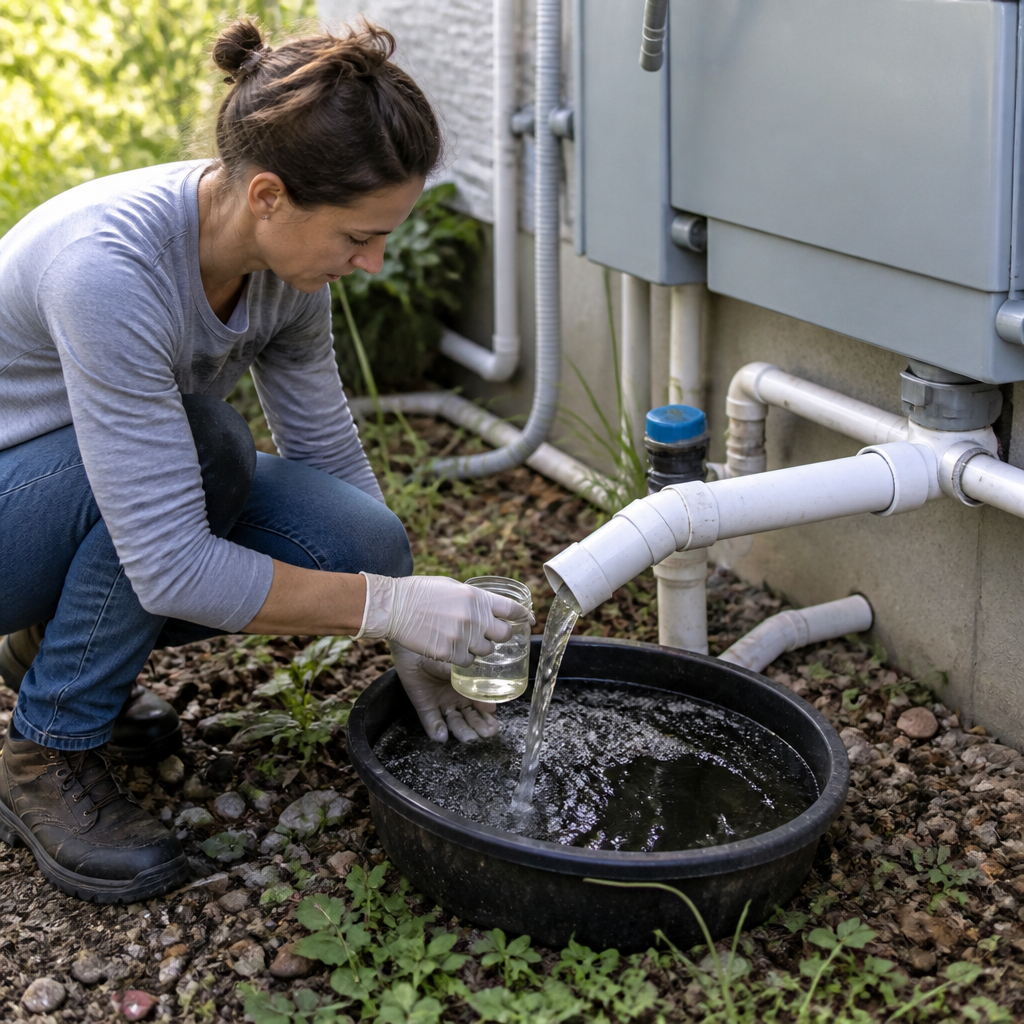
One of EcoSan’s distinguishing features is the potential recovery of nutrients or soil conditioner from human waste, but in post-conflict settings this must be handled conservatively. The World Health Organization guidelines on sanitation and safe wastewater or excreta use emphasize multiple barriers: treatment, storage time, restricted crop choice, protective equipment, and hygiene during handling. In plain terms, material is not safe simply because it looks dry. Programs need documented resting periods, moisture control, and trained handlers before any reuse is considered.
Where agriculture resumes quickly, urine may be reused more easily than fecal compost because storage and application controls are simpler, though they still require training and crop-specific precautions. Fecal material needs stricter treatment verification. If the program cannot guarantee safe treatment and monitoring, disposal is preferable to risky reuse. That is a hard but necessary rule in health-centered EcoSan planning.
Long-term recovery depends on data and maintenance systems. Teams should track toilet functionality, handwashing coverage, fill rates, user satisfaction, protection concerns, and disease trends reported by clinics or community health workers. Mobile tools such as KoboToolbox, ODK, and mWater make field monitoring easier even in unstable areas. The goal is not just more toilets. It is a sanitation service that remains safe, acceptable, and manageable as emergency conditions shift toward reconstruction. Hygiene promotion in post-conflict areas reaches its full value when EcoSan is treated as a complete safety and wellness system: design, behavior, maintenance, monitoring, and dignity working together.
EcoSan can play a decisive role in hygiene promotion after conflict because it addresses the exact constraints that make conventional sanitation difficult: water scarcity, damaged infrastructure, fragile soils, groundwater risk, and limited municipal services. When designed well, it reduces fecal contamination, supports hand hygiene, improves privacy, protects women and children, and creates a manageable path from emergency sanitation toward longer-term recovery. These are immediate health gains, not abstract environmental benefits.
The main lesson is simple. Safe EcoSan is never just a toilet. It is a package of user-centered design, clear behavior guidance, daily cleaning, inclusive access, community trust, and strict rules for treatment and any reuse. Programs that combine these elements consistently perform better than projects that focus only on construction numbers. In post-conflict areas, that difference matters because failure shows up quickly as disease risk, fear, and abandonment.
For any organization building a health and safety strategy around ecological sanitation, start by mapping user risks, not just site layouts. Train promoters and caretakers together, adapt designs to local practices, monitor relentlessly, and treat dignity as a measurable outcome. If you are developing your wider Health and Safety content hub, use this page as the foundation for deeper guidance on toilet design, menstrual health, child feces management, cleaning protocols, and safe resource recovery in EcoSan systems.
Frequently Asked Questions
Why is hygiene promotion so critical in post-conflict areas?
Hygiene promotion is essential in post-conflict settings because the risk of disease rises sharply when sanitation systems collapse, water supplies become unsafe, and large numbers of people are displaced or returning home at the same time. In these environments, even common illnesses such as diarrhea, skin infections, intestinal parasites, and respiratory infections can spread quickly and become life-threatening, especially for children, older adults, pregnant women, and people with weakened health. Hygiene promotion helps communities understand how to reduce those risks immediately through practical actions such as handwashing with soap, safe water storage, proper use of toilets, menstrual hygiene management, and hygienic handling of children’s feces.
Just as importantly, hygiene promotion restores a sense of dignity and control. After conflict, many families are living in uncertainty, often with limited privacy and damaged social structures. Clear, respectful hygiene messaging can help people protect themselves and their households with the resources available, while also rebuilding trust between communities and service providers. It is not merely an educational add-on to infrastructure work. It is a frontline public health intervention that helps prevent outbreaks, reduces pressure on overwhelmed health systems, and supports safer, more resilient recovery from the earliest stages of humanitarian response.
What is EcoSan, and why is it especially relevant in post-conflict recovery?
EcoSan, or ecological sanitation, is an approach to sanitation that treats human waste not simply as something to dispose of, but as a resource that can be managed safely, transformed, and reused under controlled conditions. EcoSan systems are designed to separate waste streams, reduce contamination of water sources, conserve water, and support safer nutrient recovery where appropriate. This makes EcoSan particularly relevant in post-conflict areas, where sewer networks may be destroyed, water is often scarce or unreliable, and conventional sanitation systems may be too expensive, too slow, or too fragile to restore quickly.
In practice, EcoSan can include urine-diverting dry toilets, composting toilets, and other decentralized sanitation solutions that work without depending heavily on piped water or large centralized treatment systems. These features are valuable in damaged urban neighborhoods, informal settlements, temporary camps, and rural return areas where infrastructure is limited. EcoSan can be deployed in stages, adapted to local conditions, and maintained at community level with proper training and oversight.
Its relevance also extends beyond technical convenience. In post-conflict recovery, resilience matters. EcoSan supports resilience by reducing pressure on weakened water systems, limiting environmental contamination, and offering a sanitation model that can continue functioning even when electricity, pumping, or wastewater treatment capacity remains unstable. When paired with strong hygiene promotion, EcoSan helps communities understand not only how to use sanitation facilities correctly, but why safe waste separation, cleaning, maintenance, and reuse practices matter for long-term public health and environmental recovery.
How does hygiene promotion improve the effectiveness of EcoSan systems?
Hygiene promotion is one of the main factors that determines whether an EcoSan system succeeds or fails. Unlike some conventional sanitation options that users may already understand, EcoSan often requires specific behaviors such as separating urine and feces, adding drying material like ash or خاک or sawdust where appropriate, keeping the toilet dry, cleaning surfaces correctly, and following safe procedures for storage, removal, or treatment of waste. If these behaviors are not clearly explained and consistently reinforced, the system may be misused, become unhygienic, or lose community acceptance.
Effective hygiene promotion turns EcoSan from a physical installation into a functional public health solution. It helps users understand the logic of the system in simple, practical terms: how it reduces smell, how it prevents flies, how it protects nearby water sources, and how correct use makes future handling safer. It also addresses common concerns that often emerge in post-conflict settings, including fear of disease, lack of familiarity, privacy concerns, and uncertainty about maintenance responsibilities. Through demonstrations, community meetings, household visits, visual instructions, and engagement with trusted local leaders, hygiene promoters can build confidence and improve daily use.
Equally important, hygiene promotion creates a feedback loop. Communities can report what is working, what is confusing, and what needs adaptation for children, older people, people with disabilities, or households under stress. That information allows implementers to improve design, messaging, and maintenance systems. In other words, hygiene promotion is not simply about telling people what to do. It is about making EcoSan usable, acceptable, safe, and sustainable in the real conditions people face after conflict.
What are the main challenges of introducing EcoSan in post-conflict communities?
Introducing EcoSan in post-conflict areas can be highly effective, but it also comes with important challenges that must be addressed carefully. One of the biggest challenges is user acceptance. People emerging from conflict are often dealing with trauma, loss, displacement, and survival pressures. In that context, any unfamiliar sanitation system may be met with hesitation, especially if it changes long-established habits around waste disposal, toilet use, or cleaning. If communities feel that a system is being imposed without consultation, adoption rates may remain low even if the technology is sound.
Operational conditions can also be difficult. Supply chains may be disrupted, skilled labor may be limited, and there may be weak local capacity for maintenance, spare parts, or long-term oversight. Insecurity, land disputes, damaged roads, and uncertain settlement patterns can further complicate installation and management. EcoSan systems also require consistent attention to cleaning, safe storage, and handling procedures. Without training, supervision, and clear role allocation, facilities can deteriorate quickly, undermining trust in the approach.
Cultural and social factors are equally important. Beliefs about human waste, reuse practices, gender roles, privacy, and household responsibilities can all shape how EcoSan is perceived. Women and girls, for example, may have specific concerns related to safety, menstrual hygiene, and nighttime access. Children may struggle to use facilities correctly unless designs and instructions are age-appropriate. In some communities, discussing sanitation openly may itself be difficult, which means communication strategies must be respectful and locally grounded.
These challenges do not mean EcoSan is unsuitable. They mean implementation must be participatory, flexible, and support-intensive. Successful programs usually combine technical design with community engagement, hygiene education, local leadership involvement, and long-term follow-up. When those elements are in place, EcoSan can move from being an unfamiliar concept to becoming a practical and trusted recovery solution.
What does a successful hygiene promotion and EcoSan program look like in a post-conflict setting?
A successful program begins with listening. Before building facilities or launching campaigns, implementers assess local water access, sanitation damage, disease risks, settlement patterns, cultural norms, and the needs of different groups within the population. They involve community members early, including women, youth, elders, persons with disabilities, health workers, teachers, and local leaders. This participation helps ensure that EcoSan systems are placed appropriately, designed for real use, and supported by messages that make sense in the local context.
From there, success depends on integrating software and hardware from the start. The hardware includes safe, accessible, durable EcoSan toilets and waste management arrangements. The software includes hygiene promotion, user training, caretaker support, maintenance planning, and communication materials that are easy to understand even where literacy levels vary. Strong programs use multiple channels such as demonstrations, school activities, peer educators, radio messaging, posters, and household outreach to reinforce key practices over time rather than relying on one-off awareness sessions.
Successful programs also pay close attention to inclusion, safety, and trust. Toilets must provide privacy, be safe for women and children, and remain usable for people with limited mobility. Communities need clarity about who cleans facilities, who empties or manages stored waste, what protective measures are required, and what to do if a unit is damaged or misused. Monitoring is essential, not only to count toilets installed, but to track whether people are actually using them correctly, whether handwashing behavior is improving, and whether environmental contamination is decreasing.
Ultimately, a strong hygiene promotion and EcoSan program produces more than sanitation access. It reduces disease risk, supports dignity, protects scarce water resources, and strengthens local ownership of recovery. In post-conflict settings, that combination matters enormously. It helps transform emergency sanitation from a temporary stopgap into a pathway toward healthier, more stable, and more resilient communities.