EcoSan innovations are reshaping how organizations protect public health, conserve resources, and manage sanitation risks in homes, workplaces, schools, healthcare facilities, and public infrastructure. EcoSan, short for ecological sanitation, is an approach that treats human waste, wastewater, and hygiene systems as part of a larger environmental and health cycle rather than a disposal problem alone. In practice, that means designing toilets, treatment systems, cleaning protocols, water reuse strategies, and material recovery methods that reduce pathogen exposure while lowering water consumption, chemical loading, and pollution. I have worked on sanitation planning projects where the biggest lesson was simple: safety and sustainability cannot be separated. A low-cost system that exposes workers to sludge, leaks into groundwater, or fails during floods is not sustainable. Likewise, a green system that is difficult to clean, poorly ventilated, or confusing for users will not protect health.
This matters because sanitation failures spread disease quickly and quietly. The World Health Organization and UNICEF consistently link inadequate sanitation, unsafe water, and poor hygiene to diarrheal disease, parasitic infection, environmental contamination, and avoidable deaths. At the same time, conventional sanitation can strain water supplies, consume energy, and move nutrients into rivers instead of back into productive use. EcoSan addresses both sides of the equation. It aims to interrupt fecal-oral transmission, reduce occupational exposure, control odors and vectors, recover nutrients such as nitrogen and phosphorus, and build systems resilient to drought, flooding, and rapid urbanization. For decision-makers, facility managers, and community planners, the core question is not whether EcoSan is possible. The real question is which EcoSan innovations deliver measurable health and safety gains without creating new operational risks. This hub article answers that question and maps the essential issues that every serious health and safety strategy in EcoSan must cover.
What Safety and Sustainability Mean in EcoSan
Safety in EcoSan means preventing exposure to pathogens, hazardous gases, sharps, chemicals, and unsafe operating conditions across the entire sanitation chain. That chain includes user access, containment, transport, treatment, reuse, maintenance, and final monitoring. Sustainability means the system can continue performing with acceptable cost, resource demand, user acceptance, regulatory compliance, and environmental impact over time. The most effective EcoSan systems balance both. A urine-diverting dry toilet, for example, can save thousands of liters of water annually and reduce nutrient discharge, but only if the diversion mechanism is reliable, handwashing is available, and stored outputs are managed according to recognized treatment intervals. A constructed wetland can polish wastewater with low energy demand, but only if hydraulic loading, mosquito control, and maintenance access are built into the design.
Across projects, I have seen four recurring success factors. First, source separation improves control. Separating urine, feces, and graywater often makes treatment simpler and safer because each stream has different pathogen loads and nutrient value. Second, barriers matter more than slogans. Tight seals, washable surfaces, vent stacks, splash control, personal protective equipment, and lockout procedures prevent real-world exposure. Third, operations determine outcomes. Even excellent hardware fails when cleaning schedules, spare parts, training, and supervision are missing. Fourth, user behavior is a design input, not an afterthought. If instructions are unclear or maintenance is inconvenient, contamination risk rises. These principles define the rest of the EcoSan health and safety landscape.
Core EcoSan Technologies Improving Health Protection
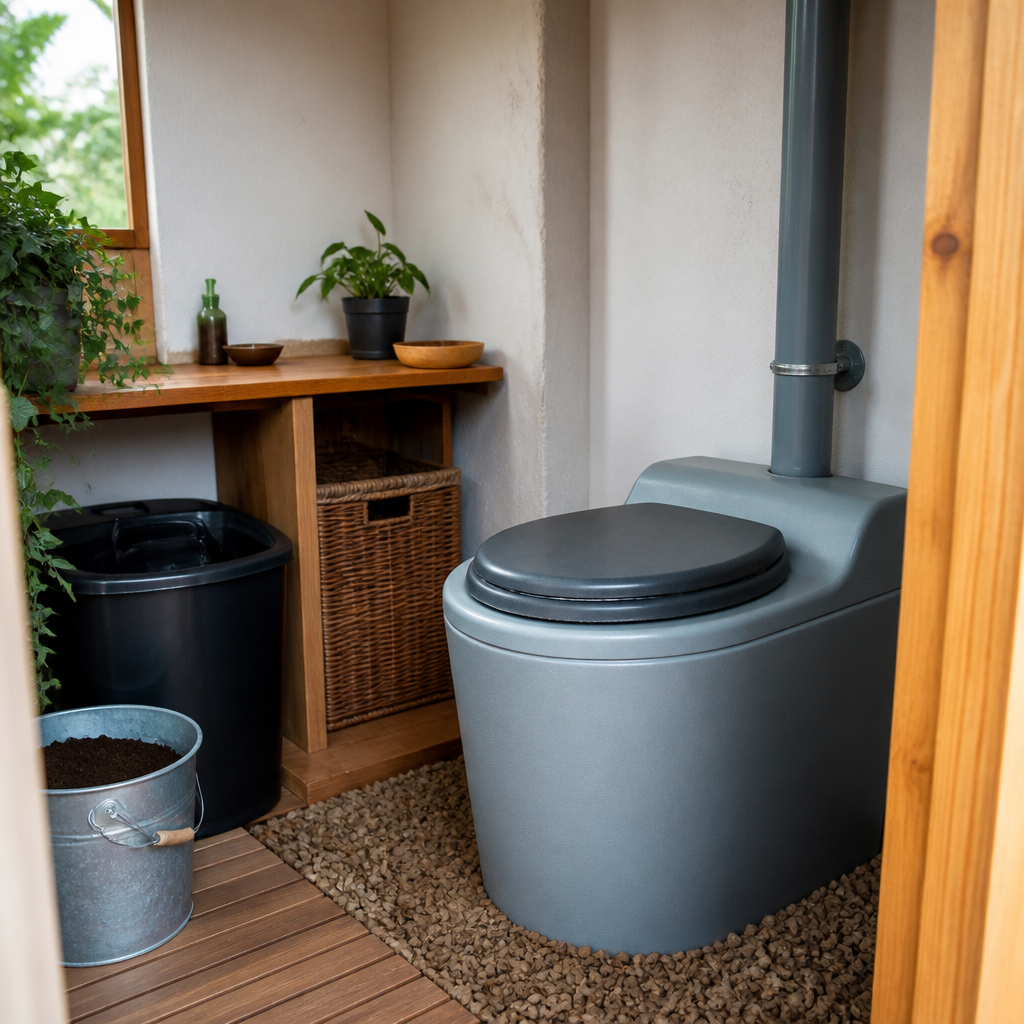
Several EcoSan technologies now have clear roles in reducing exposure and improving environmental performance. Urine-diverting dry toilets are among the best known. By keeping urine separate from feces, they reduce moisture in the fecal chamber, suppress odor, and support downstream nutrient recovery. Composting toilets add controlled decomposition, but they require temperature, moisture, bulking material, and retention time management to reliably reduce pathogens. Container-based sanitation offers another important model, especially in dense urban areas with poor sewer access. Sealed removable containers reduce open handling and can be transported to centralized treatment under controlled conditions. In flood-prone settings, elevated or modular units can outperform pit latrines by preventing overflow and groundwater contamination.
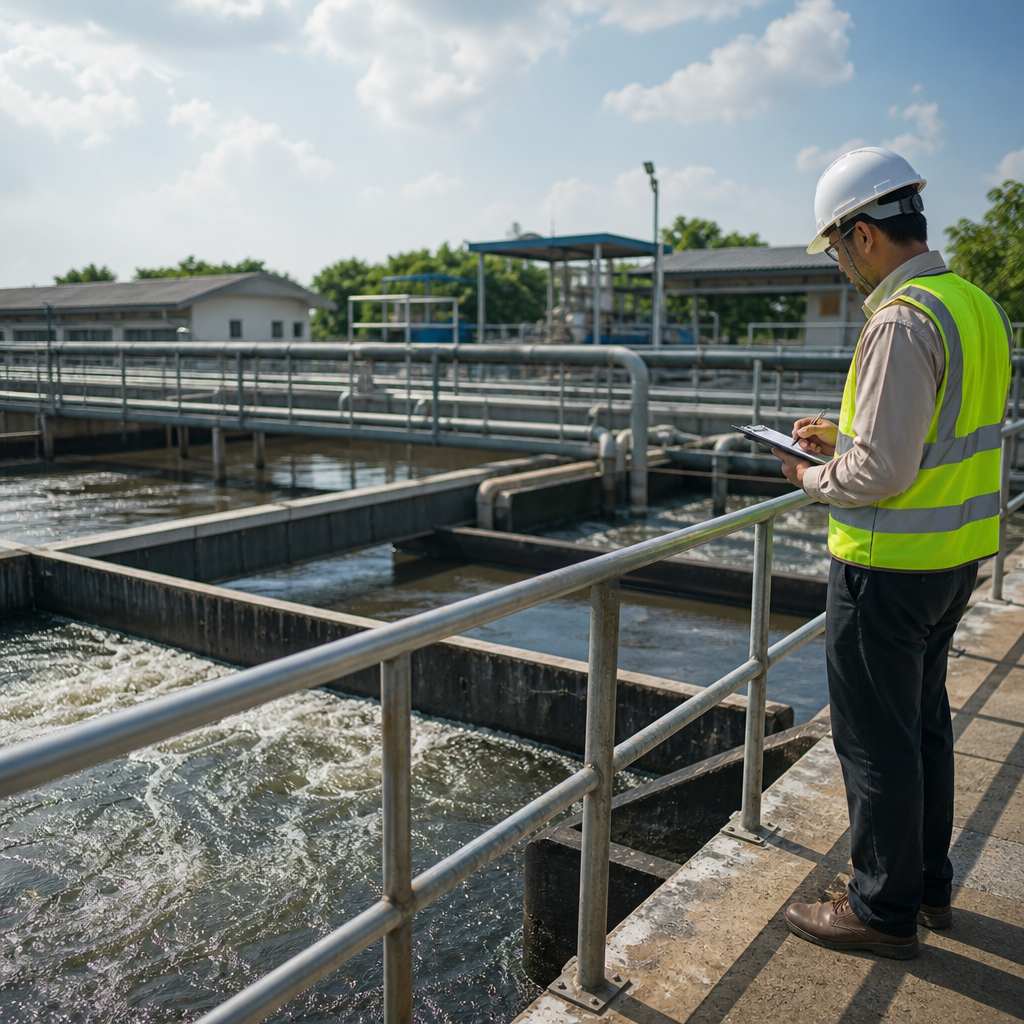
Decentralized wastewater treatment is another major area of innovation. Anaerobic baffled reactors, sequencing batch systems, membrane bioreactors, and planted gravel filters each serve different risk profiles. Membrane systems can deliver very high effluent quality for reuse, but they require stronger technical capacity and consistent maintenance. Simpler nature-based systems use less energy and can be highly effective for schools, campuses, and peri-urban developments, though they need enough land area and good pretreatment. Handwashing integration is non-negotiable. I always treat hand hygiene stations, soap access, touch-minimized fixtures, and drainage as part of the sanitation system itself, not accessories. The same applies to ventilation. Proper airflow lowers humidity, odor accumulation, and user reluctance while reducing risks associated with ammonia or hydrogen sulfide buildup in enclosed service spaces.
| EcoSan option | Primary health benefit | Main sustainability benefit | Key operational risk |
|---|---|---|---|
| Urine-diverting dry toilet | Reduces cross-contamination and odor | Saves water and enables nutrient recovery | User misuse of diversion interface |
| Container-based sanitation | Limits direct contact with waste | Works without sewer infrastructure | Collection delays and handling discipline |
| Composting toilet | Stabilizes waste when managed correctly | Produces usable soil amendment in some systems | Insufficient temperature or retention time |
| Constructed wetland | Improves effluent quality after pretreatment | Low energy treatment | Hydraulic overload and poor upkeep |
| Membrane bioreactor | High pathogen reduction for reuse | Supports water recycling in buildings | Higher cost and technical complexity |
Pathogen Control, Exposure Routes, and Risk Reduction
The central health goal in EcoSan is breaking the chain of infection. Most sanitation-related disease transmission follows predictable routes: contaminated hands, water, surfaces, food, soil, insects, aerosols, or unsafe reuse. Effective EcoSan systems use multiple barriers because no single step is perfect. Containment prevents leakage. Separation reduces mixing. Treatment lowers viable pathogen levels. Safe storage adds time-based inactivation. Restricted access and labeling prevent accidental contact. Cleaning protocols remove residual contamination from touchpoints such as door handles, slabs, and transfer tools. In many facilities, the biggest overlooked hazard is not the toilet itself but the transfer point where waste is emptied, pumped, or loaded.
Risk assessment should be explicit. A practical approach is to map who can be exposed, how exposure could occur, and what control reduces that pathway. Users face slipping hazards, splash exposure, and contaminated surfaces. Cleaners face direct contact during washdown and waste transfer. Operators face confined-space hazards, bioaerosols, and chemical exposure during treatment. Nearby communities face runoff, odor, and vector breeding if systems fail. Standards from the World Health Organization on sanitation safety planning and wastewater reuse are useful because they force teams to identify hazards from source to end use. In projects using treated urine or biosolids in agriculture, I insist on application restrictions, crop selection rules, withholding periods, and worker hygiene controls. Resource recovery can be safe, but only when barriers are documented and verified rather than assumed.
Design Features That Make EcoSan Systems Safer
Good EcoSan design makes the safe action the easy action. Surfaces should be smooth, durable, and easy to disinfect without rapid corrosion. Junctions and corners should minimize dirt traps. Floor gradients should move wash water away from foot traffic. Toilet pans and pedestals should limit splashback. Access hatches need secure seals, simple latching, and enough clearance for maintenance without awkward lifting. Vent pipes should be sized and located to support consistent draft, often with insect screens and dark internal surfaces to discourage flies. Lighting matters more than many planners admit. In schools and public toilets, better lighting reduces slips, improves cleaning quality, and encourages use by women, children, and older adults.
Accessibility is also a health and safety issue. If users with limited mobility cannot use the facility comfortably, they may resort to unsafe alternatives. Designs should consider handrails, turning radius, step height, door width, and privacy. Menstrual hygiene support belongs in this discussion as well. Covered bins, water access, shelf space, and washable interiors reduce unsafe disposal and improve dignity. In healthcare and industrial settings, separation between public access areas and service zones is critical. Staff should not cross user paths when removing waste containers or servicing treatment units. Clear signage, color coding, and physical separation reduce errors. The best systems I have audited look simple to users precisely because the complexity is handled in the background through deliberate engineering.
Operations, Maintenance, and Workforce Safety
Most EcoSan failures are operational, not conceptual. The technology may be sound, yet the system still underperforms because cleaning is irregular, moisture balances drift, vents clog, pumps fail, or spare containers do not arrive on time. A serious EcoSan program therefore needs standard operating procedures, preventive maintenance schedules, escalation triggers, and documented responsibilities. Cleaning staff should know which products are compatible with the system, how often to inspect seals and screens, what abnormal odors indicate, and when to isolate equipment. Maintenance logs are not bureaucracy; they are an early warning system. Repeated blockages in one cubicle, for example, often reveal a design mismatch, poor user instruction, or broken diversion hardware.
Worker protection deserves special emphasis. Personnel handling fecal sludge, composting chambers, or treatment residues need gloves, boots, eye protection, and handwashing facilities as a baseline. Depending on the task, they may also need respirators, coveralls, vaccination, gas monitoring, and mechanical lifting aids. Confined-space entry around tanks or pits must follow strict procedures because hydrogen sulfide can incapacitate workers within breaths and oxygen-deficient spaces can kill without warning. Training should include donning and doffing protective equipment, decontamination steps, injury reporting, and response to spills. When managers cut corners here, the hidden cost appears later as infections, turnover, lost time, and system distrust. Safe EcoSan is built as much through disciplined operations as through hardware selection.
Water, Energy, Nutrient Recovery, and Environmental Performance
EcoSan earns its name by improving environmental outcomes while protecting health. Water savings are often the most visible benefit. Dry or low-flush systems reduce demand in water-scarce regions and lower pumping and treatment loads. In commercial buildings, reuse systems that capture graywater or treated blackwater for flushing and irrigation can reduce potable water consumption significantly when backed by dual plumbing controls, cross-connection testing, and effluent quality monitoring. Energy performance varies by technology. Gravity-fed and nature-based systems use little power, while advanced treatment for high-quality reuse may require pumps, blowers, or membrane cleaning. The right choice depends on local reliability, operator skill, and health objectives rather than ideology.
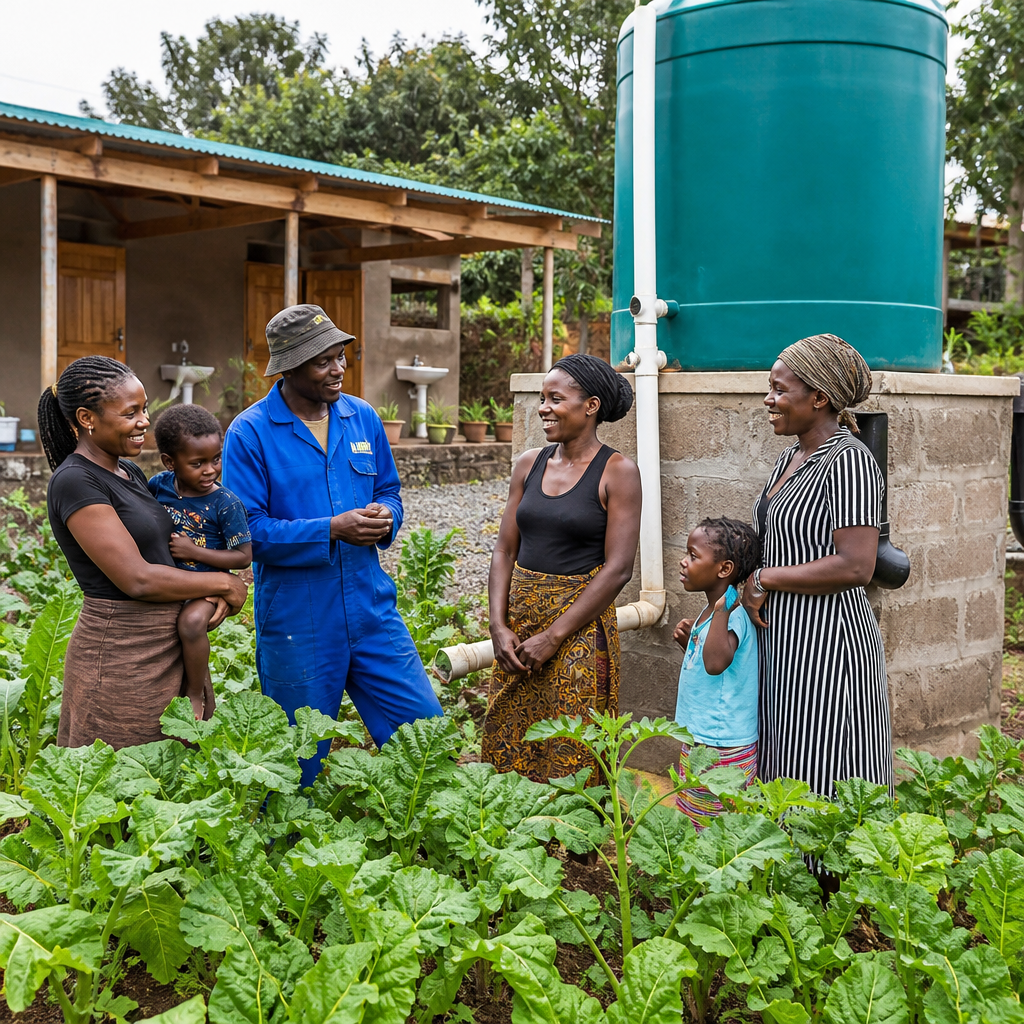
Nutrient recovery is one of EcoSan’s strongest long-term advantages. Human urine contains much of the nitrogen and potassium excreted by households, while fecal matter contains organic matter and phosphorus. Recovering these resources can support agriculture and reduce synthetic fertilizer demand, particularly where fertilizer costs are volatile. However, safety controls are essential. Storage duration, pH treatment, dehydration, thermophilic composting, alkaline stabilization, or other validated processes are used to reduce pathogens before reuse. Heavy metals and pharmaceutical residues may also need consideration depending on the source and local regulation. In other words, environmental performance is not a free pass. The best EcoSan systems quantify water savings, effluent quality, nutrient outputs, and worker exposures together so sustainability claims are matched by health evidence.
Governance, Community Adoption, and Building a Strong Hub Strategy
EcoSan succeeds when technical design, public health governance, and community behavior move in the same direction. Regulations should define containment standards, desludging rules, effluent or reuse criteria, occupational safeguards, and inspection requirements. Schools, housing providers, municipalities, and employers should assign ownership clearly so no part of the sanitation chain falls between departments. Financing also matters. Systems with low water use but weak maintenance budgets often fail faster than conventional systems with consistent service contracts. I recommend lifecycle costing from the start, including consumables, labor, transport, replacement parts, testing, and training refreshers. Procurement should prioritize availability of local service support, not only purchase price.
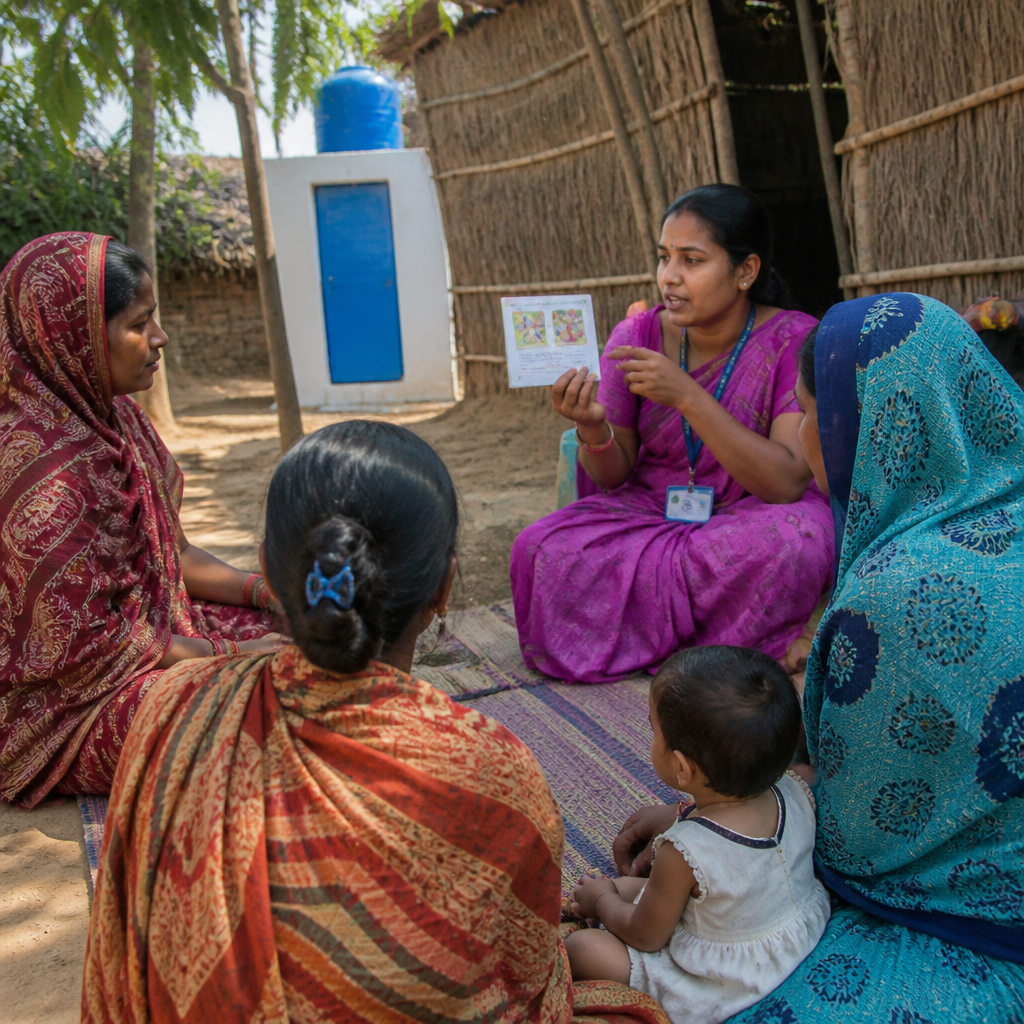
Community adoption depends on trust, usability, and visible cleanliness. People will not support nutrient recovery or decentralized treatment if toilets smell, containers overflow, or instructions conflict with habits. Demonstration sites, caretaker training, and user feedback loops improve acceptance. As a hub for safety and sustainability in EcoSan, this topic connects directly to articles on fecal sludge management, wastewater reuse, hand hygiene design, ventilation, school sanitation, healthcare sanitation, pathogen monitoring, and occupational safety. The key takeaway is clear: EcoSan innovations improve health and safety when systems are designed for real use, maintained with discipline, and evaluated across the full sanitation chain. If you are planning a project, start with a hazard map, choose technology that matches local capacity, and build operating controls before installation. That is how EcoSan delivers safer sanitation and lasting sustainability.
Frequently Asked Questions
1. What is EcoSan, and how does it improve health and safety compared with traditional sanitation approaches?
EcoSan, or ecological sanitation, is a systems-based approach to sanitation that looks beyond simple waste disposal and focuses on how toilets, wastewater, hygiene practices, treatment technologies, and environmental protection all work together. Instead of treating human waste as something to move out of sight as quickly as possible, EcoSan aims to manage it in ways that reduce disease transmission, protect water sources, recover valuable resources, and support safer living and working conditions. This broader perspective is especially important in settings where sanitation failures can quickly affect public health, such as schools, healthcare facilities, residential communities, and busy workplaces.
From a health and safety standpoint, EcoSan improves outcomes by reducing exposure to pathogens, limiting contamination of soil and groundwater, and supporting cleaner, more reliable hygiene environments. Innovations in this space can include low-water or waterless toilet systems, decentralized wastewater treatment, touch-reducing fixtures, improved ventilation, safer sludge handling, and cleaning protocols that are both effective and environmentally responsible. These measures help prevent the spread of gastrointestinal illness, reduce odor and pest problems, and create sanitary conditions that are easier to maintain over time.
Another major advantage is resilience. Traditional sanitation systems often depend heavily on large infrastructure, abundant water, and centralized treatment capacity. EcoSan solutions can be designed to function in resource-constrained environments, during service disruptions, or in rapidly growing communities. That flexibility makes them valuable for enhancing safety in both everyday operations and emergency situations. In short, EcoSan improves health and safety by combining sanitation, hygiene, environmental stewardship, and risk management into a more preventive and sustainable model.
2. How do EcoSan innovations help conserve water and other resources without compromising hygiene?
One of the most important contributions of EcoSan innovation is proving that resource conservation and high hygiene standards can reinforce each other rather than conflict. Conventional sanitation systems often rely on large volumes of potable water to transport waste, even in regions where clean water is scarce or expensive. EcoSan alternatives reduce that burden through technologies such as low-flush toilets, dual-flush systems, urine-diverting toilets, composting toilets, greywater reuse systems, and onsite treatment methods that allow water to be recovered for non-potable uses like irrigation, cleaning, or flushing.
These strategies support public health by preserving clean water supplies for drinking, handwashing, food preparation, and medical use. In facilities such as schools, hospitals, office buildings, and transit hubs, conserving water can also strengthen operational reliability by reducing the risk of shortages that disrupt sanitation services. Importantly, effective EcoSan systems are designed around hygiene performance, not just efficiency. That means they must control odors, minimize user contact with waste, support regular cleaning, and maintain dependable pathogen reduction through proper containment, treatment, and monitoring.
Resource conservation extends beyond water. Many EcoSan systems are designed to recover nutrients or organic matter from waste streams in carefully managed ways, turning sanitation byproducts into agricultural inputs or soil amendments when regulations and treatment standards allow. This circular approach reduces strain on natural resources while also lowering disposal costs and environmental impact. When implemented correctly, EcoSan does not ask people to accept lower cleanliness standards. Instead, it redesigns sanitation so that health protection, resource efficiency, and environmental responsibility are built into the same system.
3. Where can EcoSan solutions be used most effectively, and what benefits do they offer in different environments?
EcoSan solutions are highly adaptable and can be effective across a wide range of environments, including homes, apartment buildings, schools, commercial workplaces, healthcare settings, industrial sites, public parks, transportation facilities, and underserved or remote communities. The specific design depends on local conditions such as water availability, population density, maintenance capacity, climate, infrastructure access, and regulatory requirements. That adaptability is one of EcoSan’s greatest strengths, because sanitation risks vary significantly from one setting to another.
In homes and residential developments, EcoSan can improve safety by reducing sewage backups, improving wastewater handling, lowering water use, and providing more reliable sanitation in areas not connected to centralized sewer systems. In schools, these innovations can support student attendance and well-being by ensuring that restrooms are cleaner, easier to maintain, and more accessible for daily hygiene needs. In workplaces, better sanitation contributes to employee health, regulatory compliance, and overall facility performance, particularly in high-traffic or shift-based environments where restroom reliability matters.
In healthcare facilities, the stakes are even higher. Sanitation systems must help prevent healthcare-associated infections, safely manage high-risk waste streams, and support strict cleaning standards. EcoSan innovations can strengthen these goals through improved containment, decentralized treatment options, antimicrobial surface strategies where appropriate, and hand hygiene-friendly design. In public infrastructure, such as transit stations or event venues, EcoSan approaches can improve user safety through touch-minimizing fixtures, durable materials, and systems built for heavy use with reduced environmental impact. Across all of these environments, the key benefit is the same: sanitation becomes more preventive, efficient, and aligned with both human health and long-term sustainability.
4. What are the most important factors organizations should consider when adopting EcoSan systems?
Organizations considering EcoSan adoption should begin with a practical assessment of health risks, user needs, infrastructure limitations, and long-term maintenance capacity. Successful implementation is not just about installing a new toilet or treatment unit. It requires understanding how people will use the system, who will maintain it, how waste streams will be managed, what cleaning standards are required, and how performance will be monitored over time. A well-designed EcoSan system should fit the facility’s actual operating conditions rather than forcing a one-size-fits-all model.
Regulatory compliance is another critical factor. Depending on the location and application, organizations may need to meet standards related to wastewater discharge, water reuse, biosolids handling, worker safety, accessibility, building codes, and infection prevention. Early coordination with engineers, public health experts, environmental specialists, and local authorities can prevent costly redesigns and ensure the solution is both safe and legally compliant. Training is equally important. Staff need clear procedures for operation, inspection, cleaning, emergency response, and user communication so that the system performs as intended.
Cost should be evaluated in terms of lifecycle value rather than purchase price alone. Some EcoSan technologies may require higher upfront planning or installation investment, but they can reduce water consumption, lower utility costs, improve resilience, decrease environmental liabilities, and cut maintenance problems over time. Organizations should also consider user acceptance. Sanitation systems work best when people understand them, trust them, and can use them comfortably. Clear signage, thoughtful design, odor control, cleanliness, and reliable upkeep all shape public perception. In essence, the most effective EcoSan adoption strategies combine technical quality, operational realism, and strong commitment to health and safety outcomes.
5. How do EcoSan innovations support long-term public health and environmental sustainability at the same time?
EcoSan innovations support long-term public health by addressing the root conditions that allow sanitation-related disease and environmental contamination to spread. Poorly managed human waste and wastewater can introduce harmful bacteria, viruses, parasites, and chemical pollutants into drinking water, living spaces, and food production systems. EcoSan reduces these risks by promoting safer containment, treatment, reuse, and disposal methods that interrupt transmission pathways and create more controlled sanitation environments. This preventive approach is especially valuable in growing communities and high-use facilities where sanitation failures can affect large numbers of people quickly.
At the same time, EcoSan supports sustainability by reducing unnecessary water consumption, limiting pollution, recovering usable resources where appropriate, and encouraging infrastructure models that are more localized and resilient. Instead of relying exclusively on linear systems that consume resources and export waste, EcoSan promotes circular thinking. Wastewater can be treated closer to where it is generated. Nutrients can sometimes be recovered under controlled conditions. Water can be reused for suitable non-potable purposes. Materials and cleaning practices can be selected to lower environmental impact without reducing sanitation effectiveness. These choices help organizations meet environmental goals while strengthening operational reliability.
The link between public health and sustainability is central to the value of EcoSan. Cleaner water, safer facilities, and reduced pathogen exposure are immediate health benefits, while resource conservation, pollution prevention, and climate resilience support community well-being over the long term. For decision-makers, this means EcoSan is not simply an environmental upgrade or a niche sanitation alternative. It is a strategic framework for building healthier, safer, and more durable sanitation systems that serve people better today while protecting the ecosystems they depend on tomorrow.