Zoonotic diseases sit at the intersection of human health, animal health, and environmental conditions, and sanitation is one of the most practical points where those three systems can be managed together. A zoonotic disease is an infection that can pass between animals and people, either directly through contact or indirectly through water, soil, food, insects, or contaminated surfaces. In the context of ecological sanitation, or EcoSan, the issue is especially important because systems designed to recover nutrients from human waste also operate close to farms, households, livestock areas, gardens, and local water sources. When sanitation is poorly planned, pathogens can move through those connected spaces. When sanitation is well designed, operated, and monitored, it becomes a frontline defense.
I have worked on sanitation planning where the technical conversation initially centered on toilets, pits, and reuse, yet the real public health risks emerged only after mapping who handled waste, where runoff traveled, and which animals moved through the site. Chickens scratched around composting areas. Goats entered greywater zones. Flies moved between manure piles and kitchens. Children played near drainage channels. Those details matter because zoonotic transmission rarely follows a neat diagram. It follows habits, infrastructure gaps, and the daily contact points between people, animals, and waste. That is why prioritizing health in EcoSan must go beyond toilet access alone and include containment, treatment, animal management, hygiene behavior, and long-term maintenance.
EcoSan refers to sanitation approaches that treat human excreta as a resource that can be safely transformed and reused, often for soil improvement, water conservation, or nutrient recovery. Common examples include urine-diverting dry toilets, composting toilets, and decentralized systems that separate waste streams for treatment. The health promise of EcoSan is real: reduced water demand, lower nutrient pollution, and improved soil fertility. The health challenge is equally real: if fecal material is not adequately contained and treated, bacteria, viruses, protozoa, and helminths can survive long enough to infect humans or animals. In settings with domestic animals, rodents, wildlife, or open food production, sanitation design directly affects zoonotic risk.
Understanding zoonotic diseases in sanitation matters for several reasons. First, more than half of known human infectious diseases are zoonotic, and many emerging diseases originate in animals. Second, unsafe sanitation still contributes to diarrheal disease, parasitic infection, and environmental contamination, especially where waste reuse occurs without adequate pathogen reduction. Third, climate stress, urban expansion, and intensified animal production are increasing overlap between human settlements, livestock systems, and wildlife habitats. A Health and Safety strategy for EcoSan therefore needs a hub-level view: not just what pathogens exist, but how system design, operations, and behavior either block or amplify them. The most effective programs treat sanitation as a barrier system, with multiple layers of protection rather than a single fix.
How sanitation influences zoonotic disease transmission
Sanitation influences zoonotic disease transmission by controlling whether pathogens are contained, inactivated, diluted, moved, or brought back into human contact. The classic fecal-oral pathway remains central: infected feces contaminate fingers, fluids, fields, flies, food, or fomites, and a new host ingests the organism. In EcoSan, this pathway expands because treated outputs may be stored, transported, and applied to land. If storage times are too short, if compost temperatures do not reach pathogen-killing ranges, or if urine and feces are mixed with stormwater and animal waste, the risk profile changes quickly. The design question is not only whether a toilet is present, but whether the whole chain from defecation to final reuse remains protective.
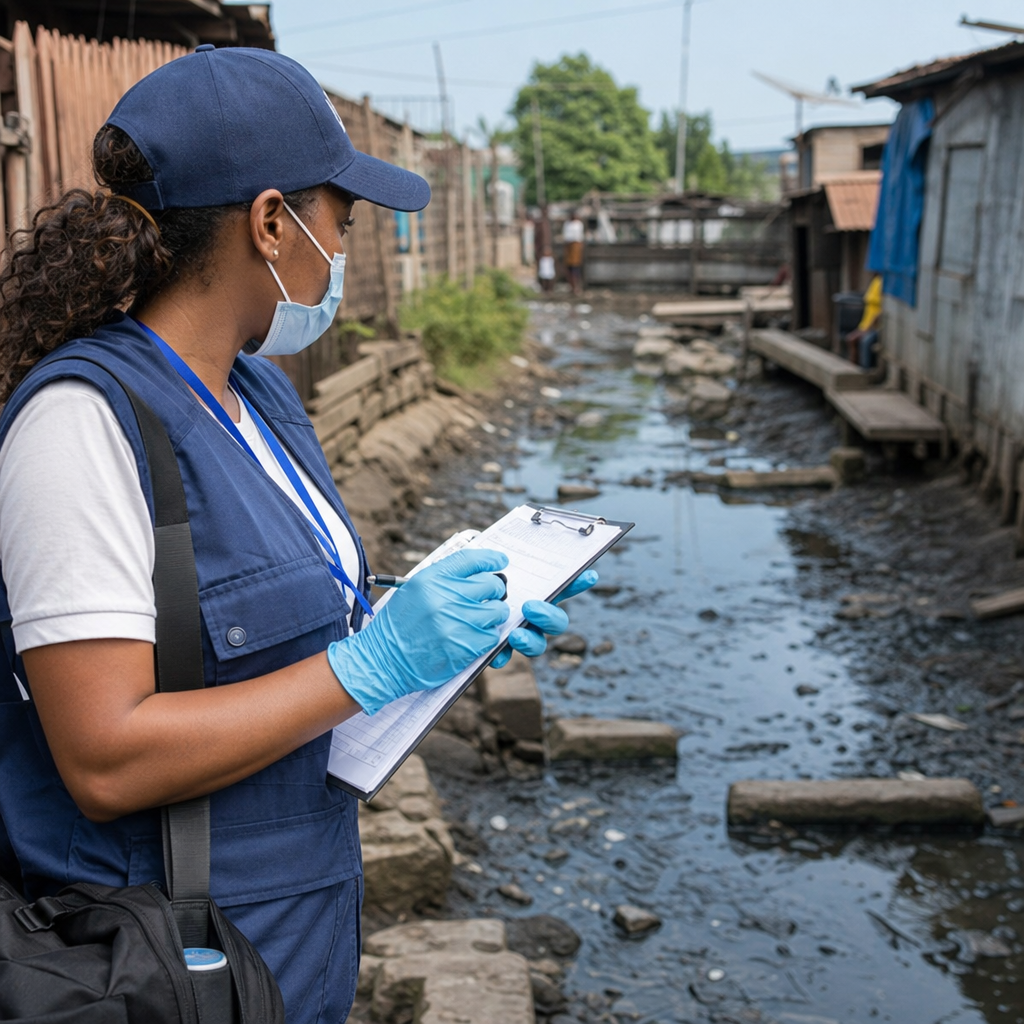
Several zoonotic and sanitation-linked pathogens illustrate the point. Salmonella can spread through animal feces, contaminated food, and unclean environments. Campylobacter is frequently associated with poultry and livestock and can move through water or poor hygiene. Leptospira bacteria spread through the urine of infected animals, particularly rodents, and become a serious hazard where drainage is inadequate and people wade through contaminated water. Cryptosporidium and Giardia can infect both animals and humans and persist in water systems. Soil-transmitted helminths and other intestinal parasites thrive where feces reach soil without sufficient treatment. Not every sanitation failure produces a zoonotic outbreak, but nearly every outbreak investigation uncovers weaknesses in containment, cleaning, drainage, or exposure control.
In practical field terms, the biggest transmission drivers are unmanaged interfaces. A latrine placed uphill from a shallow well can contaminate drinking water. A compost vault without a secure lid can attract flies and rodents. Stored fecal compost that is accessible to pigs or dogs can become part of a wider environmental cycle. Greywater channels that remain wet near household animals create additional opportunities for contamination. I have seen systems that looked technically sound on paper but failed because there was no handwashing station, no clear schedule for vault emptying, or no barrier preventing livestock from entering treatment areas. Sanitation succeeds against zoonotic disease when contact opportunities are deliberately reduced at each step.
Priority hazards in EcoSan systems
Not every EcoSan system faces the same hazards, so health prioritization starts with identifying the specific waste streams, users, animals, climate conditions, and reuse practices involved. Urine-diverting dry toilets reduce moisture and can improve pathogen control, but only if urine and feces are actually kept separate and collection containers are protected. Composting systems can substantially reduce pathogens, yet they require correct carbon balance, aeration, moisture control, and enough time at sufficient temperatures. Decentralized wastewater reuse systems may support agriculture, but they need clear treatment standards and restricted exposure pathways. The hazard is rarely the concept itself. The hazard is mismatch between system design and operational reality.
The table below summarizes common sanitation-related zoonotic concerns relevant to EcoSan planning and operation.
| Hazard | Main source | How transmission occurs | Key sanitation control |
|---|---|---|---|
| Leptospirosis | Rodent and livestock urine | Contact with contaminated standing water or wet soil | Drainage, rodent control, waterproof walkways, safe water access |
| Salmonellosis | Poultry, livestock, contaminated feces | Food contamination, hand-to-mouth transfer, flies | Feces containment, handwashing, fly control, kitchen separation |
| Cryptosporidiosis | Human and animal feces | Contaminated drinking water or irrigation water | Source protection, treatment, safe storage, runoff management |
| Giardiasis | Human and animal feces | Water and surface contamination | Improved drainage, protected water points, hygiene barriers |
| Helminth infection | Untreated feces in soil | Soil contact, contaminated crops, poor handling practices | Adequate storage, compost maturity verification, PPE, crop restrictions |
A strong EcoSan health plan asks direct questions. Are animals housed close to treatment areas? Are users applying stored excreta to crops eaten raw? Is runoff from manure, compost, and latrines mixing during rain events? Are children, older adults, or immunocompromised people exposed? Are maintenance workers using gloves, boots, and handwashing facilities? These questions matter because risk is situational. The same composting toilet can be low risk in one setting and high risk in another, depending on animal access, climate, emptying frequency, and crop-use patterns. Prioritizing health means evaluating the entire operating context rather than relying on generic assumptions.
Design and operational controls that protect health
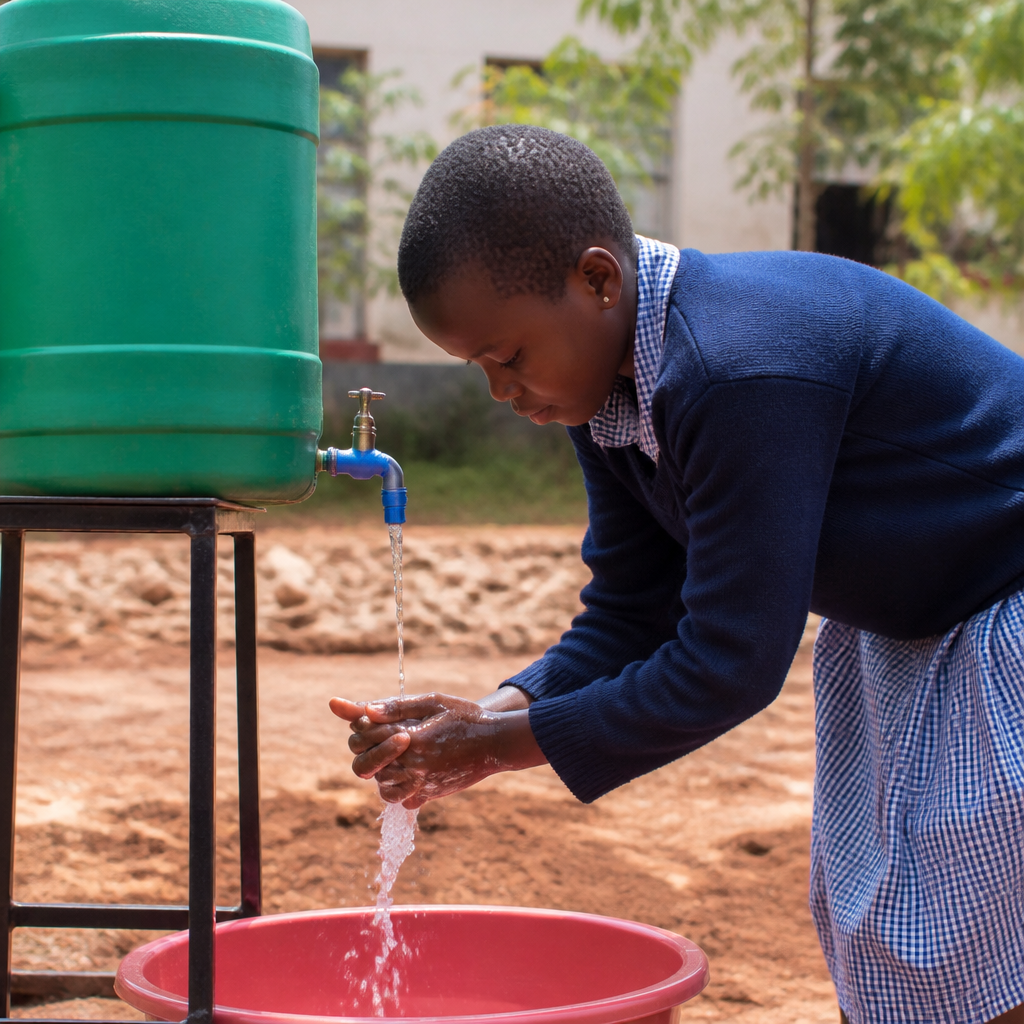
The most reliable way to reduce zoonotic disease risk in sanitation is to apply multiple barriers. In EcoSan, that starts with source separation and secure containment. Toilets should prevent leakage, exclude insects and rodents, and keep waste dry where the treatment process depends on desiccation. Vaults, bins, and transfer containers need tight covers and surfaces that can be cleaned. Drainage around the facility should move stormwater away from waste areas, not through them. Handwashing stations with soap and water must sit near the point of use, because behavior changes when hygiene is physically convenient. If the system requires periodic emptying, the emptying route should minimize spills and pass away from kitchens, schools, and water collection points.
Treatment performance is the next control point. Pathogen die-off depends on time, temperature, pH, moisture, sunlight, and microbial competition. For compost-based systems, operators should track whether the material reaches thermophilic conditions and whether all material is exposed through turning or batch design. For storage-based systems, retention periods must be based on climate and expected pathogen survival rather than guesswork. The World Health Organization’s sanitation safety planning approach is useful here because it evaluates hazards along the whole chain and links them to specific control measures and monitoring points. In practice, that means documenting who is responsible, what acceptable conditions look like, and what corrective action happens if a control fails.
Operational discipline matters as much as engineering. I have seen systems become unsafe because users added wash water into dry vaults, because ash cover material ran out for weeks, or because collection barrels were moved without cleaning tools available. Small failures accumulate. Good programs use simple operating procedures: keep animal enclosures separate from sanitation treatment zones, inspect for cracks and leaks weekly, remove standing water, maintain lids and screens, log emptying dates, and restrict reuse until treatment criteria are met. Personal protective equipment is not optional for handlers. Gloves, boots, dedicated tools, and handwashing after every task sharply reduce exposure. Where reuse is practiced, application methods should avoid aerosol generation and direct crop contamination, especially for produce eaten uncooked.
Safe reuse, community behavior, and long-term monitoring
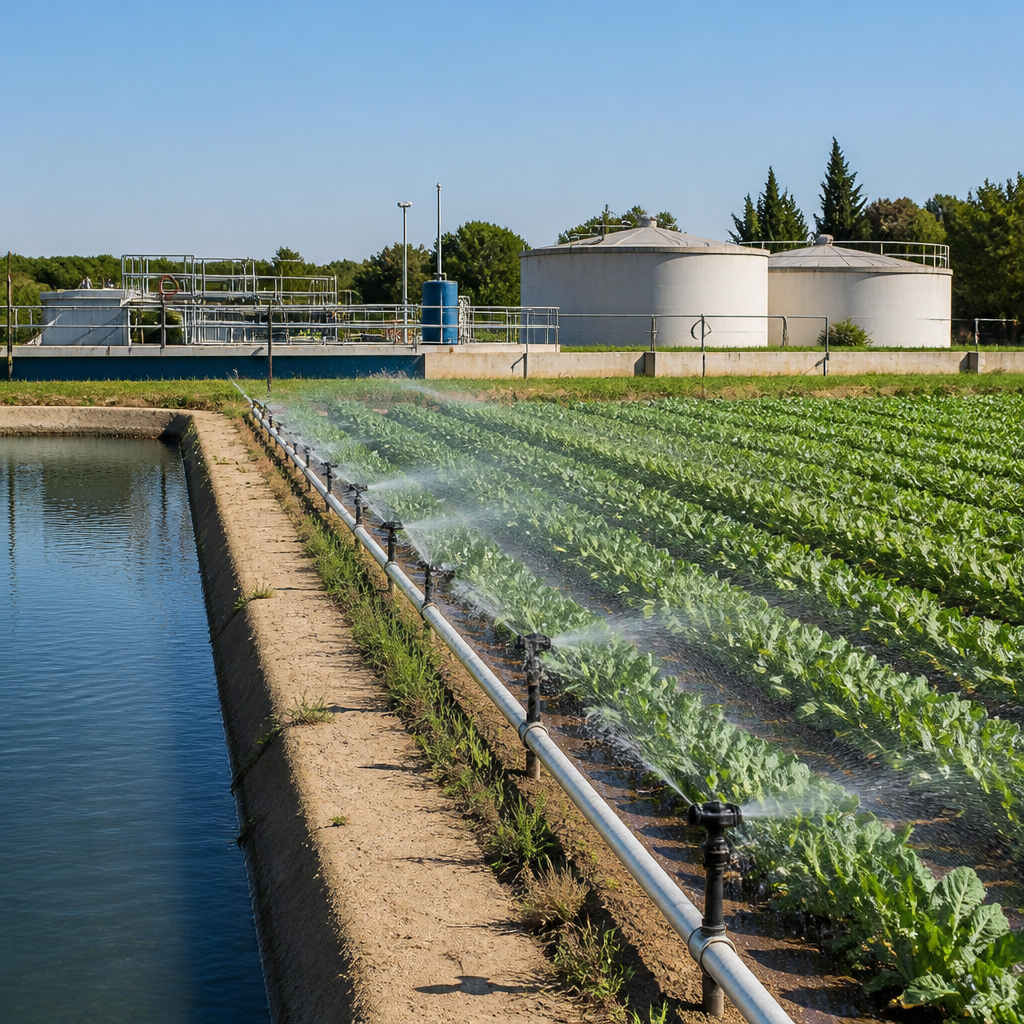
Safe reuse is one of EcoSan’s main advantages, but it only delivers health benefits when reuse rules are explicit and enforceable. Treated outputs should be matched to crop type, application method, and exposure risk. For example, material with uncertain pathogen reduction should not be used on leafy vegetables eaten raw, near children’s play areas, or where animals can immediately graze. Subsurface application and incorporation into soil provide more protection than surface broadcasting. Storage areas for treated products should remain covered and separate from fresh waste, feed, and household items. Farmers and households need practical instructions, not abstract warnings: when to apply, what crops to avoid, how long to wait before harvest, and how to clean tools afterward.
Community behavior determines whether technical controls hold over time. The strongest systems I have worked with invested in routine training for users, caretakers, and local leaders rather than one-time orientation. People need to understand why urine diversion matters, why lids must stay closed, why children should not enter treatment zones, and why gloves cannot replace handwashing. Messaging is more effective when tied to familiar outcomes such as preventing diarrhea, protecting livestock, avoiding bad odors, and keeping wells clean. Schools, women’s groups, farmer associations, and sanitation committees can all reinforce the same standards. Clear ownership is essential. If no one is responsible for inspections, supplies, and repairs, health protections deteriorate quickly.
Monitoring should combine simple observation with periodic technical review. Basic indicators include presence of soap at handwashing stations, integrity of slabs and vaults, absence of standing water, signs of rodent activity, and records of storage and emptying times. More advanced programs may test compost temperature, moisture, or indicator organisms and review water quality near reuse sites. Seasonal checks are especially important before rains, when flooding or runoff can spread contamination. The central lesson is straightforward: prioritizing health in EcoSan means treating sanitation as a living system that includes people, animals, water, soil, and maintenance work. Build strong barriers, keep them working, and review them often. If you manage EcoSan facilities, audit your full sanitation chain now and correct the weak links before disease finds them.
Frequently Asked Questions
What are zoonotic diseases, and why do they matter so much in sanitation?
Zoonotic diseases are infections that can move between animals and humans. This transmission may happen through direct contact with animals, but it also frequently happens indirectly through contaminated water, soil, food, insects, waste, or surfaces. That is why sanitation plays such a central role. Sanitation systems influence where human waste goes, how animal waste is managed, whether pathogens can spread into living areas, and whether water sources remain safe for drinking, washing, and food production.
In practical terms, sanitation is one of the key places where human health, animal health, and environmental health meet. If waste is poorly contained, if runoff carries fecal contamination into fields or streams, or if insects and rodents are allowed to breed around sanitation infrastructure, the risk of zoonotic disease increases. Good sanitation helps break those transmission pathways. It reduces contact with pathogens, limits contamination of shared environments, and supports safer handling of waste-derived materials. In the context of ecological sanitation, this is especially important because these systems are designed to recover resources such as nutrients and water. That can provide major sustainability benefits, but it also requires careful management to make sure disease-causing organisms are effectively controlled before any reuse takes place.
How can sanitation systems contribute to the spread or prevention of zoonotic diseases?
Sanitation systems can either interrupt disease transmission or unintentionally support it, depending on how they are designed, operated, and maintained. A well-managed system safely contains excreta, separates people from pathogens, prevents contamination of water and soil, discourages insect and rodent activity, and ensures that any treated outputs are safe for disposal or reuse. By contrast, a poorly managed system can create multiple exposure routes at once. Overflowing pits, leaking pipes, open drains, and poorly stored sludge can allow pathogens to move into homes, yards, farms, and water bodies.
This matters even more where people live in close proximity to domestic animals, livestock, or wildlife. Animal feces can mix with human waste, increasing the diversity of pathogens in the environment. Flies can move from waste to food. Floodwater can spread contamination across a neighborhood. Children may play in contaminated soil. Food crops may be irrigated with unsafe water. In EcoSan systems, where treated urine or feces may be reused in agriculture, proper treatment time, storage, application methods, and hygiene protocols are essential. The goal is not to avoid reuse entirely, but to manage it responsibly so that beneficial nutrient recovery does not become a pathway for disease transmission.
Why is ecological sanitation especially relevant when discussing zoonotic disease risk?
Ecological sanitation is especially relevant because it treats sanitation not only as waste removal, but as part of a larger ecological cycle. EcoSan approaches often aim to recover nutrients, conserve water, and return treated materials to the land. That creates valuable opportunities for sustainability, soil improvement, and circular resource use. At the same time, it demands a higher level of attention to pathogen control, because materials that originate as waste may later come into contact with crops, soil, workers, and nearby animals.
From a zoonotic disease perspective, EcoSan systems must account for the fact that pathogens do not respect sector boundaries. Human health cannot be separated from animal management or environmental protection. If composting conditions are inadequate, if storage periods are too short, if application practices are unsafe, or if animals can access stored or treated materials, then the intended safety barrier can break down. The strength of EcoSan is that it encourages systems thinking. It pushes communities, designers, and operators to consider the entire chain: source separation, containment, treatment, transport, reuse, user behavior, and environmental exposure. When all of those links are managed well, EcoSan can reduce contamination, support agricultural productivity, and lower the likelihood that zoonotic pathogens circulate between people, animals, and ecosystems.
What are the main ways zoonotic pathogens move through water, soil, food, and the environment?
Zoonotic pathogens move through the environment using several interconnected pathways. Water is one of the most important. Rainfall, flooding, runoff, leaking sanitation infrastructure, and unsafe wastewater disposal can carry pathogens into rivers, wells, storage containers, and irrigation systems. Once contamination reaches water, the exposure risk expands quickly because that same water may be used for drinking, cooking, washing, livestock watering, or crop production. Soil is another major pathway. When human or animal waste is deposited, buried, spread, or washed onto land without sufficient treatment, pathogens may persist for varying lengths of time depending on temperature, moisture, sunlight, and soil type.
Food contamination often follows from contaminated water or soil, but it can also occur during harvesting, transport, handling, or preparation. Fresh produce grown in contaminated fields, animal products processed under unsanitary conditions, and foods exposed to flies or dirty surfaces can all become transmission vehicles. Insects and rodents can spread pathogens mechanically by moving between feces, waste storage areas, kitchens, and animal enclosures. Surfaces, tools, footwear, and hands also matter more than many people realize. Once contamination enters a household or farm environment, it can move repeatedly between people, animals, and objects. That is why sanitation should never be thought of in isolation. Safe water, hygiene, animal housing, drainage, food handling, and waste management all work together to control zoonotic disease risk.
What practical sanitation measures help reduce zoonotic disease risk in households, farms, and communities?
The most effective measures are usually the ones that consistently block exposure at multiple points. First, human waste and animal waste should be safely contained and kept away from water sources, food preparation areas, and children’s play spaces. Toilets, storage pits, composting units, drainage systems, and sludge handling practices should be maintained so they do not leak, overflow, or attract pests. Handwashing with soap after toilet use, after handling animals, and before food preparation remains one of the simplest and strongest defenses against disease transmission.
At the household and farm level, separating living areas from animal housing can make a significant difference. Feed, bedding, and manure should be managed to reduce rodent and fly breeding. Water used for irrigation, washing, or drinking should be protected from contamination, and any reused sanitation products should only be applied after adequate treatment and according to established safety guidance. Personal protective equipment may be appropriate for workers handling sludge, composted excreta, or wastewater. Communities also benefit from regular inspection of sanitation infrastructure, clear operating procedures, public education, and coordination between public health, veterinary, agricultural, and environmental sectors. That broader coordination reflects a One Health approach, which is especially valuable for zoonotic diseases because it recognizes that safer sanitation is not just an engineering issue. It is a shared public health strategy that depends on infrastructure, behavior, ecology, and long-term management all working together.