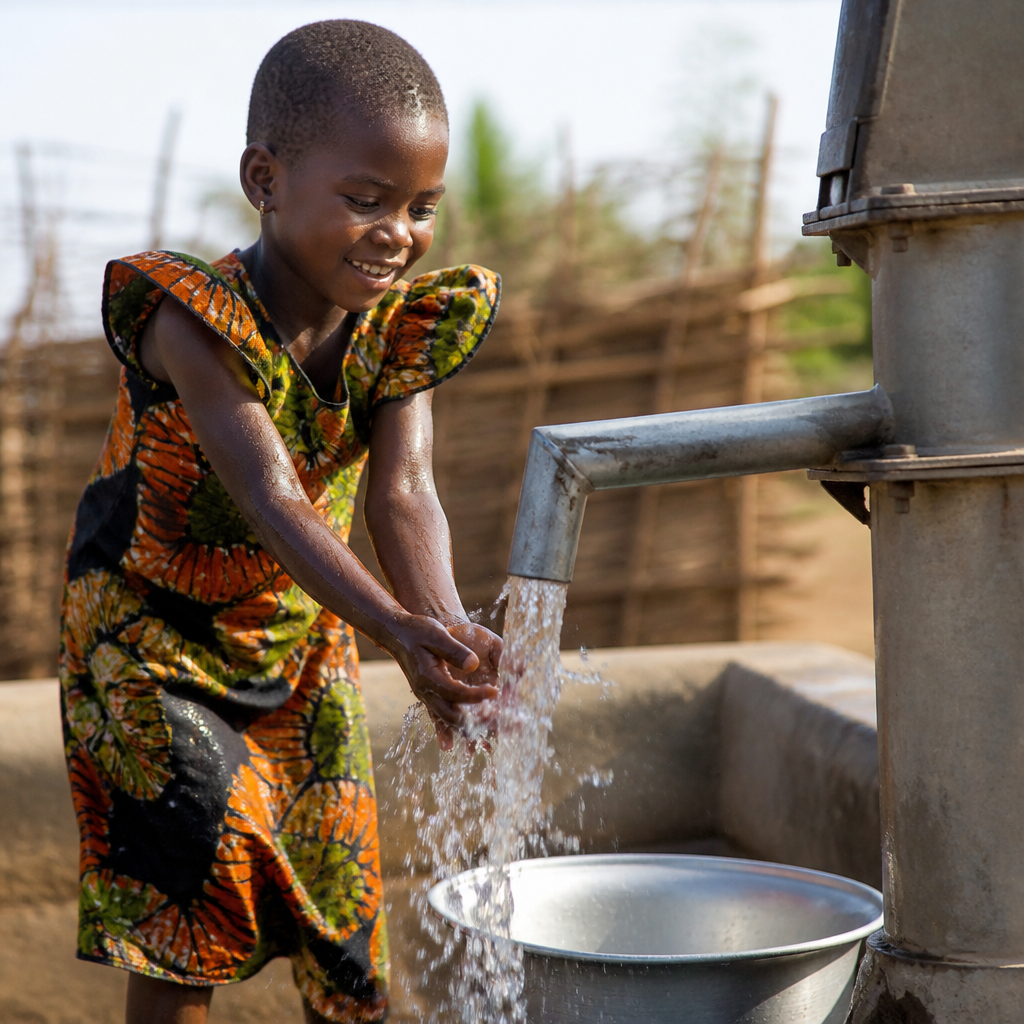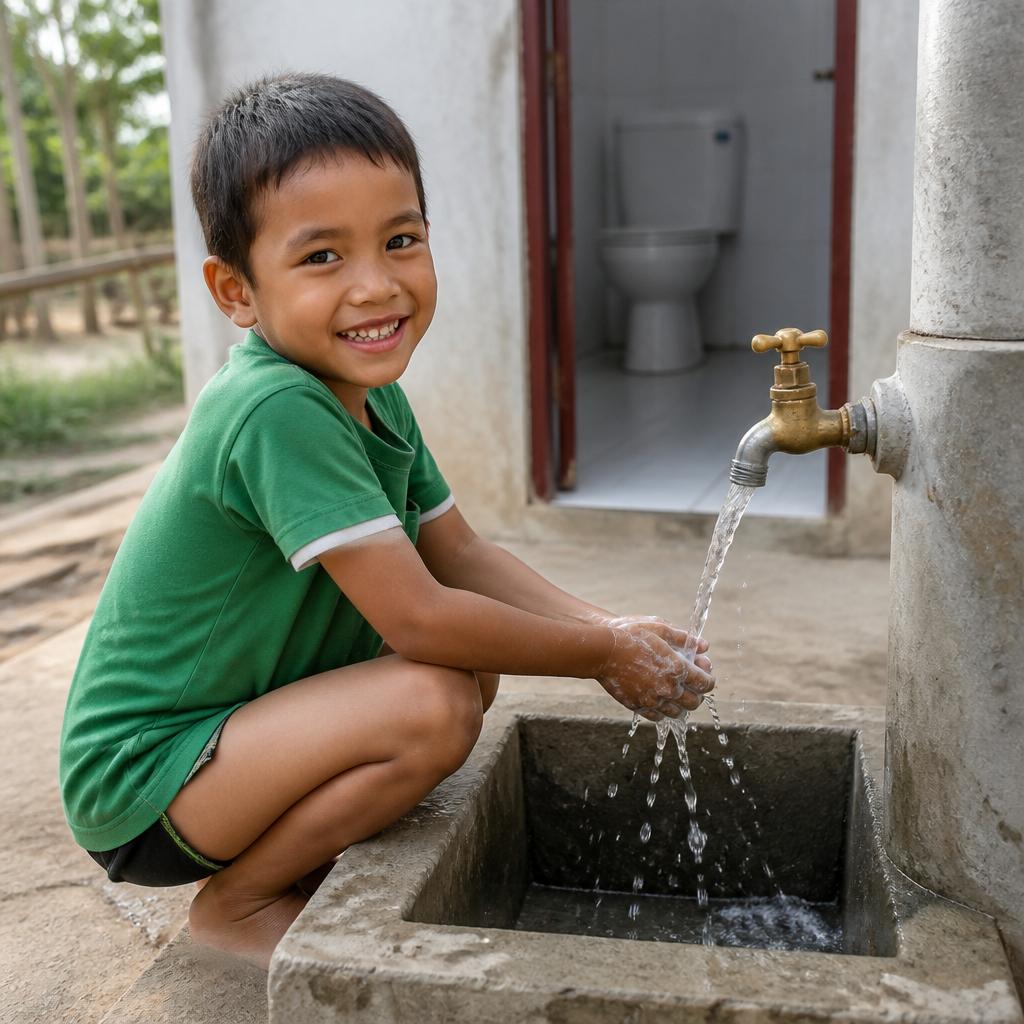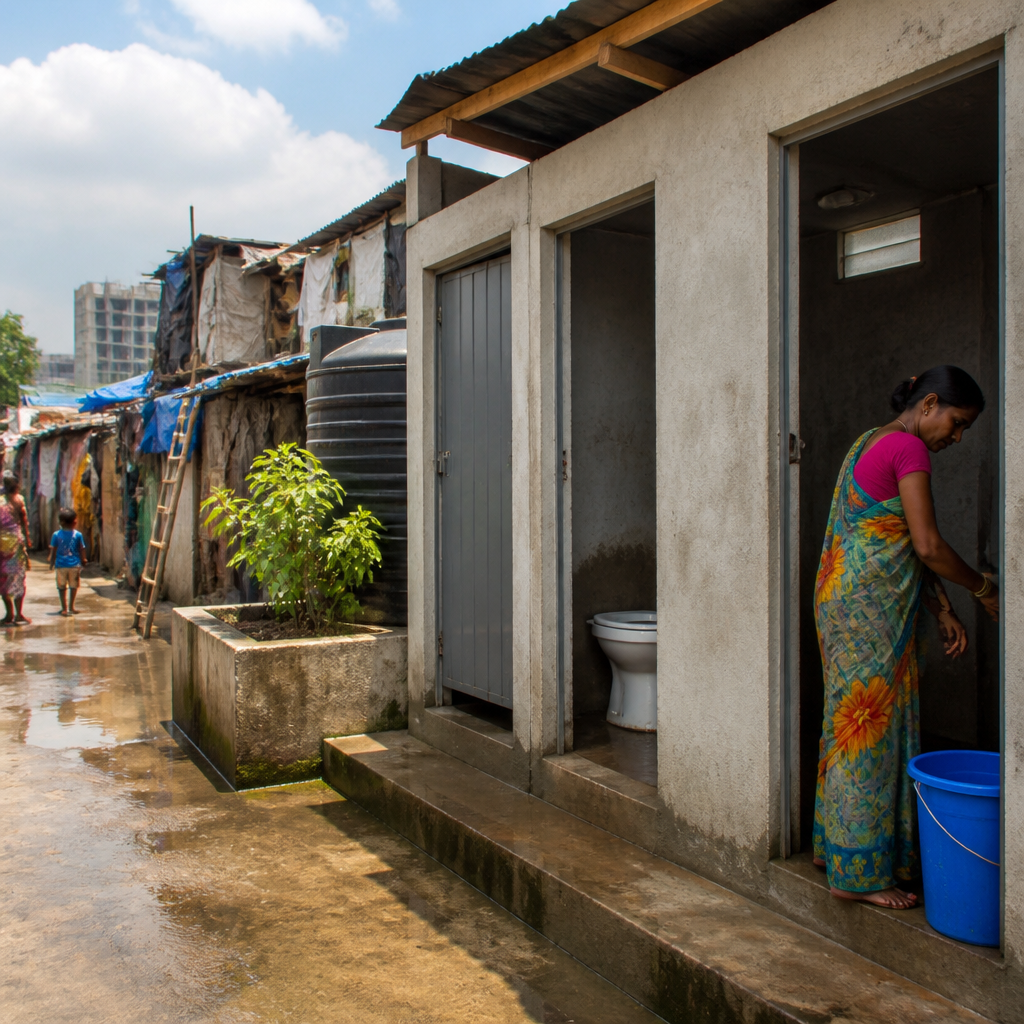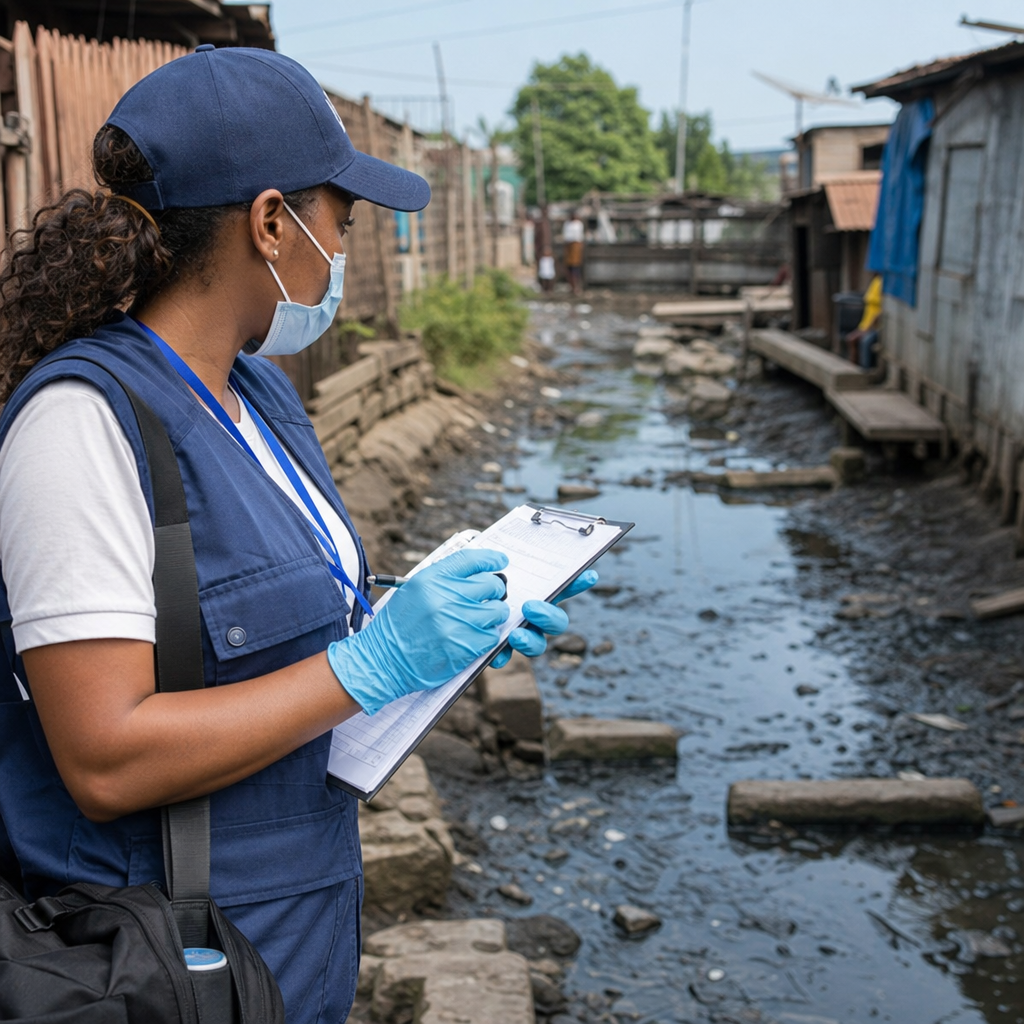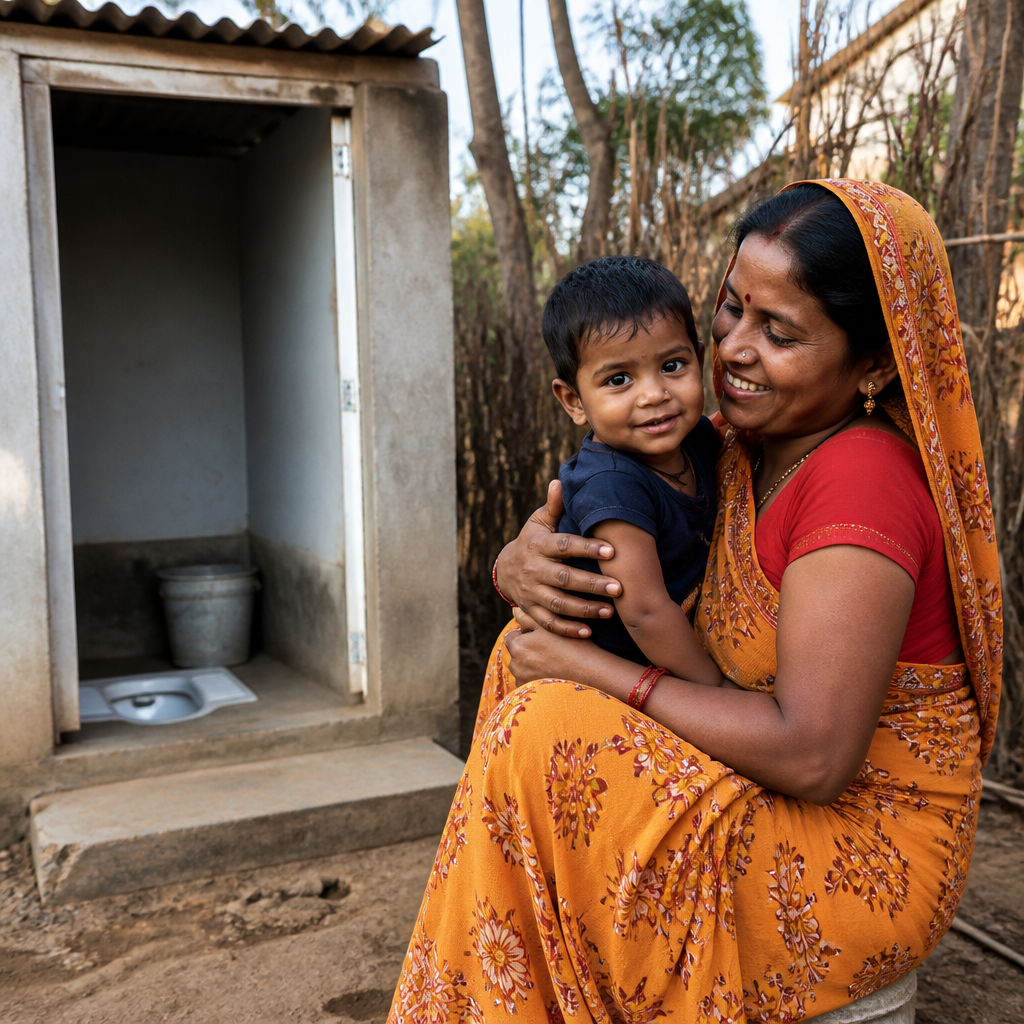
Sanitation shapes maternal and child health more directly than many families realize, because the safety of toilets, handwashing facilities, water handling, and waste treatment determines daily exposure to infection, stress, and environmental hazards. In work on community sanitation planning, I have seen the same pattern repeatedly: when households gain reliable, private, well-managed sanitation, pregnant women report fewer urinary and reproductive infections, caregivers spend less time managing diarrhea, and children miss fewer days of school and clinic visits. “Prioritizing Health in EcoSan” means designing ecological sanitation systems not only to save water or recover nutrients, but to protect women during pregnancy, childbirth, postpartum recovery, infancy, and early childhood. EcoSan, short for ecological sanitation, refers to approaches that safely separate, contain, treat, and reuse human waste in ways that reduce pollution and conserve resources. Maternal health covers health during pregnancy, childbirth, and the postnatal period. Child health includes survival, growth, development, nutrition, and protection from preventable disease.
This topic matters because sanitation failures contribute to multiple pathways of harm at once. Unsafe toilets and poor fecal sludge management spread diarrheal pathogens, helminths, and enteric infections. Lack of privacy can force women to delay urination or defecation, raising discomfort and sometimes increasing risk of urinary tract problems. Inadequate menstrual hygiene facilities reduce dignity and hygiene management for adolescent girls and mothers alike. For infants and toddlers, contaminated household environments lead to repeated fecal-oral exposure through hands, floors, food, and drinking water containers. The World Health Organization and UNICEF have long documented strong links between safe sanitation, lower diarrheal disease burden, improved nutrition, and better child survival. In climate-stressed and water-scarce areas, EcoSan can strengthen resilience, but only when public health protection is built into every design, operation, and user practice.
A health-first EcoSan strategy therefore asks practical questions. Is the toilet accessible to a pregnant woman at night? Does it separate users from feces immediately and consistently? Can children use it safely without falling, fear, or contamination? Are handwashing stations placed where people actually need them? Is treated waste managed to standards that reduce pathogen risk before reuse? Are workers protected during emptying and transport? A strong hub on the impact of sanitation on maternal and child health must connect household behavior, engineering controls, service systems, and community norms. The goal is not a toilet in isolation. The goal is a sanitation environment that measurably lowers infection risk, supports dignity, reduces unpaid care burdens, and protects the next generation from preventable harm.
How poor sanitation harms mothers and children
Poor sanitation affects mothers and children through direct infection, indirect nutritional damage, and social stress. The direct route is straightforward: fecal pathogens from humans enter the domestic environment and then reach people through contaminated hands, water, surfaces, food, soil, and flies. Common consequences include diarrhea, cholera, typhoid, hepatitis A and E, intestinal worms, and a broad category of enteric infections that are not always clinically obvious but still impair health. For pregnant women, repeated gastrointestinal illness can worsen dehydration, reduce nutrient absorption, and complicate an already demanding physiological state. In high-risk settings, sanitation breakdown during pregnancy can contribute to severe infection, especially where safe water and timely medical care are limited.
Children face the greatest cumulative burden because early life exposure is frequent and developmentally consequential. A toddler who crawls on a contaminated surface and then puts a hand in the mouth may ingest pathogens many times a day. Even when infection does not cause dramatic diarrhea, chronic exposure can inflame the gut, reduce nutrient uptake, and contribute to growth faltering. Public health researchers describe this as an interaction between infection and undernutrition rather than two separate problems. That is why sanitation improvement often supports better child growth outcomes when paired with hygiene, safe water, and nutrition support. In practical terms, cleaner household environments reduce the number of times a child’s body must fight preventable microbial assaults.
The social pathway matters too. Women without safe, nearby toilets often wait until dark to relieve themselves. I have heard mothers describe limiting food and water intake during the day to avoid using unsafe facilities. That coping strategy can increase fatigue, discomfort, and dehydration. Girls and women may also face harassment, assault risk, and intense anxiety when sanitation is distant or poorly lit. These are health impacts, not secondary concerns. Stress during pregnancy affects sleep, mental well-being, and healthcare-seeking behavior. For children, inadequate sanitation at home or school can normalize unsafe practices and interrupt education, particularly for older girls managing menstruation. Sanitation is therefore both infrastructure and daily lived experience.
What makes EcoSan protective rather than risky
EcoSan can significantly improve health, but only when systems are designed around pathogen barriers. Ecological sanitation generally includes urine-diverting dry toilets, composting toilets, dehydrating vaults, container-based systems, and other approaches that reduce water use while enabling treatment and possible reuse of nutrients. The health advantage is potential control over waste streams: when urine and feces are separated, moisture is reduced, pathogen die-off can improve, odors decline, and handling can become more systematic. The risk appears when systems are promoted mainly for reuse value without equal attention to safe containment time, temperature, pH, emptying procedures, vector control, and user training.
In a protective EcoSan model, the first barrier is immediate separation between people and excreta. The second is secure containment that prevents leakage, child contact, and fly access. The third is treatment or storage long enough to substantially reduce pathogens before reuse or disposal. The fourth is safe handling with gloves, tools, and clear operating protocols. The fifth is behavioral: users must understand anal cleansing options, child feces disposal, handwashing, and what not to put into the system. This layered approach mirrors broader sanitation safety planning used by utilities and public health programs. No single feature makes a system safe. Safety comes from multiple barriers working together reliably over time.
For maternal and child health, usability is as important as engineering. A toilet that requires squatting without support may be difficult late in pregnancy. A steep path becomes dangerous at night. A seat opening that is too large can frighten small children or allow accidental falls. A urine-diverting pan that is hard to clean may quickly lose acceptability, leading families back to unsafe alternatives. The most successful EcoSan installations I have reviewed used simple design modifications: handrails, solar lighting, stable steps, child seats or reducers, easy-to-wash surfaces, covered storage of ash or dry material, and handwashing stations within arm’s reach. Health protection improves when correct use is easier than incorrect use.
Critical health priorities in EcoSan design and operation
Health-first EcoSan planning should focus on the points where systems commonly fail. The table below summarizes the priorities that most affect maternal and child outcomes.
| Priority area | Why it matters for maternal and child health | Good practice in EcoSan |
|---|---|---|
| User access and safety | Pregnant women, postpartum mothers, and young children need stable, private, nearby facilities | Handrails, lighting, short walking distance, lockable doors, child-friendly interfaces |
| Hand hygiene | Hands transfer fecal pathogens to food, infants, and surfaces | Handwashing station with soap or ash at point of use; reliable water container |
| Child feces management | Child stools often contain high pathogen loads and are frequently disposed of unsafely | Potties, scoop tools, direct disposal into toilet, caregiver handwashing after cleanup |
| Containment and vector control | Leaks and flies spread contamination through the household environment | Sealed vaults, tight lids, screened vents, dry cover material, routine inspection |
| Treatment before reuse | Untreated or poorly treated waste can infect farmers, families, and children | Defined storage times, compost temperature monitoring where relevant, restricted crop use when needed |
| Emptying and transport safety | Workers and family members can be heavily exposed during handling | Gloves, boots, tools, trained service providers, designated transfer routes and containers |
Each priority has operational implications. Handwashing stations fail when they are not refilled, when soap disappears, or when drainage creates mud near the latrine. Child-friendly design fails when caregivers are not shown how to help toddlers use the toilet safely. Treatment fails when vaults are opened too early to make space. These are management problems, not just technology problems. Programs that budget only for construction usually underperform. Programs that include training, follow-up visits, spare parts, and service arrangements produce stronger health outcomes because they support sustained correct use.
Monitoring should track both infrastructure and behavior. At minimum, a household or facility should check cleanliness, odor, presence of cover material, handwashing supplies, visible fly activity, signs of leakage, child access, and whether users understand storage and emptying rules. Community health workers can integrate sanitation checks into antenatal outreach, nutrition counseling, and child growth monitoring visits. That integration is efficient because the risks overlap: the same household conditions that drive diarrhea also affect nutrition, maternal comfort, and caregiver workload.
Pregnancy, newborn care, and the early childhood window
Pregnancy and the first two years of life form a sensitive period when sanitation gains can produce outsized benefits. Pregnant women need frequent urination, stable footing, and privacy. When toilets are far away, slippery, or shared in unsafe conditions, many women reduce fluid intake or delay use. This can intensify discomfort and may contribute to urinary problems, especially in hot climates. During late pregnancy, falls are a real hazard, so toilet access is a design issue with direct obstetric relevance. In household assessments, I prioritize route safety, lighting, and whether a woman can use the facility without assistance at night.
After birth, sanitation influences both maternal recovery and newborn infection prevention. Postpartum women may have pain, bleeding, fatigue, or reduced mobility. A high step, narrow door, or distant facility can make basic hygiene unnecessarily difficult. Newborns are vulnerable because caregivers handle diapers, cloths, wash water, and feeding utensils many times a day. If fecal waste from siblings or adults is poorly managed, contamination spreads quickly through touch points in the home. Cleanable surfaces, safe disposal of infant feces, and immediate handwashing after every cleanup are therefore nonnegotiable practices. Infant stools are often wrongly considered harmless, yet they can contain substantial pathogen loads.
The early childhood window also determines long-term development. Repeated enteric infection contributes to poor appetite, micronutrient loss, and growth faltering. A child does not need severe visible diarrhea for damage to occur; low-grade but repeated exposure is enough to undermine resilience. That is why safe play spaces matter alongside toilets. In several rural programs, simple interventions such as keeping potties available, separating animals from crawling areas, storing water safely, and maintaining dry, feces-free compounds reduced contamination opportunities significantly. EcoSan contributes best when it is part of a whole household hygiene system, not a stand-alone structure at the edge of the plot.
Schools, clinics, and community systems that support household health
Household toilets alone cannot carry the full burden of maternal and child health protection. Schools, health centers, markets, and transport hubs all influence exposure and behavior. In schools, sex-separated toilets, handwashing facilities, and menstrual hygiene support help girls attend consistently and manage puberty with dignity. For younger children, school sanitation also reinforces habits formed at home. In health facilities, sanitation is even more critical. A maternity ward without reliable toilets, safe waste handling, hand hygiene stations, and clean water cannot provide safe childbirth care. Infection prevention and control standards depend on sanitation foundations.
Community-level service chains are equally important in EcoSan. Someone must maintain public toilets, empty full containers or vaults, transport material safely, and ensure treatment reaches the intended endpoint. Where these functions are informal or unfunded, exposure shifts from users to workers and neighboring households. I have seen technically sound toilets become health hazards because no one planned for full-vault management during the rainy season. Sustainable programs define who is responsible, what equipment they use, where material goes, and how safety is verified. Municipal by-laws, local entrepreneurs, women’s groups, and public health officers can all play roles, but responsibilities must be explicit.
Financing matters here. Families may afford construction but not maintenance, soap, repairs, or periodic emptying. Subsidies targeted to pregnant women, low-income caregivers, households with disabled members, or areas with high open defecation can improve health equity. The strongest community sanitation models combine hardware support with behavior change, scheduled maintenance, and local monitoring. They also link sanitation with immunization outreach, nutrition services, and maternal care messaging, because families respond better when advice reflects the realities of caring for children rather than abstract infrastructure goals.
Measuring success and building a health-centered EcoSan hub
A useful hub page on prioritizing health in EcoSan should help readers evaluate outcomes, not just technologies. The most meaningful indicators include consistent toilet use by all household members, safe disposal of child feces, presence of functional handwashing with soap, reduced diarrhea episodes, fewer missed school days, safer nighttime access for women, and reliable treatment or removal of stored waste. For programs, additional indicators may include emptying safety incidents, facility uptime, user satisfaction, and coverage among pregnant women and households with children under five. These measures show whether sanitation is improving daily life in ways that matter medically and socially.
Readers should also understand the tradeoffs. EcoSan is not automatically safer than flush systems, pit latrines, or sewer connections. Its strengths are water efficiency, nutrient recovery potential, and adaptability in water-scarce or flood-prone contexts. Its weaknesses are the need for disciplined operation, user education, and safe handling over time. Where follow-up support is weak, simpler systems with robust service chains may protect health better. The right choice depends on groundwater conditions, population density, climate, user preferences, land availability, and institutional capacity. Good sanitation planning starts with health risks and local constraints, then selects the system that can be operated safely every day.
The central takeaway is clear: the impact of sanitation on maternal and child health is profound, and EcoSan delivers its greatest value when health protection is the first design principle, not an afterthought. Safe access, hand hygiene, child feces management, treatment standards, and service-chain safety are the essentials that turn an ecological concept into a public health asset. If you are building, funding, or improving an EcoSan program, audit every step through the eyes of a pregnant woman, a caregiver, and a small child, then strengthen the weak points first.
Frequently Asked Questions
1. How does sanitation directly affect maternal and child health?
Sanitation affects maternal and child health through daily exposure pathways that are easy to overlook but extremely important. When toilets are unsafe, unavailable, or poorly maintained, families are more likely to come into contact with human waste through contaminated hands, surfaces, soil, food, and water. That increases the risk of diarrheal disease, intestinal parasites, skin infections, and other preventable illnesses that can be especially dangerous for pregnant women, infants, and young children. For mothers, repeated exposure to unsanitary conditions can also contribute to urinary tract infections, reproductive tract infections, dehydration from avoiding toilet use, and stress related to managing privacy and safety.
For children, the effects can be immediate and long term. Frequent diarrhea and repeated infections can interfere with nutrient absorption, weaken immunity, and contribute to poor growth and development. In early childhood, even low-level but constant exposure to fecal contamination can create a cycle of illness that affects appetite, school attendance, and overall well-being. Good sanitation breaks that cycle by reducing contact with pathogens at the household and community level. Reliable toilets, consistent handwashing with soap, safe disposal of child feces, and proper wastewater and solid waste management all work together to lower disease risk and support healthier pregnancies, safer births, and stronger child development.
2. Why is private and safe toilet access especially important during pregnancy?
During pregnancy, women experience physical changes that make sanitation access more than a convenience; it becomes a health necessity. Pregnant women often need to urinate more frequently, may experience nausea, fatigue, reduced mobility, and greater sensitivity to dehydration. If toilets are distant, unsafe, dirty, or unavailable at night, many women deliberately reduce food and water intake or delay using the toilet. That behavior can increase the risk of urinary tract infections, constipation, discomfort, and heat stress, while also adding unnecessary strain during pregnancy.
Privacy and safety matter just as much as cleanliness. A secure, well-lit toilet close to home reduces fear of harassment, falls, animal encounters, and injury, particularly at night or in bad weather. It also supports dignity and mental well-being at a time when stress should be minimized. In communities where sanitation planning improves toilet reliability, cleanliness, and privacy, pregnant women often report fewer day-to-day burdens related to managing basic bodily needs. That translates into a healthier pregnancy environment overall. Safe sanitation is not a minor infrastructure issue for expectant mothers; it is part of essential maternal health protection.
3. What sanitation-related risks are most harmful for infants and young children?
Infants and young children face high risk because their immune systems are still developing and because their everyday behavior puts them in close contact with contamination. Crawling on dirty floors, putting hands and objects in their mouths, playing near open drains, and eating food prepared with unwashed hands can all increase exposure to harmful pathogens. One of the biggest problems is the unsafe disposal of child feces. Many people assume children’s stools are less dangerous than adults’, but they can carry significant disease-causing organisms and must be disposed of safely every time.
Contaminated water storage, unclean feeding utensils, lack of handwashing after diaper changes or toilet use, and poor waste disposal all add to the risk. The result may be repeated diarrhea, intestinal worm infections, and environmental exposure that undermines nutrition and growth. Over time, these health setbacks can affect physical development and learning. The most protective measures are practical and consistent: using hygienic toilets, washing hands with soap at key times, cleaning potties properly, disposing of child feces into a toilet, keeping play areas clean, storing water safely, and preventing wastewater from pooling around the home. For young children, sanitation is one of the foundations of survival, growth, and healthy development.
4. Can improved sanitation reduce infections for mothers after childbirth?
Yes, improved sanitation can play an important role in reducing infection risk after childbirth. The postpartum period is a time when mothers may be physically exhausted, healing from vaginal tears or surgery, and more vulnerable to infection if hygiene conditions are poor. Access to a clean toilet, safe water, and handwashing with soap supports proper perineal care, safer menstrual or postpartum bleeding management, and cleaner handling of clothing, bedding, and infant care items. When mothers or caregivers cannot wash hands reliably after toilet use or before handling the newborn, the chance of transmitting harmful bacteria rises significantly.
Sanitation also affects newborn safety. A baby may be exposed through contaminated hands, feeding tools, cloths, bathing water, or surfaces in the home. In households with poor drainage, unmanaged waste, or open defecation nearby, the burden of germs in the living environment remains high. Better sanitation lowers that background exposure and supports a cleaner recovery space for both mother and child. While sanitation alone is not a substitute for medical care, skilled birth attendance, or postpartum checkups, it is a critical part of infection prevention in the days and weeks after delivery. In practical terms, cleaner sanitation helps protect healing mothers and vulnerable newborns when they need it most.
5. What are the most effective household and community sanitation improvements for better maternal and child health?
The most effective improvements are the ones that reduce exposure consistently, every day, for everyone in the household and community. At the household level, that means access to a functional, private, clean toilet; a handwashing station with soap and water near the toilet and cooking area; safe storage and handling of drinking water; hygienic disposal of child feces; and regular cleaning of surfaces, potties, and shared sanitation areas. Good drainage and proper management of wastewater and solid waste are also important because they prevent standing water, foul conditions, and the spread of contamination around the home.
At the community level, health gains are strongest when sanitation improvements are widespread rather than isolated. One clean household toilet helps, but if surrounding areas still have open defecation, overflowing pits, broken drains, or unmanaged waste, exposure remains high. Effective community sanitation planning includes toilet access for all households, safe fecal sludge management, maintenance systems, hygiene education, school and clinic sanitation, and designs that consider women’s safety, privacy, and mobility needs. For maternal and child health, the best sanitation solutions are reliable, inclusive, and easy to use throughout pregnancy, after childbirth, and during early childhood. When sanitation works well at both household and community levels, families see fewer infections, less caregiving strain, and a healthier environment for mothers and children to thrive.