Sanitation and mental health are often treated as separate public concerns, yet in practice they are tightly linked through stress, dignity, safety, disease exposure, and daily routine. In EcoSan, or ecological sanitation, that link becomes even more important because the system is designed not only to manage human waste safely, but also to recover nutrients, reduce water use, and protect communities from environmental contamination. When I have worked on health and safety planning around decentralized sanitation, the most consistent lesson has been simple: a toilet is never just a toilet. It shapes whether people feel secure at night, whether caregivers feel overwhelmed, whether children miss school, and whether households trust the systems intended to protect them.
Prioritizing health in EcoSan means designing and operating sanitation systems that protect both physical and psychological wellbeing. Physical health includes preventing diarrhea, parasitic infection, vector breeding, groundwater contamination, and unsafe handling of fecal sludge or urine. Mental health includes reducing shame, fear, anxiety, harassment risk, disgust, and the chronic stress that comes from unreliable or inaccessible sanitation. The World Health Organization defines sanitation as access to facilities and services for the safe disposal of human urine and feces, but safe sanitation also requires privacy, convenience, menstrual hygiene support, handwashing access, and confidence that the system works. Without those elements, a technically improved facility can still fail users.
This matters because sanitation is a daily necessity. If a family must walk far, queue, pay per use, or use an unsafe latrine after dark, the burden is repeated every day, sometimes several times a day. Women, older adults, people with disabilities, and people managing chronic illness often carry the highest psychological load. Children are affected too, especially in schools where poor toilets contribute to absenteeism, embarrassment, and concentration problems. EcoSan can solve many traditional sanitation problems, but only if health is prioritized from planning through maintenance. As a hub topic within health and safety, this article explains how sanitation affects mental health, what makes EcoSan systems protective, and where the main operational risks and opportunities lie.
Why sanitation conditions shape mental wellbeing
Sanitation affects mental health through three main pathways: perceived safety, social dignity, and cognitive burden. Perceived safety includes fear of assault, snakes, insects, collapse, darkness, and contamination. Social dignity includes privacy, odor control, cleanliness, menstrual support, and whether users feel ashamed inviting guests into their home. Cognitive burden refers to the constant planning required when toilets are far away, full, expensive, inaccessible, or shared among many households. People start restricting food and water intake, delaying urination or defecation, waking earlier, or avoiding school and work. Those adaptations may seem small, but repeated over months or years they contribute to stress and poor wellbeing.
The evidence is broad. Studies in low-resource settlements have repeatedly found that inadequate sanitation is associated with anxiety, fear, and reduced quality of life, especially among women and girls. Shared toilets are not automatically harmful, but when they are dirty, poorly lit, overcrowded, or lack locks, users report more worry and less satisfaction. Open defecation has an obvious disease burden, yet it also creates humiliation and vulnerability. For older adults and people with reduced mobility, the stress can be severe because any trip to a distant toilet may involve pain, time, and dependence on others. In practical terms, sanitation infrastructure functions as part of the mental health environment of a home, school, clinic, or community.
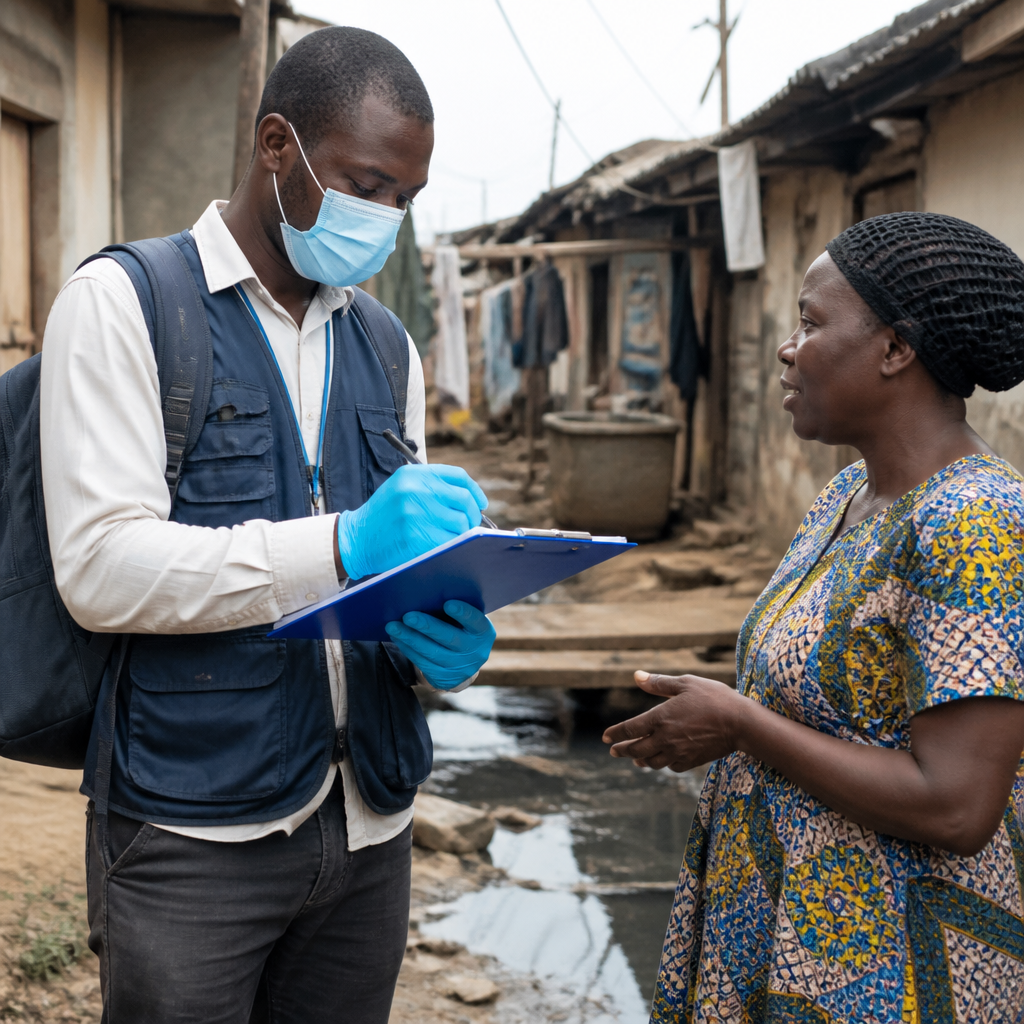
In EcoSan programs, I have seen this clearly during user interviews. Households rarely begin by discussing nutrient recovery or climate resilience. They talk first about smell, privacy, ease of cleaning, whether children can use the toilet safely, and whether they feel comfortable at night. Those concerns are rational. If users do not trust the facility, they will bypass it, misuse it, or resent it. A health-first EcoSan strategy therefore starts with lived experience. Technical performance matters, but user confidence is what turns infrastructure into public health protection.
How EcoSan can improve health and reduce stress
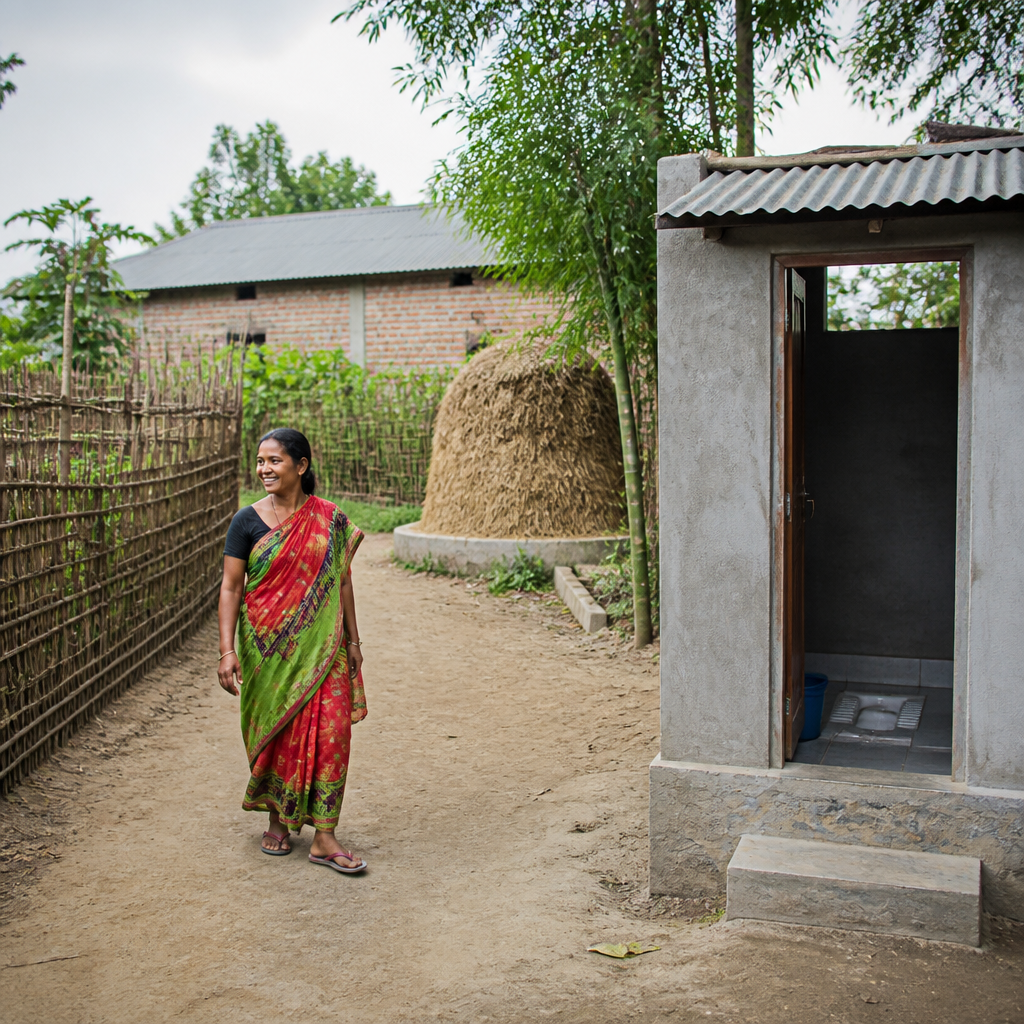
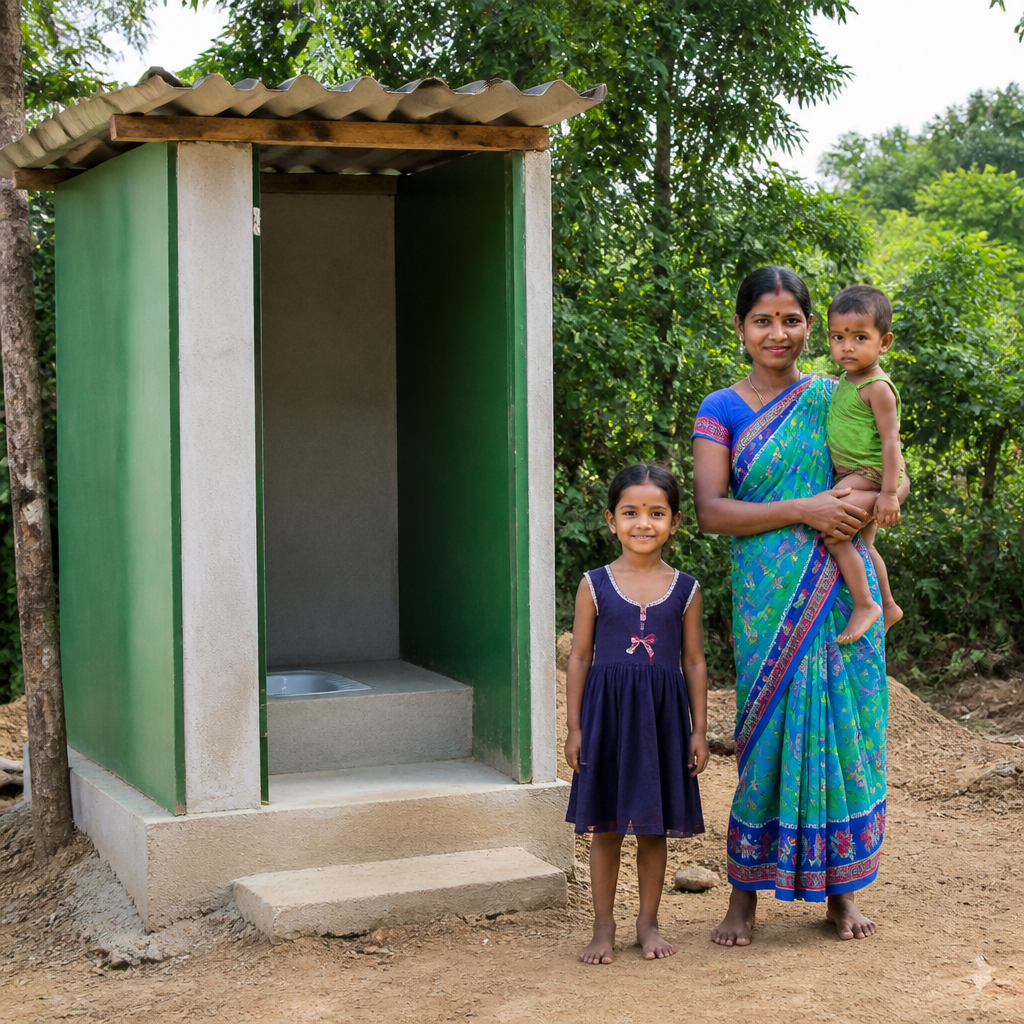
EcoSan systems are designed to separate, contain, treat, and reuse sanitation outputs in safer ways than uncontrolled disposal. Common approaches include urine-diverting dry toilets, composting toilets, and other decentralized systems that reduce water demand and recover nutrients for agriculture. When properly designed, EcoSan limits pathogen spread, cuts fecal contamination of soil and water, and reduces pressure on sewer networks or pit emptying services. These physical benefits support mental wellbeing because reliability lowers uncertainty. Users are less worried about overflow, smell, flooding, and disease when the system is visibly clean and clearly maintained.
EcoSan also offers an important psychological advantage: it can create a sense of control. In many underserved areas, residents rely on distant public toilets, informal disposal, or failing pits that fill quickly during rainy seasons. A well-run household or community EcoSan system gives people predictable access and a clear process for operation. That predictability matters. Mental strain often rises when essential services feel outside personal control. If a family understands how ash, cover material, urine diversion, vault resting periods, and handwashing fit together, the toilet becomes understandable rather than mysterious. Good training therefore improves both safety and acceptance.
Another strength is environmental security. Contaminated surroundings contribute to chronic worry, especially where children play near drains or households use shallow groundwater. EcoSan can reduce nutrient runoff and support circular resource use when treatment standards are followed. For farming households, the reuse component can also improve livelihood confidence. Treated urine and composted material can substitute for some purchased fertilizer, which matters when prices are volatile. The mental health gain here is indirect but real: lower household stress often follows when basic services also support economic resilience. Still, these benefits appear only when systems are maintained properly; otherwise, the same features can become a source of disgust and anxiety.
Health risks that undermine EcoSan success
EcoSan is not automatically safe. The major risks are poor pathogen inactivation, unsafe handling, user error, inadequate ventilation, weak maintenance, and social mismatch between design and daily habits. Fecal matter can contain bacteria, viruses, protozoa, and helminths, and treatment effectiveness depends on time, temperature, moisture, pH, storage, and containment quality. For example, urine is often lower risk than feces, but cross-contamination can occur if diversion is poor. Composting claims are frequently overstated in the field. If materials are removed too early or handled without protective measures, the health benefit collapses.
These technical failures quickly become mental health failures as well. Smell, flies, visible sludge, blocked urine pipes, and difficult cleaning routines reduce trust fast. Once users believe a toilet is dirty or unsafe, anxiety and avoidance follow. Children may return to open defecation. Caregivers may feel trapped by extra cleaning labor. School staff may lock facilities to control misuse, which worsens access. I have seen strong infrastructure underperform because operating instructions were vague or unrealistic for the actual users. Systems requiring perfect behavior every day are fragile. Public health design must assume ordinary human error and still remain safe.
There are social risks too. In some communities, handling treated excreta is stigmatized regardless of treatment quality. In others, men and women have different privacy needs, or tenants have little incentive to maintain shared systems. If programs ignore these realities, they may create conflict rather than wellbeing. Health-first EcoSan planning must therefore include risk communication, routine inspection, affordable spare parts, and practical maintenance roles. Safe sanitation is a service, not only a structure.
Design features that protect both body and mind
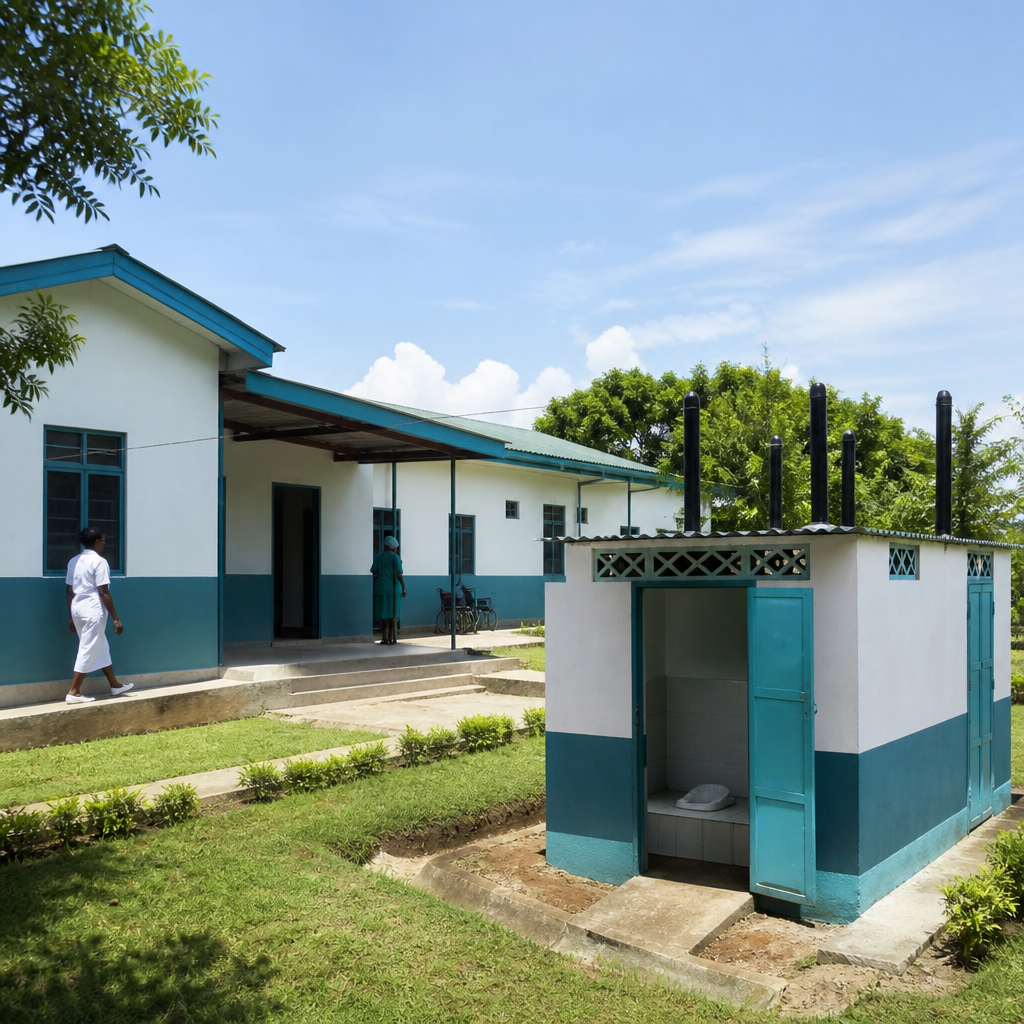
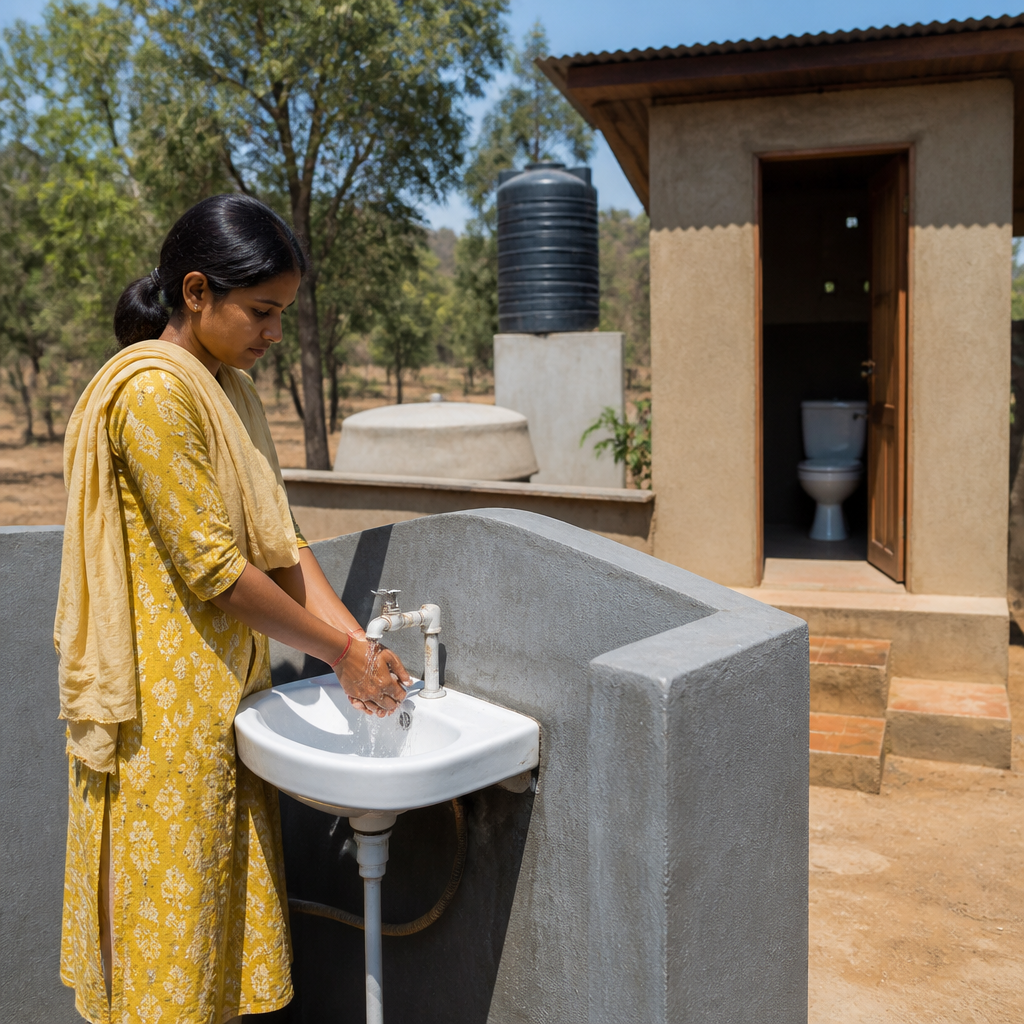
The most effective EcoSan facilities combine engineering controls with user-centered design. Core features include stable flooring, strong doors, inside locks, lighting, child-friendly seats or squat supports, accessible pathways, handwashing stations, menstrual hygiene disposal or washing options, insect screening, odor control, and simple cleaning surfaces. Ventilation must be sufficient, urine channels need proper slope to prevent blockage, and vault access should allow safe emptying without exposing routine users. For schools and workplaces, ratios matter too; too few toilets create queues that increase stress and avoidance.
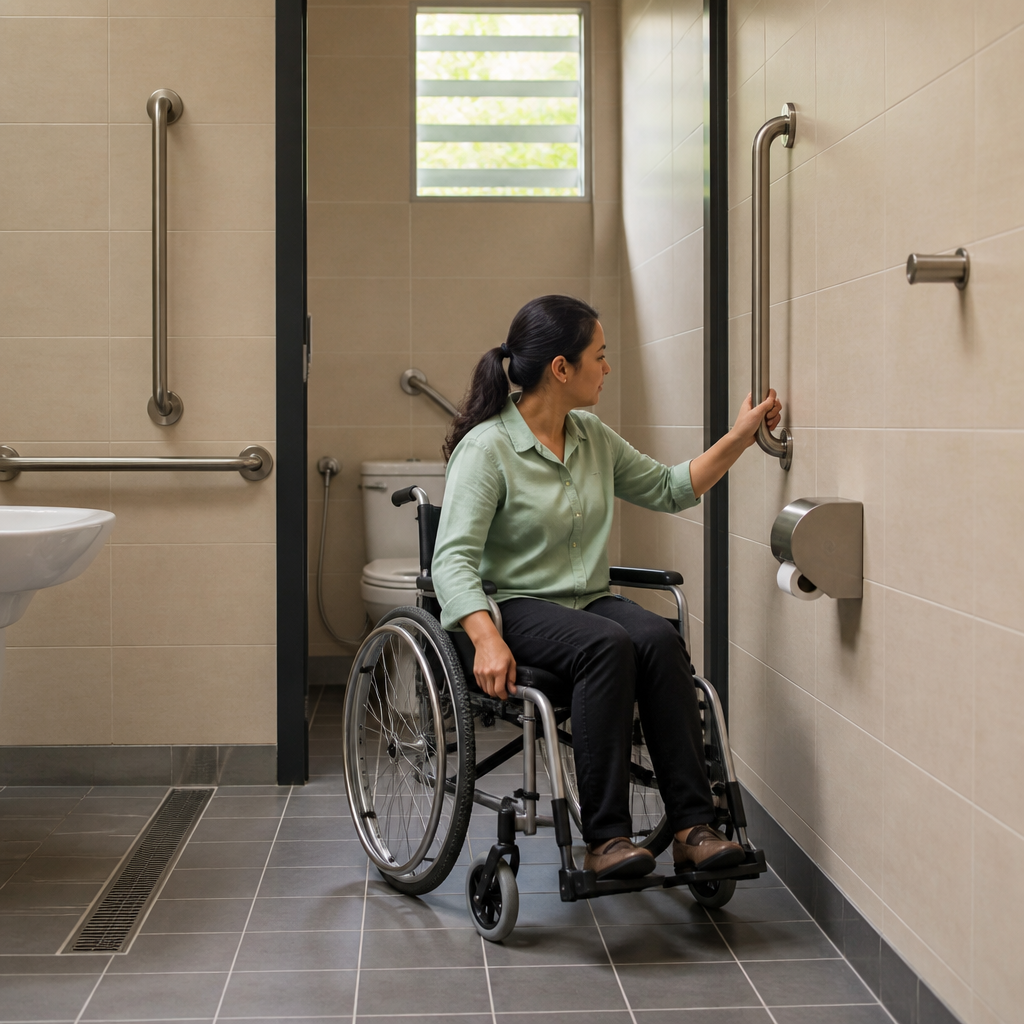
Accessibility is particularly important. A sanitation system that excludes wheelchair users, older adults, pregnant women, or people with temporary injuries is not health protective. Universal design principles improve outcomes for everyone: wider doors, handrails, non-slip surfaces, seating supports, and adequate turning space reduce fear of falls and dependence on caregivers. Privacy also deserves technical attention. Gaps in walls, low doors, or flimsy locks have direct mental health consequences, especially for adolescent girls and trauma survivors. These are not cosmetic upgrades. They are core safety features.
| Design element | Physical health benefit | Mental health benefit |
|---|---|---|
| Inside lock and solid door | Reduces unsafe rushing and nighttime open defecation | Improves privacy, dignity, and sense of safety |
| Handwashing station with soap | Lowers fecal-oral disease transmission | Builds confidence that the facility is hygienic |
| Good lighting | Prevents falls and unsafe navigation | Reduces fear after dark |
| Accessible path and handrails | Supports safe use for limited mobility users | Reduces dependence and anxiety |
| Ventilation and odor control | Limits flies and improves air quality | Reduces disgust and embarrassment |
| Clear emptying access | Improves safe sludge handling | Prevents dread around maintenance events |
When choosing between design options, the best question is not which model is most innovative, but which model users can operate safely every day with available resources. That principle is central to prioritizing health in EcoSan.
Operations, education, and behavior change
Long-term EcoSan performance depends more on operations than initial construction. Every successful system needs a service plan covering cleaning frequency, cover material supply, urine pipe inspection, vault resting periods, personal protective equipment, hand hygiene, and safe reuse or disposal routes. Written procedures help, but demonstration matters more. Users need to see how much cover material to add, what should never enter the chamber, how to identify blockage, and when a vault is ready for handling. In schools and multi-household compounds, assigning named responsibilities is essential. Shared accountability consistently outperforms informal assumptions.
Education should address mental barriers as directly as technical ones. Many users worry that EcoSan toilets will smell, attract insects, or expose them to waste. Those concerns should not be dismissed. They should be answered with practical evidence: dry cover material reduces odor, proper separation limits moisture, screened vents cut fly breeding, and adequate storage times reduce pathogen risk. Where reuse is planned, communities need transparent information about treatment steps and crop restrictions. The World Health Organization sanitation safety planning approach is valuable here because it maps hazards from containment through reuse and helps operators put control measures in place.
Behavior change is strongest when the system respects local routines. If cover material is stored too far from the toilet, people stop using it. If children cannot position themselves properly, urine diversion fails. If cleaning requires expensive products, standards slip. Programs work best when they test assumptions early, collect user feedback, and adapt. From experience, the difference between a trusted EcoSan facility and a rejected one is often a small operational detail that planners initially overlooked.
Why this hub matters for the wider health and safety topic
Prioritizing health in EcoSan is a hub subject because it connects sanitation engineering, infection prevention, environmental health, disability inclusion, school attendance, occupational safety, and community wellbeing. A strong subtopic page should guide readers toward deeper articles on toilet design, pathogen control, menstrual hygiene management, fecal sludge handling, farmer safety in resource reuse, school sanitation standards, and behavior change methods. Those areas are interconnected. For example, poor maintenance is not just a facilities issue; it changes disease risk, user trust, and mental load. Likewise, inaccessible toilets are not only a design flaw; they create dependence, social exclusion, and avoidable stress.
The central takeaway is direct: sanitation and mental health influence each other every day, and EcoSan succeeds only when both are designed for together. Clean, private, accessible, well-maintained facilities reduce infection risk while also lowering fear, shame, and uncertainty. Systems that ignore user experience may still exist on paper, but they will not deliver real health protection. If you are building or improving an EcoSan program, start with the user journey, verify the treatment chain, and make maintenance nonnegotiable. That is how sanitation becomes a genuine health and safety asset for households, schools, and communities.
Frequently Asked Questions
How does sanitation affect mental health in everyday life?
Sanitation affects mental health far more directly than many people realize. When people do not have reliable access to clean, private, and safe toilets or handwashing facilities, the result is often chronic stress rather than a one-time inconvenience. People may worry about where they will go, whether they will be seen, whether they will be exposed to harassment, or whether they will come into contact with unsafe waste. That constant vigilance can create anxiety, embarrassment, and a reduced sense of personal dignity. Over time, these pressures can influence mood, sleep, concentration, and overall emotional well-being.
Good sanitation, by contrast, supports mental health by creating predictability and safety in daily life. A functional toilet, a clean environment, and clear hygiene routines reduce uncertainty and allow people to focus on work, school, family, and community life instead of on basic survival decisions. This is especially important for children, older adults, people with disabilities, and anyone living in overcrowded or under-resourced conditions. In practical terms, sanitation is not just a physical infrastructure issue. It is also about privacy, autonomy, comfort, and the confidence that basic human needs can be met without fear or humiliation.
Why is dignity such an important part of the relationship between sanitation and mental well-being?
Dignity is central because sanitation is deeply personal. The ability to use a toilet in privacy, wash safely, and manage bodily needs without shame is a basic part of feeling respected and in control. When sanitation systems are inadequate, people may be forced to wait long periods, travel in unsafe conditions, share poorly maintained facilities, or use locations that expose them to judgment or danger. Those experiences can undermine self-worth and create feelings of shame, powerlessness, and social exclusion. Mental health is shaped not only by major events, but also by repeated everyday experiences that signal whether a person feels protected and valued.
This is one reason sanitation planning should go beyond technical installation and include the lived experience of users. A facility may exist on paper, but if it is dirty, poorly lit, lacks locks, is inaccessible, or feels unsafe, it may still produce stress instead of relief. Dignity improves when sanitation design considers privacy, cultural norms, menstrual health needs, disability access, cleaning routines, and user confidence. In that sense, better sanitation helps restore agency. It tells people that their health, safety, and humanity matter, which has a meaningful impact on emotional resilience and community trust.
What makes the connection between EcoSan and mental health especially important?
EcoSan, or ecological sanitation, strengthens the sanitation-mental health connection because it is designed to do more than remove waste. It aims to manage human waste safely, conserve water, recover nutrients, and reduce environmental contamination. When EcoSan systems are well designed and properly maintained, they can improve both physical and psychological conditions in a community. People benefit from cleaner surroundings, reduced odor, fewer concerns about contaminated water, and the reassurance that waste is being handled responsibly rather than becoming a hidden hazard. That sense of environmental safety can reduce background stress and build confidence in the places where people live.
There is also an important psychological dimension to sustainability itself. Communities often feel more secure when they know their sanitation system is not only functional today but also resilient over time. EcoSan can support that confidence by reducing dependence on scarce water resources and by turning waste into a resource through safe nutrient recovery. At the same time, success depends on education, maintenance, and respectful communication. If people do not understand how the system works, or if the system is poorly managed, confusion and distrust can replace the intended benefits. The mental health value of EcoSan comes from combining safe engineering with user acceptance, transparency, and everyday usability.
Can poor sanitation increase stress and feelings of insecurity, especially for vulnerable groups?
Yes, poor sanitation can significantly increase stress and insecurity, and the effects are often most severe for vulnerable groups. Women and girls may face fear of harassment or assault when toilets are distant, shared, or unusable, particularly at night. Children may avoid using unsafe facilities and experience anxiety at school or home. Older adults and people with disabilities may struggle with inaccessible layouts, slippery surfaces, or the absence of supportive features, leading to both physical risk and emotional strain. People with chronic illness may experience additional worry when sanitation is unreliable, especially if they need frequent access to hygienic facilities.
The psychological burden comes from repeated exposure to uncertainty and threat. If a person must plan their day around avoiding toilet use, limiting food or water intake, or waiting for safer times to access a facility, that creates an ongoing stress cycle. In schools and workplaces, this can affect participation, confidence, and performance. In households and communities, it can create tension, shame, and withdrawal. Sanitation improvements can therefore serve as a form of preventive mental health support. Better lighting, privacy, cleanliness, accessibility, regular maintenance, and community engagement are not small details. They are essential features that help people feel secure, respected, and able to move through daily life without unnecessary fear.
What should health and safety planning include to support both sanitation and mental health?
Health and safety planning should treat sanitation as both an infrastructure issue and a human well-being issue. That means looking beyond whether a toilet has been built and asking whether it is safe, private, accessible, clean, understandable to users, and practical to maintain. Effective planning includes risk assessment for disease exposure, safe waste handling, handwashing access, ventilation, odor control, lighting, locks, cleaning responsibilities, and clear maintenance schedules. In EcoSan settings, it should also include user training on correct use, storage, treatment processes, and safe nutrient recovery so that the system feels trustworthy rather than confusing or stigmatized.
Just as important, planning should incorporate the mental and social experience of the people who rely on the system every day. Community consultation helps identify fears, cultural concerns, safety patterns, and barriers to use that technical teams might otherwise miss. Facilities should be designed with privacy, dignity, and inclusivity in mind, including for menstruation, disability access, child-friendly use, and nighttime safety. When people understand the system, feel heard in the planning process, and see that sanitation is managed consistently and respectfully, they are more likely to use it confidently. That confidence reduces stress, strengthens trust, and supports healthier routines at both the individual and community level.