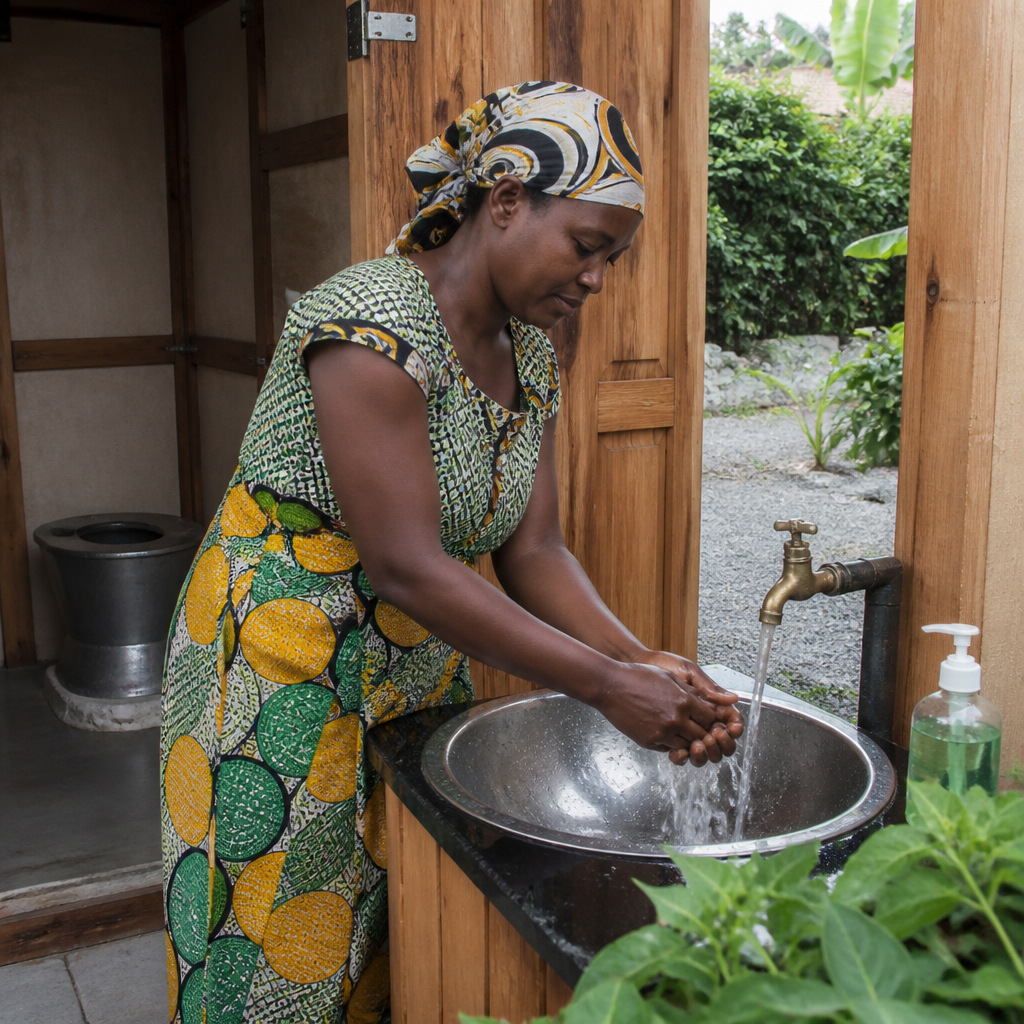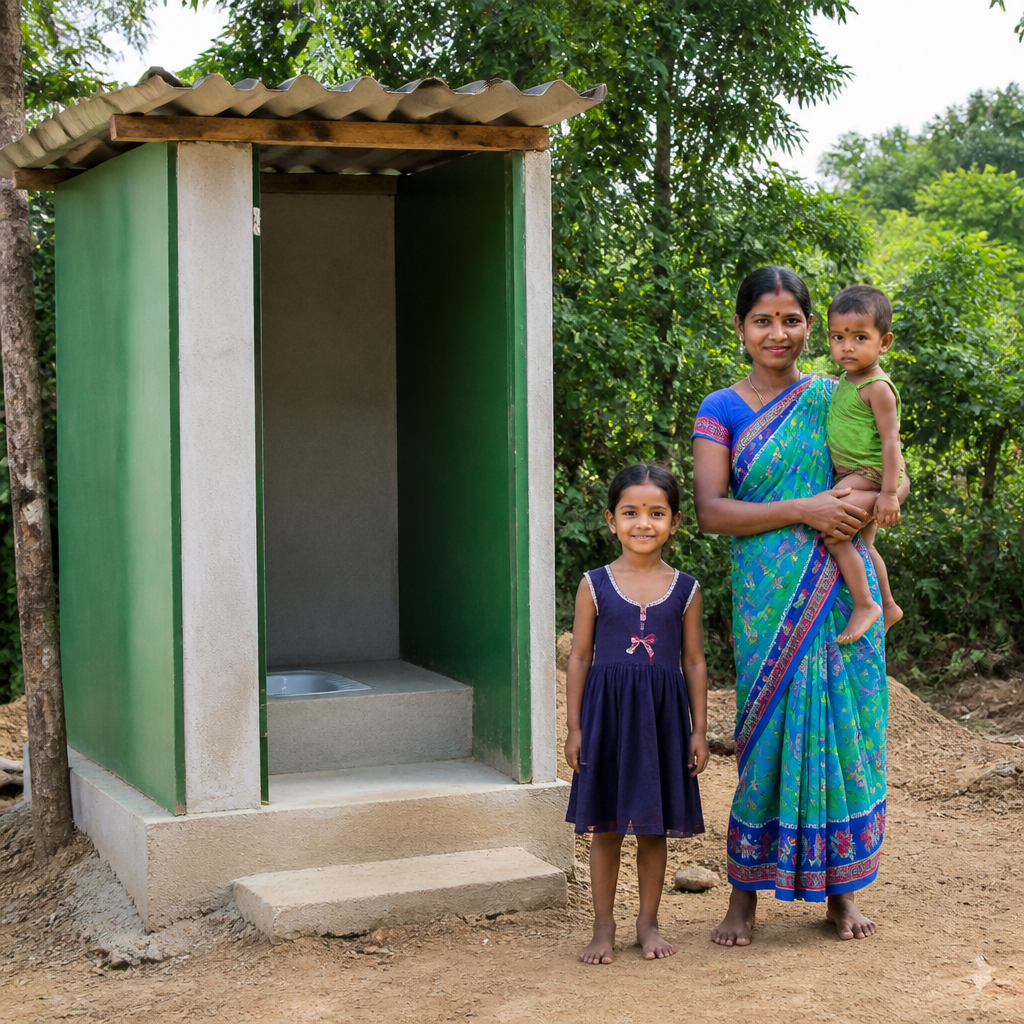
EcoSan is a preventive healthcare approach that connects sanitation, hygiene, environmental protection, and daily behavior to reduce disease before treatment is needed. In health and safety work, I have seen the same pattern across clinics, schools, factories, and dense urban neighborhoods: when sanitation systems are weak, illness rises quietly through diarrhea, respiratory infections, skin disease, parasites, and exposure to hazardous waste. When sanitation is designed as a health tool rather than a maintenance afterthought, communities become safer, absenteeism falls, and healthcare costs drop. That is the practical promise of EcoSan.
The term EcoSan, short for ecological sanitation, refers to sanitation systems and practices that safely manage human waste, wastewater, solid waste, water use, and hygiene in ways that protect people and the environment. It includes toilets, handwashing infrastructure, safe sludge handling, drainage, cleaning protocols, behavior change, and resource recovery where appropriate. In many settings, EcoSan also includes urine-diverting toilets, composting systems, greywater reuse, and measures that limit contamination of soil and groundwater. Preventive healthcare means reducing risk factors upstream so fewer people become sick in the first place. Put together, EcoSan is not only an engineering concept; it is a preventive health framework.
This matters because poor sanitation remains one of the most persistent drivers of avoidable disease. The World Health Organization and UNICEF have repeatedly shown that unsafe sanitation and inadequate hygiene are tied to enteric infections, neglected tropical diseases, undernutrition, and environmental contamination. In workplaces and public institutions, sanitation failures also create slips, falls, chemical exposure, vector breeding, odor complaints, and psychological stress. Safety and wellness in EcoSan therefore covers more than toilets. It addresses infection control, worker protection, water quality, menstrual hygiene support, indoor environmental quality, emergency readiness, and the routines that keep systems functioning every day.
As a hub topic under health and safety, Safety and Wellness in EcoSan should help readers answer several practical questions. What risks does EcoSan prevent? Which design features improve safety? How should facilities be cleaned, monitored, and maintained? What standards, tools, and training matter most? How do schools, hospitals, homes, and worksites apply the same principles differently? The sections below provide direct answers, using plain language and real operational examples, so this page can anchor deeper articles on sanitation design, hygiene programs, occupational safety, wastewater handling, and community wellness.
How EcoSan prevents disease and injury
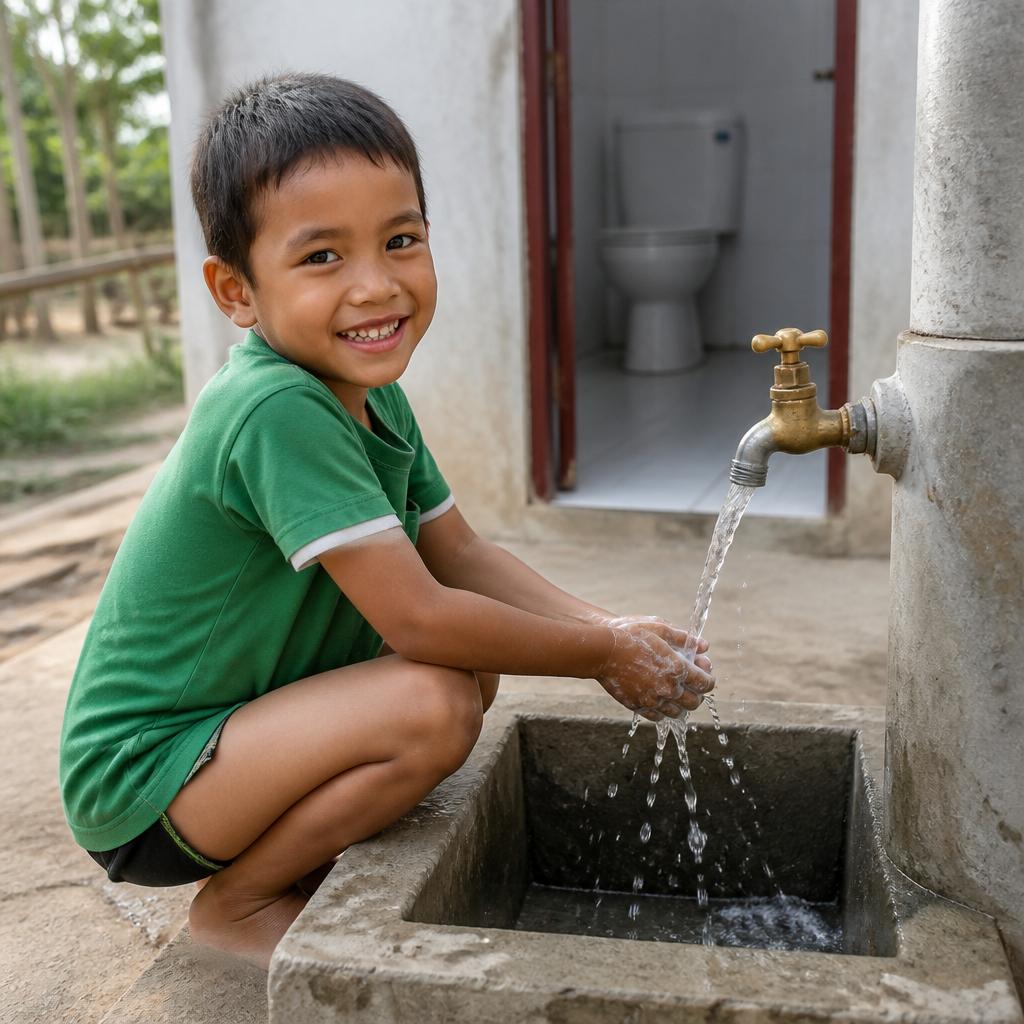
EcoSan prevents disease by breaking transmission pathways. The classic public health model is the fecal-oral route: pathogens leave one person through waste, contaminate hands, water, food, surfaces, insects, or soil, and enter another person. Good sanitation interrupts that chain at multiple points. A toilet that isolates waste, a handwashing station with soap, a drainage channel that stops standing water, and a cleaning schedule that disinfects touchpoints all reduce the probability of exposure. That is why sanitation improvements often produce health benefits greater than any single intervention alone.
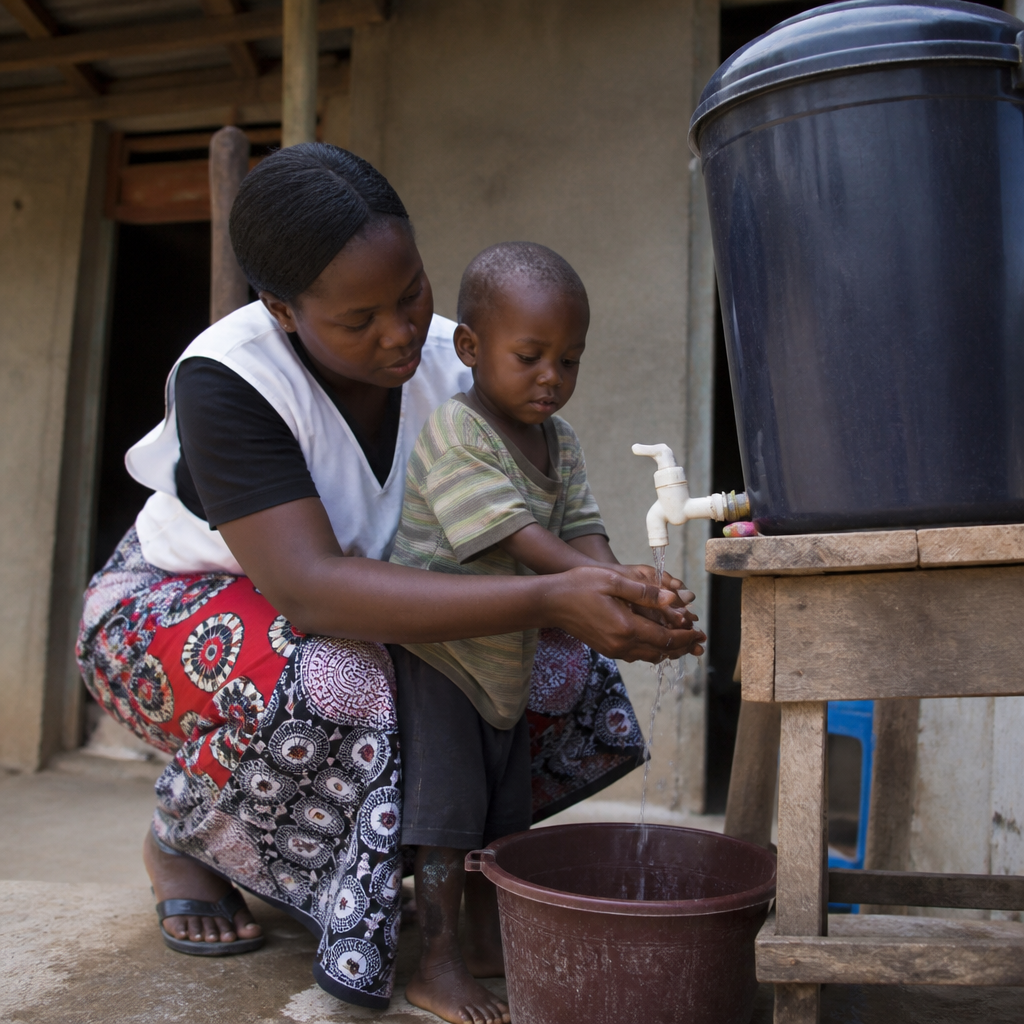
In practice, the main health gains come from consistency, not novelty. A school may install modern toilets, but if water is unavailable, soap dispensers stay empty, and waste bins overflow, the system stops working as a preventive measure. By contrast, a simpler setup with reliable cleaning, ventilation, lighting, and inspection often performs better. I have seen low-cost handwashing stations near food service points cut visible cross-contamination far more effectively than expensive fixtures placed in inconvenient corners. Preventive healthcare depends on frictionless habits.
EcoSan also prevents physical injury and occupational exposure. Wet floors without drainage increase slips. Poorly stored cleaning chemicals can cause burns or toxic inhalation. Workers who empty pits or septic tanks without gloves, boots, respirators, or confined-space controls face immediate danger from pathogens and gases such as hydrogen sulfide and methane. Safe EcoSan design therefore includes traffic flow, ventilation, signage, lockout procedures, personal protective equipment, and emergency response plans. A sanitation program that ignores worker safety is incomplete.
Core components of safety and wellness in EcoSan
Safety and wellness in EcoSan depends on a set of interlocking components. First is containment: toilets, pits, tanks, and pipes must prevent leaks into living areas, surface water, and groundwater. Second is access: facilities must be near users, well lit, private, and usable by children, older adults, and people with disabilities. Third is hygiene support: handwashing with soap, menstrual hygiene disposal, surface cleaning supplies, and safe water points must be integrated into the same user journey. Fourth is maintenance: someone must inspect, clean, repair, and document the condition of the system. Fifth is education: users need clear instructions on hand hygiene, flushing or covering practices, waste segregation, and reporting faults.
Wellness expands the focus from hazard control to human dignity and comfort. A sanitation facility that feels unsafe, dark, or unclean will be avoided, especially by women, children, and vulnerable users. Avoidance causes people to delay urination, reduce water intake, or practice open defecation, all of which create additional health risks. Good EcoSan planning therefore accounts for privacy locks, odor control, ventilation, menstrual products, accessible stalls, and schedules that keep facilities usable throughout the day. Wellness is not decorative. It changes behavior.
| EcoSan component | Main safety benefit | Wellness benefit | Example in practice |
|---|---|---|---|
| Handwashing station with soap | Reduces pathogen transfer from hands to mouth and surfaces | Builds confidence in shared spaces | Sink placed at toilet exit and cafeteria entrance |
| Ventilated toilet or latrine | Lowers odor, flies, and gas buildup | Makes regular use more acceptable | Vent pipe and screened openings in a school block |
| Safe sludge handling protocol | Protects workers from infection and toxic gases | Prevents neighborhood exposure and nuisance | Licensed emptying team using PPE and sealed transport |
| Drainage and dry floors | Prevents slips and mosquito breeding | Creates a cleaner, calmer environment | Graded floor with trapped drain in a clinic washroom |
| Menstrual hygiene support | Reduces improper disposal and blocked plumbing | Improves attendance, privacy, and dignity | Covered bins, water, and disposal instructions |
Design principles that make EcoSan systems safer
Safe EcoSan starts with design choices that anticipate failure. Separation of clean and dirty flows is fundamental. Drinking water lines should never run near leaking wastewater channels. Hand contact points should be easy to clean and limited where possible. Floor slopes should move wastewater toward trapped drains, not corners where biofilm grows. Toilets and washrooms need cross-ventilation or mechanical exhaust to control humidity, odors, and aerosol persistence. Materials matter too: nonporous wall finishes, corrosion-resistant fixtures, and sealed joints reduce microbial growth and simplify maintenance.
Accessibility is a safety feature, not an optional upgrade. Grab bars, ramps, wider doors, lower sink heights, and clear signage reduce falls and ensure independent use. In healthcare and eldercare settings, inaccessible sanitation drives unsafe improvisation by both users and staff. Lighting is similarly critical. Dark entryways increase the risk of assault, missed spills, and avoidance after dusk. In factories and transport hubs, I recommend visibility checks during peak and low-light hours because design drawings rarely reveal how a facility actually feels at 6 a.m. or during a power interruption.
Resource recovery systems, including composting toilets and urine diversion, can be safe and highly effective when properly managed. The key conditions are pathogen reduction, containment time, moisture control, and operator training. Untreated or partially treated excreta must never be handled as harmless compost. Established guidance from WHO sanitation safety planning and ISO-aligned risk management principles supports a barrier approach: safe collection, controlled treatment, restricted access, monitoring, and appropriate end use. The system is only as safe as the least controlled step.
Hygiene operations, cleaning, and monitoring
Daily operations determine whether EcoSan performs as preventive healthcare or degrades into risk. Cleaning should follow a written schedule that defines frequency, chemicals, dilution ratios, contact times, tools, and responsible staff. High-touch surfaces such as door handles, flush levers, taps, and stall locks deserve extra attention because they transfer organisms rapidly between users. Color-coded cleaning equipment, a standard in many facilities, helps prevent cross-use between toilets, food areas, and general surfaces. Staff need training not just in what to clean, but in why sequence matters and where contamination spreads unnoticed.
Monitoring is equally important. At minimum, facilities should track water availability, soap stock, odor complaints, visible soil, drainage problems, pest activity, and repair needs. In higher-risk settings such as clinics, laboratories, food processing plants, and shelters, monitoring can include ATP surface testing, water quality checks, and incident logs for exposure or blockage events. The goal is not paperwork for its own sake. It is early detection. A blocked drain today becomes standing water, mosquitoes, mold, slips, and user avoidance tomorrow.
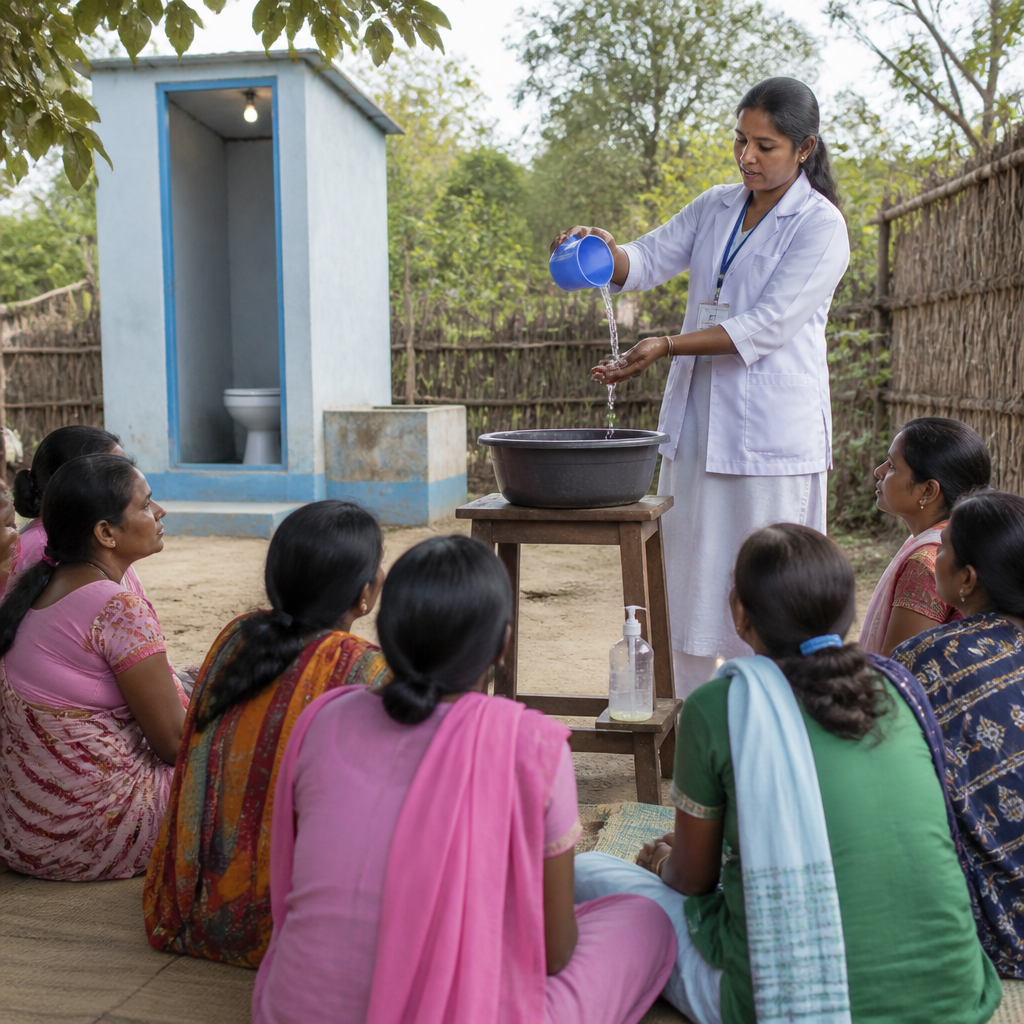
Behavioral cues improve hygiene without heavy enforcement. Mirrors above sinks increase handwashing duration in some settings. Foot-operated bins reduce touchpoints. Posters work best when they are specific, short, and placed exactly where the decision happens, such as above a tap or near a disposal bin. One manufacturing site I advised reduced restroom contamination complaints after moving soap dispensers to more visible positions and assigning supervisors to a five-minute end-of-shift check. Small operational changes often outperform expensive retrofits.
Special applications in schools, healthcare, homes, and workplaces
Different environments need different EcoSan controls. In schools, the priority is usability for children, menstrual hygiene management, routine cleaning, and enough capacity to prevent queues. When lines are long, children skip toilet use and handwashing, then return to class distracted or ill. Separate facilities by age and sex, adequate bins, and teacher oversight during peak periods significantly improve hygiene compliance. Attendance, especially among adolescent girls, is strongly linked to privacy, water access, and clean disposal options.
In healthcare settings, EcoSan overlaps with infection prevention and control. Patient toilets require more frequent cleaning, hand hygiene stations at point of care, safe sharps and infectious waste segregation, and robust wastewater management. Isolation areas may need dedicated sanitation pathways. Homes, especially in peri-urban or water-scarce regions, benefit from simple measures: sealed pits, handwashing near cooking areas, child feces disposal guidance, and regular septic inspection. Workplaces must align sanitation with occupational safety by providing adequate ratios of facilities, break-time access, safe chemical storage, and trained janitorial staff. Construction sites need temporary units serviced on schedule; otherwise they become both a health risk and a labor issue.
Governance, standards, and long-term performance
Strong EcoSan programs are governed, not improvised. Roles should be explicit: who cleans, who inspects, who authorizes repairs, who empties tanks, who reviews incidents, and who trains new staff. Sanitation safety planning offers a practical framework because it maps the entire chain from waste generation to disposal or reuse and identifies hazards at each step. For buildings and institutions, preventive maintenance schedules should cover pumps, seals, vents, tanks, pipe integrity, and water points. Waiting for failure is more expensive and less safe than routine inspection.
Standards matter because they translate good intentions into measurable expectations. WHO guidance, local public health codes, occupational safety rules, and building accessibility standards should all inform EcoSan decisions. Metrics can include user-to-toilet ratios, handwashing functionality, cleaning completion rates, incident frequency, response time for repairs, and water quality compliance. The most successful sites I have worked with review these indicators monthly and connect them to budgets. Sanitation improves when leadership treats it as core infrastructure for preventive healthcare, not as a peripheral housekeeping task.
EcoSan is a powerful tool for preventive healthcare because it reduces exposure before illness starts, while also improving comfort, dignity, and environmental protection. The central lesson is straightforward: safe containment, easy hand hygiene, thoughtful design, disciplined maintenance, and trained operators work together to prevent infection, injury, and system failure. Whether the setting is a school, clinic, home, factory, or public venue, the same principle applies. Sanitation must be planned as a health intervention.
For readers building a health and safety program, this hub should guide the next step. Audit your current sanitation chain, identify the weakest point, and improve one controllable factor this month, such as soap availability, lighting, drainage, sludge handling, or inspection routines. Then expand into deeper topics across your health and safety strategy. EcoSan delivers the greatest benefit when safety and wellness are managed together, consistently, and with the same seriousness given to any other preventive healthcare system.
Frequently Asked Questions
What is EcoSan, and how does it support preventive healthcare?
EcoSan, short for ecological sanitation, is a preventive healthcare approach that treats sanitation as a front-line public health tool rather than a background utility. Instead of waiting for people to become sick and then relying only on diagnosis and treatment, EcoSan works upstream by reducing the conditions that allow disease to spread in the first place. It connects safe waste management, hand hygiene, water protection, environmental cleanliness, and everyday behavior into one practical system designed to lower health risk across homes, schools, clinics, workplaces, and neighborhoods.
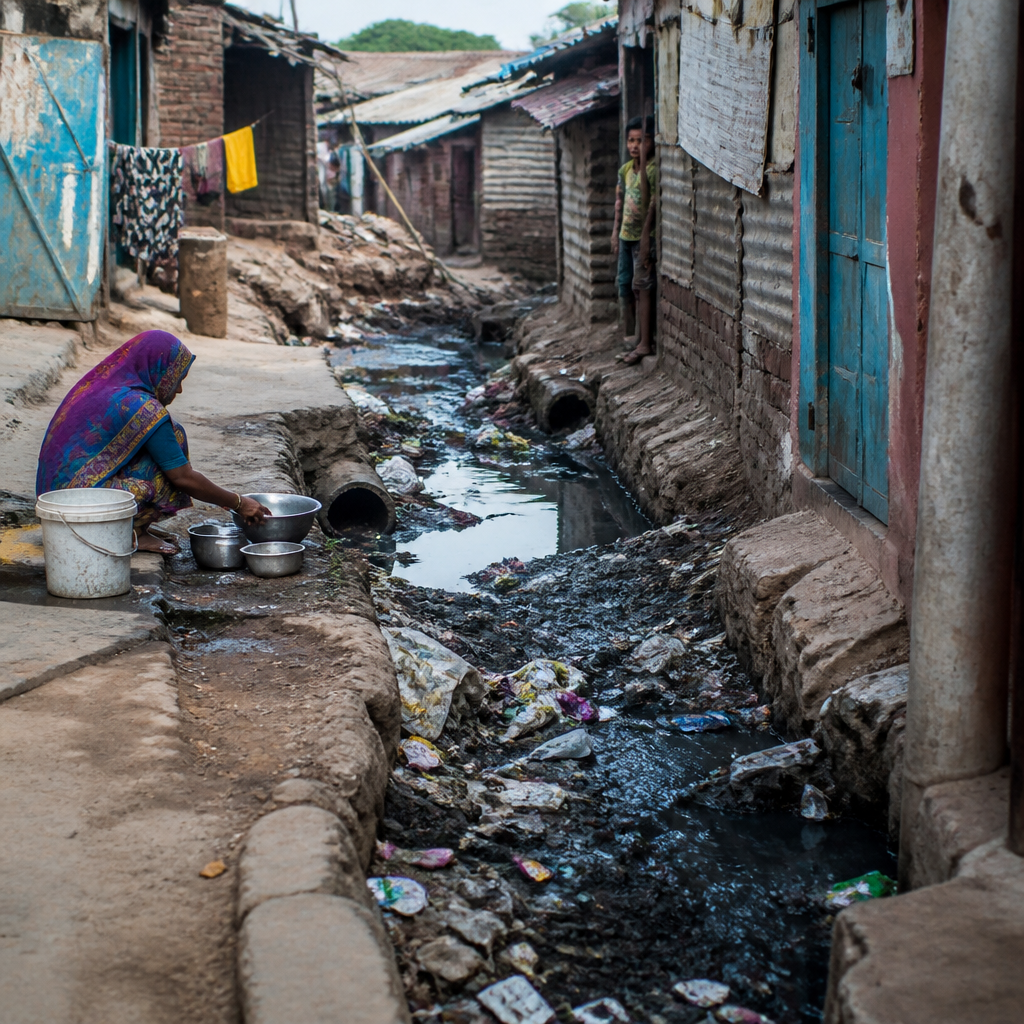
In real-world health and safety settings, weak sanitation often leads to a quiet but steady rise in preventable illness. Diarrheal disease, respiratory infections, skin conditions, intestinal parasites, and exposure to hazardous waste can all increase when toilets are poorly designed, wastewater is unmanaged, handwashing is inconsistent, or refuse accumulates near where people live and work. EcoSan helps interrupt these pathways. By containing waste safely, preventing contamination of water and soil, promoting routine hygiene, and improving the physical environment, it reduces the chance that pathogens will reach people through hands, surfaces, food, insects, air, or standing water.
What makes EcoSan especially valuable in preventive healthcare is that it links infrastructure and behavior. A clean toilet alone is not enough if there is no handwashing station. A drainage system alone is not enough if waste still enters living spaces. EcoSan looks at the whole chain of exposure and asks how daily practices and environmental design can work together to stop disease before treatment is needed. That is why it is increasingly recognized not just as a sanitation model, but as a practical health protection strategy.
Why is sanitation considered such an important factor in preventing disease?
Sanitation is one of the most powerful determinants of health because it directly affects how infectious agents move through a community. When human waste, wastewater, solid waste, and contaminated surfaces are not managed properly, pathogens can spread quickly through water, food, soil, insects, and direct human contact. Many illnesses that are often treated as isolated medical problems actually have deep environmental roots. Recurrent diarrhea, worm infections, skin irritation, eye infections, and even some respiratory problems often reflect poor sanitation conditions just as much as they reflect individual vulnerability.
From a preventive healthcare perspective, sanitation matters because it reduces repeated exposure. A child who is repeatedly exposed to contaminated water or dirty surfaces may experience frequent gastrointestinal illness, missed school days, poor nutrition, and reduced physical development. In workplaces and urban settlements, poorly managed waste and inadequate drainage can increase infection risk, create unsafe air quality, attract pests, and expose workers or residents to chemicals and biological hazards. In clinics and care environments, weak sanitation can undermine infection prevention efforts and contribute to healthcare-associated infections.
Strong sanitation systems create barriers between people and pathogens. Proper toilets, safe fecal sludge management, reliable drainage, hygienic waste disposal, handwashing facilities, and environmental cleaning all reduce the number of opportunities for disease to spread. This is why sanitation is not simply about cleanliness or appearance. It is a core health intervention. When communities invest in sanitation, they often see broader benefits as well, including lower healthcare burdens, improved attendance at school and work, safer public spaces, and stronger long-term resilience against outbreaks.
How does EcoSan differ from traditional sanitation approaches?
Traditional sanitation approaches often focus narrowly on infrastructure, such as building toilets or sewer connections, without always addressing how those systems are used, maintained, and connected to broader health outcomes. EcoSan takes a more integrated view. It sees sanitation as part of a larger preventive health framework that includes hygiene behavior, environmental protection, exposure control, and community participation. The goal is not simply to install facilities, but to create conditions that actively reduce disease transmission and support healthier daily living.
One of the key differences is that EcoSan pays close attention to the full sanitation chain. That means considering what happens before, during, and after waste is generated: access to safe toilets, handwashing after use, containment and transport of waste, treatment processes, drainage conditions, solid waste handling, and the protection of water sources and living spaces. This broader lens helps identify hidden weak points. For example, a community may technically have toilets, but if pits overflow, wastewater stagnates, or handwashing supplies are absent, disease risk remains high.
EcoSan also emphasizes environmental health and human behavior together. It encourages systems that are practical, locally appropriate, and sustainable over time. In many settings, the most effective preventive solutions are not the most expensive ones, but the ones people can use consistently and maintain safely. By linking sanitation design with public health goals, EcoSan moves beyond a construction project mindset and becomes a disease prevention strategy rooted in everyday function, safety, and habit.
What health problems can EcoSan help reduce in communities, schools, clinics, and workplaces?
EcoSan can help reduce a wide range of health problems that are driven or worsened by poor sanitation and hygiene conditions. One of the most immediate targets is diarrheal disease, which often results from fecal contamination of hands, surfaces, food, and water. By improving waste containment, handwashing, drainage, and environmental cleanliness, EcoSan can significantly lower the pathways through which these infections spread. It can also reduce intestinal worm infections and other parasitic diseases that thrive where soil, water, and living areas are contaminated.
Beyond gastrointestinal illness, EcoSan can contribute to fewer skin diseases, eye infections, and some respiratory problems. Standing wastewater, overcrowded unsanitary conditions, mold-promoting dampness, and poor waste handling can all affect respiratory and skin health. In schools, better sanitation supports attendance, concentration, and dignity, especially for children who are more vulnerable to infection. In clinics, improved sanitation strengthens infection prevention and control efforts, helping protect both patients and staff. In workplaces such as factories, markets, and service settings, cleaner facilities and safer waste management reduce occupational exposure and support a healthier workforce.
EcoSan is also relevant to hazardous waste exposure and environmental contamination. When healthcare waste, industrial byproducts, or mixed refuse are managed poorly, communities may face direct contact hazards, vector attraction, and contamination of air, land, and water. By treating sanitation as a health protection system, EcoSan helps limit both infectious and environmental risks. Its greatest strength is that it does not address just one disease at a time. It reduces the background conditions that allow many preventable health problems to persist.
What are the most effective ways to implement EcoSan as a preventive healthcare tool?
Effective EcoSan implementation starts with understanding local exposure risks, not just installing standard facilities. The first step is usually a practical assessment of how sanitation failures are affecting health: where waste goes, whether water sources are vulnerable, whether handwashing is possible at key points, how drainage functions during rain, how solid waste is handled, and which behaviors increase daily exposure. This kind of assessment helps health teams, schools, municipalities, employers, or community leaders identify the true weak links in the system and prioritize interventions that will have the biggest preventive impact.
From there, successful implementation depends on combining infrastructure with routine practice. Safe toilets, handwashing stations with soap, drainage improvements, waste segregation, surface cleaning protocols, and wastewater control all matter, but they must be supported by clear responsibilities and consistent use. In clinics and workplaces, that may mean sanitation checklists, staff training, cleaning schedules, and monitoring. In schools and communities, it may involve hygiene education, shared maintenance systems, safe child-friendly access, and public communication that explains why sanitation is directly tied to health. EcoSan works best when people understand not only what to do, but why it prevents disease.
Long-term success also requires maintenance, accountability, and adaptation. Preventive systems fail when facilities break, supplies run out, sludge is not removed, drains clog, or no one tracks whether conditions are improving. Strong EcoSan programs build in inspection, budgeting, community ownership, and simple health and environmental indicators. They also adapt to setting-specific realities, whether that means dense urban neighborhoods, under-resourced schools, industrial sites, or small rural clinics. The most effective EcoSan strategy is one that people can sustain safely every day, because preventive healthcare is not a one-time intervention. It is the ongoing management of conditions that shape whether illness takes hold at all.