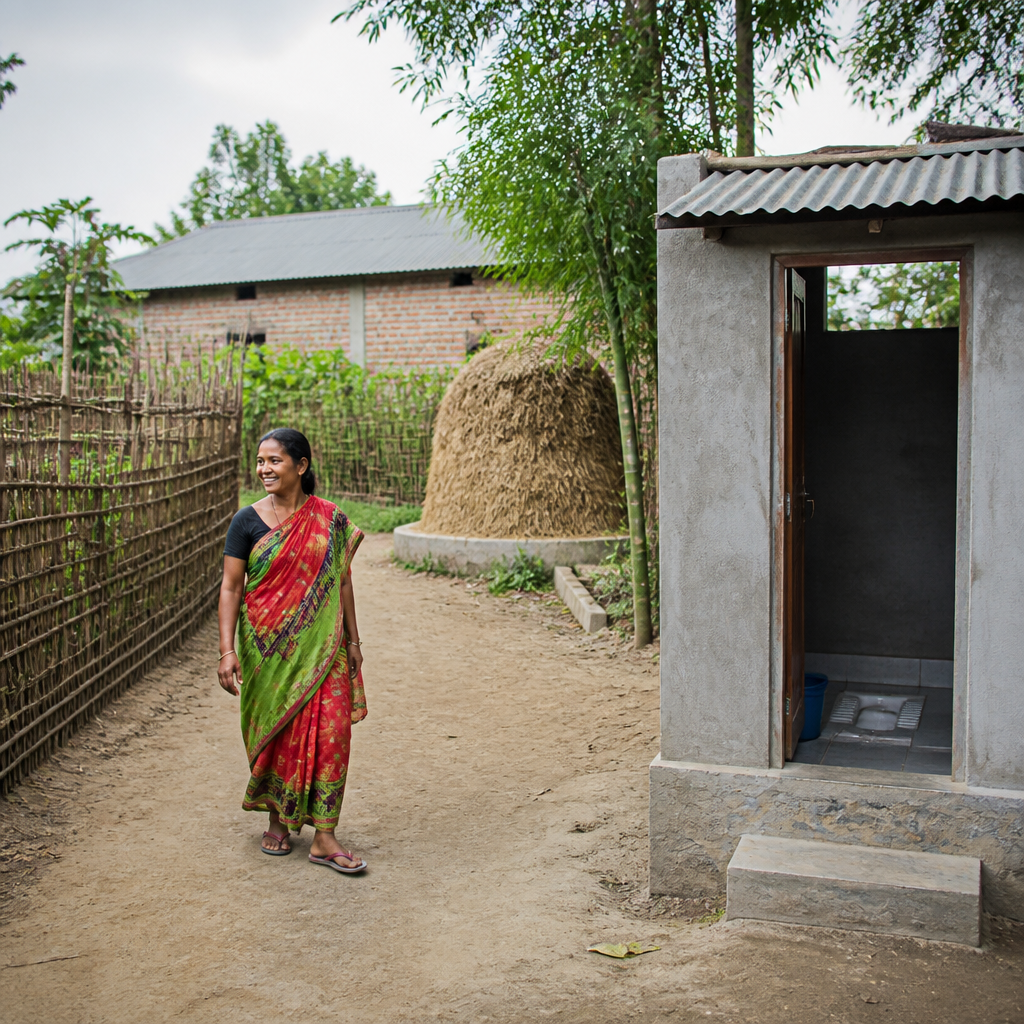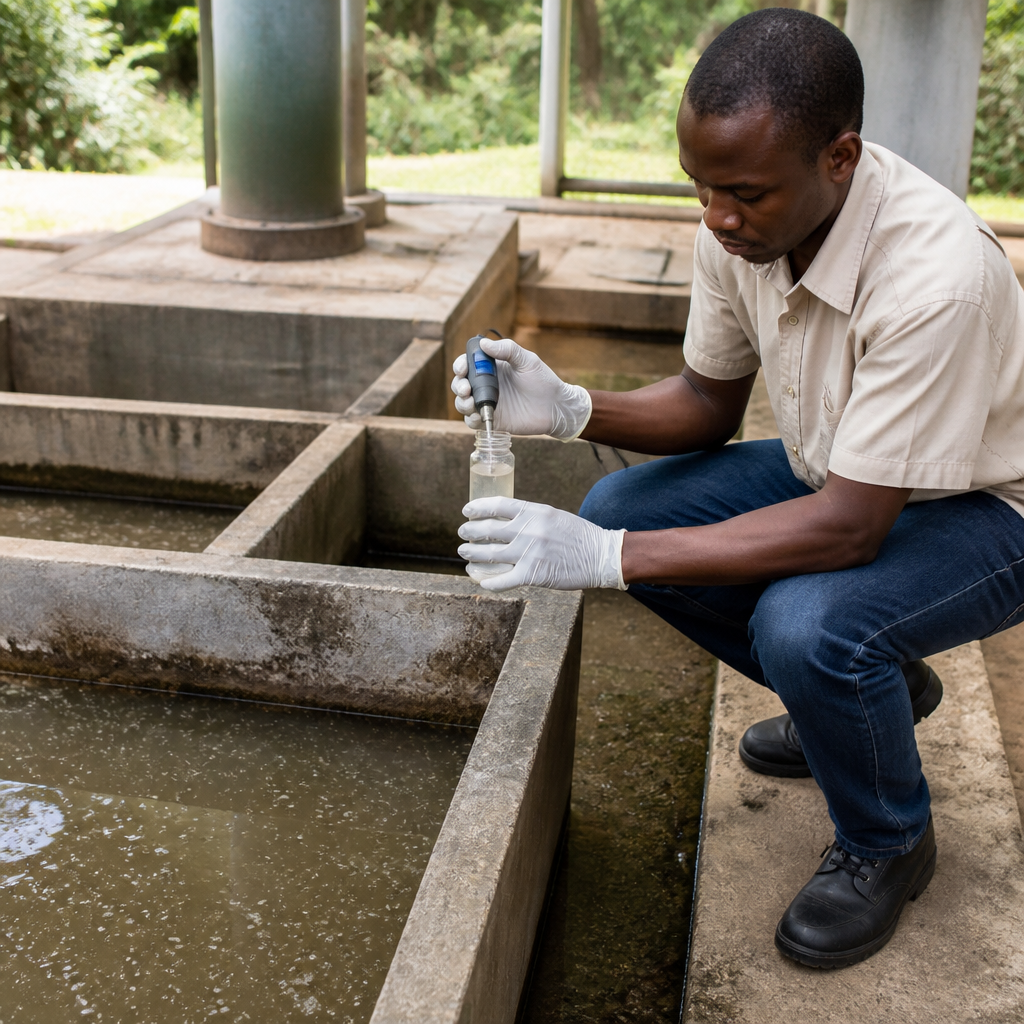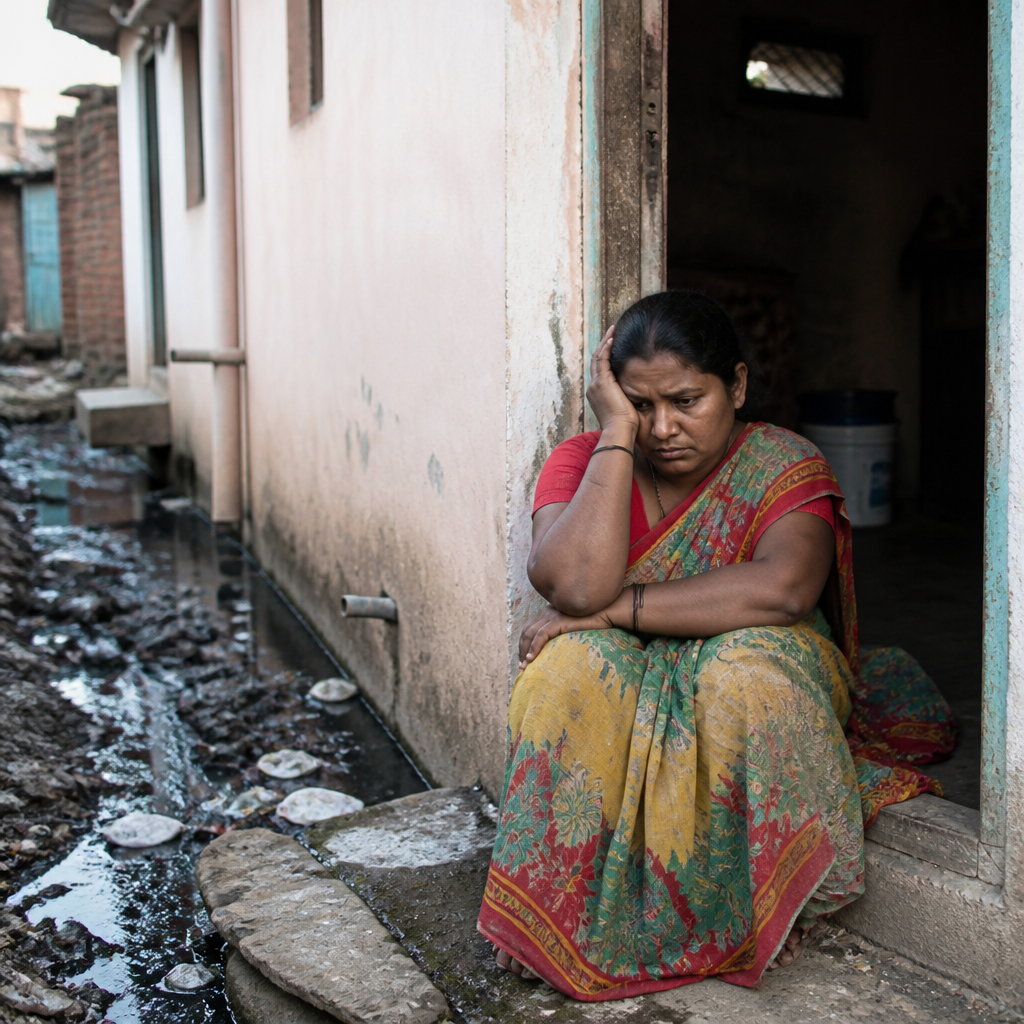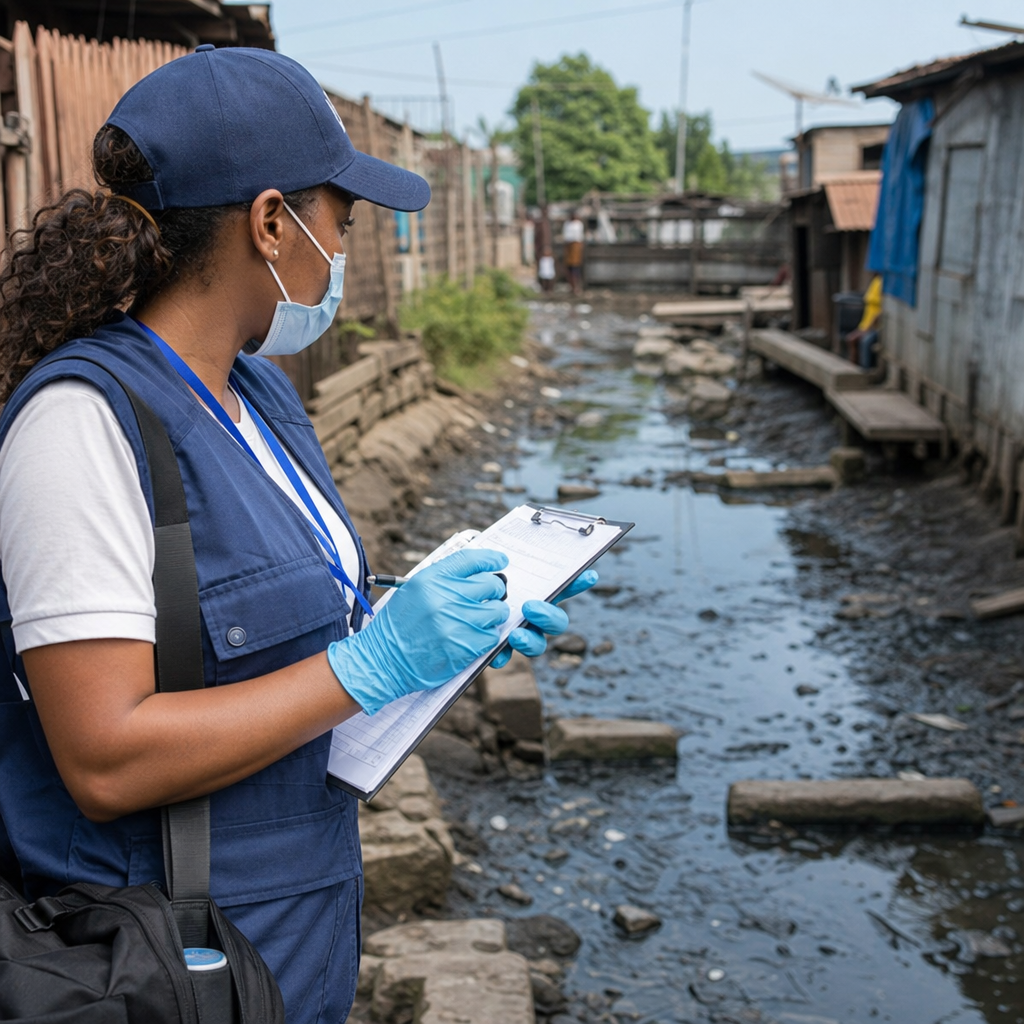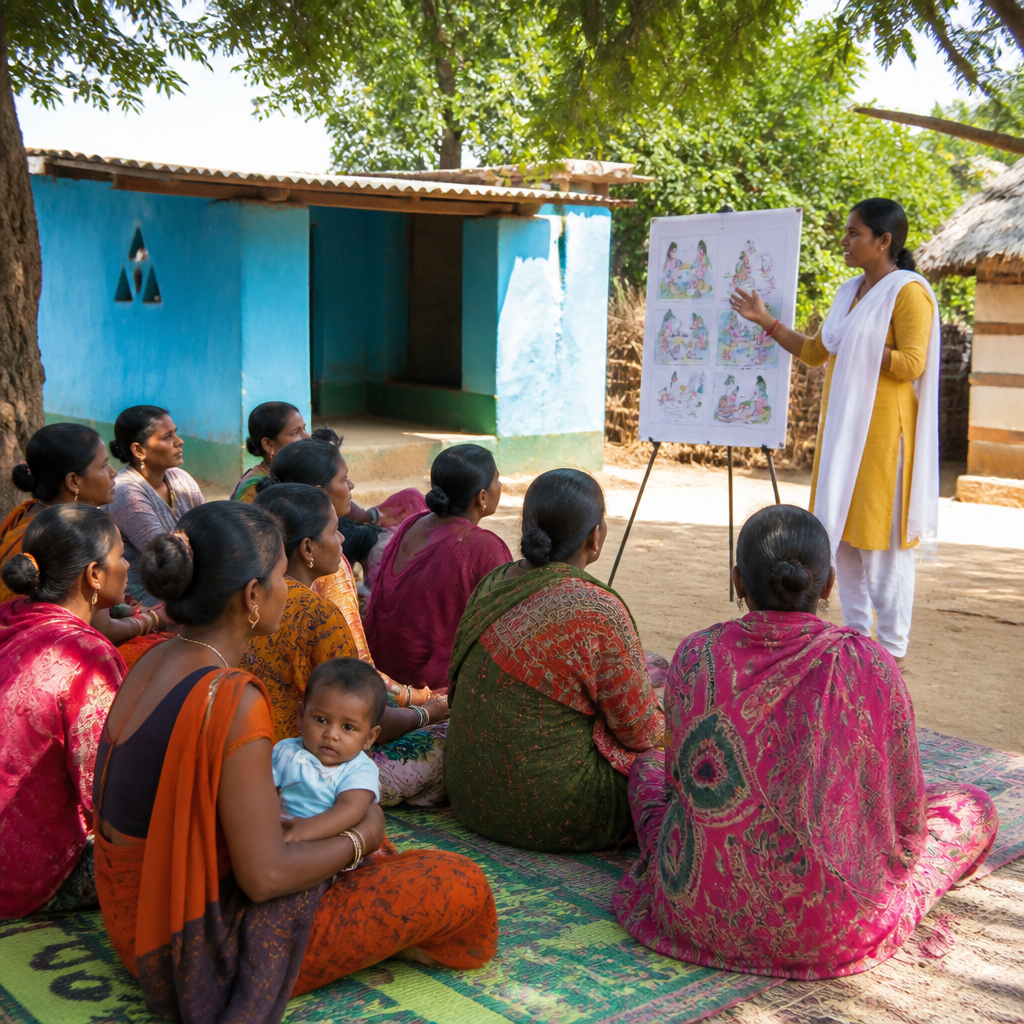
Empowering communities through sanitation education is one of the most practical ways to improve public health, protect water resources, and make ecological sanitation systems safer to use every day. In the Health and Safety field, “Safety and Wellness in EcoSan” refers to the practices, training, design standards, and community habits that keep ecological sanitation systems hygienic, socially acceptable, and environmentally sound. EcoSan, short for ecological sanitation, treats human waste not simply as something to discard, but as a resource that can be managed, sanitized, and in some cases reused to support soil health and reduce pressure on conventional sewerage. That promise is real, but I have seen in project work that it only holds when people understand the system, trust it, and follow clear safety procedures. Education is the bridge between good hardware and healthy outcomes.
Sanitation education matters because disease transmission is usually driven by behavior as much as infrastructure. A urine-diverting dry toilet, composting toilet, or dehydrating vault can fail in practice if users mix waste streams, neglect handwashing, store material for too short a time, or clean surfaces with unsafe methods. Conversely, even modest facilities can deliver strong health benefits when communities know why separation matters, how pathogens die off, when personal protective equipment is necessary, and what signs indicate a maintenance problem. The World Health Organization has long emphasized safe sanitation chains, from containment to treatment to end use or disposal. In EcoSan, every link in that chain depends on informed people. For that reason, sanitation education is not an accessory to system installation; it is the system.
As a hub topic within Health and Safety, Safety and Wellness in EcoSan includes several connected questions: How do communities prevent exposure to pathogens? What training should households, schools, and operators receive? How should fecal sludge, urine, greywater, and cleaning materials be handled? Which design choices improve accessibility, dignity, and long-term use? And how can local leaders build norms that support safe maintenance instead of silence and stigma? Answering those questions comprehensively helps residents, NGOs, local governments, schools, and facility managers make better decisions. It also creates a foundation for related articles on toilet design, pathogen reduction, menstrual hygiene management, operator safety, waste reuse, and community engagement. A strong hub page should explain the principles clearly enough that each deeper topic has context.
At its core, wellness in EcoSan is broader than infection prevention alone. It includes mental comfort, privacy, gender-responsive design, accessibility for children and older adults, odor control, vector management, and confidence that the system is not harming nearby land or water. People use sanitation facilities consistently when they feel safe, respected, and informed. Communities maintain systems longer when they understand both the health rationale and the practical routine. That is why sanitation education should be participatory, local, repeated, and tied to visible tasks people perform each week. Posters, caretaker logs, school demonstrations, household visits, and operator checklists all work better than one-off lectures. When education is built into daily life, EcoSan becomes not just a technical installation but a durable public health practice.
Understanding safety risks in ecological sanitation
The first step in empowering communities is making the risks concrete without creating fear. Human excreta can contain bacteria such as E. coli and Salmonella, viruses such as norovirus and rotavirus, protozoa, and helminths including Ascaris eggs, which are notably resilient in the environment. In EcoSan systems, risk does not disappear because waste is separated or stored; risk is managed through barriers. Those barriers include correct toilet use, moisture control, adequate storage time, hand hygiene, safe emptying, tool cleaning, and restricted access for children and animals. When I train users, I frame EcoSan as a barrier system similar to food safety. One missed step may not always cause illness, but repeated shortcuts eventually raise exposure dramatically.
Communities also need to understand that not all EcoSan systems behave the same way. A urine-diverting dry toilet relies on separation and dry cover material such as ash, lime, or sawdust to reduce moisture, odor, and fly breeding. A composting toilet depends on biological decomposition under managed conditions. A dehydrating vault aims to dry fecal matter over time. Constructed wetlands and greywater gardens address wastewater differently from excreta vaults. Education should match the exact technology in use, because generic sanitation advice can confuse users. For example, adding wash water into a dry system may undermine pathogen reduction, while failing to direct urine correctly can saturate chambers and create strong odor. Good training uses the actual facility as the classroom.
Safety messages should also distinguish routine use from higher-risk maintenance tasks. Using the toilet properly, closing lids, and washing hands are daily behaviors for everyone. Emptying containers, transferring dried material, unclogging urine pipes, or treating spills are specialized tasks that require extra precautions. Households often underestimate these tasks because they appear familiar and domestic, but exposure risk rises when dried solids are disturbed and dust becomes airborne. Gloves, boots, dedicated tools, masks where dust is generated, and handwashing stations with soap are basic controls. Maintenance plans should specify who performs each task, how often, and where material goes next. Vague responsibility is one of the most common reasons sanitation safety breaks down.
Building community knowledge that changes behavior
Effective sanitation education is behavior change work, not just information delivery. People adopt safer habits when they understand consequences, see respected peers modeling the behavior, and believe the routine is realistic. In village programs and school settings, I have found that demonstrations outperform abstract messaging. Showing how a urine-diversion pedestal works, what happens when ash is skipped, or how flies increase around unsealed openings creates immediate understanding. Households need plain-language explanations: feces must stay dry, urine must go to the correct outlet, the vault must rest for the full treatment period, and hands must be washed after every contact with the facility or maintenance tools.
Trusted messengers matter as much as the message. Teachers, health workers, women’s groups, masons, caretakers, and local faith leaders can all reinforce sanitation norms when they are trained first and speak consistently. Education should be repeated at installation, after the first month of use, and again during seasonal changes that affect moisture, odor, or access. New users, renters, and children entering school need orientation too. A common mistake is assuming that once a toilet is built, understanding remains permanent. In reality, safe use drifts unless communities review the basics regularly and correct small errors before they become accepted practice.
Monitoring turns education into accountability. Communities do not need complex dashboards to improve outcomes; they need simple indicators they can observe. These include presence of soap and water, dryness of the feces chamber, absence of flies, correct cover material storage, no urine leakage, and a record of chamber closure and emptying dates. Caretaker logs, household checklists, and school sanitation committees are practical tools. When users can see whether standards are met, they become more confident and more willing to participate in upkeep.
| EcoSan safety task | Why it matters | Simple community check |
|---|---|---|
| Separate urine and feces correctly | Prevents excess moisture, odor, and treatment failure | No wet sludge or mixed flow visible in the vault |
| Add cover material after use | Reduces flies, smell, and surface contamination | Dry ash, lime, or sawdust container kept full |
| Wash hands with soap | Breaks fecal-oral disease transmission | Soap and water available at the handwashing point |
| Respect storage or resting time | Allows pathogen die-off before handling | Closure date marked clearly on chamber or container |
| Use protective gear for emptying | Reduces direct contact and inhalation risk | Gloves, boots, and tools stored together near the task area |
Safe operation, maintenance, and pathogen control
Most EcoSan health failures can be traced to operation and maintenance gaps, so this hub topic must address them directly. Pathogen control in dry sanitation depends on time, temperature, pH, moisture reduction, and handling discipline. Ascaris eggs are often used as a benchmark organism because they survive longer than many other pathogens. That is why conservative storage periods are important and why guidance should align with recognized health-based frameworks rather than local guesswork. If the system is designed for dehydration, users should not assume material is safe just because it looks dry. If the system is designed for composting, users need to know whether temperatures and residence times are actually sufficient. Visual appearance is not a reliable sanitation indicator.
Routine maintenance starts with design-compatible cleaning. Harsh flushing with large volumes of water can damage dry systems. Caustic chemicals may corrode fittings or create handling hazards without improving hygiene. In most cases, regular wiping of contact surfaces, safe disposal or washing of cleaning cloths, and immediate attention to urine scaling, leaks, or blocked vents are more important than aggressive disinfection. Vent pipes need screens intact to reduce insect entry. Floors should be washable and sloped away from living areas. Containers for cover material should stay dry. These details seem minor, yet they strongly influence whether a facility remains safe and acceptable over years rather than months.
Emptying protocols deserve special emphasis because they concentrate risk into a short period. Before opening a chamber, confirm the resting period has been completed and assemble tools, bags or carts, gloves, boots, and handwashing supplies. Avoid emptying on windy days if dust is likely. Transfer material carefully to prevent spills, and clean tools in a designated area rather than near drinking water points. If material is intended for agricultural reuse, apply only according to local regulations, crop restrictions, and treatment standards. Where safe reuse cannot be assured, controlled burial or other approved disposal is the better choice. The right decision is the one that protects health consistently.
Wellness, dignity, and inclusive EcoSan design
Safety and wellness in EcoSan must include the user experience, because discomfort and exclusion quickly become health issues. Facilities that lack privacy, lighting, locks, menstrual hygiene provisions, or child-friendly interfaces are used inconsistently, and inconsistent use leads to open defecation, unsafe disposal, or poorly maintained backup practices. In schools, girls may avoid toilets that do not support menstrual hygiene management with water, disposal options, shelves, and privacy. Older adults may struggle with steep steps or squatting platforms. Young children may fear large drop holes or be unable to aim correctly in urine-diverting units. These are not minor inconveniences; they are design flaws that undercut sanitation outcomes.
Inclusive EcoSan design follows universal principles while adapting to local context. Handrails, adequate turning space, non-slip flooring, clear signage, and easy-to-clean surfaces improve access and reduce injury risk. Ventilation and daylight reduce odor and make facilities feel safer. Separate compartments or schedules may be necessary in public settings to preserve privacy and cleanliness. I have seen community acceptance rise sharply when users are invited to test prototypes before final construction. Their feedback often identifies issues engineers miss, such as door swing conflicts, lack of hooks for clothing, or confusion about where to place cover material. Education works best when the facility itself is intuitive.
Wellness also includes social acceptance. EcoSan projects can fail when people feel disgust, shame, or suspicion about waste handling and reuse. Community dialogue should acknowledge these reactions rather than dismiss them. Explain treatment barriers, show storage timelines, and be honest about what is and is not safe. If agricultural reuse is part of the system, discuss crop choices, application methods, and worker protection openly. Transparency builds trust. When people see that safety rules are specific, monitored, and respected, they are much more willing to participate and less likely to revert to unsafe alternatives.
Governance, training systems, and long-term resilience
Lasting sanitation education is supported by governance, not isolated enthusiasm. Communities need clear ownership structures, budgets for consumables and repairs, and written procedures for cleaning, reporting faults, and responding to overflow, vandalism, or flooding. Schools benefit from assigning roles to administrators, teachers, student clubs, and janitorial staff. Shared or public facilities need caretakers with authority, supplies, and compensation. Municipalities and NGOs should train local masons and service providers so that repairs preserve the original health logic of the system. Poor retrofits, especially those that alter drainage or ventilation, often create avoidable hazards.
Climate and emergency planning are part of resilience. Heavy rains, high groundwater, drought, and heat can all affect EcoSan performance. Flood-prone areas may require raised structures, protected storage areas, and contingency plans for contaminated runoff. Drought can reduce water available for handwashing unless low-flow stations or tippy taps are installed. Heat may accelerate odor if ventilation is poor, while cold climates may slow biological processes. Communities should map these seasonal pressures and adjust maintenance schedules accordingly. Safety improves when local knowledge is combined with technical guidance instead of treated as anecdotal.
This hub page should guide readers toward a complete EcoSan safety program: understand the pathogen pathways, match education to the specific technology, train users repeatedly, maintain visible hygiene standards, protect workers during emptying, design for dignity and inclusion, and embed responsibilities in local institutions. Communities do not become healthier because a toilet is innovative; they become healthier because people know how to use, maintain, and monitor it safely over time. That is the central benefit of sanitation education. If you are building or improving an EcoSan initiative, start with a practical safety training plan and make it as permanent as the infrastructure itself.
Frequently Asked Questions
Why is sanitation education so important for empowering communities?
Sanitation education gives people the knowledge and confidence to protect their own health, improve their environment, and make better long-term decisions about water, waste, and hygiene. In many communities, poor sanitation is not only a technical issue but also a social and educational one. Even when toilets or ecological sanitation systems are available, they may not be used, maintained, or understood properly without clear guidance. Education helps residents learn how diseases spread, why handwashing matters, how contamination affects drinking water, and what daily practices keep families safer.
In the context of Safety and Wellness in EcoSan, sanitation education is especially valuable because ecological sanitation systems depend on correct use and routine care. Community members need practical training on separating waste streams when required, safely handling treated by-products, cleaning facilities, recognizing risks, and following design and hygiene standards. When people understand the purpose behind these practices, they are more likely to adopt them consistently. This creates stronger community ownership, better system performance, and healthier living conditions overall.
Sanitation education also empowers communities by reducing stigma and encouraging open discussion. Topics related to toilets, waste, menstruation, and hygiene are often considered sensitive, which can prevent problems from being addressed openly. Good education programs create space for respectful conversations, local problem-solving, and shared responsibility. Over time, this leads to healthier habits, greater dignity, and more resilient communities that can manage sanitation challenges with confidence.
What does “Safety and Wellness in EcoSan” mean in practical terms?
Safety and Wellness in EcoSan refers to the full set of practices that make ecological sanitation systems hygienic, safe to operate, acceptable to users, and beneficial to the environment. EcoSan is designed to treat human waste not simply as something to dispose of, but as a resource that can be managed responsibly. However, this approach only works well when health and safety measures are built into every stage, from design and construction to user behavior and maintenance.
In practical terms, this includes proper toilet design, clear instructions for users, regular cleaning, effective ventilation, safe storage or treatment of waste, and protection against contact with fresh excreta. It also means ensuring that facilities are accessible, private, and comfortable enough that people actually want to use them. A sanitation system that is technically sound but ignored by the community will not improve public health. Wellness, therefore, includes physical safety as well as social acceptance, dignity, and ease of use.
Another important part of Safety and Wellness in EcoSan is risk reduction through training. Households, operators, school staff, and community leaders need to know how to identify unsafe conditions, such as leaks, overflowing containers, insect breeding, bad odors, or poor handwashing compliance. They should also understand the treatment processes that make waste safer before any reuse is considered. When communities combine good system design with education, monitoring, and shared standards, EcoSan becomes a more reliable and sustainable sanitation solution.
How does sanitation education help protect public health and local water resources?
Sanitation education protects public health by teaching people how contamination happens and how to stop it at the household and community level. Human waste can carry bacteria, viruses, parasites, and other disease-causing organisms. Without proper handling, these pathogens can spread through hands, food, soil, insects, and water. Education helps people interrupt these pathways by promoting consistent toilet use, handwashing with soap, safe cleaning routines, and proper management of children’s feces and household wastewater where relevant.
Water protection is equally important. When sanitation systems are poorly placed, badly maintained, or incorrectly used, waste can seep into groundwater, flow into streams, or contaminate wells and storage containers. Communities that receive sanitation education are better equipped to understand why site selection, drainage, containment, and treatment matter. In ecological sanitation systems, users also need to learn how to keep treatment processes working as intended so untreated waste does not re-enter the environment. This is especially critical in areas where families rely on nearby wells, springs, rivers, or rainwater systems.
Education also supports prevention rather than crisis response. Instead of reacting to outbreaks of diarrhea, cholera, or other sanitation-related illnesses after they occur, communities can build habits that reduce those risks from the start. They learn to spot warning signs early, maintain infrastructure more effectively, and create local rules or routines that support hygiene. Over time, these actions help lower disease burden, reduce healthcare costs, and preserve cleaner water sources for drinking, cooking, farming, and daily life.
What are the most important topics to include in a community sanitation education program?
An effective community sanitation education program should combine health information, hands-on guidance, and local relevance. At a minimum, it should cover the basics of disease transmission, handwashing with soap, consistent toilet use, toilet cleaning, safe water handling, menstrual hygiene, child sanitation, and the importance of keeping waste away from homes, food areas, and water sources. These core topics help people understand not just what to do, but why those actions matter for family and community health.
For communities using ecological sanitation systems, the program should also include specific instruction on how the system works. This may involve explaining urine diversion, proper use of cover materials where applicable, safe storage procedures, odor control, ventilation, routine inspection, and the difference between fresh waste and treated material. People should know which tasks are safe for household members, when protective equipment is needed, and what treatment steps must be completed before reuse is even considered. Clear, repeated training helps reduce mistakes that could create health risks.
Just as important, sanitation education should address behavior, inclusion, and community participation. Programs are more successful when they involve women, men, children, elders, people with disabilities, teachers, local health workers, and traditional or community leaders. Education should be delivered in local languages, reflect cultural realities, and use practical demonstrations whenever possible. When people can ask questions, share concerns, and help shape the program, they are more likely to trust it, apply it, and pass the knowledge on to others. That is what turns sanitation education into lasting community empowerment.
How can communities make sanitation education efforts successful over the long term?
Long-term success depends on treating sanitation education as an ongoing community process rather than a one-time campaign. Many programs lose impact because training happens only once, without follow-up, reinforcement, or accountability. Sustainable progress comes from regular education sessions, visible reminders, peer support, and local leadership. Schools, health clinics, community groups, and local government can all play a role in keeping messages active and relevant. When sanitation practices become part of everyday routines and public expectations, they are far more likely to last.
It is also important to connect education with infrastructure, maintenance, and monitoring. People are more willing to practice good sanitation when facilities are clean, functional, safe, and accessible. Communities should establish clear roles for cleaning, repairs, supply management, and reporting problems. Simple checklists, demonstration days, household visits, and user feedback can help track whether facilities are being used correctly and whether additional training is needed. In EcoSan settings, regular monitoring is especially useful to confirm that treatment, storage, and handling procedures remain safe over time.
Finally, successful sanitation education programs build local ownership. Instead of relying entirely on outside experts, communities should identify local champions who can teach others, model good habits, and encourage problem-solving from within. Celebrating progress, sharing practical results, and linking sanitation improvements to health, dignity, school attendance, environmental protection, and household well-being can keep motivation high. When education is continuous, inclusive, and tied to daily life, communities are better able to maintain safe sanitation systems and protect both people and the environment for the future.