Sanitation in disaster recovery is the organized work of restoring safe waste management, clean water access, hygiene practices, and disease prevention after floods, earthquakes, storms, conflict, or system failure disrupt normal services. In emergency operations, sanitation means far more than toilets. It includes excreta containment, handwashing, bathing, menstrual hygiene support, wastewater control, solid waste handling, vector reduction, cleaning protocols, and health communication that people can act on immediately. In EcoSan, or ecological sanitation, the goal expands further: protect public health while recovering nutrients, reducing water use, preventing contamination, and rebuilding systems that are resilient, affordable, and locally maintainable.
I have worked on recovery planning where the sanitation conversation started too late, after clinics were already reporting diarrheal disease and shelters were struggling with odors, flies, and unsafe waste storage. That pattern is common because sanitation is less visible than rescue logistics, yet the health consequences are immediate. The World Health Organization and UNICEF consistently show that inadequate water, sanitation, and hygiene services increase the risk of cholera, dysentery, hepatitis A, typhoid, helminth infection, skin disease, and avoidable maternal and child illness. After a disaster, crowded shelters, damaged sewer lines, disrupted water treatment, and limited cleaning supplies create ideal conditions for outbreaks.
Safety and wellness in EcoSan matters because recovery is not only about restoring what failed. It is about replacing fragile sanitation with systems that are safer under stress. A pit latrine that floods, a septic tank placed too close to a shallow well, or a damaged sewer discharge point can quickly turn a localized emergency into a public health crisis. Ecological sanitation offers practical alternatives, including urine diversion, composting toilets, container-based sanitation, decentralized treatment, and treated reuse for nonpotable applications. When implemented correctly, these approaches reduce pathogen exposure, conserve water, and support long-term environmental recovery.
This hub article explains how sanitation in disaster recovery protects health and hygiene, what safe EcoSan practice looks like, and how responders, facility managers, and communities can make sound decisions. It covers immediate risk control, design choices, hygiene operations, protection of vulnerable groups, monitoring, and the transition from emergency response to durable recovery. If you need a direct answer, here it is: effective sanitation in disaster recovery prevents disease by safely separating people from human waste, enabling hand hygiene, controlling vectors, protecting water sources, and establishing clear maintenance responsibility from day one.
Why sanitation failures become health emergencies
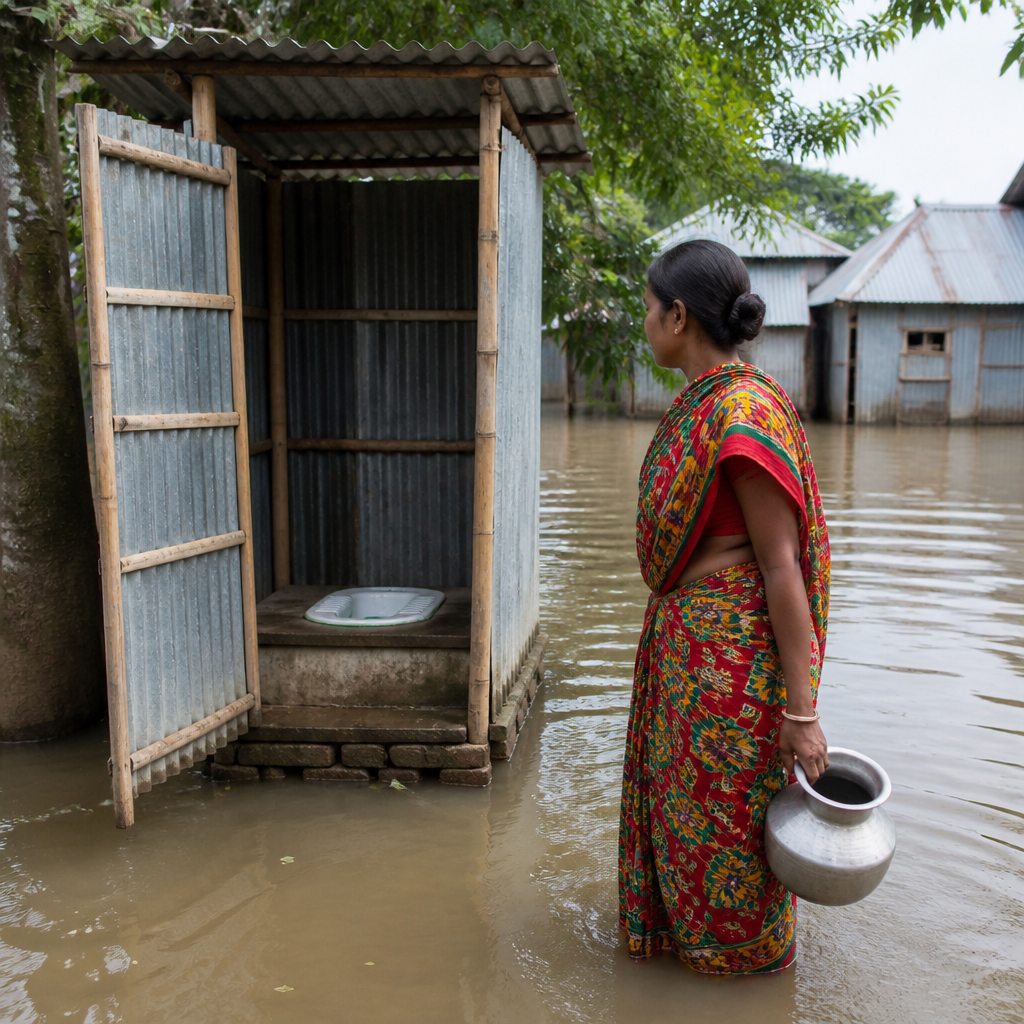
Disasters break sanitation systems in predictable ways. Floods inundate pits and septic fields, pushing fecal matter into surface water and shallow groundwater. Earthquakes rupture sewer mains and disable pumping stations. Cyclones and conflict damage treatment plants, roads, and fuel supplies, so desludging and waste collection stop. In shelters, the ratio of users to toilets rises sharply, cleaning frequency falls, and soap runs out first. These failures matter because fecal-oral transmission does not require dramatic contamination. A shared tap with unwashed hands, a child playing near graywater, or a food area placed downwind of toilets can spread illness quickly.
The public health chain is well established. Pathogens leave the body in feces, urine, vomit, or contaminated fluids; they move through fingers, flies, fields, fluids, and food; and they infect the next host when barriers fail. The practical objective in disaster recovery is to break that chain at multiple points. That means immediate containment of excreta, reliable handwashing with soap, safe water storage, routine disinfection of high-touch surfaces where appropriate, drainage to prevent standing water, and clear separation between sanitation zones and food preparation areas. Every site should also plan for night lighting, accessibility, and privacy, because people avoid unsafe or humiliating facilities and revert to open defecation or unsafe disposal when they do.
EcoSan adds another layer of value because it treats waste as a managed resource rather than a nuisance moved out of sight. In water-scarce or infrastructure-poor settings, dry or low-water systems can keep functioning when sewers cannot. A urine-diverting dry toilet, for example, keeps liquids and solids separate, reduces odor, lowers moisture that supports pathogen survival, and simplifies downstream treatment. Container-based systems can be deployed rapidly in dense temporary settlements where digging pits is unsafe or impossible. These options are not automatically safe; they require disciplined operation, protective equipment, user instruction, and treatment standards. But when matched to the context, they outperform improvised sanitation by a wide margin.
Core sanitation priorities in the first days and weeks
The first question in sanitation in disaster recovery is not which technology is most innovative. It is which option can safely serve people today. In the first seventy-two hours, responders should map population density, water points, ground conditions, drainage, access routes, and the status of existing toilets, septic systems, and sewers. Facilities that can be repaired quickly should be stabilized immediately. Temporary trench latrines may be acceptable only for short periods and only where groundwater risk, flooding, privacy, and cleaning can be managed. In many urban settings, portable toilets or container-based units are faster and safer than excavation.
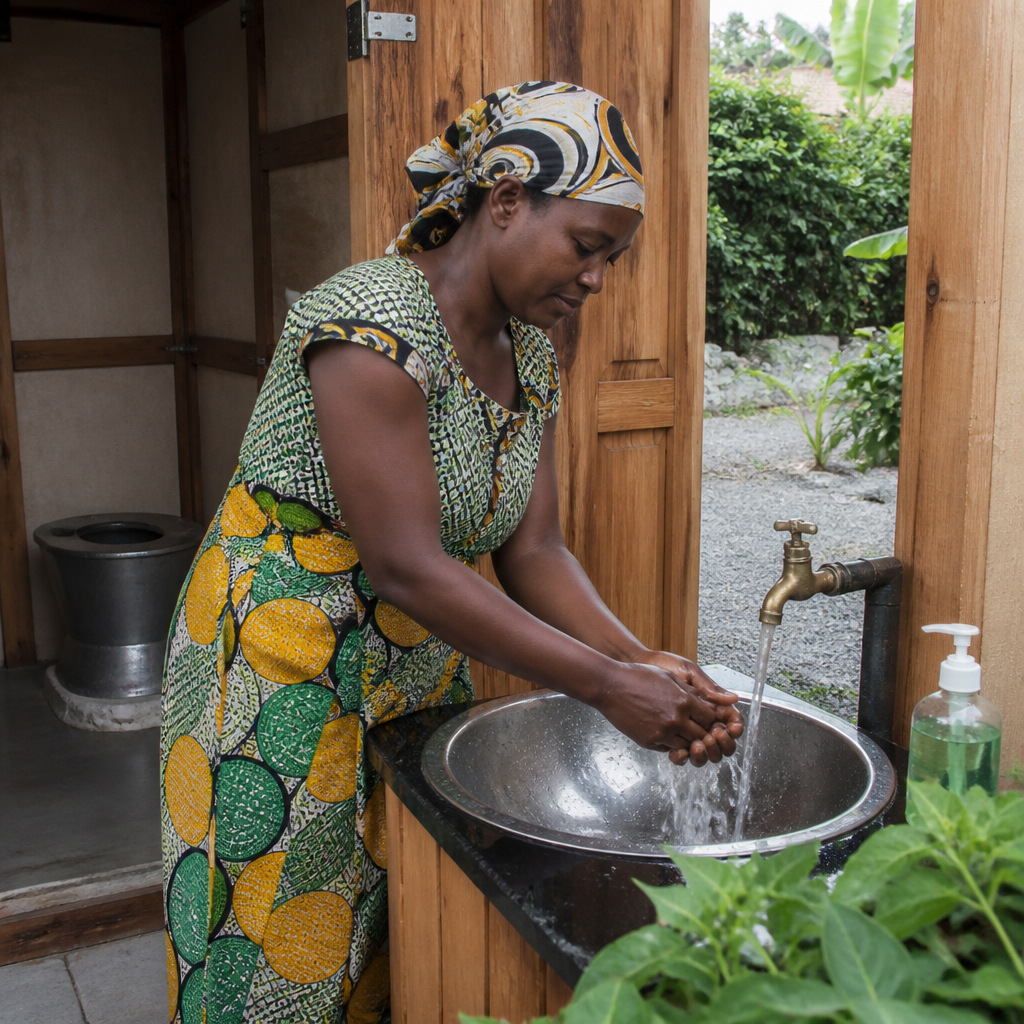
Handwashing stations must be installed at every toilet block and near food distribution points from the start. This is a nonnegotiable control measure. A toilet without handwashing is an incomplete intervention. The minimum operational package should include soap, water or alcohol-based hand rub where water is limited, covered waste bins, menstrual hygiene supplies, cleaning tools, disinfectants suited to the surface and risk level, and an assigned maintenance roster. I have seen toilet blocks fail within two days when nobody owned replenishment and cleaning. Clear responsibility matters as much as hardware.
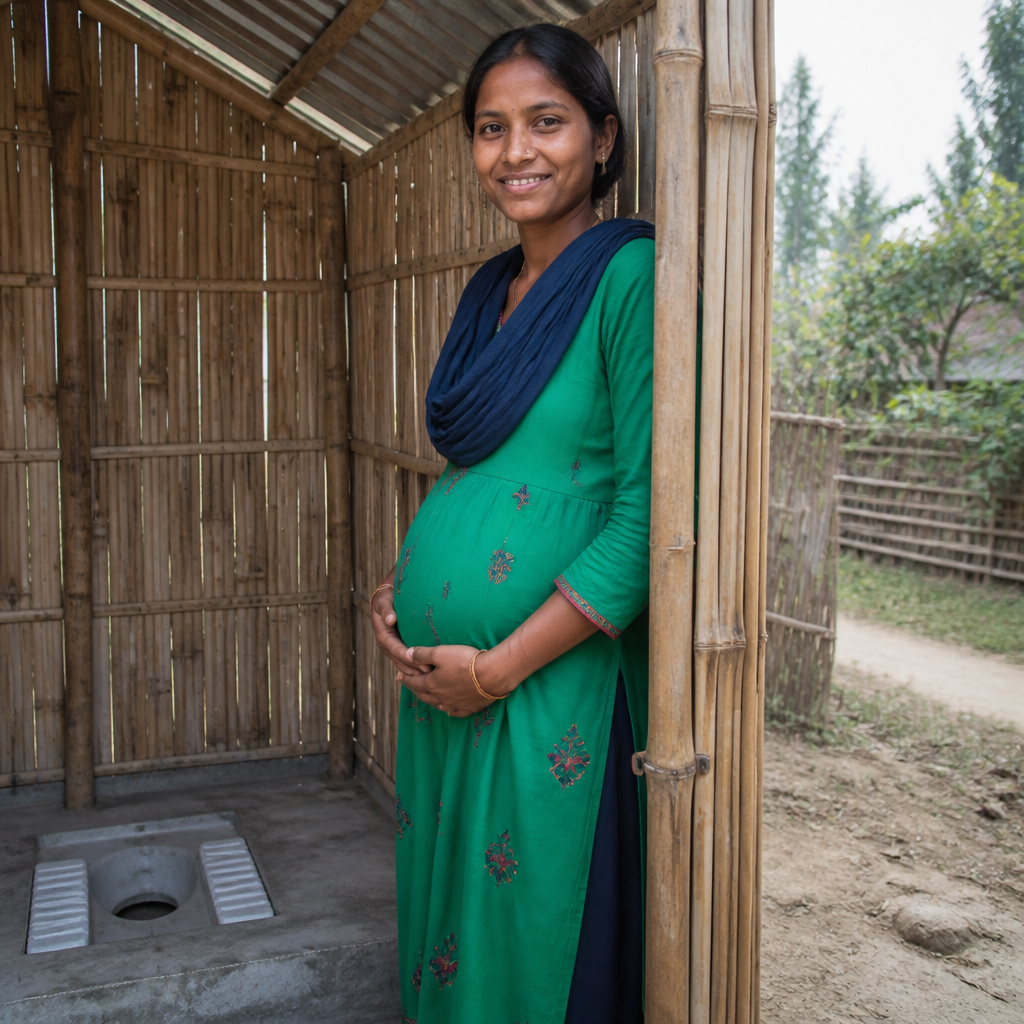
Site layout determines whether a sanitation system supports health or undermines it. Toilets should be close enough for safe access, especially at night, but far enough from sleeping and cooking areas to control odor and contamination. Accessibility features such as ramps, handrails, wider doors, and child-friendly seats prevent exclusion. Separate facilities by sex where appropriate, provide internal locks and lighting, and include disposal solutions for menstrual materials and infant feces. Infant and child feces are not harmless; they contain high pathogen loads and require the same safe handling as adult waste.
| Recovery priority | Why it matters | Practical EcoSan option |
|---|---|---|
| Rapid excreta containment | Reduces immediate fecal exposure and open defecation | Container-based toilets or urine-diverting dry units |
| Hand hygiene access | Interrupts fecal-oral transmission at the highest-contact points | Tippy taps, foot-pedal sinks, soap distribution |
| Flood-resilient placement | Prevents overflow into shelters and water sources | Raised platforms, sealed containers, elevated walkways |
| Safe waste transport | Protects workers and users during collection and transfer | Closed containers, scheduled pickup, PPE protocols |
| On-site treatment or safe transfer | Prevents secondary contamination after collection | Composting, dehydration, off-site treatment hubs |
Choosing the right EcoSan approach for recovery settings
No single sanitation technology fits every disaster context. The right choice depends on soil, water table, flood risk, settlement density, user preferences, available operators, supply chains, and the time horizon from emergency to reconstruction. Urine-diverting dry toilets work well where water is scarce and where trained operators can manage ash or cover material, user instruction, and separated storage. Composting toilets can reduce waste volume and create usable soil amendments after proper treatment, but they require moisture control, aeration, curing time, and clear rules about handling outputs. They are not a shortcut around pathogen management.
Container-based sanitation is often the most practical EcoSan bridge in urban or peri-urban recovery. Waste is captured in sealable containers and transported to a treatment site, avoiding infiltration into damaged ground and allowing service in dense settlements. This model has been used effectively in informal urban areas because it aligns with routine collection, quality control, and customer support. In disaster recovery, it also reduces the need for immediate excavation and can serve households with limited mobility if pickup is reliable.
For schools, clinics, and shelters, decentralized wastewater systems may be appropriate once the acute phase passes. These can include simplified sewers, septic systems with properly designed soak fields, anaerobic baffled reactors, constructed wetlands, or modular package plants. The key is to match treatment level to effluent destination and operation capacity. A clinic with infectious waste, high cleaning chemical use, and variable flows should not rely on the same arrangement as a small community center. Where reuse is planned, treatment targets and exposure pathways must be defined in advance, following recognized risk-based approaches such as the World Health Organization guidelines for safe use of wastewater and excreta.
Health, hygiene, and worker safety in day-to-day operations
Daily operations determine whether sanitation remains protective after installation. Cleaning frequency should match user load, weather, and facility type. High-touch surfaces such as door handles, latches, handrails, taps, and toilet seats need regular cleaning with detergents, with disinfection added when contamination risk is high. Overuse of strong disinfectants is not a substitute for cleaning and can create respiratory irritation in enclosed spaces. Good ventilation, drainage, and replenishment of soap and water often have greater practical impact than aggressive chemical use alone.
Worker safety is central to sanitation in disaster recovery. Cleaners, desludging crews, transport staff, and treatment operators need gloves suited to the task, boots, eye protection where splash risk exists, masks or respirators when dust or aerosols are likely, handwashing access, and vaccination where national protocols recommend it, commonly including tetanus and hepatitis A or B depending on exposure. Confined space entry for septic tanks or sewers requires formal controls because hydrogen sulfide, methane, and oxygen deficiency can kill within minutes. No worker should enter a tank without atmospheric testing, rescue planning, and proper equipment.
User behavior also shapes outcomes. People need simple instructions in local languages and formats they can understand quickly: where to wash hands, what not to throw into urine-diversion pans, how to dispose of menstrual materials, what to do if a toilet is blocked, and who to contact when supplies run out. In my experience, signage alone is never enough. Brief demonstrations, community volunteers, and visible maintenance staff improve compliance far more than posters do. Facilities that look cared for are used correctly more often than facilities that appear abandoned.
Protecting vulnerable groups and maintaining dignity
Sanitation is a health intervention, but it is also a dignity and protection issue. Women and girls often face the highest burden when toilets are distant, unlit, or lack menstrual hygiene supplies. Older adults and people with disabilities may be physically unable to use standard units. Children need smaller interfaces, caregiver access, and safe disposal options for diapers and potties. In shelters, transgender users and other marginalized groups may avoid facilities where harassment is likely. When people avoid toilets, health risk increases across the site.
Inclusive EcoSan design is practical, not theoretical. That means at least some units with step-free entry, stable handrails, enough turning radius for mobility aids, hooks and shelves to keep clothing and supplies clean, bins with lids, and water for washing where culturally expected. Menstrual hygiene management should include absorbent materials, privacy for changing, covered disposal or treatment pathways, and information that does not assume literacy. For recovery planners, dignity features are not extras to add later. They are core controls that determine use, acceptance, and safety.
Community engagement should begin before finalizing the layout. Ask people which locations feel safe, which materials they can maintain, and which practices fit their routines. In one flood recovery project, raising toilets on concrete plinths improved resilience, but the initial design ignored the difficulty older users had climbing the steps. Adding handrails and a low-rise ramp changed usage immediately. Small adjustments like that prevent system abandonment and reduce the hidden health costs of poorly matched infrastructure.
Monitoring, water protection, and the move to long-term resilience
Sanitation recovery must be measured, not assumed. Useful indicators include toilet-to-user ratios, queue times, cleaning completion, soap availability, overflow incidents, user satisfaction, desludging frequency, groundwater proximity, and reported cases of diarrhea or skin infection from health posts. Water quality monitoring should focus on likely contamination points, especially shallow wells, surface water intakes, and storage tanks. E. coli testing is a standard indicator of fecal contamination, while turbidity and residual chlorine help interpret treatment performance in water systems connected to sanitation risk.
Environmental protection is where EcoSan can reshape recovery for the better. Treated urine and composted biosolids may support agriculture or landscaping when treatment, storage time, and application controls are adequate, but untreated or partially treated products should never be promoted as safe. Nutrient recovery is valuable because nitrogen and phosphorus are finite resources, yet health protection comes first. If there is any doubt about treatment quality, restrict reuse and prioritize secure containment or further processing. A resilient system is one that can be operated correctly every day, not one that looks sustainable on paper.
Long-term success depends on governance, financing, and maintenance capacity. Communities need service chains, not isolated toilets. That means spare parts, trained local operators, sludge or container transport, treatment oversight, tariff or subsidy decisions, and accountability for failures. Link this hub with your emergency water planning, waste management guidance, shelter design, and community health education so sanitation is never treated as a standalone asset. The strongest recovery programs build sanitation that withstands the next shock, protects water, supports dignity, and turns EcoSan from a niche concept into standard health infrastructure.
Sanitation in disaster recovery protects health by creating immediate barriers against disease while laying the foundation for safer, more resilient communities. The essentials are clear: contain waste quickly, provide handwashing everywhere it is needed, protect water sources, assign maintenance responsibility, train workers, and design for dignity and access. EcoSan strengthens that approach by reducing water demand, supporting decentralized recovery, and enabling nutrient recovery where treatment is reliable and risk is controlled.
The main benefit of a strong sanitation recovery plan is simple: fewer illnesses, safer facilities, and a faster return to normal life. When systems are selected for local conditions and operated with discipline, they do more than prevent outbreaks. They rebuild trust, protect vulnerable groups, and reduce the chance that the next flood, storm, or infrastructure failure will trigger the same public health problems again. Review your current health and safety resources, identify sanitation gaps, and use this hub as the starting point for a practical EcoSan recovery plan.
Frequently Asked Questions
What does sanitation in disaster recovery actually include?
Sanitation in disaster recovery includes much more than rebuilding toilets or setting up temporary latrines. It is the coordinated effort to restore the systems and everyday practices that protect people from contamination, illness, and unsafe living conditions after a flood, earthquake, hurricane, wildfire, conflict event, or major infrastructure failure. That means safely containing and disposing of human waste, restoring handwashing stations, re-establishing access to clean water for hygiene, supporting bathing and laundry, managing wastewater, collecting and disposing of solid waste, reducing insects and rodents, and maintaining cleaning and disinfection routines in shelters, homes, schools, and healthcare spaces.
It also includes public health communication. People need clear instructions on where to use sanitation facilities, how to wash hands when water is limited, how to store drinking water safely, how to handle food waste, and what symptoms may indicate infection or exposure. In many emergencies, sanitation teams also address menstrual hygiene supplies, infant care sanitation, accessibility for older adults and people with disabilities, and safe sanitation design for women and children. In short, sanitation in disaster recovery is about rebuilding the practical conditions that allow people to live safely, maintain dignity, and prevent disease while normal services are being restored.
Why is sanitation so important during disaster recovery?
Sanitation is critical during disaster recovery because disease risk rises quickly when water systems fail, waste is not contained, and people are displaced into crowded shelters or damaged neighborhoods. Even a short interruption in sewage treatment, garbage collection, drainage, or handwashing access can create conditions that allow diarrheal disease, skin infections, respiratory illness, and vector-borne disease to spread. Floodwater may carry sewage, chemicals, and debris. Earthquakes and storms can rupture pipes and overwhelm treatment systems. In conflict or prolonged outages, routine cleaning and maintenance may stop entirely. Sanitation is what helps interrupt these pathways of contamination.
Good sanitation protects both immediate and long-term health. In the first days of recovery, it reduces exposure to fecal matter, unsafe water, mold-related contamination, pests, and uncollected waste. Over time, it supports safer schools, functioning healthcare sites, healthier shelters, and more stable community recovery. It also protects dignity and mental well-being. Access to private toilets, bathing areas, menstrual hygiene products, and clean common spaces has a major effect on how safe and supported people feel after a disaster. When sanitation is treated as a core part of recovery rather than an afterthought, communities are better able to prevent secondary crises and return to normal life more safely.
What are the first sanitation priorities after a disaster?
The first sanitation priorities after a disaster are rapid risk assessment, safe excreta management, hand hygiene, and protection of water sources. Emergency responders and local authorities typically begin by identifying whether toilets are usable, whether sewage systems are damaged, whether floodwater or debris is contaminating homes and public areas, and whether shelters have enough handwashing, bathing, and waste collection capacity. If toilets are unavailable or unsafe, temporary solutions must be put in place quickly to prevent open defecation and environmental contamination. These solutions may include portable toilets, trench latrines in certain settings, containment tanks, or repaired communal facilities, depending on the location and scale of the emergency.
At the same time, handwashing stations need to be available near toilets, food service areas, medical points, and shared living spaces. Wastewater and drainage must be managed to avoid standing water, foul odors, and mosquito breeding. Solid waste collection has to resume quickly because food scraps, damaged materials, and medical waste can attract pests and create additional health hazards. Cleaning and disinfection protocols for shelters, clinics, and high-touch areas are also essential. Another early priority is clear public guidance so residents know which facilities are safe to use, what water is safe for drinking or washing, and how to report sanitation problems. Early sanitation action often determines whether recovery remains manageable or turns into a broader public health emergency.
How do clean water, hygiene, and waste management work together in disaster recovery?
Clean water, hygiene, and waste management are tightly connected, and disaster recovery is most effective when all three are addressed together. Clean water alone is not enough if sewage leaks into the environment, if waste piles up near homes, or if people do not have a place to wash their hands. Likewise, toilets alone do not solve the problem if there is no water for cleaning, no drainage for wastewater, and no system for removing sludge or solid waste. Sanitation works because it creates a chain of protection: safe water supports hygiene, hygiene reduces contamination, and waste management keeps pathogens from spreading through the environment.
For example, if a shelter has chlorinated drinking water but too few toilets and no handwashing stations, the risk of illness can still rise quickly. If storm debris and spoiled food are not removed, rats, flies, and mosquitoes may multiply, increasing health threats. If greywater from bathing and laundry is allowed to pool near homes, it can create slippery conditions, odors, and breeding sites for insects. Effective recovery planning looks at the whole system. That includes water treatment and storage, toilet access and maintenance, wastewater flow, solid waste collection schedules, cleaning supplies, hygiene messaging, and community education. When these elements are coordinated, they create a safer environment and lower the chance of preventable outbreaks.
How can communities maintain safe sanitation during long-term recovery?
Maintaining safe sanitation during long-term recovery requires moving from emergency stopgap measures to durable, monitored systems. In the early phase, temporary toilets, water tanks, and mobile handwashing units may be necessary. But as recovery continues, communities need repairs to sewer lines, septic systems, drainage channels, treatment facilities, pump stations, public restrooms, and solid waste routes. Maintenance matters just as much as installation. Toilets must be cleaned, emptied, and supplied. Handwashing points need soap and water. Waste collection must be reliable. Standing water and illegal dumping should be addressed before they become chronic hazards.
Long-term success also depends on communication, equity, and local involvement. Residents need updates about boil-water advisories, sewage risks, cleanup safety, and where to access hygiene supplies. Recovery plans should account for schools, healthcare facilities, rental housing, informal settlements, and underserved neighborhoods that may face longer service disruptions. Sanitation systems must also be accessible for children, older adults, and people with disabilities, and they should support privacy and safety for women and girls. Community feedback is valuable because local residents often identify blocked drains, overflowing waste points, or under-served areas before agencies do. The most resilient sanitation recovery efforts combine infrastructure repair, public health education, routine monitoring, and practical support for daily hygiene so the community can recover in a way that is both healthier and more sustainable.