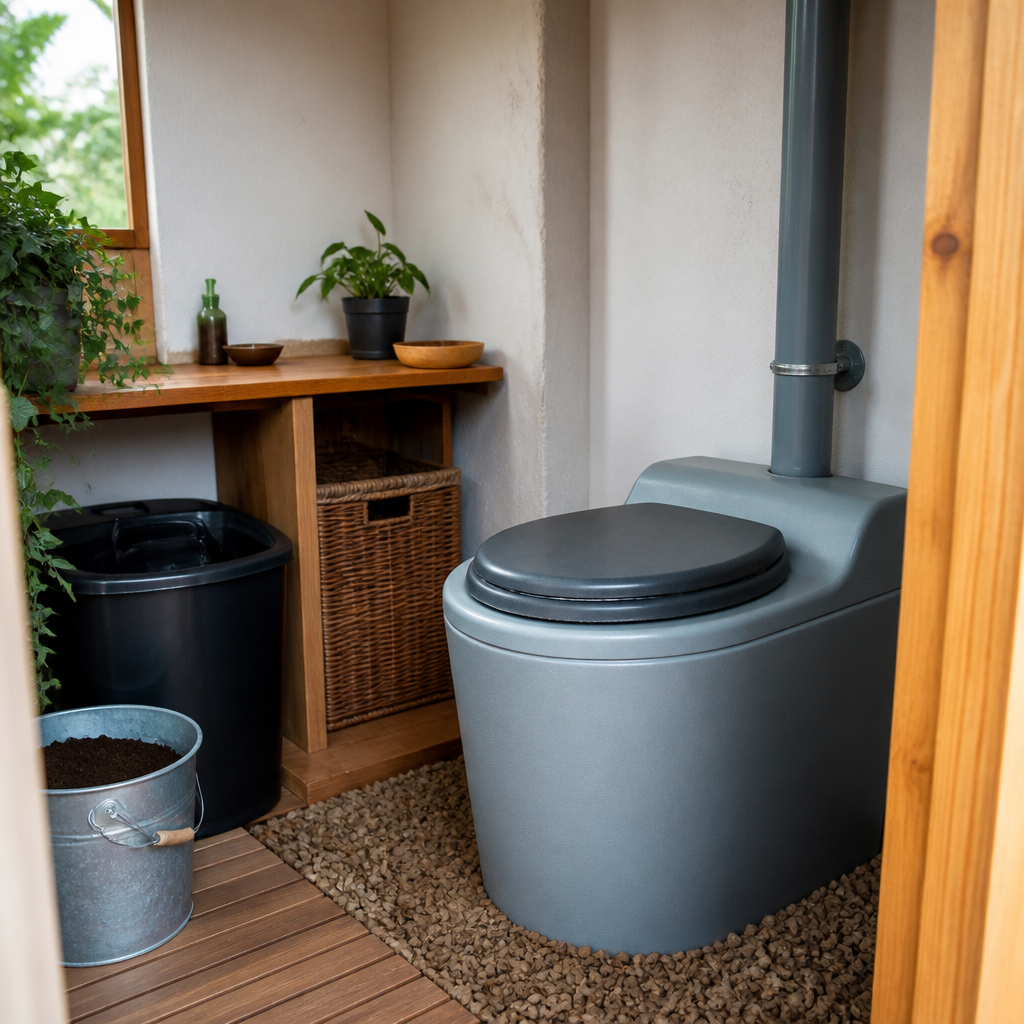
Hygiene promotion strategies in EcoSan projects determine whether ecological sanitation delivers public health protection, user acceptance, and long-term environmental value. EcoSan, short for ecological sanitation, is a sanitation approach that treats human excreta as a resource rather than waste, typically through urine diversion, dehydration, composting, and safe reuse in agriculture or landscaping. In practice, I have seen well-built EcoSan systems fail because promotion focused only on construction, while households were never shown how to wash hands at the right moments, manage ash or dry cover material, clean slabs, protect stored urine, or explain the system to children and visitors. Hygiene promotion is the bridge between hardware and health outcomes.
Safety and sustainability in EcoSan depend on changing behaviors at every point where pathogens can spread. Those points include defecation, child feces disposal, hand contact with surfaces, anal cleansing, emptying vaults, transporting treated material, and applying end products to soil. The World Health Organization sanitation safety planning framework, along with guidance on safe wastewater and excreta reuse, makes one principle clear: barriers must work together. A urine-diverting dry toilet is only one barrier. Others include handwashing with soap, consistent use of dry cover material, restricted storage periods, personal protective equipment during emptying, and crop restrictions where needed. If one barrier breaks, disease transmission risk rises quickly.
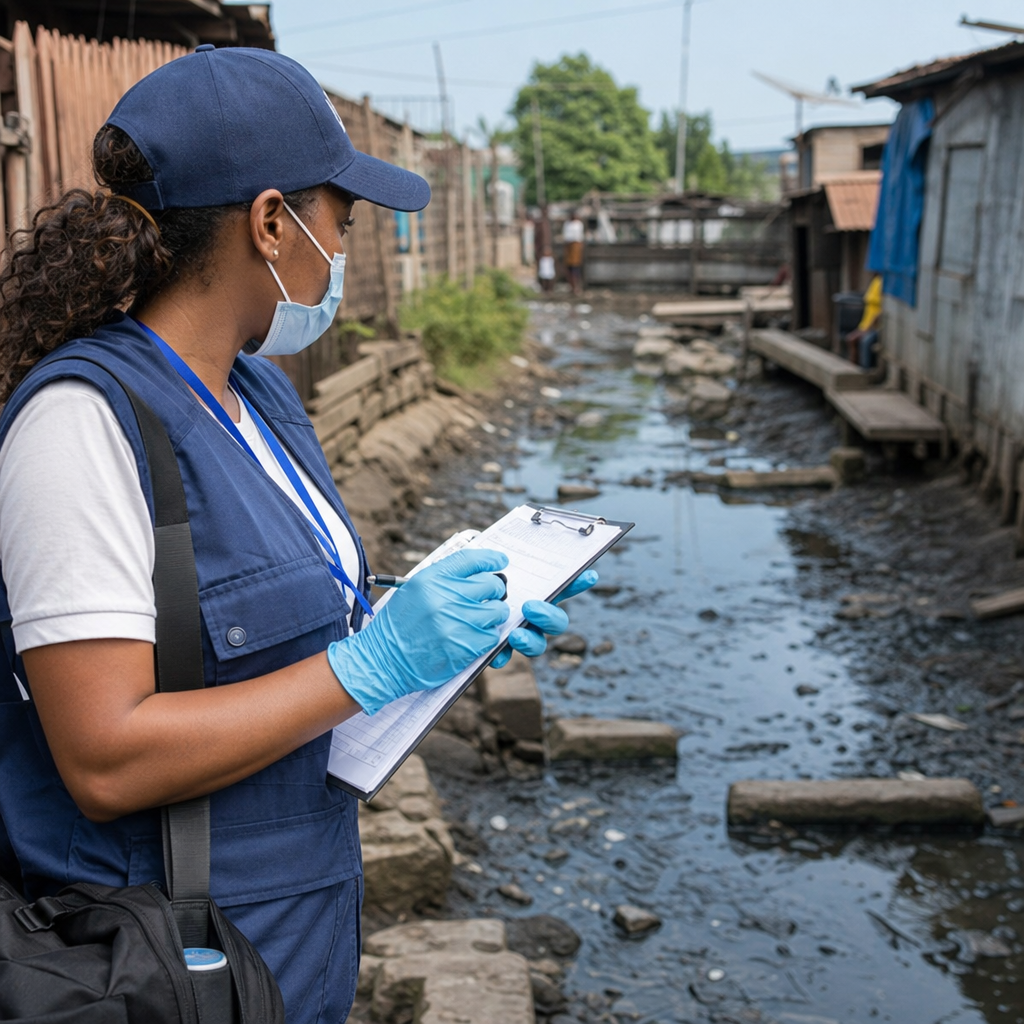
This matters because EcoSan projects often operate in water-scarce, peri-urban, emergency recovery, or off-grid settings where conventional sewerage is expensive or impractical. In those contexts, project success is judged not just by toilet coverage but by reduced diarrhea, cleaner compounds, lower odor and fly nuisance, dignified use by women and older adults, and safe nutrient recovery. A strong hygiene promotion strategy turns technical instructions into daily habits. It also protects the reputation of EcoSan itself. When users understand why urine should stay separate, why feces need dry storage, and why children need age-appropriate support, the system is more likely to remain safe, acceptable, and financially maintainable over time.
Why hygiene promotion is the core safety system in EcoSan
In EcoSan projects, hygiene promotion is not an add-on to engineering; it is the operating system for the entire service chain. The central question is simple: what behaviors must happen consistently so pathogens are contained from toilet use to final reuse or disposal? Answering that requires mapping exposure routes. I typically start with a walk-through of user actions: entering the toilet, defecating or urinating, covering feces, cleaning oneself, washing hands, storing tools, emptying chambers, moving material, and applying products. Each step has failure modes. A child may urinate into the feces vault. A caregiver may place child feces in open waste. A farmer may apply incompletely treated material to leafy vegetables. Promotion must address each risk plainly and repeatedly.
Good hygiene promotion in EcoSan also recognizes that behavior is influenced by design quality. People do not follow instructions that fight the built environment. If the handwashing point is twenty meters away, compliance drops. If the urine diversion pedestal is uncomfortable for young children, contamination rises. If dry cover material gets wet during the rainy season, users stop applying it. This is why the health and safety hub for Safety and Sustainability in EcoSan should connect toilet design, operation and maintenance, pathogen reduction, reuse protocols, and behavior change as one system rather than separate topics.
Essential hygiene behaviors every EcoSan project must promote
Every EcoSan project should define a nonnegotiable hygiene package and teach it until users can explain it back in their own words. At minimum, that package includes consistent toilet use by all household members, safe disposal of child feces into the correct chamber, handwashing with soap after toilet use and after handling child feces, keeping urine and feces separate when using urine-diverting systems, adding the right amount of dry cover material after each feces deposit, regular cleaning of slabs and contact surfaces, safe storage of urine and fecal matter for the prescribed treatment period, and protected handling during emptying and reuse. These are not generic messages. They are operation-specific behaviors tied directly to pathogen control.
Projects also need to explain why these actions matter. Users are more likely to comply when they know the mechanism. Dry cover material reduces odor, moisture, and flies, making conditions less favorable for pathogen survival. Handwashing with soap interrupts fecal-oral transmission. Separation of urine reduces wetting in the feces vault and improves dehydration. Storage time allows natural die-off of pathogens, although complete safety depends on temperature, pH, moisture, and system performance. When communities understand cause and effect, hygiene shifts from rule-following to risk management.
| Risk point | Required behavior | Why it matters | Useful promotion tool |
|---|---|---|---|
| After defecation | Wash hands with soap and water | Reduces fecal-oral disease transmission | Demonstration with tippy tap or fixed station |
| Feces vault use | Add dry ash, lime, or sawdust as specified | Controls moisture, odor, and flies | Pictorial instruction inside the toilet |
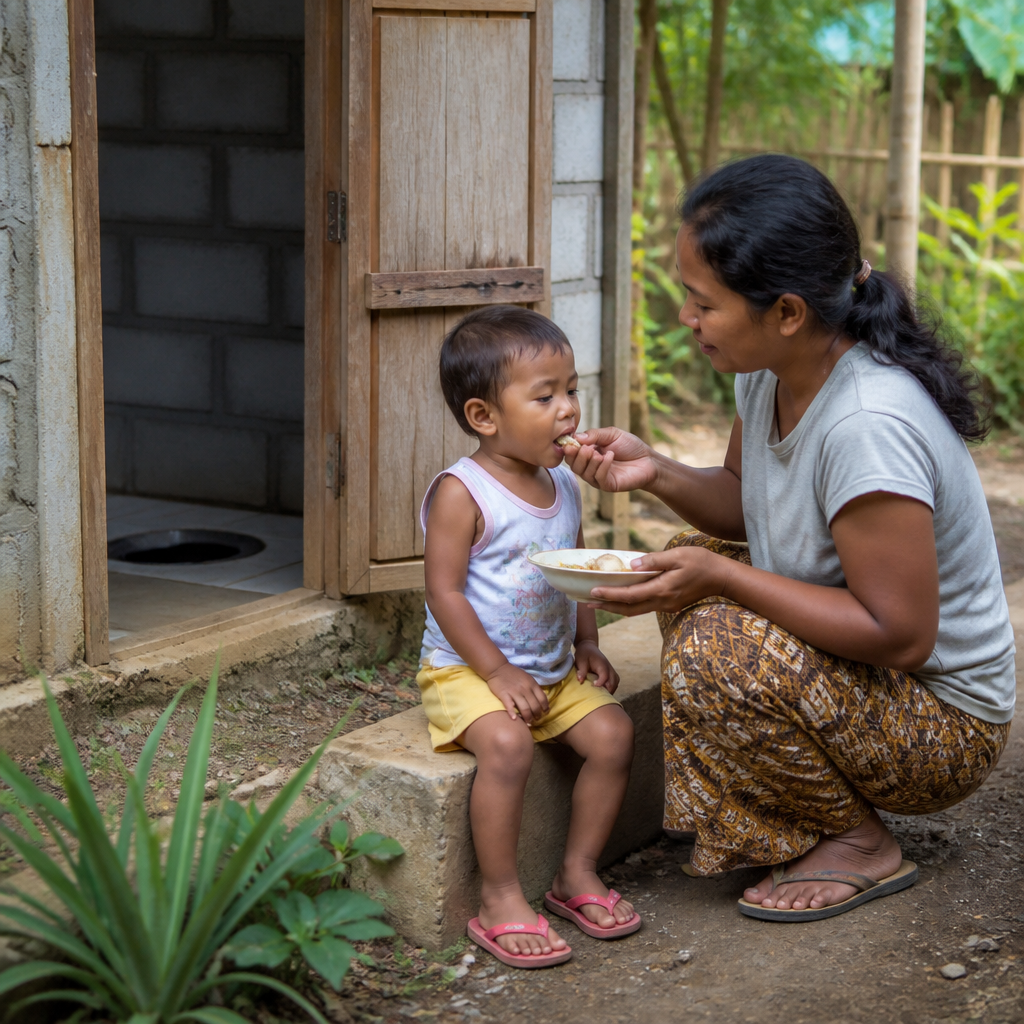
| Child feces management | Put feces into toilet, clean potty hygienically | Child feces can carry high pathogen loads | Caregiver-focused home visits |
| Emptying chamber | Use gloves, tools, and restricted contact | Prevents direct exposure to residual pathogens | Practical emptying drill |
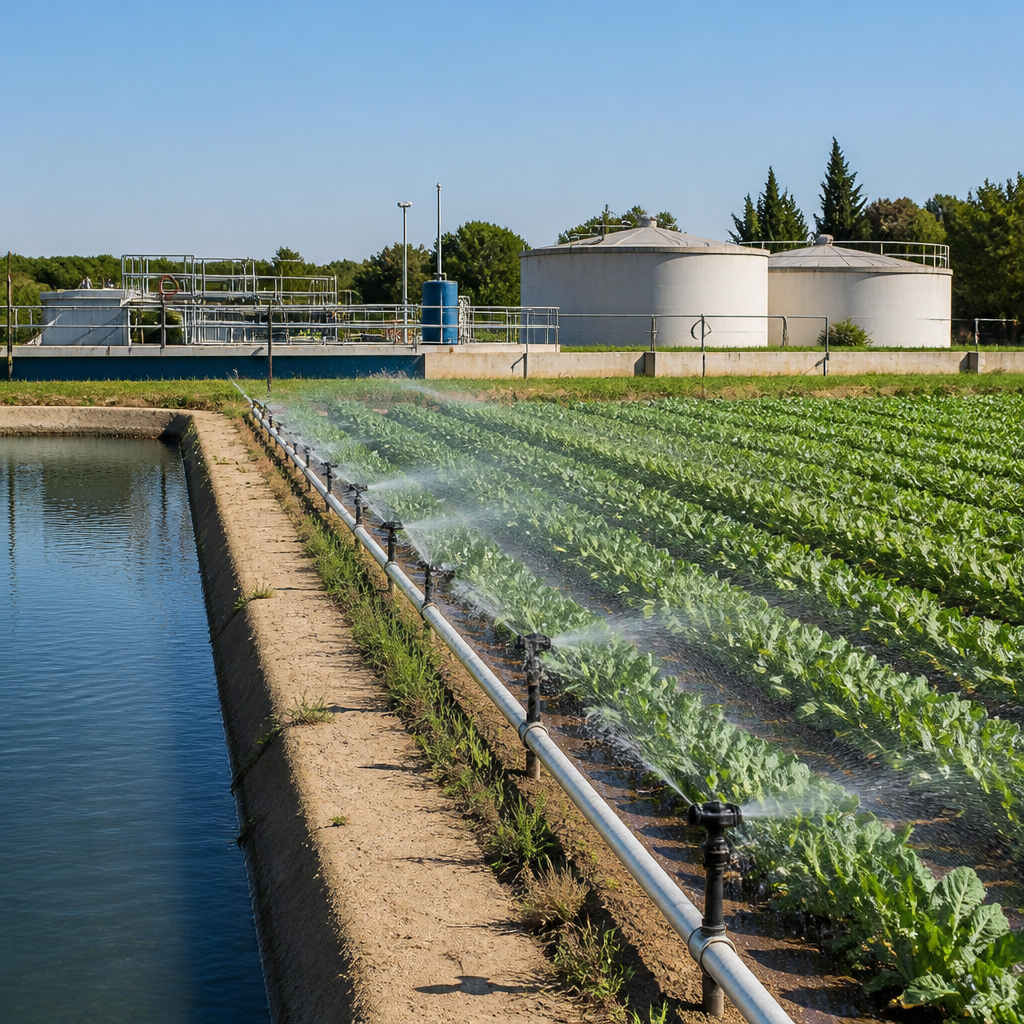
| Reuse in agriculture | Follow storage times and crop restrictions | Lowers exposure before harvest and handling | Farmer field school session |
Designing behavior change for different users and settings
One reason hygiene promotion strategies in EcoSan projects underperform is that they treat the community as a single audience. In reality, users differ by age, gender, literacy, mobility, livelihood, and authority. Schoolchildren need short, visual messages and repeated routines. Landlords need arguments about maintenance costs, odor control, and tenant satisfaction. Farmers want evidence that treated urine or compost can support yields when used correctly. Older adults may need adapted seats, rails, and cleaning tools. Menstrual hygiene users need privacy, water arrangements, disposal guidance, and explicit discussion of what should not enter a dry system. Segmentation is not optional; it is basic program design.
Setting matters just as much. In dense settlements, shared EcoSan blocks require stronger cleaning schedules, posted rules, caretaker supervision, and transparent fee management. In rural compounds, household coaching and agricultural reuse advice may matter more. In schools, teacher ownership is decisive. I have found that schools with active health clubs, daily cleaning rosters, and visible handwashing supplies keep EcoSan units functional far longer than schools where sanitation is considered only a janitorial issue. In all settings, the safest strategy is to pair group sessions with household or user-specific follow-up. People rarely reveal confusion about feces handling in a public meeting, but they will ask during a doorstep visit.
Communication methods that improve adoption and consistent use
The most effective communication methods are practical, repeated, and tied to visible actions. Demonstration beats lecture. A promoter should physically show how much ash or sawdust to add, where to place anal cleansing materials, how to keep urine outlets clear, how to prepare a handwashing station, and how to close a full vault and activate the alternate chamber. Visual job aids inside the cubicle help at the exact moment of use. Pictograms are especially important where literacy is mixed, but they must match local practices. For example, images should reflect local clothing, squatting or sitting postures, and the actual container used for cover material.
Social proof is also powerful. Publicly identifying model households, caretakers, or schools creates local reference points for good operation. Community health workers, natural leaders, and respected farmers can normalize treated excreta handling when they model safe practice without embarrassment. Radio spots, WhatsApp groups, and local noticeboards can reinforce schedules for emptying, cleaning days, or seasonal precautions. However, mass messaging should never replace interpersonal coaching for higher-risk tasks such as vault emptying, urine storage, or compost reuse. Those tasks need competency, not awareness alone.
Operation, maintenance, and safe handling across the sanitation chain
Safety and sustainability in EcoSan depend on disciplined operation and maintenance from first use to final end use. Households and caretakers need clear routines: inspect the urine diversion pan for blockages, keep roof and superstructure watertight, maintain a dry stock of cover material, clean surfaces without flooding the vault, monitor fill levels, and secure access so children do not play with stored material or tools. Shared facilities should use checklists with dated signatures. This may sound basic, but documented routines sharply improve accountability, especially where staff turnover is common.
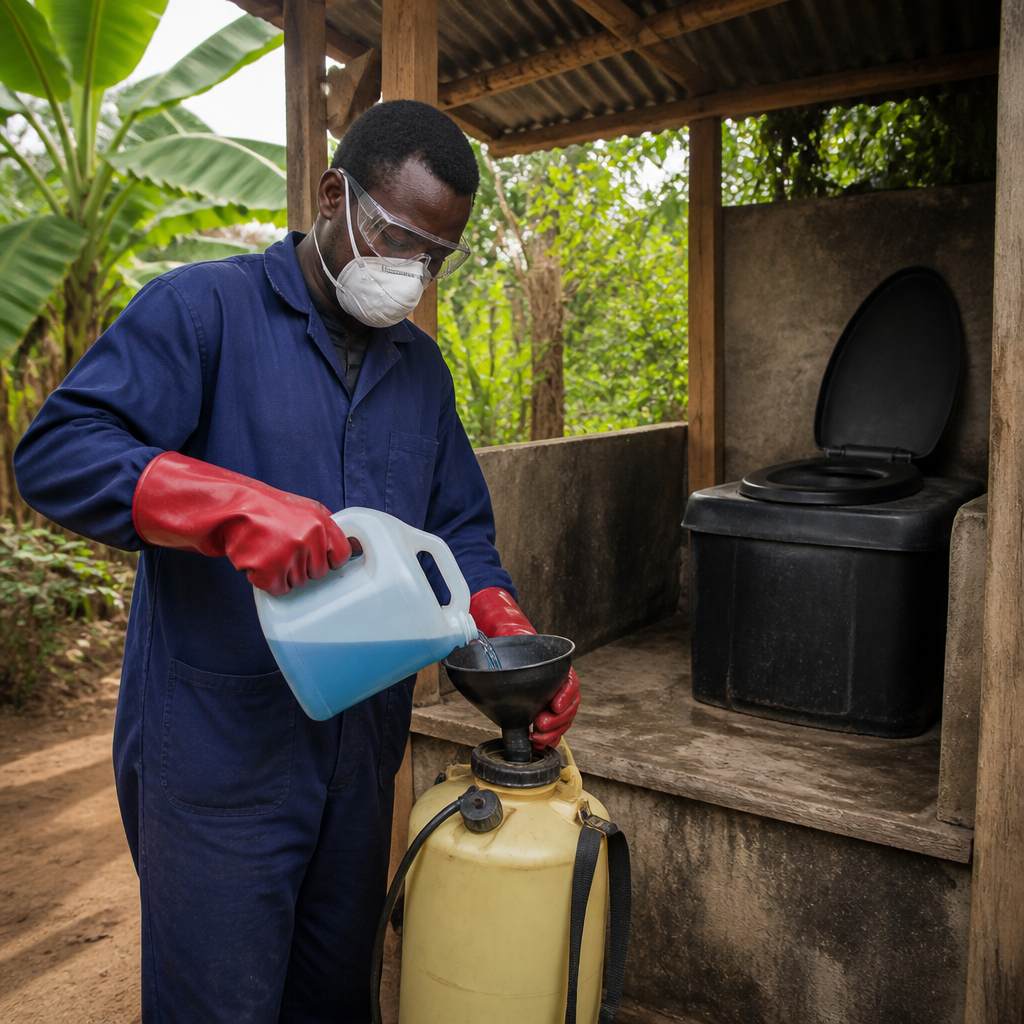
Emptying is the point where many projects experience the highest exposure risk and the greatest user anxiety. Promotion must explain the trigger for emptying, the minimum storage period before removal, the tools required, and the route for transport. Workers should use gloves, boots, masks where dust is a concern, and dedicated implements that are cleaned and stored safely after use. Handwashing facilities should be available at the work site, not somewhere distant. Materials that are not fully treated should never be handled as harmless soil. That distinction protects both workers and community trust.
Monitoring, indicators, and continuous improvement
What gets measured gets managed, and hygiene promotion in EcoSan needs operational indicators, not just attendance sheets from training sessions. Useful indicators include presence of soap and water at handwashing points, availability of dry cover material, cleanliness of slabs and walls, correct separation of urine and feces, absence of strong odor or fly breeding, proportion of users who can explain emptying safety steps, adherence to storage periods, and documented use of protective equipment during chamber emptying. Spot checks, structured observations, and user interviews provide better evidence than self-reports alone.
Projects should review both health and service data. If diarrhea rates are not improving, look for breakdowns in child feces management or handwashing rather than assuming the toilet technology failed. If vaults remain wet, investigate roof leaks, anal wash water entering the chamber, or poor user positioning on the pedestal. If reuse uptake is low, test whether concerns are cultural, logistical, or linked to doubts about treatment quality. Continuous improvement works best when monitoring findings are shared quickly with users, caretakers, and local authorities so corrections happen before poor habits become normalized.
Building long-term sustainability through governance, training, and supply chains
EcoSan systems stay safe when governance and supplies are as reliable as the structures themselves. Someone must be responsible for purchasing soap, restocking ash or sawdust, paying caretakers, arranging repairs, and authorizing emptying. In successful programs, these duties are assigned clearly to households, user committees, schools, landlords, municipalities, or service providers. Ambiguity is costly. I have seen toilets abandoned simply because no one owned the task of replacing a broken urine pipe or managing chamber rotation dates.
Training should be layered. Users need simple daily-use guidance. Caretakers need cleaning, inspection, and minor maintenance skills. Emptying teams need occupational safety procedures and transport protocols. Agricultural users need instructions on dilution, application timing, withholding periods, and crop selection where urine or treated solids are reused. Supply chains matter too. If projects recommend sawdust, lime, gloves, or urine storage containers that are unavailable locally, compliance will erode. Sustainable hygiene promotion always aligns recommendations with what people can buy, store, and maintain in real conditions.
Hygiene promotion strategies in EcoSan projects succeed when they make safe behavior easy, normal, and verifiable across the full sanitation chain. The central lesson is straightforward: EcoSan is not safe because it is ecological; it is safe when users separate flows correctly, keep systems dry, wash hands with soap, protect children from exposure, follow storage and emptying protocols, and reuse products only under controlled conditions. Every part of Safety and Sustainability in EcoSan rests on that behavioral foundation, supported by good design, practical supervision, and accountable management.
For this sub-pillar hub, the most important takeaway is that health protection and resource recovery are compatible only when hygiene promotion is treated as a technical discipline. Effective programs segment audiences, teach task-specific behaviors, support caretakers, monitor real practices, and fix operational problems quickly. They acknowledge tradeoffs, such as the extra effort needed for dry cover management or trained emptying, while showing that these tasks are manageable with the right systems. They also connect household use, shared facility management, occupational safety, and agricultural reuse into one coherent safety framework.
If you are planning, upgrading, or reviewing an EcoSan initiative, start by auditing the hygiene behaviors required at each risk point, then align infrastructure, training, supplies, and monitoring around those behaviors. That is the fastest way to improve user confidence, reduce pathogen exposure, and keep EcoSan systems functional for years.
Frequently Asked Questions
1. Why are hygiene promotion strategies so important in EcoSan projects?
Hygiene promotion strategies are essential in EcoSan projects because the success of ecological sanitation depends as much on user behavior as on the physical infrastructure itself. EcoSan systems are designed to safely manage and reuse human excreta through practices such as urine diversion, dehydration, composting, and controlled agricultural application. These systems can protect public health and conserve nutrients, but only if people understand how to use them correctly every day. A well-constructed toilet or composting unit will not deliver the intended benefits if users mix urine and feces incorrectly, fail to add drying material, neglect handwashing, or remove compost before it is fully treated.
In many projects, the technical design receives most of the attention while hygiene promotion is treated as a secondary activity. That is often where problems begin. Households may initially accept the idea of EcoSan because of convenience, subsidies, or community pressure, but long-term adoption depends on confidence, habit, and cultural fit. Hygiene promotion helps communities understand not just what to do, but why it matters. It builds trust around topics that can otherwise trigger discomfort, fear, or misunderstanding, especially when reuse of treated waste is involved.
Strong hygiene promotion also supports public health outcomes by reducing contamination risks during use, storage, emptying, transport, and reuse. It reinforces practical behaviors such as keeping anal cleansing water separate where required, storing treated materials for the recommended period, using protective equipment when handling compost, and washing hands at critical times. In short, hygiene promotion turns EcoSan from a construction project into a functioning sanitation system. Without it, even technically sound facilities can be misused, rejected, or abandoned.
2. What hygiene behaviors should promotion efforts focus on in EcoSan systems?
Effective hygiene promotion in EcoSan projects should focus on a small set of critical behaviors that directly affect safety, usability, and system performance. First, users need to know how to use the specific EcoSan toilet correctly. That may include separating urine and feces, avoiding the addition of excess water, placing ash, خاک substitute, sawdust, or other drying material after each use, and ensuring children, older adults, and visitors also understand the process. If the toilet design includes separate chambers or containers, households must know when and how to switch them safely.
Hand hygiene is another core behavior. Promotion should emphasize handwashing with soap or ash and water after toilet use, after cleaning child feces, after handling compost or urine containers, and before food preparation or eating. Even in resource-constrained areas, handwashing practices need to be built into the system design and messaging, not treated as optional. If there is no convenient handwashing station near the toilet, behavior change becomes much harder to sustain.
Safe handling and storage are equally important. Users should understand why fecal matter must remain in storage for the recommended treatment period before removal or reuse, and why premature emptying creates health risks. For projects promoting agricultural reuse, hygiene messaging should cover dilution and application methods for urine where appropriate, safe crops and timing, use of protective gear, and keeping treated materials away from children and animals. Cleaning routines also matter: toilet slabs, seats, floors, diversion pans, and containers should be maintained in ways that preserve function and reduce odor without damaging the system.
Finally, promotion efforts should address social behaviors, including how households teach guests, how caretakers manage use by young children, and how communities respond to stigma around excreta reuse. The most effective programs do not overwhelm users with technical theory. They identify the key behaviors that make the system work safely and then reinforce them through demonstrations, reminders, visual materials, household visits, and follow-up support.
3. How can communities be encouraged to accept and consistently use EcoSan toilets?
Community acceptance of EcoSan toilets grows when promotion is practical, respectful, and rooted in local priorities rather than driven by external messaging alone. People are far more likely to adopt and consistently use EcoSan systems when they see clear benefits that matter in their daily lives. Those benefits may include cleaner surroundings, reduced smell, improved privacy, savings on fertilizer, year-round sanitation access, or better resilience in areas with water scarcity or difficult soil conditions. Promotion should connect the technology to these real-world advantages instead of presenting EcoSan only as an environmental concept.
Consistent use also depends on whether the technology feels manageable. If users perceive the toilet as complicated, dirty, embarrassing, or difficult to maintain, adoption will decline quickly. That is why demonstrations, user training, and early follow-up are so important. Households should be shown exactly how to use the toilet, what materials to add, how to avoid blockage or moisture problems, and what normal operation looks like. Misconceptions should be addressed openly, especially around smell, insects, disease risk, and the reuse of treated products. People need opportunities to ask questions without judgment.
Social inclusion plays a major role as well. Women, men, children, tenants, elderly users, and people with disabilities may experience the same toilet differently. A promotion strategy that only engages household heads or community leaders can miss the concerns of the people who actually use and maintain the facility most often. Involving respected local champions, health workers, teachers, farmers, and early adopters can help normalize use and build confidence. Peer learning is especially powerful when households hear directly from neighbors who have used the system successfully over time.
Perhaps most importantly, acceptance is not secured at installation. It must be maintained through ongoing support. Projects that revisit households, troubleshoot problems, reinforce good practices, and celebrate visible benefits tend to achieve better long-term use than projects that stop after construction and a single training session. In EcoSan, sustained acceptance comes from making the system understandable, useful, and socially acceptable in everyday life.
4. What are the biggest mistakes to avoid when promoting hygiene in EcoSan projects?
One of the biggest mistakes is focusing almost entirely on construction while assuming behavior change will happen automatically. EcoSan systems require specific user actions, and if those actions are not taught clearly and reinforced consistently, the technology can fail even when the engineering is sound. Another common mistake is delivering one-time awareness sessions filled with technical information but very little practical guidance. Users do not just need to hear that EcoSan is beneficial; they need to know exactly how to operate and maintain the system in their own household context.
A second major mistake is treating the community as a single audience. In reality, different groups have different concerns and responsibilities. Caregivers need guidance on child feces management. Farmers may need detailed information on safe reuse practices. Schoolchildren need simple, repeatable instructions. Landlords and tenants may face different incentives for maintenance. If promotion materials are too generic, they often fail to change the behaviors that matter most.
Ignoring cultural attitudes is another serious error. EcoSan directly engages with beliefs about purity, waste, farming, gender roles, and privacy. If promotion strategies dismiss these issues or try to force acceptance through technical authority alone, resistance is likely. Effective programs listen first, identify local concerns, and frame messages in ways that align with community values and aspirations. That may mean emphasizing dignity, cleanliness, agricultural productivity, household savings, or child health rather than relying only on environmental arguments.
Projects also run into trouble when they fail to plan for long-term support and monitoring. Households may start well but later struggle with odors, moisture, flies, blocked urine pipes, lack of cover material, or uncertainty about when compost is safe to remove. Without follow-up, these small operational issues can become reasons for abandonment. Finally, a crucial mistake is underestimating the importance of visible hygiene infrastructure, especially handwashing stations and access to cleaning and cover materials. Promotion messages are far more effective when the environment makes the desired behavior easy to practice.
5. How should the success of hygiene promotion in EcoSan projects be measured?
Success should be measured not only by how many EcoSan units were built, but by whether people are using them correctly, safely, and consistently over time. That means moving beyond output indicators such as the number of trainings held or pamphlets distributed. Useful measurement starts with observable behaviors: Are households separating urine and feces properly where the design requires it? Is drying material being added correctly? Are chambers being sealed and rotated at the right time? Are handwashing facilities present and used? Are treated products being stored, handled, and reused according to safety guidance?
Facility condition is another strong indicator. During monitoring visits, projects should assess cleanliness, odor levels, presence of flies, dryness of chambers, integrity of urine diversion components, availability of cover material, and overall user maintenance. A clean, functional, low-odor system usually reflects both technical performance and successful hygiene promotion. By contrast, repeated problems often signal gaps in understanding, motivation, or supply support.
User knowledge and confidence also matter. Households should be able to explain why certain steps are necessary, not just repeat them mechanically. For example, they should understand why dehydration or storage time reduces health risk, why excess water is a problem in some systems, and why handwashing remains critical even when excreta is being treated for reuse. Interviews, spot checks, and small-group discussions can help reveal whether behaviors are truly internalized or only temporarily performed when project staff are present.
Longer-term outcomes provide the clearest picture of impact. These may include sustained