Sanitation and health in the context of climate change can no longer be treated as separate policy areas, because failing toilets, unsafe wastewater, water scarcity, floods, and heat all now interact to shape disease risk, environmental damage, and community resilience. In practice, sanitation means the systems that safely contain, transport, treat, and reuse or dispose of human waste, while health includes infection prevention, nutrition, dignity, mental wellbeing, and occupational safety across households, schools, clinics, and workplaces. Climate change matters here because stronger storms overwhelm sewers, drought limits flushing water, rising temperatures accelerate pathogen growth, and sea level rise damages pits, septic tanks, and treatment plants. EcoSan, short for ecological sanitation, responds by treating excreta as a resource stream rather than waste alone, with carefully managed recovery of nutrients, water, organic matter, and sometimes energy. I have worked on sanitation planning where a latrine decision affected groundwater protection, farmer livelihoods, school attendance, and disaster readiness at the same time. That experience makes one point clear: safe, sustainable sanitation is a public health intervention, a climate adaptation measure, and an environmental management system in one. This hub article explains how Safety and Sustainability in EcoSan fit together, what risks must be controlled, which technologies are most relevant, and how organizations can design systems that remain safe under changing climate conditions.
Why climate change is reshaping sanitation risk
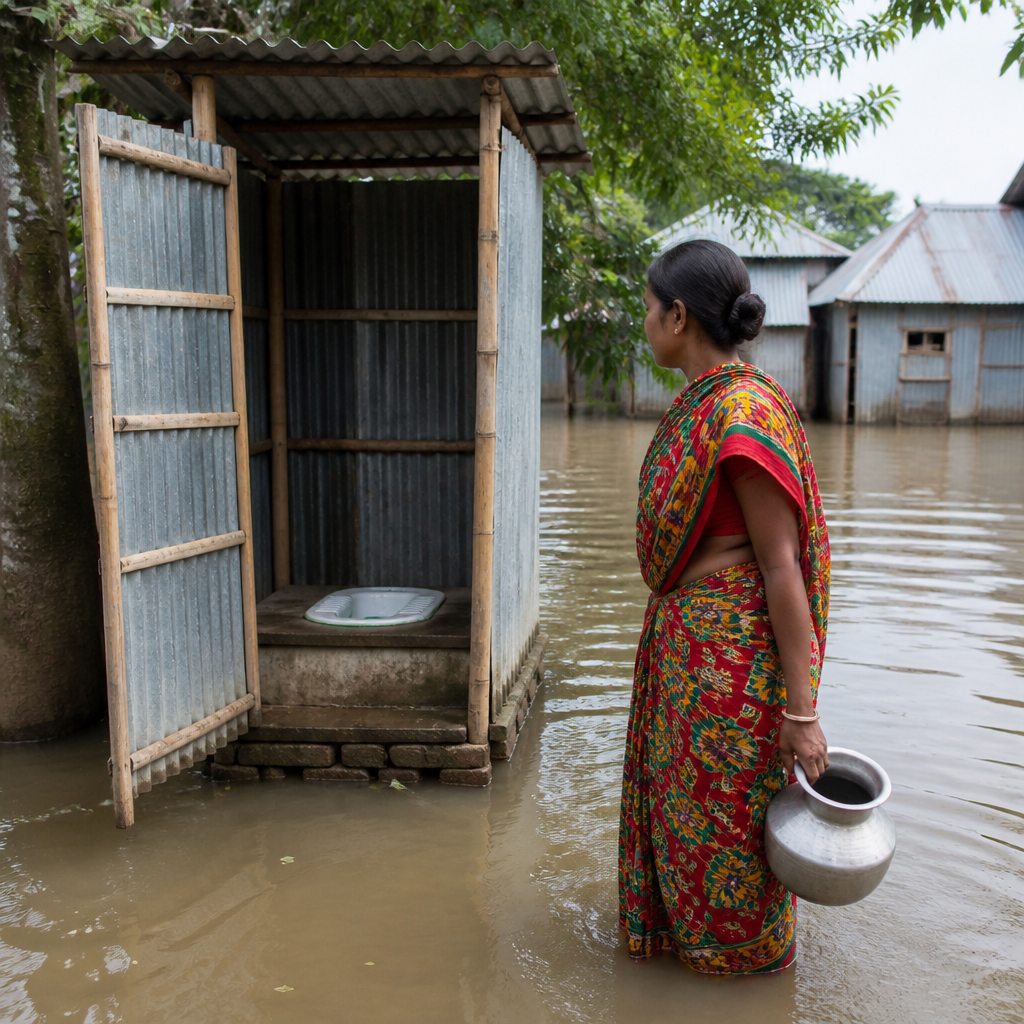
Climate change changes sanitation performance by altering water availability, infrastructure stress, pathogen pathways, and service reliability. During intense rainfall, pit latrines can flood, septic tanks can overflow, and combined sewers can discharge untreated waste into streets and rivers. After heatwaves, low river flows reduce dilution, making downstream contamination more concentrated. In coastal settlements, saltwater intrusion can damage biological treatment processes and corrode infrastructure. The health effects are direct: more fecal contamination in water sources increases diarrheal disease, cholera risk, helminth transmission, hepatitis A exposure, and skin and eye infections. Indirect effects also matter. When toilets become unusable after flooding, people may return to open defecation or unsafe dumping, especially in informal settlements and displacement settings.
The core sanitation question under climate change is not simply which toilet is cheapest. It is which service chain remains protective when rainfall patterns, groundwater levels, temperatures, and energy reliability shift. A household latrine that works in a dry season may fail during monsoon months. A conventional flush sewer may offer excellent containment in high income districts but become unaffordable or water insecure elsewhere. EcoSan becomes important because it is designed around material flows, local resource limits, and reuse opportunities. Yet climate adaptation does not excuse unsafe practice. Any reuse system must control pathogens, vectors, odors, chemical exposure, and user error. The most resilient systems are the ones that pair environmental efficiency with conservative health safeguards.
What Safety and Sustainability in EcoSan actually means
Safety and Sustainability in EcoSan means building sanitation systems that protect users, workers, food chains, and ecosystems while reducing water use, recovering nutrients, and lowering climate vulnerability. The approach usually includes source separation, dehydration, composting, urine diversion, container based collection, faecal sludge treatment, or decentralized wastewater treatment, depending on context. Sustainability is not a marketing claim. It can be measured through water consumption, nutrient recovery rates, lifecycle cost, greenhouse gas emissions, land requirements, maintenance burden, and long term serviceability. Safety is equally measurable through barrier controls, treatment validation, exposure reduction, personal protective equipment, monitoring, and compliance with risk based sanitation planning.
In field programs, I have seen sustainable sanitation projects fail because they focused on hardware and ignored operations. A urine diverting dry toilet can conserve thousands of liters of water per household each year, but if users do not keep urine and feces separated, dehydration drops and odor increases. Composting toilets can produce a soil amendment, but only if temperature, time, moisture, and handling protocols are controlled. Septage can support co composting or biogas, but transport workers need sealed equipment, vaccination, gloves, face shields, washing stations, and paid training. Sustainability without worker protection is incomplete. Safety without financial realism is also unstable, because systems collapse when maintenance is unfunded.
EcoSan technologies and their climate suitability
No single EcoSan technology is best everywhere. Selection depends on density, soil, flood risk, water availability, user preferences, regulatory acceptance, and treatment capacity. Urine diverting dry toilets are well suited to water scarce areas because they avoid flushing and allow nutrient recovery, but they require strong user training and reliable emptying. Raised toilets and sealed containers can perform better in flood prone settlements because they reduce groundwater intrusion and simplify collection. Decentralized wastewater treatment systems, including anaerobic baffled reactors and constructed wetlands, can serve institutions and clustered housing where land is available and operators can be trained. Composting systems may work in peri urban or rural areas with agricultural demand, though pathogen reduction must be verified rather than assumed.
The World Health Organization sanitation safety planning approach is useful because it asks teams to map the full service chain and identify hazards from toilet to treatment to reuse. In drought affected regions, I often prioritize systems with low water demand and modular treatment. In flood plains, I prioritize raised structures, sealed containment, backflow prevention, and safe overflow routing. In dense neighborhoods, container based sanitation can outperform poorly built pits because waste is removed frequently and taken to controlled treatment. Climate suitability is therefore less about brand names and more about matching containment, transfer, treatment, and reuse to real hazards.
| EcoSan option | Best-fit climate context | Main safety controls | Sustainability strengths |
|---|---|---|---|
| Urine-diverting dry toilet | Drought, water scarcity, off-grid housing | User training, dry cover material, sealed storage, controlled reuse | Very low water use, nutrient recovery, low operating energy |
| Container-based sanitation | Flood-prone dense settlements, high groundwater | Frequent collection, sealed containers, licensed treatment, worker PPE | Strong containment, scalable service model, adaptable to informal areas |
| Composting toilet | Peri-urban and rural areas with land and reuse demand | Time-temperature management, moisture control, restricted handling | Organic matter recovery, reduced fertilizer demand |
| Decentralized wastewater treatment | Institutions, clusters, mixed climate pressures | Routine monitoring, sludge management, vector control | Local treatment, possible water reuse, reduced sewer dependence |
Health protection across the full sanitation chain
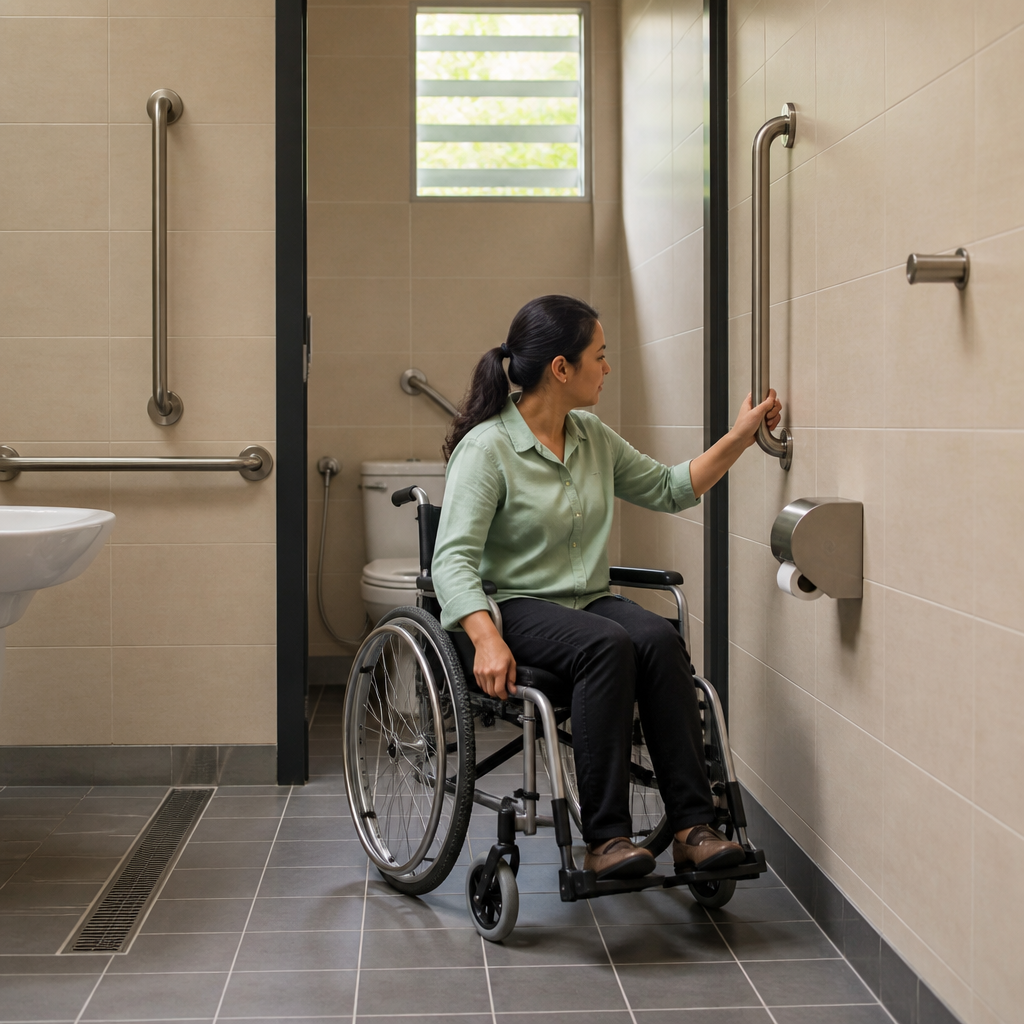
Safe EcoSan depends on multiple barriers, not one treatment step. The first barrier is effective user interface design: toilets must be stable, private, ventilated, washable where needed, and usable by children, older adults, and people with disabilities. The second barrier is containment, which prevents leakage to soil, drains, and groundwater. The third is transport and emptying, where exposure to aerosols, splashes, and sharps must be controlled. The fourth is treatment, using validated processes such as dehydration over sufficient time, composting under managed conditions, alkaline treatment, anaerobic digestion followed by further treatment, or thermal drying. The fifth is safe end use or disposal. Agriculture is the most discussed reuse pathway, but landscaping, forestry, and energy recovery can sometimes present lower exposure risks.
Pathogen control is the decisive issue. Human excreta can contain bacteria, viruses, protozoa, and helminths, and the persistence of each group differs by moisture, temperature, pH, and sunlight exposure. That is why mature programs rely on hazard analysis and microbial risk reduction targets rather than informal assumptions that material “looks composted.” WHO guidelines for safe use of wastewater, excreta, and greywater support a multi barrier approach that can combine treatment, crop restriction, withholding periods, application methods, and hygiene measures. For example, applying treated urine to cereals or trees is generally lower risk than applying inadequately treated sludge to leafy vegetables eaten raw. Good design must match treatment reliability to the intended reuse pathway.
Worker safety, community acceptance, and behavior change
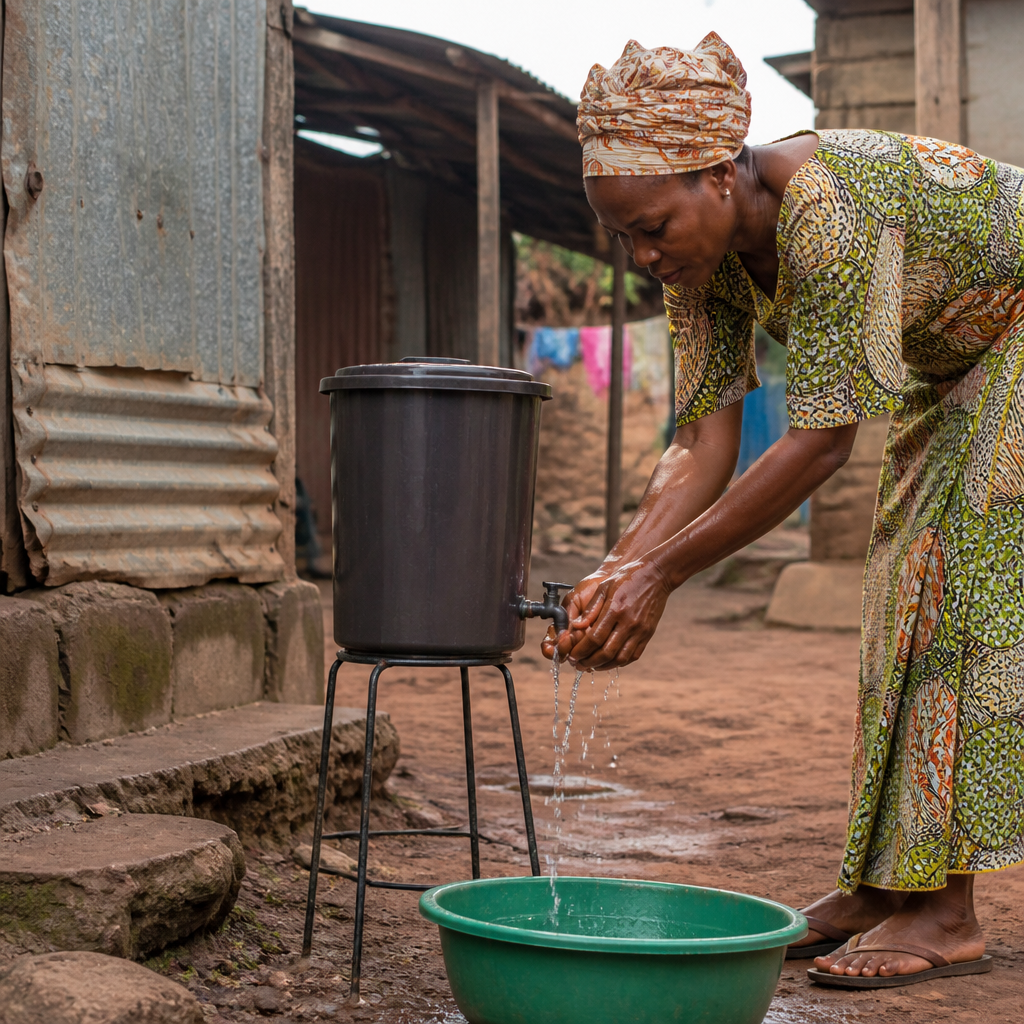
Sanitation workers carry a disproportionate burden of risk, and climate stress increases that burden. During floods they may enter contaminated water, face unstable pits, or work longer hours clearing blockages. During heat extremes they face dehydration, heat stress, and reduced concentration, which increases accident rates. A responsible EcoSan program therefore includes occupational health protocols from the start: hepatitis and tetanus vaccination where indicated, gloves suited to wet handling, boots, respirators or face shields for high splash tasks, mechanical lifting where possible, handwashing stations, shaded rest periods, and incident reporting. Standard operating procedures should be written, trained, repeated, and supervised. Informal labor arrangements are a major vulnerability because workers may be untrained and uninsured.
Community acceptance is equally practical. People adopt toilets they understand, trust, and can maintain. I have seen technically sound urine diversion systems abandoned because the pedestal design was unfamiliar and cleaning instructions were unclear. The lesson is simple: behavior change is part of engineering. Households need clear guidance on adding dry cover material, keeping anal cleansing water separate where required, identifying when containers are full, and understanding why immature compost must not be handled casually. Social acceptance also improves when programs explain the benefits in concrete terms, such as lower water bills, cleaner compounds during floods, fewer odors, and usable fertilizer products that meet local agricultural needs.
Planning, regulation, and financing for resilient EcoSan
EcoSan succeeds when it is planned as a service, not a one-time construction project. Municipalities and utilities need sanitation master plans that account for climate projections, groundwater mapping, emptying logistics, treatment capacity, and reuse markets. Regulatory frameworks should define permissible reuse products, treatment standards, monitoring frequency, and institutional responsibility. Building codes may need updating to allow source-separated systems or raised flood-resilient designs. In many countries, the missing link is not technology but legal clarity on who can collect, transport, treat, and sell recovered products.
Financing should reflect lifecycle reality. Capital subsidies may be justified where public health gains are large, but operating costs must still be covered through tariffs, service contracts, agricultural offtake, cross-subsidy, or municipal budgets. Cost comparisons should include avoided water demand, reduced sewer expansion, lower fertilizer imports, and avoided flood cleanup. Carbon accounting can also matter. Poorly managed pits and lagoons emit methane and nitrous oxide, while optimized treatment and nutrient recovery can reduce emissions and displace synthetic fertilizers whose production is energy intensive. The strongest business cases combine health protection, climate resilience, and measurable service performance rather than promising resource recovery alone.
Conclusion
Sanitation and health in the context of climate change require decisions that are both technically rigorous and grounded in daily use. Safety and Sustainability in EcoSan provide that framework when systems are chosen for real climate conditions, managed across the full service chain, and monitored with public health discipline. The main lesson is straightforward: resilient sanitation is not just about toilets. It is about containment, treatment, worker safety, user behavior, regulation, financing, and appropriate reuse working together. When those elements align, EcoSan can conserve water, recover nutrients, reduce pollution, and protect communities from climate driven sanitation failure. When they do not, even well intentioned projects can create new exposures.
As a hub for this subtopic, this page should guide every later decision: which technology fits a floodplain, how to validate compost safety, how to protect sanitation workers, and how to finance decentralized treatment that lasts. Start by assessing local climate hazards, current sanitation gaps, and reuse opportunities. Then choose the EcoSan pathway that delivers the highest health protection with the most realistic operations model. That is how sanitation becomes safer, more sustainable, and more resilient for the long term.
Frequently Asked Questions
Why are sanitation and health so closely linked in the context of climate change?
Sanitation and health are deeply connected because climate change intensifies the ways human waste, water systems, and disease interact. Sanitation is not just about toilets. It includes the full chain of safely containing, transporting, treating, and reusing or disposing of human waste. When any part of that chain breaks down, health risks rise quickly. Climate change increases those risks through heavier rainfall, flooding, drought, sea-level rise, and extreme heat, all of which can damage toilets, overwhelm sewers, contaminate water sources, and disrupt wastewater treatment.
From a health perspective, poor sanitation increases exposure to pathogens that cause diarrhea, cholera, typhoid, intestinal worm infections, and other waterborne or fecal-oral diseases. It can also worsen malnutrition, especially in children, because repeated infections reduce the body’s ability to absorb nutrients. Beyond infectious disease, sanitation affects dignity, menstrual health, mental wellbeing, and personal safety, particularly for women, children, older adults, and people with disabilities who may struggle to access safe facilities during disasters or displacement.
Climate change turns these existing vulnerabilities into more frequent and severe public health threats. For example, floodwaters can spread untreated sewage into homes and streets, while drought can leave communities without enough water to maintain hygiene or safely operate sanitation systems. Heat can accelerate the decomposition of waste, increase odors, raise occupational risks for sanitation workers, and reduce the performance of infrastructure. That is why sanitation and health can no longer be treated as separate policy areas. Strong sanitation systems are a frontline public health defense and a core part of climate resilience.
How do floods, droughts, and extreme heat affect sanitation systems and disease risk?
Each climate hazard affects sanitation differently, but all can increase health risks if systems are not designed to withstand them. Flooding is one of the most visible threats. It can submerge pit latrines, septic tanks, sewer lines, and treatment plants, causing untreated waste to spread into groundwater, rivers, drinking water sources, farms, and residential areas. This sharply raises the risk of outbreaks of diarrheal disease and other infections, especially where drainage is poor and emergency response capacity is limited.
Drought creates a different set of pressures. Water scarcity makes it harder for households, schools, clinics, and public spaces to maintain handwashing, toilet flushing, and cleaning. Low water availability can also disrupt sewer function and treatment processes, while forcing communities to rely on unsafe water sources. In areas where people already face poverty or weak infrastructure, drought can lead to difficult trade-offs between drinking, cooking, and hygiene needs, which increases vulnerability to infection and undermines overall health.
Extreme heat also matters more than many people realize. High temperatures can affect the operation of wastewater treatment systems, increase biological activity in waste streams, intensify odors, and create unsafe conditions for sanitation workers who empty pits, maintain sewers, or handle sludge. Heat stress, dehydration, and exposure to harmful gases become more likely, particularly where protective equipment, shade, or rest breaks are inadequate. Heat can also compound water scarcity and increase the use of unsafe informal sanitation practices if facilities become unusable or unpleasant.
These hazards often overlap. A community may experience drought that weakens sanitation services, followed by intense rain that spreads contamination, all under rising temperatures that strain workers and infrastructure. The result is not only more disease risk but also greater pressure on clinics, schools, livelihoods, and local ecosystems. Climate-resilient sanitation planning must account for multiple hazards at once rather than treating them as isolated events.
What does climate-resilient sanitation look like in practice?
Climate-resilient sanitation means designing and managing systems so they continue to protect health under changing environmental conditions. In practice, that starts with understanding local risks such as flooding, groundwater rise, drought, storm surge, salinity intrusion, extreme heat, and informal settlement growth. The right solution will vary by place, because what works in a dense urban floodplain may not work in a dry rural area or a coastal community facing sea-level rise.
At the household and community level, resilient sanitation may include raised latrines in flood-prone areas, sealed containment systems that reduce leakage, safely managed septic and fecal sludge services, decentralized treatment where centralized sewers are too fragile or expensive, and technologies that use water efficiently in drought-prone regions. It also includes making facilities accessible, safe, and usable for women, children, older adults, and people with disabilities, especially during emergencies. Designing for continuity matters just as much as designing for normal conditions.
At the system level, resilience depends on more than infrastructure. It requires routine maintenance, monitoring, drainage management, backup power for treatment plants, trained service providers, protective measures for sanitation workers, emergency preparedness plans, and financing models that support long-term operation. Health agencies, water utilities, urban planners, disaster managers, and local governments need to coordinate rather than work in isolation. Data on disease patterns, water quality, flooding, and service gaps should inform investment decisions.
Importantly, climate-resilient sanitation also looks for ways to reduce environmental harm and create co-benefits. Safe wastewater treatment and fecal sludge management can reduce pollution of rivers and coastal waters. Resource recovery, where appropriate, can support the safe reuse of water, nutrients, or energy. When systems are planned well, they not only reduce disease risk but also strengthen community resilience, protect ecosystems, and make settlements more livable under climate stress.
Who is most vulnerable when climate change undermines sanitation and health services?
The impacts are not evenly distributed. Low-income households, people living in informal settlements, rural communities with limited infrastructure, and populations in flood-prone, drought-prone, or coastal areas are often the most exposed. These groups may already lack safely managed sanitation, secure housing, drainage, healthcare access, or reliable water supplies. Climate shocks then magnify existing inequalities, making recovery slower and health consequences more severe.
Children are especially vulnerable because repeated exposure to poor sanitation and unsafe water can lead to diarrhea, parasitic infections, stunting, and impaired development. Women and girls may face additional burdens related to caregiving, menstrual health management, privacy, and personal safety when facilities are damaged or unavailable. Older adults and people with disabilities can be disproportionately affected when sanitation systems are inaccessible, distant, or disrupted during floods and emergencies.
Sanitation workers are another critical but often overlooked group. They face direct exposure to human waste, toxic gases, sharp objects, contaminated floodwaters, and now increasing heat stress linked to climate change. Without proper training, equipment, legal protections, and recognition, their occupational health risks can be severe. Protecting sanitation workers is not only a labor issue but also a public health priority because entire sanitation systems depend on their safety and reliability.
Displaced populations, including people affected by storms, conflict, or sea-level rise, also face major sanitation-related health threats. Overcrowded shelters or temporary settlements can quickly become high-risk environments if toilets, handwashing facilities, wastewater management, and waste collection are inadequate. In short, vulnerability depends on both exposure to climate hazards and unequal access to resilient services. Effective responses must therefore focus on equity, not just infrastructure averages.
What policies and public health actions are needed to protect sanitation and health as the climate changes?
The most effective response is integrated policy that treats sanitation, health, water, climate adaptation, and urban planning as connected systems. Governments and institutions need to move beyond siloed decision-making. Health ministries should be involved in sanitation planning because disease surveillance, infection prevention, nutrition, and environmental health outcomes are directly affected by sanitation failures. Likewise, sanitation strategies should be informed by climate risk assessments, land-use planning, and disaster preparedness.
Priority actions include investing in climate-resilient infrastructure, expanding safely managed sanitation services, improving wastewater and fecal sludge treatment, protecting water sources from contamination, and strengthening hygiene services in homes, schools, healthcare facilities, and public spaces. Policies should also support maintenance, regulation, operator training, and service delivery in underserved communities, because infrastructure without long-term management will not deliver lasting health protection.
Public health systems have an important role in preparedness and early action. Disease surveillance, water quality monitoring, heat-health planning, outbreak response capacity, and risk communication all become more important as climate volatility increases. Healthcare facilities themselves need reliable sanitation, drainage, and wastewater systems so they can function safely during floods, droughts, and heatwaves. Community engagement is equally important, since local knowledge often reveals practical vulnerabilities and workable solutions that top-down plans miss.
Finally, strong policy should recognize that sanitation is both a health necessity and a resilience investment. Funding sanitation adaptation can reduce illness, protect education and livelihoods, support environmental quality, and lower the long-term costs of disaster response. The goal is not simply to build more toilets. It is to create sanitation systems that remain safe, inclusive, and functional in a changing climate, while protecting both human health and the ecosystems communities depend on.