Vector control in sanitation is the disciplined effort to prevent insects, rodents, and other disease-carrying organisms from breeding in waste streams, toilets, drains, sludge, and surrounding environments. In EcoSan systems, where human waste is treated as a resource rather than discarded as a nuisance, vector control is not a side issue; it is central to safety and wellness. Mosquitoes can transmit malaria, dengue, chikungunya, yellow fever, and Zika. Flies can mechanically spread diarrheal pathogens from feces to food. Rodents contaminate water and stored materials and can carry leptospirosis, hantaviruses, and salmonella. When sanitation infrastructure is poorly designed or poorly managed, these vectors exploit moisture, nutrients, shelter, and access routes created by human activity.
Safety and wellness in EcoSan depend on breaking those pathways without undermining the environmental benefits of nutrient recovery, water conservation, and decentralized treatment. I have seen well-intentioned composting toilets fail because vault access doors did not seal, urine pipes trapped stagnant liquid, or cover material was stored open to pests. I have also seen simple, low-cost controls work extremely well: screened vents, correct urine diversion slopes, dry carbon-rich cover, scheduled emptying, and routine inspection with a checklist. The difference usually comes down to understanding how vectors behave and designing sanitation operations around that biology.
This hub article explains how vector control fits into sanitation, especially ecological sanitation systems such as urine-diverting dry toilets, container-based sanitation, composting toilets, dehydrating vaults, biogas digesters, and fecal sludge management chains. It defines the key risks, outlines practical controls, and connects site design, daily operation, maintenance, worker protection, and community behavior into one prevention strategy. If the goal is healthier households, safer operators, and resilient resource recovery, vector control must be built into every stage, from toilet interface to final reuse.
Why vector control is essential in sanitation systems
Vector control matters because sanitation can either suppress disease transmission or amplify it. A toilet that safely isolates excreta, keeps surfaces dry, and prevents pest access reduces human exposure. A toilet with leaks, standing water, or open fecal storage creates a microhabitat for disease vectors. The core public health principle is source reduction: remove the conditions that allow vectors to breed, feed, and rest near people.
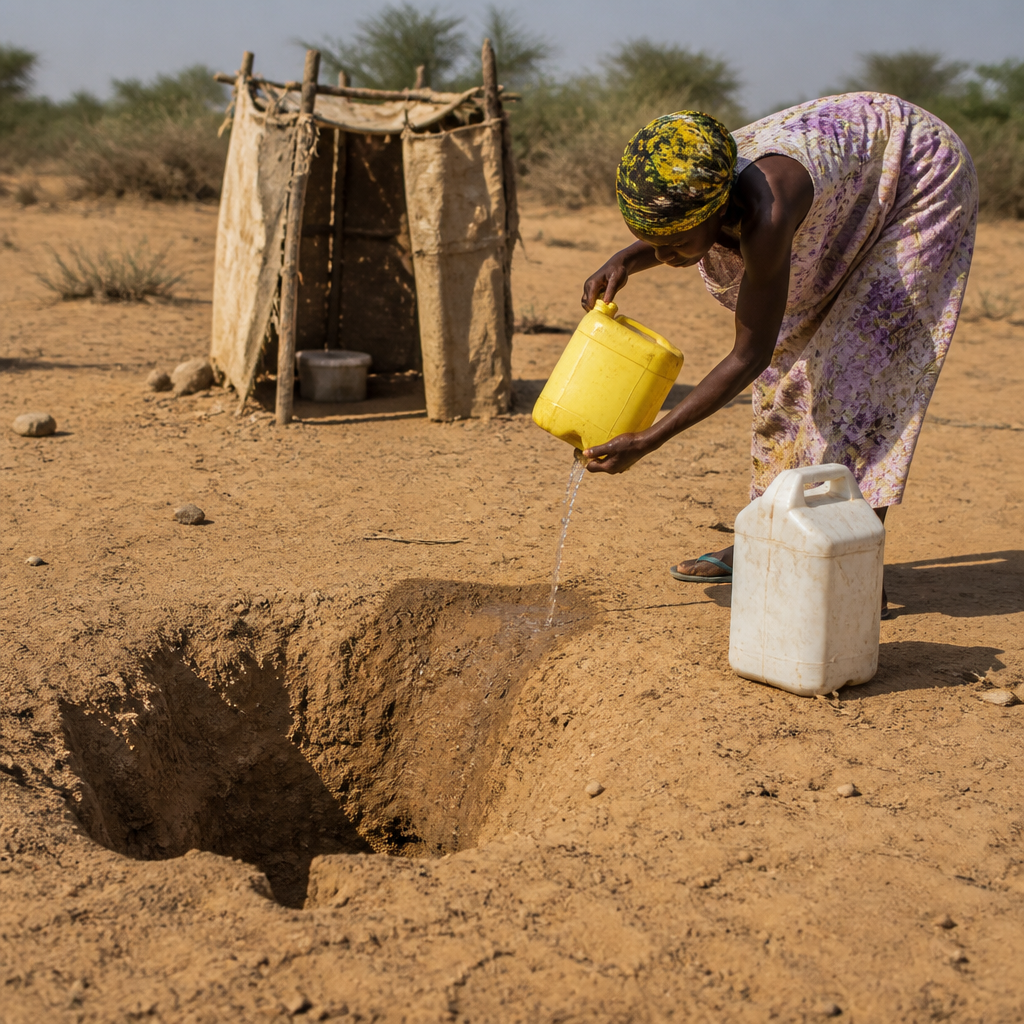
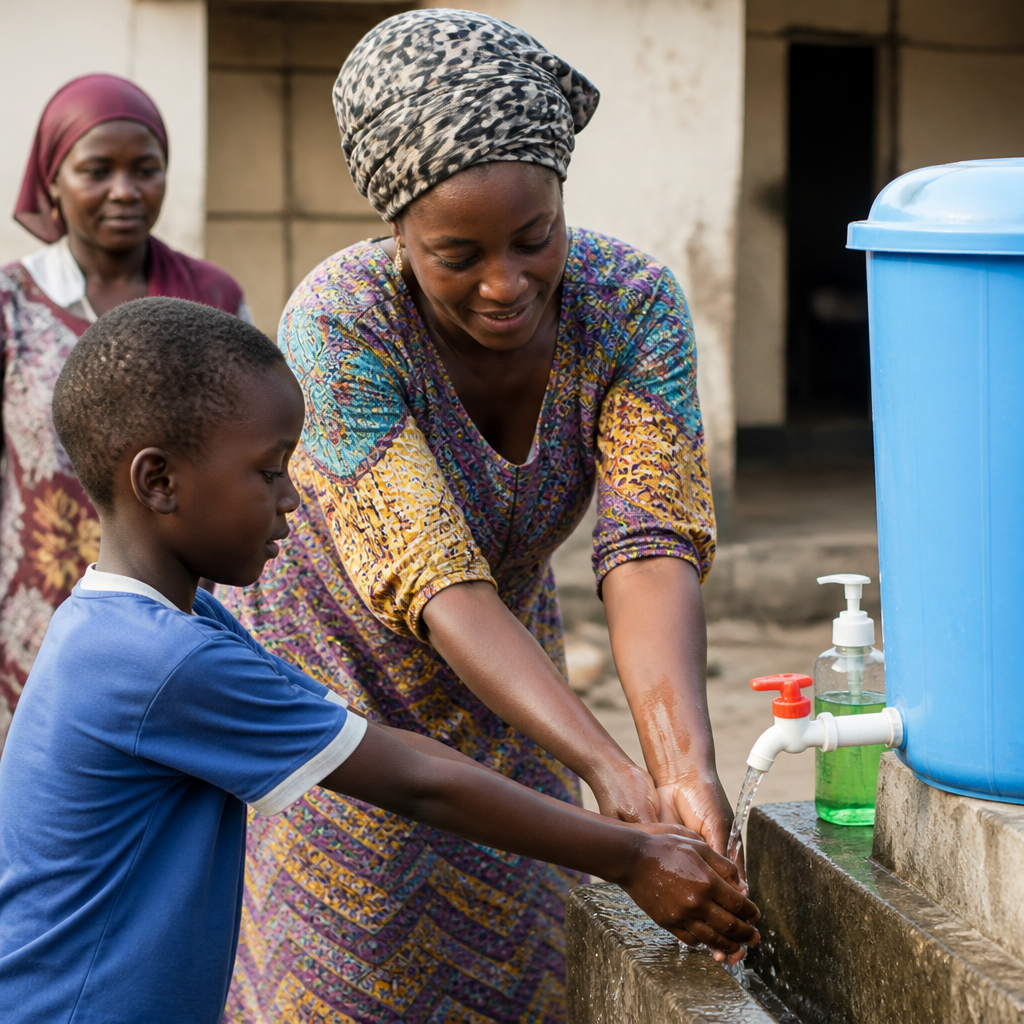
In practical terms, this means controlling moisture, access, temperature, organic loading, and storage time. Houseflies, for example, lay eggs in moist organic matter. If feces in a vault remain wet and exposed, larvae can develop quickly, especially in warm climates. Mosquitoes need standing water for breeding. A blocked urine line, an uncovered soak pit, or water pooled around a handwashing station can be enough. Rodents seek food, shelter, and hidden movement routes. Stored cover material, crop residues, and gaps under doors can support infestations around EcoSan installations.
The burden of failure is not evenly shared. Children, older adults, sanitation workers, and immunocompromised people are most exposed to the consequences of poor vector control. Schools, dense settlements, emergency sites, and flood-prone communities are particularly vulnerable because user numbers are high and maintenance lapses have fast consequences. For that reason, vector control should be treated as an operational requirement, not an optional improvement.
How vectors exploit weaknesses in EcoSan systems
EcoSan systems are diverse, but vectors consistently exploit the same design and management gaps. In urine-diverting dry toilets, the most common issues are poor separation of urine and feces, insufficient cover material, unsealed vault doors, and vent pipes without insect screens. When urine enters the fecal chamber, moisture rises and odor increases, attracting flies. If users do not add ash, sawdust, rice husk, shredded leaves, or other suitable cover after each use, fresh feces remain exposed.
Composting toilets introduce another set of risks. The composting process can inactivate pathogens when temperatures, aeration, moisture, and carbon-to-nitrogen balance are well managed. But many household units do not consistently reach thermophilic conditions. If the mass becomes too wet, anaerobic pockets form, odors increase, and flies are attracted. If it becomes too dry without enough biological activity, decomposition slows and material accumulates. In both cases, operators may open access panels more often, increasing opportunities for pest entry.
Container-based sanitation can perform very well, but only if container exchange, transport, and cleaning are tightly controlled. Damaged lids, overfilled containers, delayed collection, and dirty transfer points create direct vector access. Biogas digesters usually reduce attraction because wastes are enclosed, yet inlet spills, slurry pits, and poorly covered post-digestion storage can become breeding and feeding sites. Across all technologies, weak housekeeping causes more vector problems than the technology itself.
Design features that prevent flies, mosquitoes, and rodents
Good vector control starts with physical barriers and correct geometry. Toilet superstructures should be easy to clean, well lit, and free of unnecessary cracks. Doors should fit tightly, and access hatches should close flush with durable gaskets or overlapping lips. Ventilation pipes need corrosion-resistant insect screens, commonly stainless steel or UV-stable mesh, sized fine enough to block flies while preserving airflow. A damaged screen can defeat an otherwise strong system.
Urine diversion requires proper slope and smooth interior pipe surfaces to prevent pooling and struvite buildup. Where I have audited installations, a slope of roughly 1 to 4 percent generally keeps flow moving, though manufacturer specifications should govern each model. Cleanout access is important because partial blockages often create the small stagnant pockets mosquitoes exploit. Fecal vaults should remain as dry as the selected process allows. Raised foundations, roof overhangs, and site drainage matter because rain intrusion routinely triggers vector outbreaks.
Rodent exclusion depends on materials and edge detailing. Concrete plinths, metal kick plates, sealed penetrations, and storage kept off the floor all help. Openings around pipes should be closed with rodent-resistant materials, not cloth or loosely packed plastic. External vegetation should be trimmed back to reduce harborage, and waste transfer points should be positioned away from kitchens and food storage. Design should always support maintenance, because inaccessible corners become persistent pest refuges.
| Sanitation component | Common vector risk | Most effective preventive measure |
|---|---|---|
| Urine-diverting pan and pipe | Standing liquid that breeds mosquitoes and causes odor | Correct pipe slope, routine flushing where appropriate, and accessible cleanouts |
| Feces vault or chamber | Fly breeding in moist exposed feces | Reliable urine separation, dry cover material after each use, sealed access doors |
| Vent pipe | Fly entry or escape through unscreened opening | UV-resistant insect screen inspected and replaced on schedule |
| Handwashing and drainage area | Puddles that support mosquitoes | Graded drainage, soakaway maintenance, and no standing greywater |
| Cover material storage | Rodent nesting and contamination | Closed bins, elevated storage, and dry housekeeping |
| Container transfer point | Spills attracting flies and rodents | Covered staging area, fast cleanup, disinfection, and fixed collection timetable |
Operations and maintenance practices that sustain control
Even excellent design fails without disciplined operations. The simplest daily rule is this: keep excreta covered, keep liquids moving, and keep all surfaces clean and dry. For dry systems, users should add the specified amount of cover material after every defecation event. The material should be dry, easy to handle, and stored in a closed container with a scoop. Operators should inspect odor, visible insects, moisture level, and signs of leakage at least weekly in households and more often in schools or public facilities.
Scheduled emptying is another critical control. Overfilled chambers and containers are among the most common sources of fly outbreaks because material reaches the user interface and closure becomes difficult. A written service schedule, rather than waiting for complaints, is far more reliable. In fecal sludge management, transport vehicles and tools should be cleaned after each shift, and wash areas must drain properly so they do not become secondary breeding sites.
Cleaning methods should fit the technology. Excess water in a dry toilet can undo vector control by adding moisture to the vault, so wipe-clean techniques or limited, directed washing are often better than hosing. In wet systems, however, biofilm and solids accumulation in drains must be removed before they retain water. Maintenance logs, simple color-coded inspection tags, and photo-based audits improve accountability and help identify recurring weak points.
Worker protection, monitoring, and community behavior
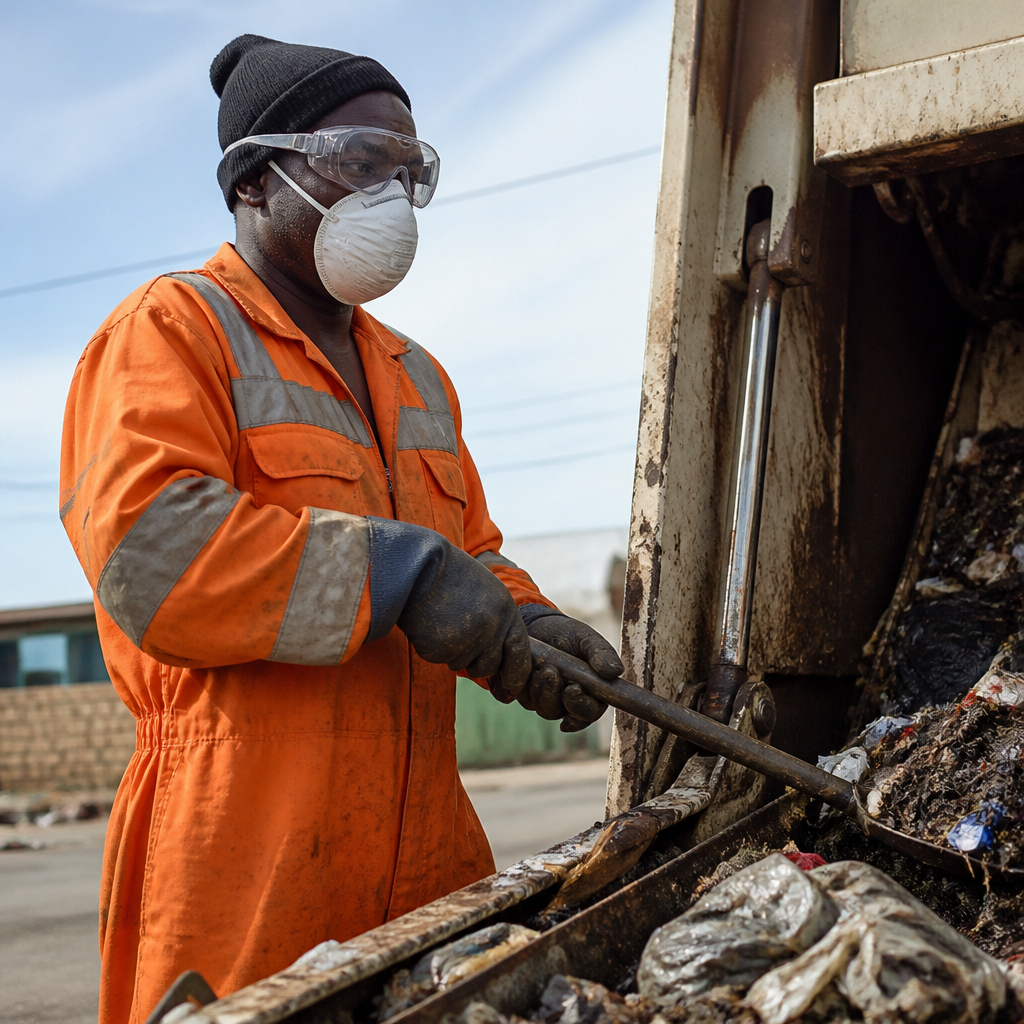
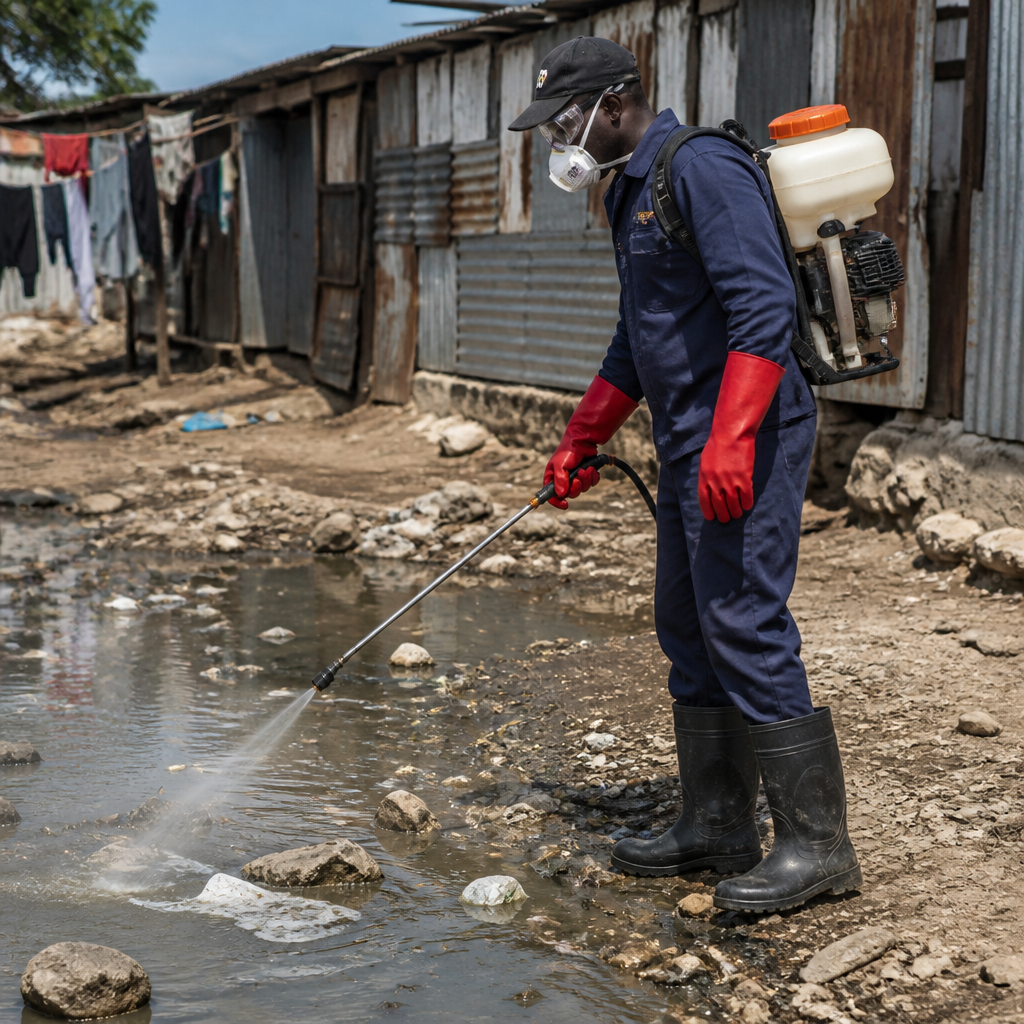
Safety and wellness in EcoSan are not only about users; they are also about the people who inspect, empty, transport, and process sanitation materials. Workers face direct exposure to vectors, bites, contaminated surfaces, aerosols, sharps, and chemical agents used in cleaning. At minimum, sanitation teams need gloves suited to the task, boots, handwashing supplies, and clear vaccination policies aligned with local public health guidance, commonly including tetanus and hepatitis A where risk assessments justify them. In some programs, insect repellents, long sleeves, and treated uniforms are appropriate during mosquito seasons.
Monitoring should combine visual inspection with simple indicators. Count standing water points, record insect sightings, note gnaw marks or droppings, and track odor complaints. If a site shows repeated fly activity, the cause is usually traceable: excess moisture, poor cover use, inadequate sealing, or delayed emptying. Corrective action should focus on that root cause first. Routine spraying is rarely the best primary strategy and can create resistance or expose workers and residents unnecessarily. Integrated pest management principles apply in sanitation just as they do in food facilities and housing.
Community behavior determines whether controls hold over time. Users need clear instructions, especially where a toilet works differently from conventional flush systems. Signs should explain what goes in, what stays out, how much cover to add, and who to contact when something blocks or leaks. In my experience, adoption improves when training is practical and local: demonstrate the scoop size, show a properly sealed hatch, and explain why one small puddle can support mosquito larvae. People maintain what they understand and trust.
Building a safer EcoSan hub: standards, links, and long-term planning
A strong Health and Safety hub on Safety and Wellness in EcoSan should connect vector control with water quality, hand hygiene, sludge handling, reuse safety, and facility design. International guidance from the World Health Organization on sanitation safety planning and safe use of wastewater, excreta, and greywater provides a solid risk-based framework. Hazard Analysis and Critical Control Point thinking is also useful: identify where hazards enter the chain, define control points, set limits, monitor them, and act quickly when performance slips.
Long-term planning means budgeting for replacement screens, spare seals, training refreshers, drainage repairs, and seasonal risk shifts. Rainy periods usually demand more inspection for mosquito breeding and stormwater intrusion. Dry periods can increase odor and user misuse if cover material runs short. Climate change intensifies both extremes, making resilient design more important. Flood-resistant siting, elevated storage, and robust drainage are no longer optional in many regions.
The main lesson is straightforward: vector control in sanitation is achieved by design discipline, routine maintenance, trained workers, and informed users working together. EcoSan can deliver real health and environmental gains, but only when disease pathways are intentionally blocked at every step. Review your current toilets, transfer points, drainage, and storage areas, identify where pests can enter or breed, and fix those points now. Small corrections made early prevent outbreaks, protect staff, and make sanitation systems safer, cleaner, and more trusted for everyone.
Frequently Asked Questions
What does vector control mean in sanitation, and why is it so important?
Vector control in sanitation refers to the practical steps used to stop disease-carrying organisms such as mosquitoes, flies, rodents, and other pests from breeding, feeding, or sheltering in sanitation systems and nearby areas. In real terms, that means managing toilets, drains, wastewater, sludge, organic waste, and storage areas in ways that reduce standing water, exposed fecal matter, odors, and accessible food sources. This is important because poorly managed sanitation environments can quickly become ideal breeding grounds for vectors that spread serious illnesses.
In sanitation, vector control is not just about nuisance reduction. It is a public health safeguard. Mosquitoes can transmit malaria, dengue, chikungunya, yellow fever, and Zika, while flies can mechanically carry pathogens from fecal matter to food, surfaces, and hands, contributing to diarrheal disease. Rodents can contaminate stored materials, spread bacteria, and create unsafe conditions around waste handling sites. When sanitation systems are neglected, the risk of disease transmission increases dramatically.
In EcoSan systems especially, vector control is central because the approach depends on safely transforming human waste into a resource. If urine diversion toilets, composting chambers, sludge treatment areas, or storage containers are not properly designed and maintained, they may attract pests and undermine both user confidence and health outcomes. Effective vector control protects workers, users, and surrounding communities while supporting the broader goal of turning sanitation into a safe, sustainable, and health-promoting system.
Which vectors are most commonly associated with poor sanitation, and what diseases can they spread?
The most common vectors linked to poor sanitation are mosquitoes, flies, and rodents, though cockroaches and other pests may also play a role in certain settings. Each of these organisms interacts with sanitation infrastructure differently, which is why understanding their behavior is essential for effective control.
Mosquitoes are strongly associated with standing water in blocked drains, wastewater channels, discarded containers, poorly covered tanks, and other water-holding structures. Depending on the species, they can spread major diseases including malaria, dengue, chikungunya, yellow fever, and Zika. Even small accumulations of water around sanitation sites can support mosquito breeding, so routine inspection and drainage management are critical.
Flies are drawn to exposed feces, decomposing organic matter, wet sludge, and poorly managed waste storage. While flies do not always infect people through bites, they are highly effective mechanical transmitters. They can land on fecal material, pick up pathogens on their bodies, and then contaminate food, utensils, preparation surfaces, and household items. This can contribute to the spread of diarrheal infections and other enteric diseases, especially where hygiene practices are weak.
Rodents are often attracted to waste storage areas, open dumps, broken infrastructure, and environments where food residues and shelter are available. They can contaminate sanitation facilities and surrounding spaces with urine, feces, and saliva, and they may contribute to the spread of bacterial and parasitic diseases. Beyond direct health risks, rodents can damage storage structures, chew through materials, and create conditions that make overall sanitation management more difficult and hazardous.
The key point is that different vectors thrive under different conditions, but all become more difficult to control when sanitation is poorly planned or inconsistently maintained. Good vector control starts with identifying which pests are present, understanding what attracts them, and removing those conditions as systematically as possible.
How can EcoSan systems reduce vector breeding while still treating human waste as a resource?
EcoSan systems reduce vector breeding by combining sound design, careful operation, and regular maintenance so that human waste is contained, treated, and reused safely rather than left exposed. The central principle is separation and control. When waste streams are managed in a disciplined way, they are far less likely to attract vectors or create the damp, nutrient-rich environments that pests need to thrive.
For example, urine-diverting dry toilets can limit moisture in fecal chambers, making conditions much less attractive to flies and less suitable for larval development. Tight-fitting lids, screened ventilation, and sealed access points help prevent insects from entering treatment chambers. In composting or dehydration systems, maintaining the correct balance of dryness, cover material, and storage time helps suppress odors and reduce vector attraction while promoting safer treatment of excreta.
Storage and handling practices are equally important. Containers should be covered, transfer points should be clean and secure, and treatment areas should not allow waste to accumulate in the open. Sludge or composting material should be managed according to clear retention times and treatment standards so that pathogen reduction goals are met before reuse. If liquids are part of the system, drainage pathways must be designed to avoid pooling and stagnation.
EcoSan works best when users understand that resource recovery does not mean relaxed hygiene. On the contrary, it requires more intentional management. A well-run EcoSan system protects public health by reducing exposure, preventing vector access, and ensuring that any beneficial reuse of treated materials happens only after adequate processing. That combination of containment, treatment, and operational discipline is what makes resource-oriented sanitation both practical and safe.
What practical measures are most effective for controlling mosquitoes, flies, and rodents around sanitation facilities?
The most effective vector control measures are usually preventive rather than reactive. Instead of relying only on spraying or trapping after pests appear, strong sanitation programs focus on eliminating breeding sites, restricting access to waste, and maintaining infrastructure so vectors cannot establish themselves in the first place.
For mosquitoes, the top priority is removing standing water. Drains should flow freely, wastewater should not collect in depressions, and tanks or containers should be covered. Gutters, soak areas, and channels need regular inspection so small blockages do not turn into breeding sites. In locations where water storage is unavoidable, tight covers and, where appropriate, physical barriers such as screens can reduce mosquito access.
For flies, the priority is minimizing exposed fecal matter and decomposing organic waste. Toilet seats or drop holes should have covers when relevant, treatment chambers should be sealed, and fecal material should be covered or processed promptly. Waste collection areas need routine cleaning, and any spilled material should be removed quickly. Vent pipes with mesh screening, clean transfer equipment, and dry operating conditions can make a major difference in reducing fly populations.
For rodents, sanitation facilities and storage areas should be kept free of food scraps, unmanaged refuse, and clutter that provides shelter. Cracks, gaps, and entry points in buildings or storage structures should be sealed. Waste should be stored in rodent-resistant containers where possible, and vegetation around facilities should be managed to reduce hiding places. If rodent activity is detected, monitoring and targeted control measures should begin early before infestation becomes entrenched.
Across all vector types, one of the most effective measures is routine maintenance backed by accountability. A well-designed system can still fail if lids are left open, drains are not cleared, or treatment areas are ignored. Daily housekeeping, scheduled inspections, and clear staff responsibilities often do more for long-term vector control than occasional emergency interventions.
How can communities and sanitation workers maintain long-term vector control and reduce disease spread?
Long-term vector control depends on consistency, training, and shared responsibility. Communities and sanitation workers need to treat vector prevention as an ongoing part of sanitation management, not as a one-time cleanup effort. Disease risks rise when systems are allowed to drift into poor condition, so sustainable control requires routines that are realistic, monitored, and supported over time.
For sanitation workers, training is essential. They should understand how vectors breed, where risks are most likely to occur, and what warning signs to watch for, such as standing water, increased fly presence, damaged screens, leaking containers, or rodent droppings. Workers also need protective equipment, access to cleaning tools, and practical protocols for waste handling, chamber emptying, sludge transport, and disinfection. When workers are protected and well trained, the entire sanitation chain becomes safer.
For communities, user behavior matters a great deal. People should know how to use toilets correctly, keep lids or covers in place, avoid dumping solid waste into drains, and report leaks or broken components quickly. Public awareness can also help reduce practices that create vector habitats, such as storing water uncovered or allowing wastewater to stagnate near homes. Community engagement works best when guidance is simple, repeated, and tied to visible health benefits.
Monitoring is another cornerstone of long-term success. Regular inspections, cleaning schedules, pest sightings logs, and maintenance records make it easier to catch problems early. In larger facilities or programs, integrating vector control into sanitation standard operating procedures can improve accountability and ensure that responsibilities are clear. Where needed, environmental management can be paired with targeted pest control methods, but those methods should support—not replace—good sanitation practice.
Ultimately, reducing disease spread through vector control is about disciplined system management. When sanitation infrastructure is maintained, waste is contained and treated properly, and communities stay engaged, the opportunities for mosquitoes, flies, and rodents to spread disease are sharply reduced. That is the real value of vector control in sanitation: it turns cleaner environments into healthier outcomes.