Hygiene in EcoSan is often misunderstood, yet it sits at the center of whether ecological sanitation delivers its promised health benefits. EcoSan, short for ecological sanitation, is a sanitation approach that treats human waste as a resource to be safely contained, transformed, and, where appropriate, reused. In practice, that usually means urine-diverting dry toilets, composting systems, dehydration vaults, and managed handling processes designed to break disease transmission pathways. The hygiene question matters because sanitation is not only about toilets; it is about protecting people from fecal pathogens, reducing environmental contamination, preserving water, and creating safer communities. When EcoSan succeeds, it supports public health, agricultural productivity, and climate resilience at the same time.
I have seen the same pattern across rural programs, school sanitation upgrades, and peri-urban household installations: acceptance rises when people understand the difference between raw excreta and treated end products. Confusion thrives when myths fill the gap. Some believe EcoSan is inherently dirty because it keeps waste on site. Others assume it is automatically safe because it sounds natural or sustainable. Both views are incomplete. Hygiene in EcoSan depends on design, operation, user behavior, storage time, moisture control, ash or lime application, handwashing, and maintenance discipline. A poorly managed flush toilet can spread disease, and a well-managed dry toilet can protect health very effectively.
This hub article explains how EcoSan enhances health, what risks must be controlled, and which practices actually make systems hygienic. It also serves as a foundation for deeper articles on toilet design, pathogen die-off, sludge handling, school sanitation, menstrual hygiene, handwashing, operation and maintenance, and safe agricultural reuse. If you need a direct answer, here it is: EcoSan can be hygienic and health promoting when excreta are separated, contained, treated, and handled according to established sanitation principles, but it is not safe by default. Sound engineering and consistent behavior are what convert a sanitation technology into a health intervention.
Why hygiene is the deciding factor in EcoSan health outcomes
The main purpose of any sanitation system is to interrupt the fecal-oral route. That route includes contamination of hands, water, soil, food, surfaces, insects, and household environments. EcoSan aims to interrupt those links through source separation, dry conditions, storage, treatment, and controlled reuse. The health advantage becomes clear in places where sewerage is absent, water is scarce, or pit latrines threaten groundwater. By keeping feces and urine managed at the point of generation, EcoSan can reduce open defecation, prevent overflowing pits, and lower contamination near homes and wells.
However, the hygiene performance of EcoSan is highly sensitive to operation. Feces contain bacteria such as Escherichia coli, viruses such as rotavirus, protozoa, and helminth eggs including Ascaris, which are especially persistent. Urine is usually lower risk than feces, but cross contamination can occur if diversion fails. That is why the safest EcoSan systems are built around clear user instructions, durable interfaces, and verified storage or treatment periods. The World Health Organization sanitation guidance consistently supports a multiple-barrier approach: containment, treatment, protective handling, and safe end use. In EcoSan, every barrier matters because no single step is enough on its own.
Myths and facts: what people get wrong about EcoSan hygiene
The most common myth is that dry toilets are dirtier than flush toilets. The fact is that visible water does not equal hygiene. Flush systems move waste away quickly, but where sewage is untreated or septic tanks leak, pathogens still enter the environment. EcoSan can achieve equal or better household-level protection when feces are contained, covered with ash or lime, and stored long enough for pathogen reduction. A second myth is that EcoSan always smells bad. In reality, odor usually signals excess moisture, poor ventilation, urine mixing with feces, or missed cover material. Well-managed urine-diverting toilets are typically low odor.
Another myth is that treated EcoSan products are immediately safe. The fact is that safety depends on temperature, dryness, pH, storage time, and handling. Helminth eggs survive longer than many users expect, which is why programs that serve areas with high worm prevalence need stricter protocols. A fourth myth is that EcoSan is only for farmers. In truth, its health value extends far beyond reuse. Even where households choose not to apply treated products to crops, the system can still prevent fecal exposure, save water, and reduce unsafe pit emptying. Good EcoSan is fundamentally a public health system first and a resource recovery system second.
| Myth | Fact | Why it matters for health |
|---|---|---|
| Dry toilets are unhygienic | Hygiene depends on containment and treatment, not water use alone | Focus shifts to pathogen control rather than appearance |
| EcoSan always smells | Odor usually indicates moisture imbalance or poor ventilation | Correct operation improves acceptance and cleanliness |
| Stored waste is automatically safe | Safety requires enough time, dryness, pH control, and careful handling | Prevents premature contact with pathogens |
| Urine is completely risk free | It is lower risk but can be contaminated by feces during misuse | Supports proper diversion and storage practices |
| EcoSan is only about fertilizer | Its first health role is breaking disease transmission pathways | Keeps hygiene goals central in program design |
How EcoSan systems reduce disease transmission in real settings
EcoSan improves health when its barriers are maintained consistently. First, source separation limits moisture and slows the survival of many pathogens in fecal chambers. Second, adding dry cover material such as ash, lime, or dry soil reduces odor, discourages flies, and can raise pH, which helps pathogen inactivation. Third, sealed or rest-phase vaults provide time for die-off. In school settings I have worked with, the most successful blocks used simple painted instructions, foot-operated handwashing stations, and caretaker checklists. Those low-cost management measures often made a bigger difference than expensive hardware upgrades.
EcoSan is especially relevant where pit latrines collapse in flood-prone soils or where high water tables contaminate shallow wells. In such areas, a raised urine-diverting toilet can keep excreta out of groundwater better than a deep pit. In dense peri-urban neighborhoods, container-based EcoSan variants can also reduce unsafe manual emptying if collection chains are formalized and workers use personal protective equipment. The health gain is not theoretical. Fewer overflows, less standing wastewater, cleaner surroundings, and more reliable handwashing opportunities directly reduce exposure risk, particularly for children, older adults, and people with weakened immunity.
There are limits. EcoSan does not eliminate disease risk if families fail to wash hands with soap after toilet use, if vaults are opened too early, or if children defecate outside the system. Programs sometimes focus heavily on construction and too little on user support. That is a mistake. Hygiene outcomes depend on behavior reinforcement, local language messaging, menstrual hygiene integration, cleaning tools, and accountability for maintenance. When those pieces are missing, even technically sound systems underperform.
Critical hygiene practices for households, schools, and institutions
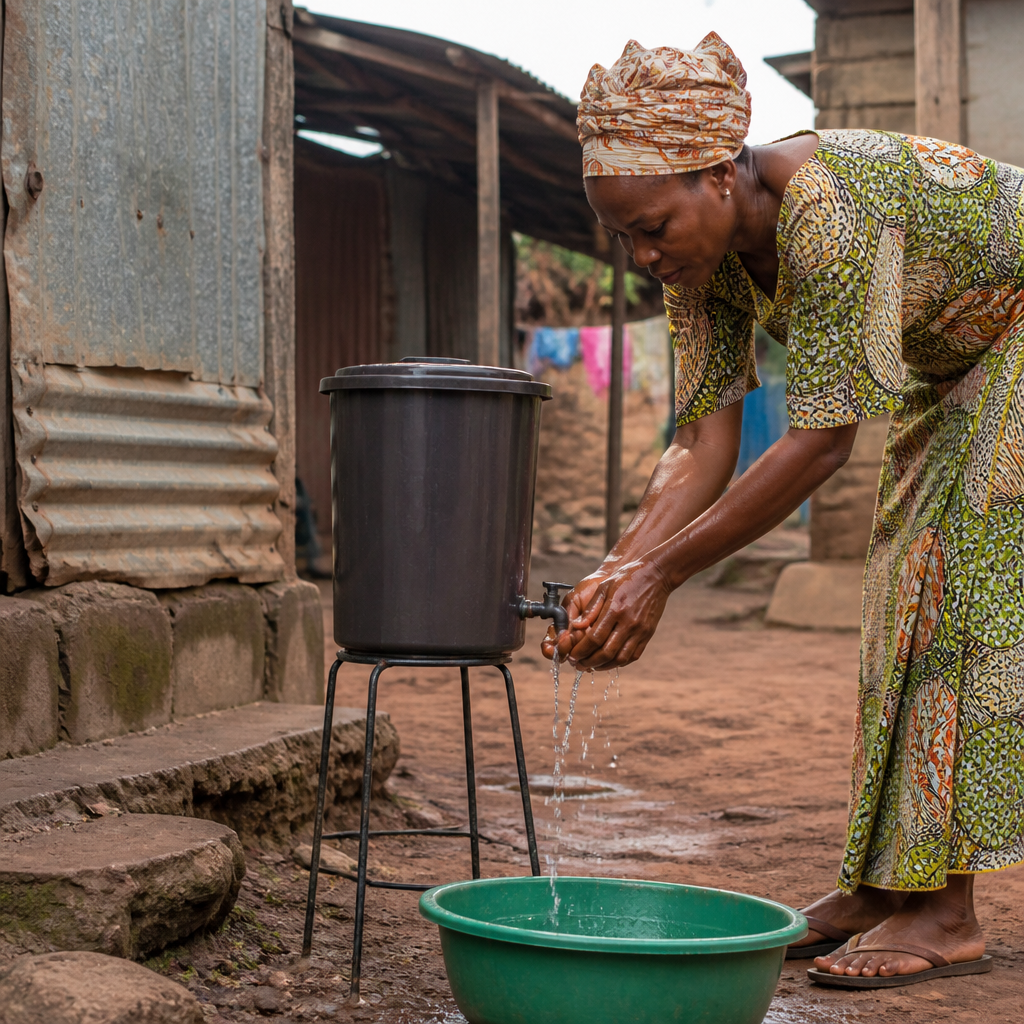
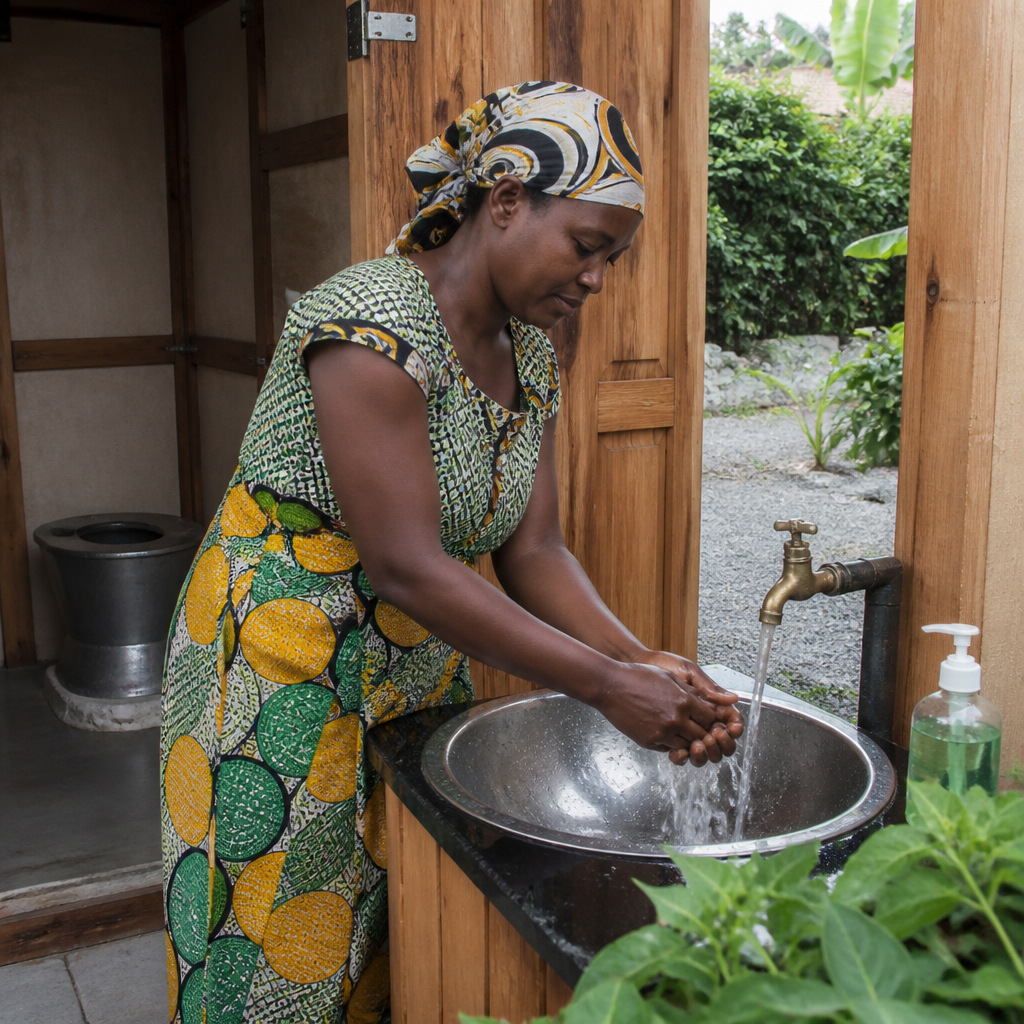
Several practices determine whether EcoSan protects health. Handwashing with soap after use and after handling cover material or containers is nonnegotiable. The toilet interface must stay dry, because wet slabs and urine-feces mixing increase odor, flies, and pathogen persistence. Users should add the recommended quantity of ash or lime after each fecal use, close lids to block insects, and keep anal cleansing water out of fecal vaults unless the system is specifically designed for it. Cleaning should use dedicated tools and gloves where possible, with routine disinfection of high-touch surfaces.
For schools and institutions, management systems are as important as the toilet itself. A caretaker should inspect diversion pans, vent pipes, doors, water points, and soap supplies daily. Girls need privacy, disposal options, and washing facilities for menstrual materials; otherwise, toilet misuse increases and hygiene standards fall. For young children, seats or supports must fit their size to prevent mess and fear of falling. Clear signage matters more than many planners assume. Simple diagrams showing where urine goes, where feces go, and when to add cover material can dramatically improve correct use among first-time users and visitors.
When vault emptying or product handling is required, timing and protection are essential. Operators should follow established storage periods, avoid direct skin contact, wear gloves and boots, use masks if dust is present, and wash thoroughly afterward. Separate tools for treated material and fresh waste help prevent cross contamination. If there is uncertainty about treatment quality, the conservative choice is restricted use, such as applying material to trees or nonfood crops rather than vegetables eaten raw.
Treatment, storage, and safe reuse: where health protection is won or lost
The hardest hygiene conversations in EcoSan usually concern what happens after the toilet fills. Pathogen reduction is influenced by dehydration, temperature, alkalinity, microbial competition, and time. Urine-diverting dehydrating toilets rely on low moisture and storage; composting systems rely more on biological breakdown and, in well-managed cases, heat. Not all systems reach the same pathogen reduction level. Ascaris eggs are the benchmark hazard because they are highly resistant. If a process is inadequate for helminths, it should not be described as fully sanitized for unrestricted food crop use.
Urine management also needs nuance. Separated urine often contains valuable nitrogen, phosphorus, and potassium and is typically much lower in pathogens than feces. Yet storage is still recommended, especially when there is any chance of fecal contamination or when the urine will be used on edible crops. Application methods matter: applying close to the soil rather than spraying onto leaves lowers exposure risk. Fecal products require even stricter judgment. Programs should define who empties vaults, where material is stored, how maturity is assessed, and which crops or land uses are permitted.
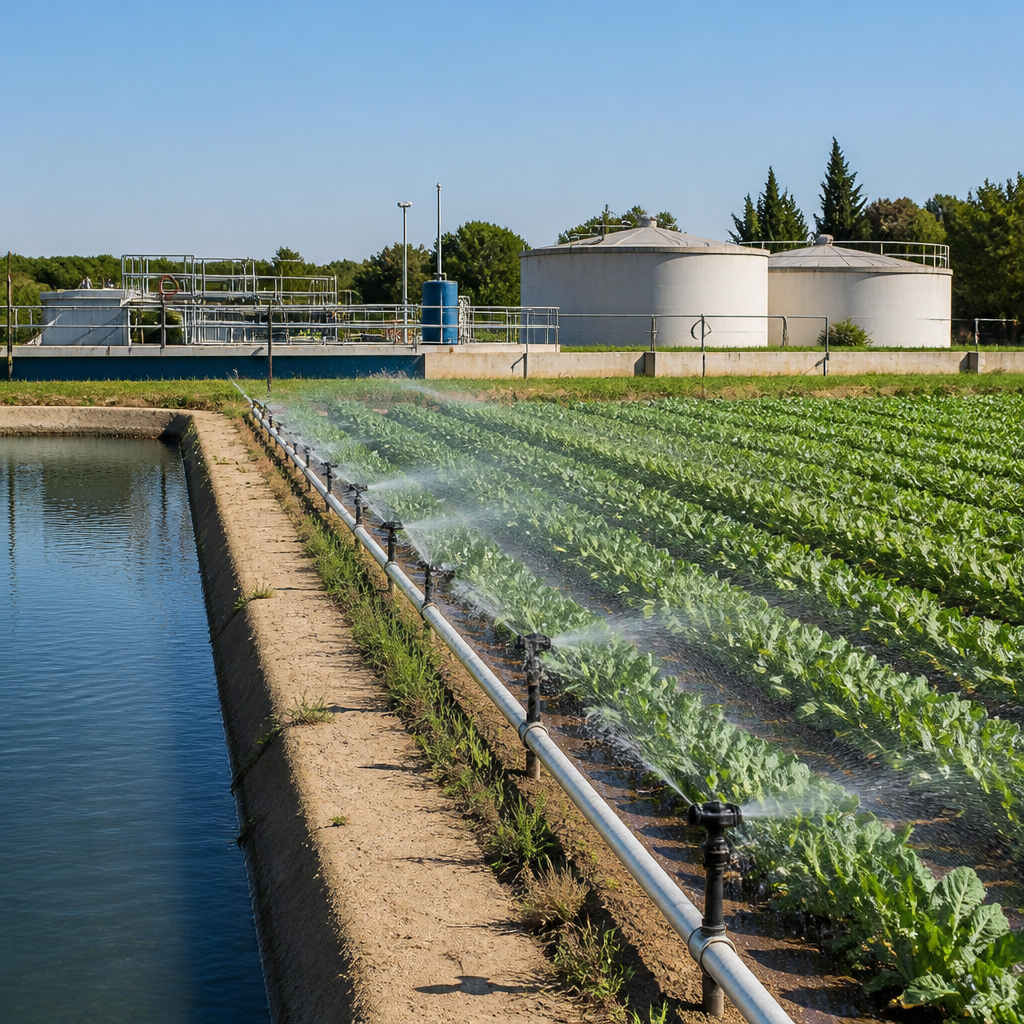
Standards vary by country, but the principle is consistent: use multiple barriers. Treatment alone is not enough; crop restriction, withholding periods before harvest, protective equipment, and hand hygiene all add protection. In agricultural communities, these rules should be communicated in practical language, not laboratory jargon. Farmers understand risk when it is framed around specific tasks, such as never spreading insufficiently treated material on lettuce, washing tools after application, and keeping children away from storage areas.
Building trust, adoption, and long-term public health value
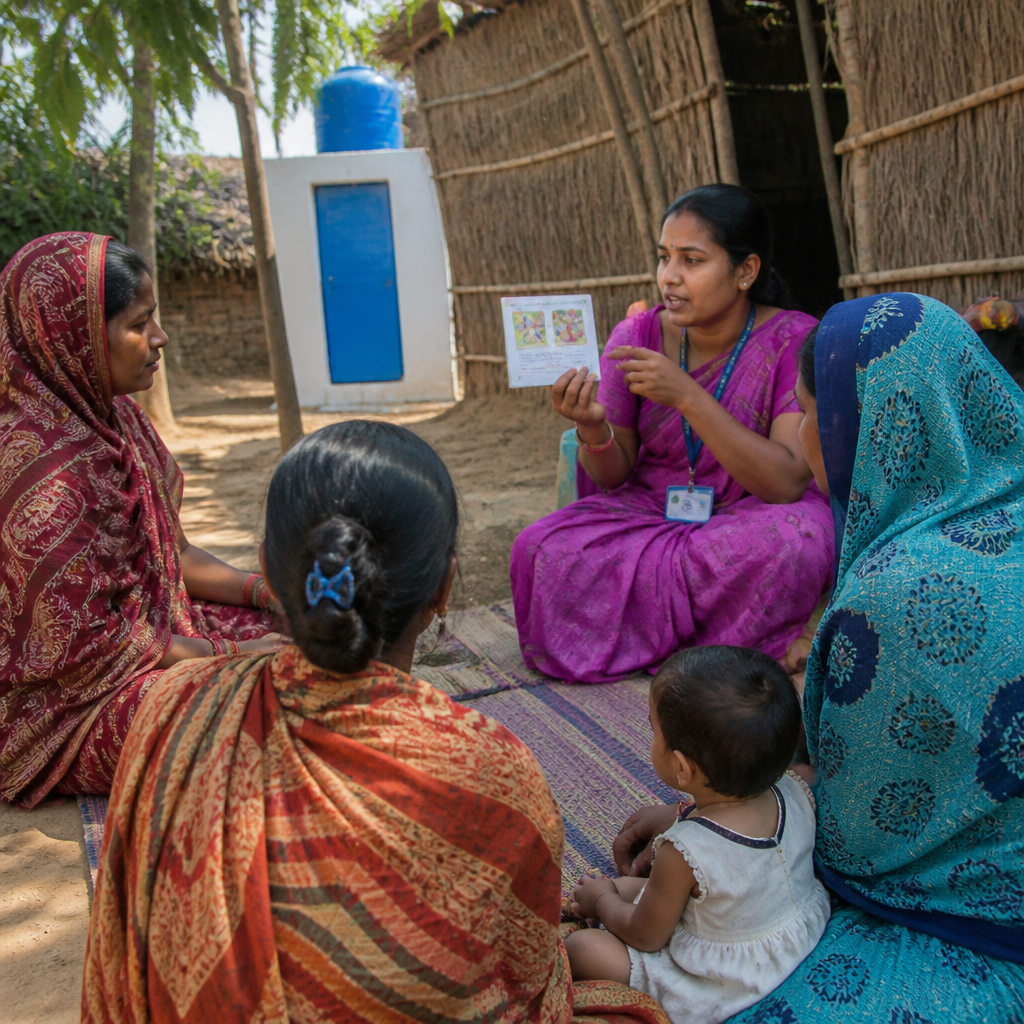
EcoSan hygiene succeeds when communities trust the system and can manage it without constant external supervision. That trust is built through honest communication, not promises that the system is effortless. People should know what tasks are required, what can go wrong, and how to fix common problems such as odor, flies, blocked urine pipes, or wet vault contents. Demonstration toilets, peer educators, and follow-up visits consistently outperform one-time training sessions. Households adopt practices more readily when they see clean facilities working nearby under local conditions.
Cost and equity must also be addressed. Some EcoSan systems save water and reduce pit emptying costs over time, but they may require higher upfront construction quality and stronger user engagement. The poorest households, renters, older residents, and people with disabilities can be excluded if designs are too complex or physically demanding. Public health planning should therefore pair EcoSan promotion with financing options, accessible design, service support, and realistic maintenance plans. Good hygiene is not achieved by technology alone; it is achieved by making correct use feasible every day.
For anyone evaluating sanitation options, the core lesson is simple. EcoSan can enhance health through better containment, lower environmental contamination, safer nutrient recovery, and reduced pressure on scarce water supplies, but only when hygiene is designed into every step from toilet use to final handling. Separate waste streams correctly, keep systems dry, follow storage and treatment guidance, protect workers and users, and reinforce handwashing at all times. If you are developing a household project, school program, or community sanitation plan, use this article as your starting point and build each next decision around one question: does this step reduce human contact with pathogens?
Frequently Asked Questions
1. Is EcoSan hygienic, or does it increase the risk of disease?
EcoSan can be highly hygienic when it is correctly designed, used, and maintained. One of the biggest myths is that ecological sanitation is inherently less sanitary than conventional sewered systems. In reality, hygiene depends less on whether a toilet uses water or not and more on whether it safely separates people from pathogens. EcoSan systems are specifically built to do that by containing excreta, reducing moisture where needed, encouraging treatment through dehydration or composting, and controlling how waste is handled after collection. When these steps are followed, EcoSan can significantly reduce the transmission of fecal-oral diseases.
The key fact is that pathogens do not disappear simply because waste is flushed away. Conventional systems move waste elsewhere for treatment, while EcoSan focuses on treatment closer to the source. If users keep urine and feces properly separated where required, add cover material as instructed, prevent leaks, keep the toilet area clean, and allow proper storage or treatment time before any reuse, the hygiene outcomes can be very strong. Problems usually come from poor operation, not from the EcoSan concept itself. In other words, a badly managed EcoSan toilet can be unsafe, but so can a broken sewer, an overflowing pit latrine, or untreated wastewater discharge.
EcoSan hygiene works best when there is clear user education, routine cleaning, safe emptying practices, and ongoing monitoring of the treatment process. With those elements in place, EcoSan is not only hygienic but can also be a practical public health solution in water-scarce areas, flood-prone communities, and places where centralized sanitation infrastructure is limited or unaffordable.
2. Does EcoSan always smell bad and attract flies?
No, a properly functioning EcoSan toilet should not constantly smell bad or attract large numbers of flies. This is another common misunderstanding. Foul odors and insect problems are usually signs that something in the system is not being managed correctly. In many EcoSan designs, especially urine-diverting dry toilets, smell is reduced by keeping feces dry, diverting urine away from the solids chamber, and adding dry cover materials such as ash, sawdust, lime, or soil after each use. These measures help absorb moisture, reduce odor, and create less favorable conditions for flies and other pests.
Ventilation also plays an important role. Well-designed units often include vent pipes, screened openings, and sealed collection chambers to keep air circulating while preventing insects from entering. If a system becomes wet, if urine enters the feces vault by mistake, if cover material is not used consistently, or if the chamber is opened too frequently, then odor and flies can become more noticeable. That does not mean EcoSan is unhygienic by nature; it means the management routine needs improvement.
In fact, when EcoSan is operated well, it can be cleaner and less offensive than many poorly maintained flush toilets or pit latrines. Good housekeeping matters: regular wiping of surfaces, dry floors, proper anal cleansing disposal practices based on the toilet design, and prompt attention to any blockage or leak will all improve hygiene performance. The myth that all EcoSan toilets are dirty and smelly comes largely from examples where training, maintenance, or design quality were insufficient.
3. Is it safe to handle or reuse treated waste from EcoSan systems?
It can be safe, but only when treatment and handling guidelines are strictly followed. This is one of the most important hygiene questions in EcoSan. The central idea of ecological sanitation is not to use fresh human waste directly, but to transform it through controlled processes that reduce pathogens and make the material safer for handling or agricultural use. Depending on the system, this may involve dehydration, extended storage, composting, alkaline treatment, or a combination of methods. Each method needs time and proper conditions to work effectively.
Safety depends on factors such as temperature, moisture content, pH, storage duration, and whether the waste stream is separated correctly. Urine, for example, is often lower in pathogen risk than feces when collected separately, but it still requires careful storage and application practices. Fecal matter typically needs a longer and more cautious treatment period. The most important fact is that “treated” should never be assumed without evidence or adherence to established protocols. If treatment is incomplete, pathogens may still be present.
For that reason, safe handling measures are essential. People emptying vaults or compost chambers should use gloves, boots, tools that minimize direct contact, and handwashing facilities immediately afterward. Reuse should follow local regulations or technical guidance on crop restrictions, waiting periods, and application methods. For example, treated products may be more appropriately used on trees, soil improvement, or non-food crops in some settings rather than on vegetables eaten raw. EcoSan does offer resource recovery benefits, but hygiene must always come first. The fact-based view is simple: reuse can be safe, but only after proper treatment, verification, and protective handling.
4. Are EcoSan toilets harder to keep clean than conventional toilets?
Not necessarily. EcoSan toilets are different to clean, but not automatically harder. The cleaning routine depends on the specific design, such as whether the system is a urine-diverting dry toilet, a composting toilet, or a dehydration vault. In general, EcoSan toilets require users to pay more attention to dry management, correct waste separation, and routine upkeep. That may feel unfamiliar at first, especially to people used to flush systems, but it does not mean the toilets are less cleanable or less hygienic.
In many cases, EcoSan toilets can actually be straightforward to maintain because they use less water, avoid wet sludge accumulation inside the user interface, and rely on regular light maintenance rather than waiting for a major emptying event. Daily or frequent tasks may include wiping the seat or slab, checking that urine channels are not blocked, ensuring cover material is available, and keeping the surrounding area dry. Because moisture is often the enemy of good EcoSan hygiene, simple habits such as fixing leaks quickly and preventing rainwater intrusion make a major difference.
The challenge is usually behavioral rather than technical. If users are not shown how the system works, they may use too much water, place inappropriate materials in the toilet, or neglect cover material, which can reduce hygiene performance. With proper orientation and a realistic maintenance plan, EcoSan units can remain clean, comfortable, and safe. The myth that EcoSan is “too complicated to keep sanitary” overlooks the fact that every sanitation system requires maintenance. EcoSan simply makes that maintenance more visible and more closely tied to user practice.
5. What are the most important hygiene practices for making EcoSan successful?
The most important hygiene practices are consistent correct use, regular cleaning, safe treatment, and careful handling at every stage. EcoSan succeeds when people understand that the toilet is part of a larger sanitation chain, not just a place for disposal. First, users need to follow the toilet’s intended operation. In urine-diverting systems, that means keeping urine and feces separated. In dry systems, it means adding the recommended cover material after each use and avoiding excess water in the feces chamber. These basic actions help control odor, reduce insects, and support pathogen die-off.
Second, routine cleaning and inspection are essential. Surfaces should be cleaned regularly, handwashing facilities should be available and used, and the toilet area should be kept dry and tidy. Small maintenance issues such as cracks, blocked urine pipes, poor drainage, or broken vent screens should be fixed early before they become hygiene risks. Third, storage and treatment periods must be respected. Vaults should not be emptied too early, and materials should not be reused before the full treatment process is complete. Shortcuts are one of the biggest threats to EcoSan hygiene.
Finally, anyone involved in emptying, transport, or reuse should follow protective measures such as wearing gloves, using tools, washing hands thoroughly, and following clear safety protocols. Community education, household training, and local management support are often just as important as the toilet technology itself. The fact is that EcoSan can deliver excellent hygiene outcomes, but only if the entire chain—from use to treatment to final handling—is managed responsibly. That is why the most successful EcoSan programs combine smart engineering with strong hygiene behavior and practical user support.