Sustainable sanitation reduces environmental health risks by managing human waste, wastewater, stormwater, and hygiene services in ways that protect people while conserving water, nutrients, energy, and ecosystems. In practice, this means choosing sanitation systems that prevent exposure to pathogens, limit pollution, and fit local conditions over the long term. Under the broad umbrella of EcoSan, or ecological sanitation, the central health question is simple: how do we keep fecal pathogens, chemicals, and vectors away from households, workers, food, and water supplies without creating new hazards elsewhere? I have worked on sanitation planning and risk communication projects where technically elegant systems failed because basic health protections were overlooked. That experience makes one point clear: sustainability in sanitation only counts when disease prevention comes first.
Environmental health risks linked to sanitation are well documented. The World Health Organization has repeatedly tied poor sanitation, unsafe water, and weak hygiene to diarrheal disease, helminth infections, cholera, environmental enteric dysfunction, and broader losses in child growth and resilience. Inadequate containment also contributes to nitrate contamination, eutrophication, antimicrobial resistance pathways, methane emissions, and occupational exposure for sanitation workers. A pit, toilet, septic tank, sewer, treatment plant, or reuse scheme should therefore be judged not only by cost or resource recovery, but by whether it breaks transmission routes defined in the classic fecal-oral pathway model. Prioritizing health in EcoSan means using that public health lens at every step, from user interface to final reuse or disposal.
This hub article explains how to reduce environmental health risks with sustainable sanitation by focusing on design, operations, treatment performance, worker safety, community behavior, and governance. It also clarifies key terms. Containment means safely capturing excreta at the source. Conveyance means moving it without leaks or contact. Treatment means reducing pathogens and stabilizing waste through processes such as composting, anaerobic digestion, drying, lime treatment, filtration, or constructed wetlands. Safe reuse means applying treated outputs only when exposure risks are controlled. These distinctions matter because many sanitation failures happen in the handoffs between stages. The goal is not a single ideal technology. The goal is a sanitation service chain that is practical, inclusive, and verifiably protective of health.
Why health must lead EcoSan decisions
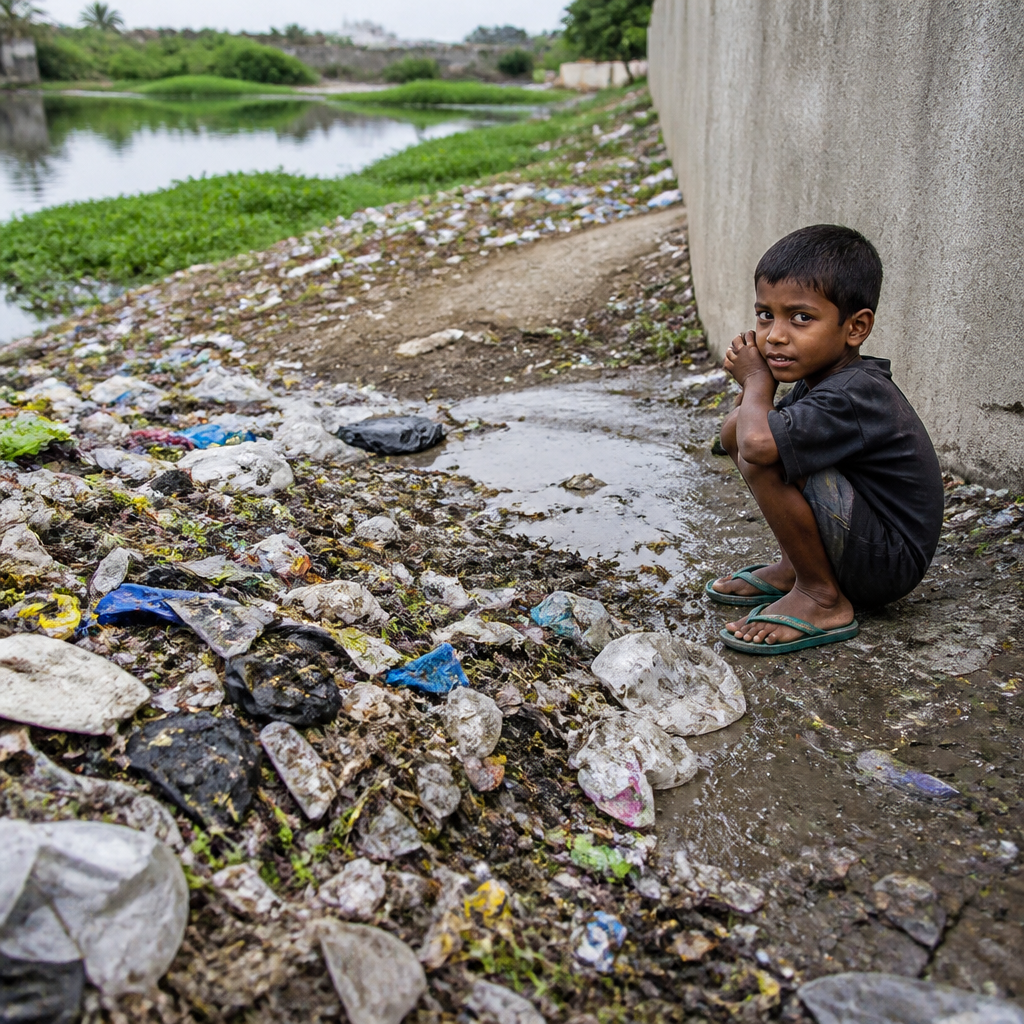
When communities discuss ecological sanitation, conversation often starts with compost, nutrient recovery, or water savings. Those benefits are real, but they should never outrank infection control. The highest burden from poor sanitation still comes from pathogen exposure, especially bacteria, viruses, protozoa, and helminths in feces. Children are most affected because they crawl, mouth objects, and have developing immune systems. In dense settlements, one broken containment point can contaminate courtyards, drains, shallow wells, and food preparation areas within days. I have seen households invest in improved toilets yet remain exposed because overflow entered open channels used by children as play spaces. That is why health-led planning begins with exposure mapping, not just technology selection.
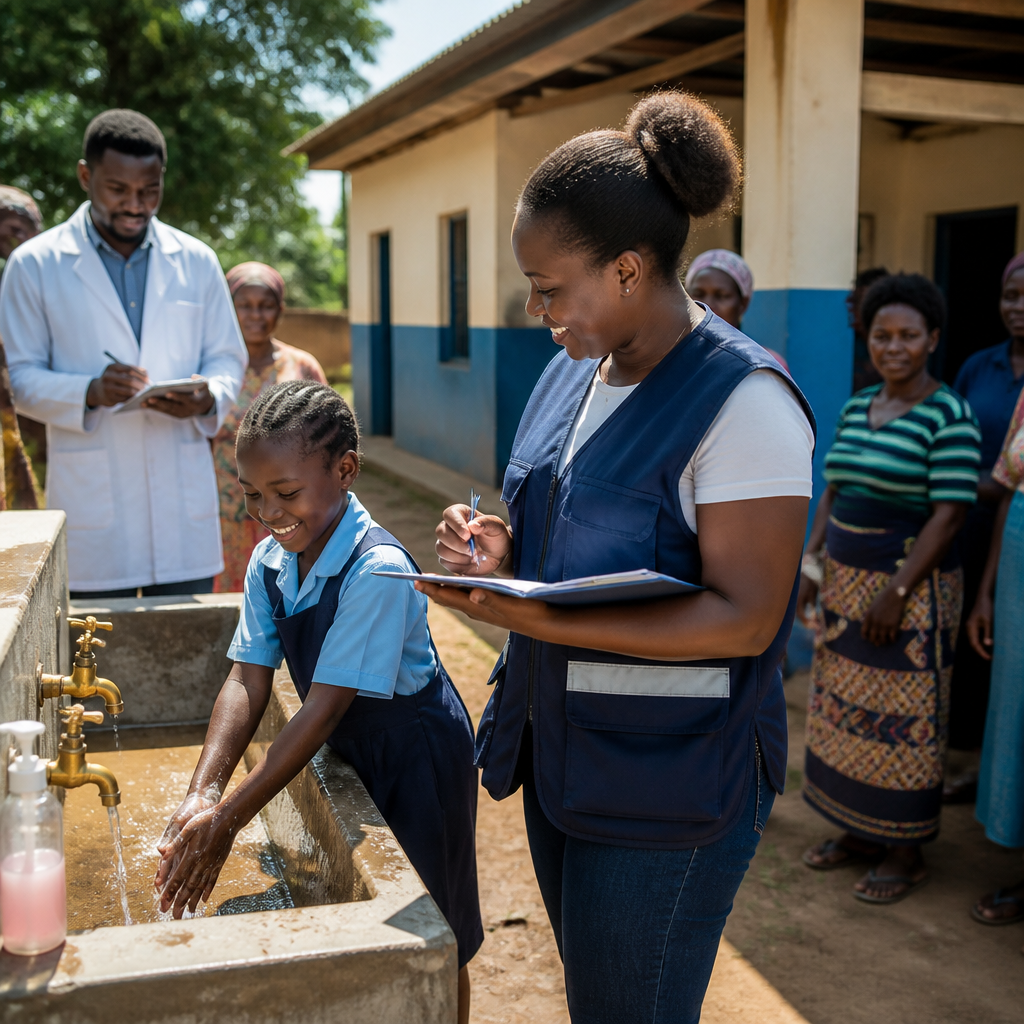
A health-first EcoSan strategy asks direct questions. Does the toilet contain feces every day, including during rain events? Can users wash hands with soap and water immediately after use? Will sludge be removed without manual contact? Can treatment consistently achieve pathogen reduction targets? Are crops, groundwater, or surfaces exposed during reuse? Standards and guidance from WHO, UNICEF, ISO, and national public health agencies all support this systems approach. It is also the basis for sanitation safety planning, a structured method for identifying hazards and control measures across the service chain. In practical terms, a low-water urine-diverting dry toilet can be safer than a poorly maintained sewer connection, while an attractive reuse scheme can be dangerous if composting temperatures, storage times, or application methods are not controlled.
Health-led sanitation also improves long-term adoption. People keep using systems that feel safe, clean, private, and manageable. If a toilet smells strongly, attracts flies, or requires difficult maintenance, users may revert to unsafe practices. That is especially true in schools, rental housing, informal settlements, and shared facilities. Sustainable sanitation succeeds when public health protection is visible in the design: easy cleaning, robust slabs, lighting, menstrual hygiene support, child-friendly features, sealed storage, and reliable emptying access. Resource recovery is valuable, but only after the system earns trust as a health service.
Understanding the main environmental health risks in sanitation
The primary environmental health risks in sanitation fall into five categories: pathogen transmission, chemical contamination, vector breeding, air quality impacts, and occupational exposure. Pathogens remain the most urgent hazard. Feces can contain high loads of rotavirus, norovirus, Shigella, pathogenic Escherichia coli, Giardia, Cryptosporidium, and Ascaris eggs. Many of these organisms survive for long periods in moist environments, on surfaces, or in poorly treated sludge. If containment is weak, they move through hands, water, flies, soil, and food. This is why safe separation of human waste from human contact is the first requirement of every sanitation system, regardless of whether it is sewered, decentralized, dry, or water-based.
Chemical risks are more variable but increasingly important. Nitrates from leaching pits can contaminate groundwater, especially where the water table is shallow or soils are highly permeable. Wastewater can also carry detergents, pharmaceuticals, heavy metals from industrial discharges, and cleaning chemicals that affect soil, crops, and downstream ecosystems. In reuse settings, source control matters as much as treatment. EcoSan projects that assume all inputs are benign can miss serious problems, particularly near workshops, clinics, or mixed-use buildings. Good practice includes understanding upstream waste streams, siting systems away from drinking water abstraction points, and monitoring indicators that fit local risk profiles.
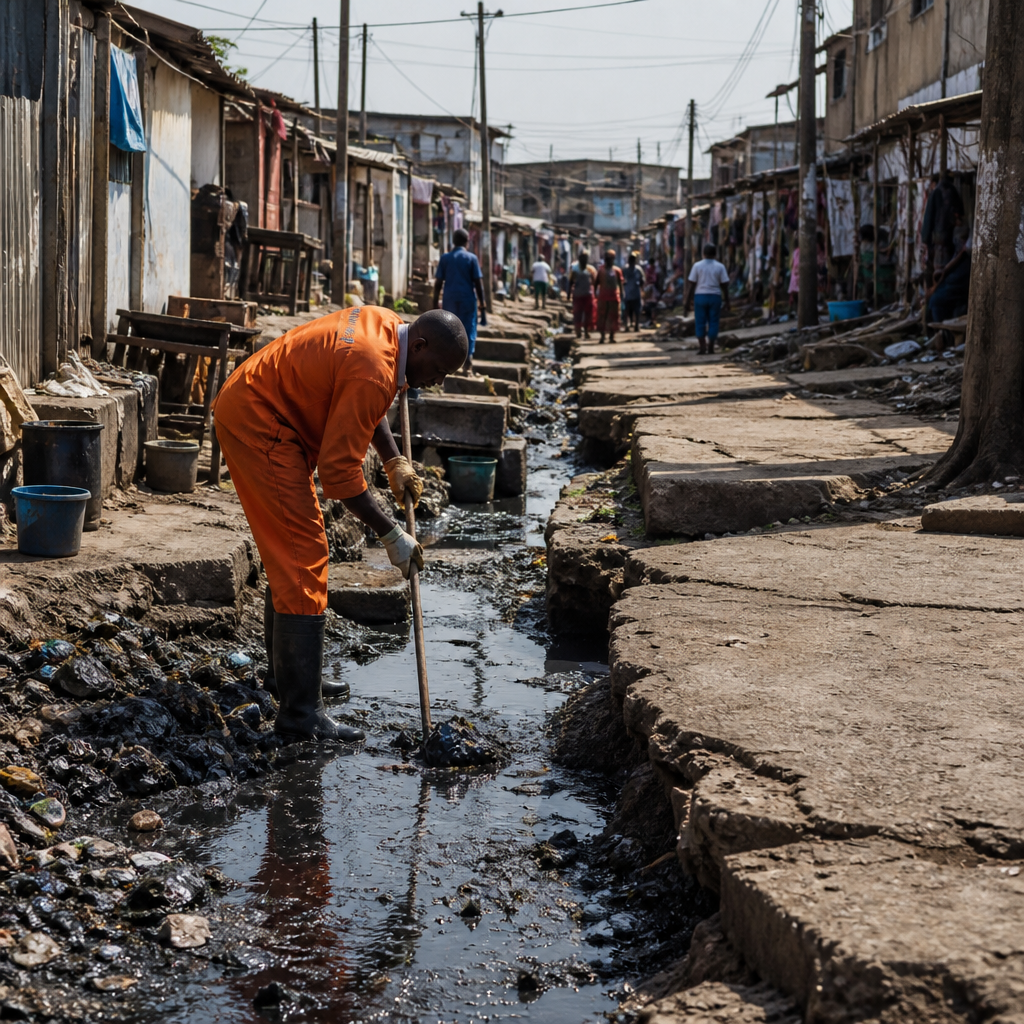
Vectors and air quality are often underestimated. Mosquitoes can breed in stagnant wastewater. Flies breed where fecal matter is accessible. Poorly vented pits and tanks generate odor, hydrogen sulfide, and methane. While odor itself is not always the main health risk, it is a practical warning sign of poor management and a major reason users avoid facilities. Occupational exposure is the final category and one of the most neglected. Sanitation workers face contact with fresh fecal sludge, sharps, toxic gases, and traffic hazards during transport. Any sanitation program that improves household health by shifting danger onto low-paid workers is not sustainable. Worker protection, mechanized emptying where possible, confined-space procedures, vaccination, and personal protective equipment are nonnegotiable controls.
Choosing sanitation systems that reduce risk at the source
No single sanitation technology is best everywhere. The safest sustainable option depends on settlement density, water availability, soil conditions, flood risk, user preferences, local maintenance capacity, and whether treatment and reuse can be managed reliably. In rural areas with space and low groundwater vulnerability, improved pit latrines or urine-diverting dry toilets may work well if pits are lined appropriately, slabs are washable, and handwashing is present. In peri-urban settings, septic tanks with proper soakaway design, simplified sewers, or container-based sanitation may reduce exposure more effectively than unmanaged pits. In dense informal areas, the key question is often serviceability: can waste be removed safely and frequently without spillage?
From experience, the biggest mistakes happen when technologies are copied without adaptation. A composting toilet promoted for water savings may fail in humid climates if urine diversion is inconsistent and bulking material is unavailable. Septic tanks are commonly installed without baffling, outlet filters, or desludging plans, turning them into overflow chambers rather than treatment units. Sewer systems can protect health extremely well, but only when connections are complete, pumping stations function, and wastewater receives adequate treatment. Partial sewers that discharge into drains simply relocate contamination. The correct choice is the one that households can use consistently and that service providers can manage end to end.
| System type | Main health strengths | Common health failures | Best-fit context |
|---|---|---|---|
| Improved pit latrine | Low cost, immediate containment, simple operation | Groundwater leakage, fly access, unsafe emptying | Rural or low-density areas with suitable soils |
| Urine-diverting dry toilet | Low water use, easier nutrient recovery, reduced sludge volume | Poor user compliance, insufficient pathogen die-off, odor if wet | Water-scarce areas with strong management support |
| Septic tank system | Good household containment, familiar technology | Bad design, no desludging, effluent pollution | Peri-urban plots with space for treatment or infiltration |
| Simplified sewer with treatment | High user convenience, strong exposure reduction | Blockages, illegal discharges, untreated outfalls | Dense neighborhoods with management capacity |
| Container-based sanitation | Sealed collection, strong fit in dense unsewered areas | Service interruption, handling risks if logistics fail | Informal settlements, flood-prone zones, rental compounds |
Whichever system is selected, three design principles reduce risk at the source. First, ensure complete and durable containment under normal and extreme conditions, including storms and floods. Second, minimize direct handling by users and workers through sealed interfaces, clear maintenance access, and mechanical emptying. Third, match treatment requirements to the actual exposure pathway. If outputs will contact food crops, treatment must be stronger than if they will be buried or used in forestry. These principles connect household convenience to public health outcomes and should guide every related page in a Health and Safety hub.
Treatment, reuse, and the controls that make EcoSan safe
Treatment is where many sustainable sanitation claims are tested. Resource recovery is only safe when pathogen reduction is demonstrated, not assumed. Composting can reduce pathogens, but performance depends on temperature, moisture, carbon-to-nitrogen ratio, aeration, and retention time. Helminth eggs, especially Ascaris, are notably resistant and are often used as indicator organisms in fecal sludge and biosolids management. Anaerobic digestion produces biogas and stabilizes solids, yet digester effluent may still require post-treatment before reuse. Drying beds, lime stabilization, co-composting, waste stabilization ponds, and constructed wetlands each have value, but none are universal shortcuts to safety.
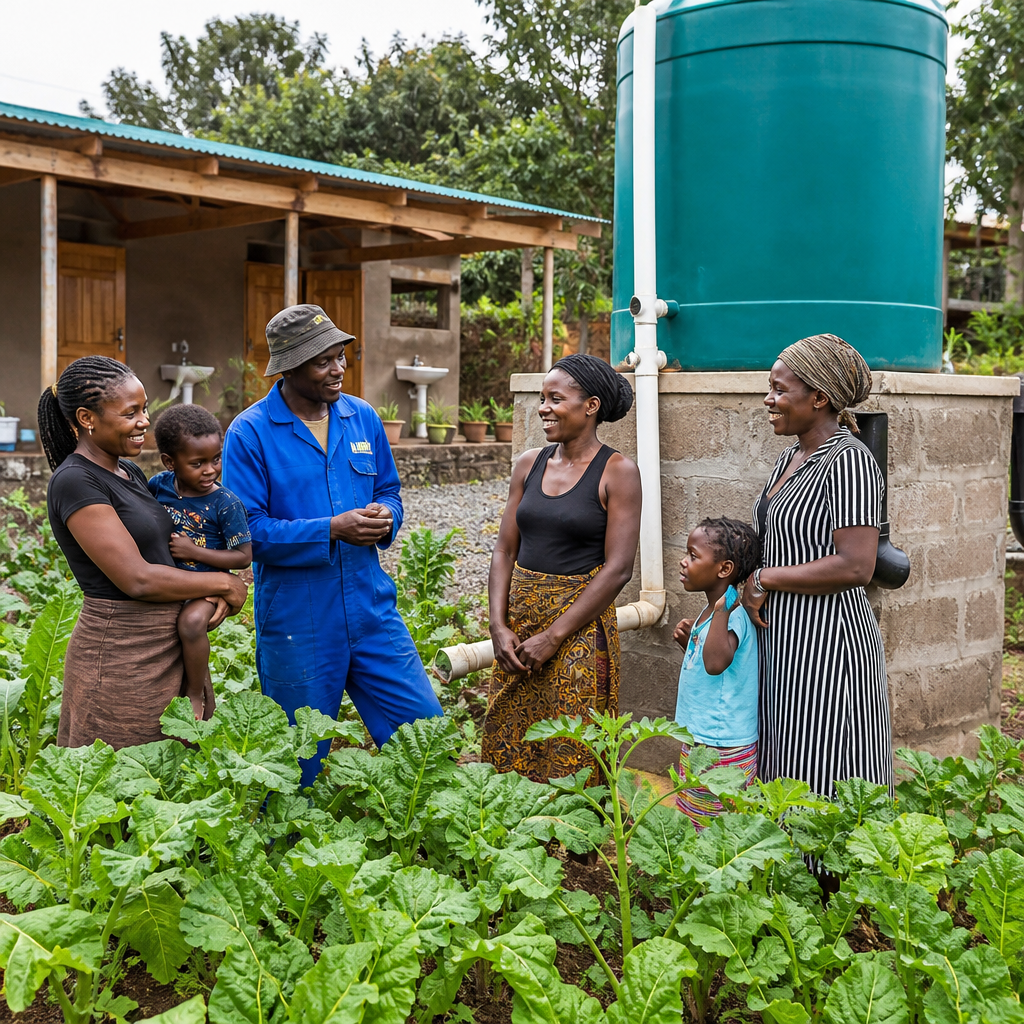
WHO sanitation and wastewater reuse guidance emphasizes a multiple-barrier approach. That means combining treatment with safer application methods, crop restrictions, withholding periods, irrigation controls, and hygiene practices. For example, treated urine may be valuable as fertilizer, but storage duration, dilution practice, crop type, and application timing affect exposure risk. Compost derived from fecal material should not be handled as if it were ordinary yard compost unless treatment conditions and storage periods are verified. In field projects, I have found that the most reliable reuse schemes are the ones with conservative operating rules, simple records, and a clear answer to the question, “What happens if treatment underperforms this month?”
Monitoring is essential. Basic operational indicators include pH, moisture, temperature, retention time, and sludge accumulation. Where resources allow, microbiological testing for E. coli or helminth eggs provides stronger evidence of safety. Groundwater monitoring may be necessary near pits, septic systems, or infiltration areas. Reuse programs should also document who handles outputs, where they are applied, and whether protective equipment and training are in place. Safe EcoSan is not defined by the ambition to close nutrient loops. It is defined by controls that reliably interrupt pathogen pathways while allowing carefully managed recovery of water, energy, and nutrients.
Operations, behavior, and governance that sustain health protection
Even the best-designed sanitation system can become a health hazard if operations fail. Routine cleaning, timely emptying, spare parts, water access for handwashing, and clear user instructions matter as much as engineering drawings. Shared toilets need explicit management arrangements covering cleaning schedules, payment, key access, lighting, and fault reporting. Schools need child-friendly cubicles, menstrual hygiene materials, and supervision. Health facilities need stronger infection prevention controls, separate waste streams, and higher reliability because the consequences of failure are greater. Across all settings, behavior support should be practical, specific, and repeated, not limited to one-time awareness campaigns.
Governance determines whether safe sanitation is delivered consistently or sporadically. Local authorities need enforceable standards for siting, construction, desludging, discharge, and reuse. Utilities and private operators need performance targets that include public health outcomes, not just coverage counts. Financing must cover the full sanitation service chain, because underfunding emptying, transport, or treatment creates hidden exposure downstream. Data should track service quality indicators such as overflow frequency, safe sludge disposal rates, worker injuries, and functionality of handwashing stations. When communities can report failures and see prompt response, trust rises and unsafe coping behaviors decline. If you are building out this subtopic hub, connect these themes to more detailed guidance on fecal sludge management, sanitation safety planning, worker protection, and safe reuse protocols.
Climate resilience is now part of health protection. Flooding can inundate pits, spread sludge, and disable treatment plants. Drought can make pour-flush systems unusable. Heat can accelerate odor and vector problems while stressing operators. Sustainable sanitation planning must therefore include elevated installations in flood zones, sealed containment, backup power for pumping, decentralized redundancy where appropriate, and emergency emptying plans. The strongest EcoSan systems are not only low-impact in ideal conditions; they remain protective when weather, budgets, or usage patterns change.
Reducing environmental health risks with sustainable sanitation starts with a disciplined idea: sanitation is a public health service before it is a resource recovery project. Prioritizing health in EcoSan means containing waste completely, selecting systems that fit the setting, treating outputs to verified standards, protecting workers, and managing reuse with multiple barriers. It also means recognizing tradeoffs. Dry systems can save water but demand careful operation. Sewerage can offer excellent protection but requires treatment and maintenance. Reuse can improve circularity but only when exposure pathways are tightly controlled. The right decision is the one that lowers real-world risk across the full service chain.
For health and safety planning, focus on the questions that matter most. Where can people come into contact with fecal matter, contaminated water, harmful gases, or vectors? What barriers prevent that contact today, and which barriers are weakest? How will you verify that treatment works and that workers are protected? When these questions shape design and management, sanitation becomes both sustainable and genuinely protective. That is the standard every EcoSan project should meet.
Use this hub as your starting point for deeper guidance on system selection, fecal sludge management, safe reuse, hygiene design, and climate-resilient sanitation operations. Review your current sanitation chain, identify exposure points, and prioritize the fixes that deliver the biggest health gains first.
Frequently Asked Questions
What does sustainable sanitation mean, and how does it reduce environmental health risks?
Sustainable sanitation refers to sanitation systems and services that safely manage human waste, wastewater, stormwater, and hygiene needs in ways that protect public health while also conserving natural resources. The main goal is straightforward: prevent people from coming into contact with disease-causing organisms and stop waste from contaminating water, soil, food, and living environments. A sustainable approach looks beyond simply removing waste from one place and considers what happens at every stage, including containment, collection, treatment, reuse, or disposal.
This matters for environmental health because poorly managed sanitation can spread pathogens through drinking water, floodwater, crops, hands, insects, and surfaces. It can also pollute rivers, lakes, and groundwater with nutrients, chemicals, and organic matter, creating long-term ecological damage alongside immediate disease risks. Sustainable sanitation reduces these dangers by using systems that reliably separate people from waste, maintain treatment performance over time, and fit local realities such as climate, water availability, population density, soil conditions, and maintenance capacity. In many cases, it also supports the recovery of water, nutrients, and energy, which can reduce pressure on ecosystems and make sanitation services more resilient and affordable in the long run.
How is ecological sanitation, or EcoSan, different from conventional sanitation systems?
Ecological sanitation, often called EcoSan, is an approach that treats human waste not only as something to be removed safely, but also as a potential resource that can be managed in a circular way. Conventional sanitation systems often focus primarily on transporting waste away from homes and communities, usually through sewers or pit-based containment, with less emphasis on recovering value from the waste stream. EcoSan, by contrast, is designed around both health protection and resource conservation, with particular attention to reusing nutrients, conserving water, and reducing pollution.
The health priority remains the same in both approaches: keep fecal pathogens from reaching people. The difference lies in system design and long-term outcomes. EcoSan systems may include urine diversion, composting toilets, dehydrating toilets, decentralized treatment units, or other solutions that make it easier to treat waste locally and recover nutrients for agriculture when it is safe to do so. These systems can be especially useful in areas with water scarcity, weak sewer infrastructure, high fertilizer costs, or environmentally sensitive landscapes. However, EcoSan is not automatically safer just because it is resource-oriented. It only reduces environmental health risks when treatment is effective, user practices are correct, and the full sanitation chain is managed carefully. In other words, ecological sanitation works best when resource recovery never compromises pathogen control.
What are the biggest environmental health risks linked to poor sanitation?
The most serious environmental health risks from poor sanitation come from exposure to pathogens found in human feces. These include bacteria, viruses, protozoa, and helminths that can cause diarrheal disease, cholera, typhoid, hepatitis, intestinal infections, and other serious illnesses. Exposure can happen directly, such as through unsafe toilet conditions, leaking pits, or unprotected handling of sludge, or indirectly through contaminated drinking water, floodwater, food crops, household surfaces, and hands. Children are especially vulnerable, and the effects can include repeated infections, poor nutrition, impaired development, and increased mortality.
Beyond infectious disease, poor sanitation also damages the environment in ways that create additional health burdens. Untreated wastewater and fecal sludge can overload waterways with nutrients, leading to algal blooms, oxygen depletion, fish loss, and degraded aquatic ecosystems. Groundwater contamination can threaten wells and rural water supplies for years. Poorly designed drainage and stormwater systems can spread contamination during heavy rainfall or flooding, turning entire neighborhoods into exposure zones. There are also social and safety impacts, including reduced privacy, school absenteeism, stress, and insecurity for women and girls where toilets are unsafe or inaccessible. Sustainable sanitation reduces these overlapping risks by strengthening containment, treatment, safe handling, and system resilience under everyday conditions as well as during climate-related shocks.
What makes a sanitation system sustainable in real-world communities?
A sanitation system is sustainable when it protects health consistently over time, not just when it is first installed. That means it must be technically sound, financially manageable, socially acceptable, environmentally responsible, and practical for local users and service providers. A system that looks impressive on paper can still fail if it depends on too much water, requires specialized maintenance that is unavailable locally, ignores cultural preferences, or lacks a safe plan for emptying and treatment. Sustainability depends on the whole service chain working together.
In real-world terms, this includes reliable containment of waste, safe access for all users, routine maintenance, trained operators, and treatment processes that match local climate and operational capacity. It also means planning for what happens during heavy rain, power outages, drought, population growth, and changing land use. In some places, a decentralized or on-site system may be the most sustainable option; in others, a sewered system with effective treatment may be the right fit. There is no single best technology for every setting. The most sustainable sanitation choice is the one that reduces pathogen exposure, limits environmental contamination, can be maintained with available resources, and remains functional and accepted over the long term. That practical fit is what makes sanitation truly protective of both people and ecosystems.
Can sustainable sanitation help conserve water, nutrients, and energy without creating new health risks?
Yes, but only when conservation and reuse are built on a strong foundation of hygiene and pathogen control. Sustainable sanitation can reduce water use through low-flush, dry, or urine-diverting systems, and it can support nutrient recovery by capturing nitrogen and phosphorus that would otherwise be lost as pollution. Some systems also recover energy through biogas production or improved sludge management. These benefits are important because they reduce strain on freshwater supplies, lower dependence on synthetic fertilizers, and help cut the environmental footprint of sanitation services.
The key point is that resource recovery must never bypass treatment safeguards. Reuse of wastewater, urine, composted excreta, or sludge should follow clear health-based standards, with appropriate treatment, storage times, handling protocols, and end-use restrictions. For example, material intended for agriculture must be treated well enough to reduce pathogen risks to farmers, food consumers, and nearby communities. Monitoring, training, and public education are also essential, because even a well-designed system can become unsafe if it is misused or poorly maintained. When done properly, sustainable sanitation does not force a trade-off between environmental protection and public health. It supports both by turning sanitation into a system that prevents disease, reduces pollution, and uses resources more wisely.