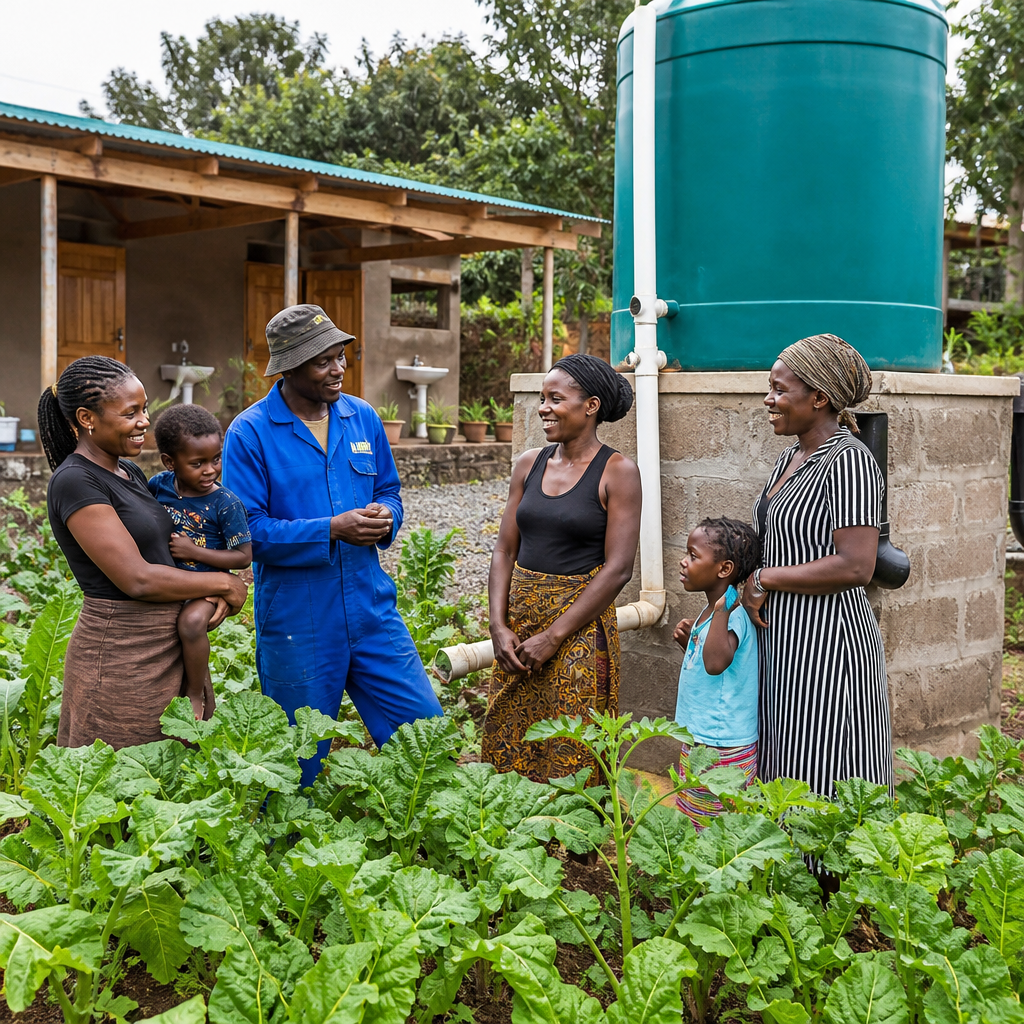
Community health and EcoSan are inseparable because sanitation systems shape disease risk, water quality, household safety, and the long-term resilience of entire neighborhoods. EcoSan, short for ecological sanitation, is an approach that treats human waste as a resource to be safely managed, recovered, and reused rather than simply discarded. In practice, that means designing toilets, storage, treatment, and reuse pathways that protect people first while also conserving water, reducing pollution, and returning nutrients to soils. When I have worked with sanitation planning teams, the most successful projects were never just about toilet hardware; they were about infection control, user behavior, maintenance routines, and trust in how the system would protect families every day.
Prioritizing health in EcoSan matters because unsafe sanitation remains one of the fastest ways for disease to spread through a community. The World Health Organization links poor sanitation, unsafe water, and inadequate hygiene to diarrheal disease, intestinal worm infections, environmental contamination, and broader public health burdens. Conventional systems can fail where sewers are absent, water is scarce, flood risk is high, or treatment plants are poorly maintained. EcoSan offers practical alternatives, but only when health safeguards are built into every stage. A urine-diverting dry toilet, composting toilet, or decentralized treatment system can improve outcomes dramatically, yet each option has operational requirements that determine whether it reduces risk or creates new exposure pathways.
As a hub for prioritizing health in EcoSan, this article brings together the core principles, risks, design choices, and management practices that leaders, practitioners, and households need to understand. It explains how pathogens move, what standards and treatment barriers matter, how schools and clinics differ from homes, why gender and accessibility affect sanitation safety, and how monitoring supports resilient service. The central lesson is straightforward: healthy EcoSan systems are not defined by good intentions or sustainability claims. They are defined by consistent containment, effective treatment, safe reuse, clear user education, and accountable operation over time.
Why Health Must Lead EcoSan Design
Health must lead EcoSan design because sanitation failure is usually a systems failure, not a single equipment problem. Pathogens from feces can spread through hands, surfaces, flies, food, soil, and water, a chain often summarized in public health through fecal-oral transmission pathways. A healthy EcoSan system interrupts those pathways early and repeatedly. That means separating users from fresh excreta, limiting vector access, preventing leakage into groundwater, supporting handwashing, and ensuring that stored or treated materials are handled only when risk has been reduced to acceptable levels. If any of those barriers are weak, disease prevention weakens with them.
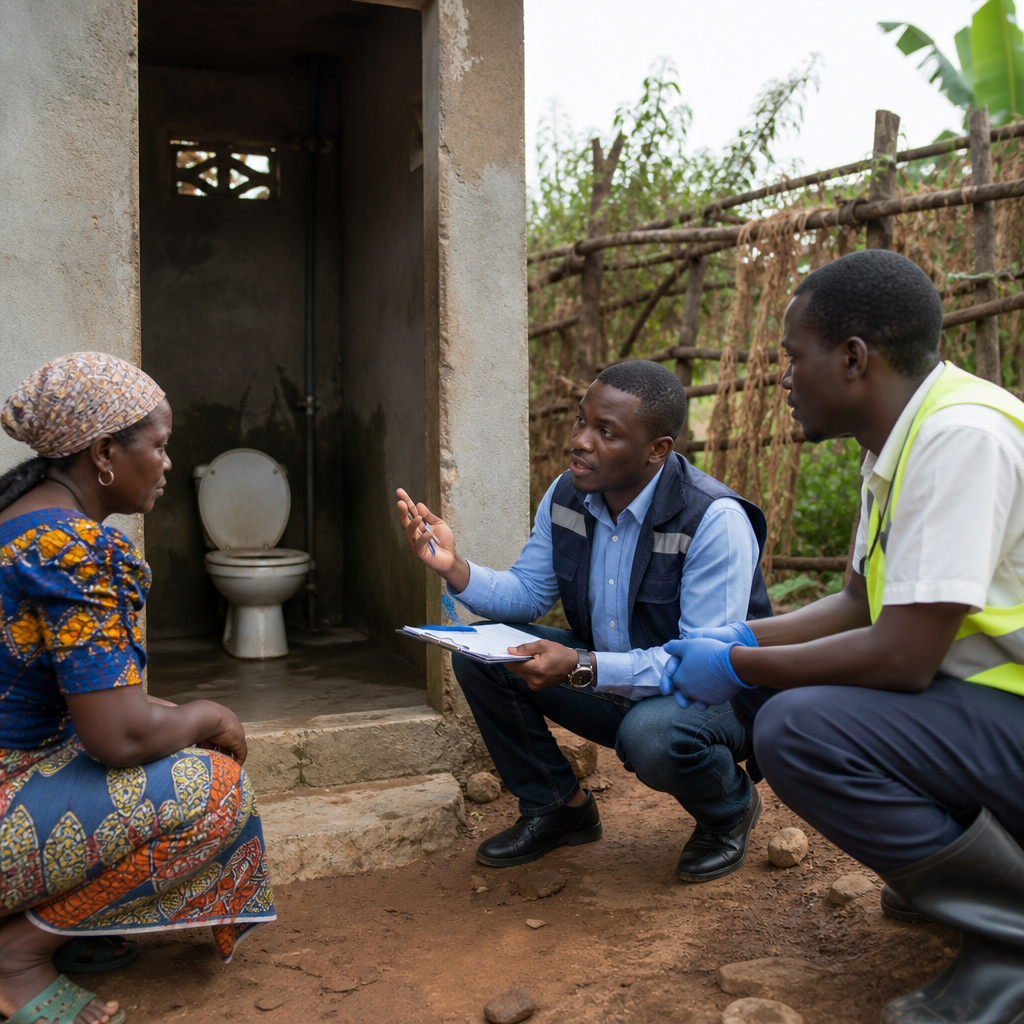
In dense settlements, the stakes are even higher. Shared sanitation can become a source of exposure when pits overflow, urine tanks leak, containers are emptied unsafely, or children avoid toilets because they feel dark, dirty, or unsafe. I have seen projects where the structure looked modern on day one but became a health concern within months because no one funded cleaning supplies, sludge removal, or user orientation. By contrast, the strongest EcoSan programs define who cleans, who inspects, how often treatment conditions are checked, where wash water goes, and what happens during heavy rain or power outages. Good design is inseparable from management.
Core Health Risks in Ecological Sanitation Systems
The main health risks in EcoSan come from pathogens, chemical exposure, physical hazards, and social barriers to use. Pathogens remain the top concern. Human excreta can contain bacteria such as E. coli and Salmonella, viruses such as norovirus and rotavirus, protozoa, and helminths including Ascaris eggs, which are notably persistent in the environment. Urine is often lower risk than feces, but it is not automatically sterile once collected, and cross-contamination can occur in poorly maintained urine-diverting systems. Fecal sludge, compost, and wastewater therefore require controlled handling, storage, and treatment before any reuse.
Chemical risks also matter. In some settings, industrial discharges, pharmaceuticals, heavy metals, or household chemicals can enter waste streams and reduce the safety of reuse products. Physical hazards include slips on wet floors, structural collapse of poorly built pits or vaults, ammonia exposure in enclosed spaces, and manual handling injuries during collection and transport. Social barriers are less visible but equally important. If toilets are inaccessible for older adults, unsafe for women at night, unusable during menstruation, or difficult for children, open defecation and unsafe alternatives rise quickly. Health protection depends on real-world usability.
| Health concern | Typical source in EcoSan | Main consequence | Primary control measure |
|---|---|---|---|
| Diarrheal pathogens | Fresh feces, contaminated hands, surfaces | Acute gastrointestinal illness | Containment, handwashing, cleaning, treatment |
| Helminth eggs | Untreated or insufficiently treated fecal matter | Parasitic infection, chronic morbidity | Extended storage, thermophilic composting, restricted reuse |
| Groundwater contamination | Leaking pits, poorly sited systems | Unsafe drinking water exposure | Site assessment, lining, setback distances, monitoring |
| Vector transmission | Open containers, wet organic matter, poor covers | Spread through flies and pests | Lids, drying, screening, routine maintenance |
| User avoidance | Unsafe, dirty, inaccessible facilities | Open defecation or unsafe disposal | Inclusive design, lighting, privacy, cleaning plans |
Safe Containment, Treatment, and Reuse Pathways
Healthy EcoSan begins with containment. Urine-diverting dry toilets separate urine and feces at the source, reducing moisture and supporting safer downstream management. Composting toilets aim to stabilize organic material biologically, while dehydrating vaults reduce moisture to limit pathogen survival. Container-based sanitation can work well in informal settlements when sealed containers are collected on schedule and processed at controlled treatment facilities. The right choice depends on soil conditions, water availability, population density, user preferences, and the capacity to operate the service consistently. There is no universally best technology; there is only a best fit for the local risk profile.
Treatment is where public health credibility is won or lost. For fecal material, effective methods include thermophilic composting, alkaline treatment, desiccation under controlled conditions, anaerobic digestion followed by additional safeguards, and co-composting with organic waste where temperatures and retention times are verified. The World Health Organization’s sanitation safety planning approach is useful here because it focuses on hazard identification, exposure assessment, control measures, and validation rather than assumptions. In plain terms, treatment must be measured, not merely claimed. Temperature logs, moisture checks, storage duration records, and restricted handling protocols turn a concept into a defensible health intervention.
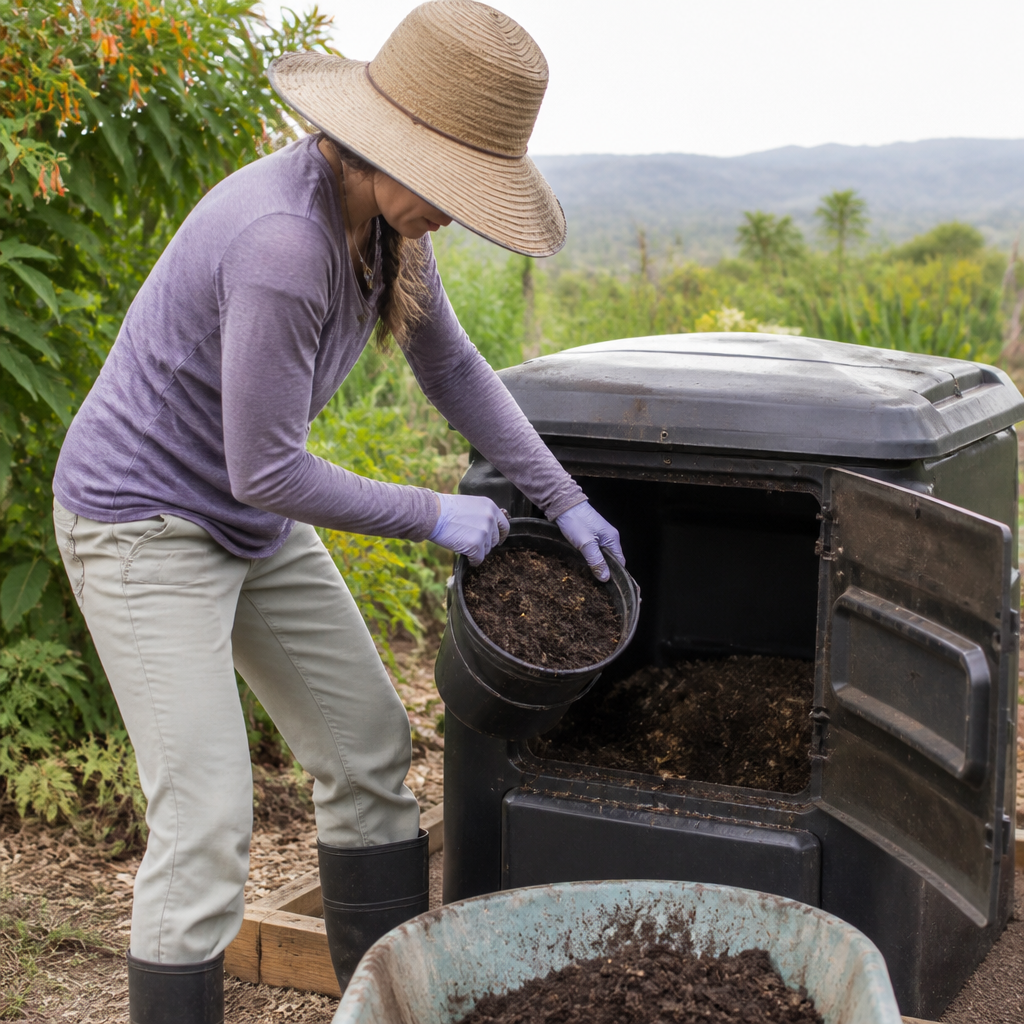
Reuse can create major value, especially where fertilizer costs are high and soils are depleted, but reuse must follow crop and exposure rules. Treated urine may supply nitrogen and phosphorus; treated biosolids can improve soil structure and organic matter. However, unrestricted application to crops eaten raw carries more risk than use on trees, fiber crops, or soil rehabilitation. Safer programs establish withholding periods, application methods that minimize contact, personal protective equipment for workers, and clear distinctions between partially treated and fully treated products. Reuse should be the final step in a health-protective chain, never a shortcut around treatment.
Water, Hygiene, and Environmental Exposure Control
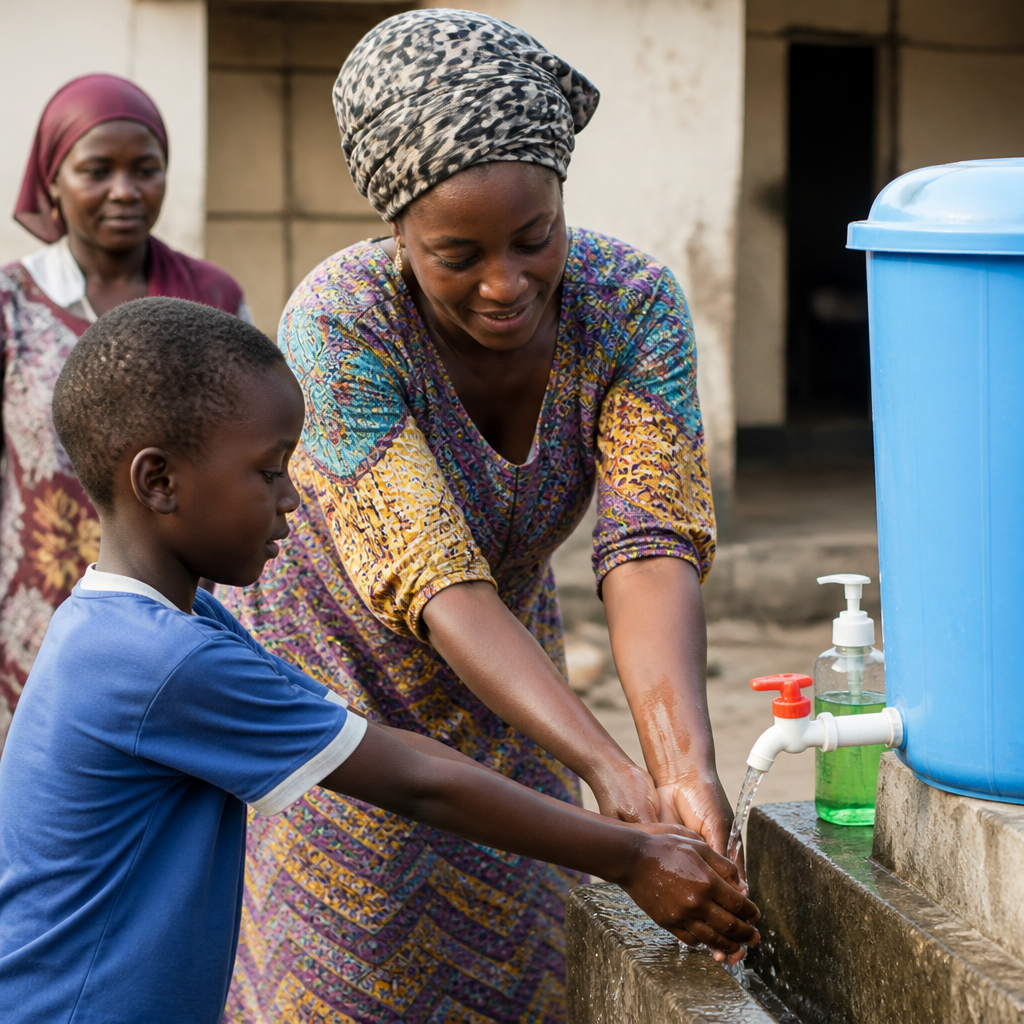
EcoSan is sometimes described mainly as a water-saving strategy, but from a health perspective it is better understood as exposure control with water efficiency as a secondary benefit. A toilet that uses little or no water can still be unsafe if it lacks handwashing nearby, cannot be cleaned properly, or allows seepage after storms. The safest systems integrate hygiene infrastructure from the start: handwashing stations with soap, drainage that does not create stagnant water, easy-to-clean surfaces, and clear separation between user areas and storage or treatment zones. In schools and markets, these details often determine whether facilities remain usable over time.
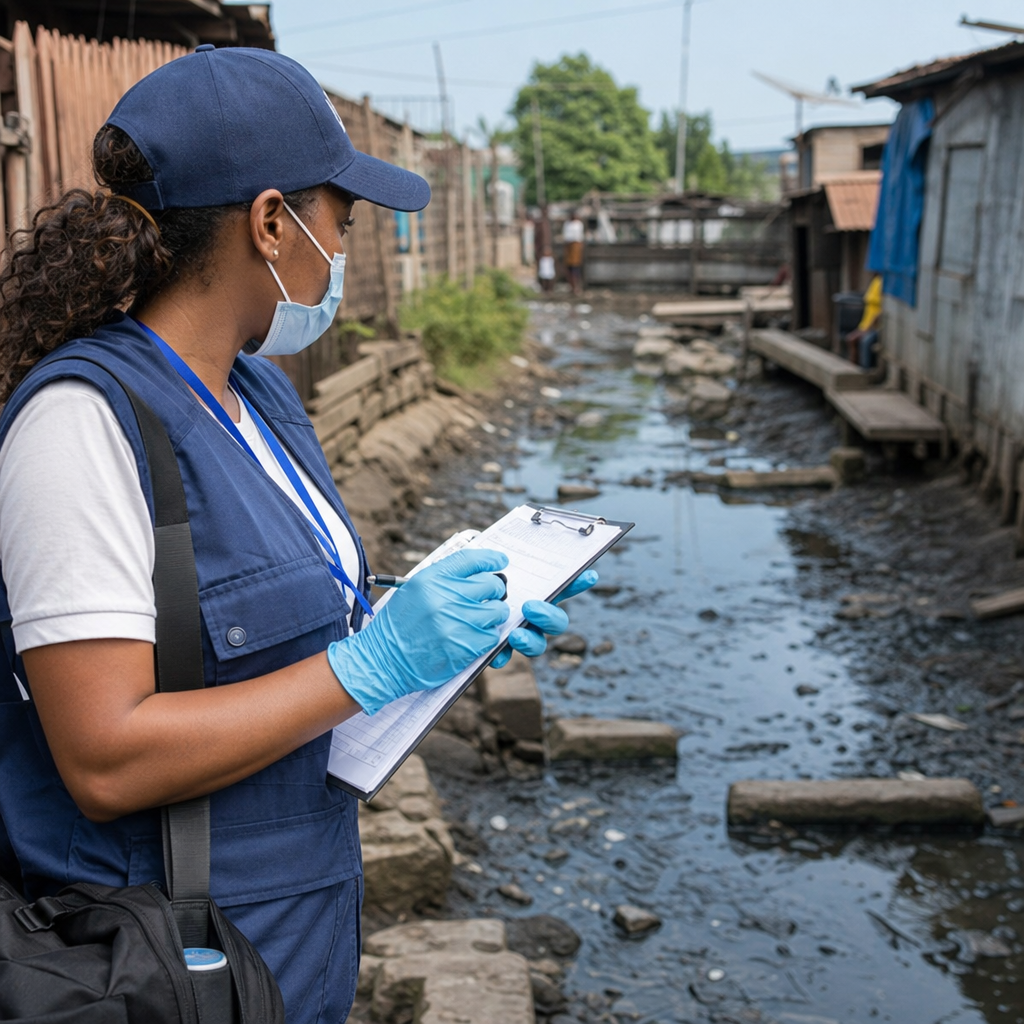
Environmental protection is another direct health issue. When sanitation systems contaminate shallow wells, streams, or household plots, disease risks spread beyond the toilet user to the wider community. Siting therefore matters. Flood-prone areas require raised structures, sealed storage, diversion channels, and emergency response plans for overtopping events. Rocky soils, high water tables, and coastal zones may rule out infiltration-based options. Odor control also deserves serious attention because chronic odor often signals poor moisture balance, inadequate ventilation, or incomplete cover material use, all of which can correlate with lower acceptance and weaker hygiene behavior.
Designing for Women, Children, Older Adults, and People with Disabilities
Health-centered EcoSan must be inclusive by design. Women and girls need privacy, lighting, internal locks, menstrual hygiene support, water where appropriate, and disposal or treatment pathways for absorbent materials. When these features are absent, girls may avoid school toilets, delay use, or choose unsafe alternatives. Children need smaller seats or adapters, stable foot placement, and easy handwashing access. Older adults may need handrails, sitting supports, non-slip floors, and shorter walking distances. People with disabilities require accessible paths, sufficient turning space, reachable fixtures, and user interfaces that do not rely on high force or fine dexterity.
These are not optional enhancements. They are health protections because they determine whether people can use sanitation safely and consistently. I have seen facilities technically classified as available but effectively unusable for wheelchair users because of one steep step at the entrance. In another project, nighttime use improved significantly after installing simple solar lights and exterior sightlines that reduced fear and harassment risk. Inclusive design also improves maintenance because features like durable surfaces, wider doors, and better ventilation support easier cleaning and safer assistance when caregivers are involved.
Operations, Maintenance, and Community Governance
Most sanitation health failures emerge during operations, not ribbon-cutting ceremonies. Every EcoSan system needs routine tasks defined in writing: cleaning frequency, cover material replenishment, urine tank inspection, vault switching schedules, pest control, record keeping, and safe emptying procedures. Personal protective equipment should include gloves, boots, and where splashing or dust is possible, eye and respiratory protection. Workers need vaccinations where recommended, access to washing facilities, and training on exposure incidents. A maintenance log is not bureaucracy; it is evidence that health barriers are functioning.
Community governance strengthens resilience when it clarifies responsibility and financing. Shared systems often fail because everyone assumes someone else is in charge. Effective models assign duties to a trained caretaker, a housing committee, a utility partner, or a social enterprise with service-level targets. User fees can be modest, but they must cover consumables, repairs, transport, and treatment. Transparent communication matters just as much as technical performance. Households are more likely to sort inputs correctly, report leaks early, and respect restricted reuse rules when they understand the reasons behind them and trust that the service is being managed competently.
Monitoring, Standards, and Building Long-Term Resilience
Resilient EcoSan programs monitor outcomes, not just infrastructure counts. Useful indicators include toilet functionality, handwashing availability, frequency of overflow incidents, groundwater test results where relevant, treatment temperatures, storage times, pathogen proxy testing, user satisfaction, and school or clinic absenteeism trends linked to sanitation conditions. No single metric tells the whole story, which is why risk-based management is superior to one-time certification. Standards from the World Health Organization, ISO frameworks for sanitation services, and national public health regulations provide structure, but local validation remains essential because climate, behavior, and operating capacity vary widely.
Long-term resilience also means planning for shocks. Drought can increase demand for dry systems, but it can also reduce cleaning and handwashing if water points are not protected. Floods can spread contaminants rapidly unless storage is secure and service teams can respond. Conflict, migration, and economic stress can overload facilities beyond their intended capacity. The communities that cope best are those that treat sanitation as a public health service with contingency plans, spare parts, trained operators, and clear communication channels. EcoSan contributes to resilience not because it is automatically sustainable, but because it can be designed to keep health protections in place under pressure.
Community health and EcoSan come together most powerfully when sanitation is managed as a continuous safety system rather than a one-time construction project. The essential priorities are clear: contain waste reliably, interrupt pathogen transmission, protect water sources, make facilities usable for everyone, verify treatment before reuse, and fund operations for the long term. When those pieces work together, EcoSan reduces disease exposure, supports dignity, strengthens local resource cycles, and helps communities adapt to water scarcity, urban growth, and climate stress without sacrificing health.
For practitioners, this hub should serve as the starting point for every deeper discussion on health and safety in ecological sanitation. Each subtopic, from urine diversion and compost safety to school sanitation, inclusive design, sludge handling, and monitoring, ultimately returns to the same question: does this system reduce exposure in daily practice? Keep that question at the center of planning, procurement, training, and oversight. If you are building or improving an EcoSan program, use this framework to audit current risks, close operational gaps, and make health the standard that guides every decision.
Frequently Asked Questions
1. What is EcoSan, and why does it matter for community health?
EcoSan, or ecological sanitation, is a sanitation approach that manages human waste in ways that protect health, conserve natural resources, and reduce environmental harm. Instead of viewing waste as something to be flushed away and forgotten, EcoSan treats it as a material that can be safely contained, treated, and in some cases reused. This matters for community health because sanitation systems directly influence exposure to bacteria, viruses, parasites, and chemicals that can contaminate water, soil, food, and living spaces.
When sanitation is poorly designed or unreliable, communities often face higher rates of diarrheal disease, cholera, intestinal infections, malnutrition, and other illnesses linked to unsafe water and waste exposure. EcoSan helps break that cycle by emphasizing safe separation, storage, treatment, and reuse practices. It can also reduce pressure on scarce water supplies, which is especially important in drought-prone or rapidly growing areas where conventional sewer systems may be too expensive, too fragile, or impractical to maintain.
From a resilience perspective, EcoSan supports healthier neighborhoods by making sanitation more adaptable, localized, and sustainable. It can improve household safety, reduce contamination of rivers and groundwater, lower the burden on centralized infrastructure, and create opportunities to recover nutrients for agriculture when treatment standards are met. In short, EcoSan matters because it connects disease prevention, environmental protection, and long-term community well-being in one practical framework.
2. How does EcoSan reduce disease risk and improve neighborhood resilience?
EcoSan reduces disease risk by interrupting the pathways through which human waste spreads infection. The core idea is simple but powerful: contain waste safely, prevent contact between people and pathogens, treat materials appropriately, and manage final reuse or disposal in a controlled way. When toilets and storage systems are well designed and consistently maintained, they limit contamination of hands, surfaces, water sources, crops, and household surroundings. That directly lowers exposure to pathogens that cause diarrhea, dysentery, parasitic infections, and other sanitation-related diseases.
Neighborhood resilience improves because EcoSan systems can be designed to work even where sewer connections are unavailable, unreliable, or vulnerable to flooding, drought, or power outages. In many communities, centralized sanitation infrastructure is difficult to expand quickly enough to keep pace with population growth. EcoSan offers decentralized options that can be built closer to where people live, making it easier to improve sanitation coverage without waiting for large-scale infrastructure investments. That flexibility is especially valuable in informal settlements, rural communities, and climate-stressed regions.
EcoSan also strengthens resilience by protecting local water quality and reducing environmental degradation. When untreated waste enters drainage channels, soils, or groundwater, the effects can spread beyond one household and become a community-wide health threat. By reducing pollution and promoting safer waste management, EcoSan helps communities better withstand public health shocks, seasonal weather extremes, and infrastructure disruptions. The result is not just fewer illnesses, but a more stable and prepared sanitation system that supports daily life under changing conditions.
3. Is EcoSan safe, especially when it involves treating and reusing human waste?
Yes, EcoSan can be very safe, but only when it is planned, operated, and monitored correctly. Safety is the first principle of ecological sanitation. The goal is never to expose people to untreated waste, but to manage it in ways that reduce pathogens to safe levels before any reuse is considered. Different EcoSan systems use different methods, such as urine diversion, dehydration, composting, extended storage, or other treatment processes. The right option depends on climate, soil conditions, population density, cultural practices, intended reuse, and local regulations.
The key to safety is understanding that reuse is not automatic. Materials must go through appropriate treatment steps, and those steps must be matched to the specific health risks involved. For example, urine and feces are managed differently in many systems because they present different pathogen profiles and handling requirements. Safe storage times, moisture control, temperature conditions, containment quality, protective equipment, and user training all matter. In addition, clear protocols are needed for collection, transport, treatment verification, and final application or disposal.
Communities should also rely on public health guidance, technical standards, and local oversight rather than assumptions. A well-run EcoSan program includes education for users, routine maintenance, and practical safeguards such as handwashing facilities, child-friendly design, and measures to prevent insect access or overflow. When these elements are in place, EcoSan can protect families and sanitation workers while supporting environmental goals. The important message is that EcoSan is not about cutting corners; it is about using science-based sanitation practices to improve health and sustainability at the same time.
4. What are the main community benefits of EcoSan beyond sanitation alone?
One of the biggest strengths of EcoSan is that its benefits extend far beyond the toilet itself. First, there is the direct public health benefit: fewer opportunities for waste to contaminate water, food, and living areas. That can mean lower healthcare costs, fewer missed school days, improved child growth outcomes, and less economic strain on families dealing with repeated illness. Better sanitation also improves dignity, privacy, and personal safety, especially for women, children, older adults, and people with disabilities who are often most affected by inadequate facilities.
Second, EcoSan can contribute to environmental protection by reducing water use and limiting the release of untreated waste into ecosystems. In places facing water scarcity, systems that do not rely on large volumes of flushing water can be especially valuable. Protecting rivers, lakes, and groundwater from fecal contamination helps preserve community drinking water sources and reduces downstream health risks. Over time, cleaner local environments can also support stronger livelihoods, especially in areas dependent on farming, fishing, or tourism.
Third, EcoSan can support resource recovery and circular economy goals when managed safely. Nutrients in human waste, particularly nitrogen, phosphorus, and potassium, can potentially be recovered after proper treatment and used to support soil fertility. This can reduce dependence on costly external inputs and create more locally grounded resource systems. Finally, EcoSan often encourages stronger community engagement because successful systems depend on local understanding, maintenance, and trust. That can build social resilience as well as technical resilience, helping communities solve sanitation challenges in ways that are practical, inclusive, and durable.
5. What does a community need to make EcoSan successful over the long term?
Long-term EcoSan success depends on much more than installing toilets. Communities need a complete system that includes appropriate technology, user education, ongoing maintenance, safe waste handling, financing, and local governance. The best EcoSan designs are those that fit the local context rather than copying a model from somewhere else. Factors such as water availability, climate, cultural preferences, land constraints, flood risk, income levels, and agricultural practices all shape what will work well and what will fail over time.
Community participation is essential from the beginning. People are more likely to use and maintain EcoSan systems properly when they understand how the system works, why certain behaviors matter, and what benefits they can expect. Training should cover everyday use, cleaning, hand hygiene, safe handling procedures, and what to do if problems arise. Local leaders, health workers, schools, and sanitation service providers all have a role in building awareness and accountability. Without that shared commitment, even well-designed systems can fall into disrepair or be used incorrectly.
Strong long-term performance also requires practical support structures. That includes affordable maintenance plans, access to spare parts, clear responsibilities for emptying or treatment, and policies that align with public health standards. Monitoring is important as well, because communities need to know whether systems are actually protecting health and preventing contamination. When EcoSan is backed by training, reliable management, and community ownership, it becomes much more than an infrastructure project. It becomes a foundation for healthier households, cleaner environments, and greater resilience in the face of population growth, climate stress, and public health challenges.