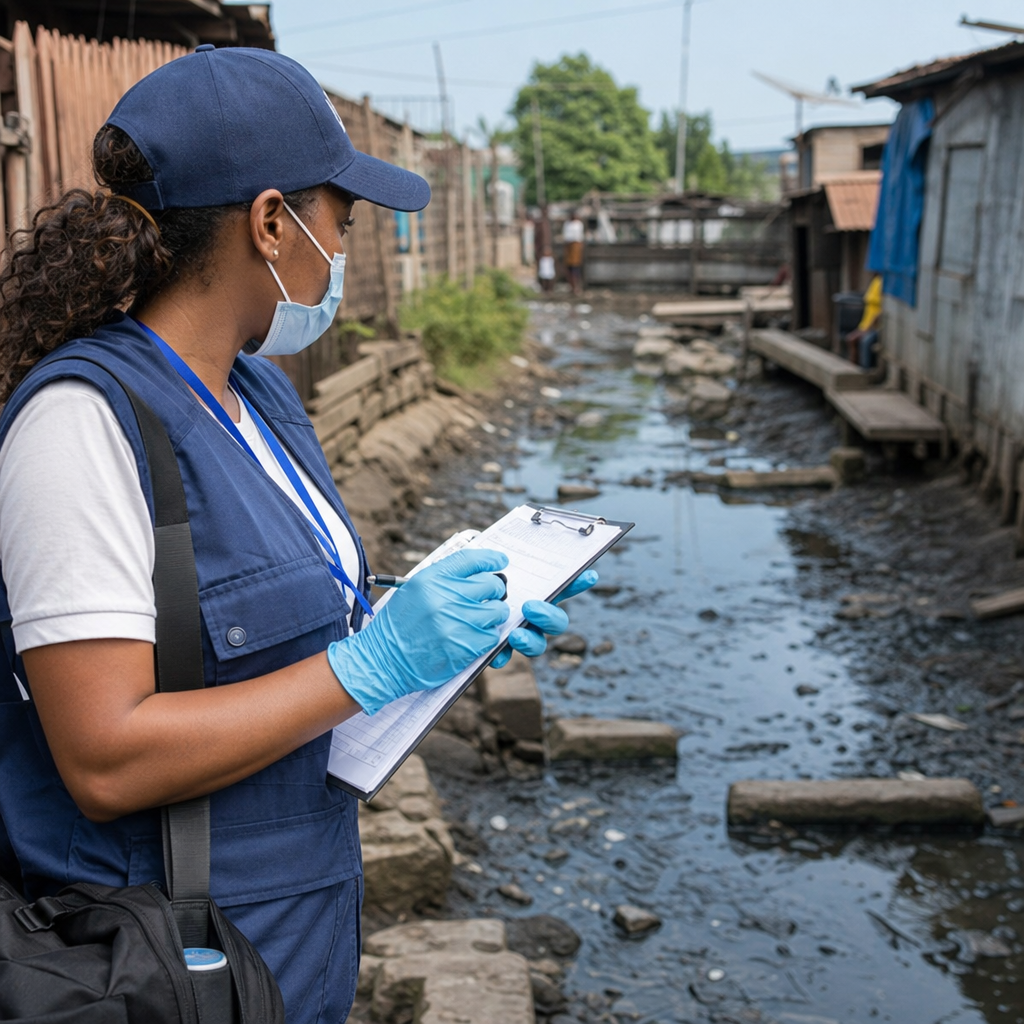
Sanitation is one of the most effective, measurable, and underappreciated defenses against infectious disease. In public health practice, sanitation means the systems and behaviors that safely separate people from human waste, contaminated water, disease-carrying surfaces, and vectors such as flies and rodents. When sanitation works, pathogens lose their main routes of transmission. When it fails, diarrheal disease, cholera, typhoid, intestinal worm infections, hepatitis A, and other illnesses spread quickly through homes, schools, healthcare settings, and entire communities.
For a hub page focused on prioritizing health in EcoSan, sanitation must be understood broadly. Ecological sanitation, often shortened to EcoSan, is an approach that treats human waste as a resource while protecting health, conserving water, and reducing environmental pollution. Instead of relying only on sewered systems, EcoSan includes urine-diverting dry toilets, composting toilets, decentralized treatment, safe reuse of nutrients, and site-specific management plans. I have worked on sanitation content and program reviews where the same lesson appeared repeatedly: sustainability claims mean little if pathogen control is weak. A system can save water and recycle nutrients, yet still put families at risk if containment, treatment, handling, and user behavior are poorly managed.
This matters because infectious diseases are still deeply tied to sanitation gaps. The World Health Organization and UNICEF have consistently shown that safely managed sanitation reduces exposure to fecal contamination, a root cause of many preventable illnesses. Poor sanitation does not just affect the gut. Repeated enteric infections contribute to malnutrition, stunting, lost school days, reduced worker productivity, and higher vulnerability among older adults, infants, pregnant women, and immunocompromised people. In dense settlements, flood-prone areas, and places with weak waste services, a single sanitation failure can contaminate water points, drain lines, soil, and food preparation areas within hours.
Understanding the role of sanitation in controlling infectious diseases therefore requires two linked perspectives. The first is disease prevention: interrupting transmission pathways before people become sick. The second is system design: making sure toilets, storage, transport, treatment, handwashing facilities, and reuse practices work together in real conditions. EcoSan sits at the center of that discussion because it promises environmental benefits only when health protections are built in from the start. This article explains how sanitation interrupts infection, what high-performing EcoSan systems require, where risks commonly appear, and how households, institutions, and communities can prioritize health without losing the environmental advantages that make EcoSan valuable.
How sanitation breaks the chain of infection
Sanitation controls infectious disease by interrupting the fecal-oral route and related environmental exposures. Many pathogens leave the body in feces, urine, vomit, or contaminated bodily fluids. If waste is not isolated, treated, and disposed of or reused safely, microorganisms reach hands, water, soil, food, insects, and surfaces. That is why sanitation planning often uses the classic transmission model summarized through fluids, fields, flies, fingers, and food. The practical goal is simple: keep pathogens contained long enough for them to die off or be inactivated before any person is exposed.
The evidence is strongest for diarrheal disease reduction, but the benefits go wider. Improved sanitation lowers transmission opportunities for Vibrio cholerae, Salmonella Typhi, Shigella, rotavirus, norovirus, hepatitis A virus, and helminths such as Ascaris lumbricoides. In healthcare and school settings, sanitation also reduces outbreaks by supporting cleaner surfaces, safer waste flows, and better hand hygiene. In my experience reviewing sanitation programs, the biggest mistake is treating the toilet itself as the endpoint. Disease control depends on the whole service chain: user access, toilet usability, containment, emptying, transport, treatment, disposal or reuse, and routine cleaning.
EcoSan systems can support this chain very well when they are correctly designed and managed. Separating urine and feces reduces odor, limits moisture that helps pathogens survive, and creates more controlled treatment pathways. Dry systems can be especially useful in water-scarce areas or where sewers are unaffordable. But dry does not mean risk free. Operators still need adequate storage time, protective equipment, vector control, cleaning protocols, and clear guidance on when treated material is safe to handle or apply to land.
Why EcoSan must put health first
Prioritizing health in EcoSan means placing pathogen reduction above convenience claims, cost savings, or nutrient recovery targets. That is not a rejection of reuse. It is the condition that makes reuse acceptable. The Stockholm Environment Institute, the World Health Organization sanitation guidance, and long-standing ecological sanitation practice all point to the same principle: excreta reuse is only defensible when treatment barriers are reliable and user exposure is minimized.
In practical terms, a health-first EcoSan approach asks several direct questions. Does the toilet prevent contact with fresh feces? Are vaults protected from rainwater intrusion? Is urine stored or applied using methods that reduce aerosolization and splash? Can children, older adults, and people with disabilities use the system safely? Are containers emptied without spilling? Is there a defined resting period or treatment process with documented pathogen reduction? If the answer to any of those questions is no, the sanitation system may be ecological in intent but unsafe in practice.
Real-world failures usually come from operations, not theory. A well-designed urine-diverting dry toilet can become hazardous if users add anal cleansing water to the feces vault, if ash is unavailable, if the vent screen tears, or if collection containers are overfilled. I have seen projects praised for innovation that later struggled because no one budgeted for behavior change support, replacement parts, or trained operators. By contrast, the strongest EcoSan installations pair simple hardware with clear instructions, visible handwashing stations, routine inspections, and realistic maintenance responsibilities.
Key sanitation pathways and the diseases they influence
Different infectious diseases respond to sanitation improvements in different ways, so prioritization should be precise. Diarrheal pathogens usually spread rapidly where fecal contamination enters drinking water, food handling, or household surfaces. Soil-transmitted helminths depend heavily on environmental contamination and poor hygiene, making safe feces containment and treatment especially important. Cholera risk increases where wastewater and fecal sludge contaminate community water sources, especially during flooding or infrastructure breakdown. Trachoma control also benefits from sanitation because reducing exposed feces helps lower fly breeding near homes.
Healthcare-associated infections bring another layer. In clinics, sanitation includes toilets that function for patients and staff, safe placental and infectious waste management, reliable handwashing with soap, and cleaned high-touch surfaces. Schools need separate, usable toilets, menstrual hygiene support, and maintenance plans that keep facilities attractive enough to use. When toilets are dirty, broken, dark, or unsafe, people avoid them and disease risk rises elsewhere through open defecation or improper disposal.
| Sanitation issue | Main transmission route | Diseases commonly affected | Priority control measure |
|---|---|---|---|
| Open defecation | Soil, flies, hands, water | Diarrhea, helminth infections, cholera | Safe containment and consistent toilet use |
| Leaking pits or vaults | Groundwater and surface contamination | Typhoid, hepatitis A, diarrheal disease | Lined structures, siting, inspection, repair |
| Unsafe sludge emptying | Direct worker and household exposure | Diarrhea, helminths, skin and eye infections | Protective equipment and controlled transport |
| Poor reuse practices | Crop, soil, and hand contamination | Helminth infections, enteric disease | Treatment standards and restricted application |
| Absent handwashing | Fingers to food and surfaces | Norovirus, Shigella, rotavirus | Soap, water, and placement near toilets |
The reason this matters for a hub article is that EcoSan decisions should be driven by the disease profile of the setting. In a flood-prone settlement, containment and drainage protection may matter most. In a farming community planning nutrient reuse, storage duration, helminth control, and crop restrictions may dominate. In schools, usability and cleaning frequency often determine whether the sanitation system improves health at all.
Design and operation principles that make EcoSan safer
Safe EcoSan depends on multiple barriers rather than one perfect treatment step. First, toilets must separate users from excreta immediately through stable slabs, sealed vaults, lids, and surfaces that are easy to clean. Second, moisture control matters. Many dry sanitation designs depend on keeping feces relatively dry, often with ash, lime, or dry cover material, because lower moisture reduces odor, discourages flies, and improves storage conditions. Third, urine diversion must work consistently. Poorly aligned pans, confusing user interfaces, or inadequate maintenance can cause mixing that undermines treatment assumptions.
Storage and treatment time are critical. Pathogen die-off varies by temperature, pH, moisture, and organism type. Helminth eggs, especially Ascaris, are among the most persistent indicators of treatment adequacy. That is why conservative storage periods and validated treatment processes are essential before reuse. Guidance from recognized sanitation and reuse frameworks generally recommends a barrier approach: treatment plus protective handling plus application controls plus hygiene. No single number fits every climate and system, but every system needs a documented protocol.
Operation and maintenance deserve equal attention. Facilities need cleaning schedules, replacement vent screens, spare containers, absorbent cover material, and a process for addressing odor or insect problems quickly. Workers who empty containers or manage treatment sites need gloves, boots, handwashing access, and training on spill response. Where manual emptying cannot be avoided, the process should still minimize lifting, splashing, and transport distance. A sanitation system that depends on perfect behavior every day is usually not resilient enough.
Behavior, equity, and community adoption
Infectious disease control improves only when people actually use sanitation facilities correctly and consistently. That makes behavior support a technical requirement, not an optional education add-on. Users need to know what goes into each chamber, when to add cover material, how to clean surfaces without damaging the system, and why handwashing after toilet use remains nonnegotiable. Clear signage, demonstrations, and household follow-up visits often matter as much as the toilet structure itself.
Equity is central to prioritizing health in EcoSan. If facilities are hard to use for young children, older adults, pregnant women, or people with mobility limitations, unsafe alternatives appear immediately. Gender-sensitive design also matters. Women and girls need privacy, menstrual hygiene support, lighting, locks, and predictable maintenance. In schools and public settings, these details directly affect attendance and use patterns. I have repeatedly seen technically sound systems fail because the design team underestimated convenience and dignity, both of which shape daily compliance.
Community trust also influences disease outcomes. People are more willing to support fecal sludge management fees, reuse programs, and maintenance rules when they understand the health logic behind them. Communication should explain not just that a practice is required, but which infection risk it reduces. For example, storing treated material before agricultural use is easier to defend when households understand that helminth eggs survive longer than many bacteria and viruses. Specific explanations build lasting adoption better than slogans.
Monitoring, standards, and common mistakes
Any sanitation system intended to control infectious diseases needs monitoring. At minimum, managers should track functionality, cleanliness, availability of soap or handwashing water, frequency of emptying, evidence of leaks, user satisfaction, and whether treatment or storage protocols are followed. Larger programs may add groundwater monitoring, sludge testing, or audits based on sanitation safety planning methods. The point is not paperwork. The point is to catch exposure risks before they become outbreaks.
Recognized tools help. Sanitation Safety Planning, promoted by the World Health Organization, provides a structured way to identify hazardous events across the sanitation chain and define control measures. Hazard Analysis and Critical Control Point thinking can also be adapted for reuse systems, especially where agricultural application is planned. These methods are valuable because they force managers to move beyond assumptions and verify that barriers are functioning under real conditions.
Common mistakes are predictable. Projects often underfund maintenance, ignore seasonal flooding, place reuse goals ahead of treatment validation, or assume households will master unfamiliar systems without follow-up. Another frequent error is separating sanitation from water and hygiene planning. Toilets without handwashing stations leave one major transmission route untouched. Finally, programs sometimes measure toilet construction instead of health protection. The better question is not how many units were built, but whether exposure to fecal pathogens actually fell.
Conclusion
The role of sanitation in controlling infectious diseases is direct, proven, and fundamental. Safe sanitation stops pathogens from moving from waste to people, protects water and food, reduces outbreaks, and supports healthier homes, schools, clinics, and workplaces. For EcoSan, the central lesson is equally clear: environmental benefits are real only when health protections are designed into every step of the service chain. Containment, treatment, handling, hygiene, and user-centered design all matter, and weakness in one step can undermine the rest.
If you are building a Health and Safety content hub around prioritizing health in EcoSan, use this page as the anchor for every related topic: toilet selection, handwashing integration, fecal sludge management, reuse safety, school sanitation, healthcare sanitation, worker protection, behavior change, and monitoring. Keep the standard high. Choose systems that people can use correctly, maintain reliably, and verify with routine checks. When sanitation is treated as a public health system rather than a standalone product, infectious disease control becomes far more achievable. Review your current sanitation setup, identify the biggest exposure point, and improve that first.
Frequently Asked Questions
Why is sanitation considered so important for controlling infectious diseases?
Sanitation is fundamental because it interrupts the pathways that many infectious diseases use to spread from one person to another. In practical public health terms, sanitation includes toilets and sewer systems, safe disposal of human waste, drainage, handwashing facilities, solid waste management, and routine cleaning of contaminated environments. These systems and behaviors reduce contact with feces, polluted water, contaminated surfaces, and disease-carrying pests such as flies and rodents. Once those routes are blocked, many pathogens lose their easiest opportunities to infect new hosts.
This is especially important for illnesses transmitted through the fecal-oral route, including cholera, typhoid fever, hepatitis A, many diarrheal infections, and intestinal worm diseases. If sewage leaks into drinking water, if open defecation occurs near homes or water sources, or if food is prepared with contaminated hands or utensils, microbes can spread quickly through households and communities. Good sanitation reduces this risk at multiple points at once, which is why it is one of the most effective and measurable disease-control strategies available.
Sanitation also supports broader health system goals. It lowers the burden on clinics and hospitals, reduces outbreaks, improves child survival, supports nutrition by preventing repeated intestinal infections, and protects people with weaker immune systems. In short, sanitation is not just about cleanliness or convenience. It is a core public health defense that helps stop transmission before people become sick.
What diseases are most affected by poor sanitation?
Poor sanitation is closely linked to a wide range of infectious diseases, particularly those spread through contaminated water, food, soil, and surfaces. The most well-known examples are diarrheal diseases, which remain a major cause of illness worldwide. These include infections caused by bacteria, viruses, and parasites that enter the body when people consume contaminated water or food or touch contaminated surfaces and then touch their mouths. Cholera is one of the clearest examples, because it can spread rapidly where sewage contaminates water supplies and sanitation infrastructure is weak.
Typhoid fever and hepatitis A are also strongly associated with poor sanitation. Both can spread when human waste is not safely contained and treated. Intestinal worm infections, such as roundworm, whipworm, and hookworm, are another major concern, especially in areas where soil becomes contaminated with human feces. Inadequate sanitation also contributes to dysentery, giardiasis, and other enteric infections that can cause dehydration, malnutrition, poor growth in children, and long-term health complications.
Beyond these direct effects, poor sanitation can worsen the spread of diseases carried by vectors. Accumulated waste, blocked drains, and poorly maintained surroundings can attract flies, cockroaches, and rodents, which may carry pathogens from waste into homes, food storage areas, and kitchens. That means sanitation has an influence not only on classic waterborne and fecal-oral diseases, but also on the environmental conditions that allow other infections to spread more easily.
How does sanitation prevent disease transmission in everyday life?
Sanitation works by breaking the chain of infection in ordinary, repeated daily activities. For example, when households have access to safe toilets, human waste is contained instead of being left in the open environment. When sewage is transported and treated properly, pathogens are less likely to reach rivers, wells, food crops, and living spaces. When handwashing stations are available and used after toilet use and before food preparation, germs are far less likely to move from hands to food, water, utensils, and other people.
Safe sanitation also includes regular cleaning and disinfection of high-risk surfaces, proper disposal of diapers and child feces, drainage systems that prevent standing wastewater, and solid waste management that reduces pest activity. In schools, workplaces, health facilities, and crowded housing, these routines are particularly important because many people share the same toilets, taps, and touch surfaces. A single sanitation failure in one of these settings can expose a large number of people very quickly.
Another important point is that sanitation protects entire communities, not just individual households. Even if one family follows good hygiene practices, they can still be exposed if nearby waste contaminates shared water sources or attracts vectors. That is why sanitation is often described as a public good. Its full benefit appears when systems are reliable, widespread, and maintained consistently over time, making healthy environments the default rather than the exception.
What is the difference between sanitation, hygiene, and clean water in disease prevention?
These terms are related, but they are not interchangeable. Sanitation refers to the infrastructure and practices that safely manage human waste, wastewater, and environmental contamination. Hygiene refers to personal and household behaviors that reduce the spread of germs, such as washing hands with soap, cleaning food preparation areas, and safely handling drinking water. Clean water refers to water that is safe for drinking, cooking, washing, and other domestic uses. All three are essential, and they work best together.
For example, a community may have a clean water source, but if there are no toilets and sewage disposal systems, the water can become contaminated again. Likewise, a household may have a toilet, but if people do not wash their hands after using it, pathogens can still spread through food and shared surfaces. In healthcare settings, schools, and dense urban areas, the interaction between sanitation, hygiene, and water quality becomes even more important because exposure risks are high and transmission can happen quickly.
Public health professionals often group these elements together because they form a connected system of disease prevention. Safe water lowers exposure, sanitation removes major sources of contamination, and hygiene stops germs from moving between people and their environments. When one part is missing, the protective effect of the others is weakened. That is why successful infectious disease control usually depends on integrated investments in all three areas rather than treating them as separate issues.
What are the most effective sanitation measures communities can take to reduce infectious disease?
The most effective measures are the ones that consistently separate people from waste and contamination at scale. That starts with access to safe, usable toilets for homes, schools, workplaces, and public spaces. It also requires systems for emptying, transporting, treating, and disposing of sewage and fecal sludge so that waste does not simply move from one unsafe place to another. In both urban and rural areas, protecting water sources from sewage infiltration is a high priority because contaminated water can trigger large outbreaks very quickly.
Communities also benefit from handwashing facilities with soap, proper drainage, regular waste collection, pest control, and cleaning protocols for shared spaces. In health facilities, sanitation standards are especially critical because patients may already be vulnerable and because poor environmental hygiene can contribute to healthcare-associated infections. In schools, adequate toilets and handwashing access reduce absenteeism and help children build lifelong protective habits. In informal settlements and emergency settings, even temporary sanitation solutions can make a major difference when designed for safe waste containment and reliable maintenance.
Just as important as infrastructure is long-term operation and behavior change. Toilets that are broken, inaccessible, unsafe for women and children, or poorly maintained will not deliver their intended health benefits. The same is true for sewer systems that are not treated properly or handwashing stations that lack water or soap. The strongest public health outcomes come from combining engineering, community education, local accountability, and ongoing investment. In other words, effective sanitation is not a one-time construction project. It is a sustained system that protects health every day.