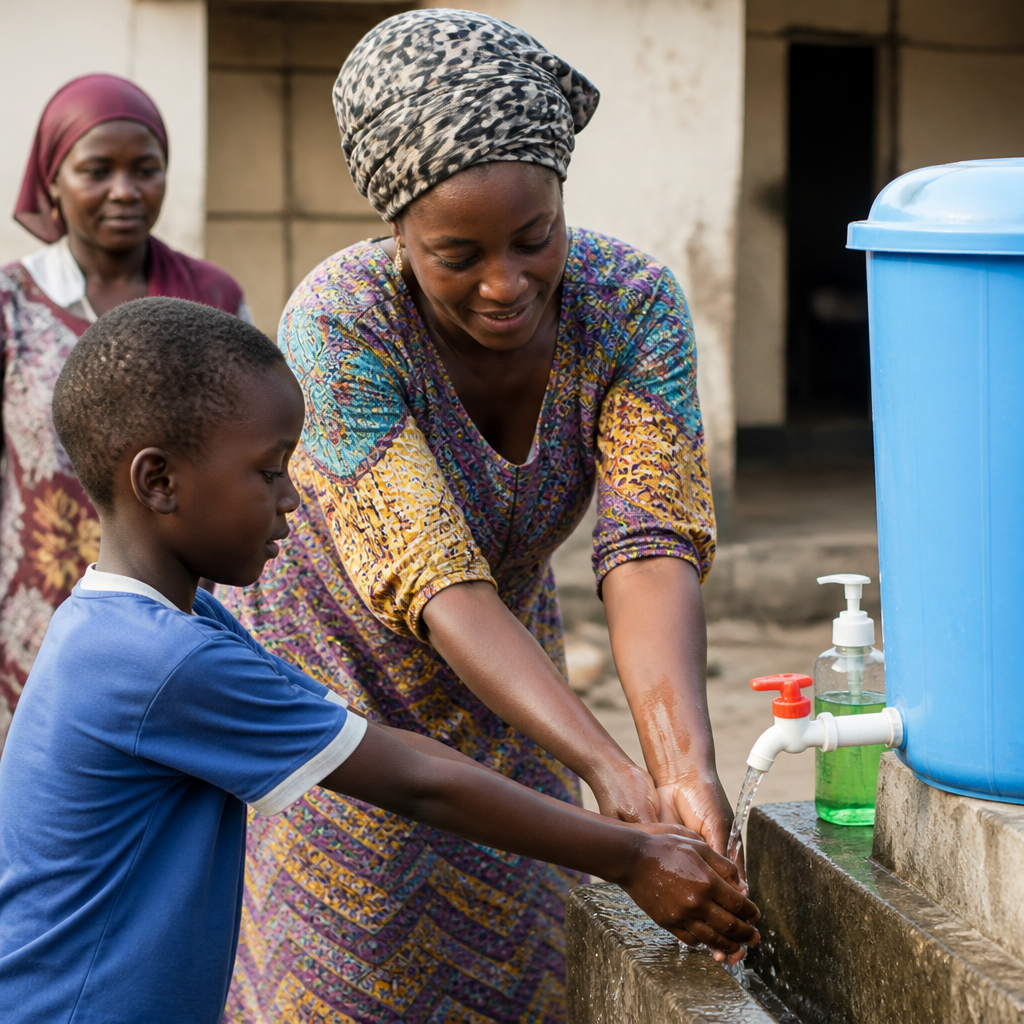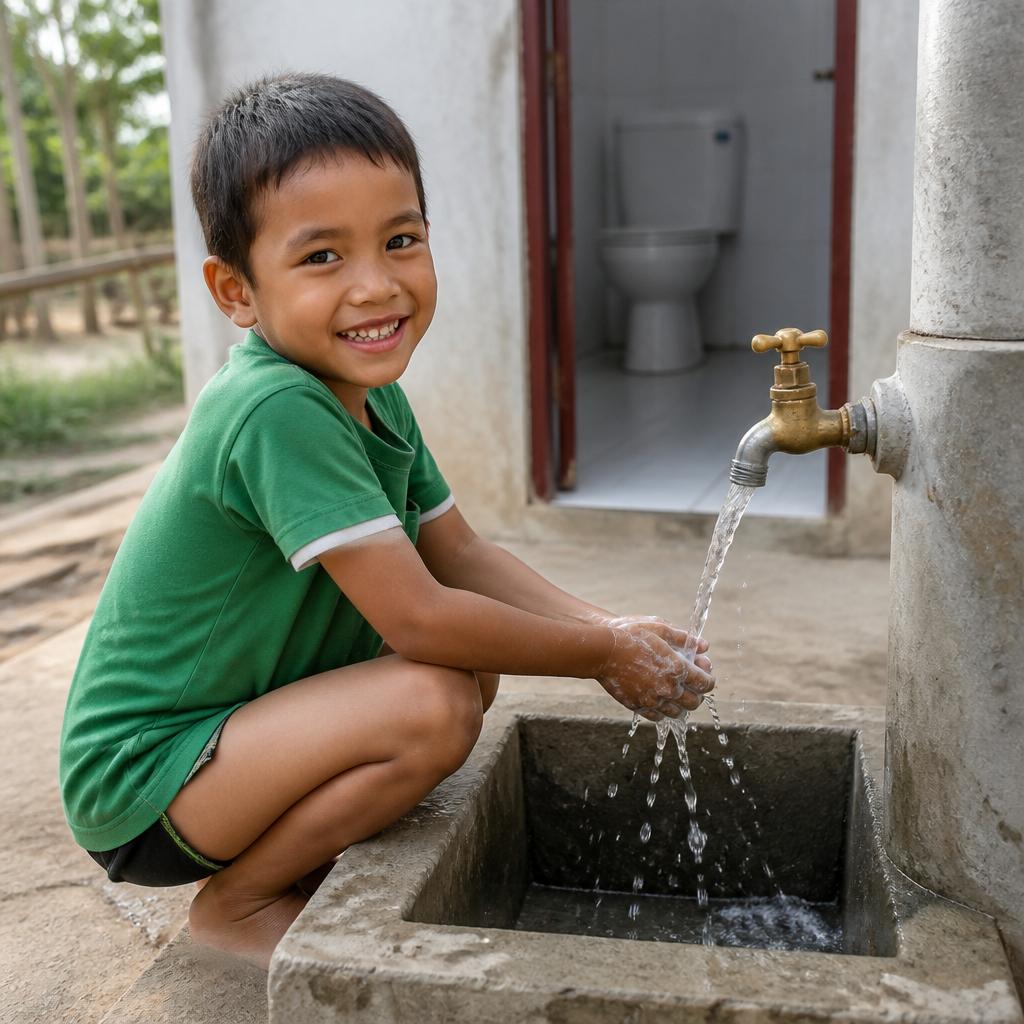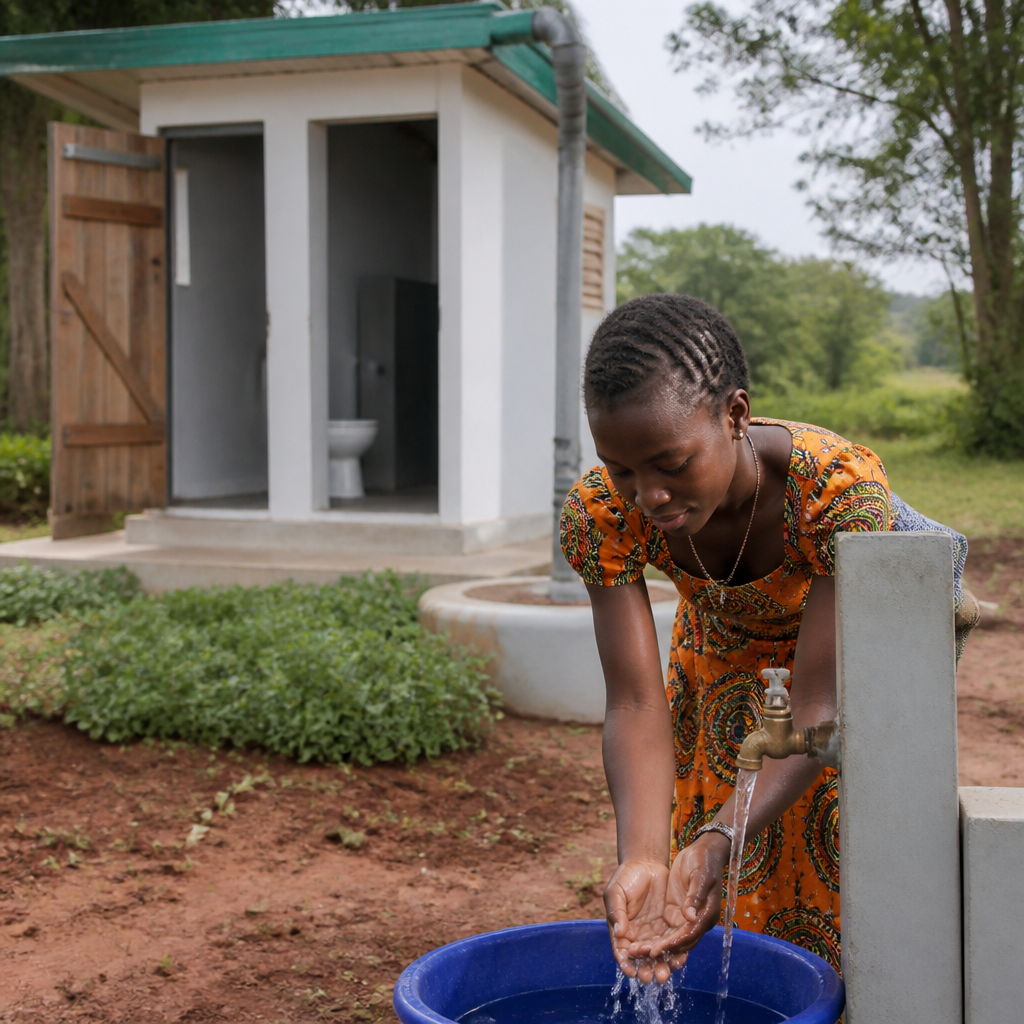
Ecological sanitation, often shortened to EcoSan, changes how communities handle human waste by treating it as a resource rather than a disposal problem, and its impact on public health in developing countries is substantial. At its core, EcoSan includes sanitation systems that separate, contain, sanitize, and often reuse urine and feces safely, usually through urine-diverting dry toilets, composting toilets, dehydration vaults, and controlled reuse in agriculture. I have worked on sanitation content and program evaluations where the same pattern appeared repeatedly: when excreta is kept out of water sources and managed with clear safety protocols, diarrheal disease risk drops, environmental contamination falls, and households gain a more resilient sanitation option. This matters because unsafe sanitation remains a major driver of infectious disease, undernutrition, school absenteeism, and healthcare strain across low-income settings. In many developing countries, sewer networks are limited, fecal sludge services are inconsistent, and open defecation or poorly built pit latrines expose families to pathogens every day. EcoSan enters that gap as both a health intervention and a sustainability strategy. Yet it only delivers those benefits when design, user behavior, maintenance, and reuse practices are handled correctly. Safety and sustainability in EcoSan therefore cannot be treated as side topics; they are the center of whether these systems protect people or create new risks. This hub article explains how EcoSan improves public health, what safety standards matter most, where implementation succeeds or fails, and which operational practices make EcoSan credible, scalable, and health protective.
How EcoSan Improves Public Health
The public health value of EcoSan begins with pathogen containment. Feces can carry bacteria such as Vibrio cholerae, Shigella, and pathogenic Escherichia coli, viruses such as rotavirus and hepatitis A, and parasites including Ascaris lumbricoides and hookworm. Conventional unmanaged sanitation allows these organisms to move into soil, hands, food, surface water, and shallow groundwater. EcoSan systems are designed to interrupt those transmission routes. Urine diversion reduces moisture, which helps dehydrate fecal matter and speeds pathogen die-off. Sealed vaults or composting chambers reduce fly breeding and direct contact. When households no longer rely on overflowing pits near wells, the risk of fecal contamination in drinking water declines. This is especially important in dense peri-urban settlements and flood-prone rural areas, where pit latrines commonly fail during rainy seasons.
Health gains also extend beyond infection control. A safely managed toilet improves dignity, privacy, and security for women and girls, particularly at night. Better sanitation access supports menstrual hygiene management and reduces school absences linked to inadequate facilities. EcoSan can also lower the burden on clinics by preventing recurrent diarrheal illness that contributes to dehydration, lost wages, and childhood stunting. In my review of field reports from East and Southern Africa, the strongest results came from programs that paired EcoSan hardware with hygiene training, follow-up visits, and clear instructions on ash use, vault switching, and storage times before reuse. Technology alone is rarely enough. Public health improvements depend on people understanding exactly how the system works and why each step matters.
Safety Risks and How They Are Managed
EcoSan is not automatically safe; it becomes safe through disciplined operation. The main risk is exposure to incompletely treated excreta during emptying, transport, or agricultural reuse. Helminth eggs are a particular concern because they can survive longer than many bacteria and viruses. The World Health Organization has long emphasized multiple barriers for sanitation reuse: treatment, time, protective equipment, crop restrictions, and hygiene. In practical terms, that means fecal material must remain in storage long enough to reduce pathogens, users should add dry cover material such as ash or শুকনো soil where appropriate, containers and tools should be dedicated to the task, and handlers should wear gloves and wash hands thoroughly. Crops eaten raw require stricter controls than cereals, fodder, or trees.
Urine, while typically lower in pathogen content than feces, still requires safe handling and appropriate storage depending on contamination risk and intended use. A recurring implementation error is assuming that all reuse is harmless because nutrients are valuable. That is incorrect. Nitrogen, phosphorus, and potassium in urine can benefit agriculture, but application rates must fit crop needs, local regulations, and worker safety practices. Another risk comes from poor construction. If urine-diverting pans are misaligned, liquids enter fecal vaults, increasing moisture and slowing sanitation. If superstructures lack ventilation, odor and insect problems reduce acceptance. If slabs crack or anal cleansing water is used incorrectly in dry systems, users may abandon the toilet. Good public health outcomes therefore depend on engineering details as much as education.
Core EcoSan Technologies and Their Health Implications
Different EcoSan technologies suit different contexts, and the health implications vary. Urine-diverting dry toilets are widely used where water is scarce or where high groundwater makes pits unsafe. Their main advantage is separation at source, which simplifies treatment and reduces leachate. Double-vault dehydration toilets allow one chamber to rest while the other is in use, supporting pathogen reduction over time. Composting toilets rely on aerobic decomposition and careful carbon balance; they can perform well, but they require more active management than many household users expect. Container-based sanitation, though often discussed separately, can follow EcoSan principles when sealed containers are collected regularly and treated safely off-site. This model has shown promise in informal settlements where permanent pits are impractical.
Selection should be based on hydrogeology, climate, cultural norms, household size, and service capacity. In dry climates, dehydration systems may work well. In humid areas, achieving sufficient dryness is harder, so design modifications and strict cover material use become more important. In places with strong agricultural reuse traditions, nutrient recovery can improve adoption. In areas where handling excreta is socially unacceptable, service-based collection may be more realistic than household emptying. I have seen projects fail because a technically sound toilet ignored user habits, including anal cleansing preferences, child feces disposal patterns, or reluctance to manage storage chambers. Successful programs start with behavioral mapping, not just engineering drawings.
Comparing Safety and Sustainability Options in EcoSan
The best EcoSan system is the one that households will use correctly, local institutions can support, and public health authorities can monitor. Sustainability includes water savings, nutrient recovery, operating cost, and long-term maintenance, but health protection remains the nonnegotiable baseline. The comparison below summarizes practical tradeoffs seen across common EcoSan approaches.
| System | Main Health Benefit | Key Safety Risk | Best Use Context | Sustainability Strength |
|---|---|---|---|---|
| Urine-diverting dry toilet | Reduces groundwater contamination and direct exposure | Moisture entering fecal vault, unsafe emptying | Water-scarce areas, high water table zones | Low water demand, nutrient recovery |
| Double-vault dehydration toilet | Allows storage time for pathogen die-off | Premature chamber emptying | Rural households with space and training support | Simple operation, reusable end product |
| Composting toilet | Stabilizes waste through aerobic treatment | Incomplete composting from poor carbon balance | Institutions or motivated households | Produces soil amendment, minimal water use |
| Container-based EcoSan service | Limits household exposure during storage | Breakdown in collection or treatment chain | Dense informal settlements | Works without sewers, centralized quality control |
Public Health Outcomes in Real-World Settings
Evidence from developing countries shows that sanitation interventions are most effective when they reduce environmental fecal contamination consistently, not intermittently. EcoSan can contribute strongly to that goal where pit overflow, water scarcity, rocky ground, or seasonal flooding make conventional options unreliable. In parts of Ethiopia, Uganda, Malawi, and Zambia, urine-diverting and double-vault systems have been promoted to improve sanitation coverage while supporting agriculture. The strongest public health benefits reported in such settings include cleaner household compounds, fewer flies, reduced open defecation, and better resilience during drought because toilets do not depend on flush water. In schools, a well-managed EcoSan block can improve attendance and reduce the functional breakdown common in neglected latrine systems.
However, results are mixed when monitoring is weak. Some studies have documented abandoned chambers, incorrect urine diversion, or reuse of inadequately treated material. Those failures are important because they show that EcoSan is a management system, not merely a toilet type. Public health officials should track indicators such as handwashing access, vault fill rates, chamber resting periods, visible vector presence, safe sludge removal, and whether children actually use the facility. Community health workers can play a pivotal role here. When they reinforce messages during household visits, small operational problems are corrected before they become health hazards. The public health lesson is clear: sustained performance matters more than initial installation numbers.
Implementation Challenges: Behavior, Cost, and Governance
The biggest challenge in EcoSan is usually not technical feasibility but sustained correct use. Users must understand separation, cover material dosing, cleaning methods, and safe emptying intervals. Where literacy is low, visual instructions and demonstration toilets work better than text-heavy manuals. Cultural acceptance also matters. Some households object to storing feces near the home, while others dislike the idea of agricultural reuse. These concerns should be addressed openly rather than dismissed. In successful programs, communities participate in site selection, design adaptation, and rule setting for maintenance. That ownership improves compliance and reduces stigma.
Cost is another major factor. Although EcoSan can reduce long-term environmental and water costs, upfront construction may be higher than a simple pit latrine, especially if quality pans, vault masonry, vent pipes, and urine storage tanks are included. Poor households may need subsidies or microfinance, but subsidy design must avoid creating structures that nobody values or maintains. Governance is equally important. Local governments need standards for construction, fecal matter handling, and reuse. Training for masons, sanitation entrepreneurs, and extension officers should be standardized. Without institutional support, households are left to solve technical problems alone. I have repeatedly seen that EcoSan scales best when it is integrated into broader health and safety planning that includes hygiene promotion, school sanitation, agricultural extension, and fecal sludge management services.
Building a Safe and Sustainable EcoSan Program
A credible EcoSan program starts with risk assessment. Planners should map groundwater depth, flood exposure, settlement density, water access, farming practices, and existing sanitation behavior. Then they should match the technology to the setting rather than forcing one model everywhere. Training must be practical: how to add ash, when to switch vaults, how long to store material, which crops are suitable, and what protective steps are mandatory during handling. Monitoring should continue for years, not months. Functionality audits, user satisfaction surveys, and pathogen-risk spot checks provide a realistic picture of health protection. Named tools such as Sanitation Safety Planning, promoted by the World Health Organization, are useful because they structure hazard identification from toilet to reuse site.
For developing countries, the long-term value of EcoSan lies in combining disease prevention with resource efficiency. It can conserve water, recover nutrients, reduce pollution, and extend sanitation access where sewers are unrealistic. But its success depends on treating safety and sustainability as inseparable. Decision-makers should invest in quality construction, local supply chains for parts, refresher training, and clear accountability for maintenance and treatment. Households should choose EcoSan with a full understanding of responsibilities, not as a novelty. When well designed and properly managed, EcoSan can protect public health, strengthen resilience, and support safer communities. If you are building a health and safety strategy around sanitation, use this article as your starting point and evaluate EcoSan options against real operating conditions, not ideal assumptions.
Frequently Asked Questions
1. How does EcoSan improve public health in developing countries?
EcoSan improves public health by interrupting one of the most dangerous pathways for disease transmission: contact between human waste, water, food, and people. In many developing countries, inadequate sanitation allows fecal matter to contaminate drinking water sources, soil, household environments, and crops, which contributes directly to diarrheal disease, intestinal parasites, cholera, typhoid, and other infections. EcoSan systems are designed to separate, contain, and treat urine and feces safely, which greatly reduces the chance that pathogens will spread through the community.
One of the most important public health benefits is the reduction of open defecation and poorly managed pit latrines, both of which are common sources of contamination. Urine-diverting dry toilets, composting toilets, and dehydration systems keep waste out of surface water and groundwater while making treatment more controlled and predictable. In areas where conventional sewer systems are too expensive or impractical, this can be a major advantage. When EcoSan is properly managed, it creates a safer sanitation chain from household use to final treatment and reuse.
EcoSan also strengthens community resilience because it does not depend heavily on large volumes of water or centralized infrastructure. That matters in low-resource, water-scarce, or rapidly growing settlements where conventional sanitation often fails. Better sanitation leads to fewer preventable illnesses, lower healthcare costs, improved school attendance for children, and stronger overall community well-being. In practical terms, EcoSan is not just a toilet technology; it is a public health intervention that reduces exposure to disease and improves environmental hygiene.
2. What kinds of diseases and health risks can EcoSan help reduce?
EcoSan can help reduce a wide range of sanitation-related diseases, especially those caused by fecal-oral transmission. These include diarrhea, dysentery, cholera, typhoid fever, hepatitis A, and a variety of parasitic worm infections such as ascariasis, hookworm, and whipworm. These illnesses are especially harmful in developing countries because they disproportionately affect children, pregnant women, older adults, and people with limited access to healthcare. Repeated diarrheal illness and intestinal infections also contribute to malnutrition, stunting, weakened immunity, and poor cognitive development in children.
The reason EcoSan can make such a difference is that it targets the root of the problem: unsafe handling and disposal of excreta. When feces are left in the open, washed into waterways, or allowed to leak from poorly built pits, pathogens can easily spread into homes and food systems. EcoSan systems reduce this risk by creating physical barriers and treatment steps that lower pathogen survival. For example, dehydration, composting, storage, and alkaline treatment can all help inactivate harmful organisms when done correctly and for the required duration.
There are also indirect health benefits that are often overlooked. Cleaner surroundings mean fewer flies, less odor, and lower risk of environmental contamination around homes and schools. Women and girls may experience better menstrual hygiene privacy and greater safety when toilets are nearby and well designed. In communities where sanitation access is poor, that alone can have a meaningful effect on health, dignity, and daily life. While EcoSan is not a stand-alone solution to all sanitation-related disease, it is an effective part of a broader public health strategy that includes hygiene education, safe water, and proper system maintenance.
3. Is EcoSan safe for communities if treated human waste is reused in agriculture?
Yes, EcoSan can be safe when the system is designed and managed correctly, and that point is essential. The idea behind EcoSan is not to use raw human waste carelessly, but to treat it so that nutrients can be recovered without creating health hazards. Proper treatment methods such as dehydration, composting, storage, and controlled handling are intended to reduce pathogens to safer levels before any agricultural reuse takes place. In many systems, urine and feces are handled separately because they have different risk profiles and treatment needs. Urine is often relatively low in pathogens compared with feces, while feces require more careful treatment and storage.
Public health safety depends on following clear protocols. These include correct toilet use, adequate storage time, protective equipment during handling, restricted application methods, and crop selection rules where needed. For example, treated products may be better suited for fruit trees, forestry, or non-leafy crops depending on local guidelines and the level of treatment achieved. Training users, operators, and farmers is critical because even a well-designed system can become unsafe if treatment is rushed or materials are handled improperly.
When these safeguards are respected, agricultural reuse can provide significant benefits without undermining health goals. It can reduce dependence on costly chemical fertilizers, improve soil organic matter, and support local food production, all while closing the nutrient loop. In settings where sanitation budgets are limited, the resource-recovery aspect of EcoSan can make systems more sustainable and more attractive to communities. The key message is that safety does not come from reuse alone; it comes from safe treatment, responsible management, and strong public health oversight.
4. What challenges can limit the public health impact of EcoSan programs?
EcoSan has major potential, but its public health impact depends heavily on implementation quality. One of the biggest challenges is operation and maintenance. Unlike some sanitation systems that are treated as “flush and forget,” many EcoSan models require users to understand waste separation, add dry cover material when needed, keep chambers dry, and follow safe emptying procedures. If households are not trained well or if follow-up support is weak, systems may be misused, leading to odor, insect problems, poor treatment, or direct pathogen exposure.
Social acceptance is another important factor. In some communities, handling or reusing products derived from human waste may conflict with cultural beliefs, habits, or perceptions of cleanliness. These concerns are real and should not be dismissed. Successful EcoSan programs usually invest in community engagement, behavior change communication, demonstration sites, and user-centered design rather than focusing only on the hardware. People are far more likely to adopt and maintain a system when they understand how it protects health and when it fits local preferences and daily routines.
There are also institutional and policy challenges. Local governments may lack technical standards, trained sanitation workers, financing mechanisms, or monitoring systems. Without regulation and support, even promising projects can decline over time. In addition, poorly designed projects sometimes prioritize rapid installation over long-term management, which weakens health outcomes. For EcoSan to deliver lasting public health benefits, it must be treated as a complete service system that includes design, training, monitoring, maintenance, safe reuse guidance, and community ownership.
5. Why is EcoSan especially relevant in water-scarce and low-infrastructure areas?
EcoSan is especially relevant in water-scarce and low-infrastructure settings because it offers a sanitation approach that does not rely on conventional sewer networks or large quantities of flush water. In many developing countries, expanding sewerage to rural communities, informal settlements, flood-prone zones, or remote regions is financially and technically difficult. Water shortages make flush-based systems even less practical. EcoSan addresses these constraints by using dry or low-water designs that can function where piped water is unreliable or unavailable.
From a public health perspective, this matters because lack of infrastructure should not mean lack of safe sanitation. When people do not have workable sanitation options, they often resort to open defecation, overflowing pits, or unsafe disposal methods that contaminate the environment. EcoSan creates a decentralized alternative that can be installed closer to the point of need and adapted to local conditions such as rocky ground, high water tables, dense settlements, or seasonal drought. That flexibility helps communities maintain safer sanitation coverage even when resources are limited.
EcoSan also supports long-term health and environmental sustainability by conserving water and recovering nutrients that would otherwise be lost. In regions facing both sanitation gaps and agricultural pressure, this dual benefit is highly valuable. Safer waste management reduces disease risk, while nutrient reuse can improve soil fertility and support livelihoods. For policymakers and development practitioners, the relevance of EcoSan lies in its ability to connect sanitation, health, water security, and resource recovery in a practical way. When well implemented, it provides a realistic path toward healthier communities in places where conventional sanitation models often fall short.