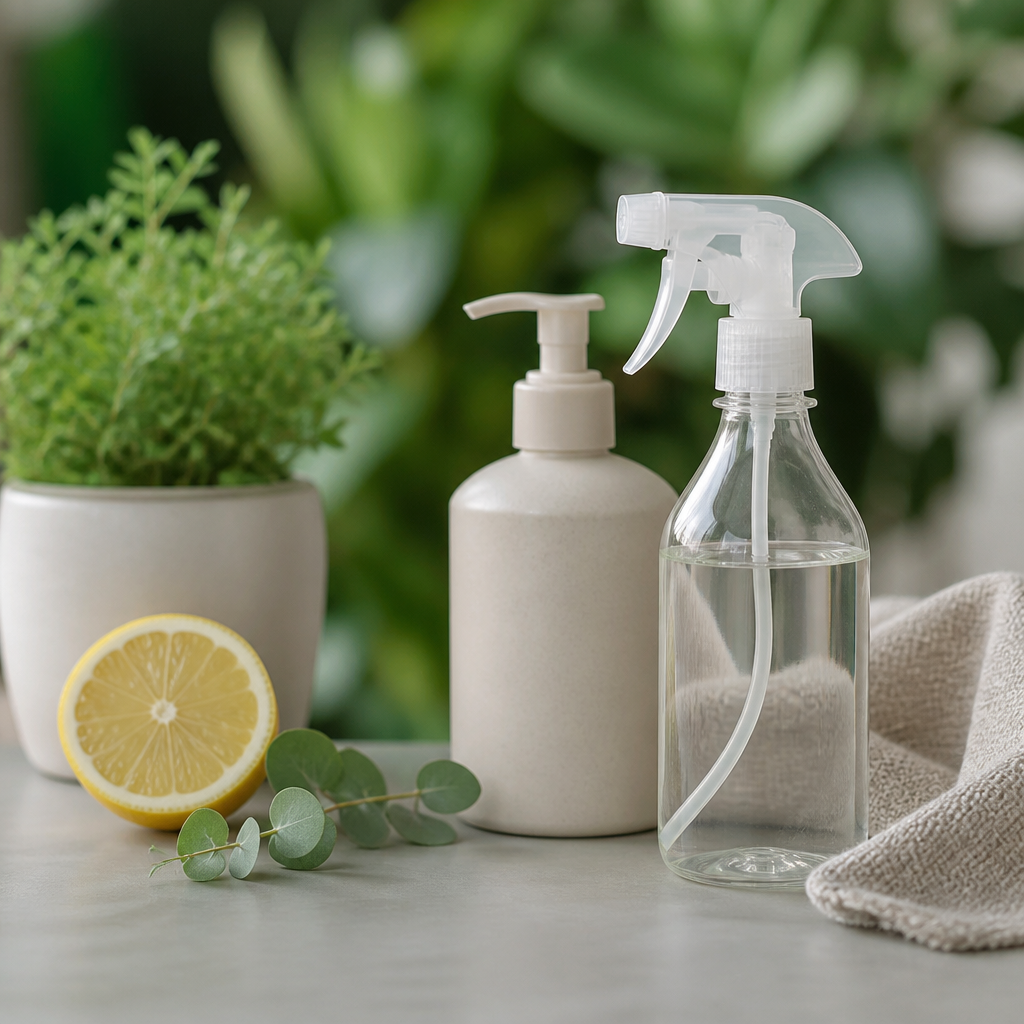
Eco-friendly sanitizers and disinfectants are central to modern sanitation because organizations now need infection control that protects both human health and the environment. In practical terms, sanitizers reduce the number of microorganisms on a surface to a level considered safe by public health standards, while disinfectants are formulated to kill or inactivate specific pathogens on hard, nonporous surfaces. In EcoSan, shorthand here for ecologically responsible sanitation systems, safety and sustainability must be evaluated together. A product cannot be called truly sustainable if it lowers environmental harm but exposes workers to respiratory irritation, leaves hazardous residues, or fails against the organisms it claims to control.
I have seen this tension repeatedly in facilities management and hygiene planning. Buyers often focus on labels such as green, natural, or plant-based, yet those terms say little about efficacy, contact time, compatibility with surfaces, or wastewater impact. Effective purchasing requires a more technical view: active ingredient chemistry, pH profile, volatile organic compound content, biodegradability, packaging format, and compliance with recognized protocols from agencies such as the U.S. Environmental Protection Agency, the Centers for Disease Control and Prevention, and occupational exposure guidance used in workplace safety programs. The right choice depends on the setting, the target pathogens, the cleaning process, and the environmental burden created across the product life cycle.
This matters across the full health and safety chain. Schools need daily products that are safe around children and reduce asthma triggers. Hospitals need disinfection strong enough for high-touch surfaces and isolation rooms without damaging equipment or increasing chemical exposure for environmental services staff. Food facilities must control contamination while managing rinse water, corrosion, and regulatory requirements. Offices and public venues need reliable sanitation programs that staff can perform correctly and consistently. Because this page serves as a hub for Safety and Sustainability in EcoSan, it addresses the essential questions decision-makers ask: what makes a sanitizer or disinfectant eco-friendly, how to judge safety, where each chemistry fits, what standards matter, and how to build a practical sanitation program that performs in the real world.
What makes a sanitizer or disinfectant eco-friendly
An eco-friendly sanitizer or disinfectant is not defined by marketing language. It is defined by measurable attributes across performance, toxicity, and environmental fate. The most useful starting criteria are efficacy against intended microorganisms, lower acute and chronic toxicity, reduced fragrance and solvent load, rapid biodegradation where appropriate, lower persistence in waterways, concentrated packaging that cuts transport emissions, and compatibility with dose-control systems that prevent overuse. In procurement reviews, I treat sustainability as a systems question rather than a single product claim. A safer formula can lose its advantage if it requires double application, arrives in heavy single-use containers, or fails on dirty surfaces and forces repeated rework.
Third-party certifications and recognized screening tools help separate credible products from weak claims. Programs such as EPA Safer Choice, Green Seal, and UL ECOLOGO assess ingredient profiles and product criteria that are stricter than simple self-declaration. Safety Data Sheets remain essential because they reveal hazard classifications, first-aid measures, storage precautions, and incompatibilities. Technical data sheets add the operational details that matter most on the floor: dilution ratio, contact time, approved surface types, and kill claims. For healthcare settings in the United States, EPA registration is a baseline requirement for disinfectants, and facilities should verify the product label rather than relying on distributor summaries.
The eco-friendly question also includes what happens after use. Hydrogen peroxide generally breaks down into water and oxygen, which gives it a strong environmental profile when properly formulated. Citric acid products can work well for certain cleaning and descaling tasks, but they are not universal disinfectants. Alcohol-based formulas evaporate quickly and leave little residue, yet flammability and indoor air concerns can limit broader use. Quaternary ammonium compounds can be effective and convenient, though some formulations raise questions around aquatic toxicity, residue buildup, and antimicrobial resistance stewardship. No chemistry is ideal in every context. The best option is the one that matches the risk level, surface, workflow, and disposal pathway with the least overall harm.
Core chemistries and where they fit
Most sanitation programs rely on a manageable group of active ingredients. Hydrogen peroxide, including accelerated hydrogen peroxide formulations, is widely used because it offers broad-spectrum efficacy, relatively favorable environmental breakdown, and good surface compatibility when used according to label directions. Alcohols such as ethanol and isopropanol are common for quick evaporation and electronics-adjacent wiping, although they need correct concentration ranges and sufficient wet contact time to work reliably. Hypochlorite solutions, often referred to as bleach, remain important in outbreak response and body fluid cleanup because they are inexpensive and potent, but they can corrode metals, discolor fabrics, irritate skin and lungs, and react dangerously with acids or ammonia.
Quaternary ammonium compounds, commonly called quats, are popular in institutional settings because they are effective against many bacteria and enveloped viruses and often pair well with routine surface disinfection workflows. Their limitations are equally important. Some quats can leave films, bind to wiping cloths, and perform poorly if dilution control is inconsistent. Peracetic acid is powerful and used heavily in food processing and certain industrial sanitation applications because it remains effective in cold water and decomposes into less persistent byproducts, but it has a sharp odor and can be highly irritating without proper ventilation and personal protective equipment. Organic acids and botanical actives have narrower use cases and should be selected only when label claims match the task.
| Active chemistry | Typical strengths | Main limitations | Best-fit settings |
|---|---|---|---|
| Hydrogen peroxide | Broad efficacy, low residue, favorable breakdown | May require specific dwell times; not universal on all soils | Schools, offices, healthcare, public facilities |
| Alcohols | Fast drying, convenient, low residue | Flammable, evaporates before full contact if overused | Hand hygiene, small hard surfaces, electronics-adjacent areas |
| Hypochlorite | Strong pathogen control, low cost | Corrosive, irritating, reactive with other chemicals | Outbreak response, body fluid cleanup |
| Quats | Routine disinfection, user familiarity | Residues, cloth binding, aquatic toxicity concerns | Commercial buildings, some healthcare workflows |
| Peracetic acid | Potent, useful in cold-water industrial sanitation | Odor, irritation potential, material compatibility issues | Food processing, industrial applications |
When people ask for the safest sustainable disinfectant, my answer is always conditional. For a classroom with frequent touchpoint cleaning, a peroxide-based EPA-registered product with fragrance-free formulation and closed-loop dilution usually outperforms harsher options on total risk. For norovirus response in a restroom, a stronger chemistry with validated viral claims may be the right choice even if it is less environmentally gentle, because infection risk is the priority. EcoSan is not about using the weakest chemical possible. It is about using the least hazardous effective method for the actual hazard present.
Safety: workers, occupants, and surfaces
Safety in sanitation starts with the hierarchy of controls. Before choosing chemistry, reduce risk through process design: cleaner entrances that lower tracked-in soil, touch-free fixtures, microfiber systems that physically remove contamination, and targeted cleaning schedules based on traffic and exposure. Then select products that minimize inhalation, skin, and eye hazards without compromising pathogen control. Fragrance-free formulations are often the easiest win because added scent contributes nothing to disinfection and can trigger headaches or respiratory symptoms. Ready-to-use sprays are convenient but can increase airborne exposure; wipes, foaming applicators, and precise dilution systems often provide better control.
Training is where many safety programs fail. Staff need to understand contact time, pre-cleaning requirements, dilution accuracy, label restrictions, and chemical incompatibilities. I have audited buildings where a high-quality eco-certified disinfectant underperformed simply because workers wiped it dry after ten seconds instead of keeping the surface wet for one minute. Another common problem is topping off secondary bottles, which breaks traceability and increases contamination risk. Strong sanitation programs use labeled containers, color-coded tools, standardized work instructions, and competency checks. They also align product selection with surface material. A chemistry that is safe for stainless steel may haze acrylic, damage floor finishes, or degrade medical device plastics.
Occupant safety includes more than acute exposure. Residues left on desks, gym equipment, cafeteria tables, and patient-area touchpoints matter, especially where children or vulnerable populations are present. This is one reason low-residue peroxide systems and properly selected alcohol formulations have gained ground. Ventilation also matters. Even greener formulations can irritate when overapplied in poorly ventilated rooms. A credible Safety and Sustainability in EcoSan program therefore combines product controls with engineering controls, work practices, and post-use review of incident reports, absenteeism patterns, odor complaints, and surface damage trends.
How to evaluate sustainability across the product life cycle
Sustainability should be measured from manufacturing through disposal. The first checkpoint is ingredient sourcing and hazard profile: whether surfactants, solvents, and preservatives are associated with persistence, bioaccumulation, or high aquatic toxicity. The second is concentration and logistics. Concentrates shipped in small cartridges or pouches often reduce plastic use, warehouse space, and transport emissions compared with ready-to-use gallons. The third is water and energy demand during use. Some products require rinsing, heated water, or repeated application; others do not. The fourth is end-of-life impact, including recyclability of packaging and whether residual chemistry stresses wastewater systems.
In real procurement work, life-cycle thinking changes decisions. A facility may assume that bulk ready-to-use bottles are greener because they seem simple, but a closed-loop dilution system can reduce packaging waste dramatically while improving worker safety and dosage accuracy. Microfiber mops and cloths are another example. They often allow lower chemical use because they remove soil more effectively than cotton and can support a cleaner-disinfect-clean workflow with less water. However, laundering practices matter. If microfiber is washed at the wrong temperature, with fabric softener, or until fibers degrade, performance and sustainability both drop. Systems thinking always beats isolated product comparisons.
Metrics make sustainability programs credible. Track chemical consumption per occupied square foot, packaging waste per month, dilution accuracy, number of products in inventory, and rework due to failed cleaning outcomes. Facilities with fewer, well-chosen products usually perform better because complexity drives misuse. If possible, add indoor air quality indicators, worker injury records, and surface replacement costs. These reveal hidden tradeoffs. A disinfectant that appears cheaper at purchase may become expensive if it damages finishes, increases PPE demand, or leads to odor complaints that disrupt building use.
Building an EcoSan program that actually works
An effective hub strategy for Safety and Sustainability in EcoSan starts by dividing environments into risk tiers. Low-risk office areas need routine cleaning and targeted sanitizing of shared touchpoints. Medium-risk spaces such as schools, gyms, and public restrooms need documented schedules, compatible disinfectants, and stronger staff training. High-risk healthcare, food production, and outbreak response areas require validated protocols, strict dwell-time compliance, and escalation paths for specific pathogens. This tiered model prevents both over-disinfection and under-protection.
From there, standardize around a limited set of products and methods. In many organizations, three to five core chemistries are enough: a neutral cleaner, a peroxide-based disinfectant, an alcohol solution for specific quick-dry applications, a scale remover where mineral buildup is a problem, and a reserved high-level option for outbreak scenarios. Pair these with clear standard operating procedures, audit tools, and vendor support. ATP monitoring, fluorescent marker programs, and periodic microbiological verification can all help confirm whether technique matches policy. None of these tools replaces judgment, but they make performance visible.
This hub should connect naturally to deeper guidance on healthcare disinfection, green cleaning certifications, microfiber systems, dilution control, restroom hygiene, food-safe sanitation, worker PPE, and outbreak response planning. That internal structure helps teams move from broad policy to task-level execution. The central message is simple: sustainable sanitation is not a branding exercise. It is a disciplined operational system that balances pathogen reduction, human exposure, material compatibility, waste reduction, and cost control using evidence-based product selection and repeatable practice.
Eco-friendly sanitizers and disinfectants in sanitation deliver the greatest value when safety and sustainability are managed as one decision, not two separate goals. The best programs begin with clear definitions, choose chemistries based on real risk, verify efficacy through labels and recognized certifications, and reduce exposure through training, ventilation, dilution control, and smart application methods. They also evaluate impacts beyond the spray bottle, including packaging, transport, wastewater burden, and surface longevity. That broad view is what turns EcoSan from a purchasing slogan into a measurable health and safety strategy.
The key takeaway is that no single product is ideal everywhere. Hydrogen peroxide may be the strongest everyday option for many facilities, alcohols work well in narrow fast-dry use cases, hypochlorite remains essential for some high-risk events, and quats or peracetic acid can be appropriate when their tradeoffs are understood and controlled. The right question is not which product sounds greenest. It is which solution provides the least hazardous effective sanitation for a defined task, in a defined environment, with trained users and accountable procedures.
If you are building or improving a Health and Safety program, use this hub as the starting point for product review, protocol design, and staff education. Audit your current chemicals, remove unnecessary duplication, confirm label claims, and map each product to the risks it is meant to address. Then expand into the linked subtopics under Safety and Sustainability in EcoSan so your sanitation program becomes cleaner, safer, and more resilient over time.
Frequently Asked Questions
What is the difference between eco-friendly sanitizers and eco-friendly disinfectants?
Eco-friendly sanitizers and eco-friendly disinfectants are both important in sanitation, but they are designed for different levels of microbial control. A sanitizer reduces the number of microorganisms on a surface to a level considered safe by public health standards. A disinfectant, by contrast, is intended to kill or inactivate specific harmful pathogens on hard, nonporous surfaces. In everyday practice, that means sanitizers are often used for routine maintenance and lower-risk settings, while disinfectants are used when stronger pathogen control is needed, especially in environments with elevated hygiene requirements.
In EcoSan systems, the “eco-friendly” part matters just as much as the performance. These products are typically selected for lower toxicity, improved biodegradability, reduced volatile organic compounds, and safer profiles for users and the surrounding environment. However, greener chemistry does not mean weaker chemistry. The most effective eco-conscious products are still tested against performance standards and must be used according to the label, including proper dilution, contact time, and surface compatibility. The right choice depends on the surface type, the contamination risk, and whether the goal is routine microbial reduction or higher-level pathogen inactivation.
Why are eco-friendly sanitizers and disinfectants becoming so important in modern sanitation?
They are becoming central to modern sanitation because organizations are now expected to balance infection prevention with environmental responsibility. Traditional cleaning chemicals can contribute to indoor air quality issues, aquatic toxicity, chemical overexposure, and waste concerns if they are overused or poorly managed. Eco-friendly sanitizers and disinfectants help address these challenges by supporting safer day-to-day operations while still meeting hygiene and infection-control needs.
This shift is especially relevant in facilities such as schools, healthcare spaces, food service operations, commercial buildings, and public institutions, where sanitation happens frequently and at scale. Decision-makers are increasingly looking at the full lifecycle impact of the products they use, including ingredient safety, packaging, worker exposure, residue, and disposal considerations. Eco-conscious sanitation programs can also support sustainability goals, regulatory compliance, and occupant confidence. When implemented correctly, they show that an organization does not have to choose between public health protection and environmental stewardship; both can be built into the same sanitation strategy.
Are eco-friendly sanitizers and disinfectants effective enough for high-standard sanitation environments?
Yes, many eco-friendly sanitizers and disinfectants are highly effective when they are properly selected and used as directed. Effectiveness depends less on whether a product is marketed as “green” and more on whether it has been validated for the intended use. Reputable products are supported by testing data, approved claims, and clear instructions that specify which microorganisms they target, how the product should be applied, and how long it must remain wet on the surface to achieve the intended result.
In high-standard environments, success depends on matching the product to the risk. For example, a lower-risk touchpoint in an office may only require a sanitizer for routine care, while a hard, nonporous surface in a healthcare or food-related setting may require a disinfectant with specific efficacy claims. It is also important to remember that soil and organic matter can interfere with performance, so pre-cleaning is often essential. Eco-friendly products perform best within a complete sanitation protocol that includes cleaning, correct dwell time, staff training, and verification procedures. In other words, a sustainable product can absolutely be part of a rigorous hygiene program, provided it is chosen and applied with the same discipline as any conventional chemistry.
What should organizations look for when choosing eco-friendly sanitation products?
Organizations should start by looking beyond marketing language and focusing on verified performance, safety, and suitability. The first question is whether the product is a sanitizer or a disinfectant and whether that level of antimicrobial action matches the facility’s actual needs. From there, decision-makers should review efficacy claims, approved use instructions, required contact time, compatible surface types, and whether the product is appropriate for the setting, such as education, hospitality, healthcare-adjacent, or food handling environments.
Environmental and human health factors are equally important. A strong eco-friendly choice often features lower toxicity, fewer harsh residues, reduced fragrance load, better biodegradability, and packaging designed to reduce waste. Concentrated formats, refill systems, and measured dispensing can also improve sustainability by minimizing overuse and transportation impacts. Worker safety should be part of the evaluation as well, including ease of handling, personal protective equipment requirements, and indoor air considerations. Finally, organizations should think operationally: a product only delivers benefits if staff can use it correctly and consistently. Clear labeling, simple dilution instructions, realistic contact times, and reliable supply all contribute to a sanitation program that is both effective and environmentally responsible.
How can businesses implement eco-friendly sanitizers and disinfectants without compromising safety or compliance?
The best approach is to build eco-friendly products into a structured sanitation plan rather than treating them as a simple product swap. Businesses should begin with a risk assessment that identifies which areas need cleaning, which need sanitizing, and which require disinfection. High-touch surfaces, shared equipment, restrooms, food-contact zones, and high-risk operational areas may all require different protocols. Once those needs are defined, the organization can choose eco-friendly products with the appropriate claims and create procedures that specify dilution, application method, frequency, and required contact time.
Training is critical. Even the most advanced product will underperform if staff members do not understand when to use it, how much to apply, or how long it needs to remain on the surface. Documentation, routine audits, and restocking controls help maintain consistency and support compliance. It is also smart to monitor outcomes such as surface condition, user feedback, chemical consumption, and any changes in indoor environment quality. When businesses combine science-based product selection with practical staff education and clear standard operating procedures, they can maintain strong infection control while reducing unnecessary environmental burden. That is the real value of eco-friendly sanitation: not less protection, but smarter protection.