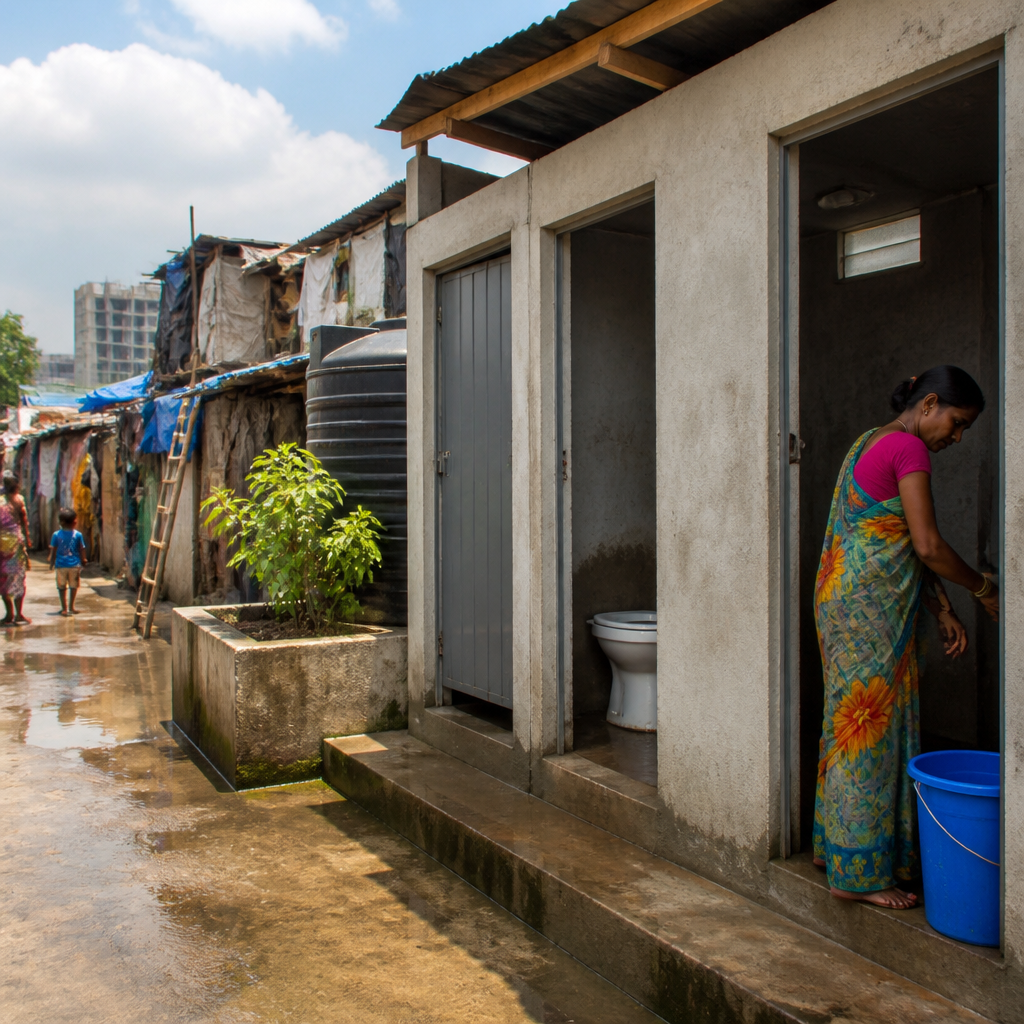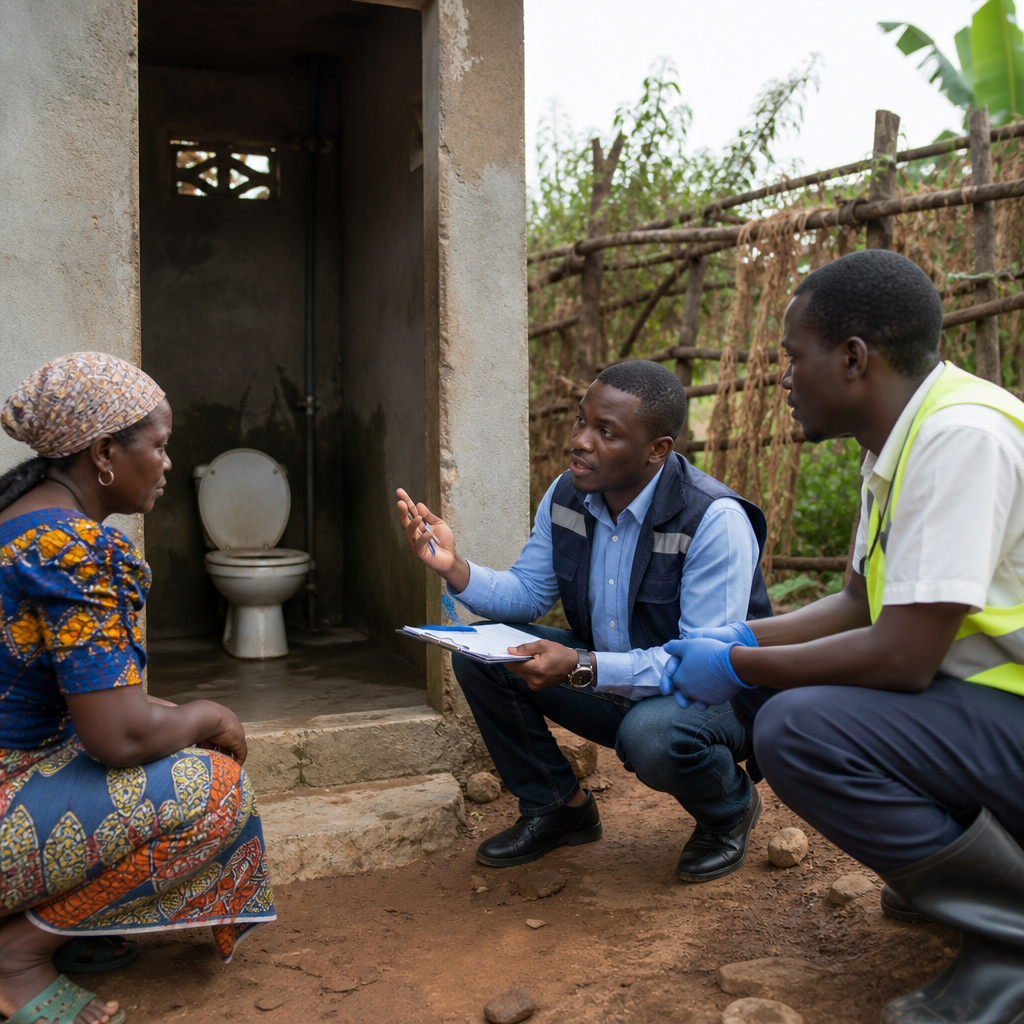
Assessing and managing health risks in rural sanitation is essential to protecting communities, improving public health, and making ecological sanitation systems safe, durable, and socially accepted. Rural sanitation includes the toilets, containment structures, treatment methods, transport practices, and reuse systems that handle human waste outside centralized sewer networks. Ecological sanitation, often shortened to EcoSan, is a family of approaches designed to safely contain excreta, recover nutrients, conserve water, and reduce environmental contamination. In practice, that means systems such as urine-diverting dry toilets, composting toilets, dehydrating vaults, lined pits, and small-scale fecal sludge treatment linked to farms, tree planting, or soil improvement.
The health risk side of rural sanitation is often underestimated. I have seen projects fail not because the toilet design was wrong on paper, but because storage time was too short, handwashing stations were missing, vault-emptying tools were improvised, or households were never shown how pathogens actually move from feces to food and water. Bacteria, viruses, protozoa, and helminths can survive for days, weeks, or months depending on moisture, temperature, pH, and sunlight. If excreta are mismanaged, people face diarrhea, cholera, typhoid, hepatitis A and E, intestinal worm infection, skin and eye irritation, and contamination of wells, gardens, and household surfaces.
This hub article explains how to assess those risks and how to manage them without losing the sustainability benefits that make EcoSan attractive. Safety in EcoSan is not a single product feature; it is a chain of controls from toilet use to final reuse or disposal. Sustainability also has a broad meaning here. It includes technical reliability, affordability, user acceptance, groundwater protection, nutrient recovery, climate resilience, and local capacity for operation and maintenance. When those factors are considered together, rural sanitation systems can cut disease transmission, reduce open defecation, save water, and create value from waste rather than shifting the hazard from one place to another.
For this subtopic hub, the key question is straightforward: how do communities, practitioners, and local governments make EcoSan both safe and sustainable over time? The answer starts with hazard identification, continues through exposure assessment and risk control, and ends with monitoring, training, and adaptation. Each section below covers a core decision area that links health and safety to long-term EcoSan performance.
Understanding the Main Health Hazards in EcoSan Systems
The first step in assessing rural sanitation risk is to identify the hazards present at each stage of the sanitation chain. Human excreta can contain Escherichia coli, Salmonella, Shigella, Vibrio cholerae, rotavirus, norovirus, Giardia, Cryptosporidium, and soil-transmitted helminths such as Ascaris lumbricoides. In many low-resource rural settings, helminth eggs are the most persistent concern because they survive harsh conditions better than many bacteria and viruses. That is why treatment claims based only on drying or storage need careful verification. A vault that looks dry may still contain viable pathogens in deeper layers or in damp corners.
Health hazards in EcoSan are not limited to microbes. Chemical risks can arise from ash, lime, cleaning agents, pharmaceuticals in excreta, and nitrate migration where urine or leachate is poorly managed. Physical hazards also matter: unstable slabs, falls into pits, cuts during emptying, musculoskeletal strain from lifting containers, and smoke or dust exposure when ash is handled incorrectly. Vector-related risks are common if flies breed in damp chambers or if urine pipes block and create odor and standing liquid. These factors influence not only disease risk but whether users continue using the system correctly.
In field assessments, I separate hazards by contact point: user interface, storage chamber, transfer tools, transport route, treatment area, and reuse site. That approach quickly reveals weak links. For example, a urine-diverting toilet may perform well inside the cubicle yet fail at the garden stage if stored urine is applied to leafy vegetables shortly before harvest. Likewise, a lined double-vault toilet may reduce groundwater risk but still expose emptiers if there is no access hatch, no dedicated shovel, and no gloves or boots. Safe EcoSan depends on the full chain working as designed.
How to Assess Risk Across the Rural Sanitation Chain
A practical rural sanitation risk assessment asks four questions. What hazards are present? Who is exposed? How does exposure occur? What controls will reduce the risk to an acceptable level? The most useful framework in the field is a simplified sanitation safety planning approach aligned with hazard analysis principles used in public health and water safety management. You map the system, identify hazardous events, rank likelihood and severity, assign control measures, and set monitoring checks that local staff can actually perform.
Exposure pathways should be described in plain terms. Fecal contamination reaches people through hands, water, soil, food, flies, surfaces, and tools. Children face special risk because they play near toilets, touch contaminated ground, and often have poorer hand hygiene. Women and sanitation workers may face repeated exposure during cleaning and emptying. Farmers can be exposed while applying treated or partly treated material, especially if they work barefoot or irrigate by hand. The goal is not just to document these pathways but to interrupt them using barriers that fit rural conditions.
A simple risk matrix helps prioritize action. High-likelihood, high-severity events deserve immediate control, such as seepage into shallow wells, direct handling of fresh feces, or reuse of insufficiently treated solids on salad crops. Lower-priority issues still matter, but they should not distract from major transmission routes. In one district review I worked on, communities initially focused on toilet superstructure materials, while the larger health threat was overflow from undersized pits during the rainy season. Once we mapped seasonal flooding and groundwater depth, design priorities changed quickly.
| Sanitation stage | Typical hazard | Main exposure route | Preferred control |
|---|---|---|---|
| Toilet use | Surface contamination | Hands to mouth | Handwashing station, cleanable slab, user training |
| Storage | Incomplete pathogen die-off | Emptying contact | Adequate retention time, moisture control, sealed access |
| Transport | Spillage | Skin contact, contaminated soil | Lidded containers, designated route, PPE |
| Treatment | Insufficient composting or drying | Handling of unsafe product | Temperature, pH, and time verification |
| Reuse | Crop contamination | Food consumption | Crop restriction, withholding period, soil incorporation |
Designing EcoSan for Safety, Reliability, and Groundwater Protection
Good design reduces risk before behavior change or protective equipment enters the picture. For rural EcoSan, the safest systems are those that separate waste streams where appropriate, minimize direct handling, prevent rainwater intrusion, and make maintenance simple. Urine-diverting dry toilets work best when the pedestal or squatting pan clearly separates urine and feces, the feces vault stays dry, and the urine pipe has sufficient slope and diameter to avoid scaling and blockage. Double-vault designs allow one chamber to rest while the other is used, but only if users can switch chambers correctly and keep anal cleansing water out of the dry vault.
Groundwater protection deserves special attention because rural households often rely on shallow wells or boreholes near homes. Siting toilets upslope from water sources, respecting local hydrogeology, lining pits where necessary, and elevating structures in flood-prone areas are basic but frequently neglected controls. Separation distances vary by soil type, water table depth, and fracture conditions, so one fixed number is not universally safe. Coarse sandy soils and karst terrain allow faster contaminant movement than dense clays. In those settings, above-ground or container-based systems may be safer than pits, even if pits are cheaper initially.
Reliability is a health issue. A toilet that users abandon because of odor, flies, darkness, difficult access, or cultural mismatch pushes people back toward open defecation or unsafe improvisation. Practical details matter: durable doors and locks, screened vents, washable surfaces, child-friendly features, menstrual hygiene accommodation, and enough space for elderly or disabled users. Where water is seasonally scarce, dry systems can be valuable, but they require a strong operating model. Where households routinely use water for anal cleansing, mixed designs or separate drainage solutions may be safer than forcing a dry system that users will not follow correctly.
Safe Operation, Emptying, Treatment, and Resource Reuse
Operation and maintenance determine whether EcoSan stays safe after construction teams leave. Households need clear instructions on what goes into the toilet, how much cover material to add, how to recognize excess moisture, and when a vault or container is ready to rest or empty. Ash, dry soil, or lime can help reduce odor and improve handling, but they are not magic disinfectants. Pathogen reduction depends on a combination of storage time, dryness, pH, temperature, and protection from rewetting. If one factor is weak, the entire safety claim weakens with it.
For emptying, direct hand contact with fresh or partly treated material should be treated as unacceptable. At minimum, emptiers need gloves, boots, tools with handles, handwashing supplies, and a defined place to clean equipment. In stronger programs, local service providers use sealed containers, carts or tricycles, and written standard operating procedures. The World Health Organization sanitation safety framework and ISO 30500 performance concepts both reinforce the same principle: treatment outcomes matter more than labels. Calling a material compost does not make it hygienically safe unless process conditions have actually reduced pathogens.
Reuse can be one of EcoSan’s strongest sustainability benefits when it is managed conservatively. Stored urine can supply nitrogen and potassium to crops, but timing, dilution, and application method matter. Soil application close to the root zone is safer than splashing onto edible leaves. Treated solids are better suited to trees, fodder crops, or soil rehabilitation than to raw vegetables eaten uncooked. Many programs use crop restrictions and withholding periods to add another safety barrier. This layered approach works because no single measure is perfect. Safer reuse comes from combining treatment, application controls, protective equipment, and user awareness.
Building Sustainable Systems Through Training, Monitoring, and Governance
Sustainability in rural sanitation depends on institutions as much as infrastructure. Communities need training not only at installation but at predictable moments afterward: first month of use, first chamber switch, first emptying cycle, and seasonal reviews before rains. The most effective training I have delivered uses visual demonstrations of contamination pathways, not long lectures. When households see how a wet vault leads to flies, odor, and harder emptying, compliance improves. When farmers understand why treated material belongs under fruit trees rather than on lettuce, health protection becomes practical rather than abstract.
Monitoring should focus on indicators that local actors can collect consistently. Useful checks include toilet usage rate, presence of soap and water, chamber moisture, urine pipe blockages, fly presence, structural damage, flood exposure, storage duration, and final reuse practice. Periodic laboratory testing for fecal indicator bacteria or helminth eggs is valuable where budgets allow, especially for demonstration sites or municipal support programs, but routine safety should not depend on lab access alone. Well-designed field checklists, supervisory visits, and corrective maintenance usually deliver bigger day-to-day health gains than sporadic testing with no follow-up action.
Governance closes the loop. Local bylaws, service agreements, financing for repairs, and assigned responsibility for emptying and treatment prevent systems from slipping into neglect. The strongest rural EcoSan programs link households, masons, agricultural extension officers, public health staff, and local government. That coordination matters because sanitation, water quality, and agriculture are interconnected. As a hub topic within health and safety, safety and sustainability in EcoSan should always be evaluated as a managed service, not a one-time construction output. Communities that treat it that way achieve cleaner environments, better user confidence, and lower long-term health risk.
Assessing and managing health risks in rural sanitation requires a full-chain view that starts with hazards in excreta and ends with what happens at the field, garden, pit, vault, or treatment site months later. The central lesson from EcoSan practice is simple: sustainable sanitation is only sustainable when it is safe to use, safe to maintain, and safe to reuse. Sound design reduces exposure, but design alone is never enough. Risk assessment, groundwater protection, operator safety, storage time, moisture control, crop restrictions, and user training all have to work together.
This subtopic hub on safety and sustainability in EcoSan highlights the decisions that matter most. Choose systems that fit local behavior and hydrogeology. Build in easy maintenance and flood resilience. Treat direct contact with untreated waste as a preventable failure, not an unavoidable inconvenience. Verify treatment conditions instead of assuming them. Monitor the indicators that communities can realistically track, and create governance arrangements so responsibilities stay clear after construction funding ends. These steps protect health while preserving the environmental benefits that make ecological sanitation worth pursuing.
If you are planning, reviewing, or upgrading a rural sanitation program, use this article as your starting framework. Map the sanitation chain, identify the highest-risk exposure points, and strengthen the controls before expanding reuse. Safe EcoSan is achievable, but only with disciplined management. Start with the risks, fix the weak links, and build a system people can trust for years.
Frequently Asked Questions
What are the main health risks associated with rural sanitation systems?
The main health risks in rural sanitation come from unsafe contact with human waste at any point in the sanitation chain, including toilet use, storage, emptying, transport, treatment, disposal, and reuse. Human excreta can carry bacteria, viruses, protozoa, and helminths that cause diarrheal disease, cholera, typhoid, hepatitis, intestinal worm infections, and other serious illnesses. In rural areas, these risks are often increased by limited infrastructure, seasonal flooding, poor drainage, weak containment structures, and lack of regular maintenance. When toilets leak, pits overflow, or sludge is dumped in fields or waterways without treatment, pathogens can contaminate drinking water sources, crops, soil, and household environments.
Other important risks include vector breeding and environmental exposure. Flies, mosquitoes, and rodents are attracted to poorly managed sanitation sites and can help spread disease. Children are especially vulnerable because they are more likely to play near contaminated areas and have more frequent hand-to-mouth contact. Women, older adults, and people with disabilities may also face increased risks if facilities are unsafe, distant, unstable, or difficult to use. In addition, poorly ventilated or structurally weak toilets can create hazards such as odor, user discomfort, collapse, and reduced use, which may push people back toward open defecation. A proper risk assessment looks beyond the toilet itself and examines the entire system to identify where exposure can occur and who is most at risk.
How is a health risk assessment carried out for rural sanitation projects?
A health risk assessment for rural sanitation is usually carried out by examining how waste moves from the user to final treatment, disposal, or reuse, and then identifying where people or the environment may be exposed to harmful organisms. This often begins with mapping the full sanitation service chain: the toilet or latrine, the containment unit, emptying practices, transport methods, treatment processes, and any reuse of treated products such as compost or urine. Assessors then identify hazards at each stage, including leakage, overflow, unsafe manual handling, proximity to groundwater, poor handwashing access, and insufficient treatment time. The goal is to understand not only what can go wrong, but how likely it is and how severe the consequences could be.
Good assessments combine technical inspection with local knowledge. This means looking at soil type, groundwater depth, seasonal rainfall, flood patterns, population density, user behavior, maintenance capacity, and cultural practices around sanitation and reuse. Household interviews, community discussions, site visits, and water quality testing may all be used. Risk is then prioritized so that the most serious problems are addressed first, such as contamination of drinking water wells, direct worker exposure during pit emptying, or reuse of untreated sludge on food crops. A strong assessment does not end with identifying problems; it leads to practical control measures, clear responsibilities, monitoring plans, and training so the sanitation system remains safe over time rather than only on the day it is installed.
What makes ecological sanitation systems safe and effective in rural communities?
Ecological sanitation systems are safe and effective when they are designed to prevent human exposure to fresh excreta, support reliable treatment, and fit local environmental and social conditions. EcoSan approaches are based on the idea that human waste can be managed as a resource rather than simply discarded, but this only works when containment and treatment are done properly. Safe systems separate, store, compost, dehydrate, or otherwise treat excreta long enough to reduce pathogens to acceptable levels before any reuse takes place. This requires careful attention to design details such as urine diversion, moisture control, sealed chambers, ventilation, user instructions, and protection from rain and flooding. If these elements are ignored, the system may fail hygienically even if the concept is sound.
Effectiveness also depends on whether people can and will use the system correctly. A technically advanced toilet that is confusing, difficult to clean, or culturally unacceptable is unlikely to deliver public health benefits. In rural communities, successful EcoSan systems are usually those that match local farming practices, water availability, climate, household preferences, and maintenance capacity. For example, a dry toilet may work well in water-scarce settings, while areas with high groundwater may require raised or specially lined systems. Training is essential so users understand what materials can be added, how long treatment must continue, when contents are safe to handle, and what protective measures are needed. When design, behavior, maintenance, and monitoring are aligned, ecological sanitation can reduce disease risks, protect water resources, and create useful soil amendments or nutrients for agriculture.
How can rural communities reduce sanitation-related health risks during waste handling and reuse?
Reducing sanitation-related health risks during handling and reuse starts with treating human waste as potentially infectious until proven safe. This means limiting direct contact, using protective barriers, and ensuring adequate treatment before any material is transported, applied to land, or otherwise reused. People involved in pit emptying, compost removal, sludge transport, or urine collection should have access to gloves, boots, tools that reduce hand contact, and handwashing facilities with soap. Waste should be moved in sealed or covered containers whenever possible to avoid spills and community exposure. Clear procedures are especially important in rural settings where formal service providers may be limited and households often manage sanitation products themselves.
Safe reuse also depends on matching treatment methods and end uses appropriately. Materials intended for use on crops should undergo sufficient storage, composting, dehydration, or other treatment to reduce pathogens. Extra caution is needed for food crops eaten raw. Communities can further reduce risk by applying treated products to non-food crops, fruit trees, forestry plots, or soils well before planting and harvest, depending on local guidance. It is equally important to monitor whether treatment conditions are actually being maintained, such as temperature, drying time, storage duration, and protection from recontamination. Health protection improves even more when these technical steps are paired with community education, local rules, and regular follow-up. In practice, the safest reuse programs are those that combine science-based treatment standards with simple, realistic operating procedures that households and local workers can maintain consistently.
Why are community participation and long-term maintenance so important in managing rural sanitation risks?
Community participation and long-term maintenance are critical because rural sanitation systems succeed or fail in everyday use, not just in initial construction. Even well-designed toilets and treatment units can become health hazards if they are not cleaned, repaired, emptied safely, or used as intended. Cracked slabs, blocked urine-diversion channels, overflowing pits, broken doors, poor drainage, and lack of ash, cover material, or water can all undermine hygiene and discourage use. When users are not involved in planning and decision-making, systems may be placed in inconvenient locations, designed without considering local customs, or assigned maintenance tasks that no one is willing or able to perform. This often leads to abandonment, unsafe shortcuts, or a return to open defecation.
Participation helps ensure that sanitation solutions are practical, acceptable, and resilient. Community members can identify local risk factors, seasonal challenges, and vulnerable groups that outside planners might miss. They can also help define who is responsible for cleaning, financing repairs, monitoring fill levels, arranging safe emptying, and overseeing reuse practices. Long-term maintenance matters because health protection depends on sustained performance over years, including during floods, droughts, population changes, and shifts in household income. Regular inspections, maintenance schedules, user training, and local accountability systems make it much more likely that sanitation infrastructure will remain safe and socially accepted. In short, effective rural sanitation risk management is not only an engineering task; it is an ongoing public health and community governance process.