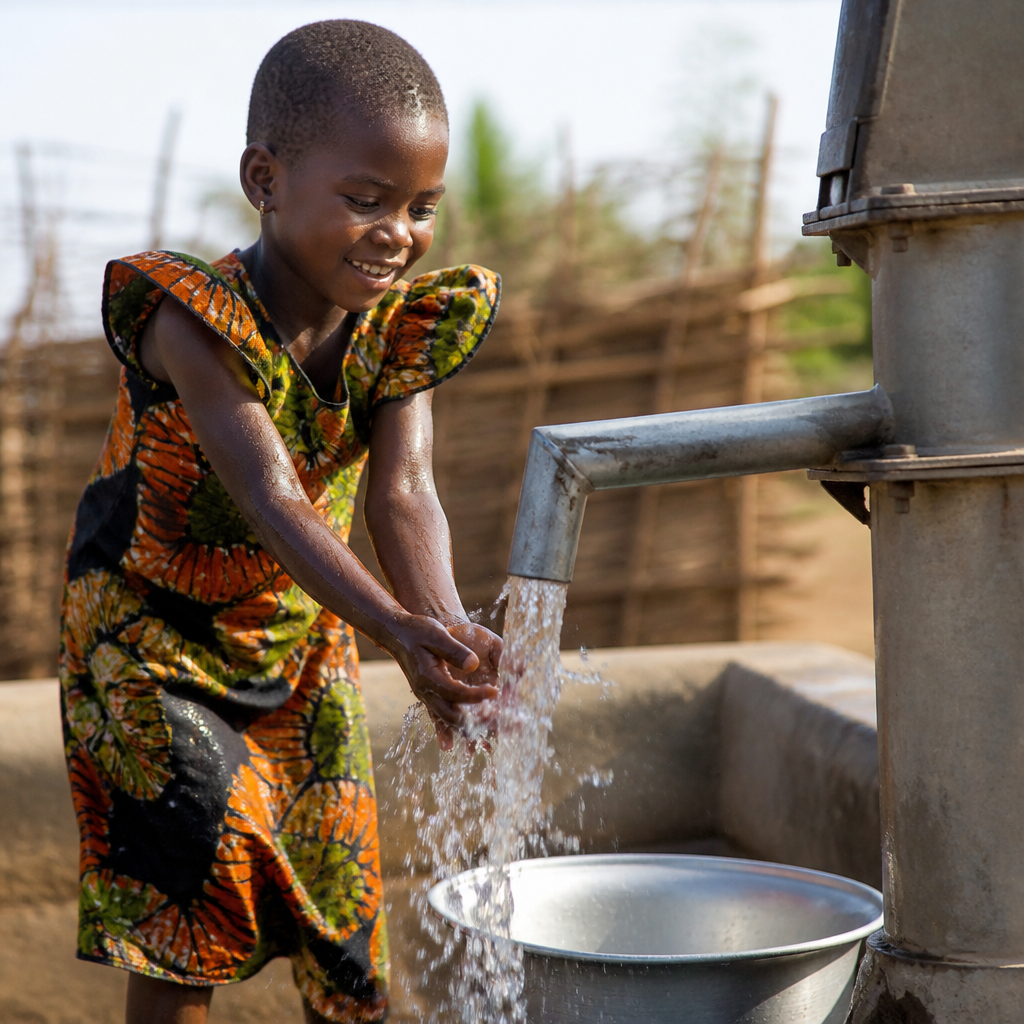
Safe water supply is the foundation of healthy sanitation because every hygiene practice, every toilet system, and every public health safeguard depends on water that is available, reliable, and microbiologically safe. In EcoSan, or ecological sanitation, the goal is not simply to dispose of waste. It is to manage human excreta, greywater, nutrients, and water resources in ways that protect people, conserve ecosystems, and create useful outputs such as compost or fertilizer. That broader goal makes water safety even more important. When water is contaminated, scarce, poorly stored, or inconsistently treated, the entire sanitation chain becomes fragile, from handwashing and toilet use to waste handling and food production.
I have worked on sanitation planning where communities invested in improved toilets yet still struggled with diarrhea, parasitic infections, and odor complaints because water quality and water access were treated as separate issues. They are not separate. Safe water supply supports hand hygiene, cleaning of shared facilities, treatment processes, vector control, and safe reuse practices. The World Health Organization consistently links unsafe water, inadequate sanitation, and poor hygiene to preventable disease burdens, especially among children, older adults, and immunocompromised people. In practical terms, healthy sanitation means reducing exposure to pathogens such as E. coli, cholera-causing Vibrio cholerae, Salmonella, rotavirus, norovirus, helminth eggs, and protozoa. It also means managing chemical risks including nitrates, arsenic, fluoride, and residues from agriculture or industry.
For a hub page focused on safety and wellness in EcoSan, the central idea is straightforward: sanitation systems are only as healthy as the water systems around them. A safe water supply includes source protection, water quality monitoring, treatment, secure storage, distribution, and household handling. Healthy sanitation includes toilets, urine-diverting dry systems, fecal sludge management, drainage, handwashing, menstrual hygiene support, cleaning protocols, and safe resource recovery. Put together, these elements lower disease transmission, support dignity, and make ecological sanitation credible at household, school, farm, and community scale.
This article explains how safe water supply underpins sanitation outcomes, where the most common risks emerge in EcoSan settings, and which controls matter most. It also acts as the hub for this subtopic by outlining the core safety areas that deserve deeper attention: water source protection, treatment options, storage and distribution, toilet hygiene, pathogen barriers in reuse, occupational safety, monitoring, and community behavior. If readers understand these connections, they can make better design choices and avoid the common mistake of treating water and sanitation as separate projects.
Why Water Safety Determines Sanitation Outcomes
Sanitation is often described as the safe management of human waste from capture to treatment to disposal or reuse. That definition is accurate, but in field conditions the deciding factor is usually water safety. Even dry or low-flush EcoSan systems require safe water nearby for handwashing, surface cleaning, menstrual hygiene, laundering reusable materials, and preparing food without recontamination. When households collect water from an unsafe source, pathogens can move from drinking containers to wash stations, from wash stations to hands, and from hands to sanitation surfaces. The result is repeated exposure even if the toilet technology itself is sound.
Safe water supply also affects user behavior. People consistently use and maintain sanitation systems better when water is convenient, affordable, and trusted. In schools, I have seen handwashing rates rise sharply when taps were functional and soap was paired with a reliable water point directly outside the toilet block. The toilet design did not change; the water access did. In contrast, when water points fail, users often skip handwashing, reduce cleaning frequency, and avoid facilities altogether, increasing open defecation or unsafe alternatives. This is why healthy sanitation cannot be measured only by toilet coverage. It must be assessed through functionality, hygiene behavior, and exposure reduction.
Protecting Water Sources in EcoSan Settings
The first safety barrier is protecting the source itself. EcoSan projects often use groundwater, rainwater, springs, boreholes, or small piped systems. Each source has distinct risks. Shallow wells are vulnerable to fecal contamination from nearby pits, animal pens, stormwater runoff, and poor drainage. Springs can be contaminated upslope by latrines or waste dumping. Rainwater harvesting reduces pressure on groundwater but still requires clean roofs, first-flush diversion, covered tanks, and mosquito control. Surface water may appear abundant yet carry high microbial loads after rainfall or agricultural contamination during planting seasons.
Siting matters. Toilets, composting units, soak areas, and sludge handling zones should be separated from water points based on hydrogeology, not guesswork. Distance alone is not enough. Soil type, depth to groundwater, seasonal flooding, slope, and fracture patterns in rock determine whether contaminants travel quickly or are attenuated. Sanitation planners often refer to sanitary surveys, source vulnerability mapping, and protection zones to identify risks before construction. A wellhead apron, drainage channel, raised platform, and secure cover can prevent direct contamination events that simple treatment later struggles to correct.
In EcoSan, source protection has an additional dimension: nutrient reuse. Urine and treated biosolids can be valuable, but mismanaged application near wells, streams, or recharge areas can elevate nitrate levels or introduce pathogens before treatment is complete. The correct response is not to reject reuse. It is to apply clear buffer distances, validated treatment periods, and controlled application methods.
Water Treatment and Household Safety Barriers
When source protection is incomplete, treatment becomes the next essential barrier. The right method depends on the contaminant and the operational context. Chlorination is effective against many bacteria and viruses, leaves a residual in storage, and suits communal systems when dosing is controlled. Filtration technologies range from ceramic filters and biosand units to membrane systems; they differ in flow rate, maintenance needs, and pathogen removal performance. Boiling is familiar and effective microbiologically but requires fuel and does not remove chemicals. Ultraviolet disinfection works well with low-turbidity water but offers no residual protection. In larger systems, coagulation, flocculation, sedimentation, and rapid sand filtration may be needed before final disinfection.
Household handling often determines whether treatment succeeds. Safe water should be stored in narrow-necked or lidded containers, dispensed without dipping hands or cups, and kept separate from containers used for transport or cleaning chemicals. Residual chlorine levels, turbidity, and indicator bacteria such as E. coli are practical markers of performance. In emergency or low-resource EcoSan settings, the most effective approach is usually multiple barriers: protect the source, treat the water, store it safely, and reinforce clean handling.
| Water safety measure | Main risk addressed | Best use case | Key limitation |
|---|---|---|---|
| Spring protection and wellhead sealing | Direct fecal intrusion | Rural groundwater sources | Does not solve upstream pollution |
| Chlorination | Bacteria and viruses | Piped systems and stored water | Less effective in turbid water |
| Ceramic or biosand filtration | Suspended solids and many microbes | Household treatment | Requires routine maintenance |
| Boiling | Microbial contamination | Short-term household use | Fuel cost and no chemical removal |
| Covered storage with tap | Recontamination after treatment | Homes, schools, clinics | Fails if users dip utensils inside |
EcoSan Toilets, Hygiene, and Safe Daily Use
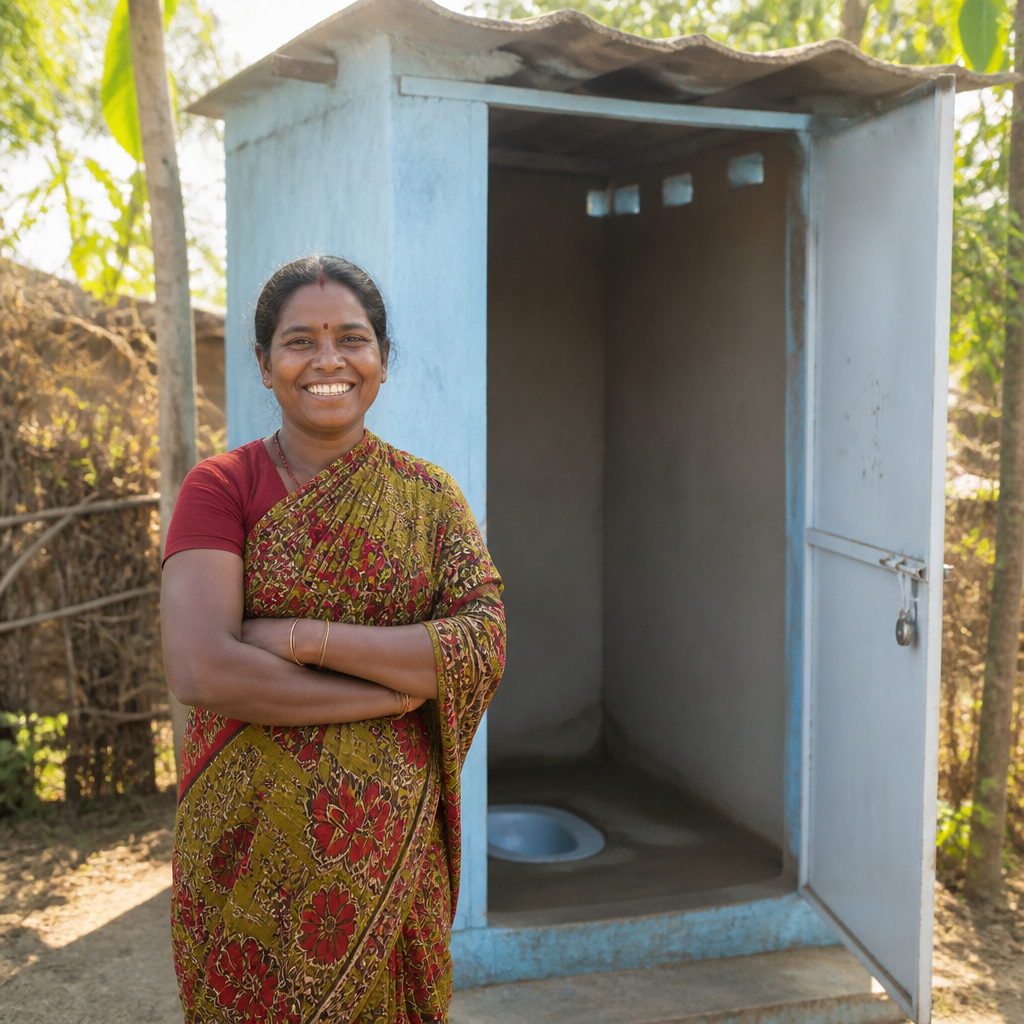
EcoSan covers several systems, including urine-diverting dry toilets, composting toilets, dehydrating vaults, container-based sanitation, and systems designed for nutrient recovery. These approaches can reduce water demand and support circular resource use, but they still depend on excellent hygiene practice. Users need clear instructions on separating urine and feces where relevant, adding cover material such as ash, lime, or dry soil when specified, keeping vaults dry, and cleaning contact surfaces safely. Without these routines, flies, odors, moisture intrusion, and pathogen survival increase.
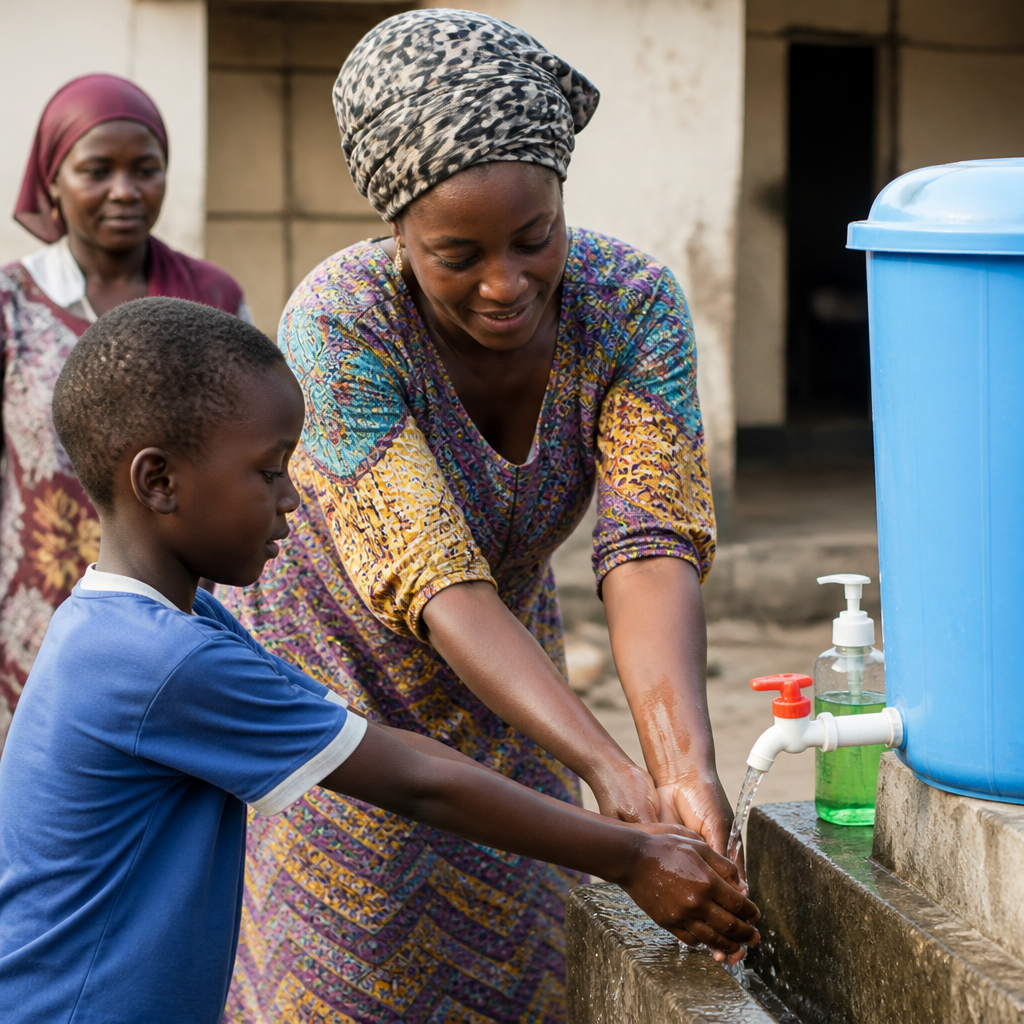
Handwashing with safe water and soap remains the single most important personal protection measure around sanitation facilities. This is true after toilet use, before food preparation, before eating, and after handling child feces or treatment materials. Facilities should place handwashing stations at the point of use, not fifty meters away. Cleaning protocols should identify which surfaces are high touch, which disinfectants are compatible with the toilet materials, and how often cleaning occurs in households, schools, markets, or worksites. Menstrual hygiene support also belongs here because safe sanitation is incomplete when users cannot wash, change, or dispose of materials privately and safely.
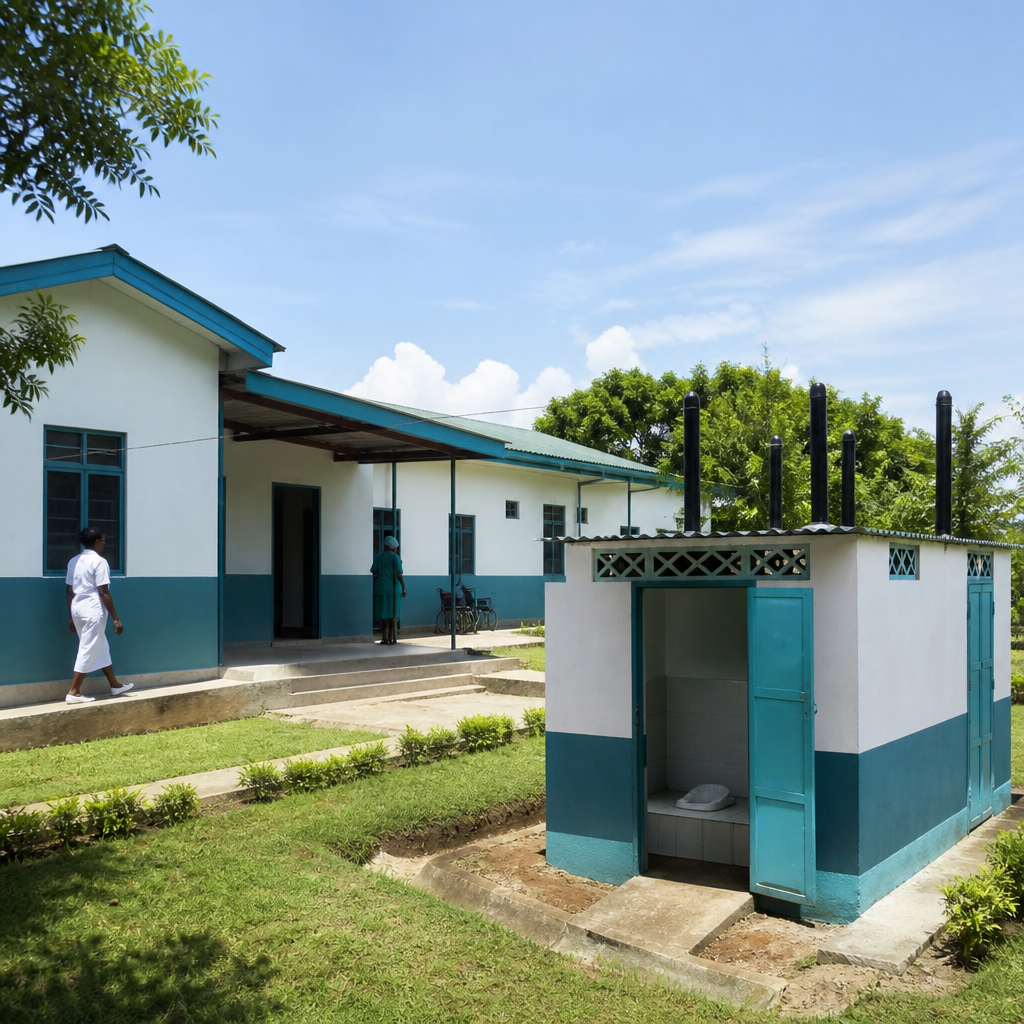
One operational lesson is that facility usability drives hygiene compliance. Adequate lighting, ventilation, privacy, accessible entrances, and easy-to-clean surfaces improve safety as much as technical treatment steps do. If a toilet is dark, dirty, or difficult to enter with water, users adapt in ways designers did not intend.
Pathogen Control in Resource Recovery and Reuse
Resource recovery is one of EcoSan’s main advantages, but it requires disciplined pathogen control. Urine is often low in enteric pathogens compared with feces, yet cross-contamination can occur, especially in poorly maintained systems. Fecal material can contain bacteria, viruses, protozoa, and highly persistent helminth eggs. Treatment objectives should therefore be defined by end use. Storage time, dehydration, composting temperature, pH elevation with lime, and controlled curing periods are established methods, but none should be assumed effective without process control.
For composting systems, temperature and moisture management are decisive. Thermophilic composting can inactivate many pathogens when adequate temperatures are reached throughout the pile, but cold spots are common unless turning and pile geometry are managed well. Dehydration vaults rely on low moisture and time; they are not instantly safe when a chamber is filled. Agricultural reuse should match crop type and exposure route. Applying treated products to tree crops or soil around non-leafy crops is generally safer than direct contact with salad greens eaten raw. Workers should use gloves, boots, masks where dust is generated, and handwashing facilities nearby.
This is where many EcoSan programs succeed or fail. The concept of nutrient recovery is strong, but the safety case depends on validated barriers, documented operating procedures, and user training that continues after installation.
Monitoring, Operations, and Community Health Protection
Healthy sanitation systems do not stay safe by design alone. They stay safe through monitoring, maintenance, and accountability. Water quality testing should include routine microbial indicators, periodic chemical screening where geology or agriculture creates risk, and inspections after floods, repairs, or seasonal change. Sanitation monitoring should track fill levels, moisture intrusion, odor, fly presence, sludge handling practices, and the functionality of handwashing points. In shared or institutional settings, a visible cleaning log and named operator improve compliance because responsibility is clear.
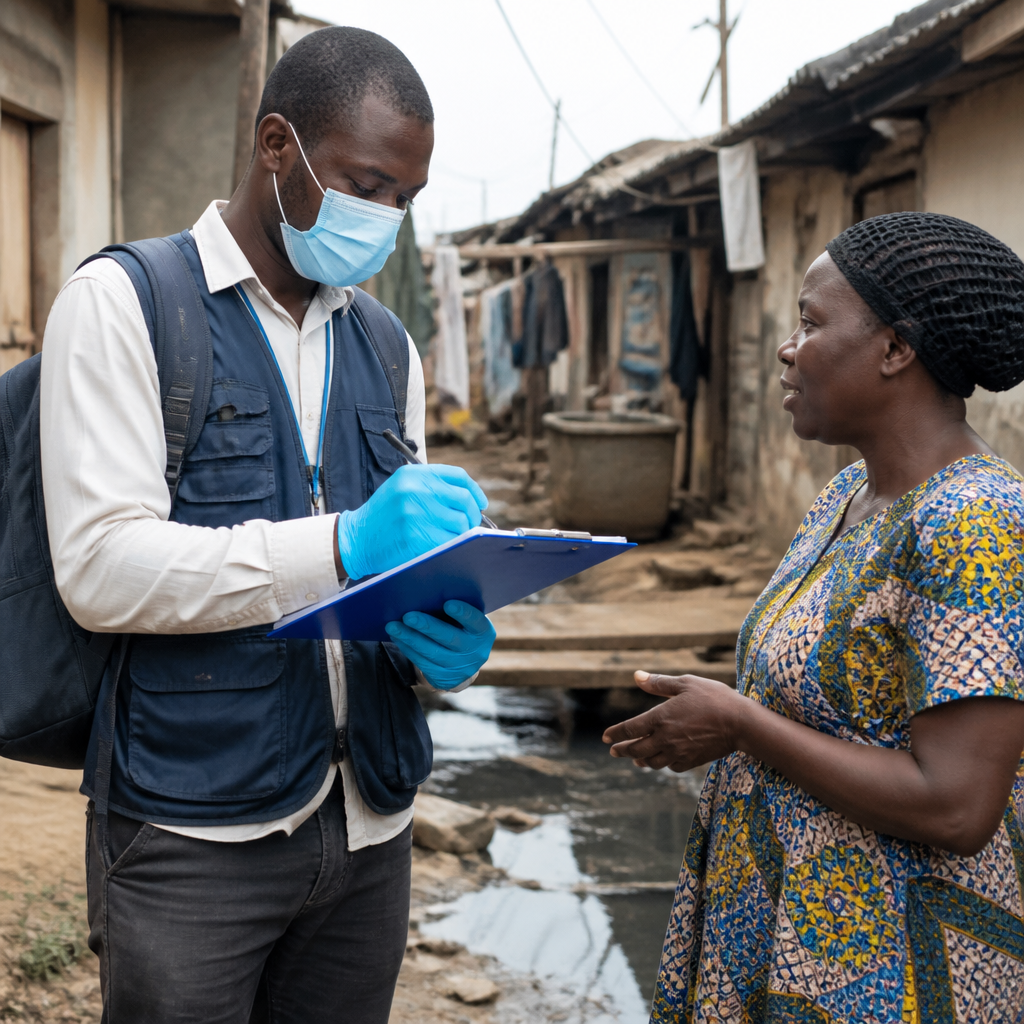
Community engagement matters because many failures are behavioral or organizational rather than technical. Households need to understand why safe storage matters, why child feces are high risk, why greywater drainage should not create stagnant areas, and why reuse products require waiting periods. Local health workers, water committees, school staff, and farmers all influence whether protective measures become routine. The most successful EcoSan programs I have seen treated training as an operational budget item, not a one-time launch event.
For this health and safety hub, the practical takeaway is simple. Start with source protection, verify treatment, enable handwashing, maintain toilets well, control reuse pathways, and monitor performance continuously. Safe water supply is not one component among many. It is the condition that makes sanitation healthy, trusted, and sustainable. If you are building or improving an EcoSan program, review every step where water quality, water access, and human contact intersect, then strengthen the weakest barrier first.
Frequently Asked Questions
Why is a safe water supply considered the foundation of healthy sanitation?
A safe water supply is the starting point for healthy sanitation because sanitation is not only about toilets or waste removal. It is about breaking the chain of disease transmission, supporting hygiene, and protecting both people and the environment. All of these goals depend on water that is consistently available and free from harmful microorganisms and contaminants. If water is unsafe, then handwashing becomes less effective, toilet flushing systems can fail, cleaning routines become unreliable, and the risk of spreading pathogens rises across homes, schools, healthcare facilities, and public spaces.
In practical terms, safe water supports every daily hygiene behavior that keeps communities healthy. People need clean water to wash hands after using the toilet, clean surfaces, bathe, manage menstrual hygiene, prepare food safely, and care for children, older adults, and sick family members. Even sanitation systems designed to reduce water use still rely on safe water somewhere in the chain, whether for personal hygiene, equipment cleaning, or household use. When water is contaminated or irregular, sanitation standards decline quickly, and diseases such as diarrhea, cholera, typhoid, and intestinal infections become much more likely to spread.
From a public health perspective, safe water and sanitation are inseparable. Sanitation systems can only protect health when they operate within a broader environment of reliable water access, sound infrastructure, and good hygiene practices. That is why experts treat safe water supply not as a separate issue, but as the foundation that makes healthy sanitation possible in the first place.
How does safe water support ecological sanitation, or EcoSan?
Ecological sanitation, often called EcoSan, goes beyond the idea of simply disposing of human waste. Its purpose is to manage excreta, greywater, nutrients, and water resources in ways that reduce pollution, protect health, and recover useful materials such as compost or fertilizer. Safe water plays a central role in this system because EcoSan depends on careful resource management, hygienic handling, and protection against contamination at every stage.
One of the main principles of EcoSan is preventing waste from polluting water sources in the first place. Traditional sanitation failures often allow untreated waste to enter rivers, shallow wells, groundwater, or surrounding soils. EcoSan systems aim to interrupt that cycle by separating, treating, or reusing waste safely. But for these systems to deliver real health benefits, people still need microbiologically safe water for handwashing, household hygiene, food preparation, and cleaning tools or storage containers. Without safe water, even a well-designed EcoSan system can be undermined by poor hygiene practices or unsafe exposure pathways.
Safe water also helps EcoSan achieve its environmental goals. When communities protect clean water sources, use water more efficiently, and manage greywater responsibly, they reduce pressure on ecosystems and improve long-term sustainability. In other words, EcoSan is not only about toilets. It is about creating a healthier relationship between sanitation, agriculture, water conservation, and public health. Safe water supply is what allows that larger system to function safely, responsibly, and effectively.
Can a community have good sanitation if its water supply is unreliable or contaminated?
In most cases, no. A community cannot sustain truly good sanitation if its water supply is unreliable, insufficient, or unsafe. Sanitation may appear adequate on the surface if toilets are installed, but the overall system will struggle if people do not have enough clean water to wash hands, clean facilities, manage waste safely, and maintain hygienic living conditions. Infrastructure alone does not guarantee public health protection. Reliable, safe water is what allows sanitation services to work as intended day after day.
When water is unreliable, families often have to prioritize only the most immediate needs, such as drinking and cooking. Hygiene practices like handwashing, surface disinfection, bathing, and toilet cleaning may be reduced or skipped entirely. Schools and clinics are especially vulnerable in these situations because overcrowding, limited supplies, and high user demand can quickly turn minor service interruptions into serious health risks. In communities where water is contaminated, people may unknowingly use unsafe water for washing hands or cleaning utensils, which can continue the spread of disease even if sanitation facilities are present.
There are also broader social and economic consequences. Women and children may spend significant time collecting water, which reduces time for education, work, and caregiving. Health systems face a heavier burden when waterborne and sanitation-related diseases increase. For these reasons, the most effective sanitation strategies always include water security, source protection, water quality monitoring, and practical hygiene support. Good sanitation is not just about having a toilet nearby. It is about having the safe water needed to make sanitation meaningful and protective.
What makes water “safe” for sanitation and hygiene purposes?
Water is considered safe when it is free, or at least low enough in risk, from harmful bacteria, viruses, parasites, and chemical contaminants that could threaten human health. For sanitation and hygiene, microbiological safety is especially important because the goal is to prevent pathogens from moving from feces, wastewater, or contaminated surfaces into people’s mouths, skin, food, and living environments. Water may look clear and still contain dangerous organisms, which is why safety cannot be judged by appearance alone.
Several factors determine whether water is truly safe. First is the quality of the source itself, such as protected wells, treated piped systems, or properly managed rainwater systems. Second is the integrity of the delivery and storage process. Even safe water can become contaminated during transport, in damaged pipes, or in unclean household containers. Third is regular treatment and monitoring, which may include filtration, chlorination, boiling, ultraviolet treatment, or laboratory testing depending on the local context. Safe water also needs to be consistently available in sufficient quantities, because limited access can force people to use unsafe alternatives or cut back on hygiene.
For sanitation systems, safe water means more than drinking quality alone. It means having dependable water that supports handwashing, cleaning, personal hygiene, and safe maintenance of sanitation facilities without creating new contamination risks. In healthy sanitation planning, water safety is therefore assessed across the entire chain: source, transport, storage, use, and disposal or reuse. That full-system approach is essential for protecting health in homes and communities.
What are the most effective ways to protect safe water supplies while improving sanitation?
The most effective approach is to manage water and sanitation as one connected system rather than as separate services. Protecting safe water supplies begins with preventing contamination at the source. That means locating latrines, septic systems, waste pits, and wastewater discharge points at safe distances from wells, springs, and surface water sources. It also means maintaining drainage, preventing flooding around sanitation facilities, and ensuring that human waste is properly contained, treated, or reused under controlled conditions. When excreta are poorly managed, water safety is quickly compromised.
Infrastructure and maintenance are equally important. Water points, storage tanks, pipes, and household containers must be kept clean and in good repair. Sanitation systems need regular emptying, treatment, or composting based on their design, especially in EcoSan models where resource recovery depends on correct handling. Communities also benefit from simple but consistent hygiene measures such as handwashing stations, soap availability, safe greywater disposal, and user education on contamination risks. In institutions like schools and health centers, operation and maintenance plans are critical for keeping both water and sanitation services functional.
Finally, long-term protection requires governance, training, and community participation. Local monitoring of water quality, clear management responsibilities, and public awareness all help systems remain effective over time. EcoSan adds an important sustainability dimension by encouraging nutrient recovery, reduced pollution, and smarter water use, but it still depends on strong safeguards to protect people from pathogens. The most successful sanitation improvements are the ones that combine safe water access, sound engineering, environmental protection, and practical everyday hygiene. That is what creates sanitation systems that are not only functional, but truly healthy and sustainable.