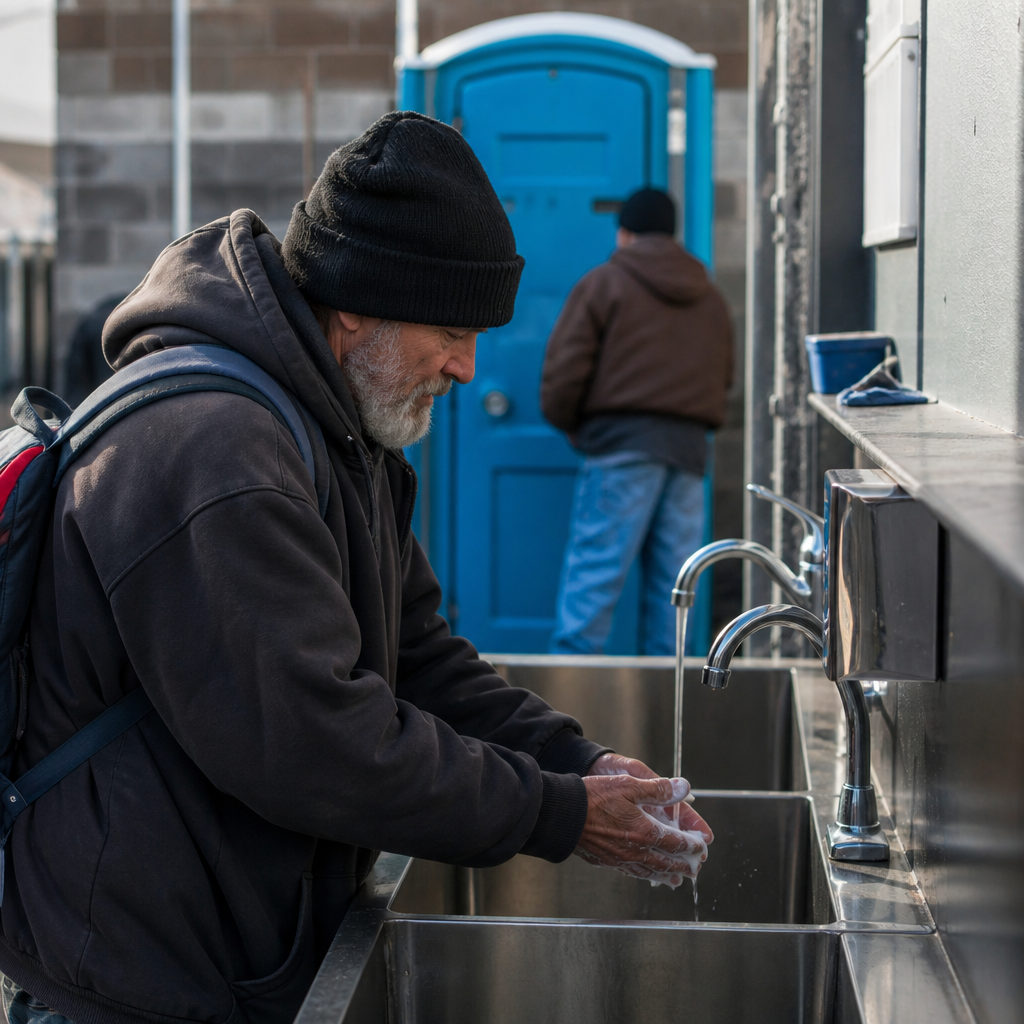
Addressing the sanitation needs of homeless populations requires more than installing a few toilets. It demands a health and safety strategy that protects dignity, reduces disease risk, and makes services dependable for people living outside, in vehicles, in encampments, and in unstable temporary shelter. In this hub on safety and wellness in EcoSan, the central idea is simple: sanitation systems must manage human waste, hand hygiene, menstrual health, bathing, laundry, solid waste, and site cleanliness as one connected public health service. EcoSan, short for ecological sanitation, refers to approaches that treat sanitation as a resource, environmental, and health system rather than a single fixture. In practice, that can include composting toilets, urine-diverting toilets, decentralized treatment, water-saving handwashing stations, safe greywater handling, and maintenance plans designed around real patterns of use.
I have seen sanitation projects fail not because equipment was poorly designed, but because planners ignored how vulnerable users actually move through a day. A person sleeping in a doorway may need a toilet at 2 a.m., a place to wash hands before eating, a way to change menstrual products privately, and a shower close enough to reach without losing personal belongings. If any link breaks, the whole service chain fails. That matters because inadequate sanitation increases gastrointestinal illness, skin infections, urinary tract problems, exposure to violence, environmental contamination, and conflict between encampments and surrounding neighborhoods. The World Health Organization and UNICEF frame sanitation as a core determinant of health, and the same standard applies here: safe access, consistent operations, privacy, and maintenance are not extras. They are the baseline for humane, effective public sanitation.
Why sanitation for homeless populations must be designed as a safety system
Sanitation is often discussed as infrastructure, but for homeless populations it functions first as a safety system. A toilet that is technically available but closed overnight does little to prevent open defecation, dehydration from intentional fluid restriction, or assaults that occur when people travel long distances to isolated facilities. Good design starts with direct questions: Is access available 24 hours a day? Is the path lit? Can a person carry bags inside? Is there enough space for a wheelchair? Are sharps disposal, menstrual product bins, and handwashing located at the point of use? When the answer is no, people improvise, and improvised sanitation creates predictable hazards.
In EcoSan planning, risk assessment should cover biological, chemical, physical, and social hazards. Biological hazards include fecal-oral pathogen transmission, norovirus outbreaks, hepatitis A, shigellosis, and parasitic contamination. Physical hazards include slips, poor lighting, lock failures, and heat stress in enclosed units. Social hazards are just as important: harassment near facilities, discriminatory policing, and service rules that exclude couples, pets, or people carrying carts. A safe sanitation program reduces all of these risks through layout, staffing, operations, and clear rules. The lesson from successful city programs is consistent: usage rises when services are close, clean, and predictable, not when they are merely present on a map.
Core EcoSan service components: toilets, hand hygiene, bathing, and waste streams
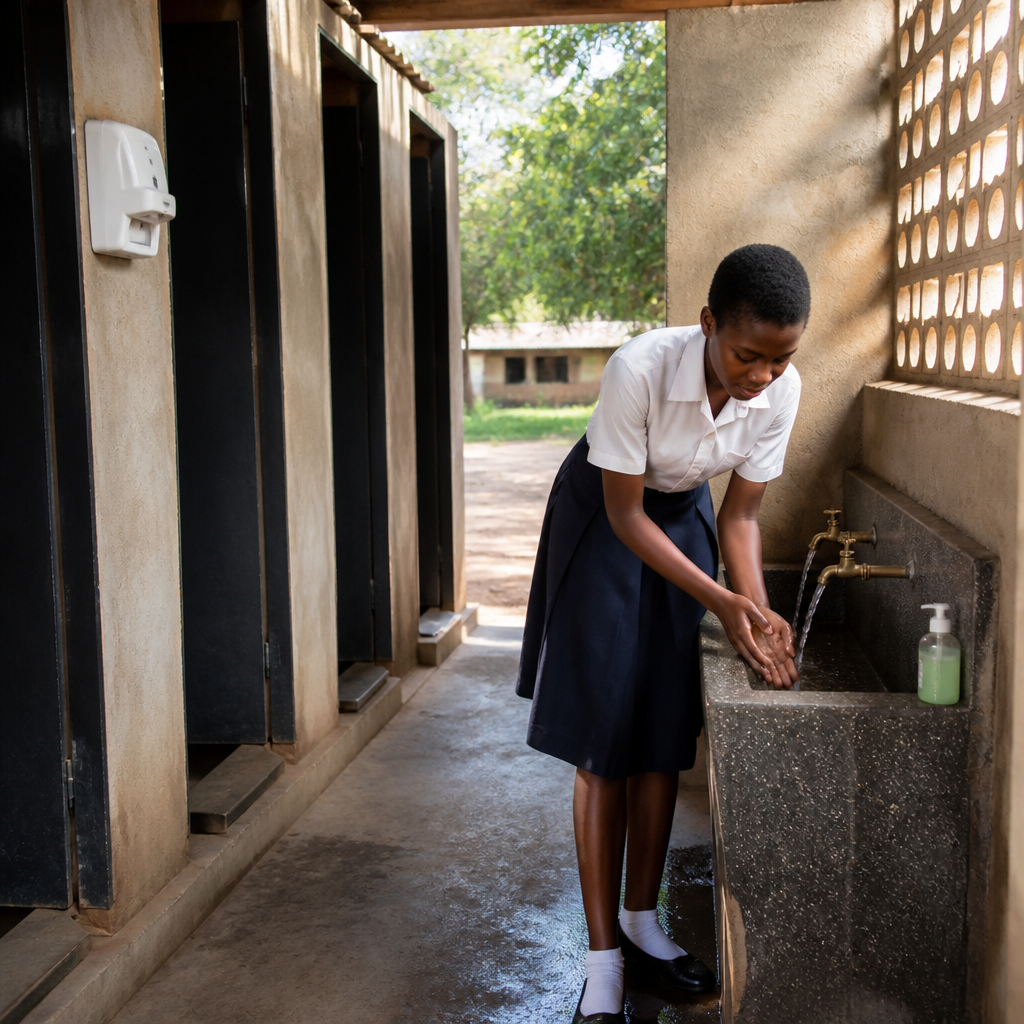
The practical foundation of safety and wellness in EcoSan is a complete service package. Toilets are essential, but standalone toilets rarely solve sanitation needs. A functional hub should combine toilets, handwashing with soap and running water, menstrual hygiene facilities, showers, drinking water access, laundry or clothing exchange, and safe disposal for diapers, incontinence products, and sharps. The best sites also provide mirrors, hooks, shelves, charging points, and attendants trained in de-escalation and overdose response. Those details sound minor until you evaluate actual use. People avoid facilities when they cannot set down belongings, secure a door, or clean up after changing wound dressings or infant diapers.
EcoSan options should be selected by context rather than ideology. Composting and urine-diverting systems can reduce water demand and sewer dependency, which matters in parks, remote service areas, and emergency overflow sites. However, they require disciplined maintenance, moisture control, temperature management, user education, vector prevention, and compliant end-product handling. Flush toilets connected to sewer systems remain the simplest option where utilities exist and janitorial support is reliable. Container-based sanitation can work in tightly constrained sites if collection schedules are rigorous and transfer points are secure. The wrong technology is not the one with the highest price or the lowest water use. It is the one that cannot be operated safely every day by the team and budget actually available.
| Sanitation option | Best use case | Main safety advantage | Primary operational challenge |
|---|---|---|---|
| Flush toilets | Sites with sewer and water access | Familiar use, strong odor control when maintained | Utility dependence and vandalism repair |
| Composting toilets | Parks, remote hubs, low-water settings | Low water demand, potential nutrient recovery | Requires strict maintenance and user guidance |
| Urine-diverting toilets | Decentralized ecological systems | Reduces liquid load and supports resource separation | Misuse can compromise performance quickly |
| Container-based sanitation | Temporary encampment response or constrained sites | Rapid deployment without sewer connection | Frequent collection and secure chain of custody |
| Portable toilets | Short-term surge capacity | Fast placement in underserved areas | Often poor handwashing and weak nighttime safety |
Health protection standards that make EcoSan credible and safe
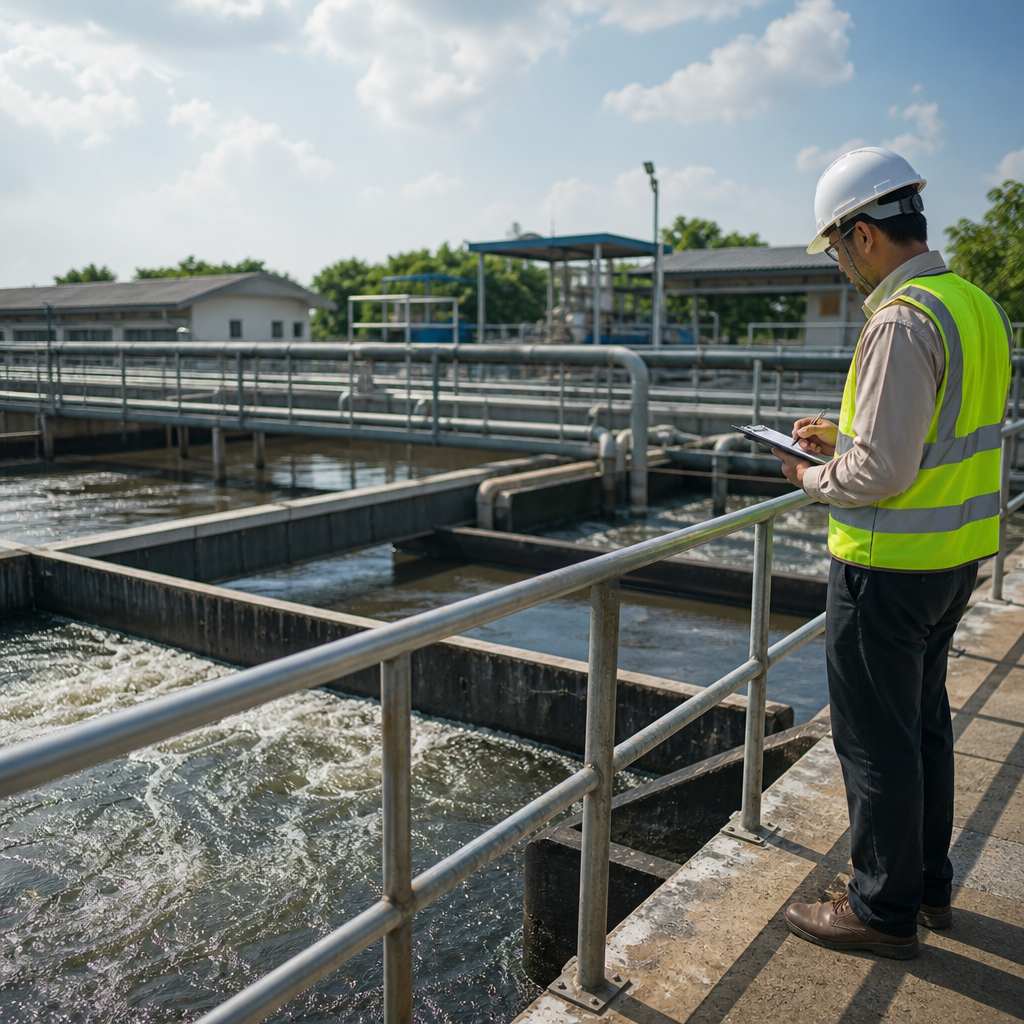
Sanitation services for homeless populations should be run against explicit standards, not informal expectations. At minimum, operators need cleaning schedules, documented replenishment of soap and paper, wastewater or waste haul records, pest control protocols, incident logs, and inspection checklists. Occupational safety matters too. Staff handling waste or cleaning confined spaces need gloves, eye protection, hand hygiene training, and exposure response procedures consistent with OSHA bloodborne pathogen requirements where applicable. If composting or source-separating systems are used, treatment targets, curing periods, and prohibited materials must be documented and enforced. A system that claims environmental benefit but cannot show safe handling is not responsible EcoSan.
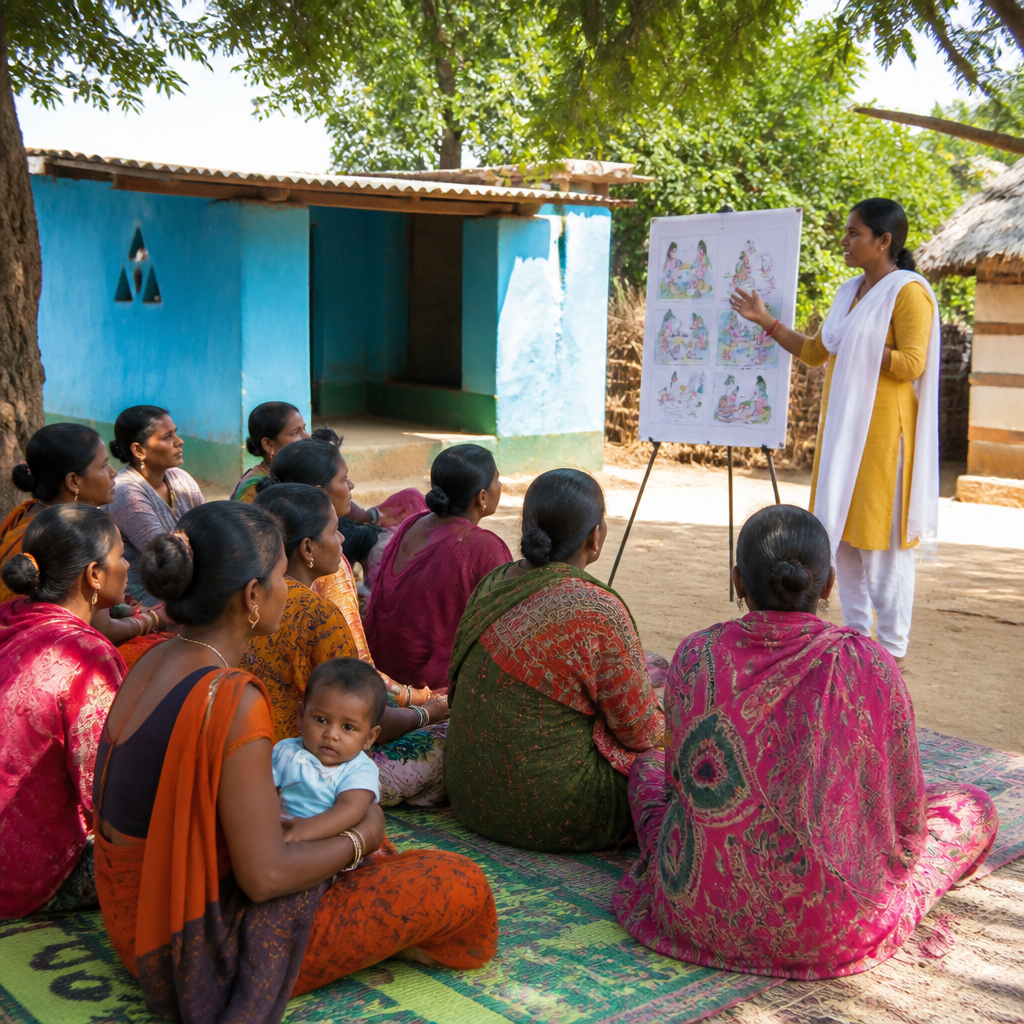
Water, Sanitation and Hygiene guidance offers a practical framework: accessibility, availability, affordability, acceptability, and quality. For homeless users, acceptability often determines success. Facilities must feel safe for women, transgender users, older adults, and people with disabilities. Privacy screens, full-height doors, occupancy indicators, interior lighting, and disposal bins inside stalls significantly improve use. I have also found that attendants change outcomes. Staff presence deters violence, identifies maintenance issues early, and helps people navigate facilities respectfully. The strongest programs combine engineering controls with human support rather than assuming either one can solve the problem alone.
Designing for vulnerable users: trauma, disability, menstruation, and chronic illness
Homeless populations are not a single user group, and sanitation planning fails when it treats them that way. Trauma-informed design is essential because many users have experienced assault, institutional neglect, or medical vulnerability. That means predictable rules, respectful signage, sightlines that support safety without sacrificing privacy, and staff trained to avoid confrontational enforcement. For women and girls, sanitation must include menstrual products, private changing space, sinks inside or immediately adjacent to stalls, and covered disposal. For people with incontinence, chronic diarrhea, ostomies, or mobility limitations, standard public toilet layouts are often inadequate. Wider turning radii, grab bars, adult changing tables in some hubs, and easy-to-clean surfaces are practical requirements, not luxury features.
Accessibility should follow recognized standards such as ADA design requirements in the United States, but compliance alone is not enough. A ramp that meets slope rules still fails if the route is blocked by carts, puddles, or security barriers. Facilities should also account for vision impairment, limited dexterity, and cognitive load. Simple icon-based signs, contrasting colors, lever hardware, and consistent placement of soap and paper improve independent use. When planners include people with lived experience in site reviews, these problems become obvious quickly. Their input is usually more operationally valuable than assumptions made in a conference room.
Operations, maintenance, and the hidden economics of reliability
The most common reason sanitation hubs deteriorate is not technology choice but underfunded operations. Reliability depends on cleaning frequency, consumables, waste removal, preventive maintenance, repairs, and supervision. A city may buy durable restroom units and still end up with unusable facilities if soap dispensers stay empty, locks remain broken, or overflow tickets wait two days. For homeless populations, reliability has compounding effects. When one facility fails, pressure shifts to another site, queues grow, nearby public spaces are used instead, and neighborhood opposition intensifies. From a budget perspective, preventive maintenance is cheaper than crisis response, emergency cleanup, ambulance dispatches for heat or infection complications, and repeated enforcement actions.
Good operators track simple metrics weekly: uptime, average time to refill supplies, cleaning completion rate, complaints by category, sharps found, restroom closures, and usage counts. Smart sensors can help with fill levels or door counts, but they are not a substitute for site staff and inspections. Procurement should specify response times, not just service frequency. For example, a contract that promises cleaning twice daily may still be inadequate at a high-use downtown site. A stronger standard is service adjusted to demand, with escalation after weather events, outbreaks, or encampment growth. In my experience, the most resilient sanitation programs budget for peaks instead of pretending average conditions are the norm.
Integrating sanitation with outreach, healthcare, and environmental management
Sanitation works best when linked to broader health and safety services. Outreach teams can direct people to shower hours, distribute hygiene kits, and flag facilities needing attention. Nurses and street medicine teams can identify sanitation-related health issues such as trench foot, untreated wounds, lice, scabies, dehydration, and gastrointestinal symptoms. Waste crews can coordinate litter, illegal dumping, and sharps pickup so the environment around sanitation hubs stays usable. This integration matters because people do not experience sanitation as an isolated policy category. They experience it as part of survival. A shower site near medical outreach and clean water has more health value than a shower trailer parked alone on an irregular schedule.
Environmental management is also central to EcoSan credibility. Poorly maintained temporary toilets can leak, attract flies, and contaminate stormwater systems, undermining both public trust and ecological goals. By contrast, well-managed decentralized systems can cut water use, reduce haul distances, and support nutrient recovery where regulations permit. Cities such as San Francisco, Portland, and Seattle have tested combinations of staffed hygiene stations, mobile showers, and managed restroom access, showing that sanitation improves when public works, health departments, and community organizations share responsibility. The durable lesson is that no single department owns the whole problem, so no single department can solve it alone.
Measuring success and building a practical hub strategy
A hub article on safety and wellness in EcoSan should anchor action around measurable outcomes. The most useful indicators are not vanity metrics such as toilets purchased or flyers distributed. They are access within walking distance, hours of availability, user satisfaction, incident reduction, reduction in environmental contamination, maintenance response time, and linkage to other services. If open defecation complaints decline but women report feeling unsafe at night, the program is incomplete. If a composting toilet pilot saves water but closure rates are high because staff are not trained, the model is not ready to scale. Success means health protection, dignity, and operational stability at the same time.
For organizations building this topic cluster, the practical next step is to map subtopics beneath this hub: restroom design, handwashing systems, shower operations, menstrual hygiene support, disability access, waste handling, infection prevention, staff safety, and neighborhood engagement. Each area deserves a detailed article, but the central principle stays fixed. Sanitation for homeless populations succeeds when it is treated as essential public health infrastructure with ecological intelligence and relentless operational discipline. Start with user-centered design, choose technology your team can maintain, publish service standards, and measure what people actually experience. That is how EcoSan becomes safer, healthier, and credible for the communities who need it most.
Frequently Asked Questions
Why is sanitation for homeless populations more complex than simply placing portable toilets?
Sanitation for homeless populations is far more complex than setting out a few portable toilets because the real need extends well beyond waste disposal. People living outside, in vehicles, in encampments, or in unstable temporary shelter need a dependable system that supports daily health, personal dignity, and basic safety. That means access to toilets is only one part of a complete sanitation approach. Effective services must also include handwashing stations with soap and water, bathing and shower access, menstrual health supplies and disposal options, laundry services, solid waste collection, and regular site cleaning. Without these connected services, the sanitation system breaks down quickly and people are left with unsafe conditions even if toilets are technically available.
Another reason this issue is more complicated is reliability. A toilet that is too far away, locked at night, poorly maintained, or unsafe to approach is not truly accessible. Sanitation services must work during the hours people actually need them, in the places they are living, and in a way that accounts for mobility limitations, disability access, privacy concerns, weather conditions, and personal security. Women, children, older adults, and people with health conditions often face additional barriers that make inadequate sanitation even more dangerous. A successful strategy therefore looks at the full environment, not just the fixture. It treats sanitation as a public health and human-centered service rather than a temporary add-on.
What sanitation services are most essential for protecting the health and dignity of people experiencing homelessness?
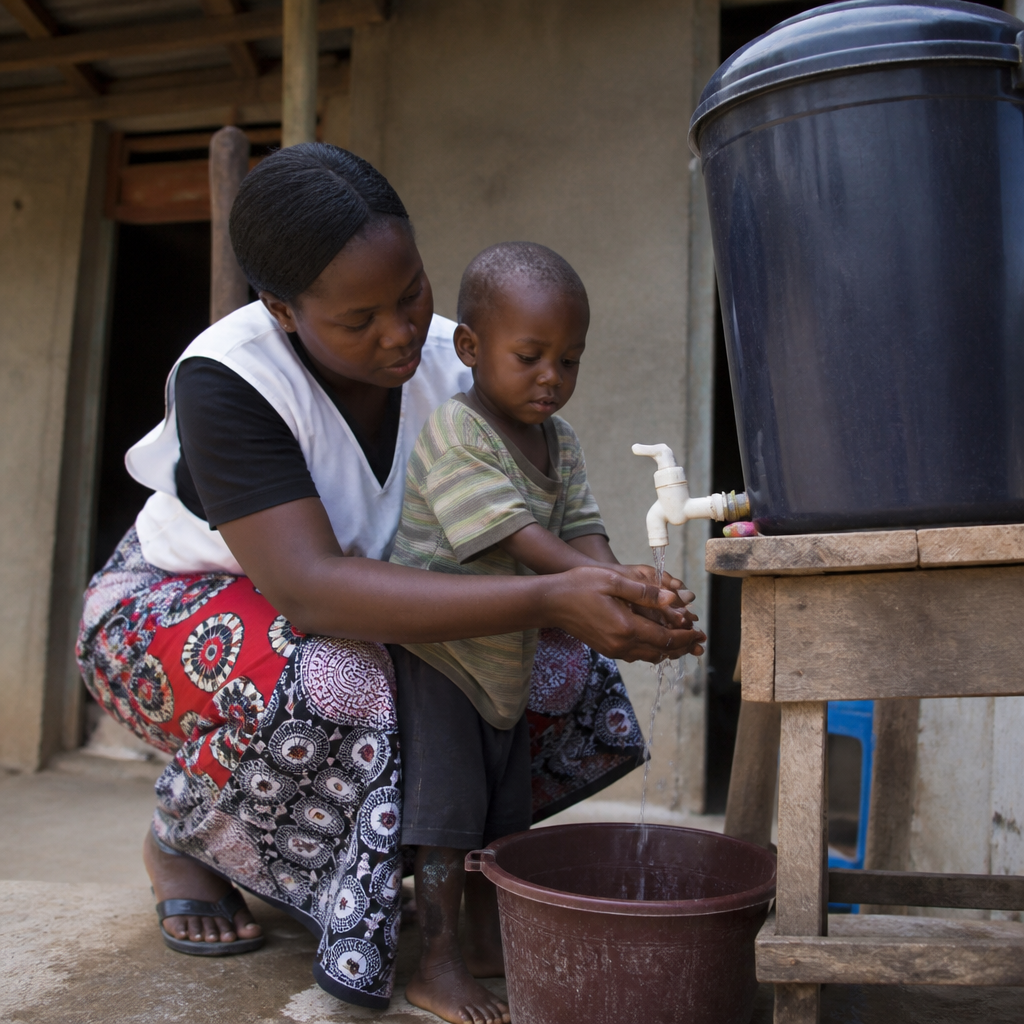
The most essential sanitation services are those that allow people to meet everyday hygiene needs safely, privately, and consistently. First, there must be adequate toilet access with regular cleaning, restocking, and servicing. Toilets should be placed where people can reasonably reach them and should be available at all hours or during extended times that reflect real patterns of use. Handwashing is equally critical. Stations need running water or reliable water delivery, soap, and drying options, because hand hygiene is one of the simplest and most effective ways to reduce disease transmission. Where people are managing food, caring for children, treating wounds, or simply trying to stay healthy in close quarters, access to handwashing has an outsized impact.
Beyond toilets and hand hygiene, dignified sanitation also includes showers or bathing stations, laundry access, menstrual health support, and safe disposal for personal care items and trash. Menstrual health needs are frequently overlooked, but they are central to health, comfort, and dignity. Services should include free or low-barrier menstrual products, private changing space, and disposal containers that are discreet and regularly emptied. Laundry matters because clean clothing and bedding help reduce skin infections, pest problems, and social barriers to work, services, and shelter access. Regular trash collection and site cleaning are also essential because unmanaged waste attracts pests, creates hazards, and contributes to environmental contamination. Together, these services create a sanitation network that supports both public health and human dignity in practical, visible ways.
How does better sanitation reduce disease risk in encampments, vehicle communities, and unsheltered settings?
Better sanitation reduces disease risk by interrupting the pathways through which harmful bacteria, viruses, and parasites spread. When human waste is not safely contained and removed, it can contaminate soil, water, surfaces, and personal belongings. In crowded outdoor settings or informal living areas, that contamination can spread quickly, especially when people lack handwashing facilities or must store food, clothing, and bedding in close proximity to waste exposure. Reliable toilets and waste removal systems help prevent open defecation and reduce the chance that pathogens will enter the immediate environment. Handwashing stations with soap further reduce the transfer of germs from hands to food, faces, wounds, and shared surfaces.
Sanitation also affects broader health conditions that are common among people experiencing homelessness. Limited access to showers and laundry can worsen skin infections, fungal conditions, infestations, and chronic wounds. Inadequate trash collection can attract rodents and insects, increasing pest-related health risks. Poor site cleaning can create slips, trips, sharps exposure, and contact with hazardous materials. During outbreaks of respiratory or gastrointestinal illness, these risks become even more serious because unsanitary environments make disease control much harder. A well-designed sanitation strategy lowers these risks by creating predictable places for hygiene, reducing environmental contamination, and making it easier for outreach workers and health teams to connect people with additional care. In short, sanitation is not separate from healthcare; it is one of its most important front-line protections.
What makes a sanitation program dependable and usable for people living outside or in unstable shelter situations?
A dependable sanitation program is one that people can count on every day, not just during pilot periods, emergencies, or public attention cycles. Dependability starts with location and access. Facilities need to be close enough to where people are actually staying, and they must be open when needed, including early mornings, evenings, and overnight whenever possible. Regular maintenance is equally important. Toilets that are full, damaged, or unsanitary quickly become unusable. Handwashing stations without soap or water fail at the moment they are needed most. Programs work better when there is a clear service schedule, fast response to maintenance problems, and accountability for cleanliness and resupply. If people repeatedly find facilities unavailable or unsafe, they will stop trusting the system.
Usability also depends on design. Sanitation services should provide privacy, lighting, weather protection, accessibility for people with disabilities, and features that accommodate a wide range of users. Safety matters greatly, especially for women and others at higher risk of harassment or assault. People are much more likely to use facilities that feel secure and respectful. Good programs also recognize that communities are not all the same. Someone living in a vehicle may need different access points than someone in a tent encampment or rotating through temporary shelters. Programs are strongest when they are informed by outreach, community feedback, and practical observation of how people move through spaces each day. In other words, dependable sanitation is not just infrastructure; it is an ongoing operational commitment built around real human use.
How can cities, service providers, and communities create a more effective sanitation strategy for homeless populations?
Cities, service providers, and community organizations can create a more effective sanitation strategy by treating it as a coordinated health and safety system rather than a single department task. The first step is assessment: understanding where people are staying, what facilities currently exist, where service gaps are most severe, and which populations face the greatest barriers. From there, the strategy should combine toilets, handwashing, showers, laundry, menstrual health support, trash collection, sharps disposal where needed, and regular site cleaning into a unified service plan. Consistent staffing, maintenance contracts, supply chains, and monitoring systems help ensure that facilities remain usable over time. Data matters, but so does direct engagement with people who rely on the services, because they can identify problems with safety, timing, placement, and upkeep that may not show up in formal reports.
Long-term success also depends on partnership and realism. Public works teams, public health agencies, homeless service providers, outreach workers, and neighborhood stakeholders all have a role to play. Sanitation should connect to shelter access, healthcare, mental health services, case management, and housing pathways whenever possible, but it should never be delayed until housing solutions are complete. People need safe, dignified sanitation now. The most effective strategies are practical, well-maintained, and designed to reduce harm immediately while supporting broader stability over time. When communities invest in sanitation that is humane, reliable, and comprehensive, they protect not only the people directly using those services but also the health and cleanliness of the surrounding environment. That is why sanitation for homeless populations should be seen as essential public infrastructure and a core element of community wellness.