Seasonal changes reshape sanitation and hygiene risks more than most households, schools, and workplaces realize. In EcoSan, short for ecological sanitation, those shifts matter even more because human waste is treated as a resource, water use is often minimized, and system performance depends on weather-sensitive biological processes. Coping with seasonal changes in sanitation and hygiene means adjusting cleaning routines, storage, ventilation, handwashing access, pest control, and user education as temperatures, rainfall, humidity, and water availability change across the year. This is not only a maintenance issue. It is a health and safety issue that affects pathogen control, odor, dignity, worker protection, and environmental protection.
I have seen the same EcoSan toilet block operate smoothly in one season and struggle in the next, not because the technology failed, but because the management routine stayed static while conditions changed. A dry toilet that works well in cool weather may develop fly pressure in heat. A urine-diverting system that is easy to keep clean in dry months may face slippery floors, blocked drains, or contaminated wash areas during storms. Composting chambers can slow when temperatures fall, and stored cover material can become unusable when humidity rises. These are predictable problems, which makes them manageable.
Safety and wellness in EcoSan covers the full chain: user behavior, toilet design, cleaning procedures, fecal sludge handling, urine storage, hand hygiene, menstrual hygiene support, child safety, accessibility, and worker protection. It also includes broader site conditions such as drainage, lighting, ventilation, surface disinfection, vector barriers, and emergency preparedness. The goal is simple: protect people from exposure to pathogens while preserving the environmental benefits that make EcoSan attractive in the first place. That balance matters in homes, informal settlements, schools, healthcare outposts, farms, parks, and disaster-prone communities.
This hub article explains how seasonal conditions affect EcoSan systems, what practical controls reduce risk, and which operating habits create reliable sanitation through the year. It is designed to answer the core questions people ask: What changes in summer, winter, rainy season, or drought? How should cleaning and waste handling adapt? Which design features improve resilience? What should operators monitor? Where should households and institutions focus first if budgets are limited? By the end, you will have a clear framework for making EcoSan safer, healthier, and easier to manage in every season.
How seasonal conditions change sanitation risk in EcoSan
Season affects sanitation through four main variables: temperature, moisture, water availability, and user load. Higher temperatures can accelerate decomposition, but they also increase odors, dehydration risk for workers, and insect breeding if waste is exposed. Heavy rain can flood pits, wash contaminants into living areas, overload drainage routes, and make paths unsafe. Cold weather slows microbial activity in composting systems and can reduce user compliance when handwashing stations are uncomfortable to use. Dry seasons often limit water for cleaning, which can push facilities toward dirty surfaces, clogged urine pipes, and lower handwashing rates.
In EcoSan, these effects are amplified because system success depends on separation, dryness where required, and consistent operation. Urine-diverting dry toilets, for example, rely on proper diversion and dry cover material such as ash, lime, or sawdust. If seasonal humidity turns that material damp, odors rise and handling becomes less hygienic. In composting toilets, the carbon-to-nitrogen balance and moisture content must stay within a workable range; too wet and the chamber becomes anaerobic, too dry and decomposition stalls. Seasonal planning is therefore not optional. It is part of standard risk management.
Public health agencies consistently emphasize barriers between people and fecal pathogens, especially handwashing with soap, safe excreta containment, surface cleaning, and vector control. For EcoSan operators, that means adjusting barriers before conditions deteriorate. Before rainy months, drainage and roof leaks need inspection. Before heat peaks, fly screens, vent pipes, and cover material storage should be checked. Before cold periods, operators should review compost maturation times, user comfort, and water protection against freezing where relevant. Facilities that prepare in advance usually avoid the emergency failures that create disease risk and public distrust.
Wet season priorities: drainage, contamination control, and user safety
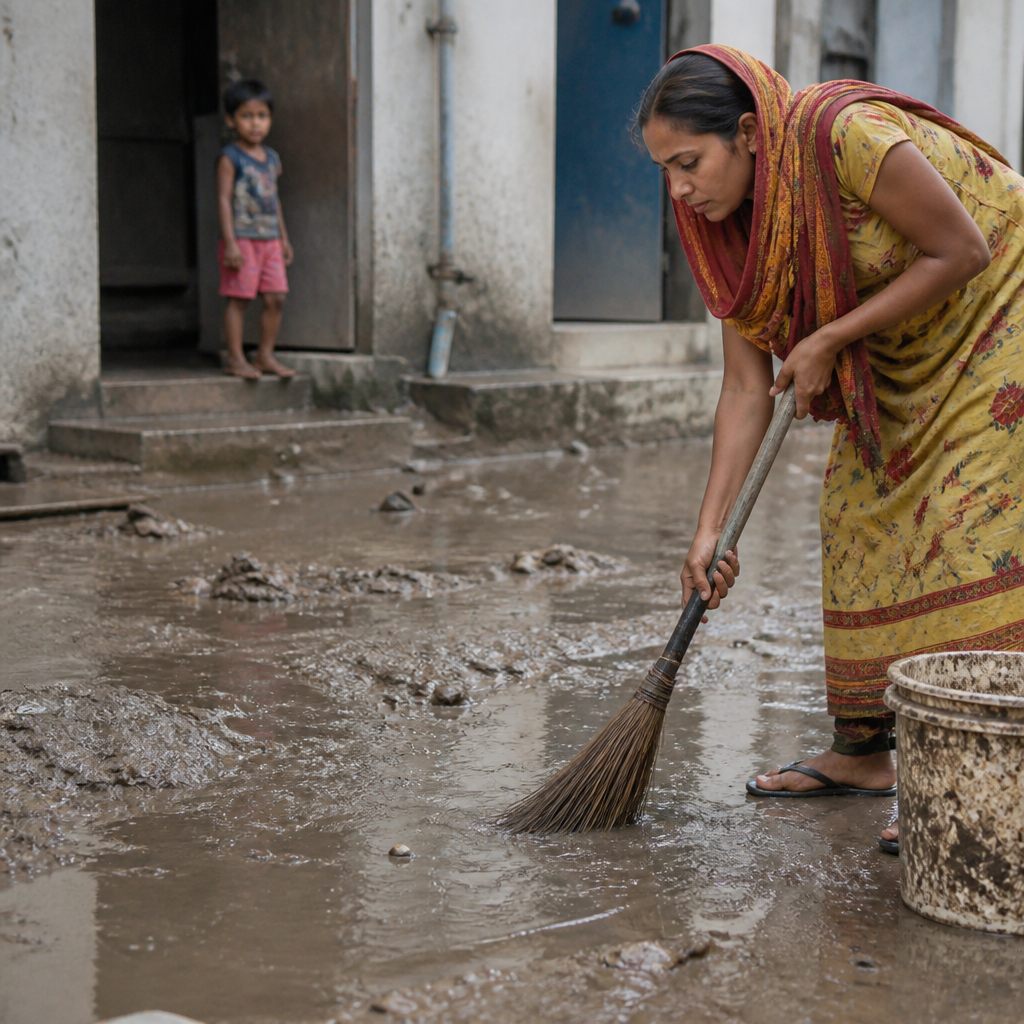
Rainy periods create the fastest sanitation failures because water moves contamination. The first priority is site drainage. Toilet entrances should slope away from the structure, roof runoff should be directed into gutters and away from foundations, and greywater channels must stay open. If runoff pools near a toilet block, users track mud and fecal matter indoors, increasing slip hazards and making surfaces harder to disinfect. In schools and markets, I recommend pre-season inspections that check downpipes, splash zones, soakaway condition, and erosion around handwashing areas.
The second priority is preventing cross-contamination inside the facility. Wet floors spread organisms and lower user confidence, so cleaning frequency often needs to double during peak rain. Use color-coded tools where possible to separate toilet cleaning from handwashing-area cleaning. Keep soap and hand-drying options protected from splashing. If a facility depends on ash or sawdust, store it in sealed bins on raised platforms. Once cover material becomes wet, it cakes, loses absorbency, and often gets abandoned by users. That single failure can trigger odors, flies, and visible fouling within days.
Storm resilience also matters. Doors, latches, lighting, and non-slip flooring directly affect injury risk and access. Menstrual hygiene supplies should be available because rainy conditions often keep users on site longer and reduce travel flexibility. For institutions, place emergency cleaning kits in waterproof containers with gloves, chlorine-based disinfectant where appropriate, brushes, absorbent material, and spare soap. If localized flooding is possible, define a temporary closure threshold and a backup facility plan. A sanitation system that remains open while contaminated can do more harm than a short, well-managed closure.
Hot season priorities: odor, dehydration, pests, and accelerated wear
Hot weather changes both biology and behavior. Higher temperatures can improve pathogen die-off in some stored materials, but in active toilet spaces heat usually increases odor release, ammonia volatilization, and user discomfort. Odor control starts with airflow. Vent pipes should be unobstructed, insect screens intact, and superstructures designed to support passive ventilation. In urine-diverting systems, regular flushing of urine pipes with the recommended small volume of water or vinegar solution, depending on design guidance, helps reduce scaling and smell. Daily surface cleaning becomes more important as evaporation concentrates residues.
Pest pressure rises sharply in heat. Flies breed where fecal matter is accessible, cockroaches shelter in damp cracks, and rodents seek water near sanitation blocks. The response should be integrated rather than cosmetic: keep interfaces clean, close access points, repair screens, empty bins on schedule, and maintain vegetation around structures. Avoid overreliance on spraying insecticides inside toilets, especially in poorly ventilated spaces. Mechanical barriers and disciplined housekeeping are safer and more sustainable. In community facilities, a single missed waste removal cycle in summer can trigger a noticeable pest problem.
Worker and user wellness also need attention. Cleaners face heat stress, especially when using impermeable gloves and boots. Schedule heavy cleaning for cooler hours, provide drinking water, and rotate tasks. Soap stations should be checked more often because high use and evaporation can leave them empty. If water is scarce, alcohol-based hand rub can supplement but not replace handwashing when hands are visibly soiled. Heat also accelerates material wear: sealants crack, plastic tanks deform, and door hardware loosens. Preventive maintenance during hot months is cheaper than emergency replacement later.
Cold and dry season priorities: reduced biological activity and water scarcity
Cold weather slows decomposition, which means composting and dehydration timelines may need adjustment. Operators should not assume that a chamber is safe to empty on the same schedule used in warmer months. Temperature affects pathogen reduction, especially for helminth eggs and other persistent organisms. Where guidance requires storage or treatment periods, respect the full duration and build in a seasonal margin. In practice, that may mean rotating chambers less aggressively and improving records so no one opens a vault prematurely. Labels, lockout procedures, and clear dates prevent risky mistakes.
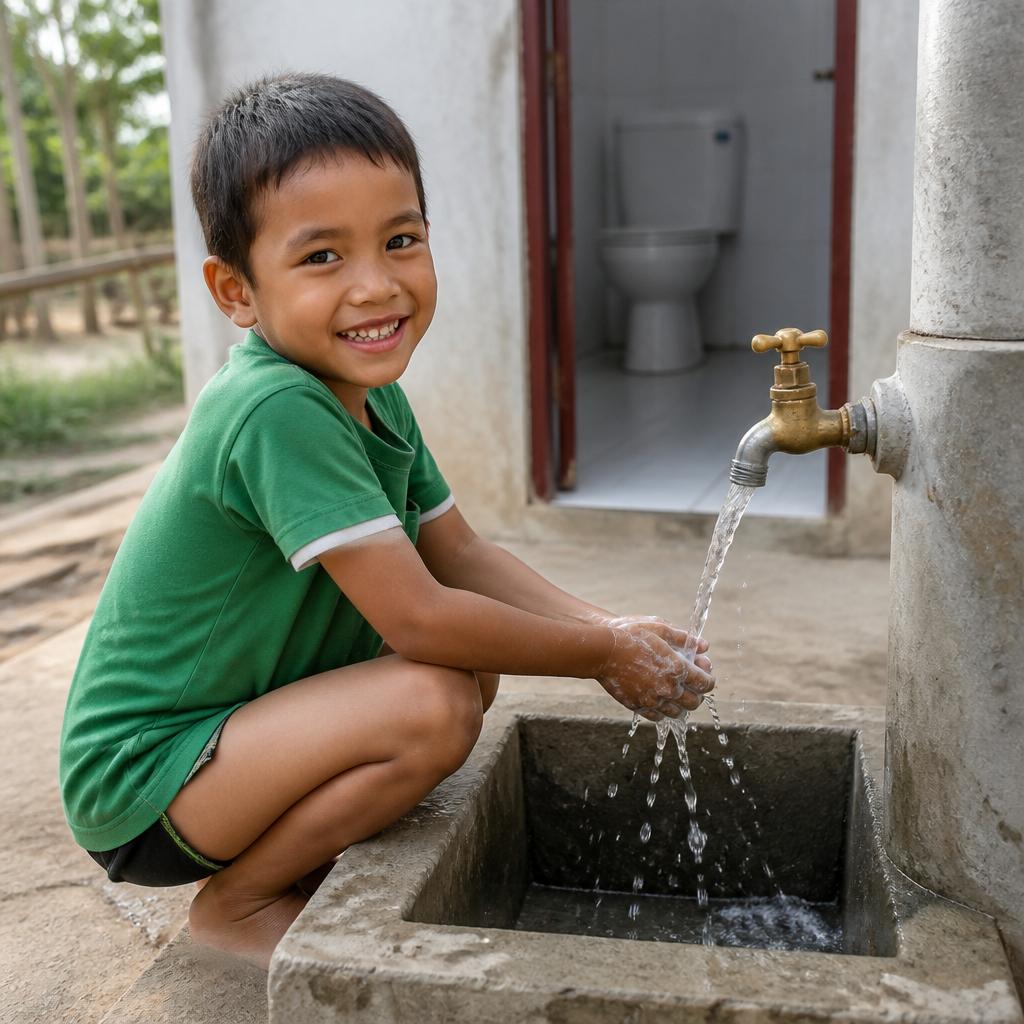
Dry seasons bring a different problem: not enough water for cleaning and hand hygiene. This is where EcoSan design can help or hurt. Low-water systems reduce demand, but users still need reliable handwashing. Tippy taps, foot-operated dispensers, and small-volume taps can maintain hygiene with limited water. Cleaning methods also have to adapt. Dry sweeping of contaminated toilet areas should be avoided because it can aerosolize particles; damp wiping or controlled washing is safer. If water quality drops during drought, stored cleaning water should be covered and treated according to local health guidance.
User behavior often shifts in cold or windy weather too. People may rush, skip handwashing, or avoid facilities that feel dark and uncomfortable. Small design changes improve compliance: better lighting, draft reduction, hooks for clothing, and handwashing stations placed where they are easy to use without splashing. In schools, teachers and caretakers should reinforce routines at the start of colder months. Systems fail socially before they fail technically; if users stop following separation and hygiene steps, no design feature can fully compensate.
Operational controls that keep EcoSan safe year-round
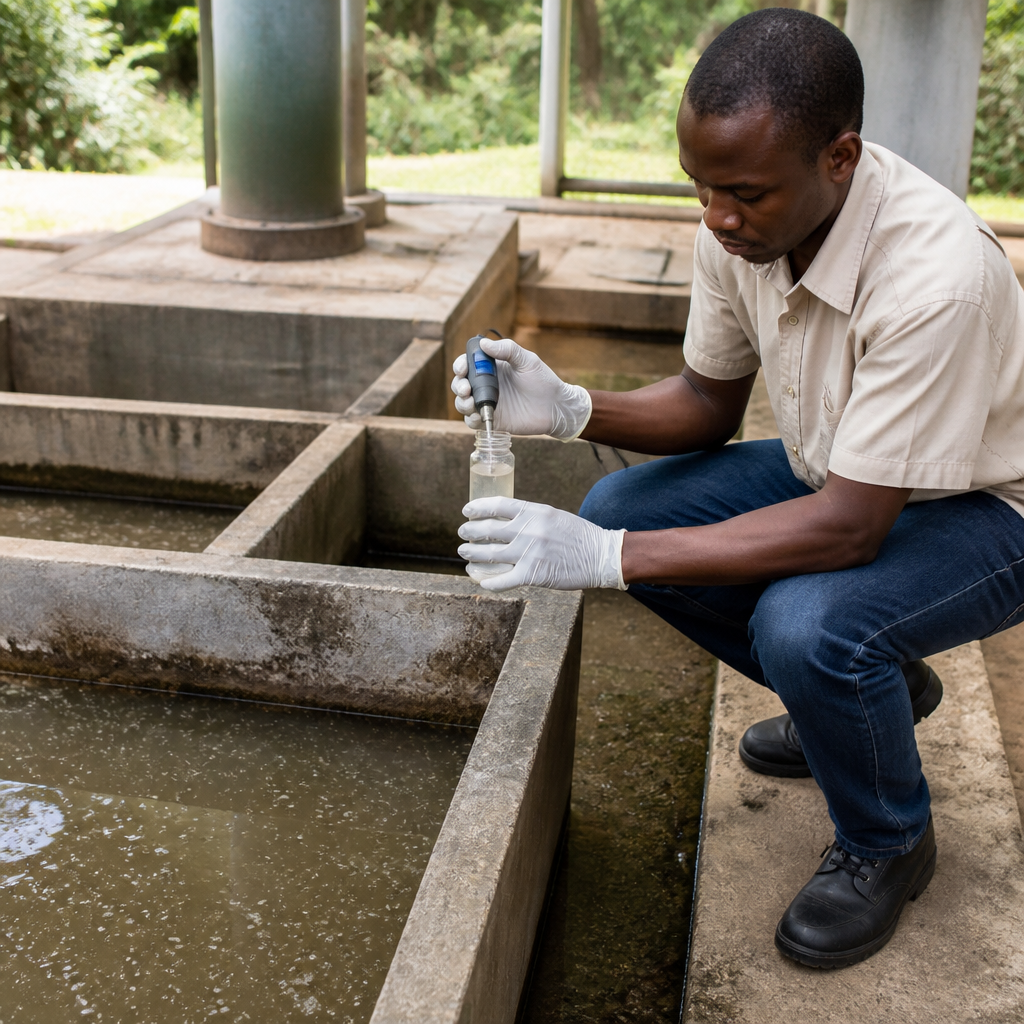
Reliable sanitation comes from routines that are simple enough to repeat and specific enough to audit. Every EcoSan site should have a seasonal operations checklist covering cleaning frequency, cover material stock, PPE supply, drainage inspection, vent inspection, handwashing refill rates, and waste transfer schedules. A basic monitoring log can track odor complaints, fly presence, surface cleanliness, leaks, and chamber status. When I help operators troubleshoot, the best-performing sites are rarely the most expensive. They are the ones with visible routines, named responsibilities, and quick correction when standards slip.
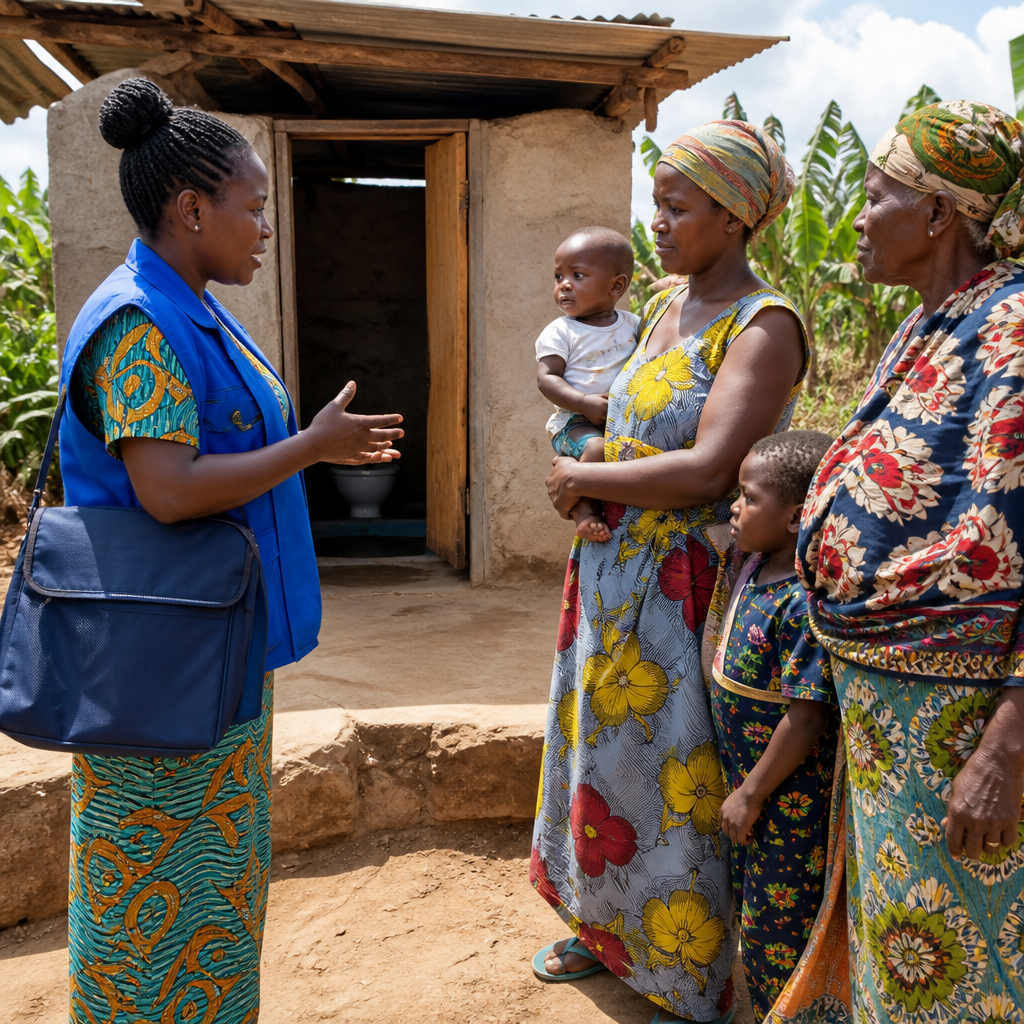
Training should match actual tasks. Cleaners need instruction on contact times for disinfectants, safe glove removal, and when masks or eye protection are appropriate. Waste handlers need clear procedures for chamber emptying, tool disinfection, and transport. Users need plain-language signage showing how to use urine diversion, where to place menstrual products, and how much cover material to add. Children need demonstrations, not only posters. Accessibility matters too: if older adults or people with disabilities cannot use the toilet or handwashing point safely in bad weather, exposure risk increases elsewhere.
| Season | Main risks | Most effective controls |
|---|---|---|
| Rainy | Flooding, wet floors, contaminated runoff, blocked drains | Drainage maintenance, raised storage, more frequent cleaning, non-slip surfaces |
| Hot | Odor, flies, dehydration, faster wear of materials | Ventilation checks, pest barriers, worker hydration, preventive maintenance |
| Cold | Slow composting, reduced handwashing compliance, user discomfort | Longer treatment times, better lighting, warm-access design, clear scheduling |
| Dry | Water scarcity, dirty surfaces, reduced soap availability | Low-flow handwashing, protected water storage, efficient cleaning methods |
Design improvements can also reduce seasonal stress. Raised foundations help in flood-prone areas. Ventilated improved superstructures reduce heat and odor. Sealed storage for ash or sawdust preserves function during humid months. Easily cleanable wall finishes and coved floor edges reduce labor and improve disinfection quality. In larger facilities, separate traffic flow for cleaning tools and user supplies lowers contamination risk. These upgrades support every article in this Safety and Wellness in EcoSan hub, from hand hygiene and PPE to menstrual hygiene management, vector control, sludge handling, and climate resilience planning.
Health protection, treatment standards, and community trust
EcoSan only delivers health benefits when treatment claims match real operating conditions. That means respecting established sanitation principles: contain excreta, reduce pathogen survival through time and treatment, prevent contact during handling, and protect water sources from contamination. Urine and feces should never be assumed safe immediately after collection. Storage periods, pH effects, moisture control, compost maturity, and crop restrictions all require local technical guidance and, where possible, public health oversight. If the system is marketed as safe but smells bad, attracts flies, or leaks in storms, community trust disappears quickly.
Trust also depends on communication. Users should know what to expect each season and whom to alert when a problem appears. A posted maintenance contact, visible cleaning schedule, and quick response to complaints do more for health protection than polished messaging. For institutions, incident reporting should include near misses such as slips, blocked handwashing points, or missing PPE, not only outbreaks. Those signals reveal weak controls before illness occurs. The strongest EcoSan programs treat sanitation as an active service, not a static installation.
The core lesson is practical: adapt the system before the season changes, not after it fails. Review site risks, train the people doing the work, protect handwashing, keep waste streams separated, and monitor small warning signs. Seasonal sanitation management is how EcoSan becomes dependable, dignified, and genuinely health protective. Use this hub as your starting point, then build a checklist for your facility, household, or project and update it every season.
Frequently Asked Questions
Why do seasonal changes have such a big impact on sanitation and hygiene practices?
Seasonal changes affect far more than comfort and daily routines—they directly influence how sanitation systems function, how quickly waste breaks down, how easily germs spread, and how reliable hygiene access remains. Temperature, rainfall, humidity, drought, and wind all shape sanitation conditions in homes, schools, workplaces, and community facilities. In warmer months, higher temperatures can speed biological activity, increase odors, encourage fly breeding, and raise the risk of contamination if waste storage and handling are poorly managed. In colder months, low temperatures can slow decomposition, reduce evaporation, freeze pipes or water supplies, and make handwashing less consistent if water feels difficult to access or unpleasant to use.
These issues are especially important in ecological sanitation systems because EcoSan depends on controlled moisture levels, effective separation, good ventilation, and stable treatment conditions. A system that performs well in a dry season may need different management during heavy rains or prolonged humidity. For example, excess moisture can interfere with urine-diverting toilets, dry toilets, and composting processes by making stored material wetter than intended. That can increase odor, attract pests, and reduce treatment effectiveness. During drought, by contrast, hygiene behaviors may suffer because people try to conserve water, sometimes reducing handwashing frequency or cleaning quality. The key lesson is that sanitation and hygiene are not static. They require seasonal planning, observation, and practical adjustments to keep users safe and systems functioning properly all year long.
How should households and facilities adjust sanitation routines during the rainy season?
Rainy seasons require a much more proactive sanitation routine because water can quickly become both a transport pathway for contamination and a source of operational stress on sanitation systems. The first priority is preventing stormwater from entering toilets, storage chambers, treatment areas, or waste handling spaces. Roof leaks, poor drainage, cracked slabs, and unsealed access covers should be fixed before heavy rains begin. In EcoSan settings, keeping urine-diverting and composting systems dry is essential. If rainwater enters chambers or storage containers, it can disrupt decomposition, create strong odors, increase pathogen survival, and make emptying more difficult and less hygienic.
Cleaning frequency should also increase during wet periods. Mud, standing water, and higher foot traffic often mean more contamination around entrances, toilet floors, and handwashing points. Surfaces should be cleaned regularly with attention to door handles, seats, slabs, taps, and frequently touched areas. Facilities should check that handwashing stations remain stocked with soap and are located where users can reach them without stepping through flooded or dirty areas. Drainage channels should be kept clear so water does not collect near sanitation structures, since stagnant water can attract insects and create slip hazards.
Storage and transport practices matter just as much. Any ash, sawdust, cover material, toilet paper stock, soap supplies, and cleaning tools should be stored in dry, protected spaces. Waste removal pathways should be safe and stable even in muddy conditions. User education is another major rainy-season need. People should understand why lids must stay closed, why cover material must be applied correctly, and why reporting leaks or odors early prevents larger failures. In schools and workplaces, assigning routine seasonal inspections can make a major difference. A rainy-season sanitation plan should always include drainage checks, moisture control, ventilation monitoring, cleaning schedules, and contingency steps for flooding or overflow.
What sanitation and hygiene challenges are most common during hot and dry seasons?
Hot and dry seasons often create a different set of problems, many of which are less visible at first but can become serious if ignored. One of the biggest concerns is reduced water availability. When households, schools, or businesses start conserving water, hygiene practices may be the first thing to weaken. People may wash hands less often, clean toilets less thoroughly, or delay maintenance that seems nonessential. That creates an opening for disease transmission, especially in high-use environments. Maintaining handwashing access during dry periods is non-negotiable, even if water-saving measures are necessary. Low-flow taps, tippy taps, carefully managed storage containers, and planned water allocation can help preserve hygiene without wasting resources.
Heat also affects sanitation systems directly. In EcoSan systems, high temperatures can speed drying and biological processes, which may be helpful in some cases, but they can also intensify odors if ventilation is poor or if chambers are overloaded. Dry conditions may produce more dust, which can affect cleanliness and user comfort around sanitation areas. Flies and other pests may become more active if waste is not adequately covered or containers are left open. Urine storage areas, feces chambers, and composting units should be checked regularly for signs of cracking, excess dryness in structural materials, odor leakage, or insect access points.
Cleaning routines during hot weather should focus on consistency rather than water-heavy washing alone. Dry sweeping contaminated areas can spread particles, so methods that safely remove dirt without creating dust are preferable. Surfaces should still be disinfected as needed, and cover materials should remain dry, clean, and available at all times. User messaging is especially important during drought conditions. People should understand that water conservation should never mean abandoning hand hygiene or safe toilet use. A strong hot-season strategy balances resource efficiency with strict hygiene protection, ensuring that sanitation remains safe, dignified, and practical despite limited water and rising temperatures.
How can ventilation, pest control, and waste storage be managed across different seasons?
Ventilation, pest control, and waste storage are three of the most season-sensitive parts of sanitation management, and each one affects the others. Good ventilation helps reduce moisture, control odors, improve user comfort, and support more stable treatment conditions in toilets and storage chambers. During humid or rainy months, ventilation openings should be checked to ensure they are not blocked by debris, nests, or damaged screens. Airflow must remain strong enough to prevent dampness from building up inside toilet structures or waste treatment areas. In cooler months, some facilities reduce airflow to keep spaces warmer, but this should be done carefully so that condensation and odor problems do not increase.
Pest control also changes with the weather. Flies, cockroaches, rodents, and mosquitoes become more active under different seasonal conditions, and sanitation areas can attract them if maintenance slips. The best control method is prevention: keep lids closed, apply cover material properly, seal cracks, repair screens, remove standing water, and clean spills immediately. Waste storage containers and chambers should be secure, dry when required, and inaccessible to animals. If compost, treated solids, or other recovered materials are being stored for later use, they should be clearly separated from fresh waste and protected from rain, runoff, and scavengers. Seasonal inspections should look for burrows, insect breeding points, gnawed materials, and signs of entry around doors or roof lines.
Storage management should always reflect weather conditions. In wet seasons, moisture exclusion is the priority. In dry and hot seasons, preventing excessive odor, over-drying in the wrong places, and pest access may require more frequent checks. Labeling storage areas, rotating stock such as ash or sawdust, and training users and cleaners to recognize early warning signs all help maintain system stability. A well-managed sanitation facility does not wait for pests, smells, or leaks to become obvious. It builds seasonal monitoring into routine operations so small issues are corrected before they affect hygiene and health.
What are the best ways to keep sanitation users informed and hygienic as conditions change throughout the year?
User education is one of the most effective and most overlooked tools in seasonal sanitation management. Even a well-designed system can fail if users do not understand how weather affects proper use. People need simple, repeated guidance on what changes seasonally and why those changes matter. In EcoSan systems, this may include instructions on keeping urine and feces separated, adding the correct cover material, avoiding the introduction of excess water, reporting blockages or leaks, and washing hands every time after toilet use. These messages should be adapted to the season. Before rainy periods, users should be reminded about moisture control, clean access paths, and the importance of keeping chambers sealed. Before dry or hot periods, communication should emphasize handwashing despite water conservation, odor prevention, and pest awareness.
The most successful education efforts are practical and visible. Signage near toilets and handwashing stations can reinforce key actions. Staff briefings, school demonstrations, workplace announcements, and community meetings can explain seasonal adjustments in ways that feel relevant rather than technical. Cleaners and maintenance teams should receive more detailed training so they can spot early warning signs such as unusual wetness, persistent smell, insect activity, reduced airflow, or low hygiene supplies. In shared facilities, assigning clear roles for inspections, cleaning, restocking, and reporting helps prevent gaps during busy or unpredictable seasons.
It is also important to make hygienic behavior easy, not just expected. Handwashing stations should stay accessible year-round, soap should be consistently available, and sanitation spaces should feel safe and usable in both wet and dry weather. If people have to walk through mud, use a dark structure, or search for supplies, compliance will drop. Seasonal preparedness works best when infrastructure, maintenance, and education support each other. When users understand the reason behind seasonal changes and have the tools to respond correctly, sanitation and hygiene become more resilient, more effective, and much safer in every season.