Ensuring safe water through effective EcoSan starts with one practical truth: sanitation systems protect health only when they interrupt the movement of pathogens from human waste into drinking water, food, hands, and the wider environment. EcoSan, short for ecological sanitation, is an approach that treats human excreta as a resource to be managed safely rather than a waste stream to be hidden and forgotten. In field work across rural compounds, schools, and peri-urban settlements, I have seen the same pattern repeatedly: where containment, treatment, and user behavior are strong, diarrheal disease drops, water sources stay cleaner, and maintenance costs become more predictable. Where any of those elements fail, toilets may exist on paper while contamination continues unseen.
For a health and safety hub, prioritizing health in EcoSan means looking beyond toilet construction. It includes source protection, pathogen reduction, handwashing, child feces management, sludge handling, menstrual hygiene, vector control, occupational safety, and the quality of water used for cleaning and reuse. Effective EcoSan systems are designed to separate people from pathogens at every step, from the toilet interface to storage vaults, transport, treatment, and final agricultural application. This matters because unsafe sanitation remains a major driver of enteric infections, helminth transmission, stunting, and lost productivity, especially where groundwater is shallow or infrastructure is weak. A well-run EcoSan program protects water, supports nutrient recovery, and reduces public health risk at the same time.
This article serves as the hub for prioritizing health in EcoSan. It defines the key controls that make ecological sanitation safe, explains where risks usually emerge, and outlines the standards, behaviors, and operational routines that keep systems reliable. If you are planning a household unit, supervising institutional sanitation, or shaping community health guidance, the central question is straightforward: does the system consistently prevent fecal contamination of water and human contact with untreated waste? Every section below answers that question from a different angle, using practical examples that connect sanitation design with measurable health protection.
How EcoSan protects water and why contamination still happens
EcoSan protects water by containing excreta, reducing moisture, promoting treatment, and controlling where nutrients and residual pathogens go after collection. Common systems include urine-diverting dry toilets, composting toilets, dehydrating vaults, and container-based sanitation models with off-site treatment. The health logic is simple. If feces are isolated from groundwater, rainwater runoff, hands, insects, and food preparation areas, the main transmission pathways are disrupted. Urine diversion can reduce moisture in fecal chambers, speed drying, and improve user comfort, while separate storage of urine can support safer reuse when managed correctly.
Contamination still happens when one barrier is assumed to compensate for another. A dry toilet with a cracked vault, poor anal cleansing water management, or overflowing soakage area can still pollute a yard or nearby well. In several site assessments I have conducted, the most serious failures were not dramatic collapses but small operational gaps: missing ash, blocked urine pipes, full containers left unemptied, handwashing stations without water, and children avoiding the facility because the seat or slab was unsafe. These weaknesses matter because fecal pathogens need only one route back to people. The classic fecal-oral pathways remain relevant: fluids, fingers, flies, fields, food, and surfaces all connect sanitation to illness.
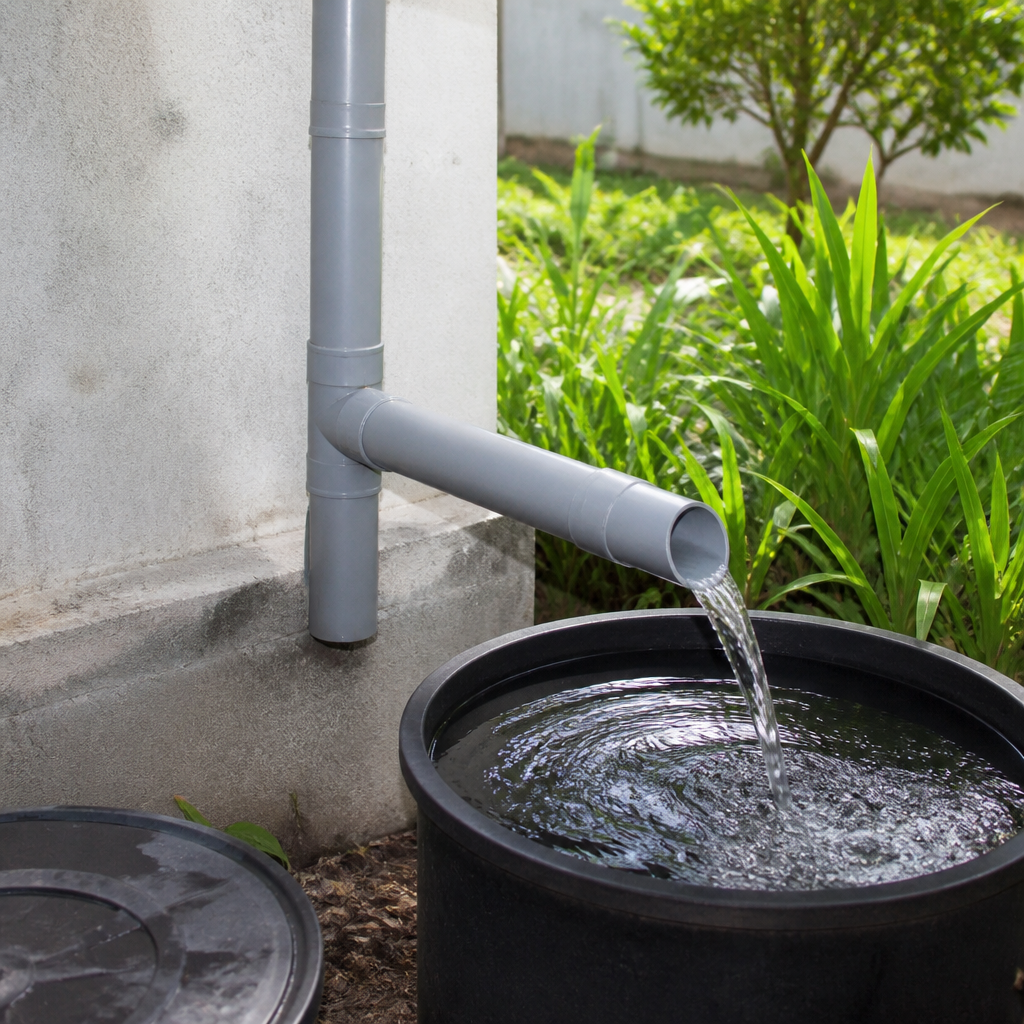
Water safety is especially sensitive in dense settlements and in areas with fractured rock, shallow aquifers, or seasonal flooding. Even improved toilets can become health hazards if placed too close to wells or drainage channels, or if effluent from washing areas is not managed. Effective EcoSan therefore starts with sanitary risk assessment. Map water points, note drainage patterns, identify flood levels, test whether children and older users can safely use the toilet, and examine how operators will empty, transport, and treat collected material. Safe water depends on those details, not on the toilet label alone.
Design features that reduce pathogen risk in EcoSan systems
The safest EcoSan designs use multiple barriers rather than a single control. First, excreta must be securely contained in a chamber, vault, or sealed container that prevents leakage into soil and excludes animals. Second, the user interface must be easy to keep clean, with clear separation between urine and feces where diversion is intended. Third, liquids from handwashing, bathing, and anal cleansing should never be allowed to flood fecal chambers unless the system is designed for that hydraulic load. Fourth, ventilation and fly screening should reduce odors and insect breeding without compromising containment.
Materials and detailing are not minor technicalities. A urine-diverting pedestal with the wrong slope will block. A poorly joined pipe will leak and create standing liquid that breeds flies. Vault access doors that do not seal tightly allow vectors and increase child exposure. In schools, I recommend robust, cleanable surfaces, low-maintenance pedestals, and handwashing stations visible from the exit so use becomes routine. For households, accessible ash or dry cover material storage matters because regular dosing helps desiccate feces, reduce smell, and improve handling conditions later.
Site selection is equally important. Toilets should be located away from wells, springs, and stream banks, with attention to local hydrogeology rather than fixed distances alone. Where flooding is common, raised units or sealed container-based systems are often safer than subsurface pits. In rocky areas, lined above-ground vaults may reduce groundwater risk. In institutions, separate routes for users and waste handlers lower occupational exposure and stigma. Design should also account for privacy, lighting, menstrual hygiene materials, and accessibility, because facilities people avoid will never deliver health protection.
| EcoSan control point | Health purpose | Example of good practice |
|---|---|---|
| Urine diversion | Reduces moisture in fecal chamber and limits odor | Install smooth, correctly sloped urine pipes with inspection access |
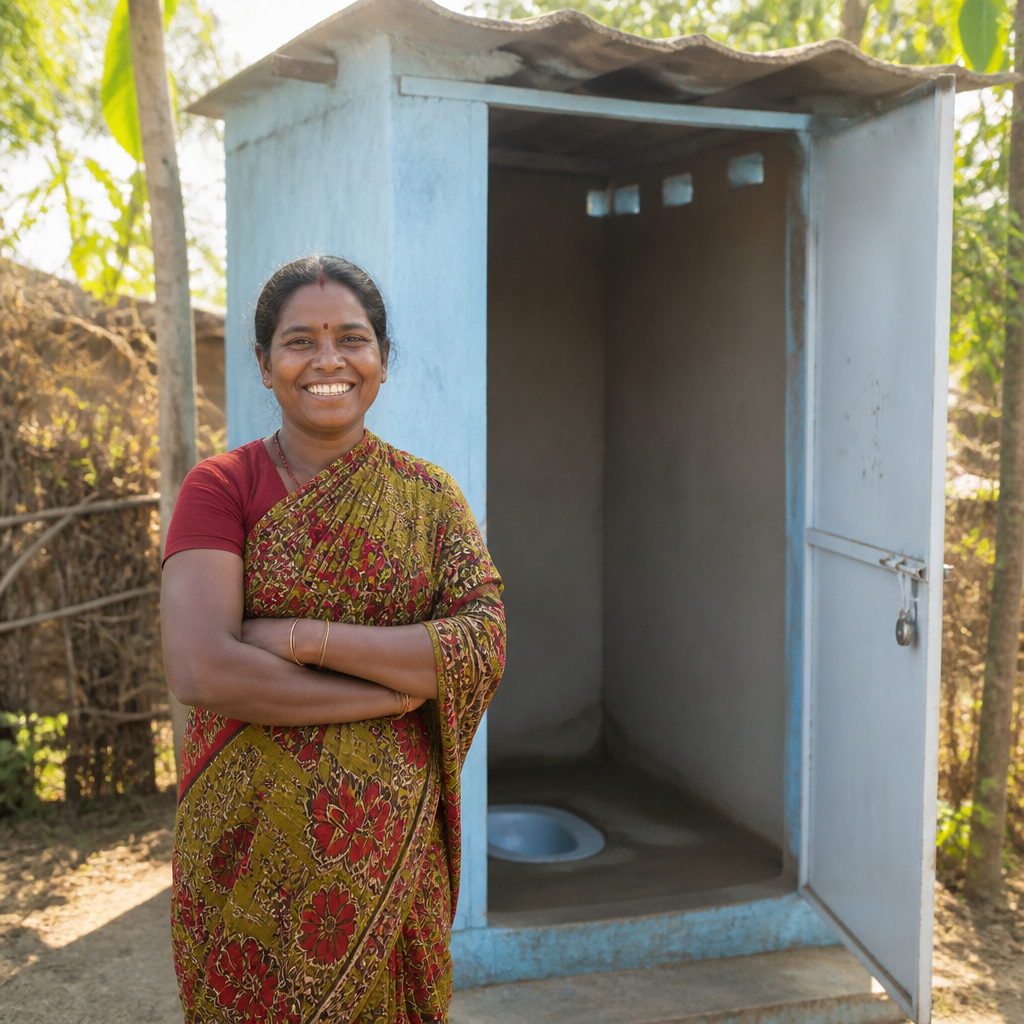
| Sealed fecal vault or container | Prevents leakage, vector entry, and direct contact | Use watertight chambers with lockable access doors and intact gaskets |
| Dry cover material | Supports dehydration, reduces flies, improves handling | Keep ash, lime, or dry soil in a protected container beside the toilet |
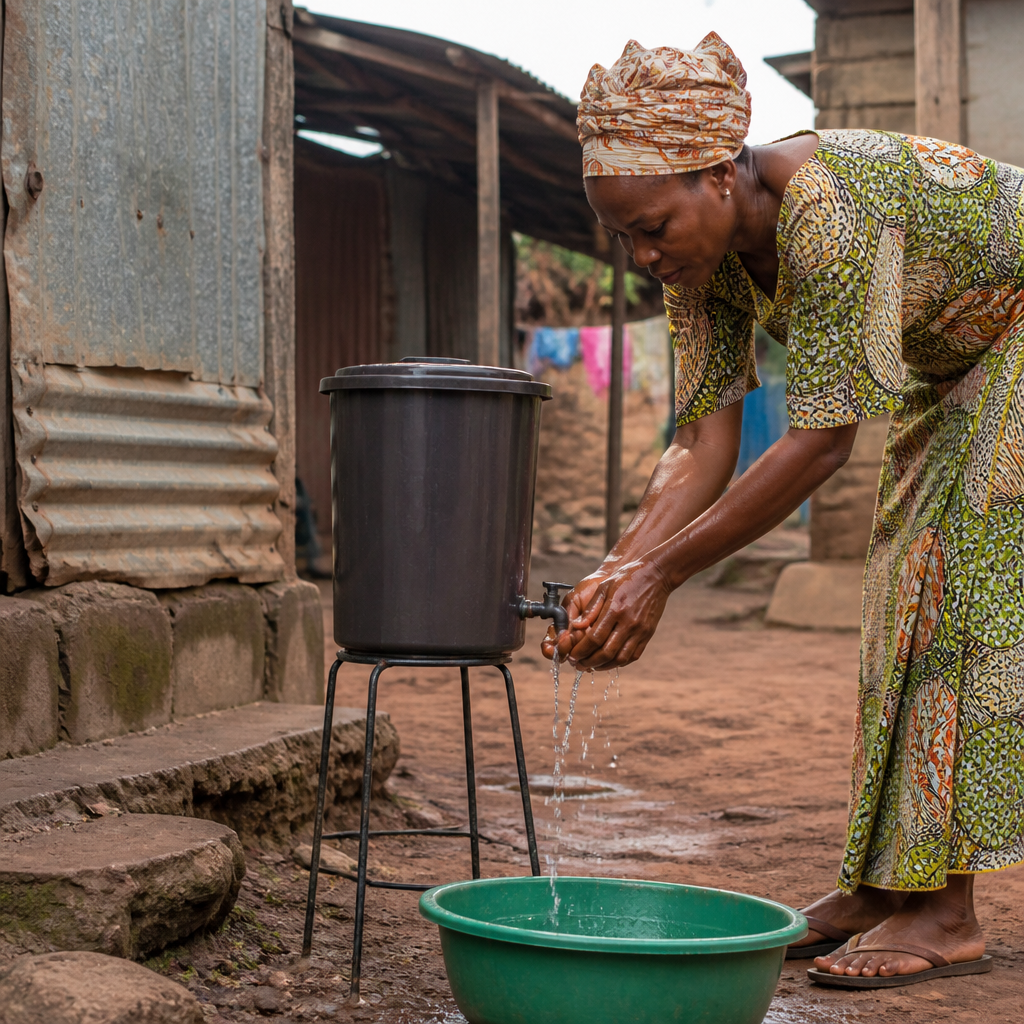
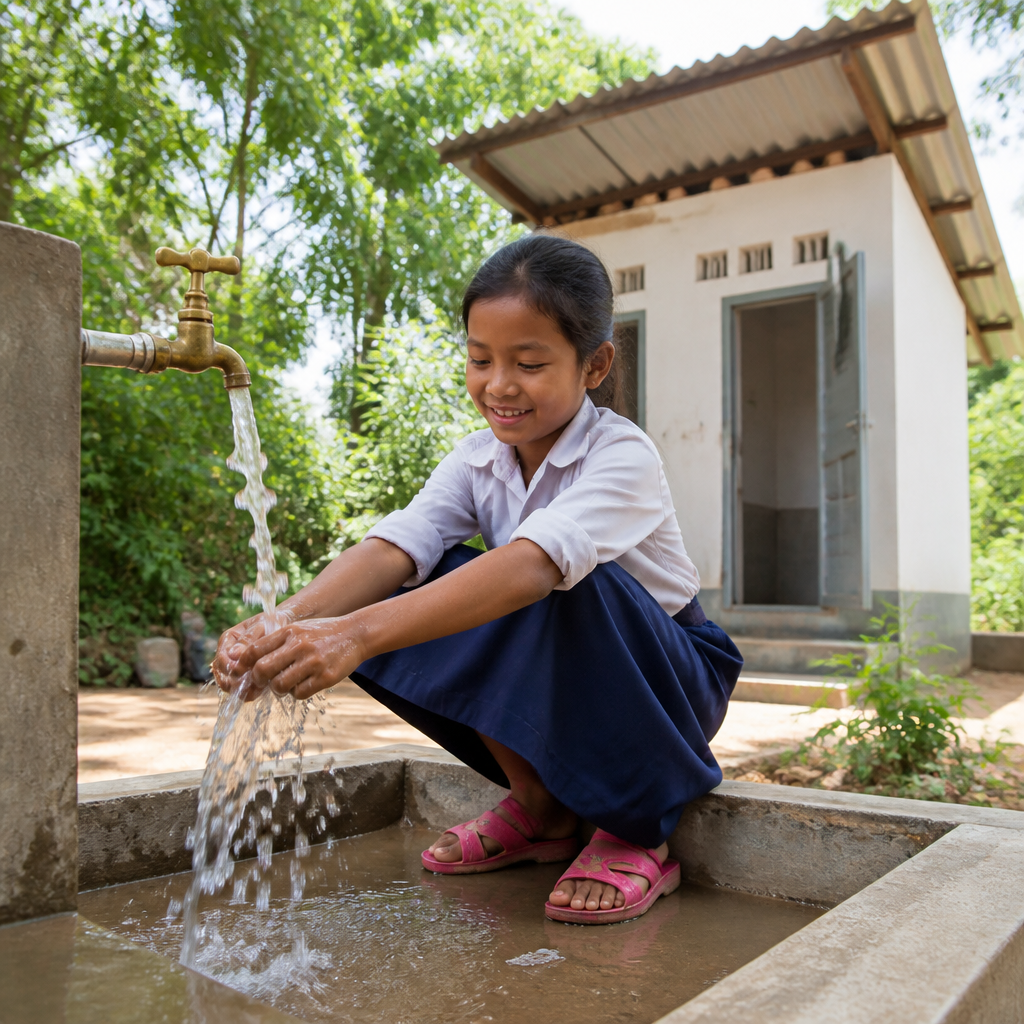
| Handwashing station | Breaks fecal-hand-mouth transmission | Place soap and water immediately outside the exit, checked daily |
| Safe storage and treatment | Allows pathogen die-off before reuse or disposal | Label chambers by fill date and enforce minimum storage times |
| Protected drainage | Stops wash water from carrying fecal matter to wells or yards | Direct greywater to managed infiltration or treatment areas away from water points |
Treatment, storage, and reuse: making resource recovery safe
EcoSan is often promoted for nutrient recovery, but reuse is safe only after treatment targets are met. Feces contain bacteria, viruses, protozoa, and helminth eggs, and helminths are especially persistent in many low-resource settings. Dehydration, extended storage, composting, alkaline treatment, and thermophilic processes can all reduce pathogens, but performance varies with temperature, moisture, pH, retention time, and mixing quality. In practice, the safest message is conservative: treat first, verify process conditions, and restrict use if uncertainty remains. If there is any doubt about adequate treatment, material should not be applied to crops eaten raw.
World Health Organization guidance on sanitation safety planning and safe wastewater and excreta use is useful here because it frames risk across the whole chain rather than at one endpoint. A household vault that sits for months may achieve meaningful die-off, but that does not guarantee universal safety, particularly for Ascaris eggs. Compost piles that never reach sustained high temperatures in the core can look mature while still presenting risk. For that reason, I advise operators to track fill dates, storage times, moisture control, and emptying procedures with the same discipline used for water quality checks. Documentation is a health control, not paperwork for its own sake.
Urine reuse also needs boundaries. Properly separated urine usually carries lower pathogen risk than feces, but cross-contamination occurs easily through splashing, poor diversion, or shared containers. Storage can further reduce risk, and application methods should minimize contact with edible plant parts and prevent runoff into drains or surface water. Drip or soil-directed application is preferable to broad spraying. Reuse plans should specify crop type, timing before harvest, protective equipment for handlers, and actions during heavy rain. Resource recovery is valuable, but only when the protection of water sources and farm workers remains the first priority.
Behavior, operation, and maintenance: where health outcomes are won or lost
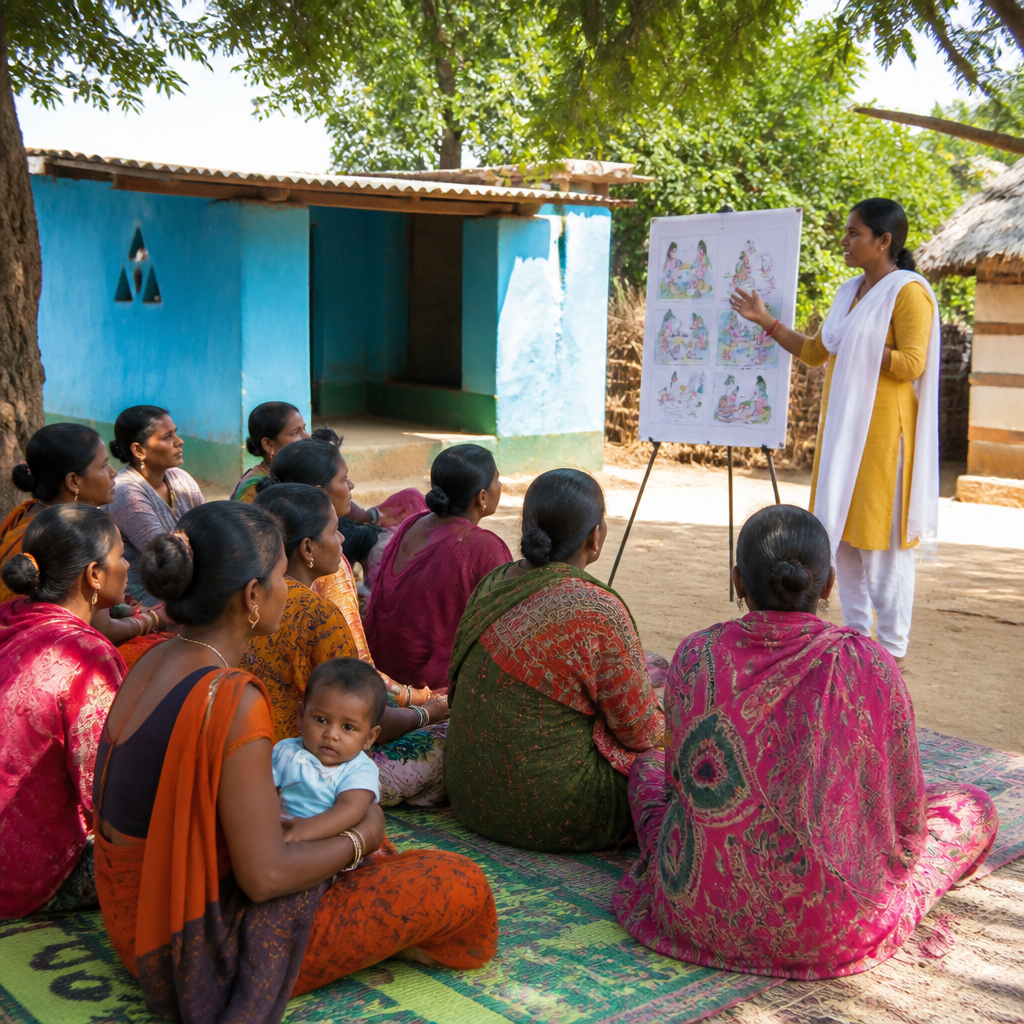
Most EcoSan failures are operational before they are structural. Toilets become unsafe when users do not understand separation rules, when caretakers are not assigned, or when cleaning routines break down. Clear user instructions prevent many problems: where feces go, where urine goes, how much ash to add, what not to throw into the pan, when to report a blockage, and why handwashing must happen every time. In community programs, behavior change is strongest when demonstrations are practical and repeated rather than delivered once during construction handover.
Cleaning and inspection routines should be explicit. Daily checks can identify water intrusion, odor, missing soap, full handwashing containers, insect activity, or signs that children are defecating elsewhere. Weekly checks should include urine pipe flow, vault condition, slab hygiene, and availability of cover material. Monthly or quarterly reviews should verify storage dates, emptying schedules, and condition of personal protective equipment. In facilities I have supported, assigning named responsibility to one caretaker per shift improved compliance far more than posting generic rules on the wall.
Occupational safety deserves equal attention. Emptying dried fecal material, transporting containers, and managing treatment sites expose workers to dust, sharps, and infectious residues. Minimum protection includes gloves, boots, handwashing, tools dedicated to sanitation work, and training on cleaning and disinfection. In enclosed spaces, ventilation and dust control matter. Handlers should know where to decontaminate equipment and what to do after spills. If a system depends on unsafe manual handling to function, it is not a finished health solution.
Protecting vulnerable groups and integrating EcoSan into public health practice
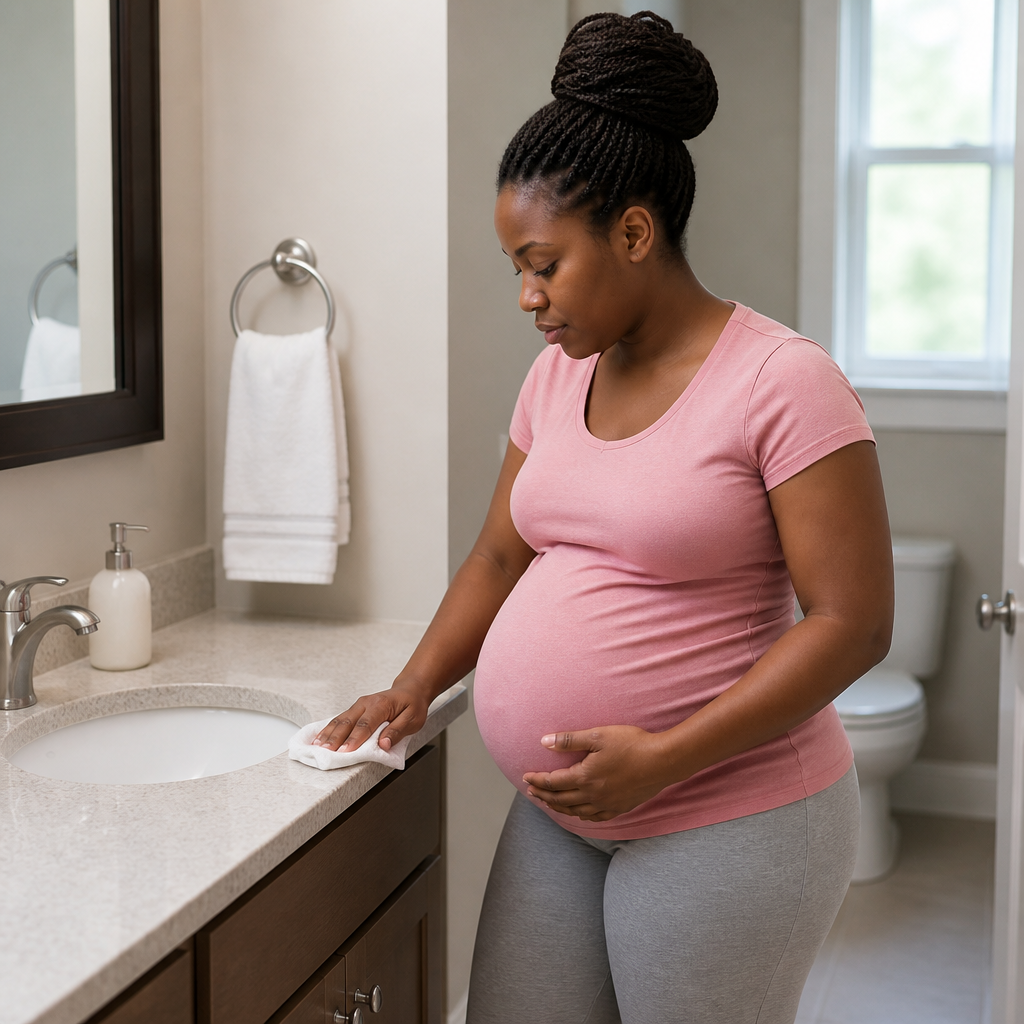
Children under five, older adults, pregnant women, people with disabilities, and immunocompromised users face higher consequences when sanitation is poorly managed. Child-friendly interfaces reduce open defecation around the home and make child feces disposal safer, which is critical because child stools are not harmless. Accessible design features such as handrails, stable steps, adequate door width, and good lighting are not optional extras; they directly influence whether the toilet is used consistently. Menstrual hygiene support also affects health outcomes. Without disposal bins, washing space, water, and privacy, users may avoid the facility or manage materials unsafely.
EcoSan works best when linked to broader health systems. Community health workers can reinforce handwashing, safe child feces disposal, and water treatment messages during home visits. Schools can pair sanitation with hygiene clubs and absenteeism monitoring. Local authorities can integrate EcoSan into water safety planning, groundwater surveillance, and desludging regulations. Basic testing can support this effort: E. coli monitoring at water points, sanitary inspections, and periodic review of system performance reveal whether contamination barriers are holding. No single indicator tells the whole story, but combined evidence guides action before outbreaks occur.
As a hub topic within health and safety, prioritizing health in EcoSan means treating sanitation as a managed service, not a one-time installation. Effective systems protect water only when design, treatment, maintenance, and user behavior work together as layered defenses. The key takeaways are consistent: contain excreta securely, keep water pathways separate, enforce hand hygiene, verify treatment before reuse, protect workers, and adapt design for vulnerable users and local hydrogeology. When those controls are in place, EcoSan can reduce disease risk while supporting nutrient recovery and resilience in places where conventional sewerage is impractical.
The main benefit is not simply a cleaner toilet. It is a safer sanitation chain that keeps pathogens out of wells, kitchens, schoolyards, and fields where families live and work. If you are building or improving an EcoSan program, start with a full health risk review of each step from user interface to final reuse or disposal, then fix the weakest barrier first. That disciplined approach is how safe water is ensured through effective EcoSan, and it is the standard every health-focused sanitation project should follow.
Frequently Asked Questions
What is EcoSan, and how does it help ensure safe water?
EcoSan, or ecological sanitation, is a sanitation approach designed to manage human excreta in ways that protect public health, preserve water quality, and recover useful nutrients. Instead of treating urine and feces simply as waste to be disposed of, EcoSan systems focus on safely containing, treating, and reusing these materials so they do not contaminate groundwater, wells, streams, food, or household surfaces. This matters because unsafe sanitation is one of the main pathways through which disease-causing organisms move from human waste into drinking water supplies and daily life.
Effective EcoSan helps ensure safe water by breaking that chain of contamination at multiple points. First, it keeps excreta separated from water sources through well-designed toilets, sealed storage chambers, and careful site placement. Second, it reduces or eliminates the flushing of untreated waste into the environment, which is especially valuable in areas with shallow groundwater, seasonal flooding, or limited sewer infrastructure. Third, when excreta are properly treated, pathogens die off over time, making the end products safer to handle and, where appropriate, beneficial for agriculture.
In practical terms, EcoSan protects water when the system is correctly built, consistently used, and responsibly maintained. A toilet alone is not enough. The real protection comes from the entire sanitation chain: user behavior, containment, treatment, storage, safe emptying, transport, and reuse or disposal. When those steps are done well, EcoSan becomes a powerful tool for reducing waterborne disease and improving environmental health.
How does EcoSan stop pathogens from reaching drinking water and food?
EcoSan works by interrupting the common routes pathogens use to spread. Human waste contains bacteria, viruses, protozoa, and worm eggs that can travel into wells, springs, crops, hands, utensils, and stored household water if sanitation is weak. EcoSan systems are designed to stop that movement before it happens. Depending on the design, they may separate urine and feces, keep feces in dry vaults, promote dehydration or composting, and provide protected storage that allows harmful organisms to die off before any material is handled or reused.
One of the biggest advantages of many EcoSan systems is that they reduce direct contact between excreta and water. Conventional poorly built pit latrines can allow seepage into the soil, especially in areas with high water tables or unstable ground. Flooding can make this even worse by spreading waste across compounds or into surface water. EcoSan systems, particularly raised or sealed designs, can provide stronger containment and lower the risk of leaching when they are properly constructed and maintained.
Food safety is also part of the picture. Pathogens do not only spread through drinking water; they also move through hands, flies, soil, and crops. EcoSan reduces these risks by promoting hygienic handling, treatment time, and safer reuse practices. For example, treated products should only be applied according to local guidance, with attention to crop type, application method, and timing before harvest. Handwashing with soap after toilet use and after handling any sanitation materials remains essential. In other words, EcoSan protects food and water best when infrastructure and hygiene practices work together.
Is EcoSan safe to use in homes, schools, and rural communities?
Yes, EcoSan can be very safe in homes, schools, and rural communities, but safety depends on quality design, local suitability, proper operation, and regular maintenance. EcoSan is not a one-size-fits-all solution. The design needs to match the local climate, soil conditions, groundwater level, flood risk, cultural practices, user preferences, and the community’s capacity to manage the system over time. When these factors are considered from the start, EcoSan can perform extremely well in settings where conventional sanitation is difficult, expensive, or unreliable.
In households, a safe EcoSan system should be easy to use, easy to clean, and clear about what goes where. Users need simple instructions, especially if the toilet separates urine and feces or requires the addition of dry cover material such as ash, lime, or sawdust. In schools, safety also depends on durable construction, separate facilities where appropriate, child-friendly design, regular supervision, and a clear cleaning routine. A school EcoSan toilet that is not maintained quickly becomes unacceptable to students, which can lead to misuse and loss of health benefits.
For rural communities, long-term safety also requires planning beyond construction. Someone needs to understand when vaults are full, how long materials must be stored for treatment, who will empty them, what protective equipment is needed, and where treated materials will go. Community acceptance is just as important as engineering. If users do not trust the system or are uncomfortable with the reuse aspect, they may avoid using it properly. The safest EcoSan systems are those that combine technical soundness with training, follow-up support, and realistic management arrangements.
What are the most important maintenance practices for effective EcoSan?
The most important maintenance practices are keeping the system dry where required, using it correctly every day, cleaning it routinely, monitoring storage chambers, and handling treated materials safely. Many EcoSan systems depend on moisture control to reduce smell, discourage flies, and support pathogen die-off. That means users should avoid introducing excess water into dry toilets unless the design specifically allows it. If the system uses cover material, it should be added consistently after each use in the correct amount.
Routine inspection is critical. Check for cracks, leaks, blocked urine pipes, damaged slabs, poor ventilation, insect entry points, and any signs that rainwater is getting into the chambers. A small maintenance issue can quickly turn into a health risk if it allows excreta to escape or makes the toilet difficult to use hygienically. Toilets should also be kept visibly clean, because user confidence strongly affects whether the facility is used properly and consistently.
Storage and emptying need special attention. Vaults or containers should be closed and left undisturbed for the recommended treatment period before any contents are removed. Emptying too early can expose households or workers to live pathogens. Anyone handling sanitation products should use gloves, boots, and other appropriate protection, and wash thoroughly afterward. If treated materials are reused in agriculture, they should be applied in line with public health guidance and local regulations. Good maintenance is not just about keeping the toilet functional; it is about preserving the sanitation barrier that protects water, people, and the environment.
What are the biggest mistakes that can reduce EcoSan’s ability to protect safe water?
The biggest mistakes usually involve poor siting, weak construction, inconsistent user behavior, and neglect of treatment and maintenance requirements. A common error is assuming that installing an EcoSan toilet automatically guarantees health protection. In reality, the system only works as intended when each step in the sanitation process is respected. If the toilet is built too close to a well, placed in a flood-prone area, or constructed without proper sealing and drainage control, the risk to water quality can remain high.
Another major mistake is incorrect use. If users mix too much water into a dry system, fail to add cover material, dispose of trash into vaults, or do not follow the separation features of the toilet, performance can drop quickly. Odor, flies, and user dissatisfaction may follow, and these problems often lead to abandonment or misuse. In shared settings such as schools or rental compounds, lack of clear responsibility is especially risky. When everyone uses the toilet but no one manages it, health protection breaks down.
A third mistake is unsafe handling of partially treated material. Removing contents too soon, transporting them carelessly, or applying them to crops without observing safe treatment periods can reintroduce pathogens into the environment. That undermines the very purpose of EcoSan. The most successful EcoSan programs treat sanitation as a full system, not just a structure. They combine proper design, user education, ongoing monitoring, and realistic maintenance plans. When those pieces are in place, EcoSan can make a meaningful and lasting contribution to safe water protection.