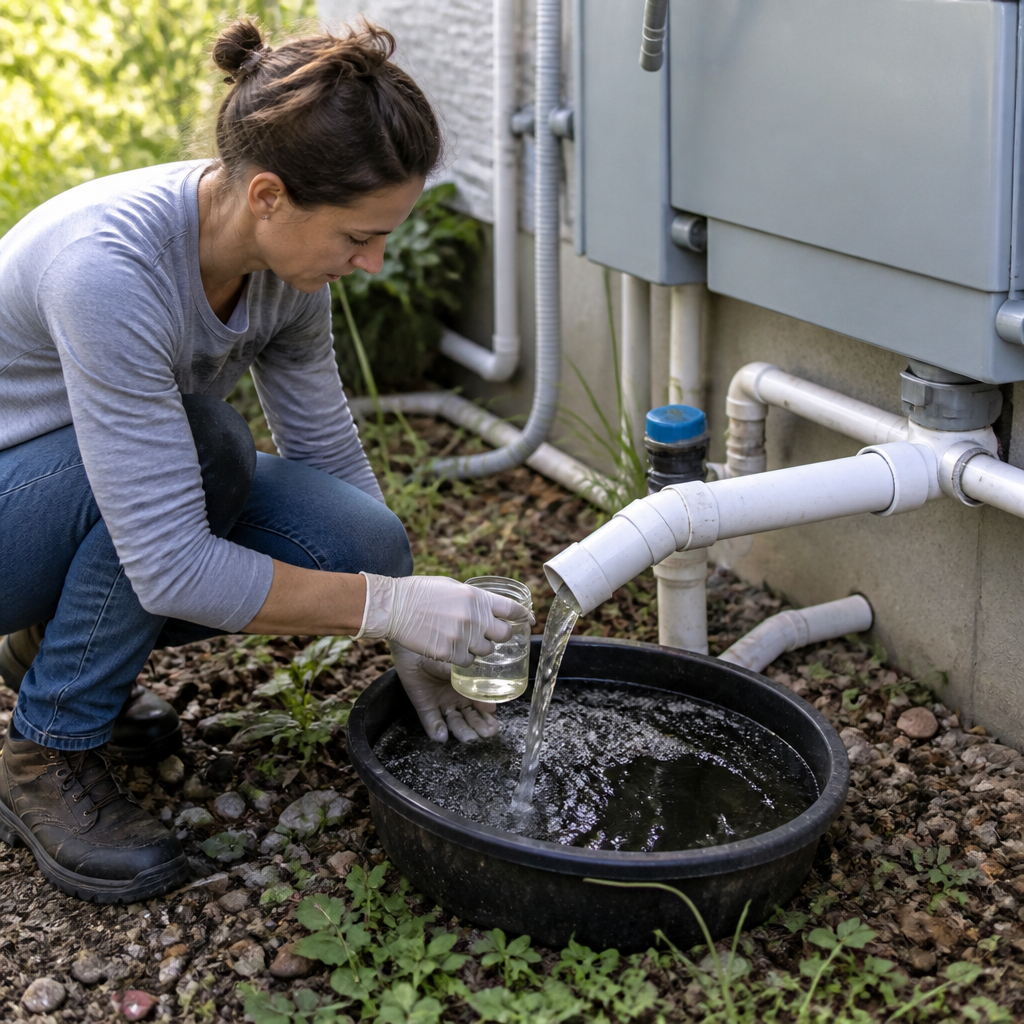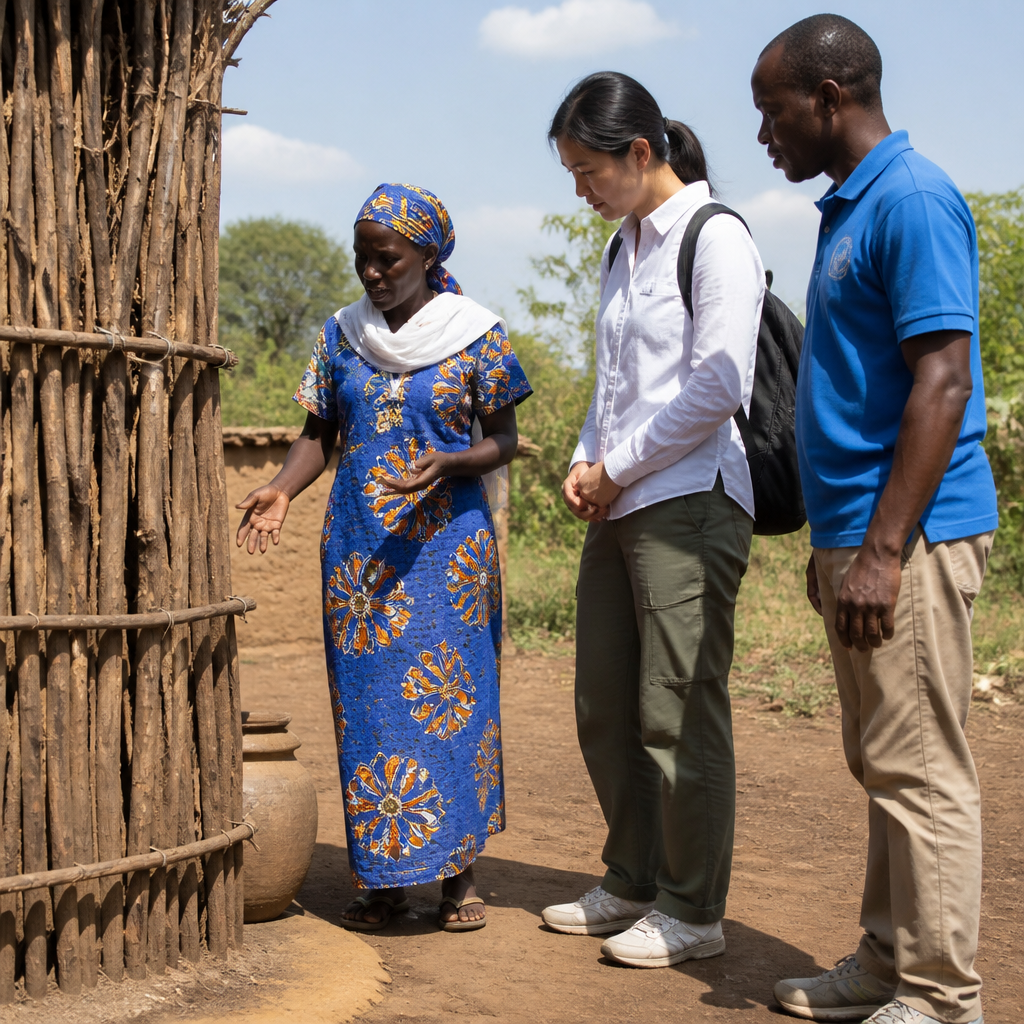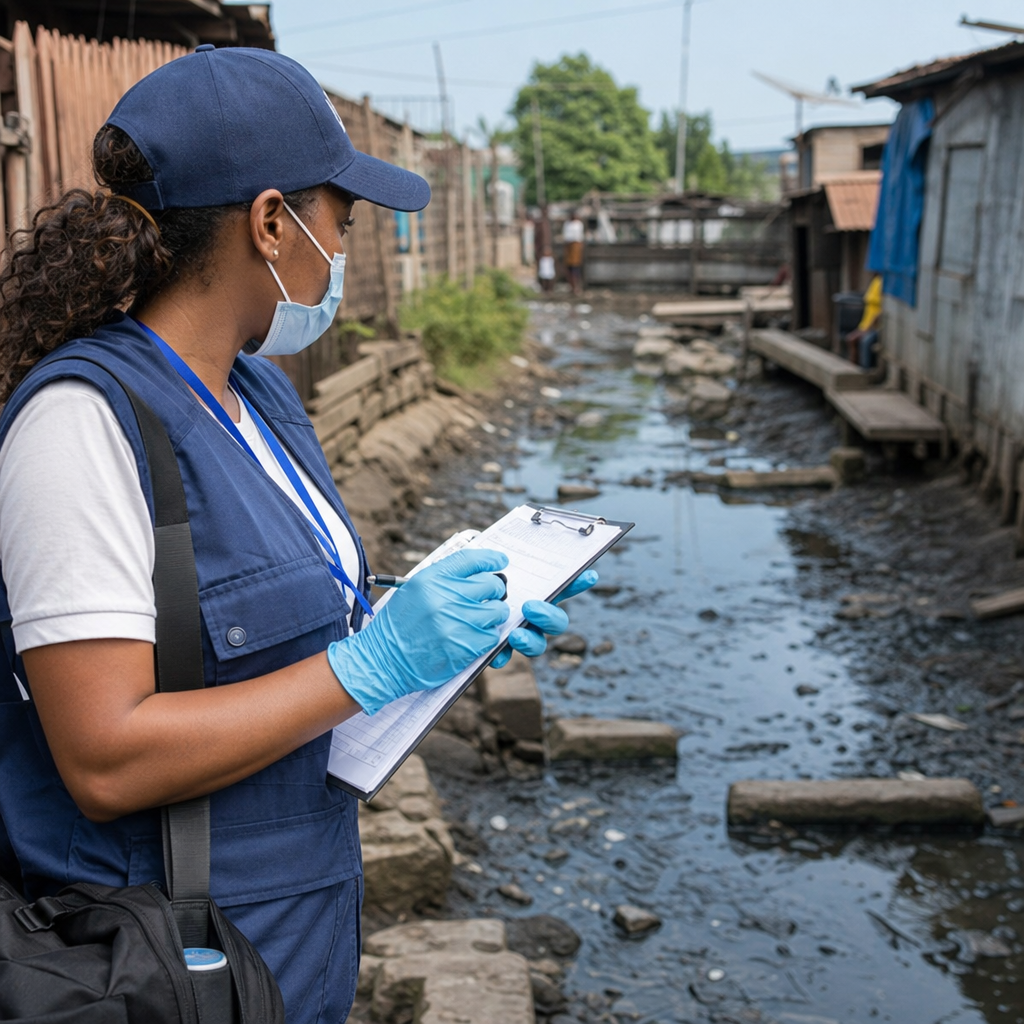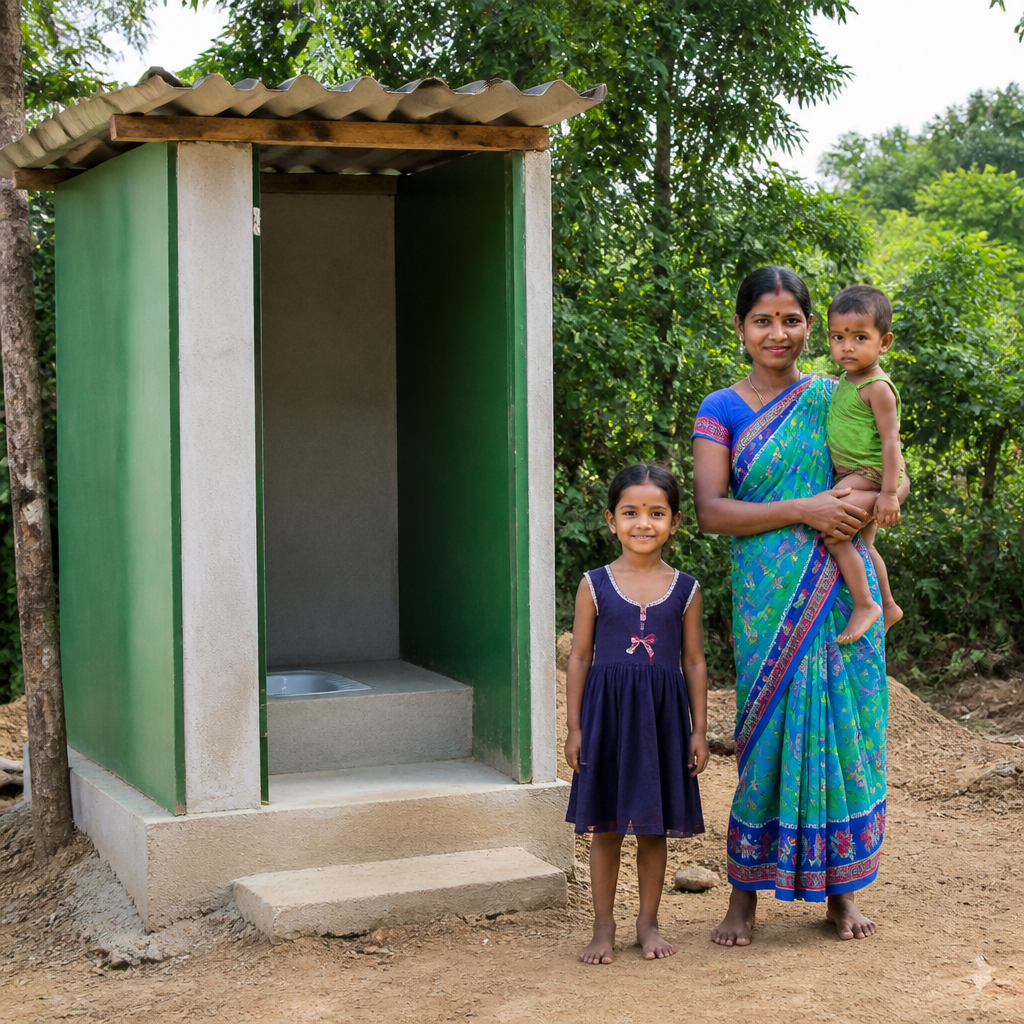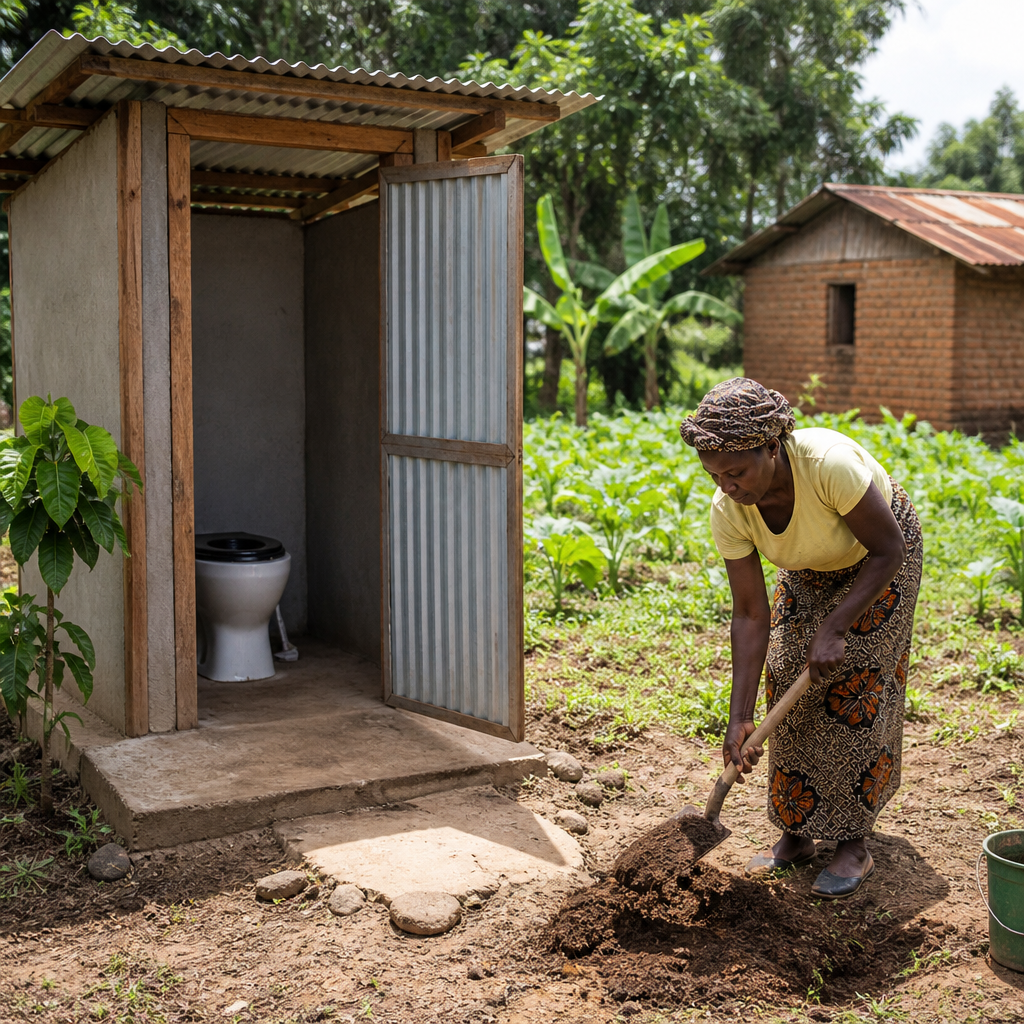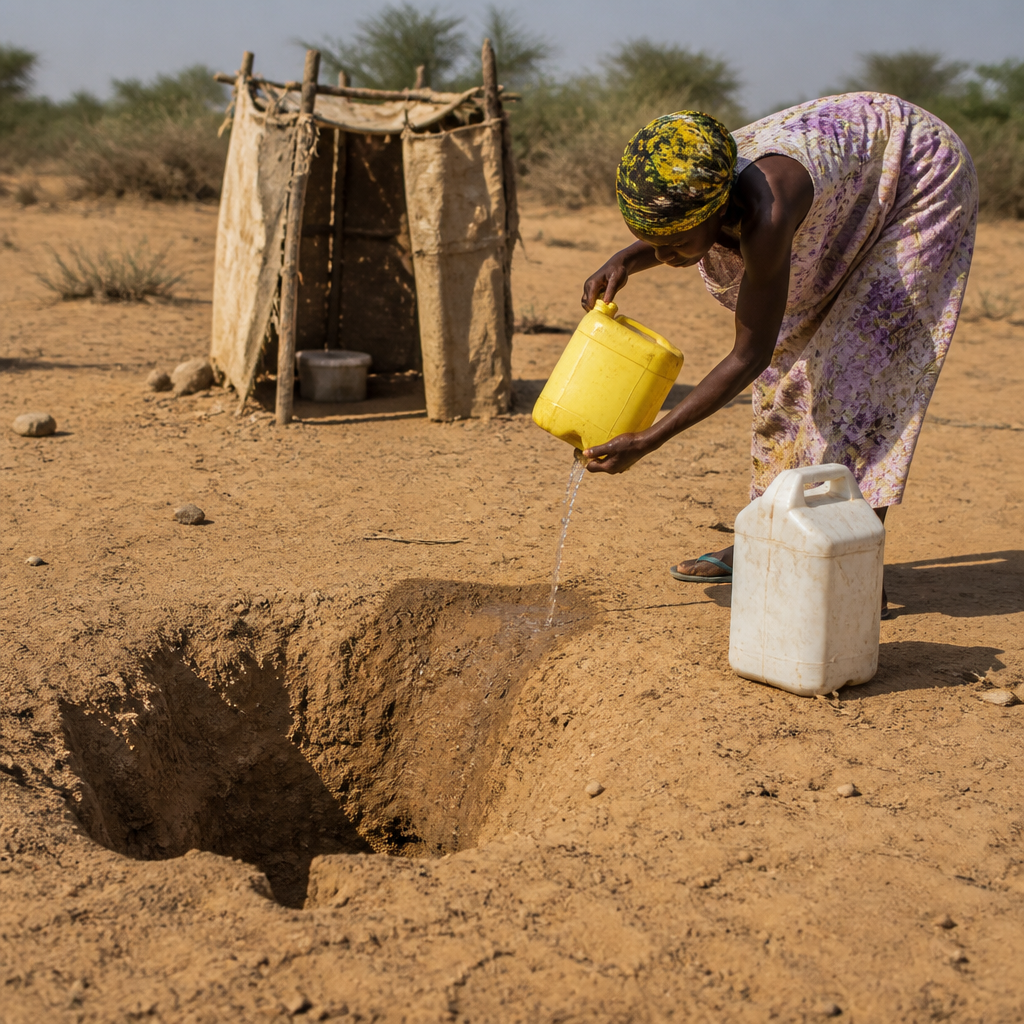
Sanitation in drought conditions demands a different mindset from conventional water-rich systems because every liter diverted to flushing, washing, and wastewater transport competes directly with drinking, cooking, and hygiene needs. In this context, sanitation means the safe capture, treatment, and final management of human waste, while drought refers to prolonged water scarcity severe enough to disrupt normal public health practices. EcoSan, short for ecological sanitation, is a family of approaches designed to protect health while reducing water use, recovering nutrients, and preventing contamination. I have worked on sanitation planning where failing septic systems, intermittent municipal supply, and emergency storage tanks turned routine hygiene into a daily risk management exercise. The lesson is consistent: when water becomes scarce, sanitation cannot remain an afterthought.
Health and safety are at stake because inadequate sanitation in drought conditions raises the likelihood of diarrheal disease, environmental contamination, vector breeding, and unsafe household coping behaviors. People may flush less often, reuse graywater poorly, postpone handwashing, or rely on damaged latrines, all of which increase exposure to pathogens such as E. coli, Shigella, Salmonella, norovirus, and helminths. Drought can also concentrate pollutants in soils and waterways because there is less dilution and less reliable treatment performance. That is why enhancing health through EcoSan matters: it separates sanitation from high water demand and reframes waste as a managed resource rather than a hazard spread through failing infrastructure. As a hub topic under health and safety, this article explains the principles, technologies, risks, operating practices, and decision points that help households, institutions, and communities stay safe when water is limited.
Why Drought Changes Sanitation Risk
Drought affects sanitation through multiple pathways, and understanding them is the first step toward better control. In sewered areas, reduced flow can leave solids stranded in pipes, increase odor, and create blockages. In septic systems, households may alternate between very low water use and sudden tank discharge, which can disrupt settling and soil absorption. In pit latrines, dry conditions may seem helpful, but hard soils can crack, liners can fail, and odor and fly pressure can worsen if excreta are not covered properly. Water scarcity also reduces cleaning frequency for toilets, floors, and shared facilities, increasing surface contamination and contact transmission.
Public health agencies consistently treat sanitation, water, and hygiene as one system because one weak point undermines the rest. The World Health Organization and UNICEF Joint Monitoring Programme distinguishes safely managed sanitation from basic access specifically because safe treatment and disposal are essential, not optional. During drought, this distinction becomes sharper. A toilet is not protective if it cannot be cleaned, if waste leaks into groundwater, or if users avoid it because it is filthy, unsafe, or too water-intensive. In schools and clinics, these failures have immediate consequences: absenteeism, reduced hand hygiene compliance, healthcare-associated infection risk, and loss of dignity, especially for women, girls, older adults, and people with disabilities.
How EcoSan Improves Health and Safety
EcoSan improves health by breaking the conventional chain that mixes excreta with large volumes of water and then depends on expensive downstream treatment. Instead, it focuses on source separation, containment, dehydration, composting, urine diversion, and controlled reuse where regulations and treatment conditions allow. The most direct health benefit is reduced dependence on flush water. A standard older toilet may use 6 to 13 liters per flush, while high-efficiency models use about 4.8 liters or less. By contrast, urine-diverting dry toilets and well-managed composting toilets can operate with little or no flush water, preserving scarce supplies for drinking and handwashing.
Another advantage is pathogen risk reduction through better containment and treatment at or near the source. Urine is typically low in pathogens compared with feces, so separating it simplifies treatment. Feces can then be dried, composted, or stored for defined periods to reduce microbial hazards, depending on system design, temperature, pH, moisture, and local regulations. In practice, successful EcoSan is not a single device but an operating system: user behavior, cleaning protocols, ventilation, cover materials, collection frequency, and final treatment all matter. Where these pieces are managed well, EcoSan can deliver lower water demand, less nutrient pollution, and safer handling than stressed conventional systems during drought.
Core EcoSan Options for Water-Scarce Settings
Choosing the right sanitation system depends on density, soil conditions, user capacity, regulation, budget, and whether waste reuse is a realistic goal. I usually evaluate options by asking three practical questions: how much water does the system need, how does it interrupt disease transmission, and how difficult is it to operate consistently. The main EcoSan options used in drought conditions are compared below.
| System | Water Demand | Health Protection Mechanism | Best Use Case | Main Limitation |
|---|---|---|---|---|
| Urine-diverting dry toilet | Very low | Separates urine and feces, reduces wetness, supports storage and safer handling | Households, schools, off-grid sites | Requires user training and regular emptying |
| Composting toilet | Low to none | Contains waste and reduces pathogens through managed biological breakdown | Rural homes, eco-lodges, parks | Needs moisture, aeration, and temperature control |
| Container-based sanitation | Very low | Sealed collection limits environmental exposure and enables centralized treatment | Dense informal settlements, temporary sites | Depends on reliable service logistics |
| Low-flow or vacuum toilet with treatment | Low | Uses minimal flush water while retaining enclosed conveyance | Institutions, retrofits, multi-unit buildings | Higher capital and maintenance complexity |
| Upgraded ventilated improved pit latrine | None | Reduces fly contact and improves containment when sited well | Low-resource rural areas | Groundwater risk if poorly located |
Urine-diverting dry toilets are among the most effective EcoSan designs in drought zones because they keep feces drier, cut odors, and reduce the mass requiring high-risk handling. Composting toilets can work extremely well, but only when operators understand carbon balance, moisture control, and curing time. Container-based sanitation has gained attention in urban health programs because it avoids unsafe pits where excavation is difficult or flood and drought cycles make ground conditions unstable. No option is universally superior. The safest choice is the one that users can maintain correctly week after week.
Protecting Health in Daily Operation
Daily operation determines whether a sanitation system is merely installed or genuinely safe. In drought conditions, the priority sequence is clear: preserve drinking water, maintain hand hygiene, keep excreta contained, clean high-touch surfaces, and prevent vectors. For dry and low-water toilets, this means adding cover material such as ash, sawdust, rice husk, or dry soil after each feces deposit when the design requires it. Cover materials reduce odor, absorb moisture, and limit flies. Urine-diverting pans must stay unobstructed, and users need simple signage because incorrect use is the most common failure point.
Hand hygiene remains nonnegotiable. If piped water is intermittent, facilities should store protected handwashing water in narrow-neck containers with taps, not open buckets that invite contamination. Soap is essential; alcohol-based hand rub can supplement but should not replace handwashing when hands are visibly soiled. Cleaning should focus on door handles, toilet seats, slab surfaces, child potties, and collection containers using appropriate disinfectants. Chlorine solutions can be effective on surfaces when prepared correctly, but concentration and contact time matter, and organic matter must be removed first. Personal protective equipment for waste handlers should include gloves, boots, and handwashing access immediately after tasks.
Safe Treatment, Storage, and Reuse
EcoSan becomes a health asset only when treatment and end use are controlled. Untreated excreta should never be applied directly to food crops. The treatment pathway depends on the material stream. Urine diversion allows relatively cleaner nutrient recovery, but storage periods, cross-contamination risk, and national rules must guide use. Fecal material requires longer and more conservative treatment. Composting can reduce pathogens, yet many systems underperform because temperatures never reach sustained thermophilic levels, moisture is too high, or curing time is too short. For this reason, multiple barriers are best practice: source separation, containment, timed storage, treatment, restricted crop use where required, and safe application methods.
A practical example is orchard or timber use rather than leafy vegetables eaten raw. Where regulations permit reuse, applying treated outputs to non-food trees, fiber crops, or soil restoration projects lowers exposure compared with direct use on salad crops. Municipal and institutional programs should document treatment conditions, transport records, and final destination. This level of control is what turns EcoSan from an improvised response into a credible public health intervention. It also aligns with established sanitation safety planning methods that identify hazards from toilet to treatment to reuse and assign controls at each step.
Planning for Homes, Schools, Clinics, and Communities
Different settings face different sanitation pressures during drought. Households need systems that are affordable, intuitive, and acceptable to every user, including children and older adults. Schools need higher throughput, strong cleaning routines, menstrual hygiene support, and clear separation between student and staff responsibilities. Clinics need the strictest controls because patient waste can contain higher pathogen loads and because sanitation failures amplify infection prevention problems. Communities and local governments must also plan for fecal sludge management, because even excellent household toilets become unsafe when collection, transport, and treatment are missing.
In my experience, the strongest projects start with a site assessment rather than a technology preference. Soil permeability, groundwater depth, flood history, user volume, available cover material, local service providers, and legal reuse limits should be reviewed before installation. For institutions, operations and maintenance budgets are as important as capital cost. A low-water system that lacks spare parts, trained custodians, or a sludge removal contract will fail faster than a simpler design with dependable support. Community engagement matters too. People adopt EcoSan more readily when they understand why urine is separated, why cover material is required, and why safe emptying schedules protect everyone nearby.
Common Mistakes and How to Avoid Them
The most common mistake in drought sanitation is assuming that less water automatically means less risk. In reality, low-water systems can become more hazardous if excreta are concentrated without proper handling. Another frequent error is neglecting user training. A urine-diverting pedestal used like a conventional toilet quickly clogs, smells, and loses public acceptance. Poor siting is another serious problem. Even dry toilets must be placed with attention to drainage, access, privacy, structural stability, and distance from water sources. Where groundwater is shallow or fractured rock is present, onsite systems require extra caution.
Programs also fail when they promise agricultural reuse before proving safe treatment and community demand. Nutrient recovery is valuable, but public health protection comes first. Finally, monitoring is often too weak. Every sanitation program in drought conditions should track fill levels, odor complaints, fly presence, handwashing supplies, cleaning logs, and waste removal intervals. These are simple indicators, but they reveal failure early. If you are building this health and safety hub into a broader strategy, link next to detailed guidance on handwashing in water scarcity, fecal sludge management, school sanitation, and emergency drought preparedness so users can move from principles to implementation.
Sanitation in drought conditions is ultimately a public health design challenge: protect people with less water, less dilution, and often less margin for error. EcoSan provides a practical path because it reduces flush demand, improves source control, and creates treatment options that do not depend on water-intensive infrastructure. The core principles are straightforward: separate waste streams where useful, keep excreta contained, maintain hand hygiene, use cover materials and ventilation correctly, train users, and verify safe treatment before any reuse. When these steps are followed, households and institutions can conserve water without accepting higher disease risk.
The main benefit of enhancing health through EcoSan is resilience. Communities facing recurring drought need sanitation systems that continue working when reservoirs drop, trucked water becomes expensive, or sewer performance declines. The right solution will vary by setting, but the standard does not change: sanitation must remain safe, usable, and maintainable every day. Use this hub as the starting point for your health and safety planning, then move into detailed assessments, operating protocols, and local regulatory guidance. If drought is already affecting your area, review your current sanitation system now and identify one upgrade that reduces water use while improving hygiene control.
Frequently Asked Questions
Why is sanitation especially challenging during drought conditions?
Sanitation becomes much harder during drought because the systems many communities rely on were designed with abundant water in mind. Conventional toilets, sewer networks, and routine cleaning practices all assume that enough water is available to flush waste away, transport it through pipes, and support handwashing, laundry, and surface disinfection. When water is scarce, every liter used for flushing or wastewater handling reduces the supply available for drinking, cooking, and basic hygiene. That tradeoff can quickly create serious public health risks if households are forced to ration sanitation or delay cleaning.
Drought also affects sanitation beyond the bathroom. Low water availability can reduce sewer flow, leading to blockages, odors, and higher maintenance needs. Septic systems may become harder to manage if users change water habits abruptly, while informal waste disposal can increase if safe services are interrupted. In crowded settings, the combination of limited water, high temperatures, and insufficient waste management can accelerate exposure to pathogens, attract flies, and contaminate nearby living areas. For these reasons, drought sanitation requires a different mindset: the goal is not just to use less water, but to safely capture, contain, treat, and manage human waste without compromising health.
What sanitation options work best when water is severely limited?
When water is severely limited, the most effective sanitation options are usually those that reduce or eliminate the need for flushing while still ensuring safe waste containment and treatment. EcoSan, or ecological sanitation, is one of the most important approaches in drought-prone areas. It includes systems such as urine-diverting dry toilets, composting toilets, and other low-water or no-water designs that separate waste streams and support safer treatment and reuse where appropriate. These systems can dramatically reduce household water demand while preventing open defecation and lowering pressure on stressed water infrastructure.
The best option depends on local conditions, including climate, soil, population density, user preferences, maintenance capacity, and regulations. In some places, well-managed pit latrines or ventilated improved pit toilets may be suitable if groundwater protection is addressed. In other areas, container-based sanitation or decentralized treatment systems may provide safer and more practical service, especially where space is limited or soils are unsuitable for pits. What matters most is that the system is easy to use consistently, safely contains waste, protects water sources, and includes a clear plan for emptying, transport, treatment, and final disposal or reuse. A toilet alone is not a sanitation solution unless the entire chain is managed properly.
How can households maintain hygiene and prevent disease when water must be rationed?
Even under strict water rationing, hygiene must remain a top priority because disease risk rises quickly when handwashing, toilet cleaning, and waste handling are neglected. Households should reserve a protected portion of available water specifically for critical hygiene tasks, especially handwashing after toilet use, after cleaning a child, before preparing food, and before eating. Where possible, low-flow handwashing stations, tippy taps, alcohol-based hand rubs for certain situations, and controlled-pour containers can help reduce waste while preserving hygiene. Water used for washing hands should be applied efficiently, but the act itself should not be skipped.
Households should also focus on keeping sanitation areas clean, dry, and well maintained. Toilet seats or slabs should be cleaned regularly, anal cleansing materials should be disposed of safely according to the toilet type, and waste containers should be sealed where applicable. Greywater may sometimes be reused for cleaning floors or non-contact sanitation tasks, but only when done carefully and in line with public health guidance. Safe storage of drinking water is equally important, since contamination often increases during drought when people rely on multiple sources. In practical terms, disease prevention during drought depends on prioritizing a few high-impact habits consistently: safe toilet use, proper hand hygiene, protected water storage, regular cleaning of sanitation surfaces, and immediate attention to any signs of leakage, overflow, or unsafe waste exposure.
Is ecological sanitation safe, and can human waste really be reused?
Yes, ecological sanitation can be safe when it is properly designed, correctly used, and carefully managed across the full treatment process. The core principle behind EcoSan is that human waste should not simply be flushed away with valuable water; instead, it should be captured in a way that reduces pollution and allows nutrients to be recovered after adequate treatment. However, safety depends on disciplined operation. Untreated feces and urine can carry harmful pathogens, so separation, storage, composting, dehydration, or other treatment steps must be completed correctly before any reuse is considered. Reuse is never immediate, and it should follow local health regulations and technical guidance.
In practice, safe reuse can include applying properly treated products to agriculture, landscaping, or soil improvement, depending on what standards and oversight exist in the area. Urine-diverting systems may reduce odor and improve treatment efficiency, while composting and dehydration processes can lower pathogen risks over time when moisture, temperature, and storage periods are properly controlled. The important point is that EcoSan is not just a toilet technology; it is a managed sanitation strategy that links public health, water conservation, and resource recovery. Communities considering reuse should seek technical support, user training, and clear protocols so the system protects health first and sustainability second. When these safeguards are in place, ecological sanitation can be one of the most resilient and responsible responses to drought.
What should communities and local authorities do to improve sanitation resilience during drought?
Communities and local authorities should treat drought sanitation as both a public health issue and an infrastructure planning challenge. The first priority is to assess which sanitation systems are most vulnerable to water shortages, including flush toilets, sewered networks, schools, health centers, and communal sanitation blocks. From there, authorities can create contingency plans that prioritize essential hygiene water, maintain emergency desludging and waste collection services, and identify low-water sanitation alternatives for households and institutions. This planning should also include public education on safe water use, toilet operation during drought, and disease prevention measures tailored to local conditions.
Long-term resilience requires more than emergency messaging. Governments, utilities, NGOs, and community leaders should invest in diversified sanitation systems rather than relying entirely on water-intensive models. That may include supporting EcoSan pilots, improving fecal sludge management, upgrading on-site sanitation, protecting groundwater from contamination, and strengthening local supply chains for spare parts, protective equipment, and treatment services. Schools and clinics should receive special attention because sanitation failures there can quickly become community-wide health threats. The most successful drought sanitation strategies are proactive: they combine practical technology choices, realistic maintenance plans, trained operators, community acceptance, and clear health safeguards. When those elements work together, communities can protect both water supplies and public health even under prolonged scarcity.