Safe and sustainable sanitation for urban slums is one of the most urgent public health priorities in fast-growing cities, because inadequate toilets, unsafe waste disposal, and polluted water create a constant cycle of disease, insecurity, and environmental damage. In this context, EcoSan, short for ecological sanitation, refers to sanitation systems designed to protect health while recovering resources such as water, nutrients, and organic matter from human waste. I have worked on sanitation content and planning frameworks for dense, low-income settlements, and the same lesson appears everywhere: sanitation fails when it is treated only as a toilet problem. In urban slums, safety depends on the full chain, including user access, containment, emptying, transport, treatment, reuse, and long-term maintenance.
Urban slums face conditions that make conventional sewer expansion difficult. Settlements may be unplanned, roads narrow, land tenure insecure, and groundwater vulnerable to contamination. Flooding can submerge pits. Shared toilets often become unusable if cleaning, lighting, and payment systems are weak. Women, children, older adults, and people with disabilities bear the highest risks, including assault during night-time toilet trips, exposure to fecal pathogens, and chronic stress caused by unreliable services. The World Health Organization links poor sanitation with diarrheal disease, parasitic infections, undernutrition, and lost school and work time. Safe sanitation therefore matters not only for hygiene, but also for dignity, education, livelihoods, and climate resilience.
Safety and sustainability in EcoSan means more than installing a urine-diverting toilet or compost unit. Safety means preventing direct contact with untreated excreta, limiting pathogen survival, controlling odors and vectors, protecting workers, and ensuring reused products meet health standards. Sustainability means systems must be financially viable, socially accepted, water-efficient, maintainable in dense settlements, and environmentally sound over years, not months. A successful hub article on this topic must connect these elements clearly, because households, community groups, municipal agencies, and nongovernmental organizations all make decisions at different points in the sanitation chain.
This article explains how EcoSan can work safely in urban slums, where it works best, what can go wrong, and which design and management choices improve outcomes. It also serves as a practical hub for related health and safety discussions, including fecal sludge management, shared toilet design, menstrual hygiene integration, pathogen control, handwashing infrastructure, worker protection, and safe reuse of treated outputs. The central principle is straightforward: sanitation is sustainable only when it keeps users, workers, neighbors, and the local environment safe at every stage.
What Safe EcoSan Looks Like in Dense Informal Settlements
Safe EcoSan in urban slums starts with containment that separates people from waste immediately and reliably. In practical terms, that means a toilet interface that is easy to use, a sealed or controlled storage chamber, durable slabs and superstructures, handwashing nearby, and a management plan for emptying or treatment before overflow occurs. Options include urine-diverting dry toilets, container-based sanitation systems, raised toilets in flood-prone zones, and decentralized treatment units linked to shared facilities. I have seen projects fail because the toilet cabin looked impressive while the storage chamber leaked, filled too quickly, or could not be accessed by service workers. The visible toilet is only one component.
Density changes the technical equation. A single-family composting toilet that performs well in a rural area may be unsuitable for a compound where twenty households share limited space. In those settings, modular systems with scheduled collection often outperform do-it-yourself treatment. Container-based sanitation, for example, can reduce groundwater contamination and allow frequent removal of sealed waste containers, provided service logistics are dependable. Urine diversion can reduce moisture, odors, and volume, but only if users understand the interface and cleaning teams prevent cross-contamination. The safest systems are usually the ones designed around local use patterns rather than idealized engineering drawings.
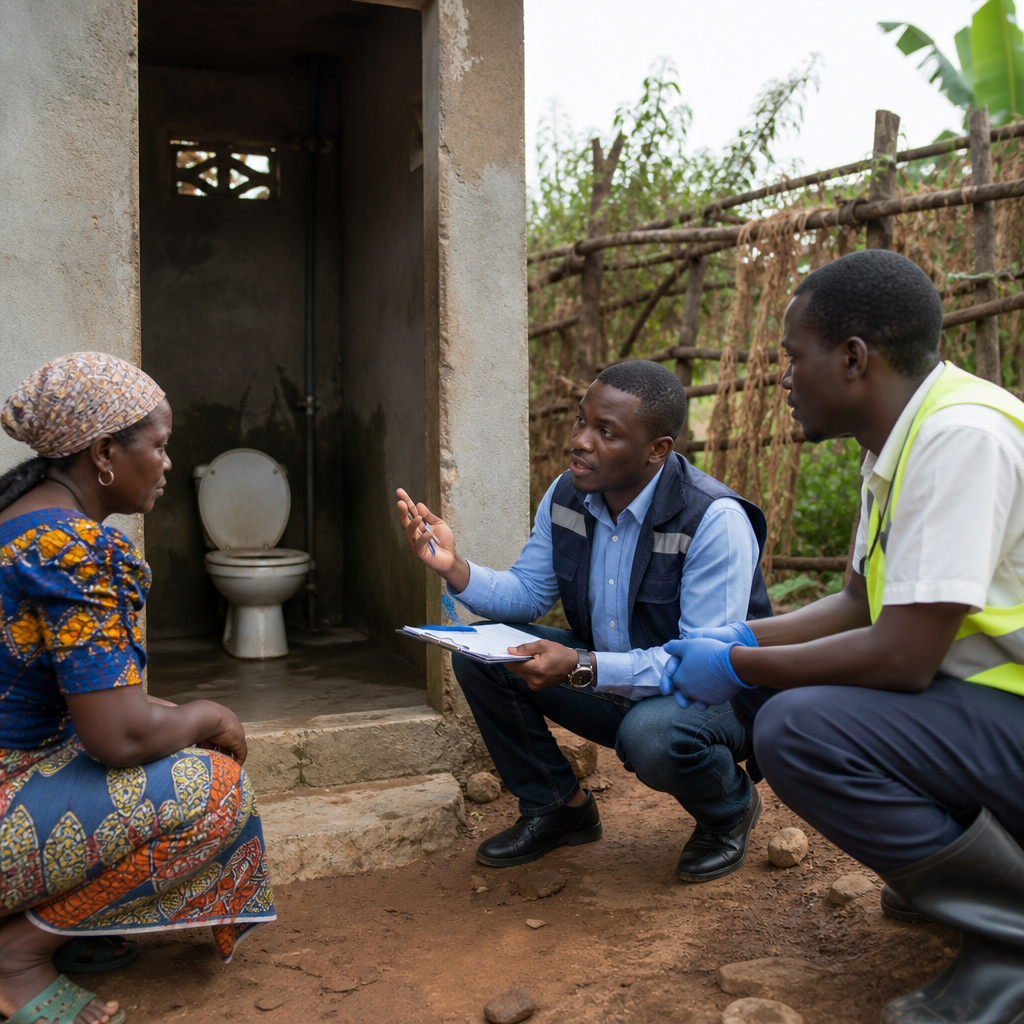
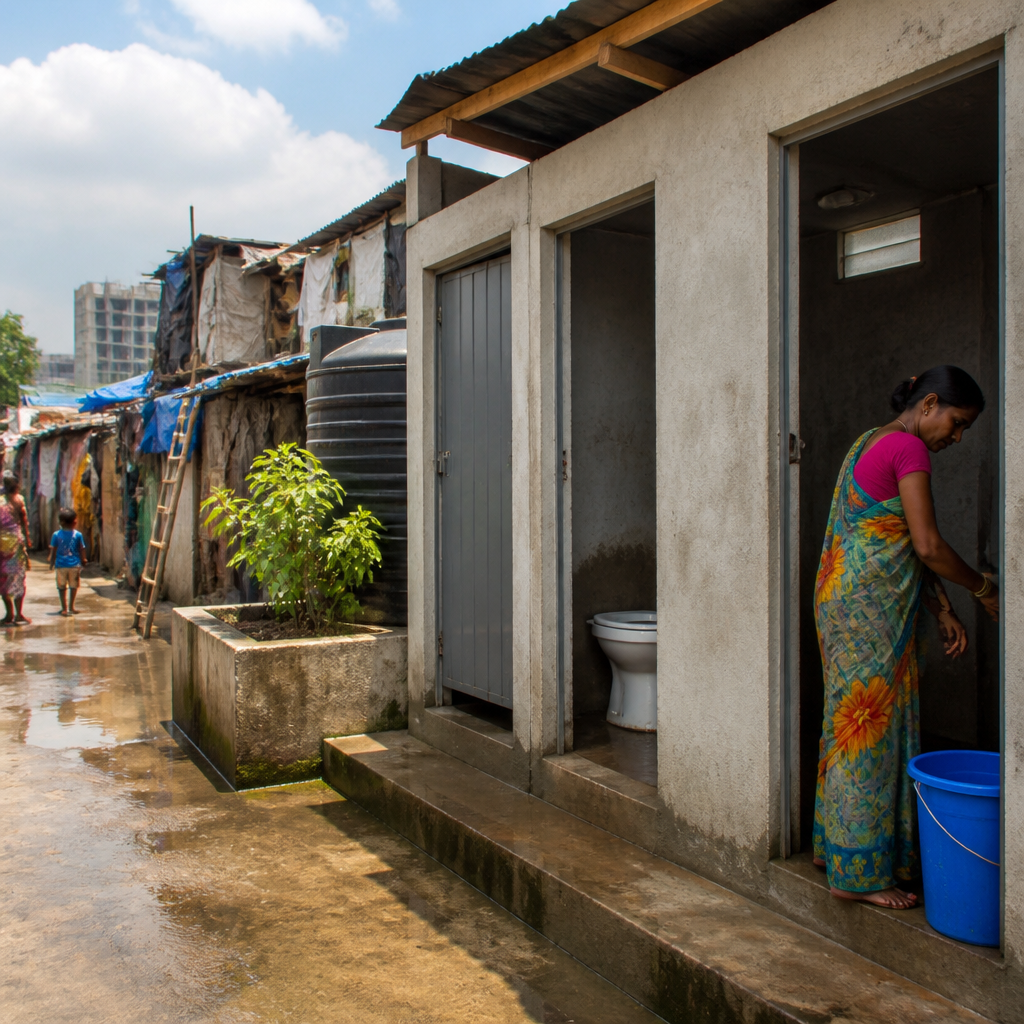
Shared facilities require special attention because they dominate sanitation in many informal settlements. Safe shared EcoSan toilets need lighting, internal locks, menstrual waste bins, child-friendly features, non-slip floors, and clear cleaning responsibilities. If no one is accountable for cleaning, even good hardware degrades fast. Operators should post simple instructions in local languages and use visual signage for handwashing, urine diversion where relevant, and emergency reporting. Community oversight committees can help, but they work best when linked to a funded service model rather than relying entirely on voluntary labor.
Health Risks and How EcoSan Controls Them
The main health danger in sanitation is exposure to pathogens in feces, urine where contamination occurs, and wastewater. These pathogens include bacteria such as Escherichia coli and Vibrio cholerae, viruses such as rotavirus and hepatitis A, protozoa such as Giardia, and helminths including Ascaris. In slums, transmission pathways are intensified by crowding, poor drainage, flies, contaminated hands, unsafe child feces disposal, and shared surfaces that are rarely disinfected. Any claim that a sanitation system is safe must show how it interrupts these pathways.
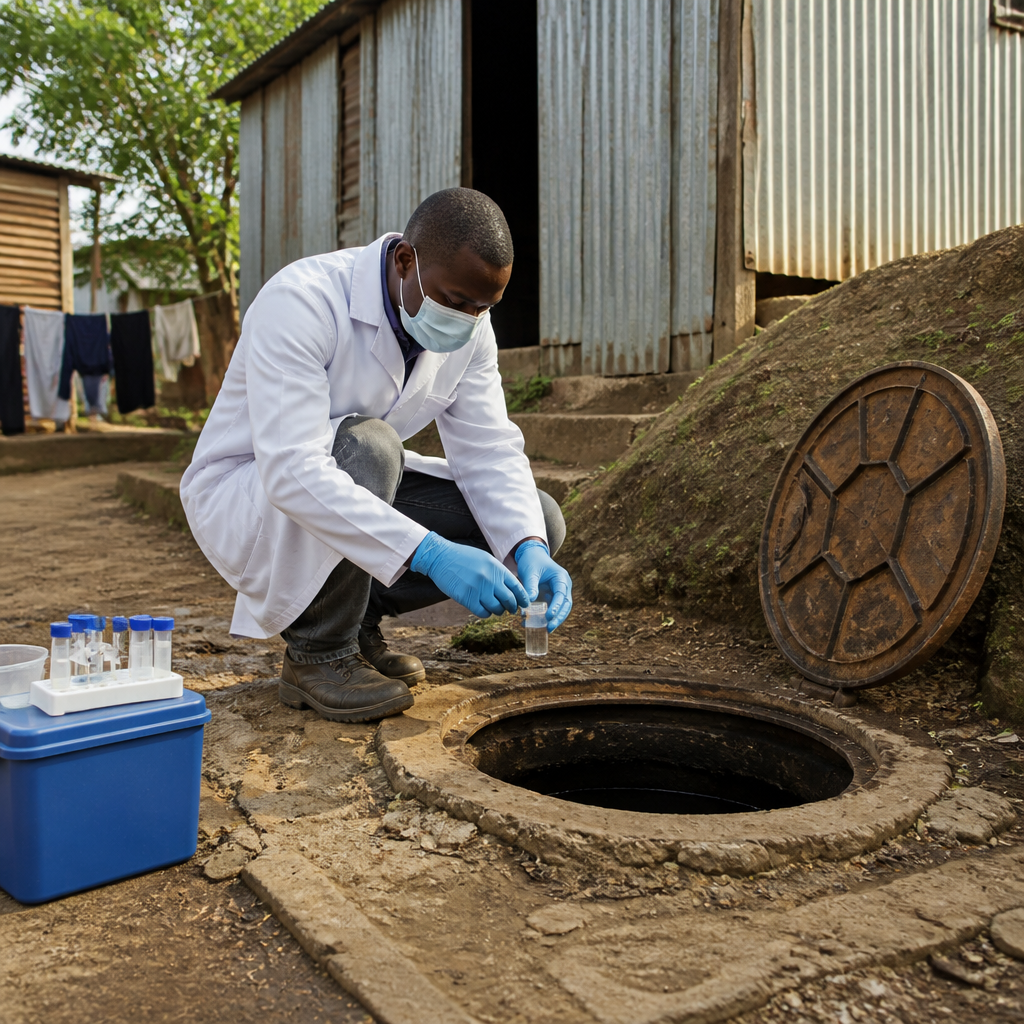
EcoSan controls risk through a barrier approach. First, excreta must be contained. Second, users need facilities for handwashing with soap and water or an effective alternative. Third, waste needs adequate treatment time, temperature, dehydration, pH increase, or off-site processing to reduce pathogens before reuse or disposal. Fourth, workers need personal protective equipment and standard operating procedures. Fifth, monitoring must confirm that treatment assumptions match real conditions. I have reviewed sites where compost chambers were opened early because storage space ran out, turning a theoretically safe design into a direct exposure hazard. Time and discipline matter as much as technology.
Standards provide a useful baseline. The World Health Organization has published guidance on sanitation safety planning and safe use of wastewater, excreta, and greywater. The International Organization for Standardization has also issued standards for non-sewered sanitation systems, including performance expectations for treatment and emissions. In practice, operators in urban slums may not quote these documents, but planners should use them. They help define acceptable pathogen reduction, user safety, odor control, and management processes. A safe system is not one that sounds ecological; it is one that consistently meets protective performance conditions under local stress.
Choosing the Right EcoSan Model for Safety and Sustainability
No single EcoSan model fits every slum. The right choice depends on groundwater depth, flood risk, plot size, tenancy patterns, waste collection access, user preferences, and the strength of local service providers. Where flooding is frequent, raised or above-ground systems are often safer than pits. Where alleys are too narrow for vacuum trucks, container collection or small-scale transfer solutions may be more practical. Where residents move frequently, systems that require extensive user training or long maturation periods can struggle. The technology must match the settlement, not the other way around.
The comparison below shows the tradeoffs decision-makers should assess before selecting a system for dense settlements.
| EcoSan option | Best use case | Key safety strengths | Main limitations |
|---|---|---|---|
| Urine-diverting dry toilet | Low-water areas with trained users and manageable sharing levels | Reduces liquid load, supports nutrient recovery, limits smell when maintained well | User error can mix waste streams; storage and ash supply must be managed carefully |
| Container-based sanitation | High-density settlements with poor road access and service operators | Sealed containment, frequent removal, reduced groundwater contamination | Depends heavily on reliable collection schedules and affordable service fees |
| Composting toilet | Sites with strong management capacity and space for controlled treatment | Potential resource recovery and reduced off-site disposal volume | Pathogen reduction is inconsistent if moisture, temperature, and retention time are poorly controlled |
| Decentralized shared facility with off-site treatment | Large compounds, markets, schools, and community toilet blocks | Professionalized operation, easier cleaning supervision, can integrate handwashing and menstrual hygiene | Requires institutional management, tariff design, and secure sludge transport chain |
In real projects, hybrid systems are common. A community toilet block may use urine diversion in one section, container collection in another, and greywater soakage or treatment nearby. The critical issue is operational coherence. If users, cleaners, collectors, and treatment operators each follow different assumptions, the chain breaks. The safest choice is often the one with the simplest maintenance demands and the clearest accountability.
Operations, Worker Safety, and Community Management
Sanitation systems in slums succeed or fail through operations. Daily cleaning, fill-level checks, soap supply, minor repairs, user communication, fee collection, and scheduled emptying are not secondary details; they are the core service. I have seen well-funded toilet installations become hazardous within six months because no budget existed for cleaning staff, replacement parts, or sludge removal. Sustainable EcoSan requires a service model with named responsibilities, realistic tariffs or subsidies, and supervision.
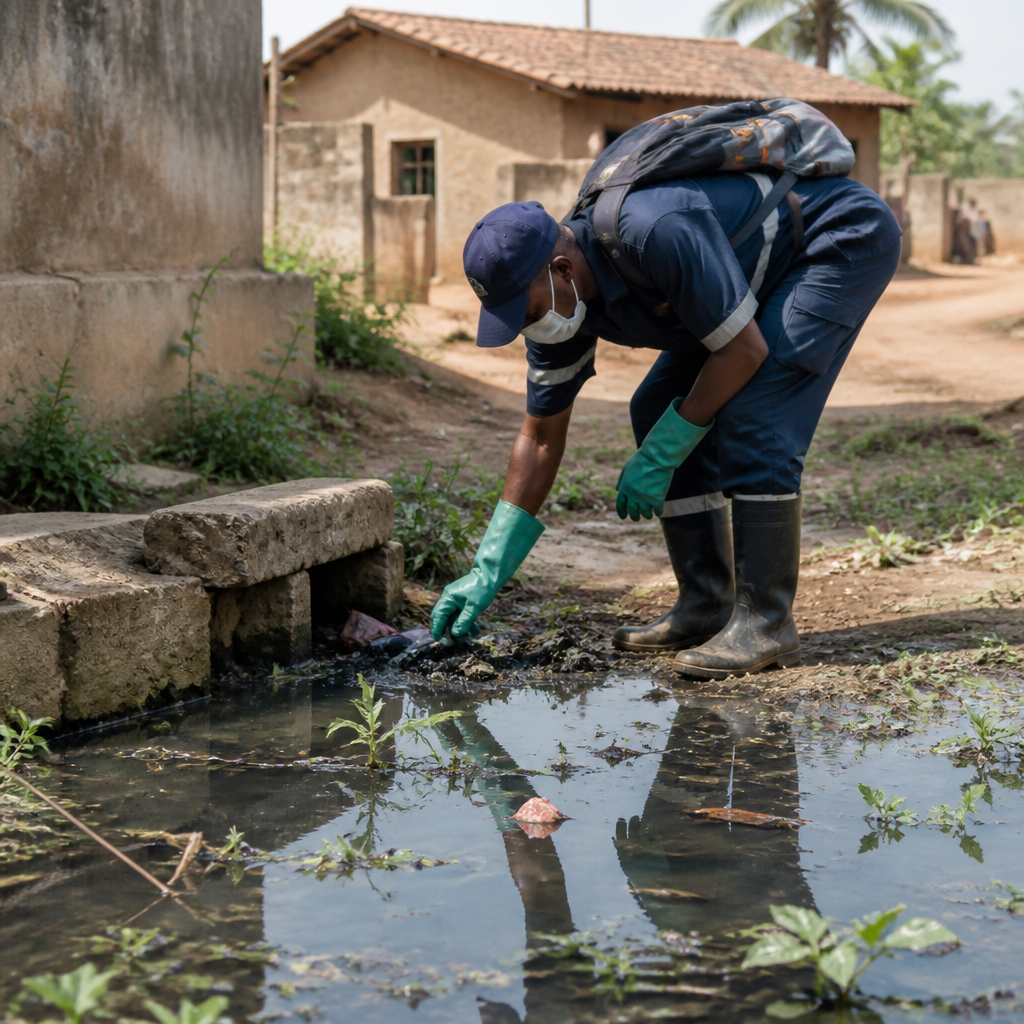
Worker safety is especially important. Emptiers, cleaners, and transport crews face direct exposure to fecal sludge, sharps, chemical cleaners, and sometimes toxic gases in enclosed spaces. They need gloves, boots, masks where appropriate, handwashing access, vaccinations recommended by local health authorities, and training in spill response. Manual entry into confined spaces should be avoided; where unavoidable under regulated conditions, it requires strict safety protocols. The history of sanitation work shows that informal labor is often invisible, underpaid, and unprotected. Any sanitation plan that ignores workers is unsafe by definition.
Community management also needs realism. Resident committees can support oversight, mediate disputes, and monitor misuse, but they should not substitute for professional servicing in high-density settings. Better results usually come from a blended model: community participation for governance and feedback, paired with contracted operators for cleaning, collection, and treatment. Digital payment tools, QR-coded service logs, and fill-level monitoring can improve accountability, yet low-tech methods still work if records are consistent. A notebook with cleaning times, soap stock, and emptying dates is far better than no management system at all.
Environmental Performance, Resource Recovery, and Long-Term Viability
Sustainability in EcoSan is not only about using less water. It includes reducing contamination of drains and aquifers, lowering uncontrolled methane emissions from poorly managed waste, conserving nutrients, and creating systems cities can afford to expand. Urine contains much of the nitrogen and potassium in domestic excreta, while fecal matter contains organic carbon and phosphorus. When safely treated, these outputs can support agriculture, landscaping, or soil improvement. However, reuse is a benefit only after health protection is secured. Untreated or poorly treated products should never be marketed as safe compost.
Long-term viability depends on economics. Households in urban slums often already pay for sanitation indirectly through medical costs, lost work time, and ad hoc toilet fees. Even so, affordability matters. Monthly service pricing must reflect local income patterns, especially where residents earn irregular wages. Cross-subsidies, municipal support, output-based aid, and partnerships with social enterprises can help close the funding gap. The most resilient systems usually combine user payments with public financing for treatment infrastructure, oversight, and services to the poorest households.
Climate resilience is another decisive factor. More intense rainfall can flood pits and spread contamination across settlements. Heat can worsen odors and speed component degradation. Water scarcity can make flush-based systems unreliable. EcoSan approaches that minimize water dependence, prevent overflow, and allow decentralized treatment can strengthen resilience when designed properly. Still, sustainability must be measured with data. Useful indicators include toilet usability rates, handwashing functionality, safe emptying frequency, pathogen reduction performance, customer retention, worker injury rates, and the percentage of waste reaching approved treatment or reuse destinations.
How to Build a Safer EcoSan Hub Strategy
As a hub topic under health and safety, safe and sustainable sanitation for urban slums should connect closely with practical subtopics that answer the next questions readers have. These include how to design safer shared toilets, how to protect sanitation workers, how fecal sludge management works in informal settlements, how to prevent contamination during floods, how to integrate menstrual hygiene and child-friendly design, and how to evaluate treated sludge or urine for reuse. A strong hub page gives readers a complete framework first, then points them toward deeper operational guidance in specialized articles.
The best strategy is to organize information around the sanitation chain and the people exposed at each point. Start with user safety at the toilet, move to containment and cleaning, then cover collection, transport, treatment, reuse, and monitoring. Along the way, answer direct questions plainly: Is EcoSan safe in slums? Yes, if waste is contained, treatment is verified, and operations are reliable. Is it always cheaper than sewers? No, but it is often more feasible and faster to scale in informal areas. Can waste be reused safely? Yes, but only after appropriate treatment and handling controls. Those direct answers build clarity and trust.
Safe and sustainable sanitation for urban slums is achievable when EcoSan is treated as a managed public health service rather than a one-time construction project. The key lessons are clear: choose technologies that fit dense settlements, control pathogens through the full sanitation chain, protect workers as carefully as users, and finance operations for the long term. Resource recovery can add value, but safety comes first, every time. If you are building a health and safety content hub or planning sanitation improvements on the ground, map every risk from toilet use to final treatment, then strengthen the weakest link before expanding further.
Frequently Asked Questions
What makes sanitation in urban slums especially difficult to improve?
Sanitation in urban slums is uniquely challenging because the problem is not just about building toilets. It is tied to overcrowding, insecure land tenure, weak drainage, limited water supply, poor solid waste management, and the absence of reliable public services. In many informal settlements, families live very close together on land that may flood seasonally or lack enough space for conventional septic systems or sewer lines. That means standard sanitation models used in formal neighborhoods often do not fit the physical reality on the ground.
Another major barrier is affordability. Even when safer toilet options exist, low-income households may not be able to pay upfront construction costs, regular emptying fees, or water charges. Shared toilets can help improve access, but if they are poorly managed, they may become dirty, unsafe, or unusable, especially for women, children, older adults, and people with disabilities. Sanitation systems also fail when there is no plan for what happens after the toilet is used. If fecal sludge is dumped into drains, rivers, or open land, the public health hazard simply shifts from the household to the wider community.
Governance is equally important. Urban slums are often underserved because responsibilities are fragmented across agencies, regulations may not recognize informal areas, and sanitation planning may exclude the voices of residents. As a result, communities are left with unsafe pit latrines, overflowing toilets, or open defecation in places where population density makes the health risks extremely high. Effective improvement requires a full-chain approach that includes containment, collection, transport, treatment, reuse or disposal, and long-term management, not just isolated infrastructure projects.
What is EcoSan, and how is it different from conventional sanitation systems?
EcoSan, or ecological sanitation, is an approach to sanitation that aims to protect human health while also recovering valuable resources from human waste. Instead of treating urine and feces only as waste to be removed, EcoSan systems are designed to safely capture nutrients, water, and organic matter so they can be reused where appropriate. This makes EcoSan different from many conventional systems, which often focus primarily on disposal and can require large amounts of water, expensive underground networks, and centralized treatment infrastructure.
In practical terms, EcoSan may include systems such as urine-diverting dry toilets, composting toilets, or other decentralized technologies that separate waste streams and make safe treatment easier. Urine contains a large share of the nitrogen and phosphorus excreted by humans, and when properly handled, it can be used as a fertilizer input. Fecal matter, once adequately treated to destroy pathogens, can contribute organic material that improves soil. The core idea is to close nutrient loops rather than pollute waterways or overload poorly functioning sanitation systems.
For urban slums, EcoSan can be especially valuable because it does not always depend on continuous piped water or full sewer coverage. It can be adapted to dense and low-resource environments when there is careful planning, user education, routine maintenance, and safe end-use practices. That said, EcoSan is not a one-size-fits-all solution. Its success depends on cultural acceptance, available space, local climate, operations capacity, and whether there is a practical system for collection, treatment, and reuse. When implemented well, EcoSan can reduce disease risks, conserve water, lower environmental contamination, and create local value from materials that would otherwise become dangerous pollutants.
How can safe sanitation reduce disease and improve daily life in urban slum communities?
Safe sanitation interrupts one of the most common pathways of disease transmission: contact with human feces in the living environment. Where toilets are inadequate or waste is not safely contained and treated, pathogens can spread through water, soil, food, insects, and contaminated hands. This increases the risk of diarrheal disease, intestinal worm infections, cholera, typhoid, and other illnesses that are especially dangerous for young children, pregnant women, and people with weakened immune systems. Better sanitation reduces exposure at the household and neighborhood levels, helping break the constant cycle of infection.
The benefits go far beyond health statistics. A reliable, safe, and accessible toilet improves dignity, privacy, and personal security. This is particularly important for women and girls, who often face heightened risks when they have to walk long distances, use isolated facilities at night, or wait until dark to relieve themselves. Better sanitation can also support school attendance, menstrual health management, and the ability of people with disabilities or chronic illnesses to use facilities safely and independently.
There are also economic and social gains. Families spend less on medical treatment and lose fewer workdays to illness. Children miss fewer school days. Cleaner surroundings reduce foul odors, standing waste, and blocked drains, which can improve quality of life and neighborhood morale. In densely populated settlements, even modest improvements in sanitation can have a large public health impact because so many people share the same environment. That is why sanitation is not just an infrastructure issue; it is a foundational investment in health, safety, and human development.
Is sustainable sanitation affordable and realistic for low-income urban settlements?
Yes, sustainable sanitation can be both affordable and realistic for low-income urban settlements, but only when it is planned around local conditions rather than imposed as a standard model. The most effective solutions are often incremental, decentralized, and service-oriented. Instead of assuming every area needs immediate sewer expansion, cities can use a mix of approaches such as improved shared toilets, container-based sanitation, simplified sewerage, fecal sludge management services, and EcoSan systems adapted to space, water, and income constraints. The key is to match technology with operation and financing.
Affordability improves when sanitation is treated as a long-term public service rather than a one-time construction project. Many failures happen because toilets are built without budgeting for cleaning, repairs, sludge emptying, user training, or treatment infrastructure. In contrast, sustainable models spread costs over time through tariffs, microfinance, targeted subsidies, community management, social enterprises, or public-private partnerships. Well-designed subsidies can be especially important for the poorest households, while still ensuring that service providers remain viable and accountable.
Realism also depends on community acceptance and management. Residents are more likely to use and maintain sanitation facilities when they are involved in siting, design, rules for shared use, and oversight. Systems must be convenient, safe, culturally acceptable, and easy to maintain. In many cases, the most realistic path is not a single major intervention, but a phased strategy: immediate access to safer toilets, followed by better collection and transport, then stronger treatment and resource recovery. Sustainable sanitation becomes practical when cities recognize informal settlements in planning, support local operators, and invest across the entire sanitation chain.
What should city leaders, NGOs, and communities prioritize to create lasting sanitation improvements?
Lasting sanitation improvement starts with recognizing that toilets alone are not enough. City leaders, NGOs, and communities should prioritize the full sanitation service chain: safe user access, proper waste containment, reliable emptying or collection, safe transport, effective treatment, and environmentally sound reuse or disposal. If any link in that chain is weak, health risks remain. Planning should begin with a realistic assessment of settlement density, flood risk, water availability, soil conditions, land constraints, and current practices, so that solutions are technically suitable and operationally sustainable.
A second priority is inclusive governance. Residents of urban slums should be treated as partners, not passive beneficiaries. Women, tenants, landlords, youth groups, and people with disabilities often experience sanitation challenges differently, and those differences matter in design and management. Facilities need clear ownership, maintenance responsibilities, cleaning schedules, and financing arrangements. Without this, even well-built systems can deteriorate quickly. Strong monitoring is also essential, including data on usage, functionality, sludge removal, treatment performance, and user satisfaction.
Third, institutions should invest in solutions that protect both public health and the environment. That includes preventing untreated waste from entering drains and waterways, supporting fecal sludge treatment plants, and exploring resource recovery through approaches such as EcoSan where feasible. Training local operators, creating safe sanitation jobs, and strengthening municipal regulation can help systems last beyond pilot projects. The most successful sanitation programs combine infrastructure, behavior change, service delivery, and policy support. When these elements work together, urban slum communities can move from chronic exposure and environmental contamination toward healthier, safer, and more resilient living conditions.