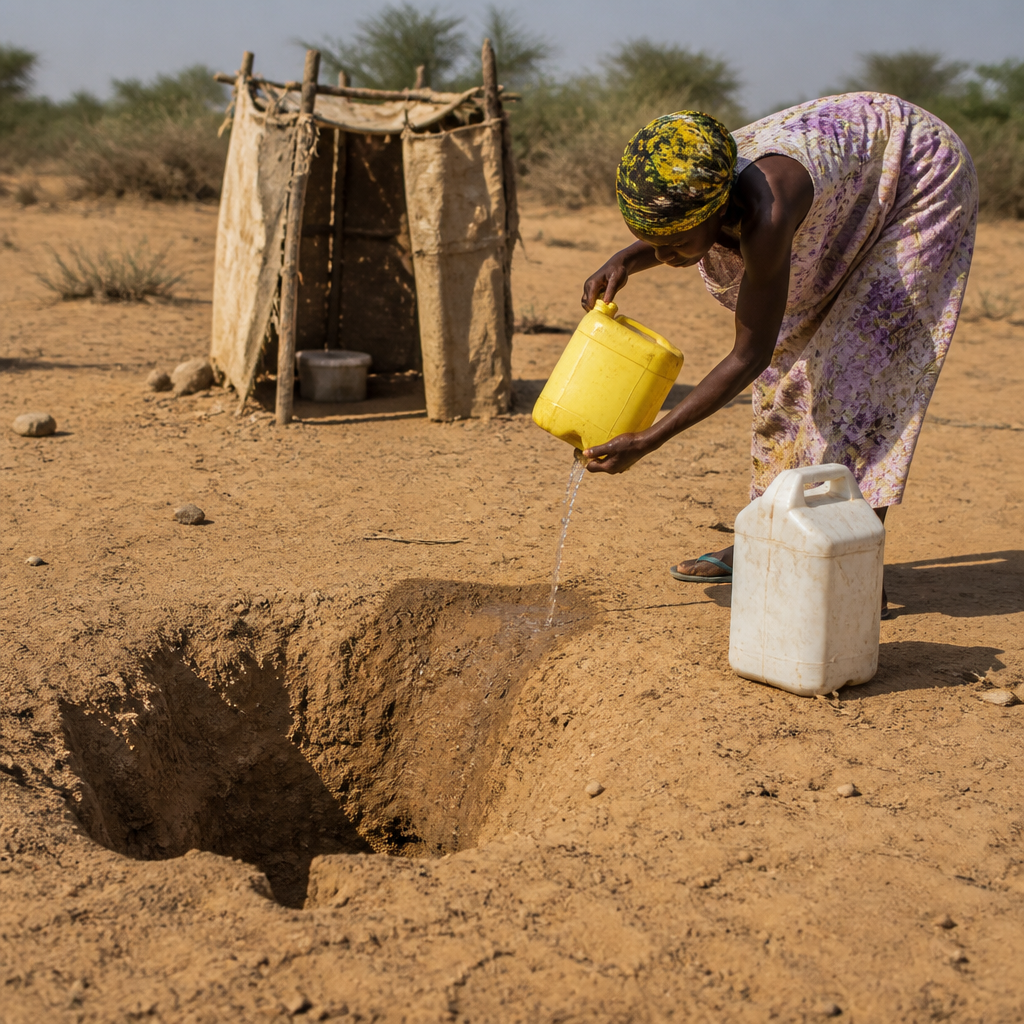
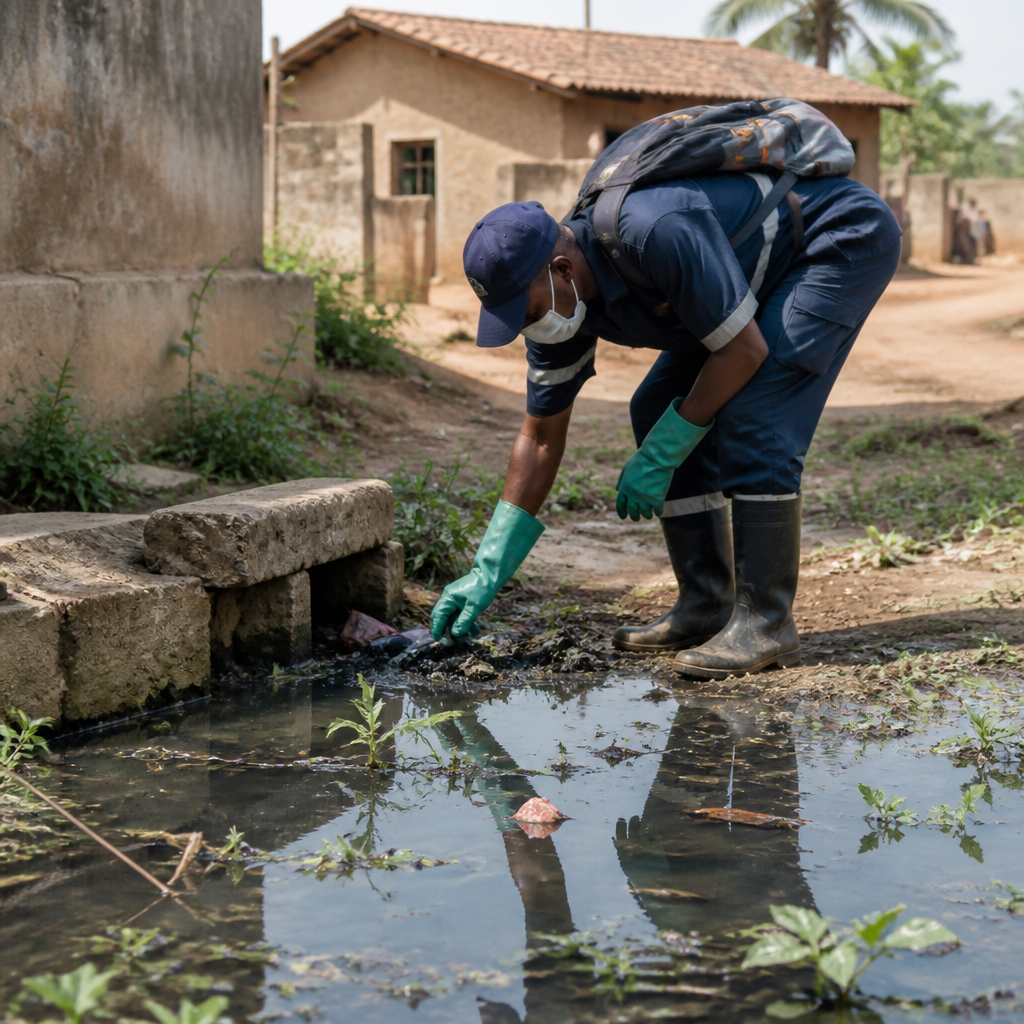
Advocacy for health and safety in sanitation policies starts with a simple truth: sanitation systems protect life only when they are designed, operated, and governed to control risk from the toilet to final reuse or disposal. In work on sanitation planning, I have seen technically impressive projects fail because policymakers treated toilets as isolated hardware instead of part of a public health chain. That mistake is especially costly in ecological sanitation, commonly shortened to EcoSan, where the goal is not only safe containment of human waste but also recovery of water, nutrients, and energy. Safety and sustainability in EcoSan therefore means managing pathogens, chemicals, user behavior, maintenance, regulation, and environmental performance as one integrated system.
EcoSan refers to sanitation approaches that close resource loops by treating excreta and wastewater as potential inputs for agriculture, landscaping, soil restoration, or energy generation. Common examples include urine-diverting dry toilets, composting toilets, decentralized wastewater treatment, constructed wetlands, and fecal sludge treatment systems that produce compost or fuel. The sustainability case is strong. Human urine contains most of the nitrogen and a large share of the phosphorus excreted by households. Recovered organic matter can improve soils, reduce dependence on synthetic fertilizer, and support climate resilience where water and nutrients are scarce. Yet none of those benefits matter if users, workers, or nearby communities are exposed to disease-causing organisms, toxic contaminants, or unsafe operating conditions.
That is why advocacy for health and safety in sanitation policies matters. Effective policy decides what standards apply, who is accountable, how facilities are financed, what monitoring data must be collected, and which protections workers and users can expect. The strongest policies do more than promote access. They define treatment targets, require hygiene barriers, fund inspections, and connect sanitation with public health, occupational safety, environmental regulation, urban planning, and agriculture. A hub article on this subject must therefore answer the practical questions decision-makers ask: what risks exist in EcoSan, which standards should guide policy, what design and management practices reduce harm, and how can governments scale safe systems without undermining sustainability goals?
Across cities, schools, health facilities, and rural settlements, the answer is consistent: safe EcoSan policy is based on risk assessment, multiple barriers, inclusive operations, and long-term oversight. Systems must match local climate, housing density, cultural practices, land availability, and service capacity. A urine-diverting dry toilet may be appropriate in a water-scarce rural district, while a dense informal settlement may need container-based sanitation linked to a professionally managed treatment chain. There is no single technology winner. There is, however, a clear policy principle: every sanitation option should be evaluated by whether it protects human health, preserves environmental quality, and remains operable and affordable over time.
Why health-centered sanitation policy is the foundation of safe EcoSan
Health-centered sanitation policy begins by recognizing that exposure happens at many points, not just at the toilet. Users may contact fresh feces because pans are hard to clean. Children may reach storage vaults. Emptying crews may inhale dust or aerosols, suffer needlestick injuries, or work without gloves, boots, masks, or vaccination. Farmers may apply incompletely treated sludge to crops. Groundwater can be contaminated where pits or tanks are sited poorly. In several municipal reviews I have supported, the most serious failures were not engineering defects but governance gaps: no desludging schedule, no operator training, no pathogen testing, and no enforcement when reuse rules were ignored.
Policy should therefore map the full sanitation service chain: capture, storage, conveyance, treatment, reuse, and final disposal. The World Health Organization sanitation safety planning approach is useful because it asks authorities to identify hazardous events, assess exposure pathways, and prioritize control measures. This is more realistic than relying on one end-point test or assuming that a labeled composting toilet is automatically safe. A safe policy framework also aligns with the Human Rights to Water and Sanitation by emphasizing availability, accessibility, acceptability, quality, dignity, and non-discrimination. Health protection is not separate from equity. Systems that ignore women’s safety, disability access, menstrual hygiene, or informal workers’ conditions are not safe systems.
Public institutions have a special role because fragmented responsibility is common. Ministries of health may regulate disease prevention, environment agencies may regulate effluent, agriculture departments may oversee biosolids reuse, and local governments may manage permits and contracts. Without coordination, critical controls fall through the gaps. Strong sanitation policy assigns lead responsibility, establishes inspection authority, and requires routine reporting on operational performance, worker safety incidents, and environmental outcomes.
Core risks in EcoSan systems and the controls policies should require
The primary biological risk in EcoSan is pathogen transmission. Human excreta can contain bacteria such as Salmonella, viruses such as rotavirus and norovirus, protozoa, and helminths including Ascaris, which is notably persistent in the environment. Treatment requirements must reflect the hardest organisms to inactivate. Drying, storage time, elevated temperature, pH increase, composting, and alkaline treatment can all reduce pathogens, but performance varies with moisture content, mixing, climate, and operator consistency. Policies should never assume complete safety from storage alone unless local evidence supports that claim.
Chemical risks also matter. Pharmaceuticals, hormones, household chemicals, industrial discharges, and heavy metals can enter source-separated streams, especially in mixed urban catchments. Reuse standards should therefore distinguish between household systems and systems receiving commercial or industrial wastewater. Nutrient recovery is beneficial, but uncontrolled application can cause nitrate leaching, ammonia volatilization, or phosphorus runoff that damages water bodies. Occupational risks are equally important. Sanitation workers face musculoskeletal strain, heat stress, confined-space hazards, and exposure to hydrogen sulfide and methane in some treatment settings.
| Risk area | Typical hazard | Policy control | Example |
|---|---|---|---|
| Biological | Ascaris eggs in stored feces | Minimum treatment time, temperature or pH targets, verification testing | Require validated composting or alkaline treatment before agricultural reuse |
| Chemical | Nitrate leaching from urine application | Crop-specific application rates and setback distances from water sources | Link farmer permits to nutrient management plans |
| Occupational | Worker exposure during emptying | PPE, vaccination, mechanized handling where possible, formal contracts | Municipal licensing tied to safety training and incident reporting |
| Environmental | Groundwater contamination from poor siting | Setback rules, soil assessment, lined storage where needed | Restrict installations in flood-prone areas with shallow water tables |
The best controls follow a multiple-barrier model. That means combining safer toilet interfaces, secure storage, validated treatment, restricted crop use where necessary, handwashing, PPE, and monitoring rather than trusting a single intervention. In practice, policy should specify measurable requirements: maximum fill levels, minimum curing periods, moisture thresholds for composting, exclusion periods before harvest, and safe transport rules. Clear controls are easier to inspect and easier for service providers to follow.
Design choices that improve safety and sustainability in EcoSan
Different EcoSan technologies solve different problems, so policy should be performance-based rather than promotional. Urine-diverting dry toilets reduce water use and make nutrient recovery easier, but they demand reliable user behavior, regular ash or cover material use, and thoughtful management of anal cleansing practices. Composting toilets can work well where temperatures, carbon inputs, and maintenance are adequate, yet many underperform when chambers stay too wet or users add inappropriate waste. Container-based sanitation offers stronger service control in dense settlements because waste is removed in sealed containers by trained teams, but it depends on disciplined logistics and treatment capacity.
Decentralized wastewater treatment systems, anaerobic baffled reactors, planted gravel filters, and constructed wetlands can support neighborhood-scale EcoSan goals by lowering water pollution and enabling reuse for irrigation or landscaping. However, these systems require hydraulic design, sludge management, vector control, and land for polishing stages. In schools and clinics, I generally recommend policies that prioritize robustness over novelty. Facilities with high user turnover need designs that tolerate misuse, provide accessible handwashing, separate menstrual waste where relevant, and allow staff to inspect and clean critical components daily.
Climate and geography must shape policy. Flood-prone zones need elevated or sealed systems. Cold climates may need longer storage times or supplemental treatment because pathogen die-off slows in low temperatures. Water-scarce regions benefit from dry or low-flush systems, but dust control and user cleaning routines become more important. Sustainability is achieved not by copying a model from another country but by matching design assumptions to local operating realities.
Standards, monitoring, and enforcement that make policy credible
Safe sanitation policy depends on standards that can actually be enforced. International guidance from the World Health Organization on safe use of wastewater, excreta, and graywater, along with sanitation safety planning methods, provides a sound basis for national regulation. ISO 30500, which covers non-sewered sanitation systems, is also relevant for performance expectations around treatment and emissions. These references matter because they shift debate away from unsupported claims and toward validated outcomes.
Monitoring should include both process indicators and outcome indicators. Process indicators might track storage duration, compost temperature records, pH after treatment, number of safe emptying events, PPE compliance, and maintenance logs. Outcome indicators include E. coli as an operational signal, helminth reduction where relevant, nitrate levels near vulnerable water sources, user complaints, and worker injury rates. Relying only on occasional laboratory results misses chronic management failure. Conversely, relying only on checklists misses unseen contamination. Good policy combines both.
Enforcement works best when tied to permits, procurement, and service contracts. Municipalities can require treatment validation before approving reuse, license emptiers only after safety training, and make payment to operators conditional on documented performance. Public dashboards, while simple, can improve accountability by showing which facilities meet inspection targets. Where capacity is limited, regulators should focus first on highest-risk sites such as markets, schools, health facilities, dense informal settlements, and flood-exposed areas.
Worker protection, community trust, and behavior change
No sanitation policy is credible if it depends on invisible labor while neglecting worker protection. Formalizing sanitation work is one of the fastest ways to improve both health and service quality. That means contracts, fair pay, vaccination against tetanus and hepatitis where indicated, access to washing facilities, PPE sized for women and men, incident reporting, and training in spill response and decontamination. Mechanization should be used whenever feasible to reduce direct contact and strain. In cities that moved from informal manual emptying to licensed service models, authorities typically saw better reliability and fewer unsafe dumping events because workers had legal disposal points and enforceable standards.
Community trust is just as important. People will not use EcoSan systems correctly if they find them confusing, dirty, unsafe at night, or socially unacceptable. Policies should require user education at installation and refresher communication later, because behavior drifts over time. Clear instructions on urine diversion, cover material, handwashing, and what not to put in the system prevent expensive failure. Engagement with farmers, school staff, landlords, women’s groups, and disability advocates improves design and compliance. In my experience, adoption rises when users understand not just what to do but why each step protects health.
Building a policy roadmap for scalable, safe EcoSan
Advocacy is most effective when it translates broad principles into a practical roadmap. First, governments should adopt service-chain regulation rather than technology-only rules. Second, they should classify settings by risk and define fit-for-purpose standards for households, public institutions, farms, and urban service providers. Third, budgets must cover operations, monitoring, and worker safety, not only construction. Fourth, data systems should track functionality, treatment performance, occupational incidents, reuse volumes, and environmental impacts. Fifth, policies should support innovation pilots but require independent evaluation before scale-up.
Financing mechanisms can reinforce safety and sustainability. Output-based aid, performance contracts, and scheduled desludging fees encourage continuous service. Procurement should favor designs with documented lifecycle costs and spare-part availability. Research partnerships with universities can fill evidence gaps on pathogen die-off, micropollutants, and climate resilience under local conditions. Finally, advocacy should connect sanitation to food systems, groundwater protection, school attendance, and urban resilience. When leaders see EcoSan as core public health infrastructure rather than a niche environmental project, stronger policy follows.
Safety and sustainability in EcoSan are achievable when policy treats sanitation as a managed public health service rather than a one-time construction program. The key lessons are clear: regulate the full service chain, use multiple barriers to control risk, match technology to context, protect workers, verify performance, and engage communities in everyday operation. Done well, EcoSan can conserve water, recover nutrients, reduce pollution, and expand dignified access without compromising health. Done poorly, it can shift exposure from one stage to another and hide risk behind green language.
For policymakers, practitioners, and advocates, the next step is straightforward: review current sanitation rules against real exposure pathways, identify the weakest control points, and strengthen standards, funding, and accountability where failure is most likely. That is how advocacy for health and safety in sanitation policies turns EcoSan from a promising concept into dependable public health protection.
Frequently Asked Questions
1. Why is advocacy so important in health and safety sanitation policies?
Advocacy is essential because sanitation policy is not just about building toilets or installing infrastructure; it is about protecting public health across an entire system. Effective sanitation only works when every step in the chain is considered, including containment, collection, transport, treatment, reuse, and final disposal. When policy focuses too narrowly on visible hardware, it often overlooks the pathways through which pathogens, chemicals, and environmental contaminants can continue to harm people. Advocacy helps decision-makers understand that sanitation is a health protection issue first and an engineering issue second.
Strong advocacy also brings urgency and accountability to sanitation planning. It can push governments, utilities, NGOs, and private operators to adopt standards that reduce risk for users, sanitation workers, nearby communities, and the environment. This is especially important in low-resource or rapidly growing urban settings, where weak regulation can lead to unsafe sludge handling, groundwater contamination, poor maintenance, and system failure. In practical terms, advocacy creates the political will to fund safe systems, enforce regulations, support operator training, and ensure that vulnerable communities are not left with dangerous or incomplete services.
Perhaps most importantly, advocacy helps reframe sanitation as a public health chain rather than a stand-alone product. That shift in perspective leads to better policy choices, such as risk-based planning, lifecycle monitoring, worker protections, and safer reuse practices. Without advocacy, sanitation policy can become fragmented and reactive. With it, health and safety become non-negotiable design principles embedded from the beginning.
2. What does a health and safety approach to sanitation policy actually involve?
A health and safety approach to sanitation policy involves managing risk from the point where waste is generated all the way to its final treatment, reuse, or disposal. This means policymakers must look beyond access figures and ask deeper questions: Is human waste safely contained? Are workers protected during emptying and transport? Is treatment reliable enough to reduce pathogens? If waste is reused in agriculture or landscaping, are exposure risks being controlled? A policy that can answer these questions clearly is much stronger than one that simply tracks how many toilets were installed.
In practice, this approach includes standards, operational procedures, inspections, and clear institutional roles. It often requires technical guidelines for system design, minimum safety requirements for treatment processes, monitoring protocols for environmental and public health indicators, and emergency plans for failures such as overflows, flooding, or contamination events. It also includes occupational health protections, because sanitation workers are often among the most exposed people in the entire system. Gloves, masks, safe equipment, vaccination access, hygiene training, and legal labor protections should all be part of policy, not optional extras.
A robust health and safety framework also recognizes that sanitation systems must function under real local conditions. Policies should account for population density, water availability, soil and groundwater conditions, climate risks, maintenance capacity, and financial realities. The strongest sanitation policies are practical, preventive, and evidence-based. They define safety outcomes, assign responsibility, and create mechanisms for enforcement and continuous improvement rather than assuming that infrastructure alone will guarantee protection.
3. Why do sanitation projects fail when toilets are treated as isolated infrastructure?
Sanitation projects often fail when toilets are treated as the endpoint rather than the starting point of a larger safety system. A toilet may look successful on installation day, but if waste is not safely contained, emptied, transported, treated, and managed afterward, the health risk has merely been moved out of sight. This is one of the most common weaknesses in sanitation policy and programming. It creates a false sense of progress while allowing contamination to continue in homes, drains, fields, water sources, and informal dumping sites.
There are several reasons this narrow approach leads to failure. First, it ignores operations and maintenance. Toilets fill up, components break, and users need reliable service over time. Second, it neglects downstream infrastructure, which means fecal sludge or wastewater may be handled unsafely once it leaves the toilet. Third, it often leaves major gaps in regulation, especially in peri-urban and informal areas where service chains are fragmented. Finally, it can overlook behavior, user needs, affordability, and cultural acceptance, all of which affect whether facilities are used properly and consistently.
From a policy standpoint, isolated toilet thinking usually results in weak performance metrics. Counting installations is easier than measuring safety across the sanitation chain, but it is far less meaningful. A more effective policy framework measures whether sanitation services are safely managed and whether exposure risks are actually reduced. That broader perspective leads to more durable investments, fewer breakdowns, stronger public confidence, and better health outcomes. In short, sanitation succeeds when systems are planned as chains of protection, not as disconnected products.
4. What special health and safety issues should policymakers consider in ecological sanitation, or EcoSan?
EcoSan can offer important benefits, including nutrient recovery, water conservation, and more circular resource use, but it requires especially careful policy design because it intentionally brings people closer to waste handling and reuse pathways. When done well, EcoSan can be both effective and sustainable. When done poorly, it can create direct exposure risks for users, workers, farmers, and communities. That is why health and safety policy in EcoSan must be rigorous, practical, and grounded in how the system will actually be operated over time.
Key policy concerns include pathogen reduction, storage time, moisture control, handling practices, user training, and safe reuse standards. Urine-diverting systems, composting toilets, and dehydrating toilets all have specific operating requirements. If users are not trained, if storage is too short, if treatment conditions are not achieved, or if end products are applied carelessly, waste-derived materials may still contain harmful organisms. Policies should therefore define treatment expectations clearly, set rules for storage and handling, establish quality criteria for reuse products where appropriate, and require monitoring that reflects real risk rather than assumptions.
Another critical issue is human behavior. EcoSan systems often depend more heavily on correct user practices than conventional systems do. That means advocacy and policy must include education, follow-up support, and realistic assessments of whether households, institutions, or service providers can maintain the system safely. Policymakers should also consider stigma, cultural acceptance, market demand for recovered products, and long-term management responsibility. EcoSan should never be promoted simply because it is innovative or environmentally appealing; it should be adopted where conditions support safe operation and where risk controls are strong enough to protect health at every stage.
5. How can advocates influence stronger sanitation policies that truly protect health and safety?
Advocates can influence stronger sanitation policy by connecting technical evidence to public priorities such as health protection, dignity, environmental quality, worker safety, and resilience. Decision-makers are often responsive when sanitation is framed not as a niche infrastructure issue, but as a foundation for disease prevention, economic productivity, school attendance, and community well-being. Effective advocacy uses data, case studies, and lived experience to show both the cost of unsafe systems and the benefits of risk-based policy reform.
One of the most effective strategies is to push for policies that cover the full sanitation service chain. Advocates can call for measurable safety standards, inspection systems, licensed service providers, safer fecal sludge management, worker protection rules, and dedicated budgets for operations and maintenance. They can also support the adoption of planning tools that identify exposure points and prioritize interventions based on actual risk. In many settings, policy progress depends on helping officials move beyond infrastructure targets toward service quality and public health outcomes.
Coalition building is also critical. Strong advocacy usually comes from partnerships among public health professionals, engineers, community organizations, labor representatives, environmental groups, researchers, and affected residents. These coalitions can identify policy gaps, elevate worker and community voices, and maintain pressure for implementation after laws or guidelines are adopted. Importantly, advocacy should not stop at policy approval. It should continue through budgeting, enforcement, training, public communication, and monitoring. Lasting sanitation safety is achieved when advocacy helps turn sound principles into everyday practice across the entire system.