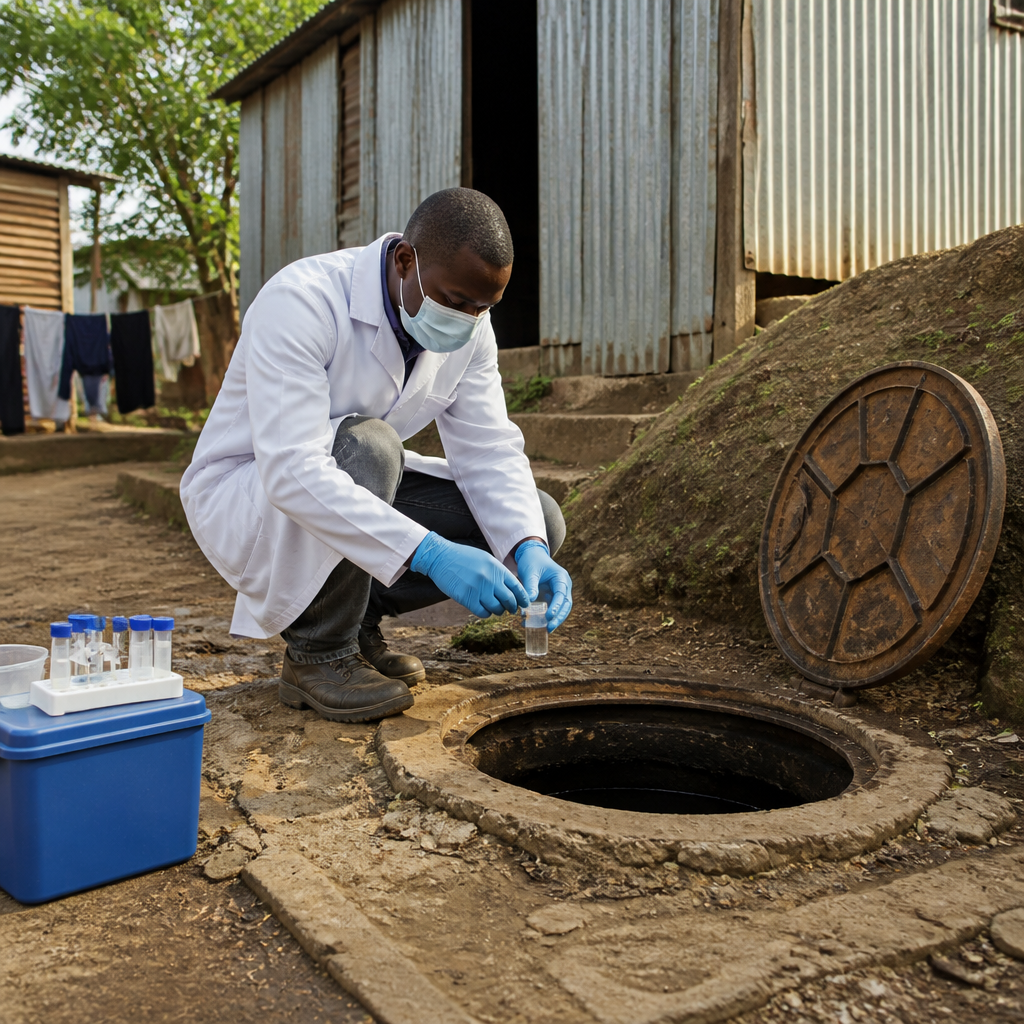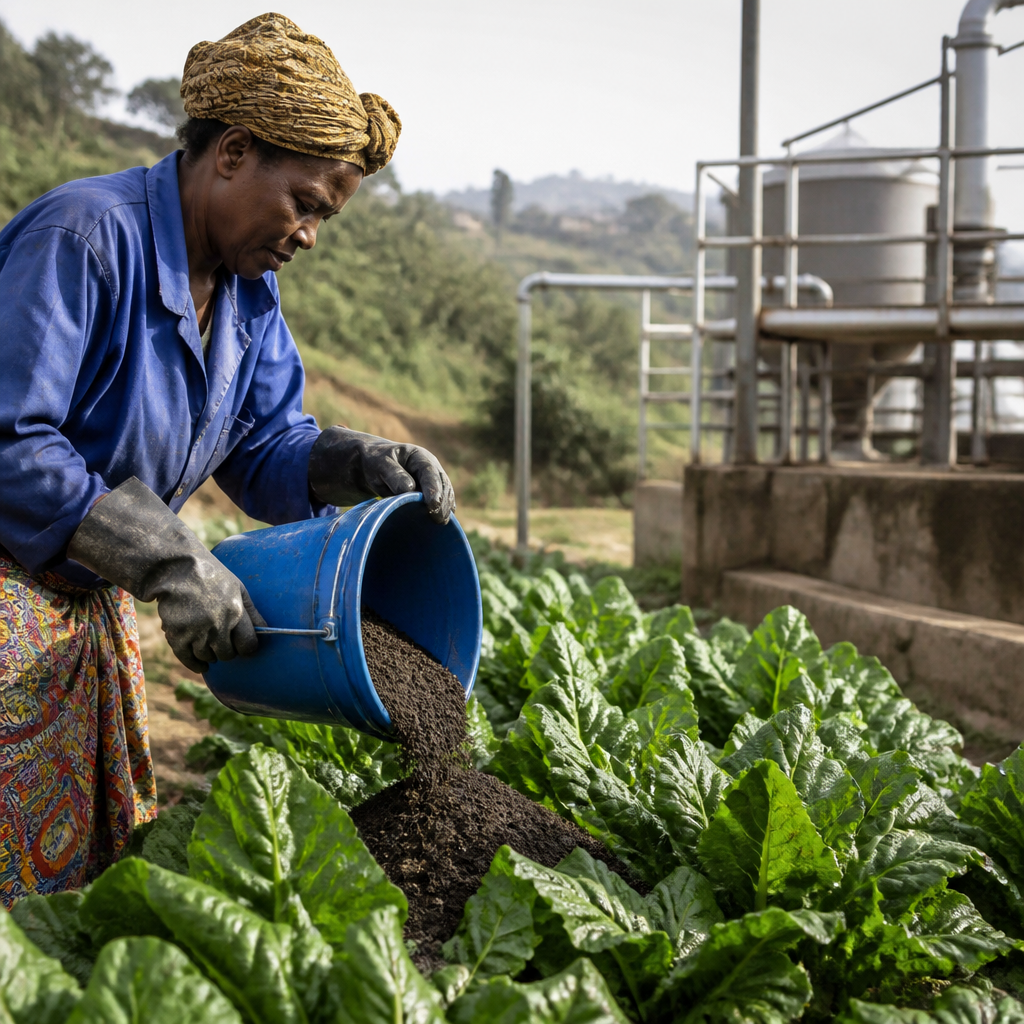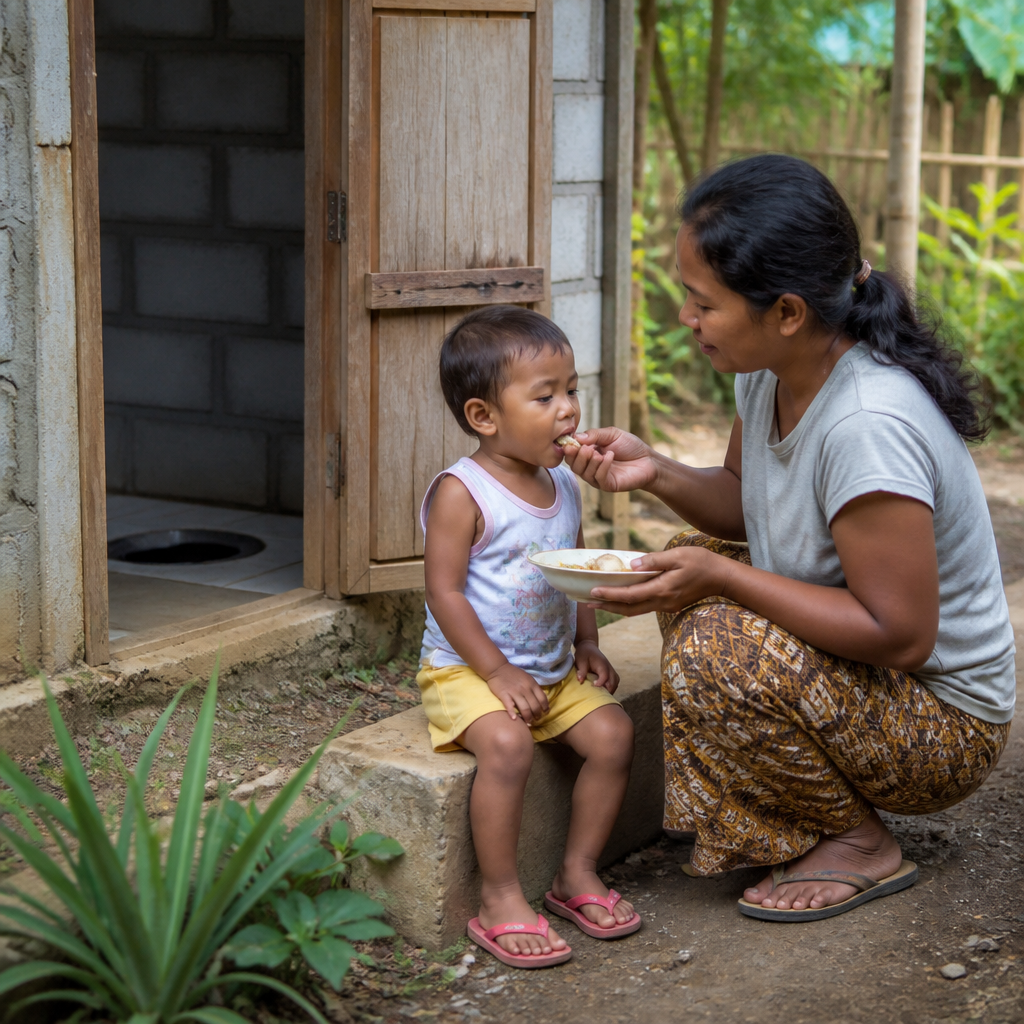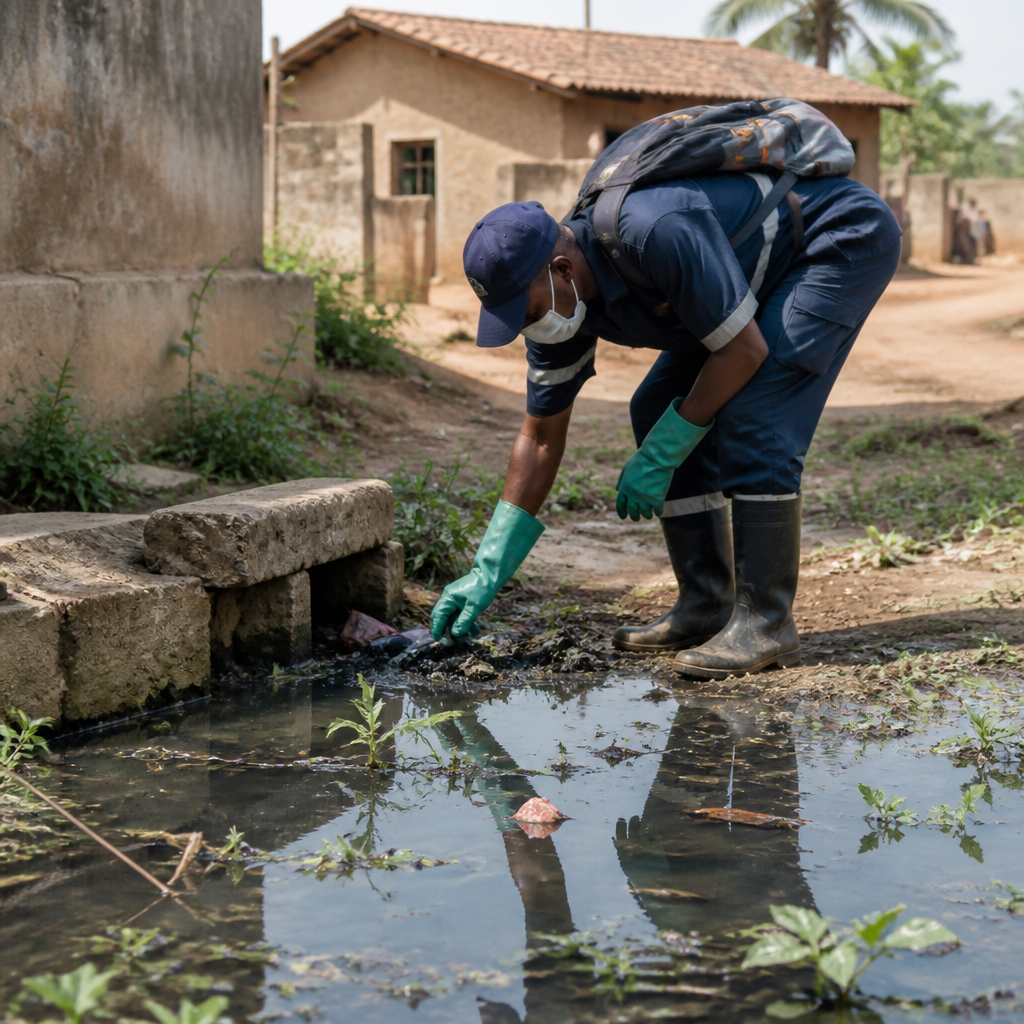
Understanding and preventing vector-borne diseases in sanitation is central to safe, sustainable EcoSan systems because every toilet, sludge-handling point, drainage feature, and reuse practice can either interrupt or amplify disease transmission. In sanitation work, vector-borne diseases are illnesses spread by living carriers such as mosquitoes, flies, fleas, ticks, cockroaches, and rodents that move pathogens from feces, wastewater, stagnant water, waste storage, animals, or people into homes, food, fields, and workplaces. EcoSan, short for ecological sanitation, refers to sanitation approaches designed to protect health while conserving water, recovering nutrients, and returning treated urine, feces, or organic matter safely to productive use. When EcoSan is designed well, it reduces pollution and supports circular resource use; when it is designed poorly, it can create breeding sites, attract disease vectors, and expose operators and households to avoidable risk.
I have seen this directly on sanitation projects where a beautifully built urine-diverting dry toilet performed well for months, then became a fly problem because ash cover was used inconsistently, vents were blocked, and stored material was left accessible during transfer. The lesson was simple: sustainability in sanitation is never only about technology. It depends on operation, maintenance, user behavior, climate, drainage, and the surrounding settlement pattern. A pit latrine with standing wastewater nearby may produce more mosquito pressure than the latrine itself; a composting toilet with poor sealing may encourage flies; a decentralized wastewater reed bed with slow flow and clogged inlets may attract mosquitoes if ponding develops. Health and safety in EcoSan therefore requires systems thinking, not a narrow focus on the toilet unit alone.
This hub article explains the main vectors associated with sanitation, the conditions that let them multiply, the design and operational controls that work in practice, and the sustainability tradeoffs that matter in EcoSan. It also connects the topic to the wider health and safety agenda: worker protection, pathogen reduction, resource recovery, odor management, stormwater control, and community acceptance. If you need a clear foundation for planning, operating, or auditing safety and sustainability in EcoSan, start here.
How sanitation systems contribute to vector-borne disease risk
Sanitation influences vectors through three primary pathways: providing breeding habitat, supplying food sources, and creating human contact opportunities. Mosquitoes need water to breed, so blocked drains, uncovered tanks, leaking taps near toilet blocks, poorly graded wash areas, and treatment units with stagnant surface water become risk points. Flies are drawn to exposed fecal matter, wet organic residues, and poorly covered solids in pits, vaults, and transfer containers. Rodents exploit food scraps, structural gaps, and unmanaged waste around sanitation facilities, then spread contamination through urine, droppings, and movement across storage areas. Cockroaches thrive in damp, dark voids around broken slabs, inspection chambers, and pipe penetrations, carrying microbes mechanically onto surfaces and food preparation areas.
The disease outcomes vary by setting. Mosquitoes associated with poor drainage can increase risk of dengue, malaria, chikungunya, yellow fever, West Nile fever, or lymphatic filariasis, depending on geography and species. Houseflies can mechanically transfer diarrheal pathogens including Shigella, Salmonella, pathogenic Escherichia coli, and helminth eggs from feces to food or utensils. Rodents are linked with leptospirosis and can worsen broader hygiene failures around sludge facilities and transfer stations. In dense settlements, these risks compound because sanitation, solid waste, housing quality, and water storage are tightly linked. That is why sanitation planning must align with drainage, waste management, and vector surveillance rather than treat each service in isolation.
In EcoSan projects, the risk profile differs from conventional sewered systems because material is often stored, dried, composted, or reused close to where it is generated. That proximity offers major environmental benefits, including lower water demand and nutrient recovery, but it means barriers must be deliberate. The multiple-barrier approach used in sanitation safety planning is especially useful here: source separation, secure containment, desiccation or composting, time and temperature treatment, vector exclusion, safe transport, restricted crop application, hand hygiene, and personal protective equipment each reduce risk. No single barrier is sufficient on its own.
Key vectors to control in EcoSan settings
Houseflies are among the most important sanitation-related vectors because they breed rapidly and move easily between fecal material and food. A female housefly can lay hundreds of eggs, and warm, moist organic matter allows quick development from egg to adult. In urine-diverting dry toilets, flies usually indicate moisture imbalance, inadequate cover material, damaged screens, or poor sealing of vault access doors. In composting units, they often signal fresh feedstock exposed without enough carbon cover. The practical control measures are straightforward: keep excreta dry where dry systems are intended, apply ash, خاک equivalent, sawdust, or other suitable cover material consistently, maintain screened vent pipes, seal access hatches, and remove residues around emptying areas immediately.
Mosquitoes require a different strategy because many species breed in clean or lightly polluted standing water, not only in obvious wastewater. Aedes aegypti, the principal dengue vector, often breeds in small containers, roof gutters, and household storage vessels near sanitation blocks. Culex species may exploit polluted drains, soak pits, and wastewater channels. Anopheles mosquitoes, which transmit malaria, prefer different habitats depending on region but are still influenced by drainage patterns around settlements. In sanitation compounds, the highest-yield interventions are eliminating standing water within five to seven days, covering tanks and barrels, maintaining drain gradients, preventing ponding near handwashing stations, and inspecting treatment wetlands or polishing units for blocked flow that creates stagnant pockets.
Rodents become serious when sanitation facilities are paired with unmanaged solid waste, animal feed, or structural defects. I have found rat burrows beside latrine blocks where leaking greywater softened the soil and nearby food waste bins were left open. The fix was not a trap-first program; it was drainage repair, waste container upgrades, vegetation clearance, door sweeps, and slab-edge sealing. Integrated pest management works better than repeated chemical control because it removes the underlying attractants and access routes. Chemical rodenticides may have a place under professional supervision, but they are never a substitute for environmental management.
| Vector | Common sanitation-related habitat | Main health concern | Most effective preventive control |
|---|---|---|---|
| Houseflies | Exposed feces, wet compost, unsealed vaults | Mechanical transfer of enteric pathogens | Dry conditions, cover material, screens, sealed access |
| Mosquitoes | Standing water in drains, tanks, soak areas, wetlands | Dengue, malaria, chikungunya, filariasis | Drainage, covering water, weekly inspection, flow maintenance |
| Rodents | Waste storage, burrows near leaking water points, gaps in structures | Leptospirosis, contamination of facilities | Exclusion, waste control, habitat reduction, repairs |
| Cockroaches | Damp voids, cracked chambers, pipe penetrations | Mechanical spread of microbes, allergen burden | Moisture control, sealing cracks, sanitation, targeted baiting |
Safe design principles for sustainable EcoSan systems
Good EcoSan design prevents vector access before operations begin. For urine-diverting dry toilets, that means a well-sloped urine channel, reliable urine conveyance to sealed storage, separate feces vaults or containers protected from rain, screened ventilation, and access doors that close tightly against frames. The vault interior should stay dry enough to discourage fly breeding and support pathogen die-off. The World Health Organization sanitation safety framework and the ISO 30500 family for non-sewered sanitation systems both reinforce the need for containment, treatment performance, and safe user interfaces. Even in low-cost systems, these principles are achievable with careful detailing.
Drainage design is equally important. Around toilet blocks and reuse areas, grade surfaces so wash water moves quickly to a safe infiltration or conveyance point without forming puddles. Avoid flat concrete aprons that settle and trap water. Use inspection chambers and grease management where appropriate so downstream lines do not clog and overflow. In planted treatment systems, distribute flow evenly, prevent short-circuiting, and maintain media depth so water remains subsurface where intended. Free water surfaces can be valuable in some treatment configurations, but they require species-appropriate vector assessment and active maintenance. In malaria- or dengue-prone settings, subsurface flow wetlands are often easier to manage safely than shallow open ponding features near homes.
Material handling and storage areas also deserve design attention. Containers for dehydrated feces, compost, or biosolids should be closed, labeled, and stored on washable, drained surfaces. Transfer routes should minimize spillage and avoid passing through food preparation or child play areas. Handwashing stations need dependable water or alcohol-based alternatives, soap, lighting, and drainage that does not create mud. If reuse is part of the system, design crop application methods that reduce contact, such as incorporation into soil, restricted use on non-food crops or fruit trees where local guidance permits, and scheduling after adequate treatment and storage periods.
Operational practices that prevent outbreaks and sustain performance
Most vector failures in sanitation are operational, not technological. Facilities that start well can deteriorate when inspection routines fade, cover material runs out, vents clog, or drain cleaning is deferred. The most effective operating model is a simple preventive maintenance plan with named responsibilities, daily housekeeping, weekly vector checks, and monthly structural inspections. On several sites, the turning point came when staff began using a one-page checklist covering moisture in vaults, presence of flies, standing water after washing, condition of screens, fullness of containers, soap supply, and records of emptying. Small defects were fixed before they became infestation problems.
Worker safety is part of vector prevention because poorly protected staff may rush tasks, avoid proper cleaning, or handle material in ways that spread contamination. Minimum controls include gloves suited to the task, boots, hand hygiene supplies, eye protection for splashing risks, and tools that reduce direct contact during emptying and transfer. Training should cover route of exposure, safe lifting, spill response, and why vector signs matter. For example, if larvae are seen in pooled water near a handwashing station, staff should know that the response is drainage correction and water removal, not just insecticide spraying.
Monitoring should combine direct observation and community feedback. Users notice odors, mosquitoes, and flies quickly, often before formal inspections detect root causes. Encourage reporting with a clear mechanism and respond visibly. Data can remain practical: number of fly sightings per week, days with standing water after rain, quantity of cover material used, and time from fault report to repair. Over time, these indicators show whether the sanitation system is becoming safer and more sustainable or drifting toward breakdown.
Balancing safety, reuse, and sustainability in EcoSan
The promise of EcoSan is that sanitation can recover nutrients, protect water resources, and strengthen local resilience, but those benefits only count when health protections are non-negotiable. Urine reuse can reduce synthetic fertilizer demand because it contains most of the nitrogen and a substantial share of the phosphorus and potassium excreted by households. Treated fecal matter can improve soil structure and organic content. Yet neither stream should be reused casually. Storage time, pH, temperature, crop restrictions, local regulation, and user training all determine whether reuse remains safe. Where management capacity is weak, a simpler system with fewer reuse steps may be more sustainable than an ambitious circular model that cannot be operated consistently.
Climate change raises the stakes. More intense rainfall increases flooding, overflow, and mosquito breeding around damaged drains and saturated soils. Hotter conditions can accelerate fly breeding if moisture is present, even while improving desiccation in well-managed dry toilets. Urban growth also compresses distances between sanitation units, water points, and homes, making vector control more urgent. The best response is resilient design paired with realistic operation: elevate vulnerable components in flood-prone areas, protect storage from stormwater, inspect before and after rainy seasons, and align EcoSan with solid waste control and stormwater planning.
The core takeaway is clear. Vector-borne disease prevention in sanitation is not an add-on; it is a design criterion, an operations discipline, and a sustainability requirement. If you manage EcoSan under the broader health and safety agenda, prioritize dry containment where intended, eliminate standing water fast, seal and screen all access points, protect workers, and monitor conditions routinely. Use this hub as your starting point for every related decision, then build site-specific procedures that match climate, settlement density, and reuse goals. Safer EcoSan is achievable, and the next step is to audit your current system for vector risks today.
Frequently Asked Questions
What are vector-borne diseases, and why do they matter so much in sanitation systems?
Vector-borne diseases are illnesses transmitted by living organisms that carry pathogens from one place to another. In sanitation, these vectors commonly include mosquitoes, flies, cockroaches, fleas, ticks, and rodents. They become a major concern because sanitation environments often contain exactly the conditions vectors need to survive and spread disease: fecal matter, damp surfaces, standing water, organic waste, sludge, food residues, animal access, and poorly maintained containment or drainage areas.
These diseases matter in sanitation because vectors can move pathogens from toilets, septic areas, sludge storage sites, drainage channels, wastewater collection points, and waste reuse areas directly into homes, kitchens, schools, and workplaces. For example, flies can land on feces and then on food. Mosquitoes can breed in stagnant water around sanitation infrastructure. Rodents can travel through waste storage areas and contaminate surfaces with urine and droppings. When EcoSan or other sanitation systems are not designed and maintained carefully, they can unintentionally create breeding, feeding, and shelter conditions that increase exposure risks for entire communities.
In safe and sustainable sanitation, the goal is not only to manage human waste but also to interrupt disease transmission pathways. That means understanding where vectors breed, what attracts them, and how poor sanitation practices can multiply their numbers. Effective sanitation reduces vector contact with people by limiting access to waste, keeping systems dry where appropriate, managing drainage, covering storage areas, and maintaining hygienic handling practices. In other words, vector control is not separate from sanitation quality; it is one of the clearest indicators of whether a system is truly protecting public health.
Which vectors are most commonly linked to sanitation problems, and what risks do they create?
The most common sanitation-related vectors are mosquitoes, flies, cockroaches, and rodents, though fleas and ticks may also become important where animals, waste, and poor environmental management overlap. Each vector behaves differently, which means each requires specific prevention measures.
Mosquitoes are strongly associated with stagnant water. Poor drainage around toilets, blocked channels, open wastewater containers, water collected in pits, and neglected treatment areas can create ideal breeding conditions. Depending on the region, mosquitoes may spread diseases such as malaria, dengue, chikungunya, Zika, yellow fever, or various forms of encephalitis. Even small collections of water in broken slabs, discarded containers, tarps, or poorly graded ground can support mosquito breeding if left unmanaged.
Flies are especially important in fecal-oral disease transmission. They are attracted to exposed feces, sludge, decomposing organic matter, and wet waste. After landing on contaminated material, flies can mechanically transfer pathogens to food, water containers, utensils, preparation surfaces, and hands. This increases the risk of diarrheal disease and other infections. In sanitation settings, fly problems are often linked to uncovered toilets, damaged lids, poorly managed composting chambers, leaking sludge containers, and exposed solid waste near sanitation facilities.
Cockroaches thrive in damp, dark places with access to waste and shelter. Cracks, drains, storage rooms, and poorly cleaned toilet structures can support infestations. They can carry microorganisms on their bodies and contaminate surfaces, stored items, and food-related spaces. While often underestimated, they are a strong sign that hygiene, sealing, and moisture control need improvement.
Rodents are highly adaptable and often exploit sanitation systems where food waste, sludge, clutter, structural gaps, and standing water are present. They can damage infrastructure, spread contamination through droppings and urine, and carry additional parasites such as fleas. Their presence is especially concerning in dense settlements or where sanitation sites are close to homes, markets, or food storage areas. The key risk across all these vectors is the same: once sanitation systems attract them, they become mobile links between contamination sources and human living spaces.
How can poor sanitation design or maintenance increase the spread of vector-borne diseases?
Poor sanitation design and weak maintenance create opportunities for vectors at every stage of the system. If toilets are not sealed properly, flies and cockroaches can enter and breed. If urine, wastewater, or stormwater is allowed to collect, mosquito breeding can begin quickly. If fecal sludge is transferred, stored, or treated in open or leaky conditions, vectors gain direct access to infectious material. Even a technically sound sanitation system can become a health hazard if routine upkeep is ignored.
Common design failures include inadequate drainage around toilet blocks, pits or chambers that allow insect entry, missing covers on containers, poor ventilation screening, surfaces that trap moisture, and reuse or storage areas placed too close to homes without barriers or management controls. In EcoSan systems, where resource recovery is part of the model, handling and storage practices become especially important. If composting chambers are too wet, incompletely treated, left open, or accessed without hygiene controls, they may attract flies and other pests rather than safely stabilizing waste.
Maintenance failures are just as serious. Broken lids, cracked slabs, blocked soakaways, spilled sludge, overfilled containers, unmanaged vegetation, and irregular cleaning all create vector-friendly conditions. A toilet or treatment area does not need to be visibly collapsing to become a public health problem; small, repeated lapses often drive the biggest long-term risks. For instance, a drain that remains clogged for several days after each rainstorm can consistently produce mosquito breeding habitat. Likewise, a transfer station that is only occasionally cleaned may become a recurring fly and rodent hotspot.
The broader issue is that vectors respond quickly to environmental conditions. When sanitation infrastructure is neglected, vectors exploit it faster than many operators expect. That is why prevention must be built into both design and operations: site selection, airflow, drainage, sealing, waste handling, cleaning schedules, inspection routines, and user behavior all need to work together. Good sanitation is not just about containment; it is about denying vectors access, moisture, food, and shelter at all times.
What are the most effective ways to prevent vector-borne diseases in EcoSan and other sanitation systems?
The most effective prevention strategy is integrated vector management within sanitation planning and daily operations. This means combining infrastructure design, environmental control, hygiene practices, inspection, and community behavior change instead of relying on a single measure such as spraying or trapping. Strong prevention starts by eliminating the conditions vectors depend on: exposed waste, standing water, dampness, entry points, unmanaged sludge, and nearby food sources.
For mosquitoes, the priority is drainage and water management. Sanitation sites should be graded so water does not collect around toilets, pits, containers, or treatment units. Drains must be kept clear, and any water-holding features should be covered, emptied, or redesigned. Even temporary water accumulation should be taken seriously. For flies, physical exclusion is critical. Toilet drop holes should be covered when not in use where appropriate, vent pipes screened, chambers sealed, and waste handling areas enclosed as much as possible. Composting or dehydration processes should be managed correctly so materials are not excessively wet or exposed.
For cockroaches and rodents, prevention depends heavily on housekeeping and structural integrity. Cracks and openings should be sealed, cleaning should be routine and thorough, storage should be orderly, and nearby food waste must be controlled. Vegetation around sanitation structures should be managed so rodents have fewer hiding places. Sludge handling points should minimize spills and be cleaned immediately after operations. Tools, gloves, and transport containers should also be washed and stored properly, because contaminated equipment can attract pests and spread pathogens beyond the original site.
Operational discipline matters as much as physical design. Regular inspections should check for standing water, insect entry points, damaged covers, odors indicating leakage or poor decomposition, and signs of rodent activity such as droppings, gnaw marks, or burrows. Training for operators and users is essential so that everyone understands why lids must stay closed, why drainage channels must remain open, and why reuse materials must only be applied when adequately treated. In many settings, the most successful programs are those that make vector prevention part of standard sanitation management rather than treating it as an occasional emergency response.
How can communities and sanitation workers identify early warning signs of vector problems before they become disease outbreaks?
Early detection depends on observing patterns, not just obvious infestations. Communities and sanitation workers should watch for repeated mosquito presence near toilets or drainage features, increasing numbers of flies around latrines or sludge storage, cockroach sightings during daytime, rodent droppings, burrows, gnawed materials, foul persistent odors, and water that remains pooled for more than a short period after rain or cleaning. These are not minor inconveniences; they are warning signs that a sanitation system may be enabling disease transmission.
Practical monitoring can be simple and highly effective. Routine walk-through inspections should include checking lids, vents, screens, drains, chamber dryness, wastewater flow, vegetation growth, spill areas, and reuse storage conditions. Workers should document what they see, including where vectors are concentrated and whether the problem is recurring at specific points. A rise in user complaints about biting mosquitoes, swarming flies, or rodent activity around sanitation blocks can also provide valuable early intelligence. In institutional settings such as schools, markets, or shared toilet compounds, assigning responsibility for weekly checks greatly improves response time.
Health trends can also serve as early signals. If a community begins seeing more